
Walking into a new home and being handed something tasty is one of the warmest feelings ever. All over the world, people share special foods to say hello and show they care.
Some of these treats are hundreds of years old and carry deep meaning. Learning about them can help you understand other cultures and maybe even inspire a new tradition at your own front door.
1. Bread and Salt in Russia and Ukraine
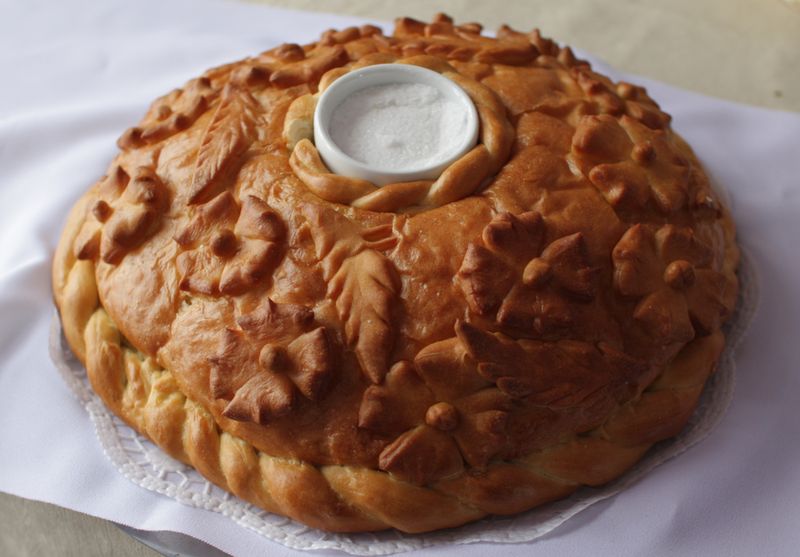
Picture a giant round loaf resting on an embroidered towel, with a tiny bowl of salt tucked on top. That is how many Russian and Ukrainian families greet honored visitors.
Bread stands for plenty, while salt once was so costly it showed true respect. Guests tear off a small piece, dip it in the salt, and eat it.
Visiting Eastern Europe? Never refuse the offer, since saying no can feel like turning down friendship.
2. Mint Tea in Morocco
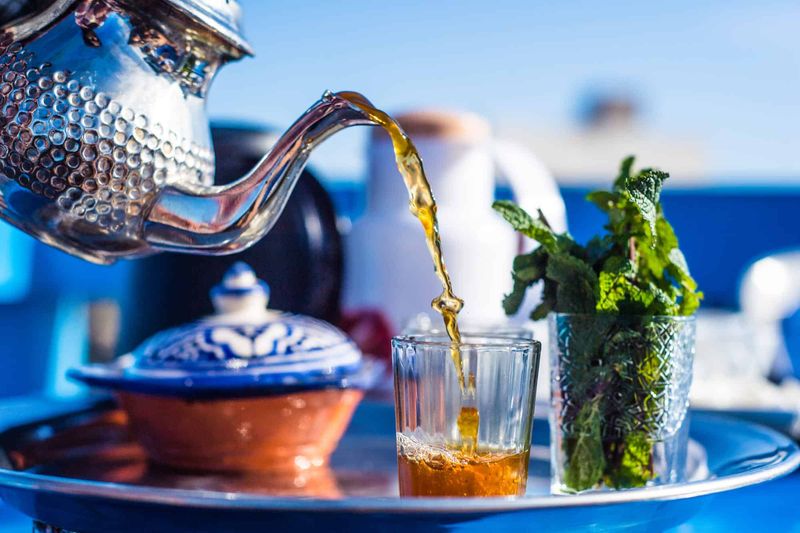
Watch closely and you will see the host lift the silver teapot high, pouring a long, bubbly stream into tiny glasses. In Morocco, that splashy pour is part of the show.
Sweet green tea with fresh mint is served to almost every visitor. Tradition says you drink three glasses, each tasting a little different.
One old saying calls the first gentle like life, the second strong like love, and the third bitter like death.
3. Coffee and Dates in the Arab Gulf

Long before air conditioning, desert travelers relied on Bedouin tents for rest. Hosts welcomed them with gahwa, a light coffee spiced with cardamom, plus sweet, sticky dates.
The coffee comes in tiny cups, filled only partway. Your host keeps refilling until you gently shake your cup side to side.
That little wiggle means you are finished. Keep the cup still, and more coffee keeps arriving.
Handy trick to remember!
4. Turkish Delight and Coffee in Turkey
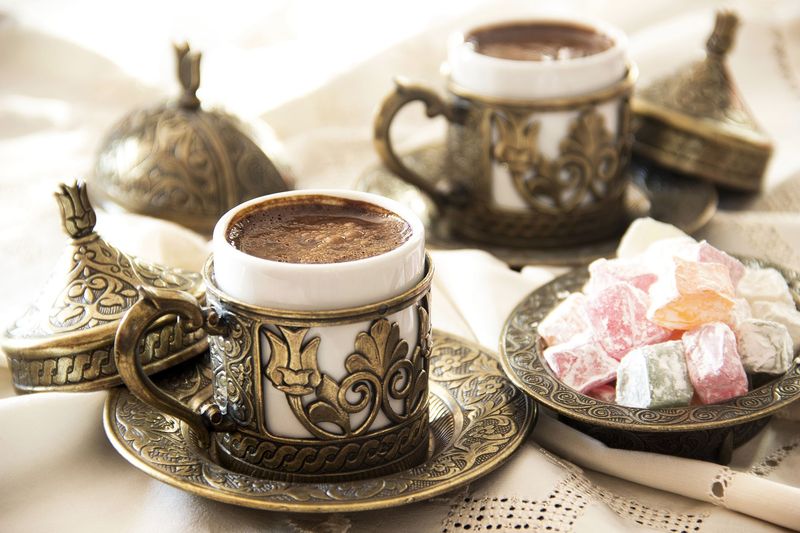
Sugar-dusted cubes of lokum, better known as Turkish delight, often sit beside a tiny cup of strong coffee. Turkish hosts love serving this pair to anyone who drops by.
A glass of water usually comes too, so you can clear your palate first.
Fun fact: lokum has been made in Istanbul for over 200 years. Flavors like rose, lemon, and pistachio make each bite a chewy little surprise.
5. Chai and Sweets in India
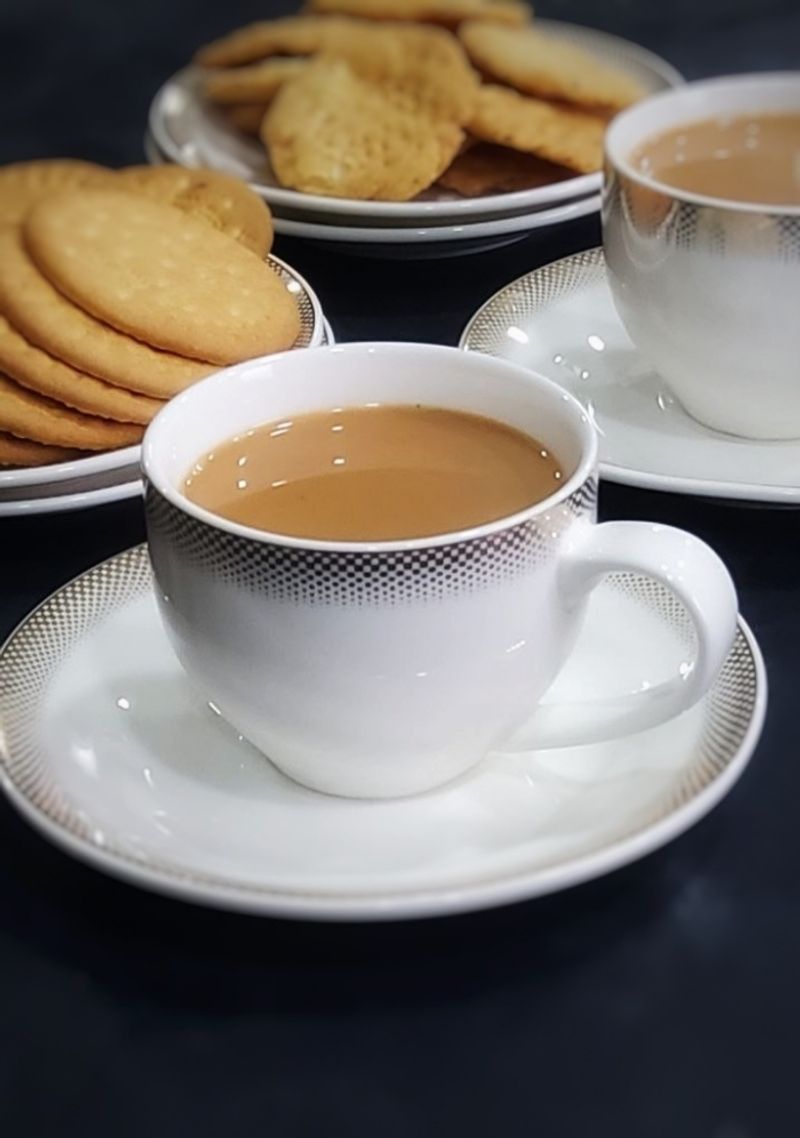
“Atithi Devo Bhava” is an old Sanskrit phrase meaning the guest is like a god. Indian families take it seriously, so expect warm treatment the second you arrive.
Spiced milky chai usually appears fast, often with laddoos, barfi, or crunchy namkeen snacks.
Saying “no thanks” once rarely works, because hosts will happily insist. Accepting even a small bite makes everyone smile and shows you appreciate the kindness.
6. Kava in Fiji

Clap once, say “bula,” and drink it all in one gulp! That is roughly how a kava welcome works in Fiji.
Made from the ground root of a pepper plant mixed with water, kava looks muddy and tastes earthy. It is served in coconut shells from a big wooden bowl.
Visitors to villages often bring dried kava root as a gift, called sevusevu, before joining the circle.
7. Green Tea and Wagashi in Japan
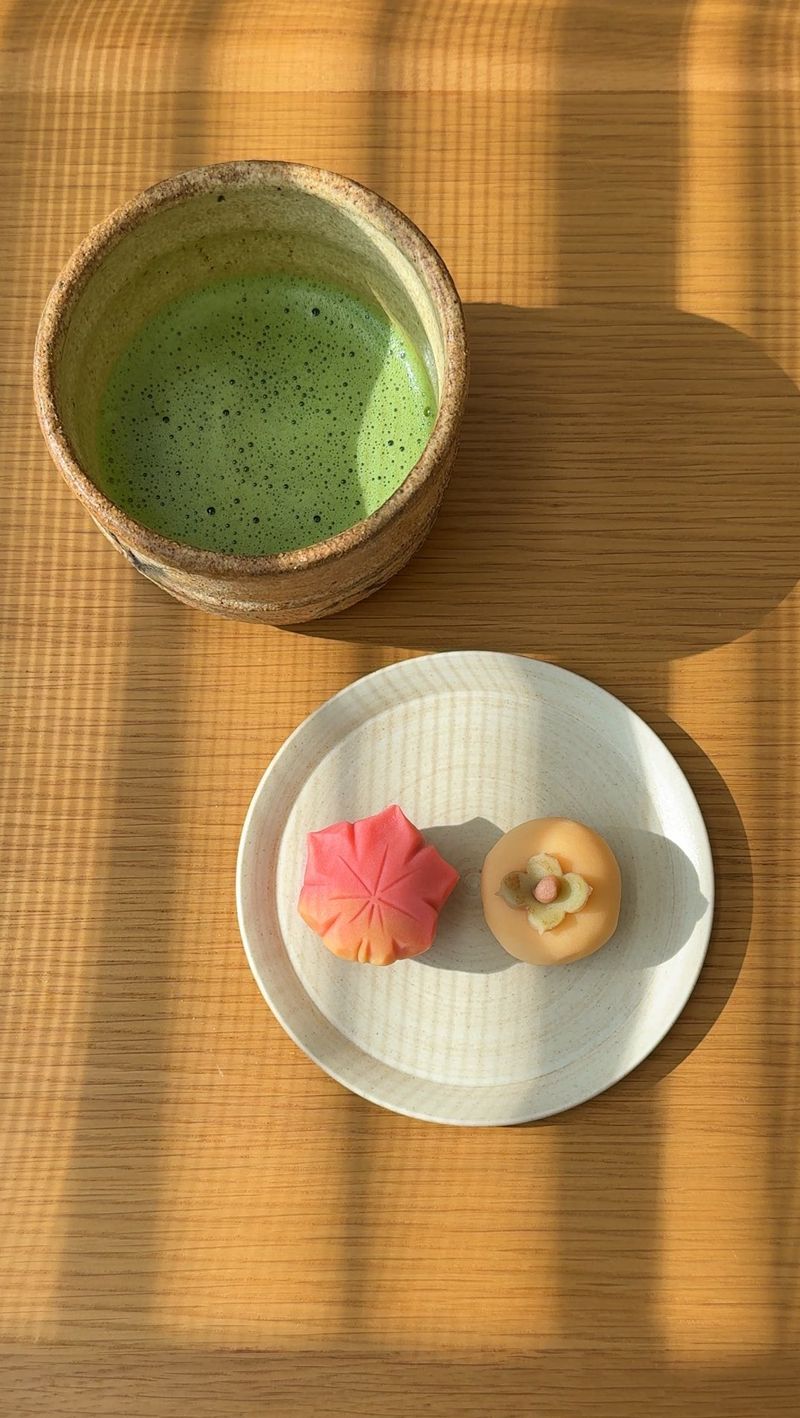
Quiet, calm, and beautifully neat. That sums up how Japanese hosts often serve green tea with small sweets called wagashi.
These treats are made from sweet bean paste and rice flour, shaped like flowers or leaves to match the season.
Eat the sweet before sipping, since its sugar balances the slightly bitter tea. Try turning the bowl a little before drinking.
It shows respect for its prettiest side.
8. Spoon Sweets in Greece

Grandmas across Greece keep jars of glyko tou koutaliou in the cupboard, ready for surprise visitors. The name means spoon sweet, because it is served on one small spoon.
Fruits like cherries, figs, or even baby eggplant get cooked in thick syrup.
A cold glass of water always comes along. Finish the sweet, drink the water, and place the spoon in the glass to say thank you.
9. Kola Nuts in Nigeria

Among the Igbo people of Nigeria, a saying goes, “He who brings kola brings life.” Few welcomes carry more meaning.
An elder blesses the bitter, caffeine-rich nut, breaks it, and shares the pieces. The number of sections can even be seen as a sign of good luck.
Kola tastes pretty bitter, so take a small nibble. The point is sharing, not loving the flavor.
10. Yerba Mate in Argentina
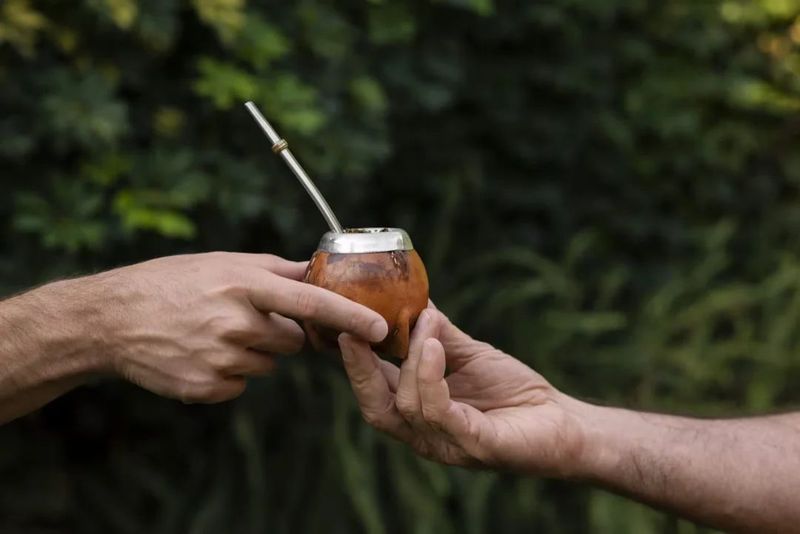
Ever shared one cup with a whole group? Argentinians do it daily with yerba mate.
The host fills a hollow gourd with leafy tea, adds hot water, and passes it around with a metal straw called a bombilla. Each person drinks it all, then hands it back for a refill.
Quick tip: only say “gracias” when you are done. It signals you want no more rounds.
11. Fika Coffee and Cinnamon Buns in Sweden
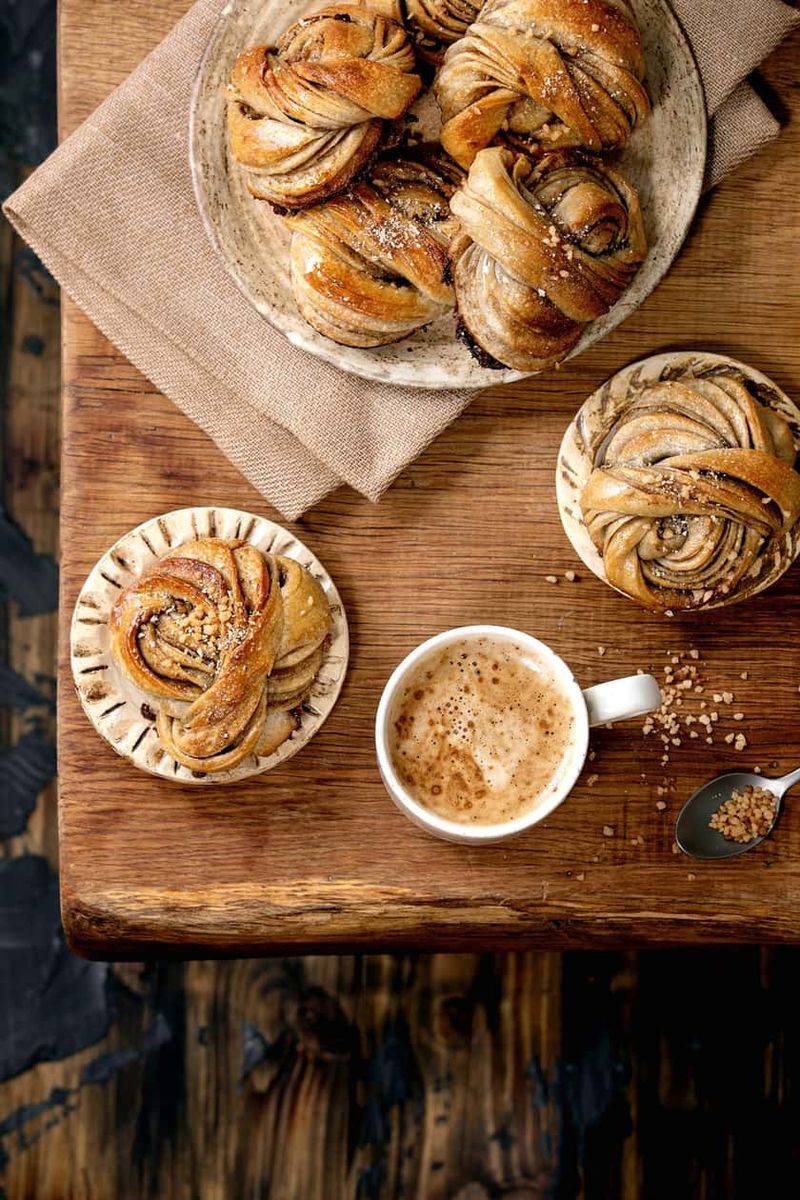
Swedes even have a word for slowing down over coffee and a pastry: fika. Pop into a Swedish home, and the kettle goes on almost instantly.
Kanelbullar, soft cinnamon buns twisted into knots, are the star of the table. Cardamom buns are a close favorite.
Sweden celebrates Cinnamon Bun Day every October 4th. Bake a batch at home for your own cozy fika moment.
12. Injera and Coffee Ceremony in Ethiopia
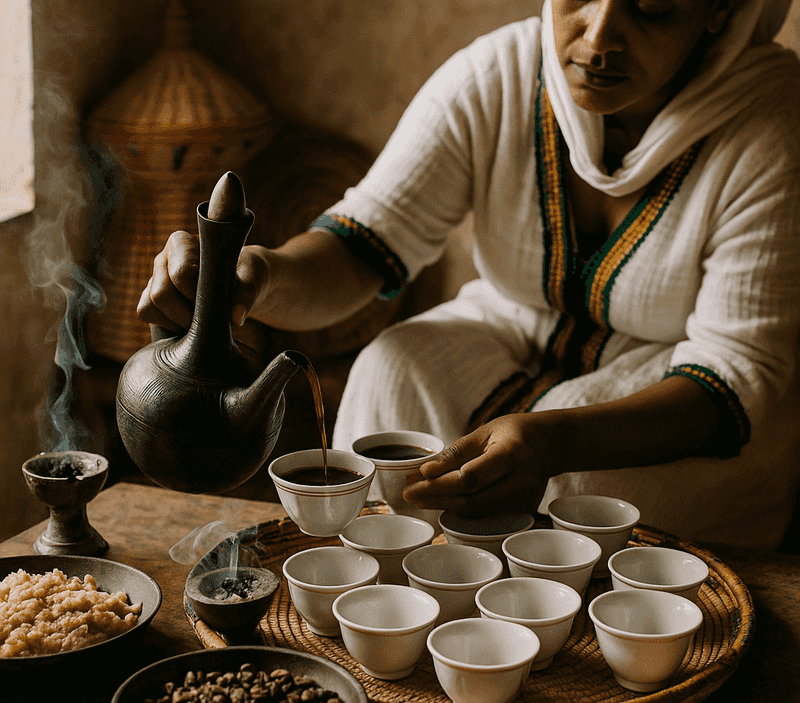
Smell that? Freshly roasted beans and burning incense fill the room during an Ethiopian coffee ceremony.
The host roasts green beans, grinds them by hand, then brews coffee in a clay pot called a jebena. Popcorn is often served on the side, which surprises many visitors.
Meals may follow on spongy injera bread. Hosts sometimes hand-feed guests a bite, called gursha, as a sweet sign of love.
13. Butter Tea in Tibet
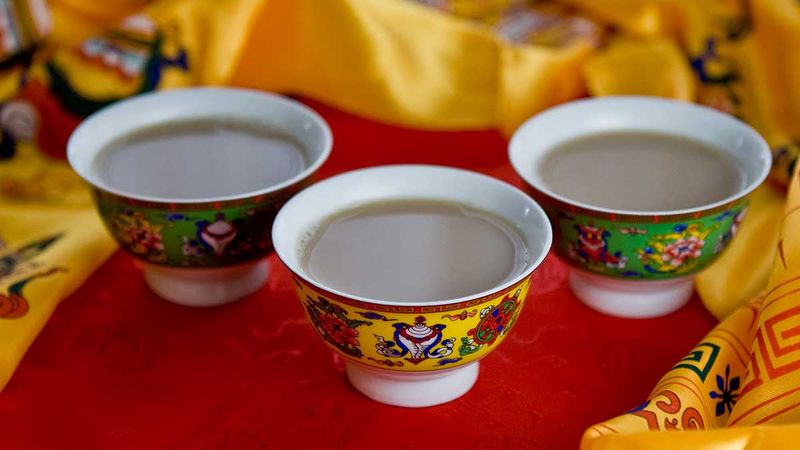
Salty and buttery instead of sweet? Yes, really.
Tibetan butter tea, called po cha, surprises nearly every first-time drinker.
Made by churning black tea with yak butter and salt, it keeps people warm high in the chilly Himalayas.
Hosts top up your bowl after each sip, so it never looks empty. Leave it full when leaving, then drink it down just before you go.
Polite and simple.
14. Bánh Chưng and Tea in Vietnam
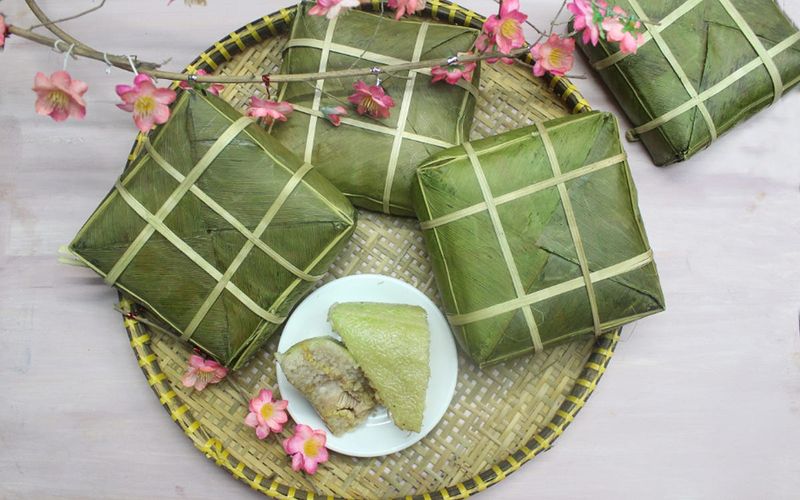
During Tet, the Lunar New Year, Vietnamese families welcome a stream of visitors. Tea, candied fruits, and bánh chưng fill the table.
Bánh chưng is a square sticky rice cake stuffed with mung beans and pork, wrapped in green leaves. Legend says a prince invented its square shape to honor the earth.
Candied ginger and coconut strips sit in a pretty tray for nibbling while chatting.
15. Pineapple in Colonial America
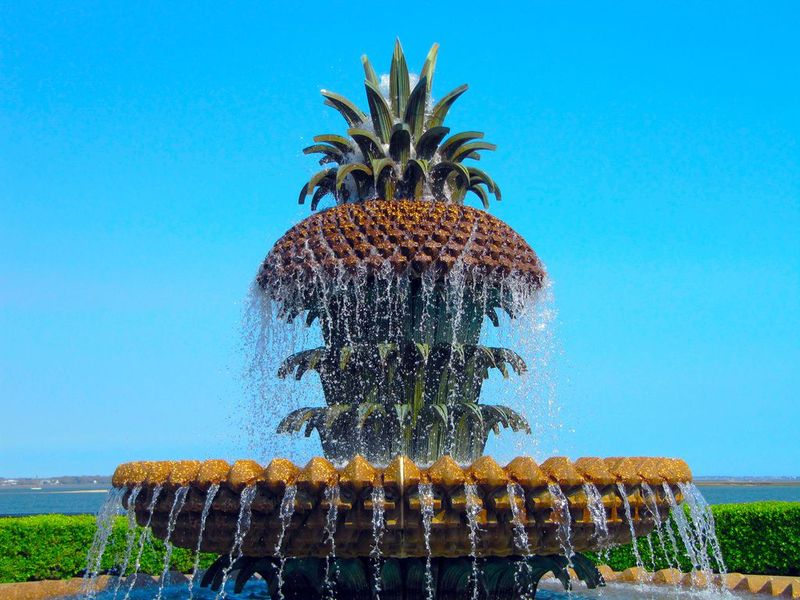
Ever noticed pineapple shapes carved on old doorways or gateposts? There is a story behind them.
In colonial America, pineapples were rare and wildly expensive, shipped from the Caribbean. Placing one on the table showed guests they were worth the very best.
Some hosts even rented pineapples just for display! Today the fruit remains a symbol of hospitality.
Serve fresh slices to visitors as a nod to history.
16. Hāngī and Food Sharing in New Zealand
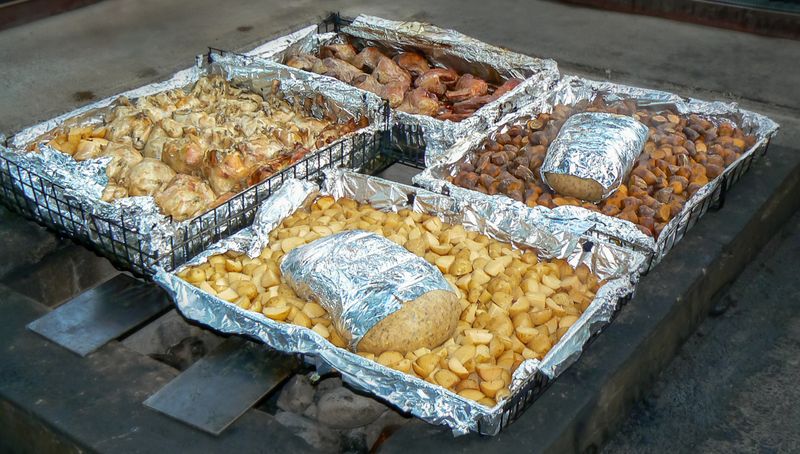
After a formal welcome called a pōwhiri, Māori hosts in New Zealand share food with visitors. Eating together lifts the sacred tapu and makes guests part of the group.
A hāngī is often the feast. Meat and vegetables slow-cook for hours in a pit with hot stones.
The result tastes smoky, tender, and earthy. Joining a marae meal is a true honor, so arrive hungry and grateful.
17. Korovai-Style Pogača in the Balkans
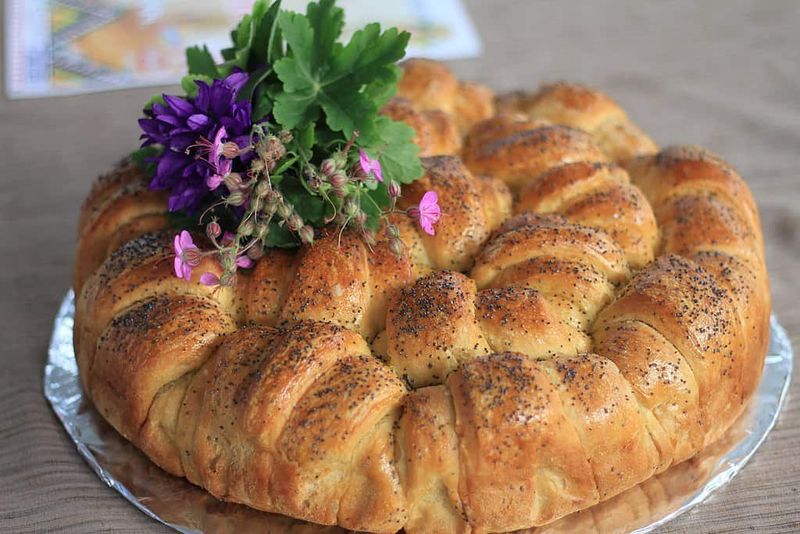
Golden, round, and sometimes decorated with braided dough, pogača is the Balkan answer to a welcome loaf. Families in Serbia, Croatia, and Bosnia bake it for special visitors.
Like other bread-and-salt customs, it signals that you are safe and wanted.
Some versions hide a coin inside during holidays. Whoever finds it gets good luck all year, so chew carefully and enjoy every warm, fluffy bite!