
A country’s wealth does not measure the beauty, history, or welcome travelers can find there. From mountain trails to lively markets, many places with lower average incomes have strong appeal for visitors.
This list includes low-income countries and others that are less wealthy by global or regional standards, not a strict ranking of the world’s poorest nations. Thoughtful travel can support local jobs, but checking safety advice and choosing responsible businesses matters.
1. Nepal: Himalayan Trails and Living Heritage
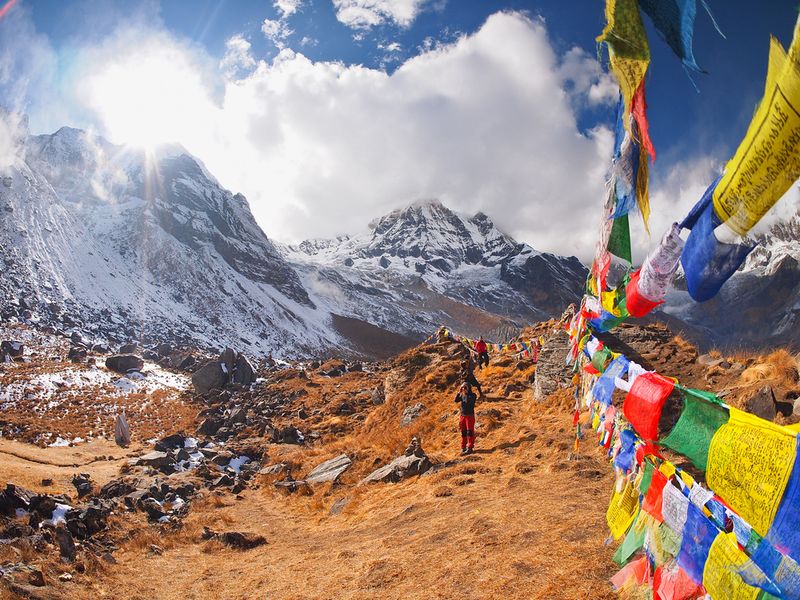
Snowy peaks may bring you here, but neighborhood bakeries and temple squares can become favorite memories. Beyond its famous trekking routes, Nepal offers Kathmandu Valley heritage sites, lakeside stays in Pokhara, and wildlife trips in the southern plains.
Allow time to adjust before climbing higher, and hire qualified local guides where required. Mountain weather changes quickly, so leave spare days.
Family guesthouses and locally run restaurants help more of your spending reach nearby communities directly.
2. Cambodia: Angkor and Everyday River Life
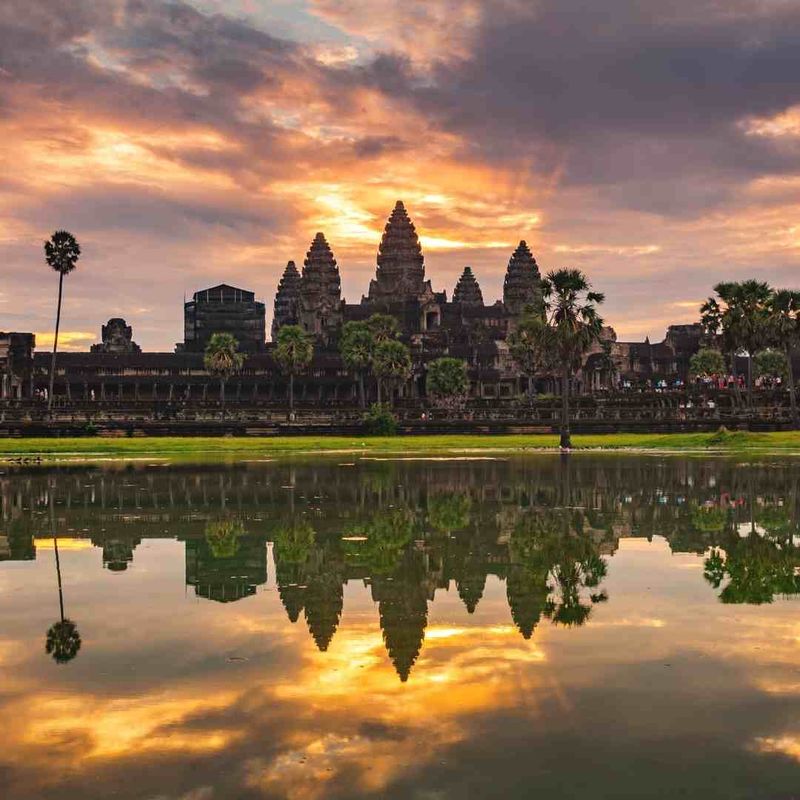
Sunrise behind Angkor Wat turns a history lesson into something unforgettable. Cambodia draws travelers with ancient Khmer temples, lively markets, and riverside towns, while its average income remains low compared with much of the world.
Give the Angkor complex several days rather than rushing between monuments. Wear clothing that covers shoulders and knees at sacred sites.
Choose trained guides, carry refillable water, and avoid attractions that let tourists handle wildlife or visit children in institutions.
3. Uganda: Forest Encounters Worth Planning For
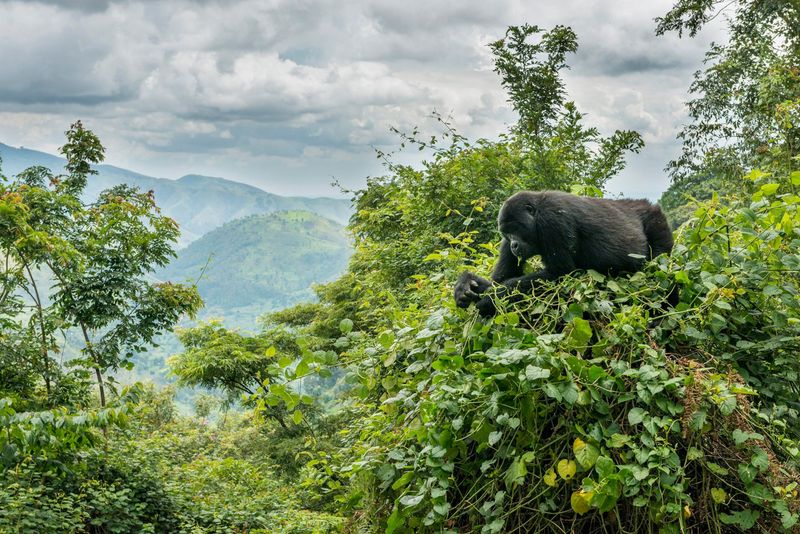
A quiet forest can suddenly feel enormous when a gorilla appears through the leaves. Uganda attracts wildlife lovers to Bwindi, chimpanzee tracking areas, and parks where boat trips reveal hippos and birds.
Gorilla permits are limited, so arrange them through official channels or reliable operators well ahead. Follow distance rules and never trek while sick.
Despite the country’s low average income, specialist wildlife trips can be expensive because permits, transport, and conservation costs add up.
4. The Gambia: Beaches With a Birdsong Soundtrack
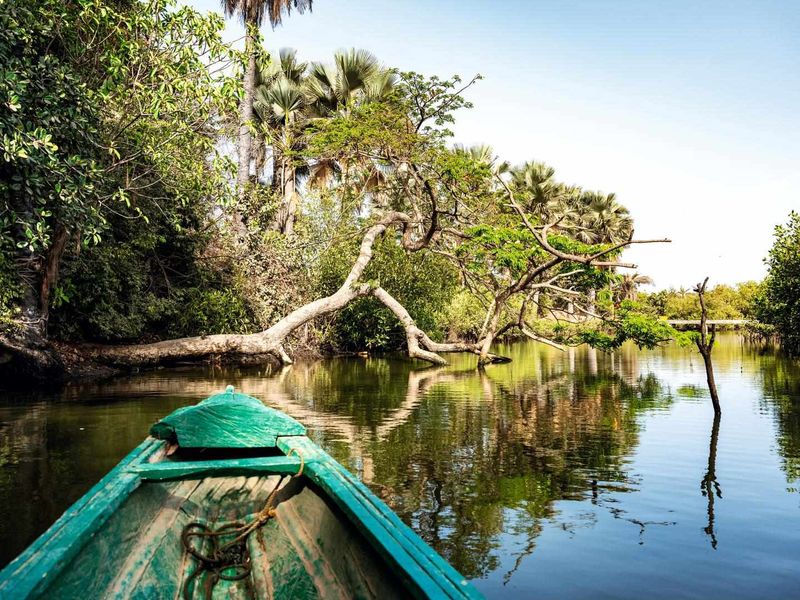
Birdsong competes with the ocean breeze along this small West African country’s coast. Beach holidays bring many visitors to The Gambia, but river excursions, markets, and guided birdwatching add depth beyond a sunbed.
The dry season generally offers easier travel, though coastal resorts can feel busy. Ask permission before photographing people, agree on taxi fares beforehand, and use reputable boat operators.
Spending at independent restaurants spreads tourism income beyond the largest hotels and beach resorts.
5. Tanzania: Big Wildlife and Indian Ocean Shores
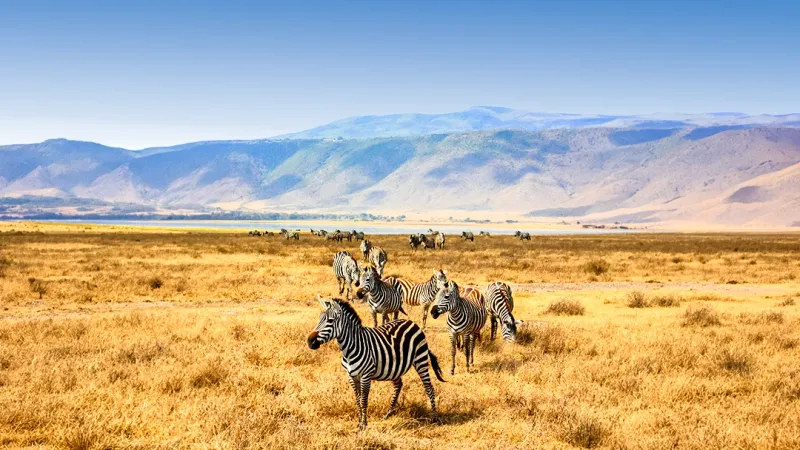
Few sights match a vast plain dotted with moving herds. Tanzania’s Serengeti and Ngorongoro draw safari travelers, while Zanzibar adds historic streets and ocean views to longer trips.
Do not assume lower national incomes mean cheap holidays. Park fees, guides, and remote lodges can make safaris costly.
Compare licensed operators carefully, ask what prices include, and respect wildlife viewing rules. Migration routes shift with rainfall, so no company can honestly promise a particular river crossing.
6. Madagascar: A World Apart for Nature Lovers
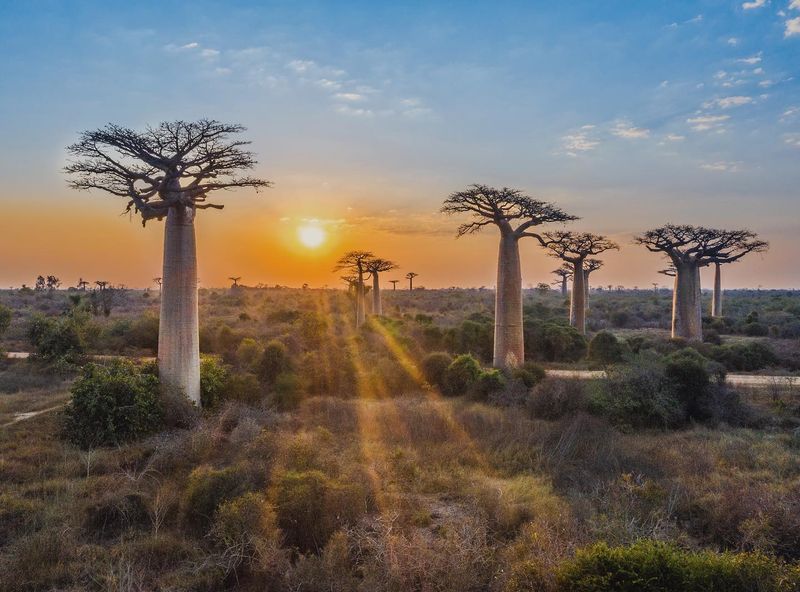
Lemurs leap through branches in a place unlike anywhere else. Madagascar’s long isolation helped create remarkable wildlife, making it a prized destination for nature travelers despite widespread poverty and limited infrastructure.
Build your route around a few regions instead of chasing every famous sight. Roads can be slow, and weather may disrupt plans.
Employ knowledgeable local guides in protected areas, never buy wildlife products, and check seasonal conditions before booking coastal stays or forest walks.
7. Mozambique: Island Dreams With Careful Planning
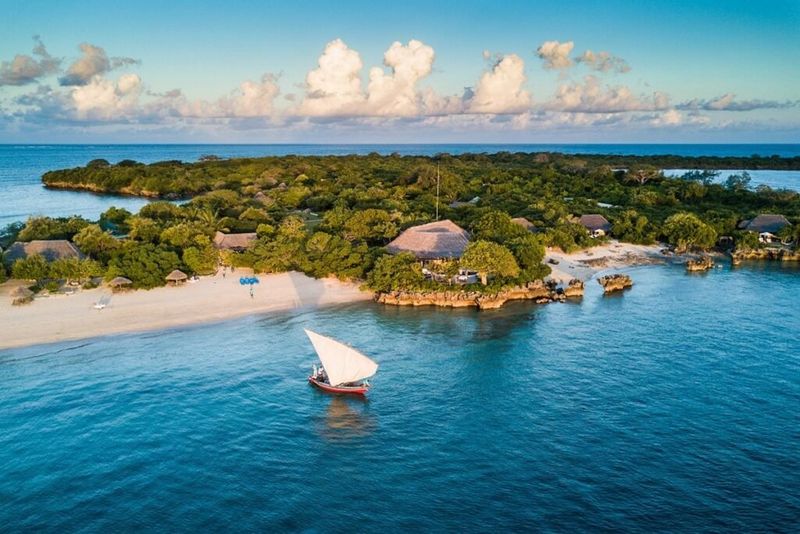
Turquoise shallows and sailing dhows explain Mozambique’s appeal at a glance. Its coastline and islands attract beach lovers and divers, even as many residents face serious economic hardship.
Travel conditions vary sharply by region, and parts of the north face armed conflict. Check current government advisories before choosing a route, rather than treating the whole country alike.
Use established operators, confirm transfers, and ask about reef protection when arranging snorkeling or diving around sensitive habitats.
8. Rwanda: Green Hills and Remarkable Wildlife
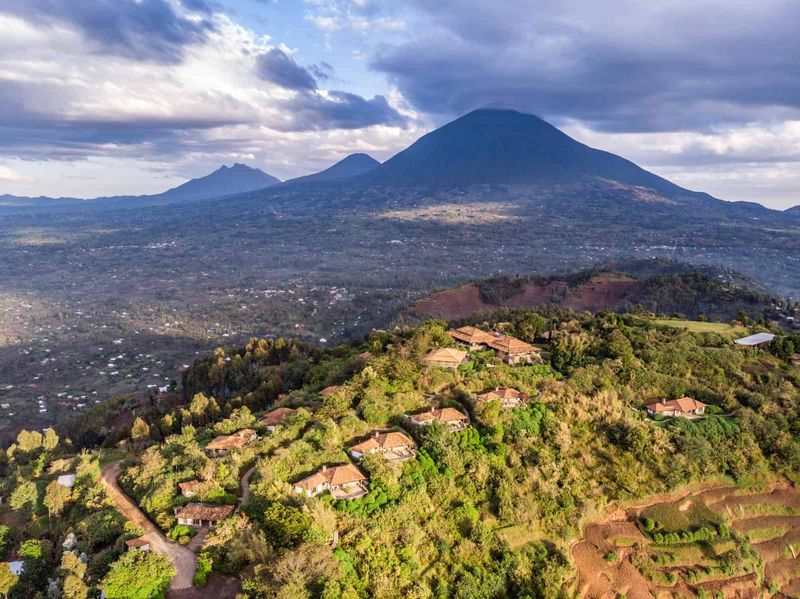
Mist rolling over volcanic slopes sets the mood for Rwanda’s best known wildlife experience. Gorilla trekking draws international visitors, while Akagera’s savannas and Lake Kivu offer very different scenery.
Book permits early and budget realistically, since conservation tourism here often targets travelers with substantial spending power. In Kigali, approach genocide memorials with quiet respect and allow time to understand their history.
Locally owned hotels, craft shops, and restaurants offer ways to support livelihoods beyond park visits.
9. Kenya: Safari Country With Much More
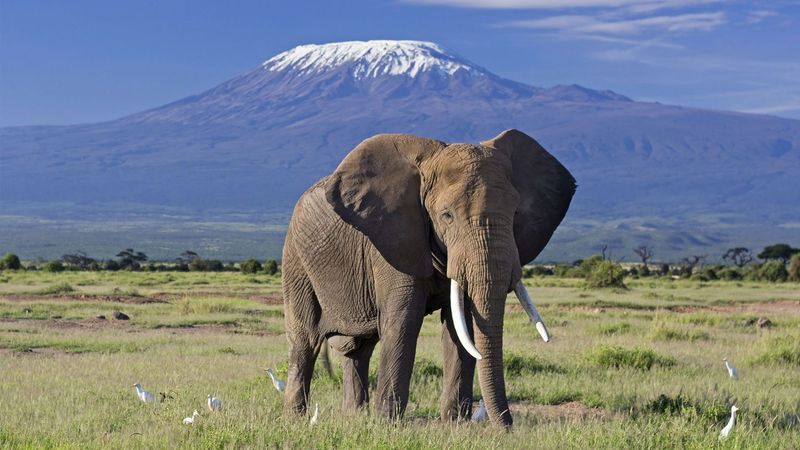
An elephant against a mountain skyline is only one chapter of a Kenyan holiday. Established safari parks, Indian Ocean beaches, and Nairobi’s museums and food scene keep the country firmly on travelers’ maps.
Choose camps that explain their conservation work and relationships with nearby communities. Wildlife sightings are never guaranteed, so value skilled guiding over dramatic promises.
Check regional safety guidance, leave generous time for road journeys, and ask permission before taking portraits in villages.
10. Zambia: Waterfalls and Walking Safaris
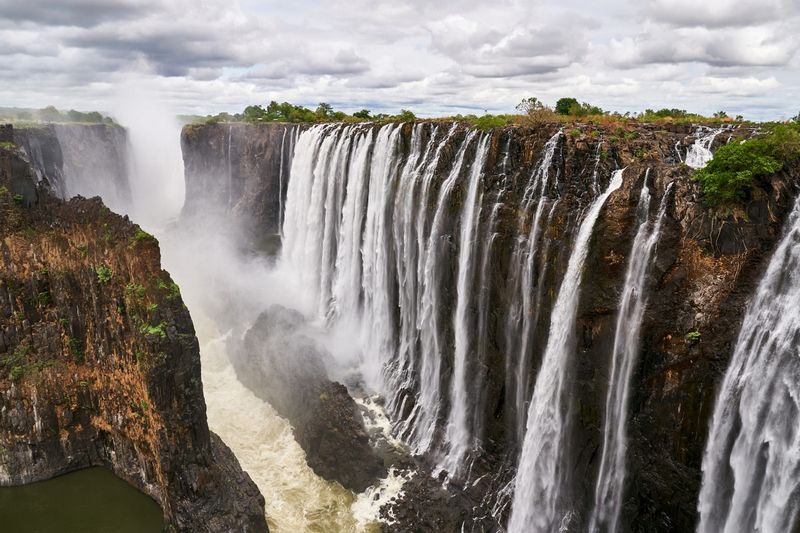
The roar reaches you before the full view of Victoria Falls appears. Zambia pairs this famous landmark with wildlife areas such as South Luangwa, known for guided walking safaris.
Water levels change through the year, affecting views and available activities near Livingstone. Research your preferred season instead of assuming every photograph shows typical conditions.
For walking safaris, choose licensed professionals and follow instructions closely. Purchasing crafts directly from makers can also keep spending rooted locally.
11. Malawi: Lakeside Days at a Slower Pace
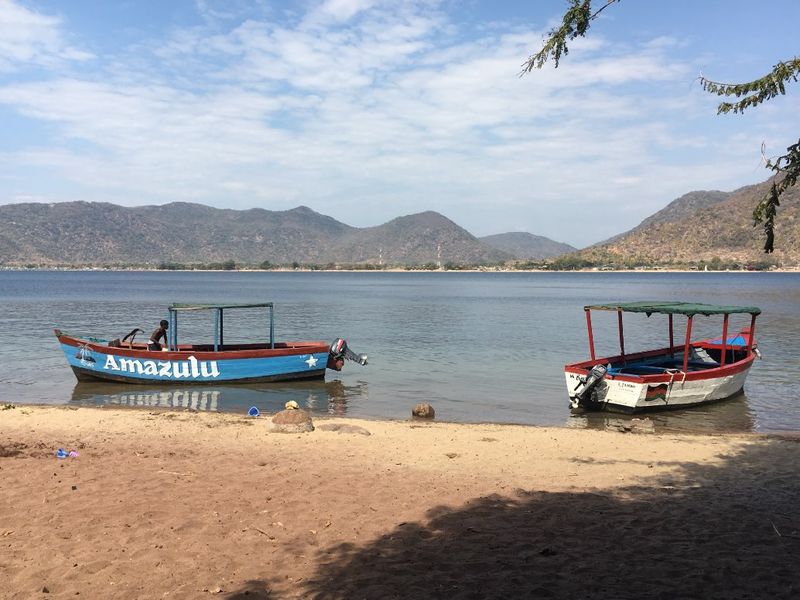
A wooden boat resting beside clear lake water captures Malawi’s unhurried appeal. Travelers come for Lake Malawi, mountain walks, wildlife reserves, and the green tea estates around Mulanje and Thyolo.
Tourism is smaller here than in neighboring safari giants, but established visitor routes reward patient planning. Ask a travel health professional about freshwater swimming risks before entering the lake.
Pick responsible guides for hiking, and allow extra time when traveling between towns by public transport.
12. Moldova: Wine Cellars and Quiet Discoveries
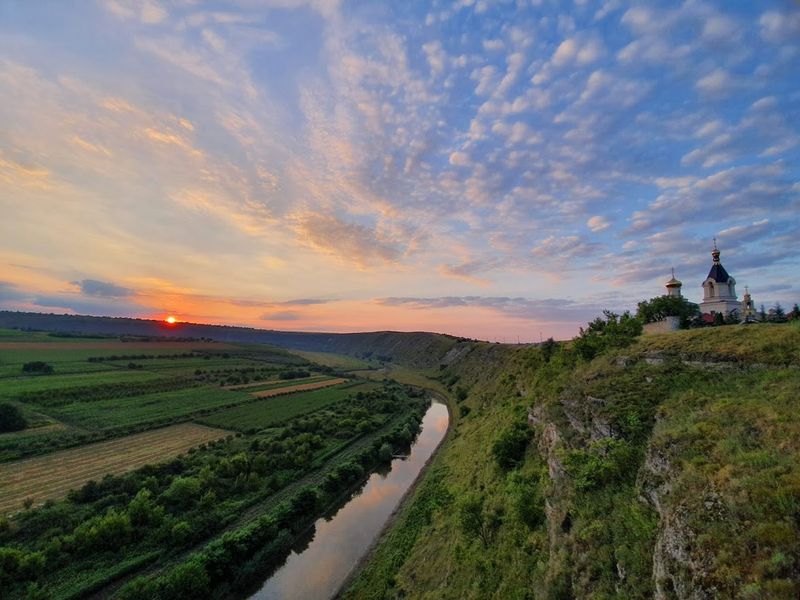
Underground wine cellars can feel like entire hidden neighborhoods. Moldova appeals to travelers seeking vineyard visits, village meals, and the rocky scenery around Orheiul Vechi, without the crowds of Europe’s biggest destinations.
Its inclusion needs context: Moldova is less wealthy by European standards, not among the world’s poorest countries. Tourism is also relatively small.
Arrange winery visits ahead, check current regional travel advice, and avoid assuming that routes near Transnistria are suitable for casual exploration.
13. India: Monumental Sights and Daily Surprises
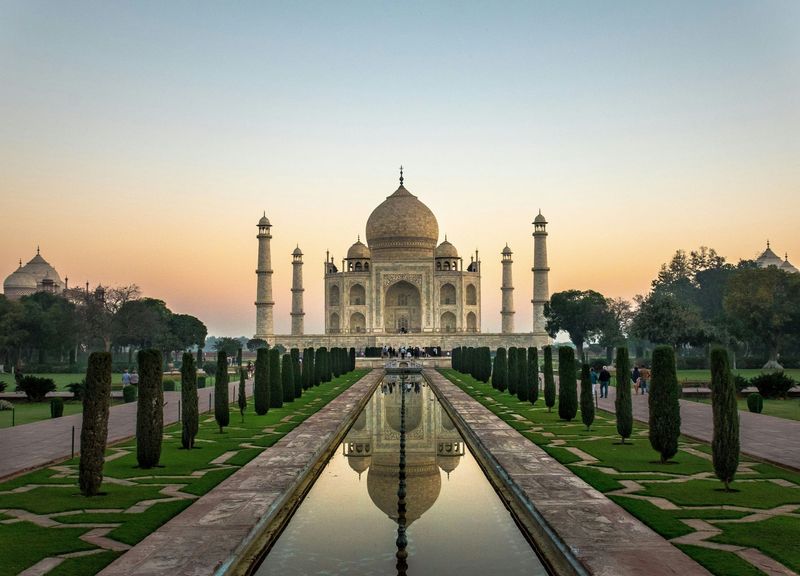
One train journey can carry you between strikingly different languages, landscapes, and meals. India combines major attractions such as the Taj Mahal with Himalayan towns, desert forts, and tropical backwaters.
A huge national economy does not mean high average income, and living conditions vary widely. Plan around a manageable region rather than racing across the map.
Reserve busy train routes early, choose drinking water carefully, and check local weather before traveling during monsoon or heat.
14. Laos: River Towns and Mountain Views
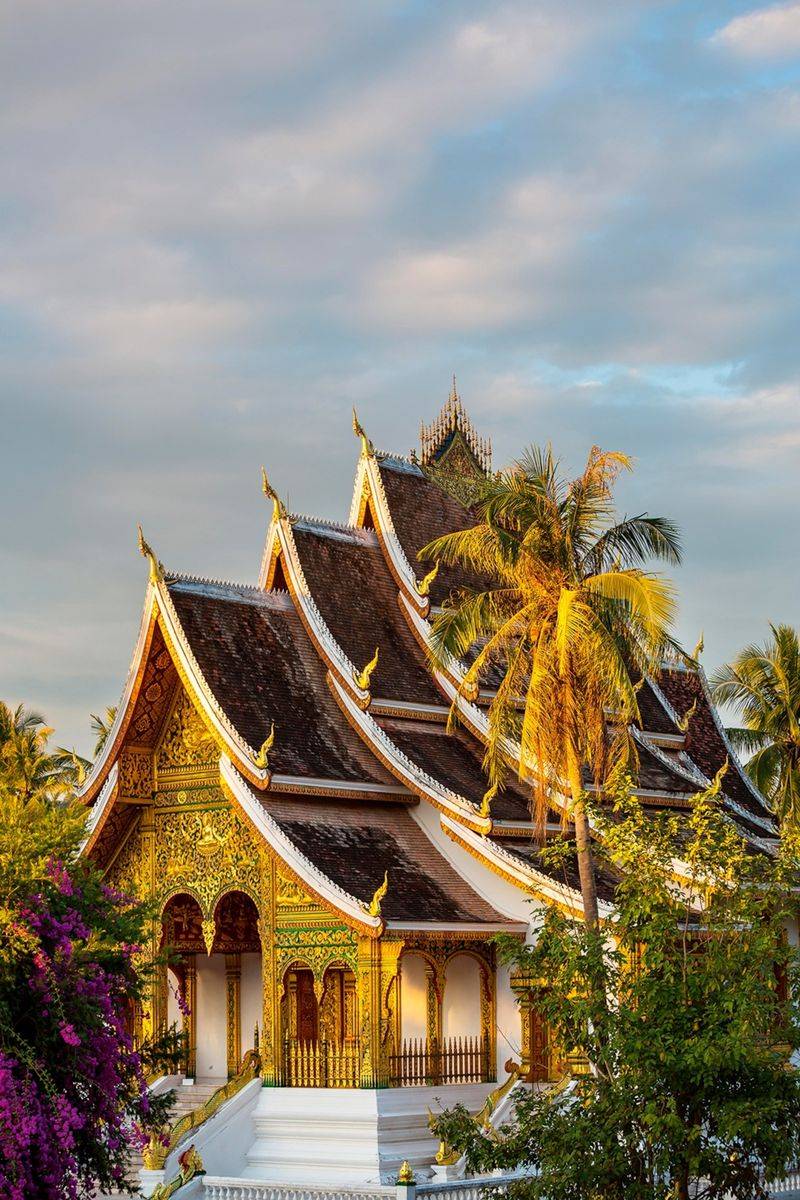
Golden temple roofs catch the morning light above Luang Prabang’s quiet streets. Laos draws visitors with Mekong scenery, waterfalls, and mountain landscapes, while remaining a country with modest average incomes.
Slow travel works well here, even with faster rail connections on some routes. Observe religious ceremonies without crowding participants or using intrusive photography.
In rural areas, stay on marked paths because unexploded wartime weapons remain a danger. Established guides can help you explore more safely.
15. Vietnam: Street Food and Spectacular Landscapes
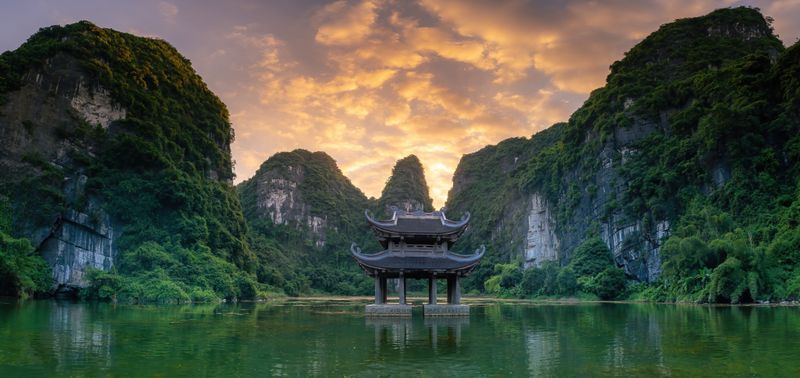
A tiny street stall can serve the meal you remember longest. Vietnam’s food, historic cities, beaches, and limestone scenery attract a large international audience, despite average incomes below those of wealthier tourism markets.
Distances are longer than they look, so combine nearby stops rather than spending every night in transit. Choose reputable cruise and transport companies, check visa rules before departure, and learn basic road crossing habits.
Regional weather patterns should guide beach and mountain plans.
16. Sri Lanka: Tea Hills, Trains, and Temples
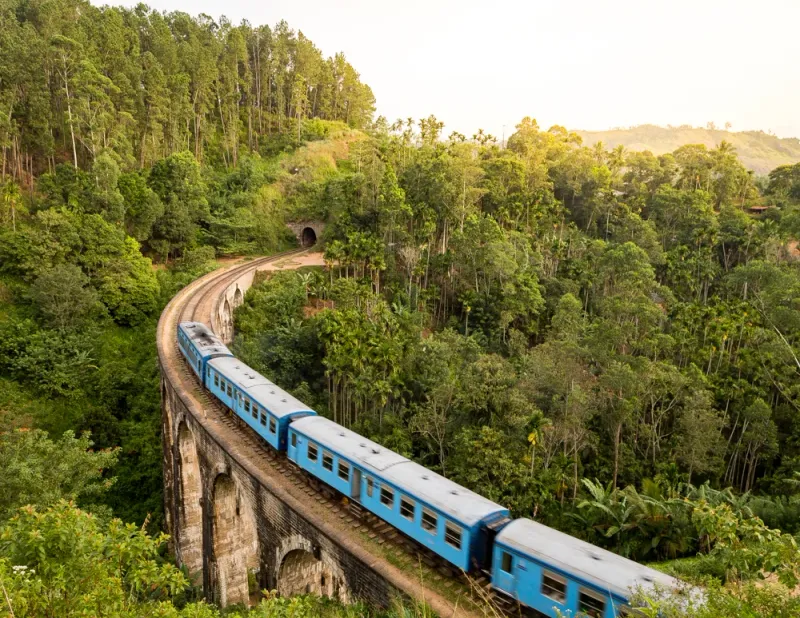
Tea fields unfold beyond the train window as the air turns cooler. Sri Lanka packs ancient cities, wildlife parks, hill country, and beaches into a relatively compact island.
The country is not among the very poorest, but economic hardship makes responsible spending especially meaningful. Book popular trains through reliable channels and check current conditions before travel.
At wildlife parks, avoid drivers who crowd animals. Different coasts have different rainy seasons, so choose beach locations accordingly.
17. Egypt: Ancient Wonders Beyond the Postcards
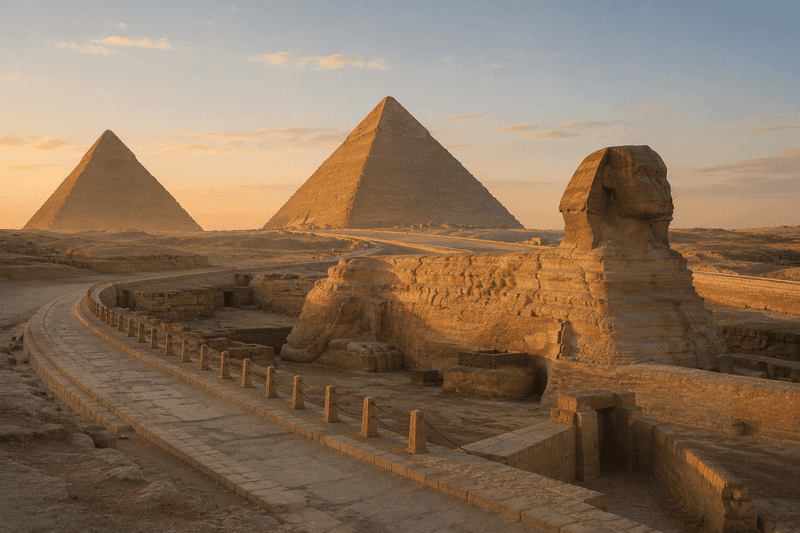
Standing beneath an ancient temple column can make familiar photographs feel suddenly inadequate. Egypt’s pyramids, Nile monuments, and Red Sea resorts support a major tourism industry alongside much lower average incomes than wealthy countries.
Visit outdoor sites early when possible, carry water, and use qualified guides for historical context. Agree on service prices before accepting offers.
Safety conditions differ by area, so follow current official advice rather than judging the entire country by resort experiences.
18. Morocco: Medinas, Mountains, and Atlantic Air
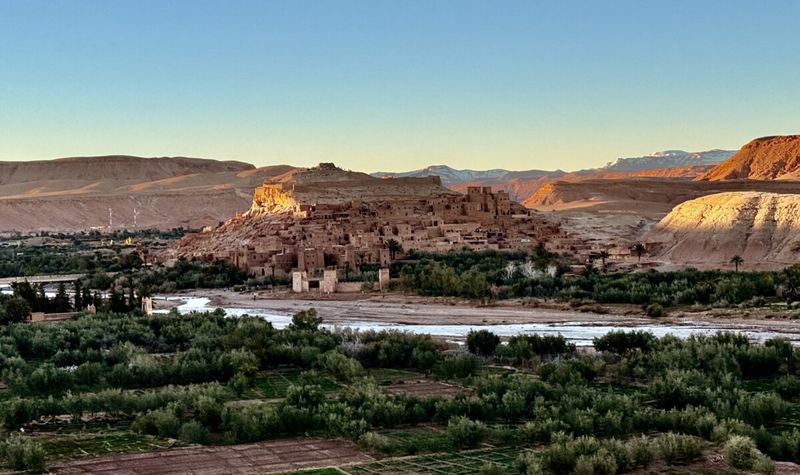
Follow the scent of fresh bread through a medina, and sightseeing becomes wonderfully ordinary. Morocco combines historic cities, Atlas Mountain routes, Atlantic towns, and desert excursions within an established tourism network.
Although not among the world’s poorest nations, it has lower average incomes than many major visitor markets. Hire qualified mountain guides, dress with local customs in mind, and bargain politely where expected.
For desert trips, ask about driving distances, accommodation, and animal welfare standards.
19. Nicaragua: Volcanoes and Colorful Colonial Streets
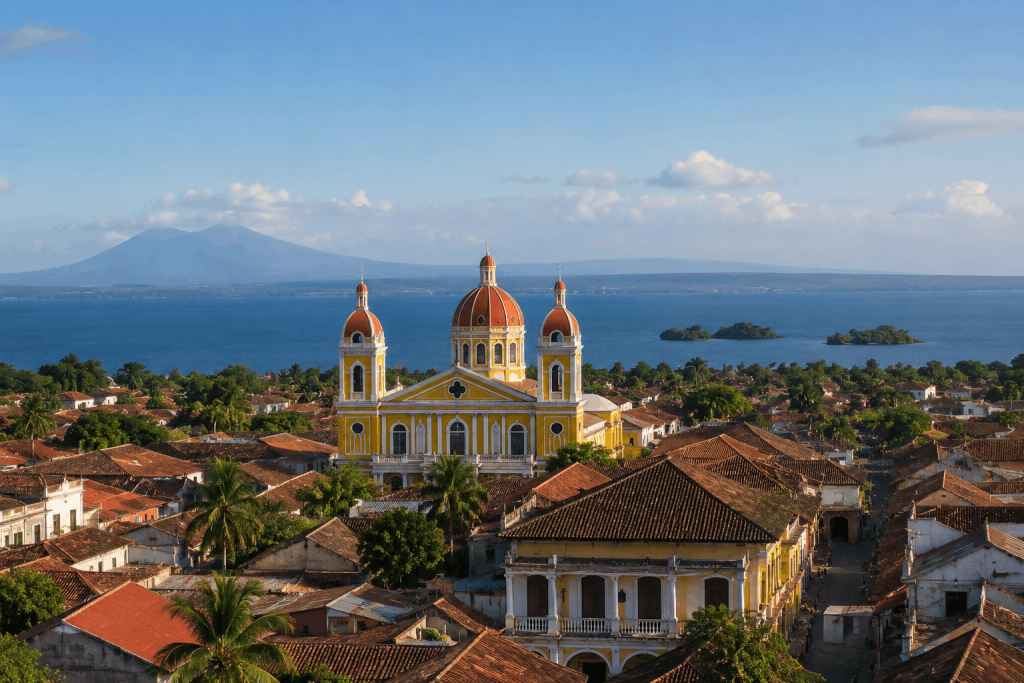
Volcanoes rise beyond bright colonial buildings, giving Nicaragua an instantly memorable skyline. Granada, León, Pacific surf towns, and Ometepe attract travelers seeking landscapes and culture at costs often below nearby Costa Rica.
Lower prices do not remove the need for preparation. Review current safety and entry advice, avoid political gatherings, and choose reliable transport providers.
Volcano outings require proper footwear and experienced guides. Ask local hosts about swimming conditions before entering lakes or unfamiliar coastal waters.
20. Senegal: Music, Coastlines, and Island History
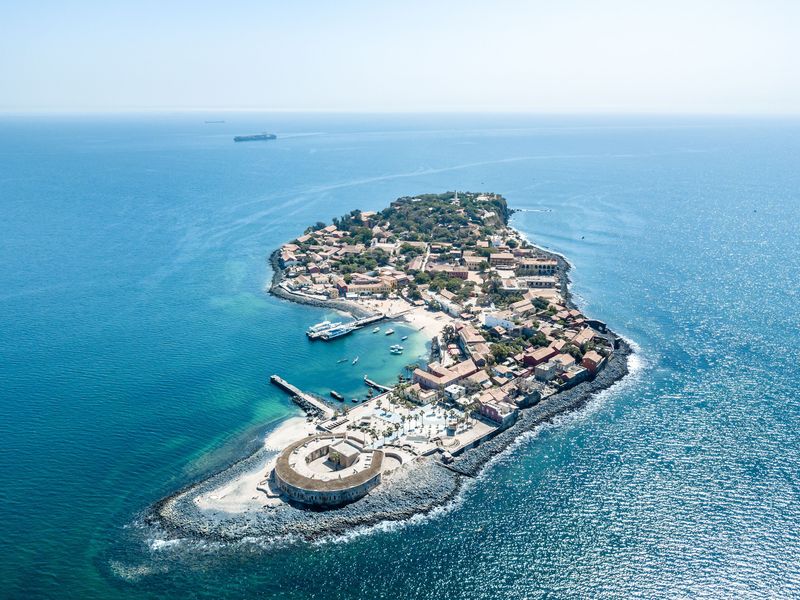
Music spilling from a Dakar venue offers a lively welcome to Senegal. Atlantic beaches, Saint-Louis, and Gorée Island draw visitors, while birdwatchers seek the wetlands of Djoudj National Bird Sanctuary.
Give historical sites room for reflection, especially places connected with slavery. French is widely useful, though learning greetings in local languages adds warmth.
Check regional travel guidance before venturing farther afield, and select guides who explain both conservation needs and community life beyond familiar tourist stops.