
Your body has a hidden team of defenders working every single day to keep germs away. That team is called your immune system, and the food you eat helps give it the tools it needs.
The good news is that many helpful foods are probably already sitting in your kitchen. Here are some tasty, simple picks that can help your body stay strong all year long.
1. Juicy Oranges
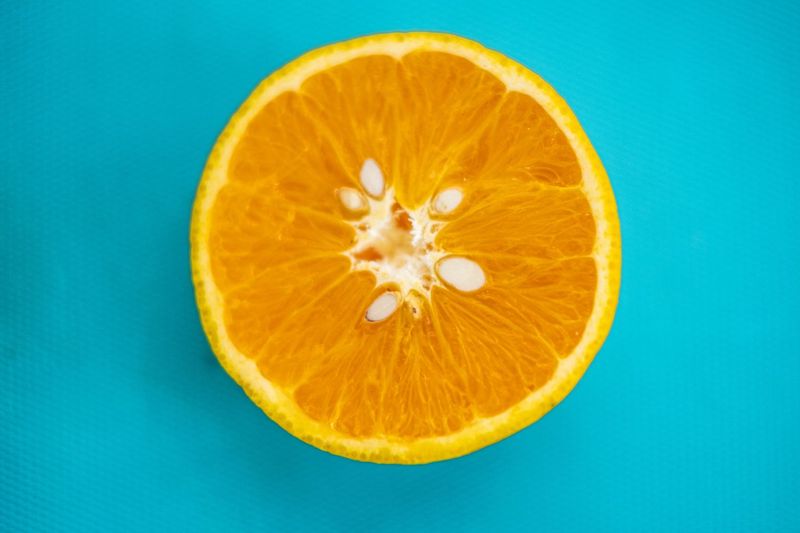
Peel one open and the room instantly smells like sunshine. Oranges are famous for vitamin C, a nutrient that helps your white blood cells do their job of fighting off germs.
One medium orange gives you most of the vitamin C you need in a day. Toss a few segments in your lunchbox or blend them into a smoothie.
Whole fruit beats juice, because the fiber keeps you full and helps your tummy too.
2. Crunchy Red Bell Peppers
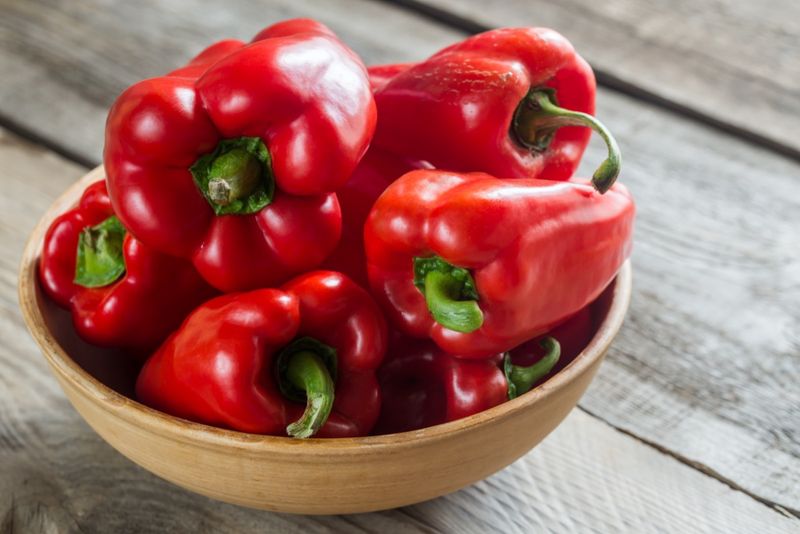
Here is a surprise: ounce for ounce, red bell peppers pack about twice the vitamin C of an orange. They also carry beta carotene, which your body turns into vitamin A to protect your skin and eyes.
Slice them into strips and dip them in hummus for a crunchy snack. You can also toss them into stir-fries, tacos, or omelets.
Raw peppers keep the most vitamin C, so munching them fresh is a smart move.
3. Broccoli Trees
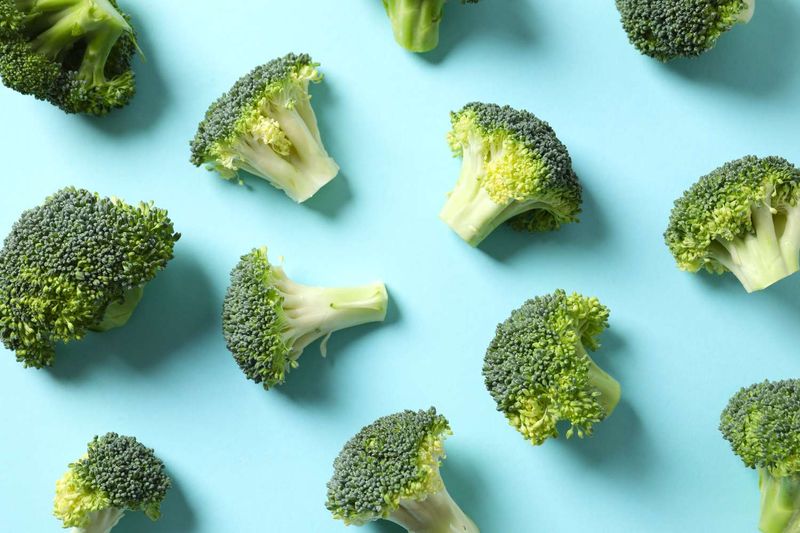
Kids once called them tiny trees, and honestly, they were onto something. Broccoli is like a forest of nutrients, loaded with vitamins A, C, and E plus fiber and antioxidants.
The trick is to cook it lightly. Steaming for just a few minutes keeps more goodness inside than boiling it until it turns mushy and gray.
Try roasting florets with olive oil and a sprinkle of cheese. Even picky eaters often ask for seconds.
4. Garlic Cloves
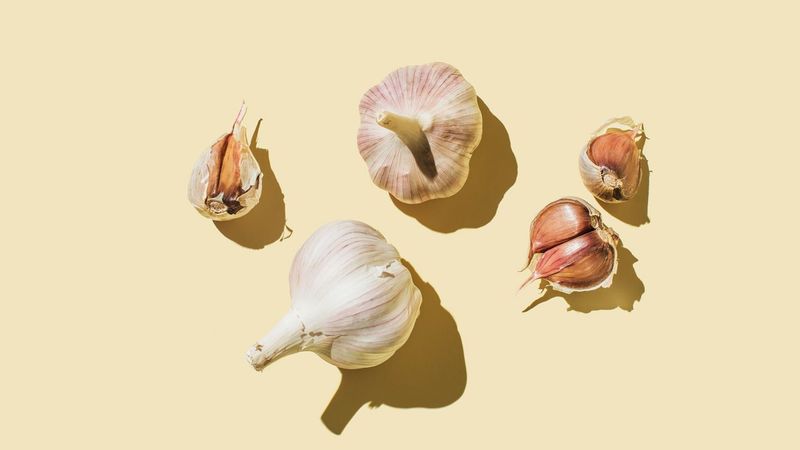
People have used garlic for thousands of years, and ancient Egyptian workers reportedly ate it for strength. Today, scientists are curious about allicin, a compound that forms when you crush or chop a clove.
Some studies suggest garlic may help your body fight off colds. Want the best results?
Chop it, then let it sit for about ten minutes before cooking.
Add it to pasta sauce, soups, or roasted veggies for big flavor and a little extra protection.
5. Spicy Fresh Ginger
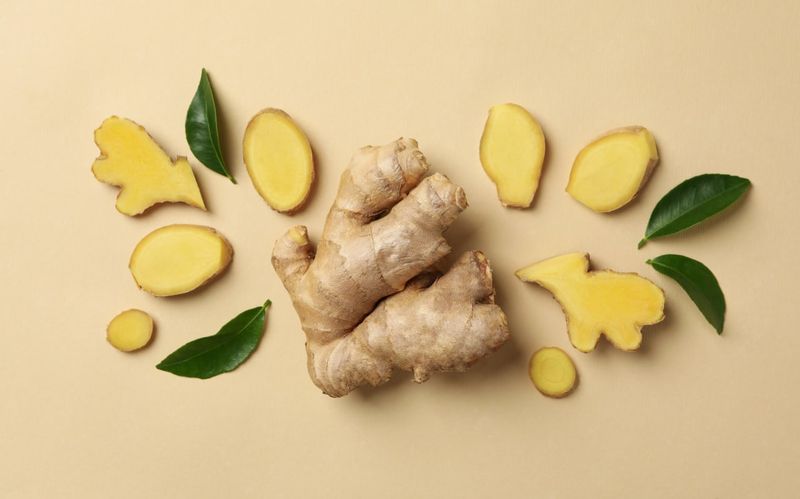
Ever sipped ginger tea on a chilly day and felt warm all the way to your toes? That cozy zing comes from gingerol, a natural compound that helps calm swelling in the body.
Ginger can also settle an upset stomach, which makes it handy when you feel under the weather.
Grate a small piece into hot water with honey and lemon. You can also add it to stir-fries, smoothies, or homemade salad dressings for a peppery kick.
6. Creamy Plain Yogurt
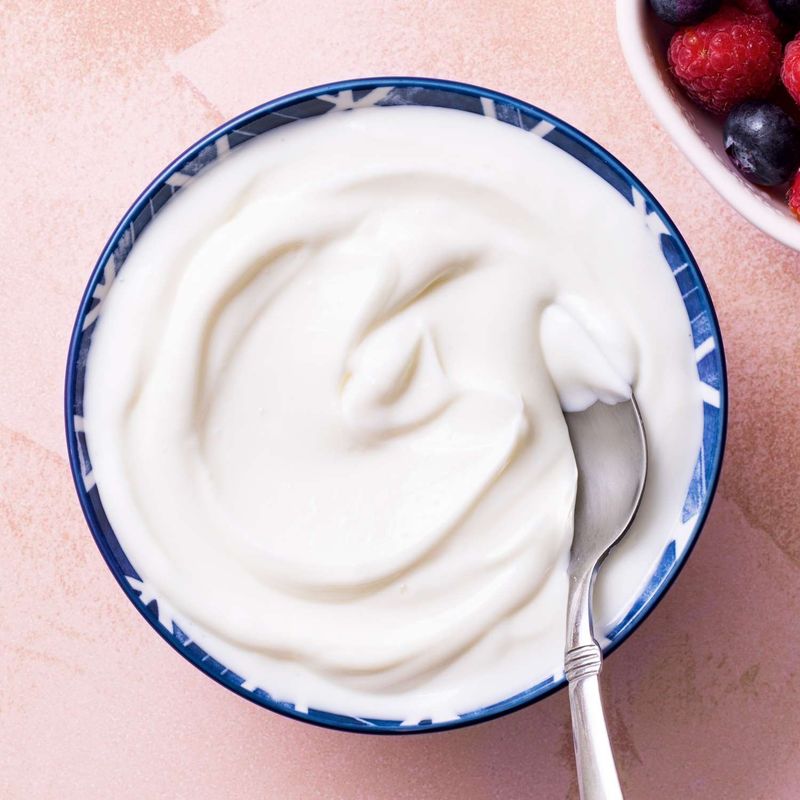
Believe it or not, a big part of your immune system lives in your gut. Yogurt with live and active cultures adds friendly bacteria, called probiotics, that help keep things balanced down there.
Check the label for the words live and active cultures. Plain yogurt is the best pick, since flavored kinds can hide lots of sugar.
Sweeten it yourself with berries, a drizzle of honey, or sliced banana. Breakfast just got smarter.
7. Leafy Spinach
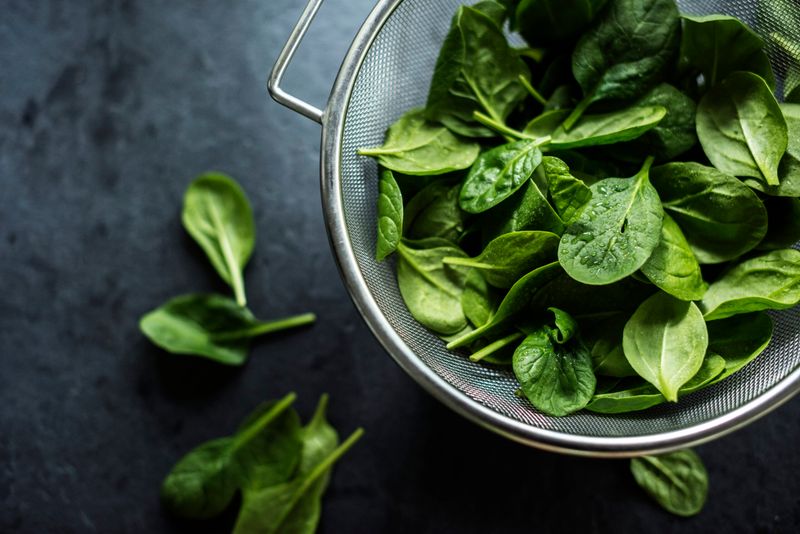
Popeye had the right idea, even if spinach will not give you giant muscles overnight. These dark leaves hold vitamin C, beta carotene, folate, and antioxidants that help your body stay ready for battle.
Baby spinach is mild, so it hides easily in smoothies. Fruit flavors cover it completely, and the drink just turns a fun green color.
You can also toss a handful into soups, eggs, or pasta right at the end. It wilts in seconds.
8. Handful of Almonds
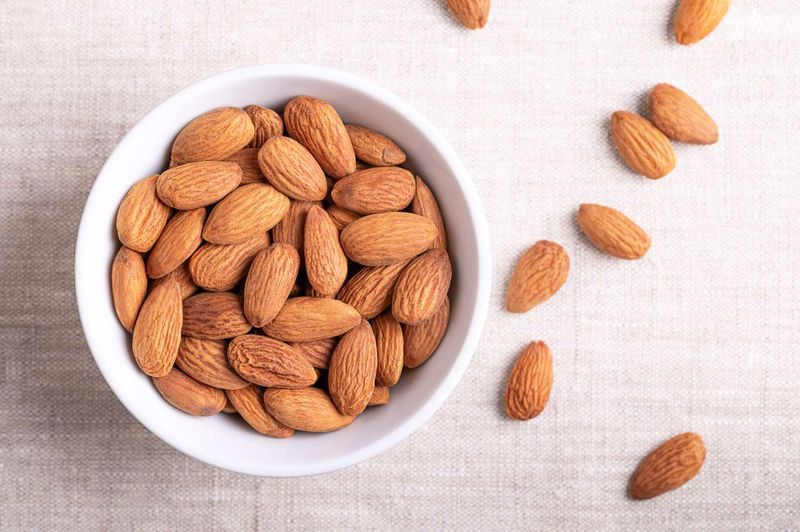
Grab about 23 almonds, and you have one perfect serving. That little handful delivers nearly half the vitamin E you need each day.
Vitamin E is an antioxidant, which means it helps protect your cells from damage. It also helps your immune cells work properly, especially as people get older.
Almonds travel well in a backpack or lunch bag. Pair them with an apple for a crunchy afternoon snack that keeps hunger away until dinner.
9. Sunflower Seeds
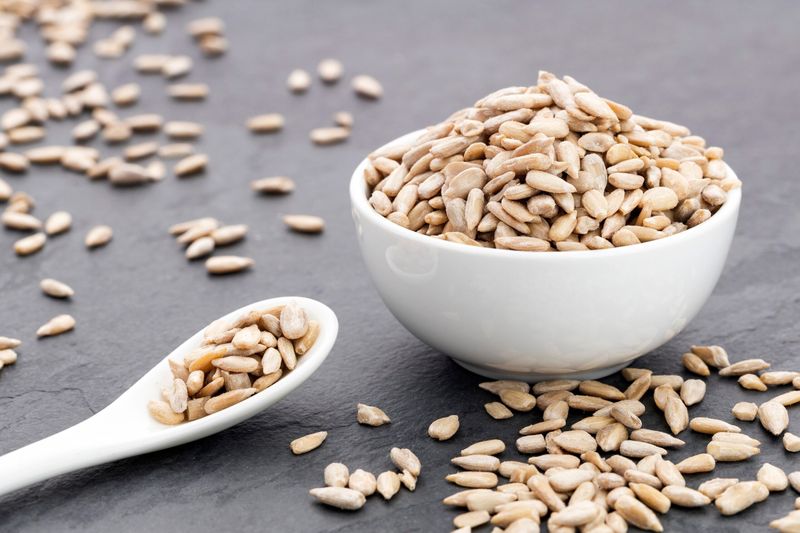
Baseball players spit the shells in the dugout, but the real prize is the tiny seed inside. Sunflower seeds are full of vitamin E, plus selenium and zinc.
Those minerals help your body build and run immune cells. Pretty impressive for something so small, right?
Sprinkle shelled seeds on salads, oatmeal, or yogurt for extra crunch. Choose unsalted or lightly salted kinds when you can, since too much salt is not great for your heart.
10. Golden Turmeric
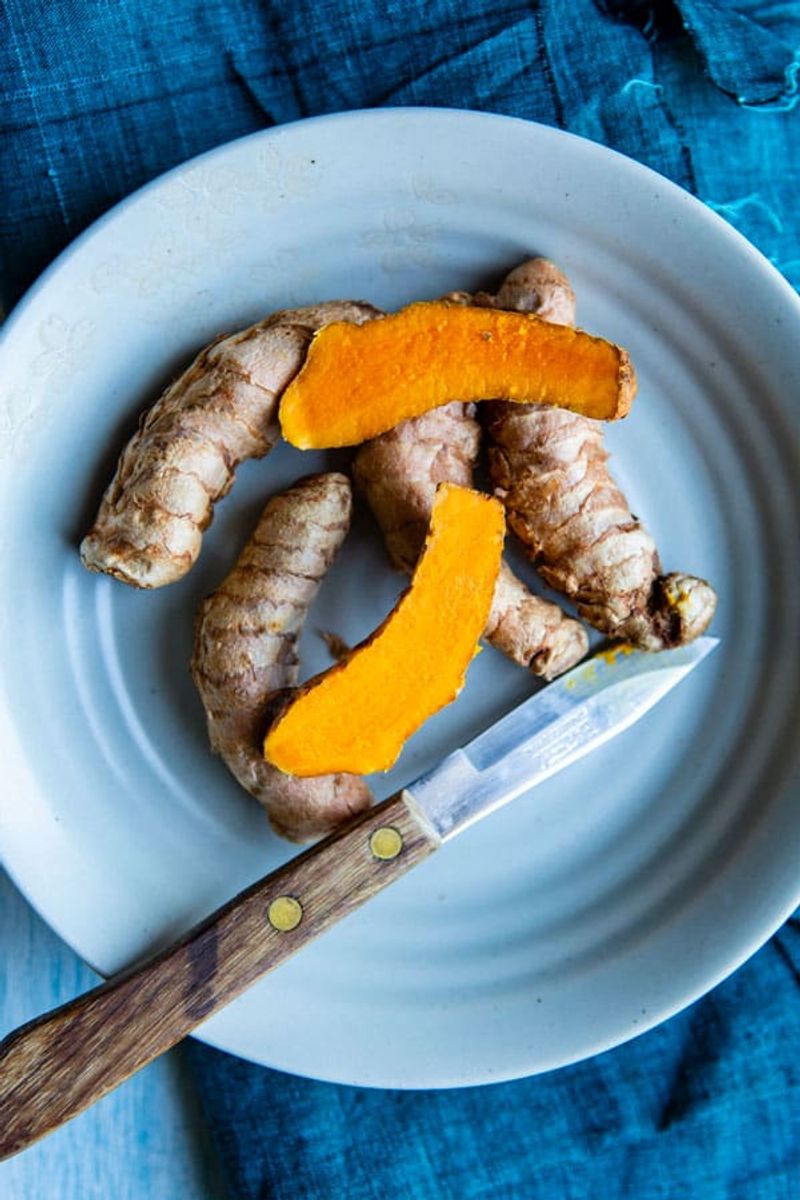
Stain your fingers yellow once and you will never forget turmeric. This bright spice, common in curry, contains curcumin, which may help calm inflammation in the body.
Here is a handy tip. Your body absorbs curcumin better when you eat it with a pinch of black pepper and a little fat.
Try golden milk, a warm drink made with milk, turmeric, and cinnamon. You can also add a dash to scrambled eggs, rice, or roasted cauliflower.
11. Cup of Green Tea

Picture a quiet afternoon with a warm cup in your hands. Green tea is packed with antioxidants called catechins, especially one with a tongue-twisting name, EGCG.
It also contains an amino acid called L-theanine, which may help your body make germ-fighting compounds. Plus, it feels calming to sip.
Green tea does have some caffeine, so younger readers might enjoy it earlier in the day. Steep it for only two or three minutes to avoid bitterness.
12. Plump Blueberries
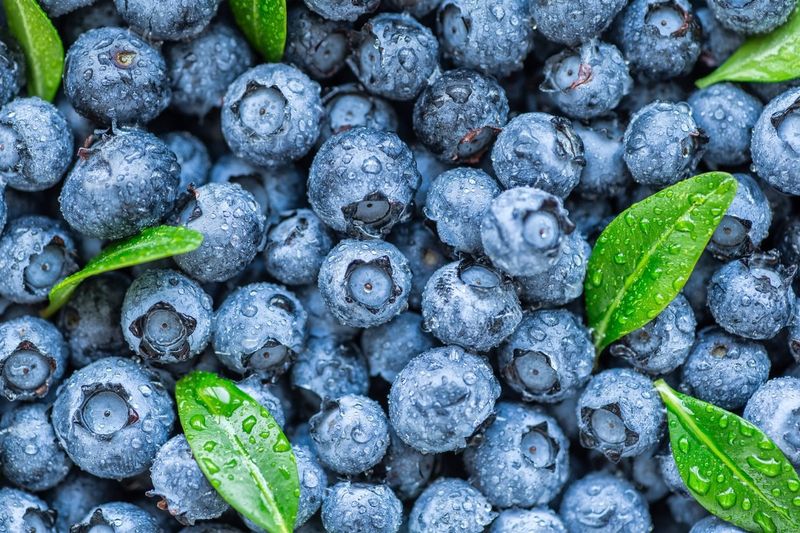
Small enough to pop by the handful, blueberries punch way above their weight. Their deep blue color comes from anthocyanins, a type of antioxidant that helps protect your cells.
Research suggests these compounds may support your body’s defenses against everyday germs.
Frozen blueberries are just as healthy as fresh ones and often cheaper. Toss them into pancakes, muffins, or cereal, or eat them straight from the freezer like tiny frozen candies on a hot day.
13. Sweet Potatoes
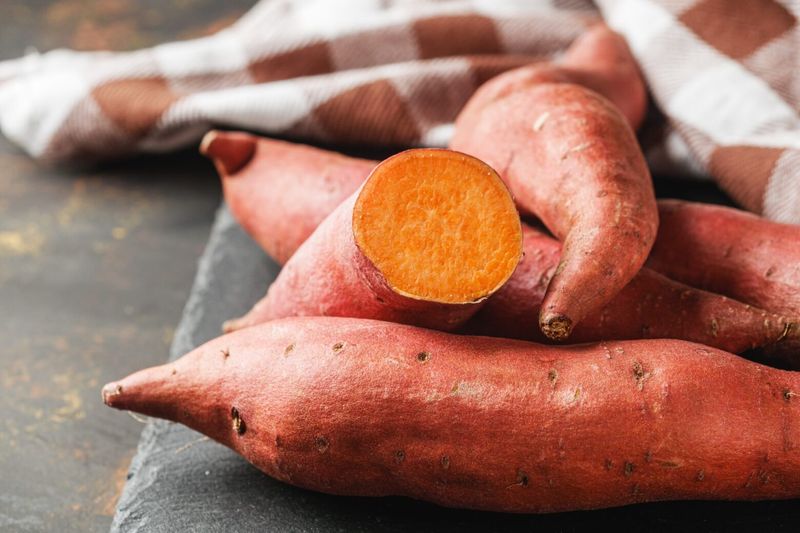
That bright orange inside is a clue to something good. Sweet potatoes are loaded with beta carotene, which turns into vitamin A in your body.
Vitamin A helps keep the lining of your nose, throat, and gut healthy. Those linings act like a front gate that blocks germs from getting in.
Cut them into wedges, drizzle with olive oil, and roast until crispy. They make a sweet, satisfying swap for regular fries at dinner.
14. Bowl of Chicken Soup

Grandma might have been right all along. When you feel sick, a warm bowl of chicken soup really can help you feel better.
The hot broth keeps you hydrated and can loosen a stuffy nose. Chicken gives you protein and zinc, while carrots, celery, and onions add vitamins.
Make a big pot on the weekend and freeze extra portions. That way, comfort is ready to heat up whenever a sniffle shows up at your door.
15. Earthy Mushrooms
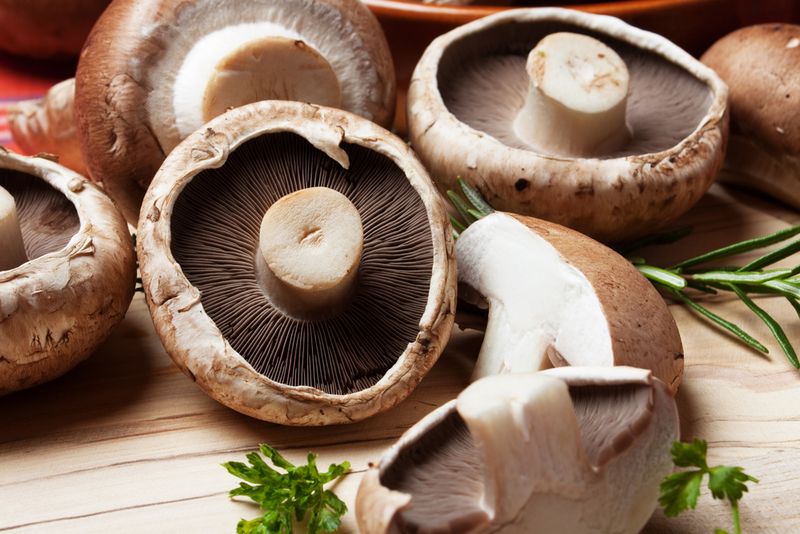
Mushrooms are not plants or animals. They belong to their own group called fungi, which is a pretty fun fact to share at dinner.
Many kinds, like shiitake, contain beta glucans and selenium that help your immune cells stay active. Some mushrooms even make vitamin D when exposed to sunlight.
Saute sliced mushrooms with garlic and butter, or add them to pizza, burgers, and pasta. Their meaty texture makes meals feel extra hearty.
16. Hard-Boiled Eggs
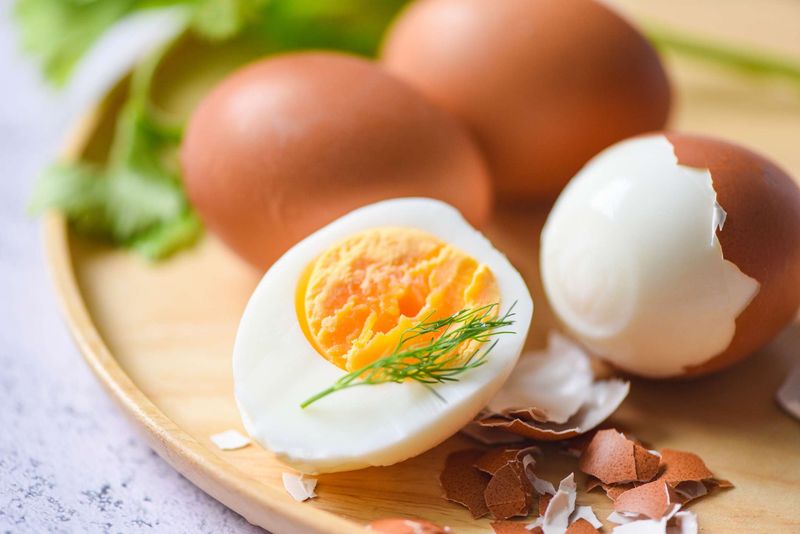
Cheap, quick, and easy to carry, eggs might be the ultimate snack. The yolk is one of the few foods that naturally contains vitamin D.
Your immune system needs vitamin D to work well, and lots of people do not get enough, especially during winter.
Boil a dozen at the start of the week and keep them in the fridge. Grab one for breakfast, slice it onto salads, or mash it into egg salad sandwiches.
17. Salmon Fillets
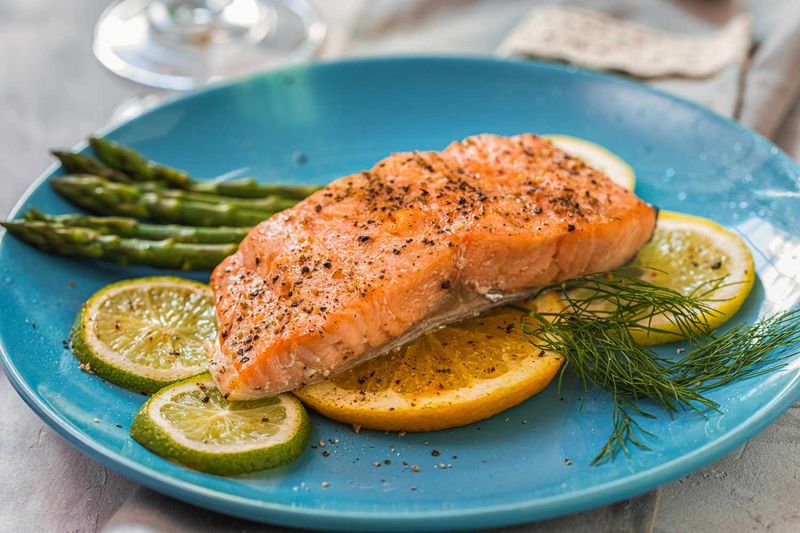
Ask a nutritionist for a top fish pick, and salmon usually wins. It is rich in omega-3 fats, which help control swelling in the body.
Salmon also gives you vitamin D and plenty of protein. Your body uses protein to build antibodies, the tiny soldiers that recognize and attack germs.
Bake a fillet with lemon and herbs for about 15 minutes. Canned salmon works too and makes tasty patties or sandwiches on busy nights.
18. Kiwi Fruit
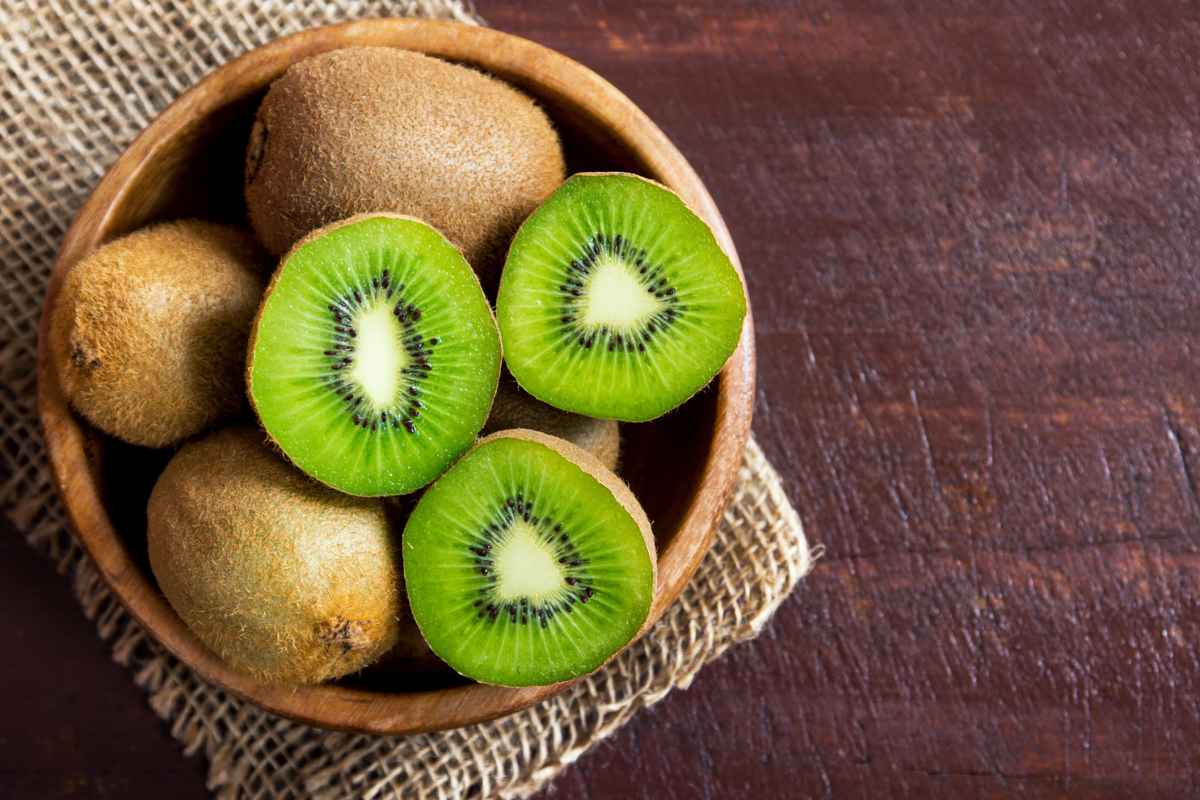
Fuzzy on the outside, bright green on the inside, kiwi looks like it came from another planet. It is named after a bird from New Zealand, not the other way around.
One kiwi has more vitamin C than a medium orange. It also gives you vitamin K, folate, and fiber.
Cut it in half and scoop it out with a spoon. You can even eat the fuzzy skin, which holds extra fiber.
19. Chickpeas and Beans
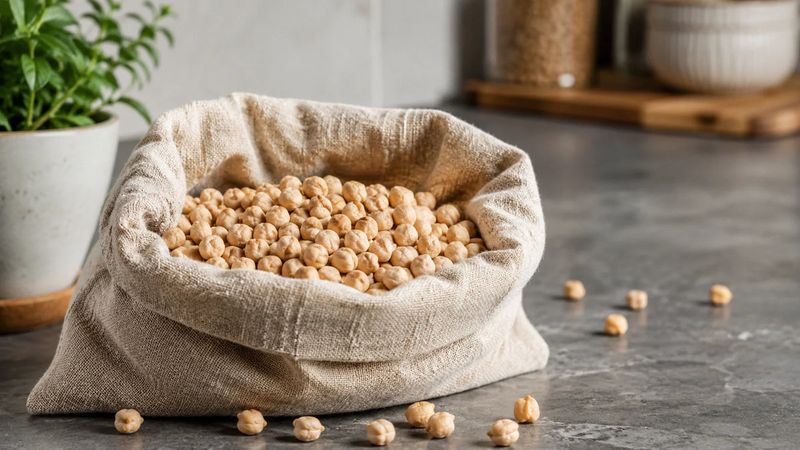
Do not overlook that humble can in your pantry. Chickpeas, black beans, and lentils are full of zinc, protein, and fiber.
Zinc helps your body make new immune cells, while fiber feeds the good bacteria in your gut. That is a double win for your defenses.
Rinse canned beans to cut extra salt. Then add them to tacos, salads, or soups, or roast chickpeas with spices for a crunchy snack that rivals chips.
20. Sliced Papaya
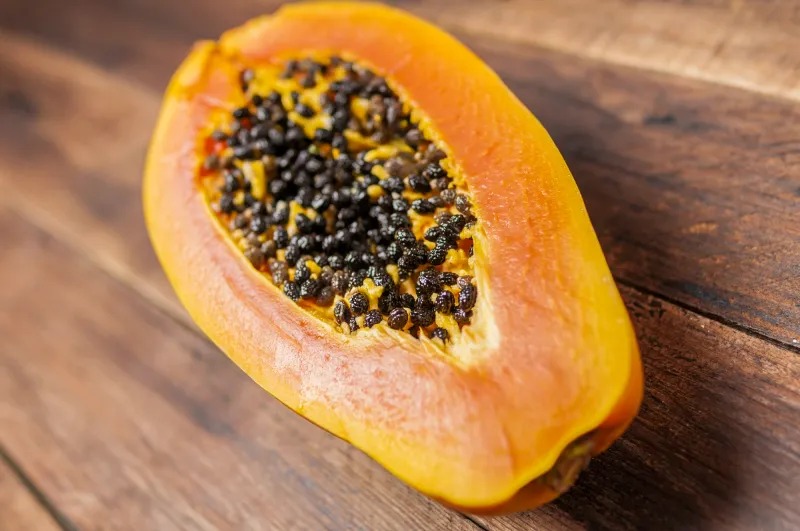
Bite into ripe papaya and it tastes like a tropical vacation. This sweet fruit delivers more than a full day of vitamin C in a single cup.
Papaya also has papain, an enzyme that helps break down protein, plus folate, potassium, and vitamin A.
Choose one that feels a little soft, like a ripe avocado. Scoop out the black seeds, squeeze on some lime juice, and enjoy it in fruit salad or smoothies.
21. Kefir and Sauerkraut
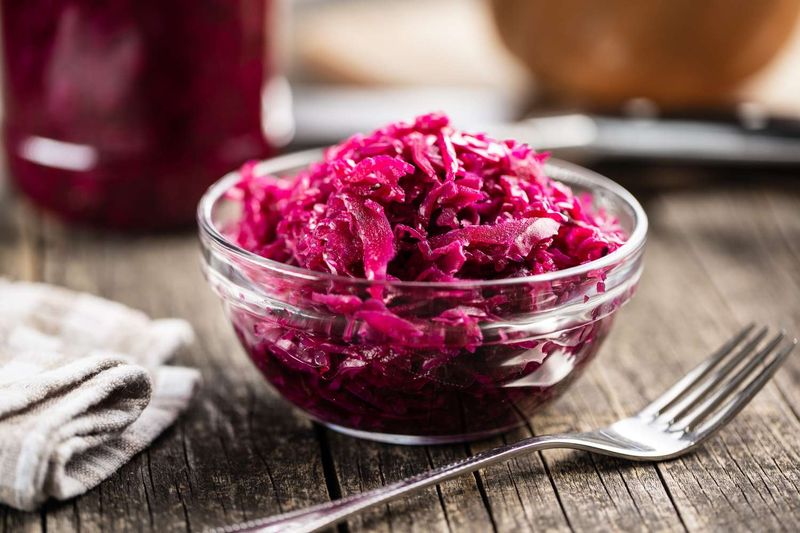
Fermented foods have been around for centuries, long before refrigerators existed. People made them to keep food from spoiling, and they ended up creating gut-friendly treasures.
Kefir, a tangy drinkable yogurt, and sauerkraut, made from cabbage, both carry live probiotics. These help keep your gut bacteria happy and balanced.
Choose refrigerated sauerkraut, since shelf-stable kinds are usually heated and lose their live cultures. Start with small servings to let your belly adjust.