
Every week, lots of good food ends up in the trash without anyone really noticing. That wasted food means wasted money, wasted water, and extra garbage piling up in landfills.
The good news is that small changes in your kitchen can make a big difference. With a few easy habits, you can save cash, eat better, and help the planet at the same time.
1. Plan Your Meals Before Shopping
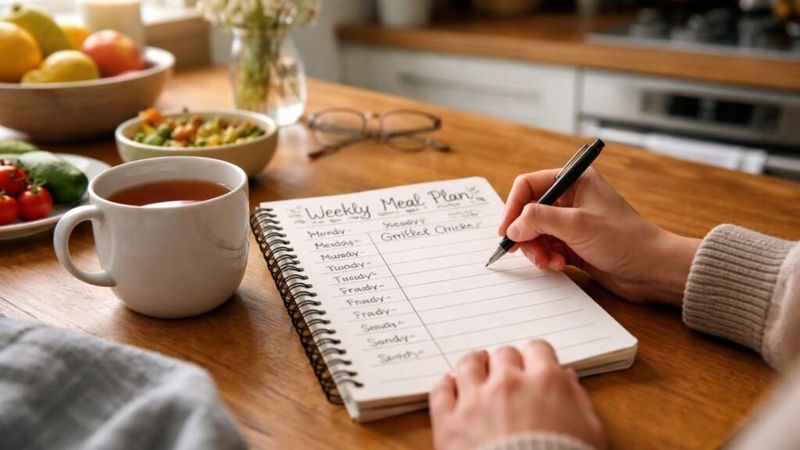
Picture walking into the store with a clear game plan instead of guessing. Meal planning helps you buy only what you will actually cook during the week.
Spend ten minutes on Sunday writing down dinners and lunches. Check which nights you might eat out or be extra busy.
Then build your grocery list from that plan. You will skip random buys that often spoil in the back of the fridge, and your wallet will thank you.
2. Shop Your Fridge First
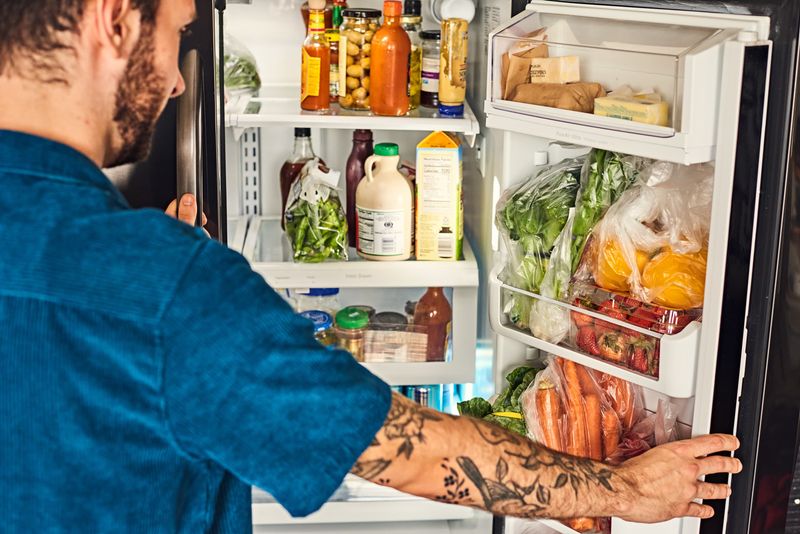
Ever bought a jar of mustard only to find two more at home? It happens to almost everyone.
Before heading out, open your fridge, freezer, and pantry. Take a quick photo with your phone so you remember what is already there.
Try to cook meals that use those items first. You may discover you need fewer groceries than you thought, which keeps food from being forgotten and tossed later.
3. Learn What Date Labels Really Mean
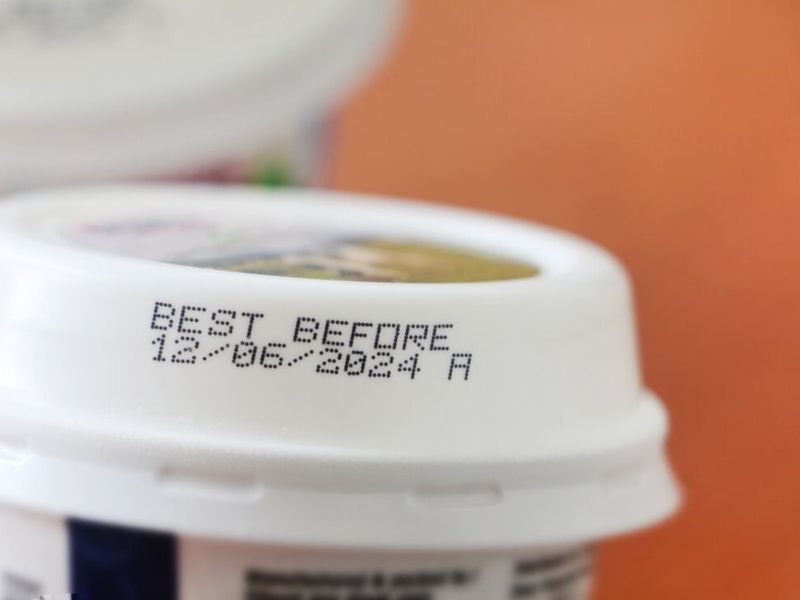
Here is a surprising fact: many people throw away perfectly safe food because of confusing labels. A “best by” date is usually about quality, not safety.
Foods like crackers, cereal, and canned goods are often fine after that date. “Use by” labels matter more, especially for meat and dairy.
Trust your senses too. If something looks, smells, and tastes normal, it is probably still good to eat.
4. Store Produce the Smart Way
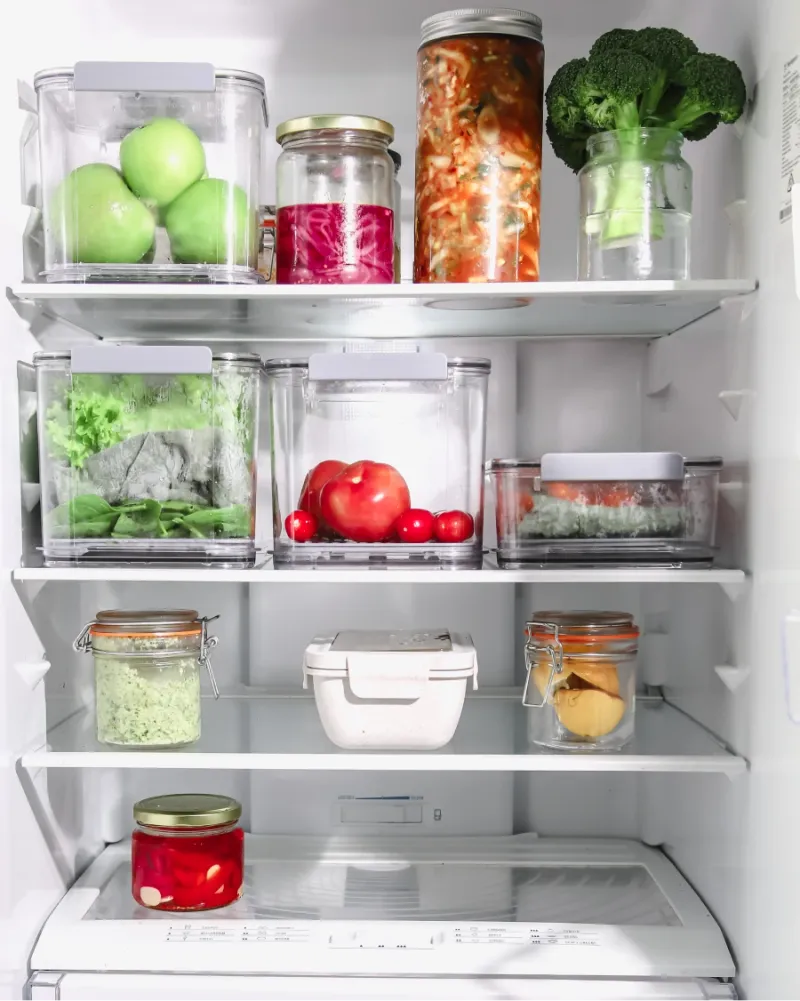
Not every fruit and veggie likes the cold. Tomatoes, bananas, potatoes, and onions do better on the counter or in a cool, dark cupboard.
Meanwhile, leafy greens, berries, and carrots stay fresh longer in the fridge crisper drawer. Keep apples away from other produce because they release a gas that speeds up ripening.
Getting storage right can add days, sometimes even weeks, to the life of your fresh food.
5. Use the First In, First Out Rule

Grocery stores have a clever trick, and you can borrow it. Workers put newer items in back so older ones sell first.
Do the same at home. When you unpack groceries, slide older foods forward and place fresh ones behind them.
That simple shuffle means you reach for the oldest yogurt or pasta sauce first. Nothing gets lost and expires in a dark corner anymore.
6. Make Friends With Your Freezer
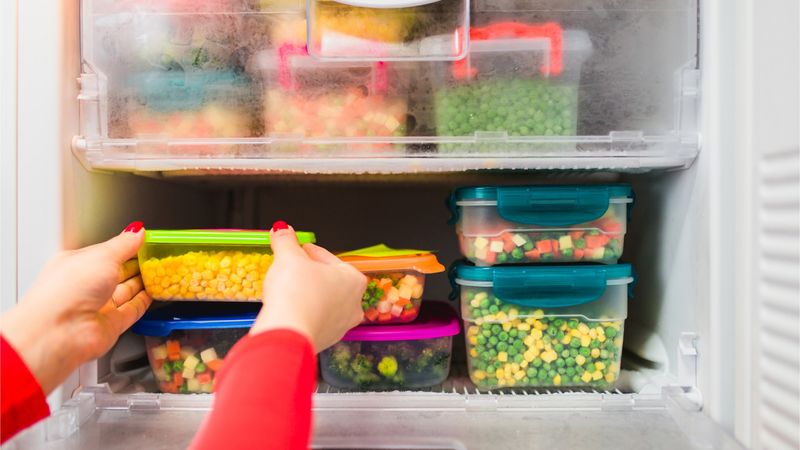
Think of your freezer as a pause button for food. Bread, bananas, cooked rice, soup, cheese, and even milk can all be frozen.
If you notice something will not get eaten in time, freeze it right away. Brown bananas become perfect for smoothies or banana bread later.
Label bags with the date and contents. Future you will love finding a ready meal on a tired weeknight.
7. Get Clear Storage Containers
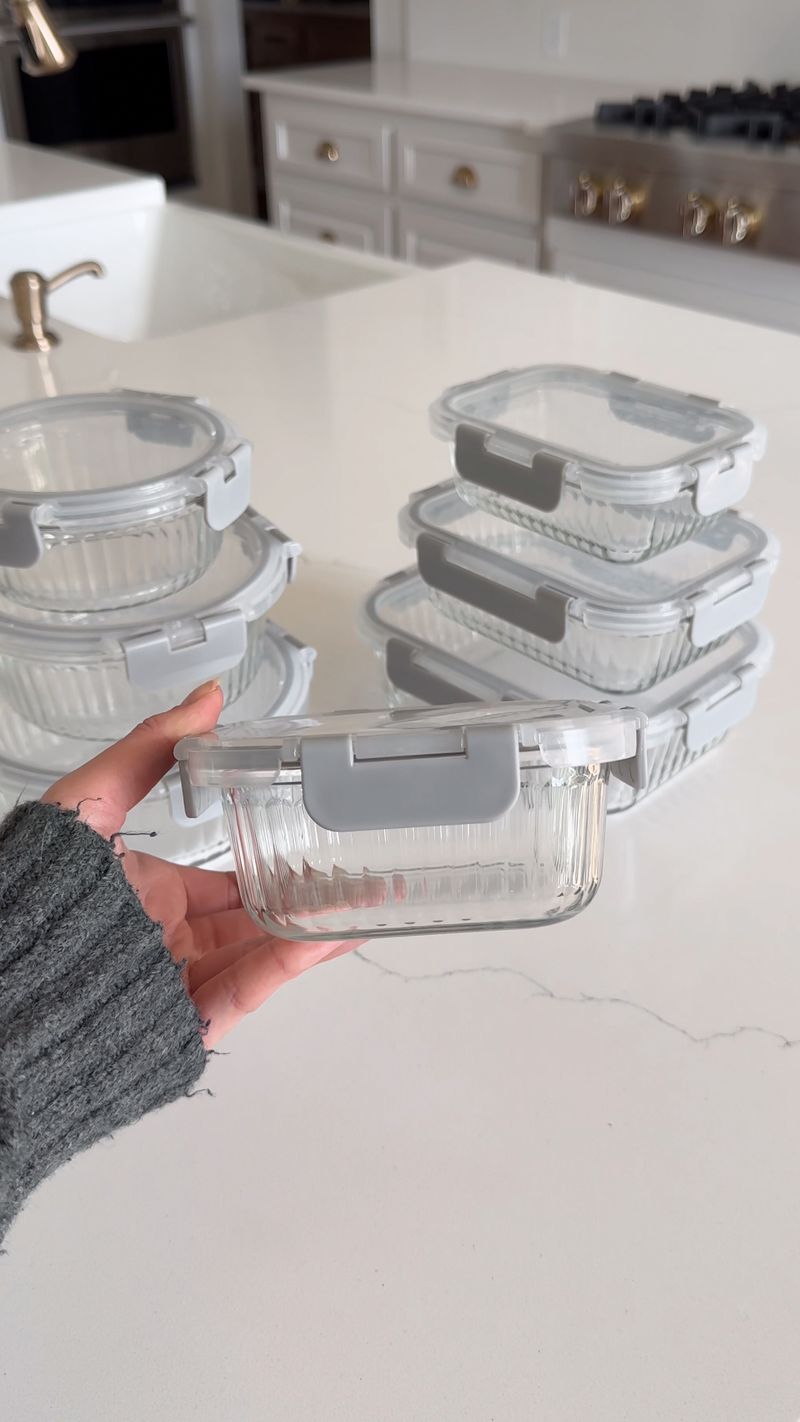
Out of sight really does mean out of mind. Leftovers hidden in foil or cloudy tubs often get forgotten until they turn fuzzy.
Clear glass or plastic containers let you see exactly what is inside at a glance. Many stack neatly, saving fridge space too.
Pop a piece of masking tape on the lid with the date. You will always know what needs eating first.
8. Turn Leftovers Into New Meals

Grandma never called it leftovers. She called it Tuesday dinner, and she was onto something.
Extra rice makes amazing fried rice. Roasted veggies can go into omelets, wraps, or pasta.
Stale bread turns into croutons, French toast, or bread pudding.
Get creative and treat leftovers like building blocks. With a little imagination, yesterday’s dinner becomes today’s brand new favorite meal, and nothing goes to waste.
9. Cook Smaller Portions

Pasta is sneaky. A handful looks tiny dry, then suddenly you have enough for an army.
Measuring portions helps you cook only what your family will eat. About half a cup of dry rice or two ounces of pasta per person is a good starting point.
Serve smaller amounts at first too. People can always grab seconds, but food scraped off plates usually lands in the garbage.
10. Save Scraps for Homemade Broth
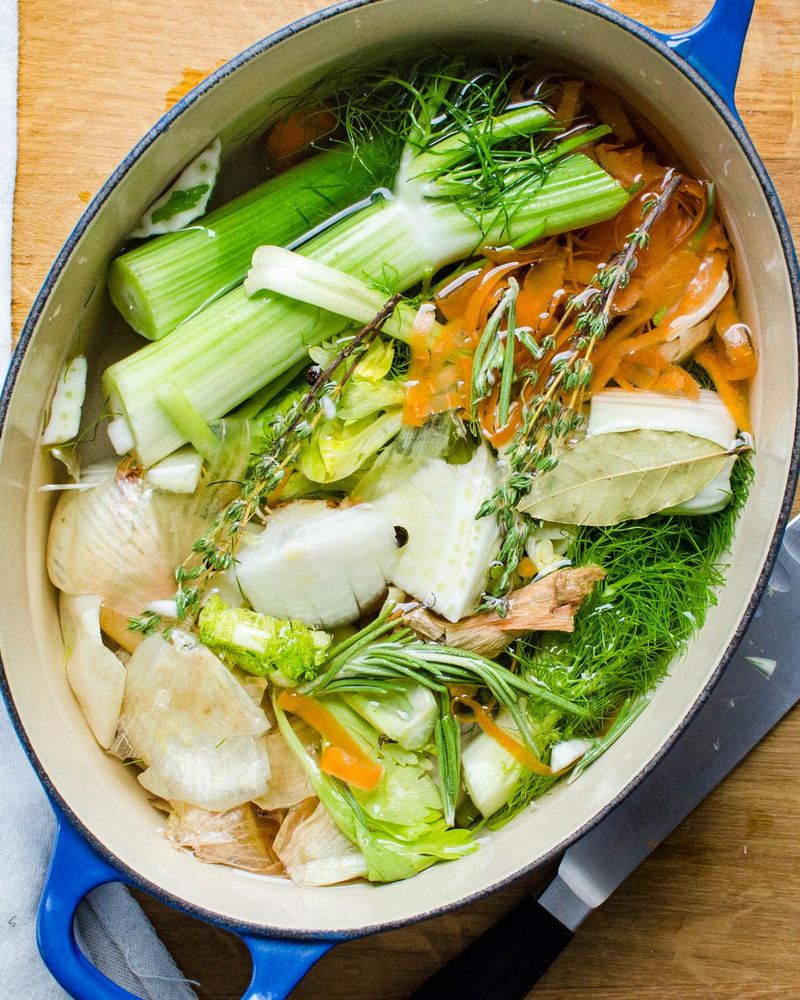
Onion skins, carrot peels, and celery ends might seem like trash. Actually, they are pure flavor waiting to happen.
Keep a bag in your freezer and toss in veggie scraps as you cook. Once it is full, cover them with water and simmer for about an hour.
Strain it, and you have tasty homemade broth for soups and rice. It is basically free food from scraps.
11. Revive Wilted Veggies

Limp celery looks sad, but do not give up on it yet. A quick ice bath can work like magic.
Soak droopy lettuce, carrots, or celery in a bowl of ice water for about 15 to 30 minutes. They often bounce back crisp and crunchy.
Veggies too far gone for salads can still shine in soups, stir fries, or sauces where texture matters less.
12. Blend Smoothies With Overripe Fruit
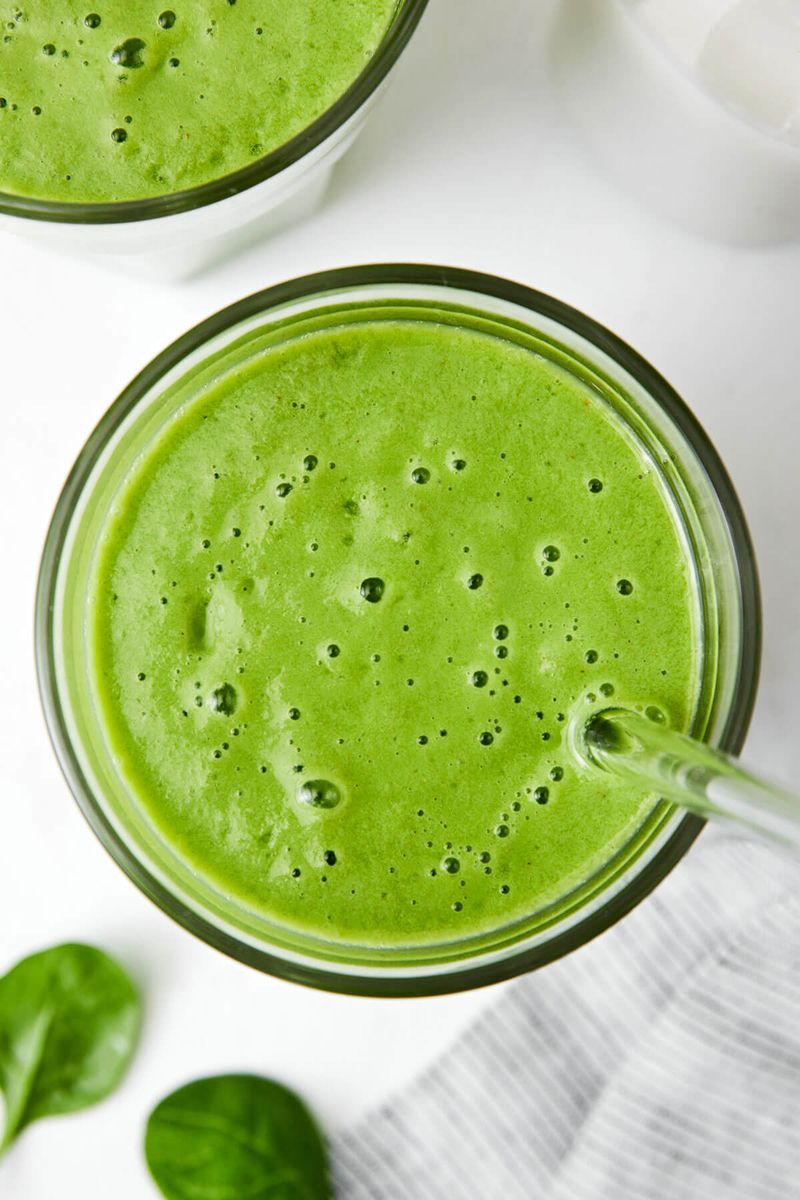
Spotty bananas and soft berries are a smoothie’s best friend. Riper fruit is sweeter, so you need less added sugar.
Toss tired fruit into a blender with yogurt, milk, or juice. A handful of spinach that is close to wilting slips in easily too.
Fun fact: freezing chopped ripe fruit ahead of time gives smoothies a thick, frosty texture without any ice needed.
13. Create an Eat First Bin
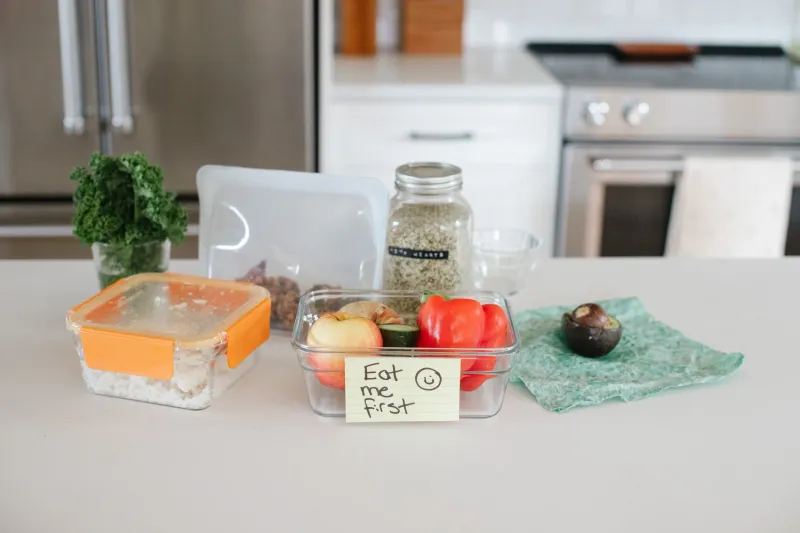
One small basket can change the whole family’s habits. Label a bin in your fridge with the words “Eat First.”
Fill it with items that need to be used soon, like half an onion, open yogurt, or cut fruit. Everyone knows to grab snacks from there before anything else.
Kids especially enjoy this system. It turns saving food into a simple, almost fun daily game.
14. Embrace Ugly Produce
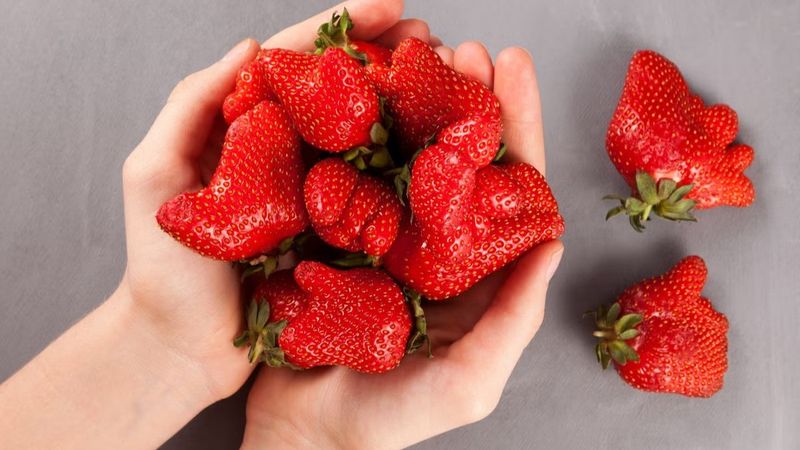
A crooked carrot tastes exactly like a straight one. Still, tons of odd-shaped produce gets tossed every year just for looks.
Choose the lumpy apples and twisted peppers at the store or farmers market. Some companies even deliver boxes of “ugly” fruits and veggies at lower prices.
You save money and rescue food that might have been wasted. Beauty really is only skin deep.
15. Start a Compost Pile
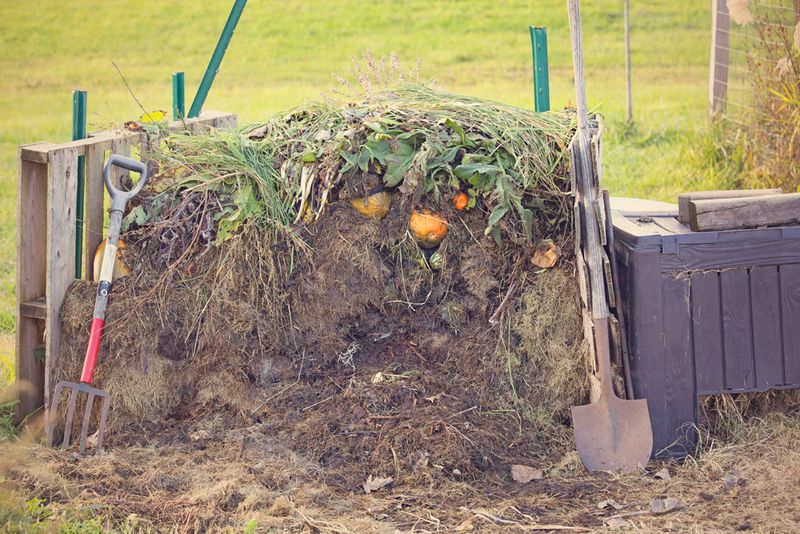
Some scraps truly cannot be eaten, like eggshells, coffee grounds, and banana peels. Instead of trashing them, let nature recycle them.
Composting turns food scraps into rich soil for gardens and houseplants. A backyard bin works great, and small countertop or worm bins suit apartments.
Did you know? Food rotting in landfills creates methane, a powerful gas.
Composting helps cut that down in a big way.
16. Keep a Food Waste Journal
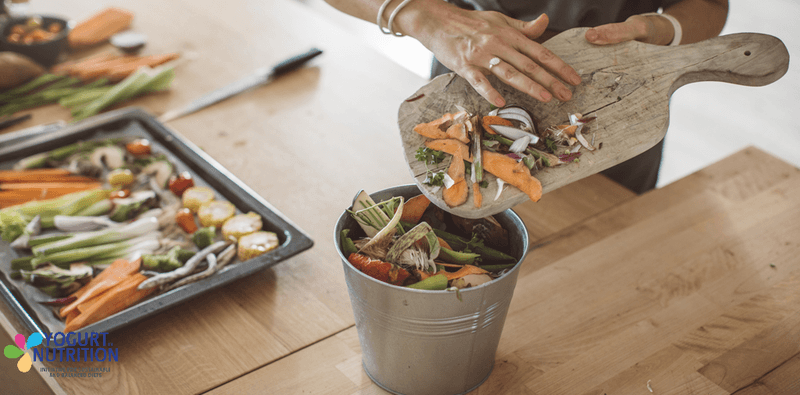
Want to know your kitchen’s biggest weakness? Write it down for a couple of weeks.
Every time you toss food, jot down what it was and why. Patterns appear quickly.
Maybe you always buy too much lettuce or forget about bread.
Once you spot the trouble items, adjust your shopping. Tracking feels a little nerdy at first, but the results can be eye-opening and save real money.
17. Share Extra Food With Others

Sometimes you simply have too much, like after a party or a huge garden harvest. Sharing is the kindest solution.
Offer extras to neighbors, friends, or coworkers. Unopened canned and boxed foods can go to local food banks that help families in need.
Apps like Olio and community fridges also connect people with spare food. Someone nearby would probably love what you cannot finish.