
What you put on your plate every day can change how you feel, think, and move. Some foods are packed with vitamins, fiber, and healthy fats that help your body stay strong and fight off sickness.
The good news is that many of them are cheap, tasty, and easy to find at any grocery store. Here are some simple foods that can make a real difference in your health.
1. Blueberries, Tiny Blue Powerhouses
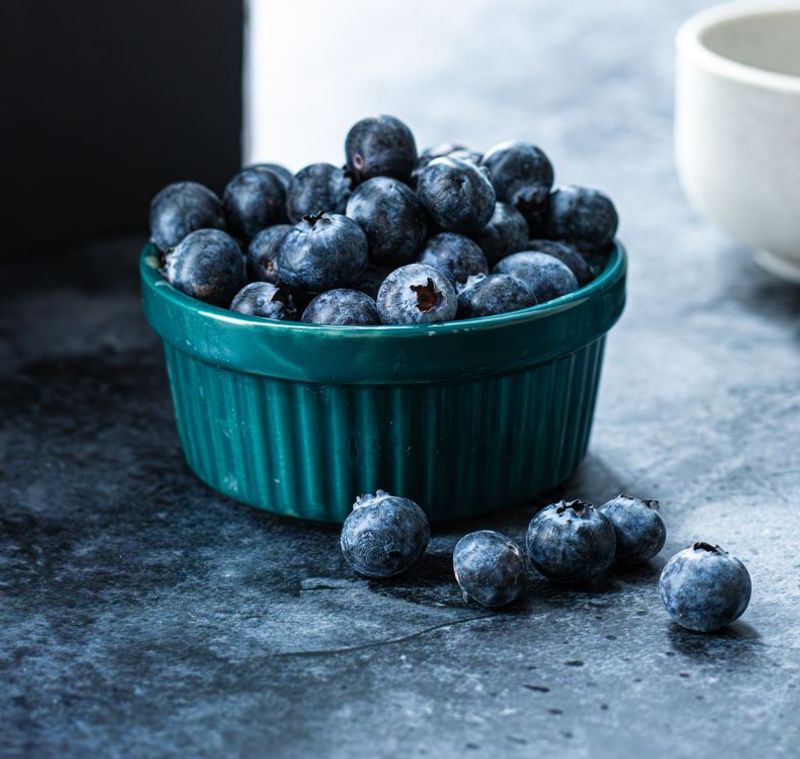
Small enough to pop by the handful, blueberries carry a big load of antioxidants. These natural helpers protect your cells from damage, kind of like a shield for your body.
Scientists have linked blueberries to better memory and a sharper brain as people age. They are also full of fiber and vitamin C.
Toss them into yogurt, oatmeal, or smoothies. Frozen ones work just as well and often cost less in winter.
2. Leafy Green Spinach
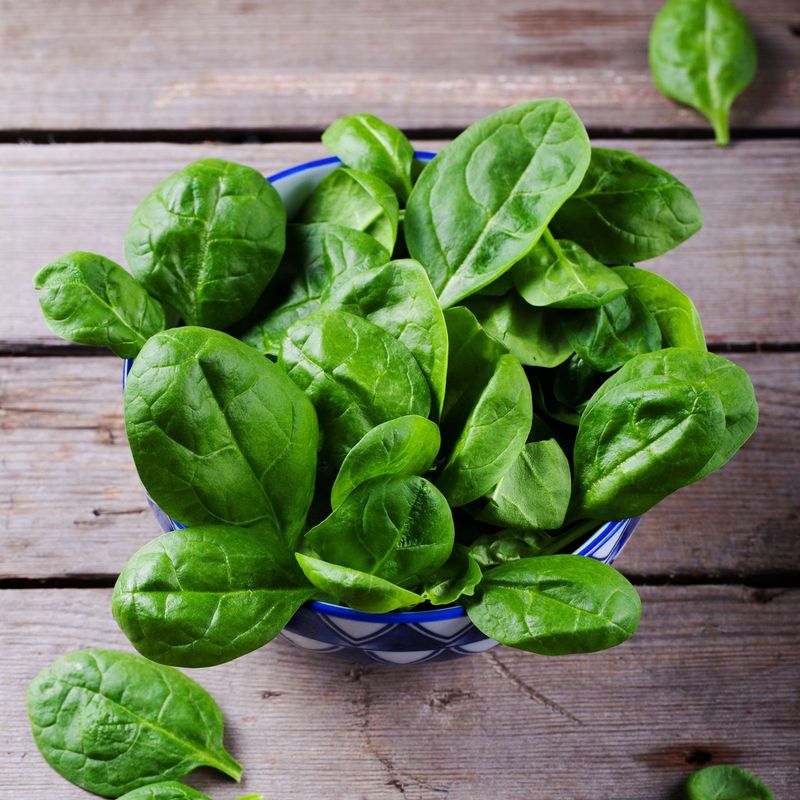
Remember Popeye gulping cans of spinach to grow giant muscles? The cartoon stretched things a bit, but the leafy green really is impressive.
Spinach offers iron, vitamin K, folate, and magnesium, all for very few calories. Iron helps carry oxygen through your blood, which keeps you from feeling tired.
Not a salad fan? Blend a handful into a fruit smoothie.
The color turns green, yet the taste barely changes at all.
3. Salmon for a Happy Heart
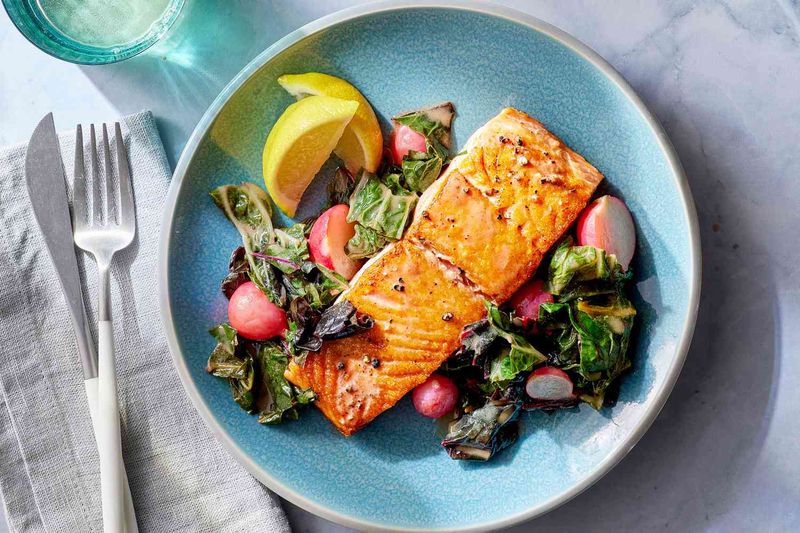
Fish lovers, rejoice. Salmon ranks among the best sources of omega-3 fatty acids, healthy fats your body cannot make by itself.
Omega-3s support a steady heartbeat, lower swelling in the body, and feed your brain. Salmon also delivers protein and vitamin D, which many people lack.
Doctors often suggest eating fish twice a week. Try baking salmon with lemon and garlic for an easy dinner that takes about fifteen minutes.
4. Creamy Avocados
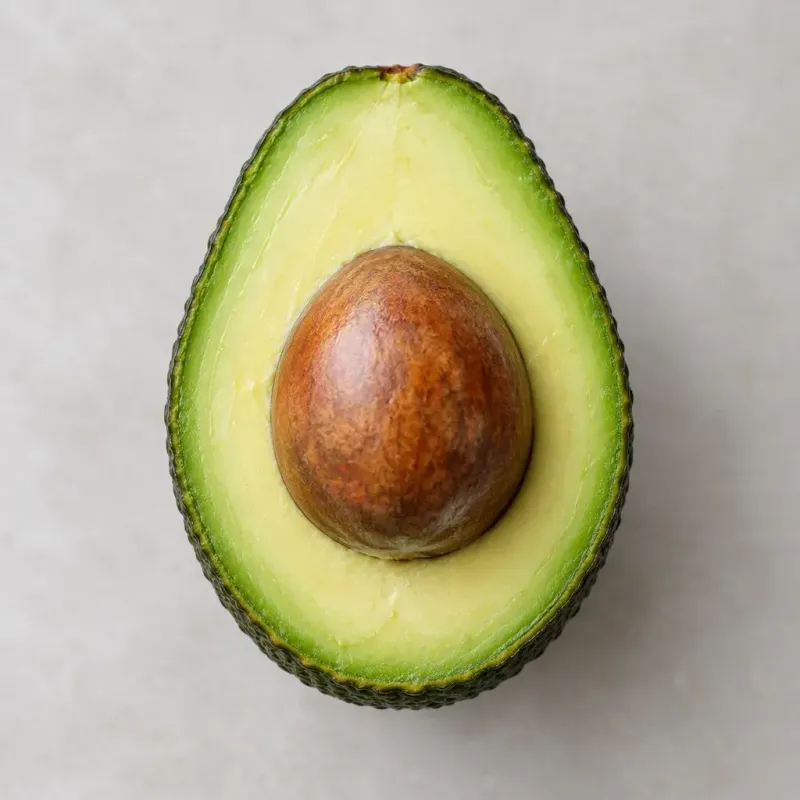
Once a rare treat, avocados now star on toast all over the world. Their buttery texture comes from heart-friendly monounsaturated fats.
Each fruit, and yes it is a fruit, packs more potassium than a banana. Potassium helps control blood pressure and keeps muscles working smoothly.
To ripen a hard avocado faster, place it in a paper bag with an apple. Mash it on whole grain toast with a pinch of salt.
5. Old-Fashioned Oats
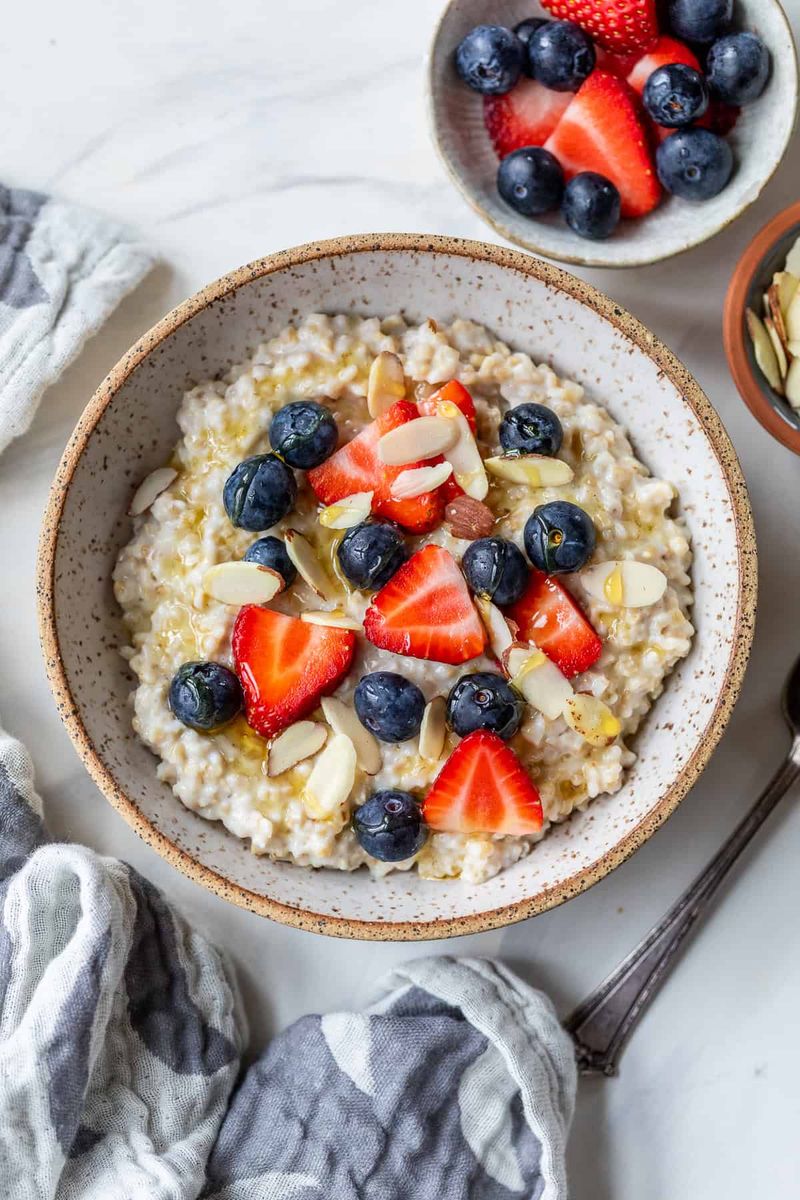
Grandma may have been onto something with her daily bowl of porridge. Oats contain a special fiber called beta-glucan that helps lower bad cholesterol.
They also digest slowly, so you stay full until lunch instead of raiding the snack drawer by ten o’clock.
Skip the sugary flavored packets. Plain rolled oats topped with fruit, cinnamon, or a spoon of peanut butter make a cheap, filling breakfast that tastes cozy.
6. Eggs, Nature’s Multivitamin
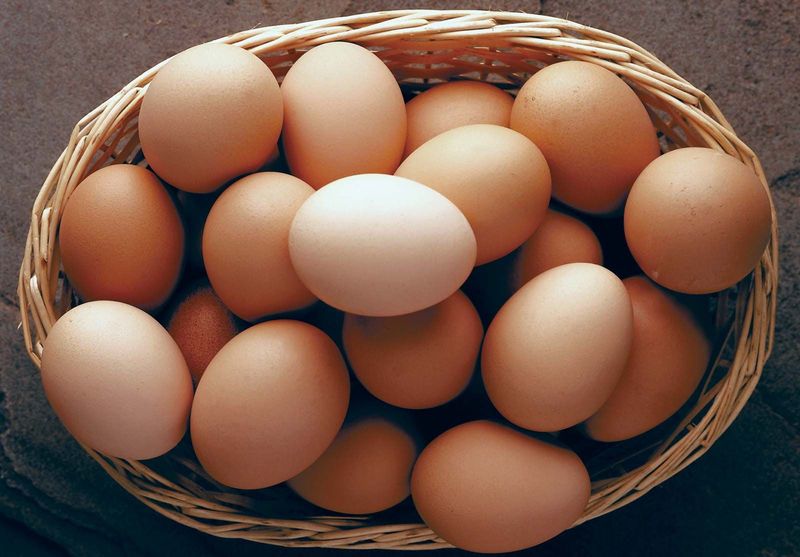
For years, eggs got a bad reputation because of cholesterol. Newer research shows that for most healthy people, eating eggs is perfectly fine.
One egg offers about six grams of high quality protein plus choline, a nutrient that helps your brain and nerves. The yolk holds lutein, which protects your eyes.
Boil a batch on Sunday. You will have grab-and-go snacks ready for the whole busy week ahead.
7. Greek Yogurt With Benefits
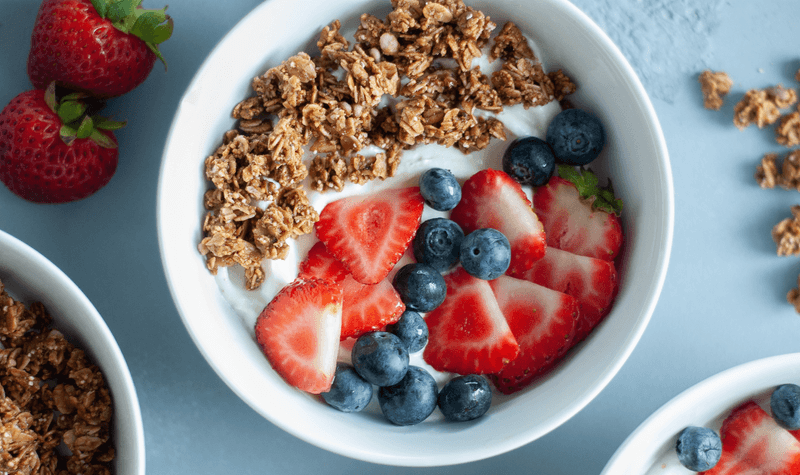
Thick, tangy, and surprisingly filling, Greek yogurt is strained to remove extra liquid. That process nearly doubles its protein compared to regular yogurt.
It also contains probiotics, friendly bacteria that keep your gut healthy. A happy gut helps with digestion and may even boost your mood.
Buy the plain kind and sweeten it yourself with honey or fruit. Flavored cups can hide as much sugar as a candy bar.
8. Crunchy Almonds
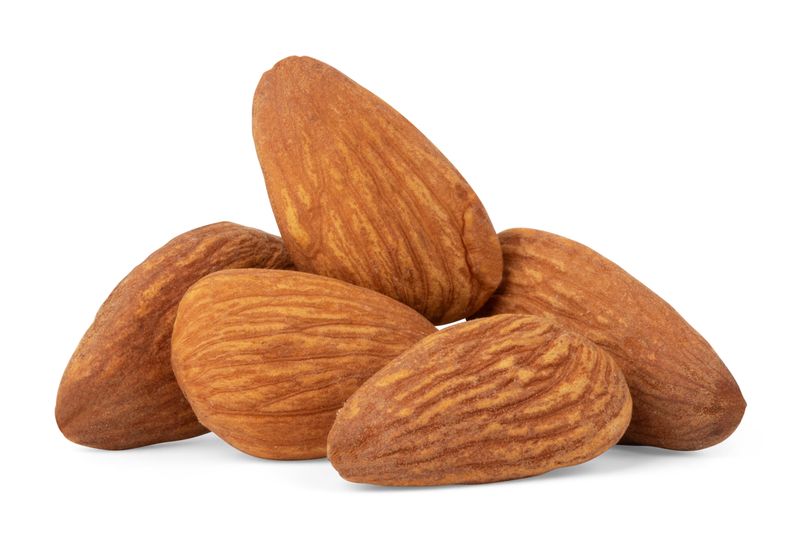
Need a snack that travels well? A small handful of almonds fits in any pocket or backpack and keeps hunger quiet for hours.
These nuts provide vitamin E, which protects your skin, along with magnesium, fiber, and protein. Studies suggest regular nut eaters tend to have healthier hearts.
Portions matter, though. About twenty-three almonds make one serving.
Roasting them lightly in the oven brings out a toasty, rich flavor.
9. Sweet Potatoes Glow Orange
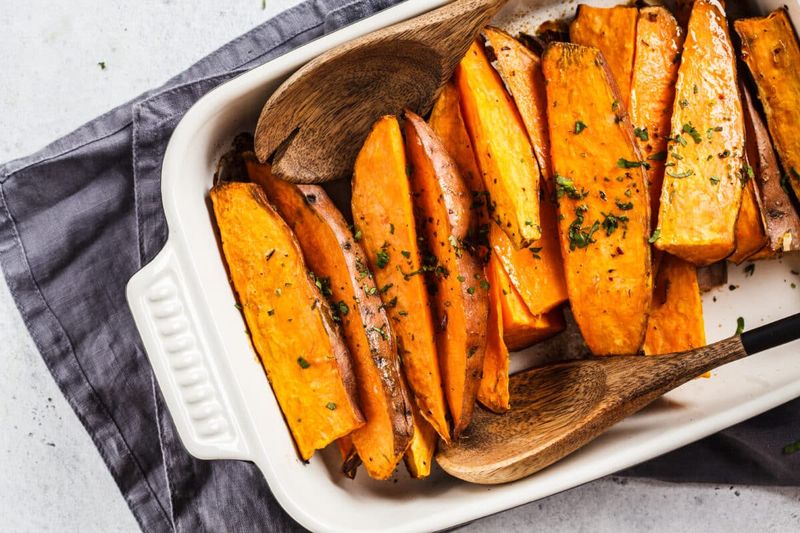
That bright orange color is a clue. Sweet potatoes are loaded with beta-carotene, which your body turns into vitamin A for clear vision and strong immunity.
They also bring fiber and potassium, and they taste naturally sweet without any added sugar.
Fun fact: sweet potatoes and regular potatoes are not close relatives at all. Cut them into wedges, drizzle with olive oil, and roast until crispy for a healthier fry.
10. Broccoli’s Little Trees
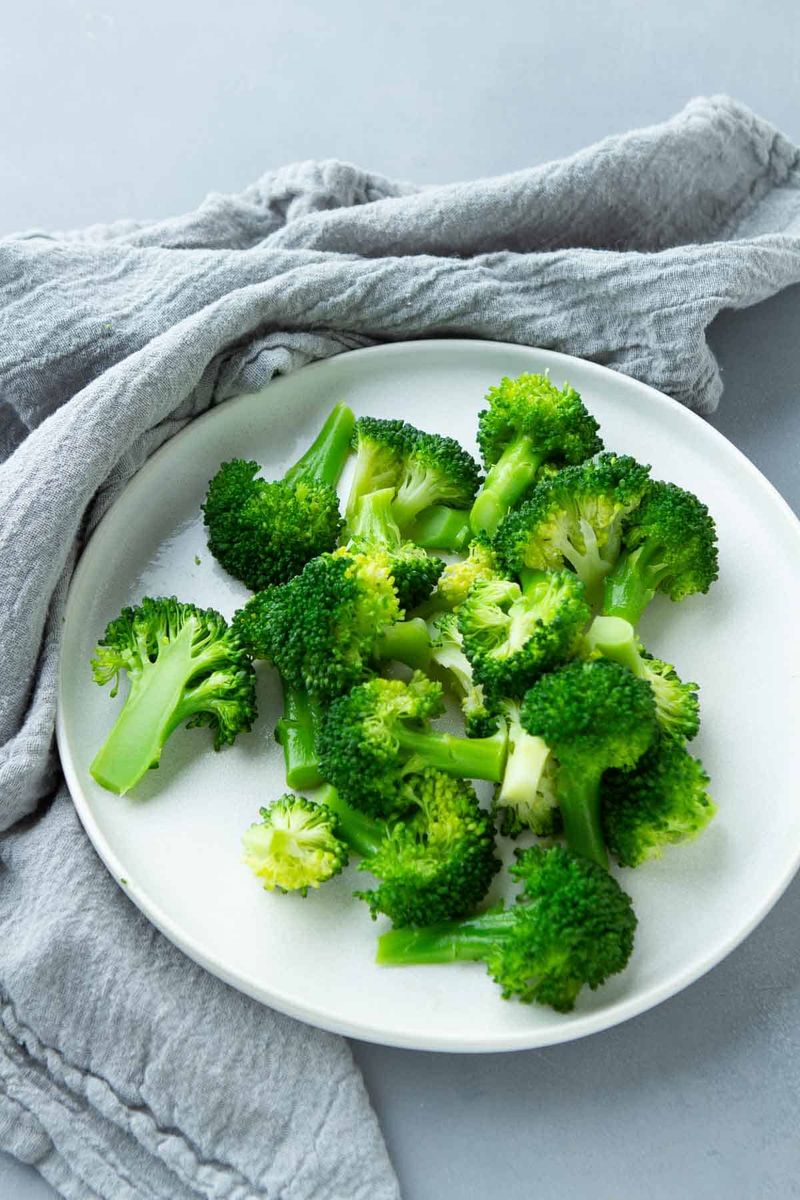
Kids often push broccoli to the edge of the plate, but those tiny trees deserve a second chance. One cup gives you more vitamin C than an orange.
Broccoli also contains sulforaphane, a compound researchers are studying for its cancer-fighting power. Add fiber and vitamin K, and you have a true superstar.
Overcooking makes it mushy and smelly. Steam it for just four minutes so it stays bright green and crunchy.
11. Lentils, the Budget Hero
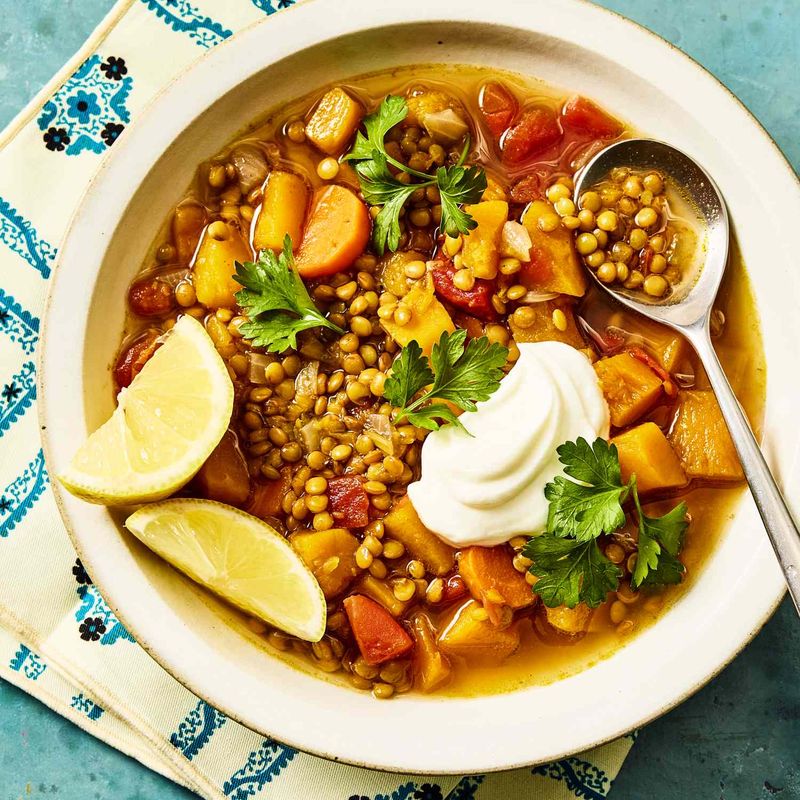
Feeding a family on a tight budget? Lentils might become your new best friend.
A bag costs very little and makes several hearty meals.
These little legumes deliver plant protein, fiber, iron, and folate. Unlike dried beans, they need no soaking and cook in about twenty minutes.
Toss them into soups, stews, or tacos in place of some ground meat. You will save money and add a nutrition boost.
12. Olive Oil From the Mediterranean
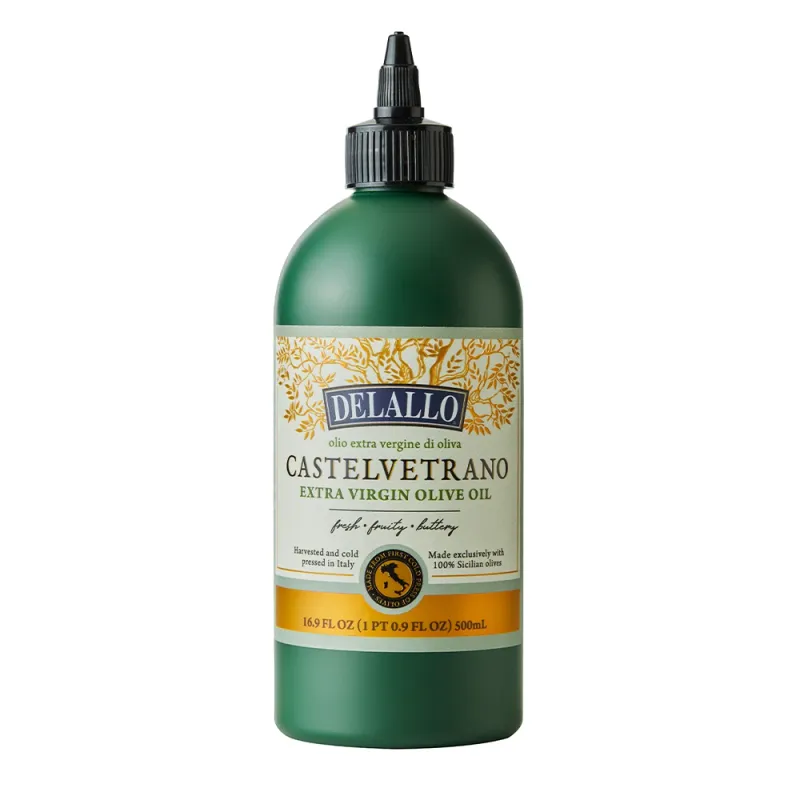
People living around the Mediterranean Sea have used olive oil for thousands of years, and they are known for long, healthy lives.
Extra virgin olive oil contains healthy fats and polyphenols that calm inflammation and protect your heart. It is a smarter choice than butter for most cooking.
Store it in a cool, dark cupboard because light and heat spoil the flavor. Drizzle it over salads, veggies, or warm bread.
13. Chia Seeds Pack a Punch
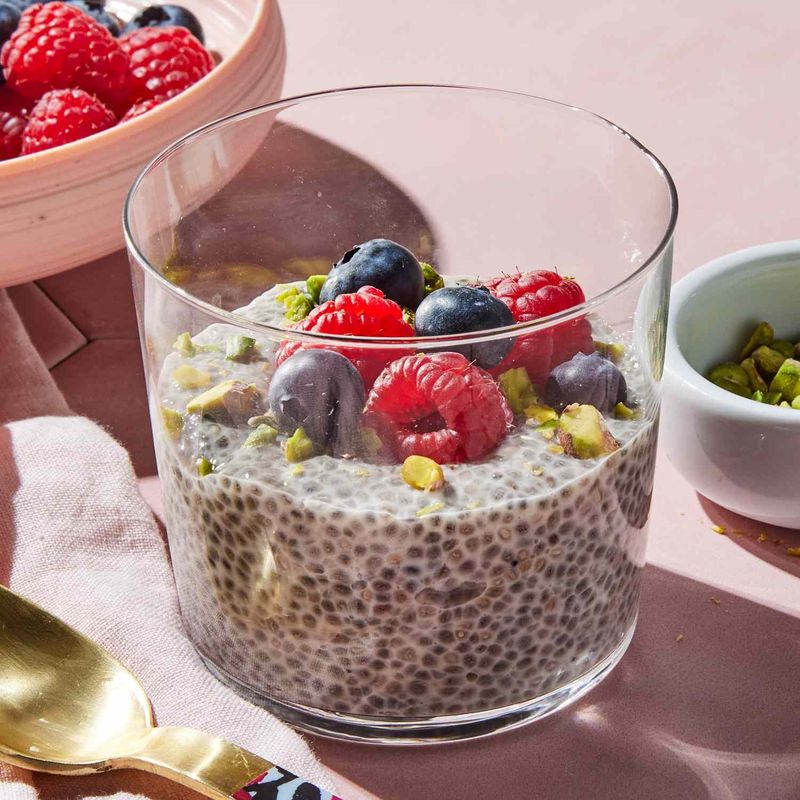
Here is something wild: chia seeds can soak up about ten times their weight in liquid, turning into a jelly-like pudding.
Those tiny specks are full of fiber, omega-3 fats, and calcium. Just two tablespoons hold almost ten grams of fiber, which keeps digestion moving.
Stir them into milk with a little vanilla, then leave the jar in the fridge overnight. Breakfast will be waiting for you in the morning.
14. Garlic, Small but Mighty
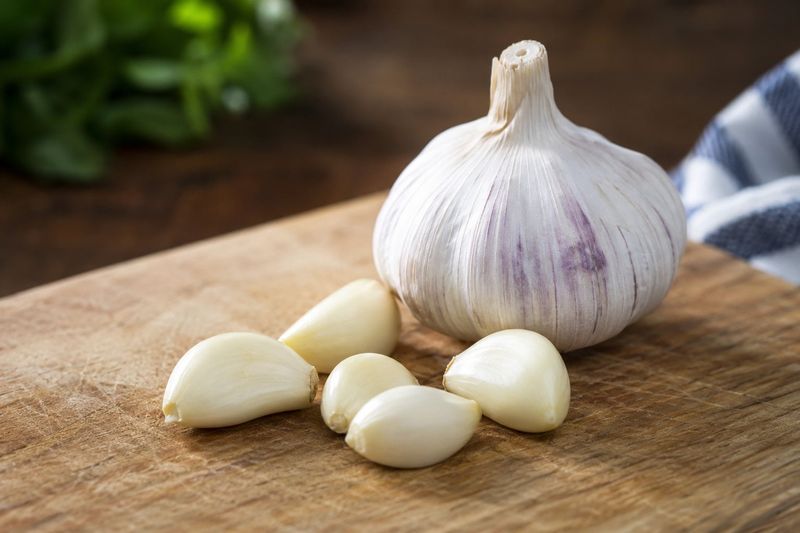
Ancient Egyptian workers building the pyramids reportedly ate garlic for strength. Today, scientists know it contains allicin, a compound with real health perks.
Garlic may help lower blood pressure and support your immune system during cold season. It also adds big flavor without extra salt.
Here is a handy trick. Chop or crush garlic, then wait ten minutes before cooking.
That pause gives allicin time to form properly.
15. Bananas on the Go
Athletes grab bananas during tennis matches and long races for good reason. They offer quick natural energy and potassium, which helps prevent muscle cramps.
A banana also comes with vitamin B6 and fiber, all wrapped in its own handy package. No washing or cutting required.
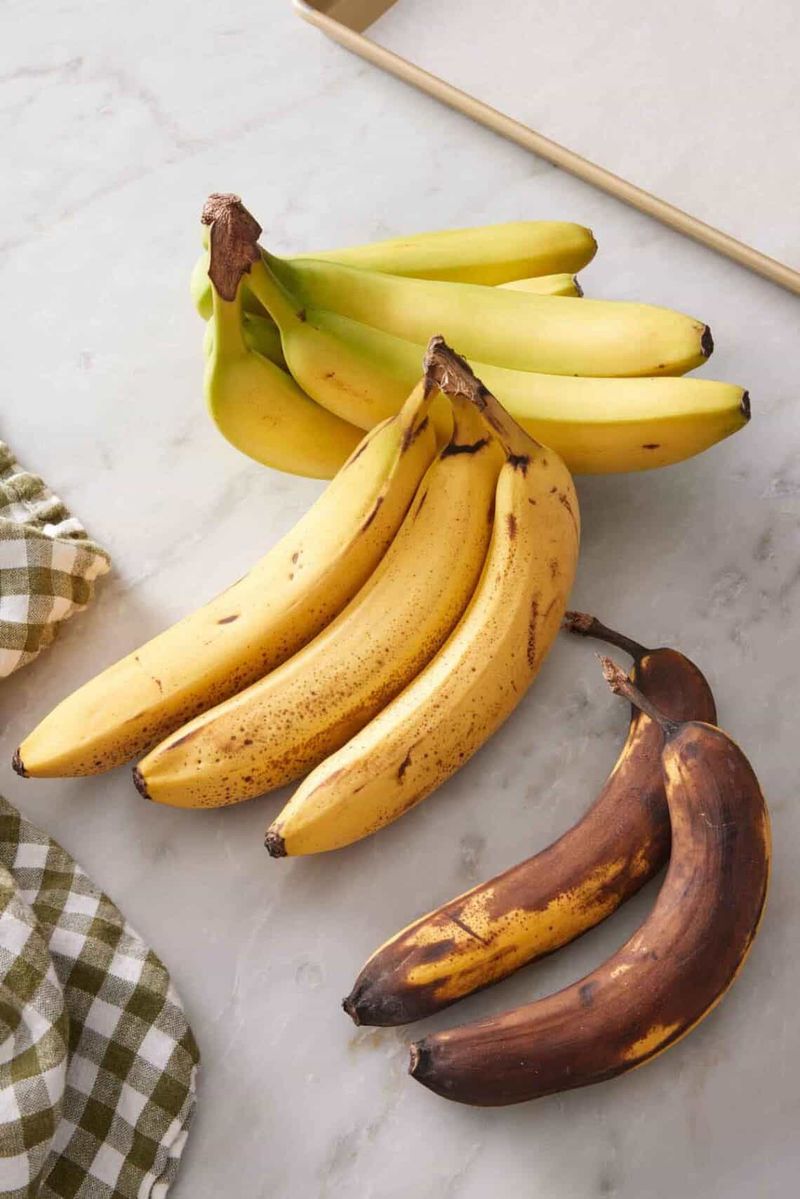
Got some turning brown? Do not toss them.
Overripe bananas are sweeter and perfect for banana bread, pancakes, or frozen smoothie cubes.
16. Colorful Bell Peppers
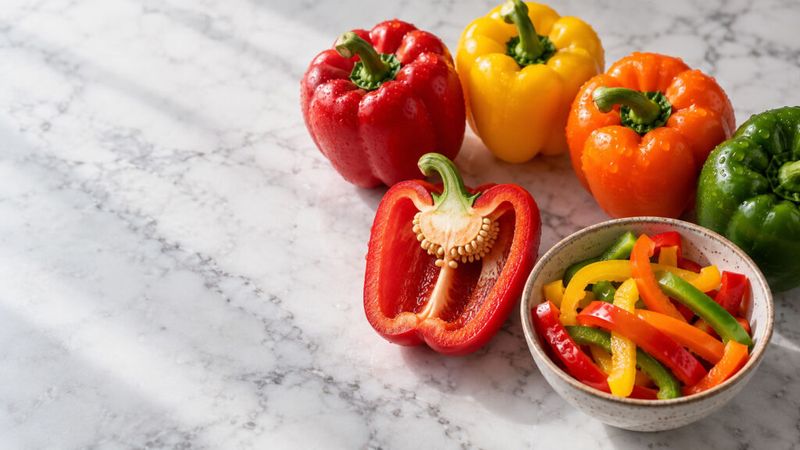
Red, yellow, orange, and green bell peppers brighten any plate like a box of crayons. The red ones are simply green peppers left to ripen longer.
Surprisingly, a single red pepper contains nearly three times the vitamin C of an orange. That helps your skin heal and your body fight germs.
Slice them into strips and dip them in hummus. They make a crunchy, satisfying snack for school or work.
17. Quinoa, an Ancient Grain
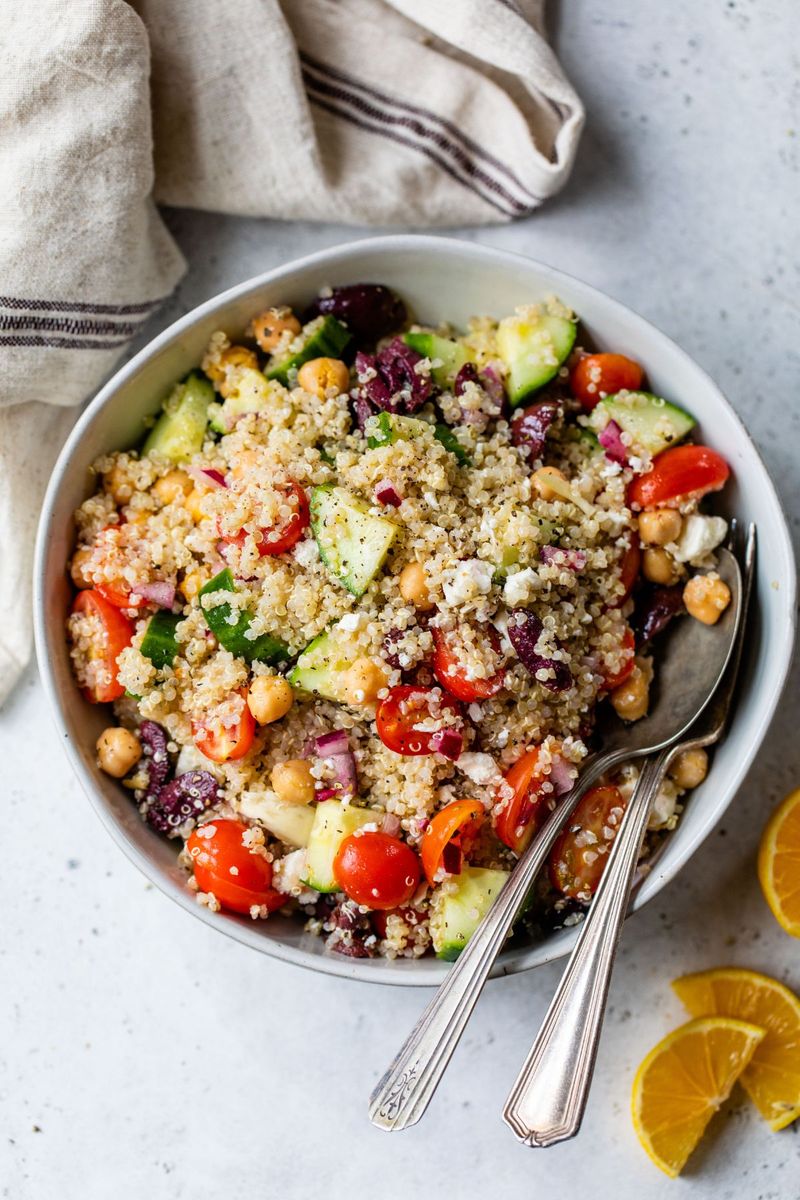
Grown in the Andes Mountains for over five thousand years, quinoa was once called the mother grain by the Inca people.
It is one of the few plant foods with all nine essential amino acids, making it a complete protein. Quinoa is also gluten-free and rich in magnesium.
Rinse it before cooking to remove a bitter coating. Use it like rice in bowls, salads, or as a side dish.
18. Juicy Tomatoes
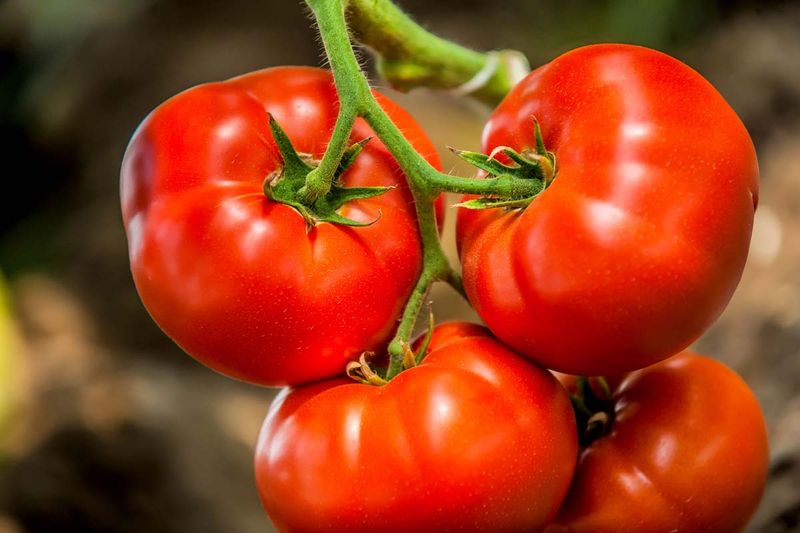
Whether sliced on a sandwich or simmered into sauce, tomatoes show up in kitchens everywhere. Their red color comes from lycopene, an antioxidant linked to heart and skin health.
Interestingly, cooking tomatoes actually makes lycopene easier for your body to absorb. Adding a little olive oil helps even more.
So go ahead and enjoy homemade pasta sauce. Fresh cherry tomatoes also make a sweet, poppable snack straight from the garden.
19. A Little Dark Chocolate
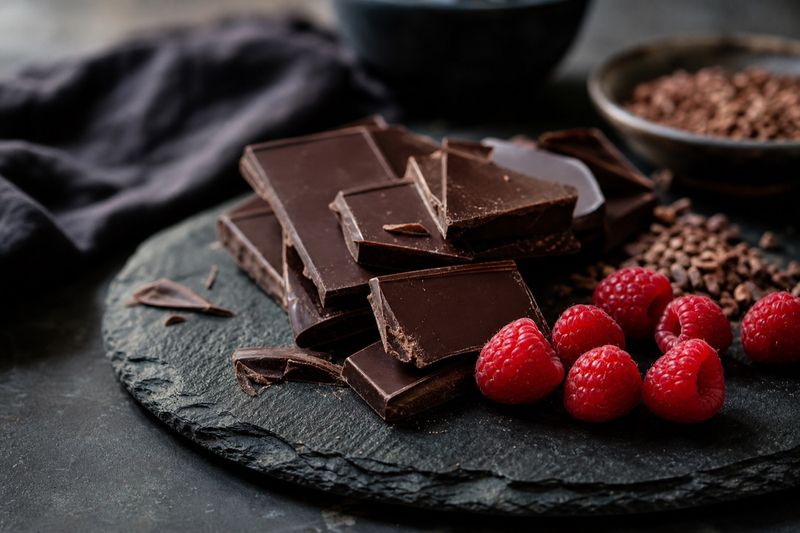
Good news for anyone with a sweet tooth. Dark chocolate with at least seventy percent cocoa can actually be good for you, in small amounts.
It contains flavonoids that support blood flow and heart health, plus iron and magnesium. Milk chocolate has far less cocoa and much more sugar.
Enjoy one or two squares after dinner. Let each piece melt slowly on your tongue, and you will feel satisfied with less.