
A baby’s name can connect both sides of a family, even when they speak different languages. Finding one that feels natural in more than one language can make introductions easier and honor your child’s roots.
From familiar classics to short, lively choices, these names travel well while leaving room for local accents and family traditions.
1. Lina: Small Name, Wide Reach

Four letters can carry a lot of family history. Lina appears as a name on its own and as a short form of names such as Carolina and Adelina, making it familiar across several European languages.
In Arabic, it has associations with tenderness, adding another cultural connection. Try saying Lina with your surname in each household language; its simple spelling often travels easily, though the vowel sounds may shift slightly between speakers and regional accents.
2. Aisha: A Name Full of Life

Full of life is more than a cheerful description here. Aisha comes from Arabic and means living or alive, with a long history of use among Muslim families across many countries and languages.
English speakers may recognize several spellings, including Ayesha and Aishah. Before choosing one, ask relatives how they would say and write it, since pronunciation varies; a shared spelling can help keep school forms, travel documents, and family messages consistent over the years.
3. Maya: Familiar Across Borders

Picture a name that feels at home on several different family trees. Maya has roots and uses in more than one culture, including connections to Sanskrit and the related Greek name Maia.
It also fits comfortably into Spanish and English, where many speakers use a similar pronunciation. Meanings depend on the tradition you choose, so avoid treating every origin as interchangeable; pick the story that genuinely connects with your family and share it with care.
4. Sofia or Sophia: Wisdom With Options

A little wisdom never goes out of style. Both Sofia and Sophia trace back to a Greek word meaning wisdom, giving this familiar name a clear link across languages and generations.
Sofia is common in Spanish, Italian, and other languages, while Sophia is familiar in English. Choose the spelling you prefer for everyday use, then practice introducing it aloud; relatives may naturally change the stress or vowels without changing the heart of the name itself.
5. Anna or Ana: Simple and Lasting
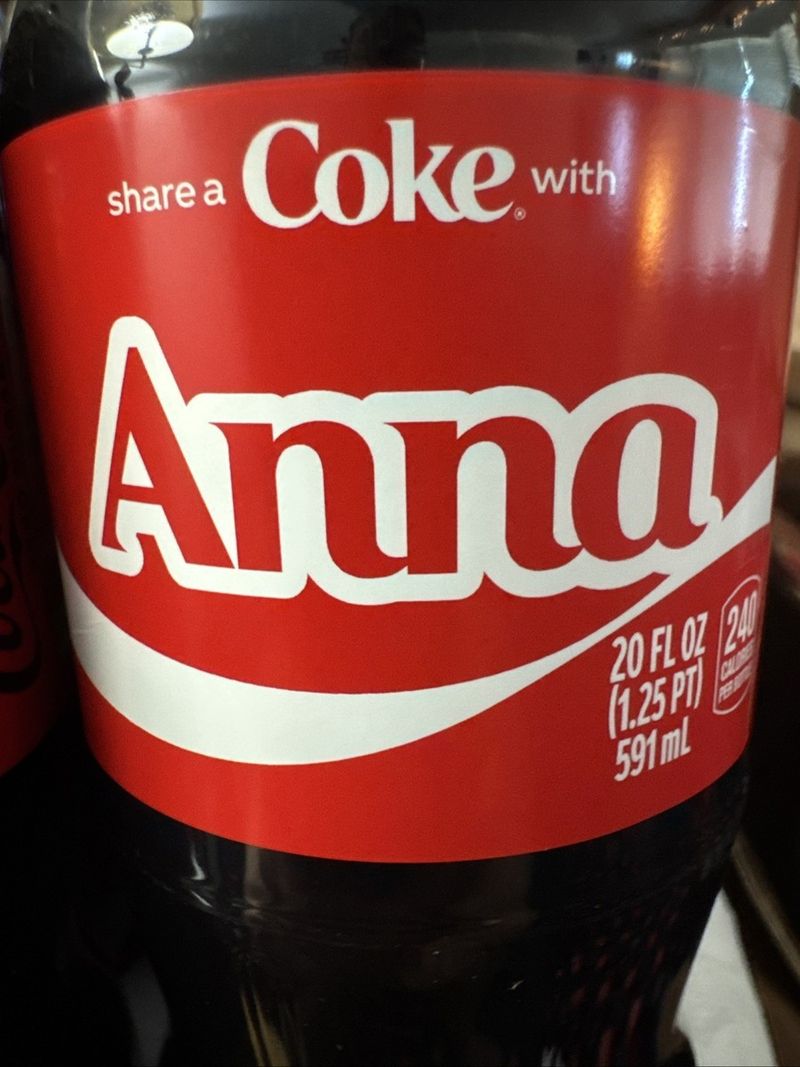
Sometimes the simplest choice holds the strongest family connection. Anna and Ana belong to a broad family of names linked to Hannah, a Hebrew name commonly understood to mean grace or favor.
Ana is familiar in Spanish and Portuguese, while Anna appears throughout Europe and beyond. Neither spelling guarantees identical pronunciation everywhere, but both are easy to recognize; consider whether one honors a relative or matches the spelling used in your other family language best.
6. Maria: A Family Classic

Grandparents may smile before you finish saying it. Maria has deep roots in Christian naming traditions and is widely used in Spanish, Italian, Portuguese, German, and many other languages around the world.
Its ancient meaning is debated, so family history may offer a more personal story than any single translation. Check local spelling customs, too: Spanish commonly uses María, with an accent that marks the stressed syllable and may matter on official records as well.
7. Elena: Familiar, With Local Flavor

Different accents can give one name several lovely rhythms. Elena is a form of Helen used in languages including Spanish and Italian, and it remains easy to connect with related names across Europe.
Pronunciation can vary noticeably, especially between English and Spanish speakers. Say it during ordinary moments, such as calling across a room or introducing your child, to decide whether you enjoy those differences rather than expecting everyone to use exactly the same sounds.
8. Leo: A Little Lion

A tiny name with a lion behind it brings plenty of spirit. Leo comes from the Latin word for lion and works as a full name or a nickname for longer choices, including Leonardo.
English and Spanish speakers will usually recognize it, although they may shape the vowels differently. If you like short names, try Leo beside the full surname; its two clear syllables can balance a longer family name without needing an everyday nickname.
9. Noah: Calm and Well Known

Quiet strength gives this biblical favorite lasting appeal. Noah comes from Hebrew and is commonly linked with rest or comfort, making it a thoughtful choice for families who enjoy names with a peaceful meaning.
It is widely recognized across languages, though spellings and pronunciation differ by community. Usually used for boys, Noah also appears for other genders in some places; avoid confusing it with Noa, a separate Hebrew name traditionally given to girls in Israel.
10. Daniel: An Easy Family Bridge
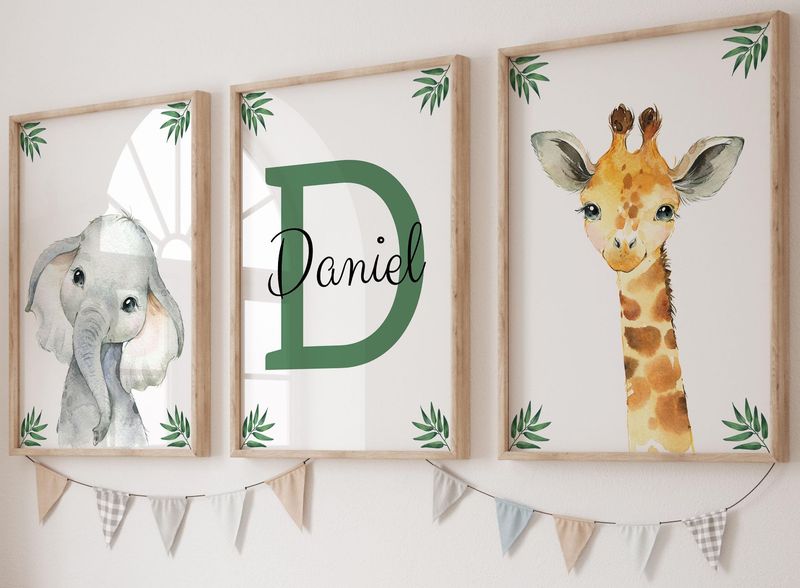
One spelling can connect relatives who speak very different languages. Daniel has Hebrew roots and means God is my judge, with a long record of use in English, Spanish, French, and other languages.
The written form often stays familiar even when the spoken rhythm changes. Talk about nicknames before making your choice: Dan, Danny, and Dani each bring a different feel, and your family may prefer the full name in one language but not another.
11. David: Recognizable in Many Voices

Beloved is a lovely meaning to grow up with. David comes from Hebrew and carries that meaning, while its biblical history has helped the name become familiar in many countries and communities.
English, Spanish, and French speakers may pronounce it quite differently despite sharing the spelling. Rather than treating one version as wrong, decide which pronunciations your household welcomes; that small conversation can prevent confusion and help relatives feel comfortable saying your child’s name proudly.
12. Lucas or Lukas: Two Familiar Spellings

Choosing between a C and a K may be your biggest decision here. Lucas and Lukas are related forms of a name traditionally understood as meaning someone from Lucania, a region of southern Italy.
Lucas feels familiar in Spanish, Portuguese, and English, while Lukas appears in German and several other European languages. Both can work across borders, but settle on one official spelling early; switching between them may create avoidable trouble with records and paperwork.
13. Kai: Short, With Many Roots

Three letters, several cultural stories, and plenty of energy. Kai has independent roots in different languages; in Hawaiian, kai means sea, while other uses have their own histories and meanings rather than one shared origin.
Its short form appeals to many multilingual families, and gender usage varies by community. If you choose it for a particular heritage, learn that tradition’s pronunciation and context instead of collecting meanings from unrelated cultures into a single name story.
14. Adrian: A Cross-Language Classic

Across an English and Spanish family table, this choice rarely feels unfamiliar. Adrian comes from the Latin Hadrianus, meaning from Hadria, an ancient place name associated with Italy and the wider Adriatic region.
Spanish usually writes the name Adrián, which changes how the stress is shown. It is traditionally masculine in many languages, though broader usage exists; check local expectations if you want a name that people will read as gender neutral in both cultures.
15. Alex: Flexible From the Start
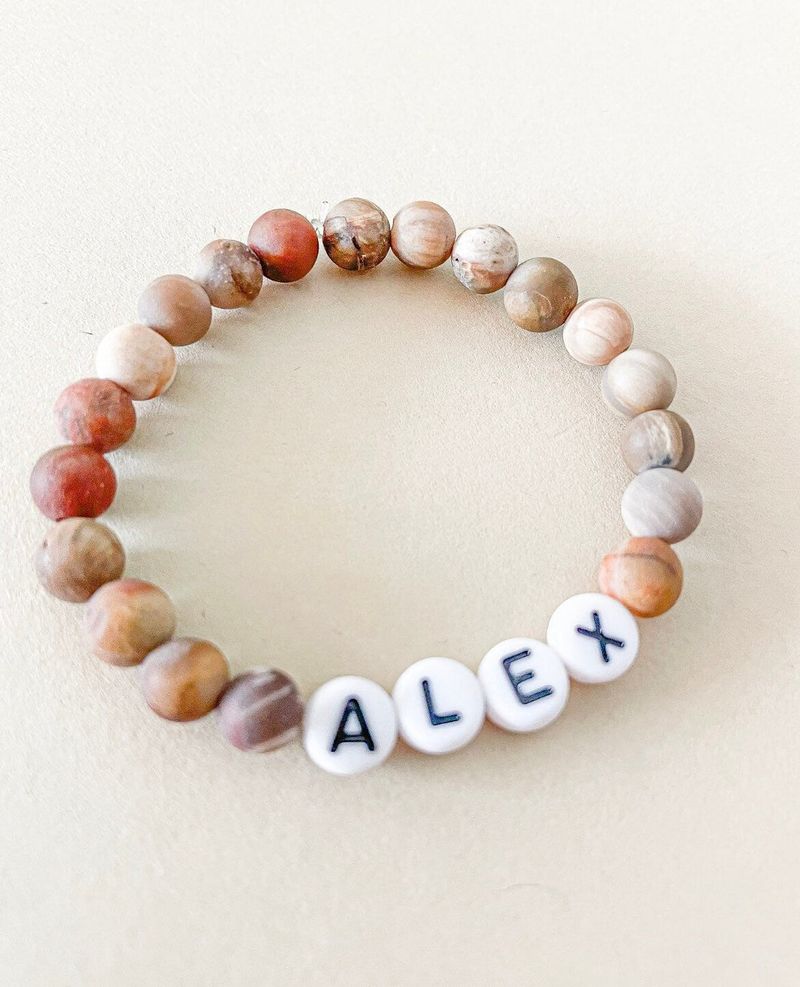
Room to grow is part of the charm. Alex can stand alone or shorten names such as Alexander and Alexandra, whose Greek roots carry the idea of defending or protecting people.
It is familiar across many languages and is used by people of different genders, making it a flexible option for multilingual households. Ask whether you want a longer legal name or simply Alex; either approach can work, depending on family traditions and local rules.