
The singer may get the spotlight, but a great band needs much more than a famous voice. Behind many favorite songs are musicians whose bass lines, keyboards, harmonies, and steady beats made everything click.
Some earned loyal fans without getting the wider attention their work deserved. Listen a little closer, and these familiar records reveal a whole new set of stars.
1. John Paul Jones: Led Zeppelin’s Quiet Architect
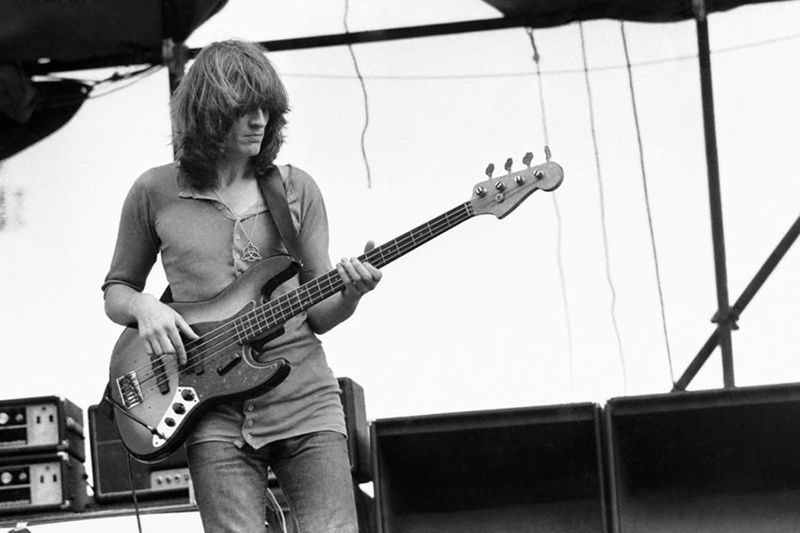
Big riffs grab attention, but someone has to hold the whole musical machine together. For Led Zeppelin, John Paul Jones supplied bass, keyboards, and arrangements that gave their thunder real shape.
His musical range reached far beyond keeping time beside the drums.
Play Trampled Under Foot and follow the clavinet rather than the guitar. That bouncing keyboard part shows how much personality he brought, even when his louder bandmates drew most of the public attention.
2. Rick Wright: Pink Floyd’s Master of Atmosphere
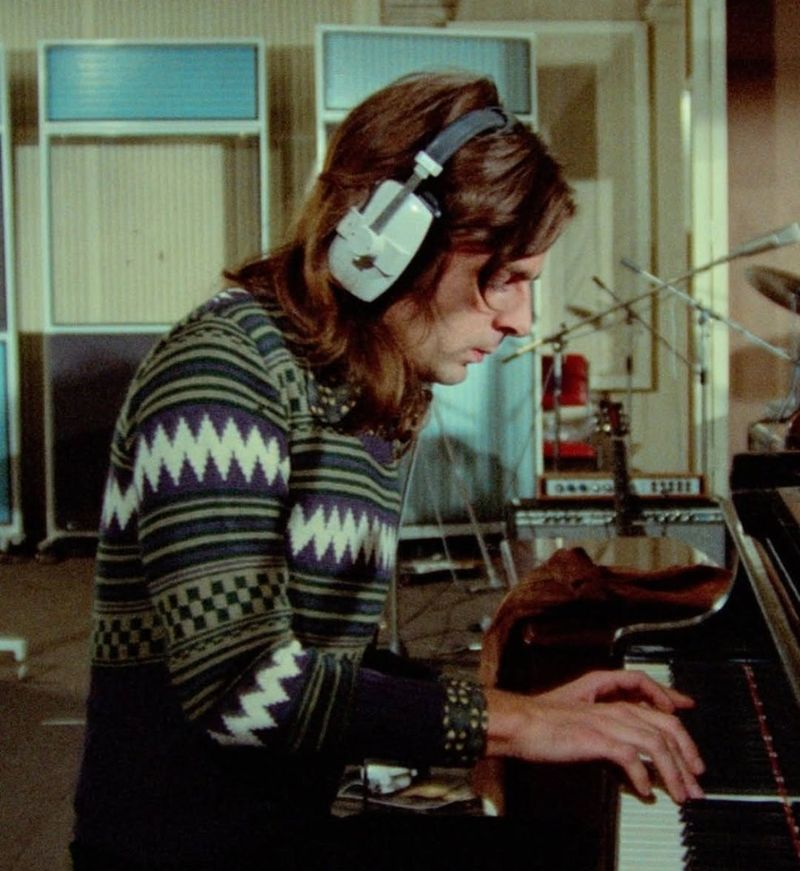
A few floating keyboard notes could turn a Pink Floyd song into another world. Rick Wright had that gift, adding warmth, space, and mystery without fighting for the center of attention.
His voice also helped shape the band’s gentle side.
Spend time with Us and Them, which he cowrote, and notice how patiently the music breathes. While debates often center on Waters and Gilmour, Wright’s touch helps explain why those records still feel so immersive.
3. Mike Mills: R.E.M.’s Hidden Melody Maker
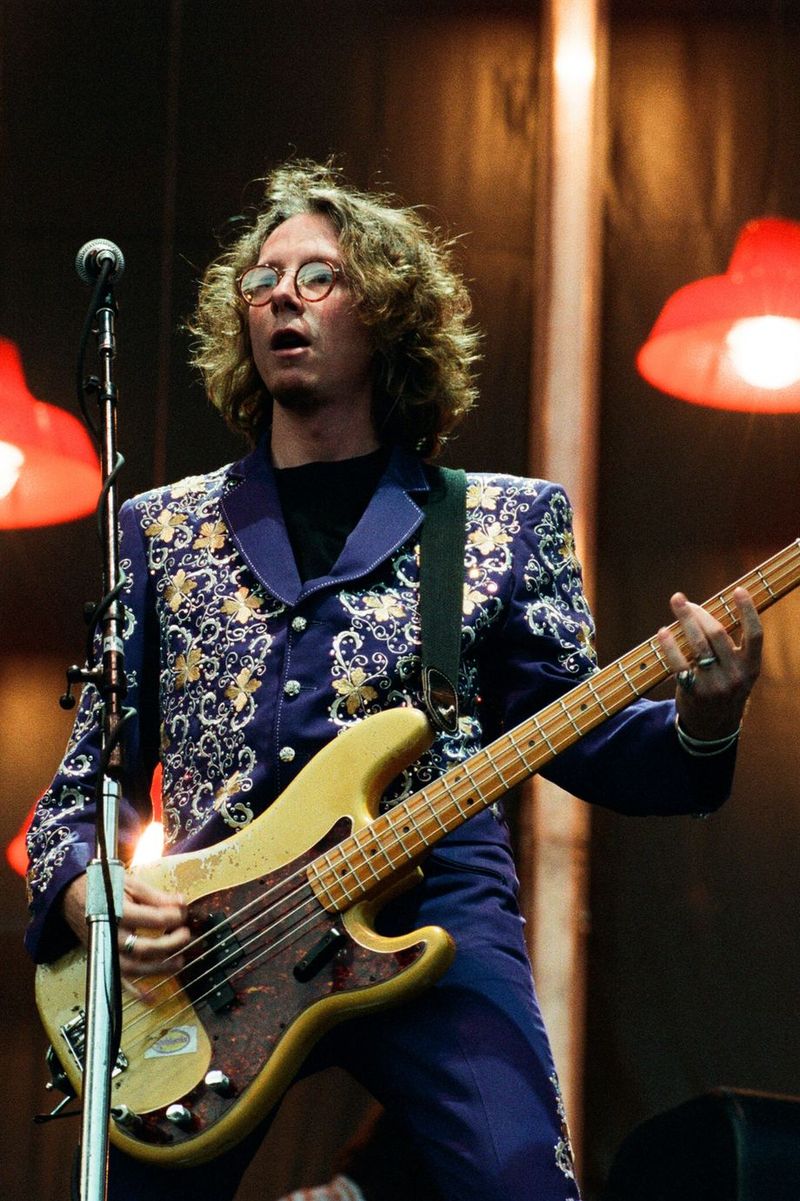
Try humming an R.E.M. song and you might end up singing Mike Mills’s part. His bright backing vocals often supplied a second melody, while his bass moved with unusual freedom underneath.
Keyboards added another color to his toolkit.
On Fall on Me, pay attention to the voices surrounding Michael Stipe. Mills helps turn a strong tune into a rich conversation.
His example shows that supporting a singer can mean adding something equally memorable and moving.
4. Kim Deal: The Pixies’ Cool Counterweight
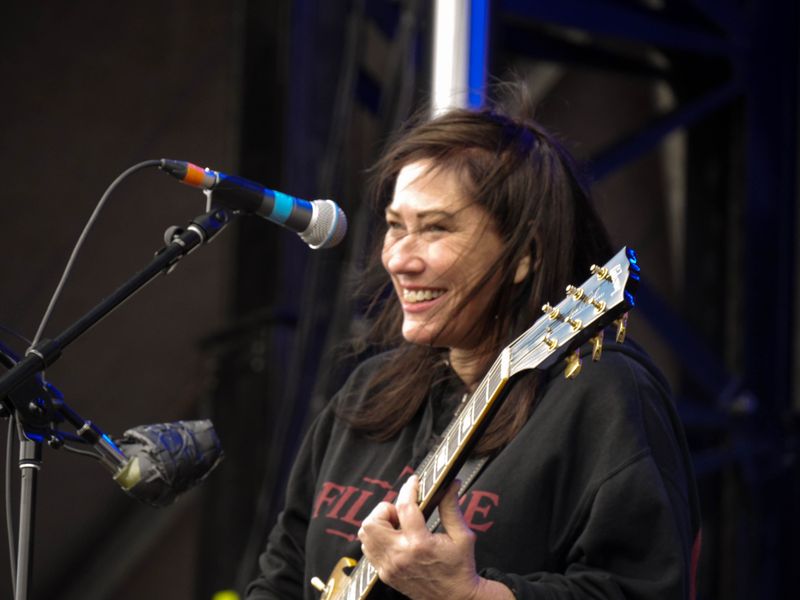
Cool doesn’t always need a complicated solo. Kim Deal grounded the Pixies with clear bass lines and a voice that could soften their sharpest edges.
Against Black Francis’s wild delivery, her singing created a contrast listeners could recognize immediately.
Give Gigantic another spin, remembering that Deal cowrote it and sang lead. Although fans have long celebrated her, the band’s story can still lean too heavily toward its frontman.
Her contribution deserves space of its own.
5. Benmont Tench: The Heartbreakers’ Tasteful Touch
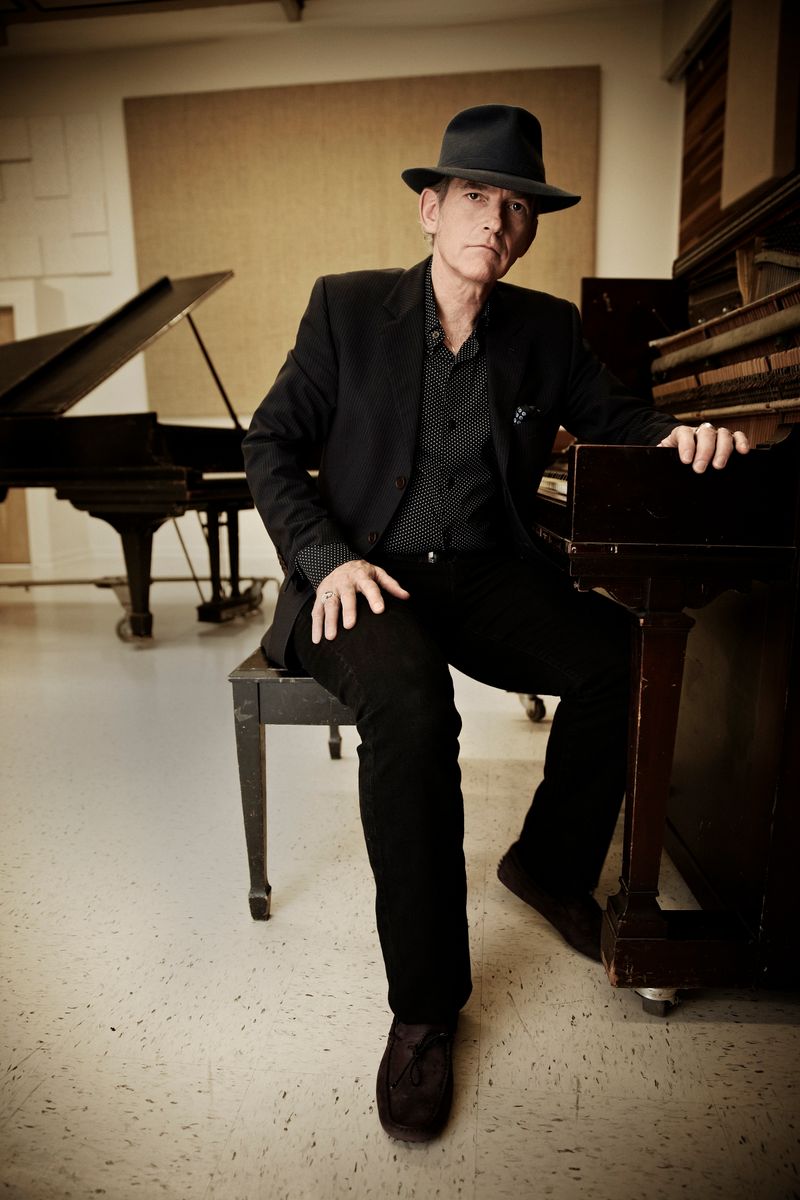
Sometimes the smartest musical move is leaving room. Benmont Tench knew when a piano phrase or organ swell would help a Tom Petty song, and when silence would do more.
That restraint made his playing easy to miss but hard to replace.
Listen beneath the vocals on a Heartbreakers record and track the keyboard entrances. They often lift a chorus or deepen a mood without announcing themselves.
His work rewards anyone willing to listen closely.
6. Charlie Watts: The Rolling Stones’ Swinging Backbone
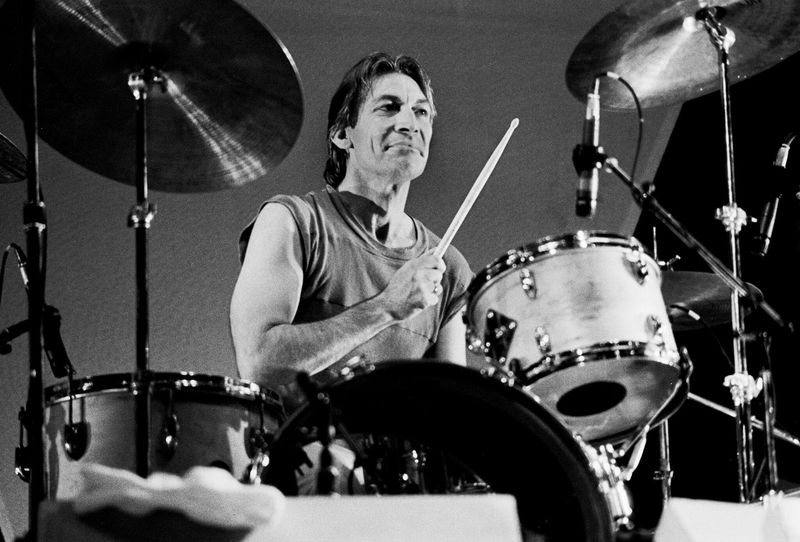
No flying drumsticks were needed to make Charlie Watts matter. His steady presence gave the Rolling Stones a beat that felt relaxed without falling apart.
A love of jazz helped him bring swing to music built on rough guitar riffs.
Tap along with Honky Tonk Women and notice how the rhythm leaves room to move. Watts wasn’t unknown, but his quiet style could disappear behind bigger personalities.
The groove makes his importance clear within seconds.
7. Mike Campbell: The Guitarist Behind the Hooks
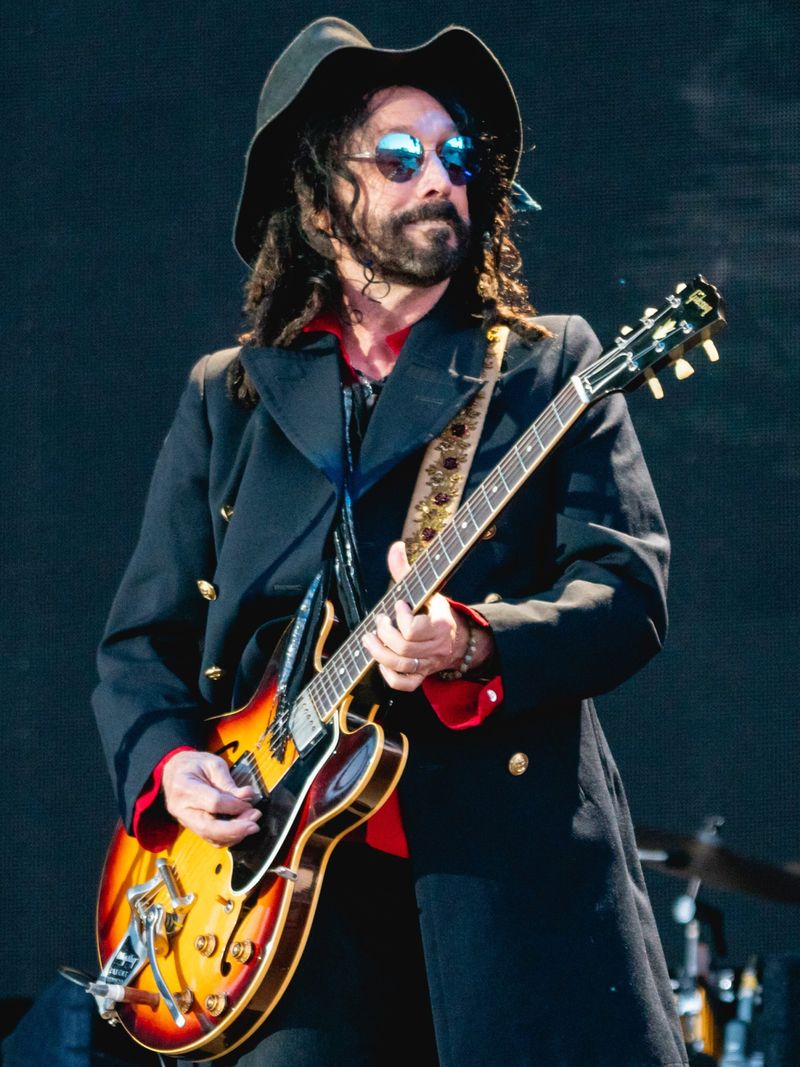
That guitar line you remember before the singing starts? Mike Campbell may deserve the thanks.
Alongside his playing in the Heartbreakers, he cowrote favorites including Refugee, Here Comes My Girl, and You Wreck Me. His parts gave songs an identity without crowding Petty’s voice.
Compare those tracks and hear how differently each riff works. Campbell could sound tense, tender, or loose while remaining recognizable.
Great guitar playing isn’t just speed; sometimes it means choosing unforgettable notes.
8. Geezer Butler: Black Sabbath’s Dark Storyteller
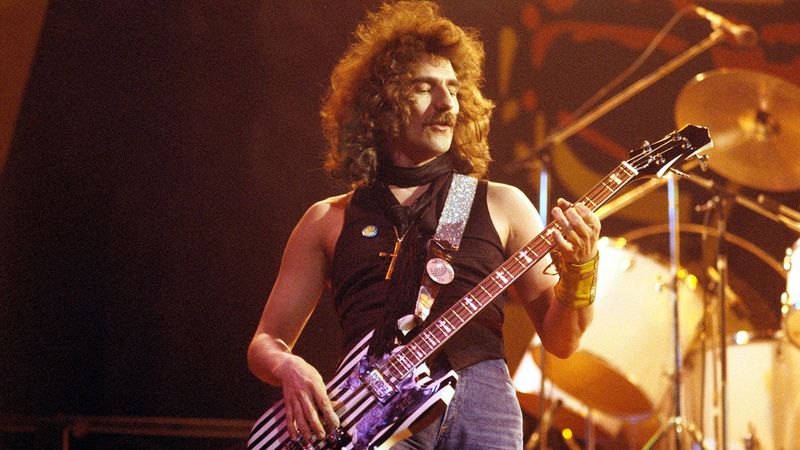
Heavy music needs more than a crushing guitar sound. Geezer Butler gave Black Sabbath both a powerful low end and many of the words that shaped their dark world.
His bass could follow Tony Iommi’s riffs, then branch into restless melodic runs.
Start with War Pigs and focus on the movement beneath the guitar. Then read the lyrics.
Hearing both sides of Butler’s contribution makes it harder to treat him as merely the band’s bassist.
9. Billy Preston: The Beatles’ Welcome Guest
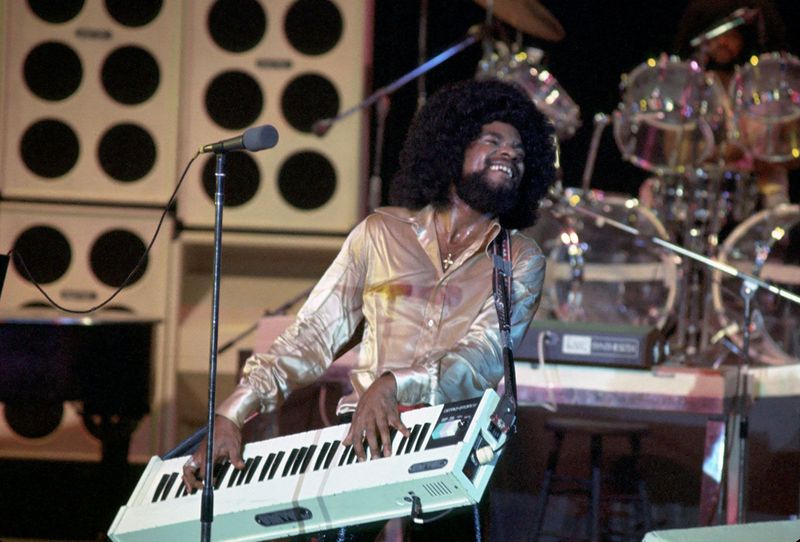
Fresh energy arrived at a tense moment when Billy Preston joined the Beatles’ recording sessions. His electric piano brought sparkle to Get Back and Don’t Let Me Down, and his friendly presence helped ease the room.
He wasn’t an official Beatle, making him an exception here.
Watch the rooftop performance and follow his keyboard fills. They fit naturally between the voices and guitars.
Preston reminds us that a guest musician can become essential to history.
10. John McVie: Fleetwood Mac’s Steady Pulse
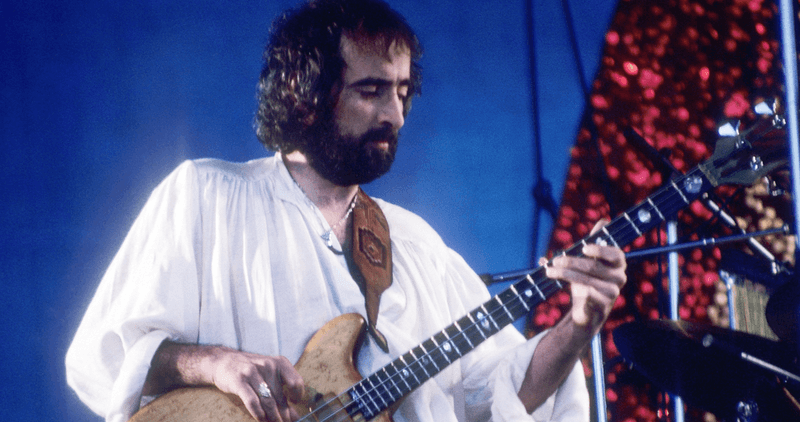
Behind Fleetwood Mac’s famous voices and tangled relationships sat a remarkably dependable bass player. John McVie helped connect Mick Fleetwood’s drums to songs that could sound dreamy, bitter, or joyful.
His approach favored feel over flashy displays, giving the singers a firm place to land.
Follow the bass in The Chain, especially its famous closing section. That line isn’t background decoration.
It becomes the song’s driving force and a clear reminder of McVie’s lasting musical value.
11. Krist Novoselic: Nirvana’s Low-End Anchor
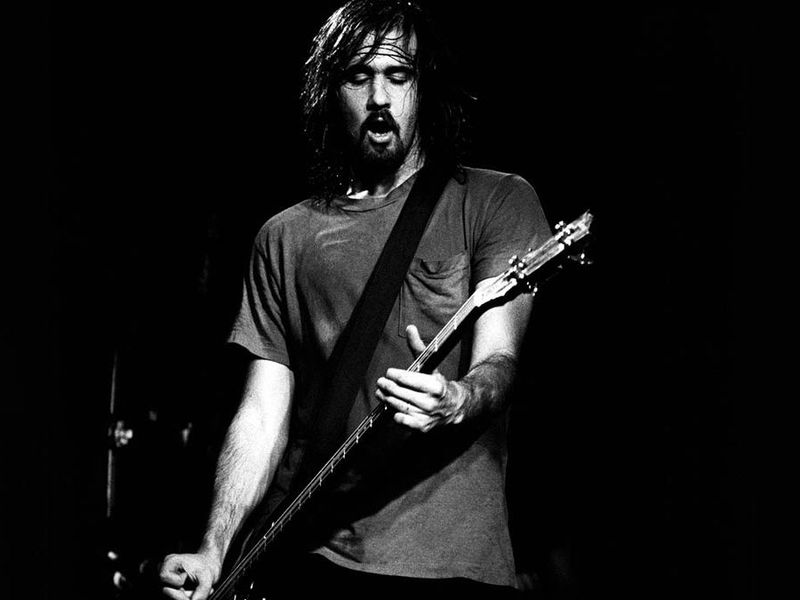
Loud guitars can hide a lot, including the bass part holding everything in place. Krist Novoselic gave Nirvana weight while helping their songs shift between quiet tension and noisy release.
His lines were often direct, but direct never meant unimportant.
Put on Lounge Act and catch the bass opening before the full band enters. It sets the mood immediately.
With Kurt Cobain and Dave Grohl drawing attention, Novoselic’s role deserves a more careful hearing today.
12. Michael Anthony: Van Halen’s High Harmony
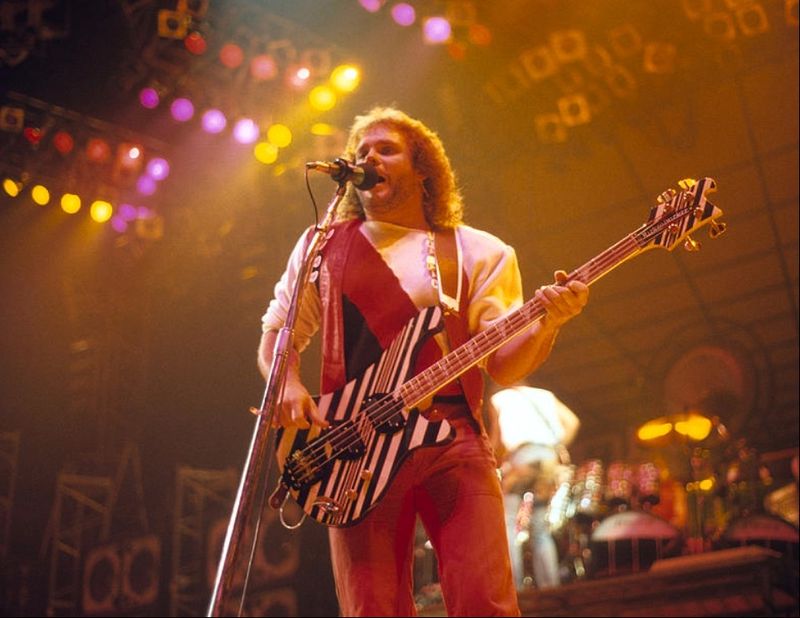
Those sky-high Van Halen harmonies didn’t appear by magic. Michael Anthony’s voice added a bright layer above the lead singer, helping choruses burst out of the speakers.
Meanwhile, his bass gave Eddie Van Halen room to explore without losing the song’s foundation.
Revisit Runnin’ With the Devil for the bass, then notice the backing vocals across the band’s early records. His two jobs explain why the music feels fuller than a guitar showcase alone ever could.
13. Roy Bittan: The E Street Band’s Piano Storyteller
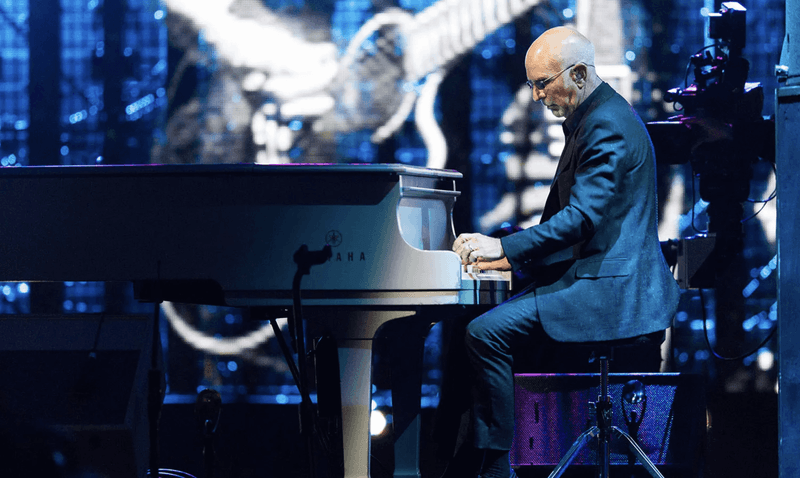
Before a lyric tells the story, a piano can set the scene. Roy Bittan brought that dramatic skill to Bruce Springsteen’s E Street Band, turning keyboard parts into emotional landmarks.
His nickname, The Professor, suits a player with such command.
Hear the opening of Thunder Road and consider how much feeling arrives through the piano. For another side of his work, explore Meat Loaf’s Bat Out of Hell, where Bittan also helped create that sweeping sound.
14. Billy Powell: From Road Crew to Piano Bench
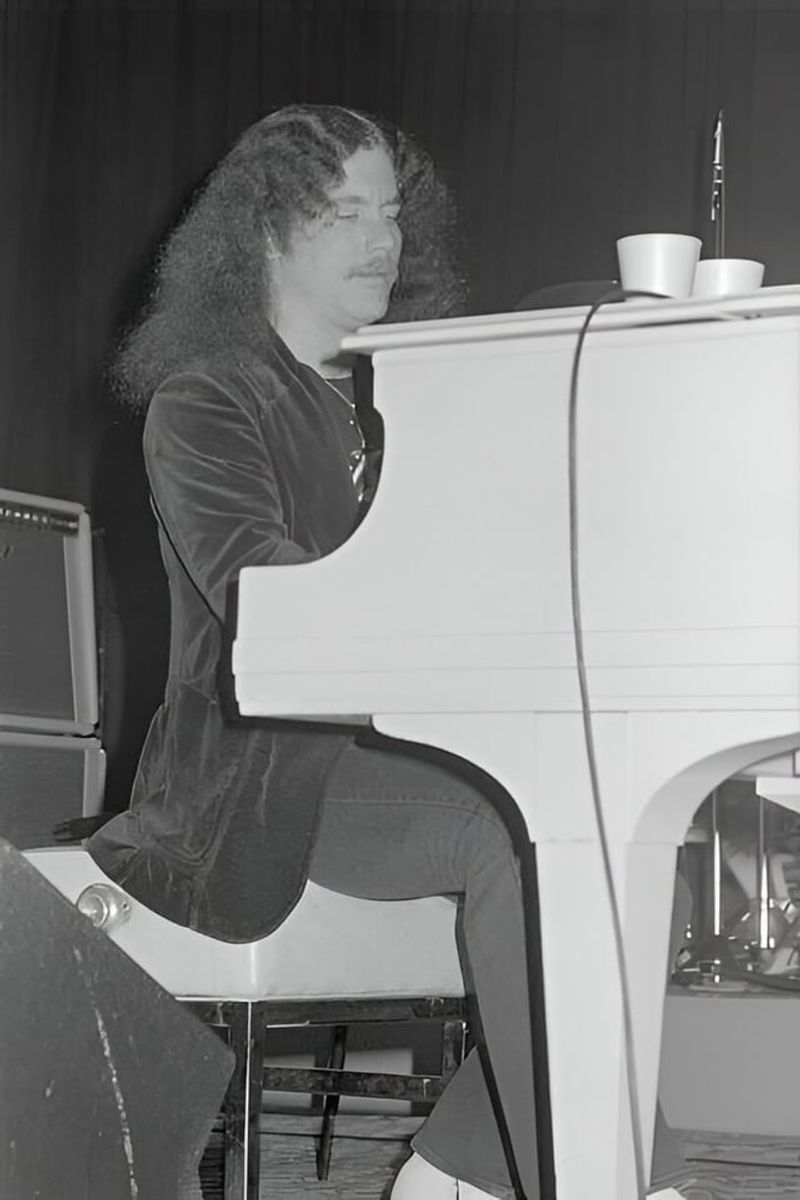
A job moving equipment became a place in rock history. Billy Powell worked as a roadie before joining Lynyrd Skynyrd as their keyboard player.
His piano added grace and lift to a band often remembered first for its guitar power.
Choose Tuesday’s Gone and let the keyboard details come forward. Then compare the mood with Free Bird.
Powell’s story is a reminder that the person working outside the spotlight may have remarkable musical gifts waiting inside.
15. Alex Lifeson: Rush’s Shape-Shifting Guitarist
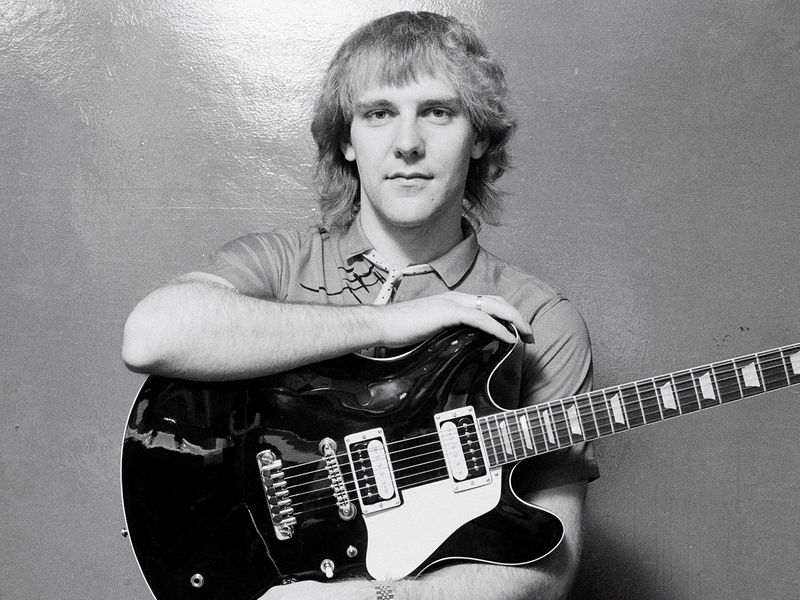
How do you stand out beside Geddy Lee and Neil Peart? Alex Lifeson answered with guitar parts that could roar, shimmer, or open wide spaces around Rush’s busy rhythms.
His flexibility helped three musicians sound far larger than their number.
Try Limelight for a clear example of power balanced with feeling. Although guitar fans respect him, wider conversations often favor his bandmates.
Pay attention to his chord choices, not just solos, to hear his real range.
16. Andy Rourke: The Smiths’ Dancing Bass Voice
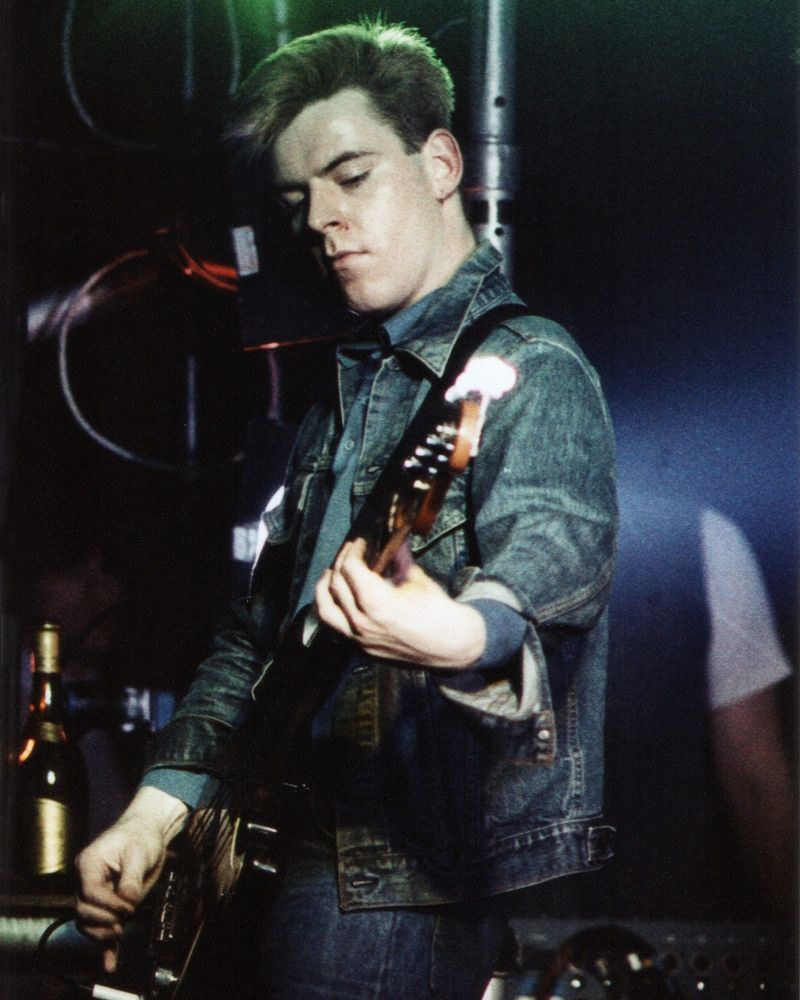
Beneath the Smiths’ sharp lyrics and ringing guitars, another melody was often dancing. Andy Rourke played bass with a lively touch that gave the songs bounce and motion.
His work could be playful even when the words turned miserable.
Listen to This Charming Man and follow the bass instead of the vocal. It answers the guitar rather than simply copying it.
Morrissey and Johnny Marr usually lead the discussion, but Rourke helped make that sound complete.