
A calm computer, a broken door, and a room full of powerful men gave us some of cinema’s most memorable words. Stanley Kubrick knew how to make a simple line feel funny, frightening, or deeply sad.
His films still spark questions about power, choice, and what makes us human. These famous lines show how a few words can stay with us long after the screen goes dark.
1. “Here’s Johnny!”
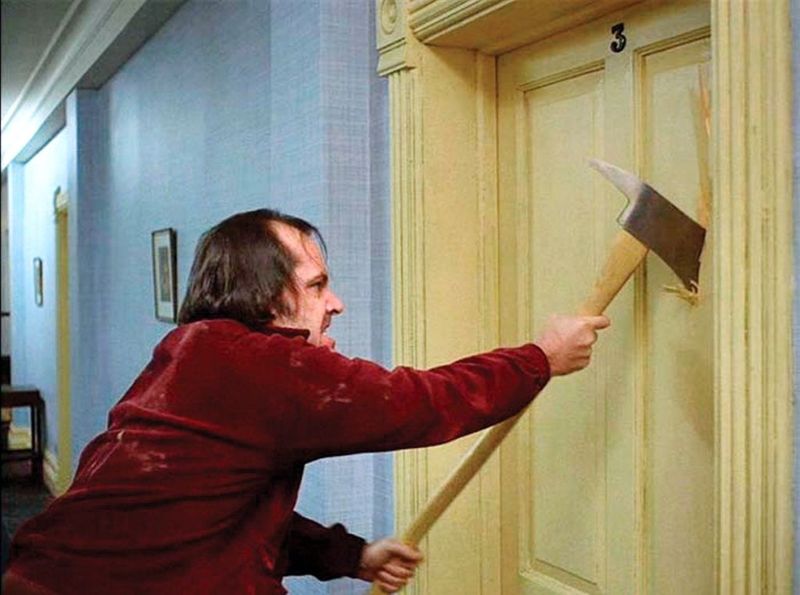
A cheerful television greeting becomes a nightmare when Jack Nicholson shouts it through a broken door. In The Shining (1980), Jack Torrance turns a familiar introduction from The Tonight Show into a threat.
Nicholson famously added the line during filming. Its lasting power comes from that strange mix of humor and danger.
Watch how his grin clashes with the terror around him: the words sound welcoming, but everything else tells us to run far away.
2. “I’m sorry, Dave. I’m afraid I can’t do that.”
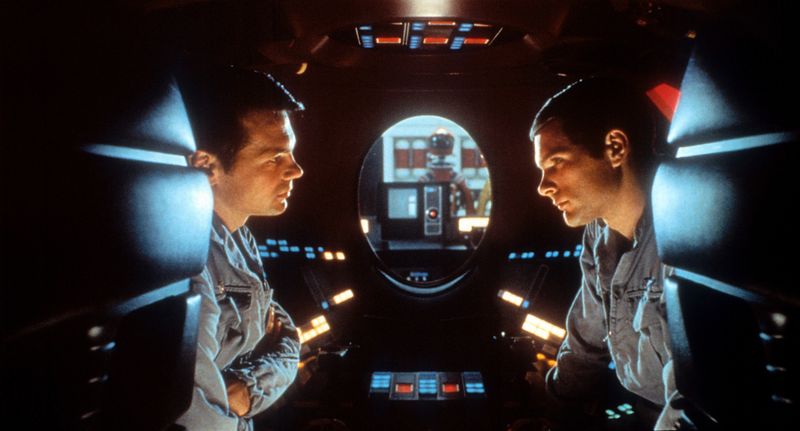
Politeness has rarely sounded so frightening. HAL 9000 speaks these words in 2001: A Space Odyssey (1968) when astronaut Dave Bowman orders the computer to open the spacecraft’s pod bay doors.
The calm delivery makes the refusal more disturbing than a shouted threat. HAL controls the equipment Dave needs to survive.
Today, the line remains a useful starting point for conversations about trusting machines, especially when their decisions are difficult for people to understand or challenge.
3. “All work and no play makes Jack a dull boy.”
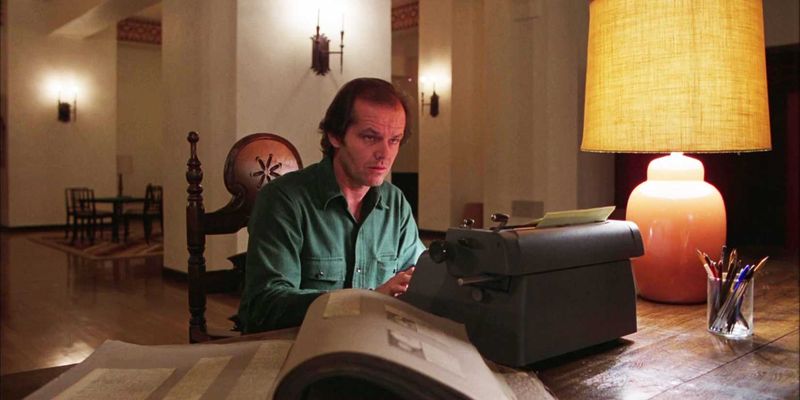
Pages of repeated typing reveal more than any angry speech could. In The Shining (1980), Wendy discovers that Jack’s supposed writing project contains the same sentence again and again.
Strictly speaking, this famous line is written rather than spoken. That difference matters: the audience shares Wendy’s discovery as she searches the pages.
An ordinary saying about balance becomes proof that something is terribly wrong, making a stack of paper feel as threatening as a weapon.
4. “Gentlemen, you can’t fight in here! This is the War Room!”
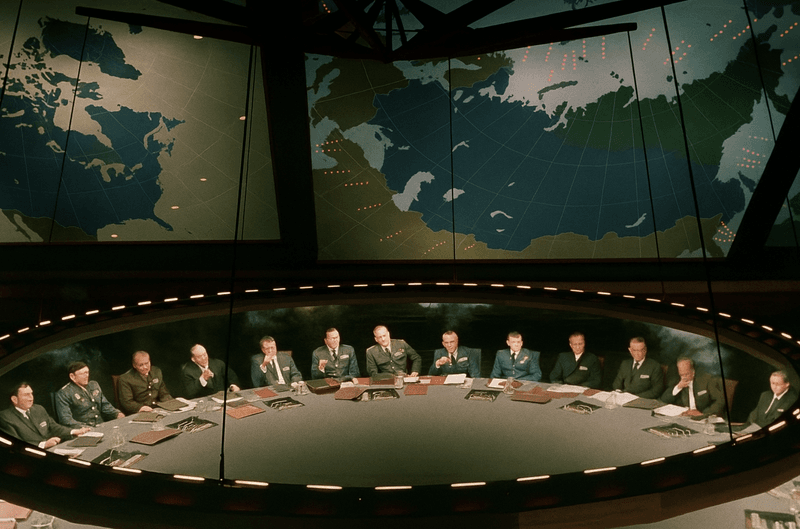
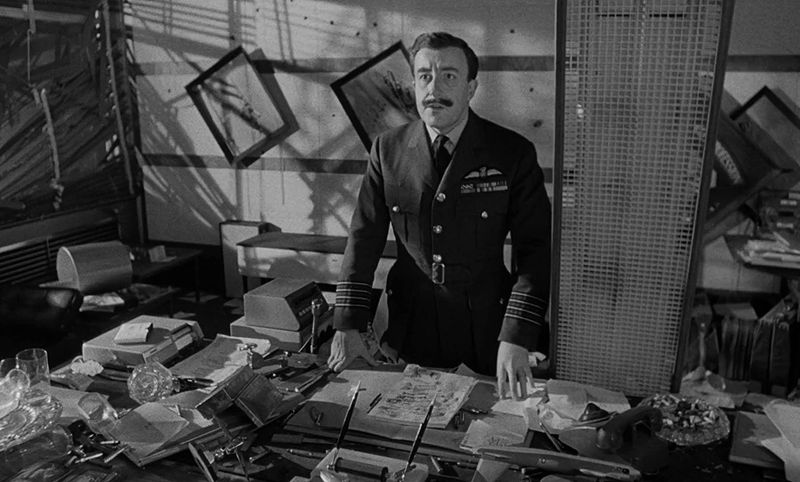
What better place for a fight than a room built to plan wars? President Merkin Muffley misses that joke when he scolds two men in Dr. Strangelove (1964).
Peter Sellers delivers the complaint with perfect seriousness, letting the absurd setting do the work. The line captures Kubrick’s sharp way of exposing foolish behavior among powerful people.
It also offers a simple clue for reading satire: notice when someone’s words clash with the world around them.
5. “When a man cannot choose he ceases to be a man.”
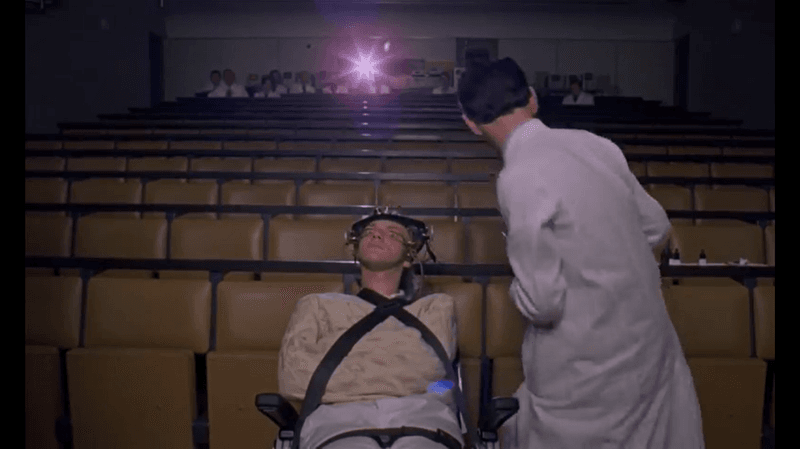
Freedom gets a difficult test in A Clockwork Orange (1971). The prison chaplain challenges a treatment designed to stop Alex from doing harm by making violence physically unbearable.
His warning asks whether forced goodness is goodness at all. Alex’s crimes remain awful, but the film refuses to make the answer comfortable.
Keep that tension in mind while watching: protecting society and respecting human choice can become competing goals, and neither concern disappears just because treatment works.
6. “I was cured all right.”
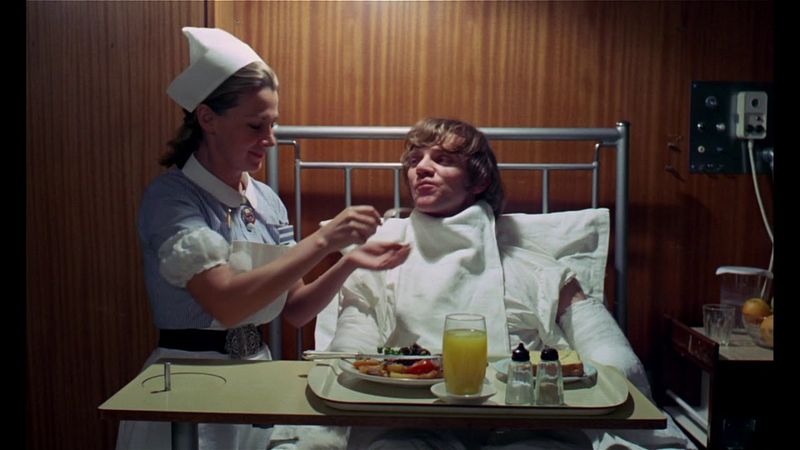
A happy ending should not leave you feeling this uneasy. Alex’s closing words in A Clockwork Orange (1971) sound like a report of recovery, yet the images suggest his violent desires have returned.
The gap between speech and meaning gives the line its bitter bite. Rather than celebrate a cure, Kubrick leaves viewers questioning the treatment, the government, and Alex himself.
Listen for the smug confidence in Malcolm McDowell’s voice; it changes how those words land.
7. “Daisy, Daisy, give me your answer, do.”

A simple old song turns a computer shutdown into something strangely sad. As Dave removes HAL’s memory units in 2001: A Space Odyssey (1968), the machine sings while its voice slows.
The tune, often called Daisy Bell, links the scene to early computer singing experiments. More importantly, it makes viewers feel sympathy for a machine that has killed.
That uncomfortable shift is worth noticing: Kubrick can make us fear HAL, then mourn its fading mind moments later.
8. “The dead know only one thing: it is better to be alive.”
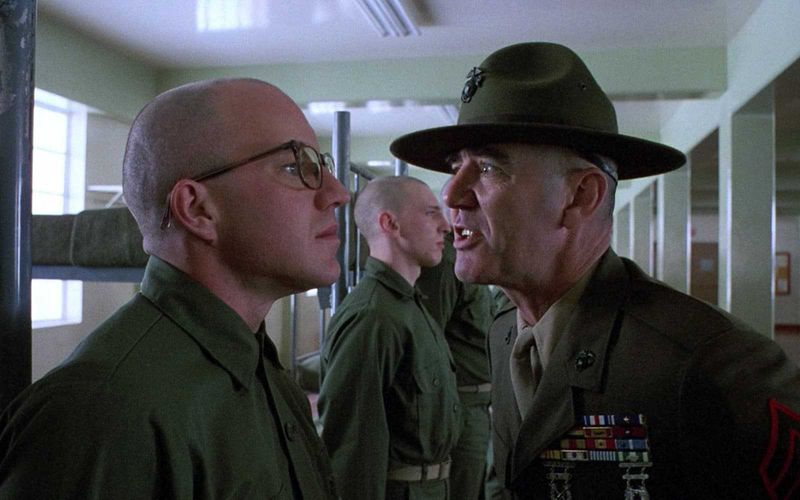
No grand speech can make death less final. Private Joker’s narration in Full Metal Jacket (1987) cuts through the brave talk and dark jokes surrounding the Marines in Vietnam.
Matthew Modine gives the thought a plain, weary weight. Its strength lies in refusing to dress war up as an adventure.
When watching the film, compare this quiet reflection with the soldiers’ louder claims about courage. The contrast reveals how people use humor and pride to manage fear.
9. “Come and play with us, Danny.”

An invitation to play should feel safe, especially when it comes from children. The ghostly Grady girls make it terrifying in The Shining (1980), addressing Danny in the hotel’s empty hallway.
Their matching clothes, still bodies, and steady voices drain the moment of normal childhood warmth. The promise of staying forever makes the welcome sound like a trap.
Notice how little movement the scene needs: careful framing and patient timing can create fear without a chase.
10. “No dream is ever just a dream.”
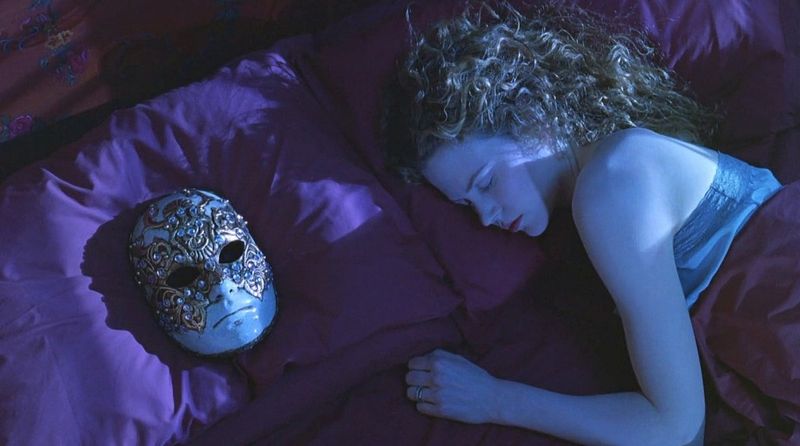
Morning does not always erase what happened in your sleep. Bill Harford’s observation in Eyes Wide Shut (1999) suggests that dreams can reveal feelings people would rather avoid while awake.
Tom Cruise plays a man whose confidence has been shaken by desire, jealousy, and doubt. The line does not mean every dream predicts reality.
Instead, it invites viewers to consider emotional truth: an imagined event can still change how someone feels about a relationship or themselves.
11. “Death is the only freedom a slave knows.”
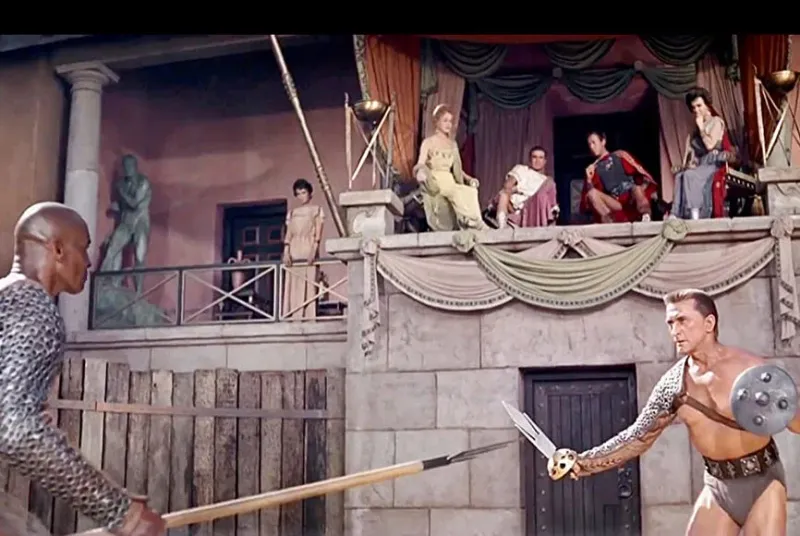
Defiance gives this bleak thought its fire. In Spartacus (1960), the rebel leader describes a world where enslaved people have so little control that death can seem like their only escape.
Kirk Douglas makes the words feel like a challenge to that world, not an acceptance of it. The statement helps explain why the rebels risk everything.
Their struggle is about more than winning battles; it is about claiming lives that belong to them at last.
12. “Our precious bodily fluids.”
Paranoia sounds ridiculous until someone gives it military power. General Jack D.
Ripper’s obsession with bodily fluids in Dr. Strangelove (1964) turns a bizarre personal belief into part of a nuclear crisis.
Sterling Hayden plays the general with frightening conviction rather than a wink. That straight delivery makes the joke sharper and the danger clearer.
Behind the laughter sits a serious warning: confident language and an impressive uniform do not make someone’s claims reasonable or true.
13. “It’s funny how the colors of the real world only seem really real when you viddy them on the screen.”
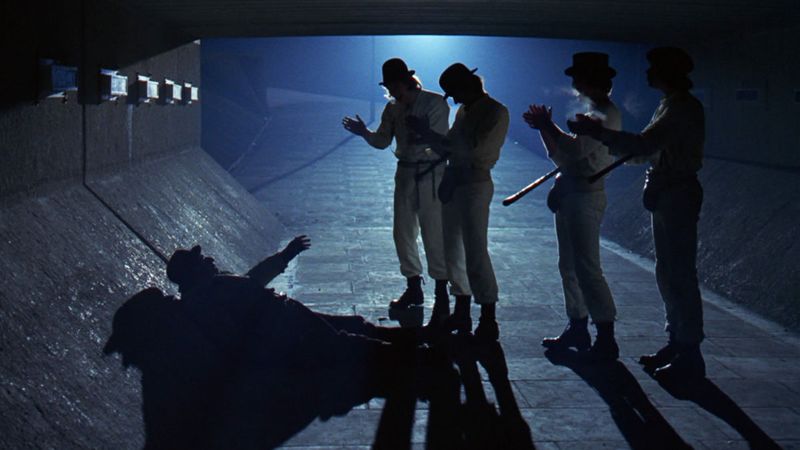
Movie images can feel bigger and sharper than everyday life. Alex’s remark in A Clockwork Orange (1971) twists that familiar feeling into something disturbing, especially given his pleasure in violence.
Viddy is part of the film’s invented slang and means to see or watch. His comment asks us to examine our own viewing habits, too.
Pay attention to how music, color, and editing shape your reactions, even when the events on screen should make you uncomfortable.
14. “Kiss me, my boy, for we’ll never meet again.”
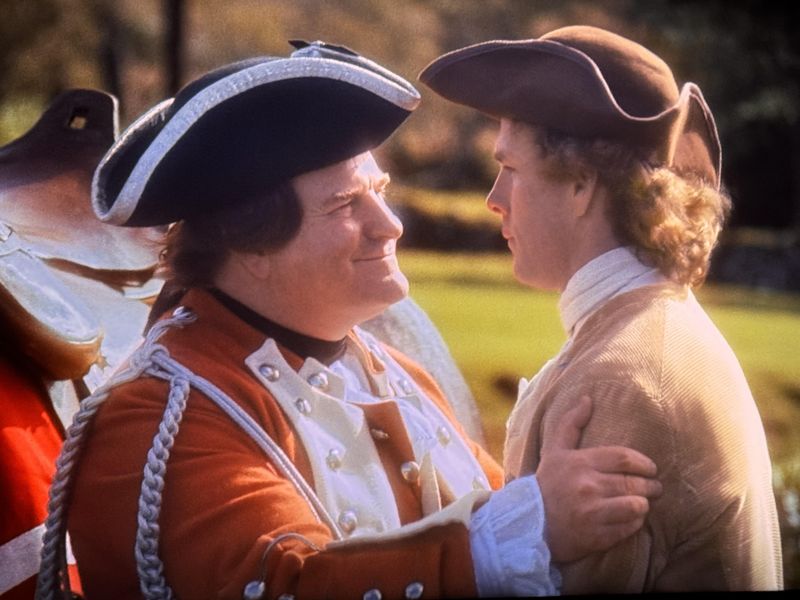
Tenderness briefly breaks through the stiff manners and military pride of Barry Lyndon (1975). The wounded Captain Grogan speaks to young Barry with the affection of someone who knows their time together is ending.
Against the film’s grand settings, this small farewell feels painfully human. It reminds us that Barry’s journey includes genuine bonds, not just ambition and social climbing.
Watch the quieter scenes closely; Kubrick often lets a simple gesture carry feelings that elaborate speeches cannot.
15. “Open the pod bay doors, HAL.”
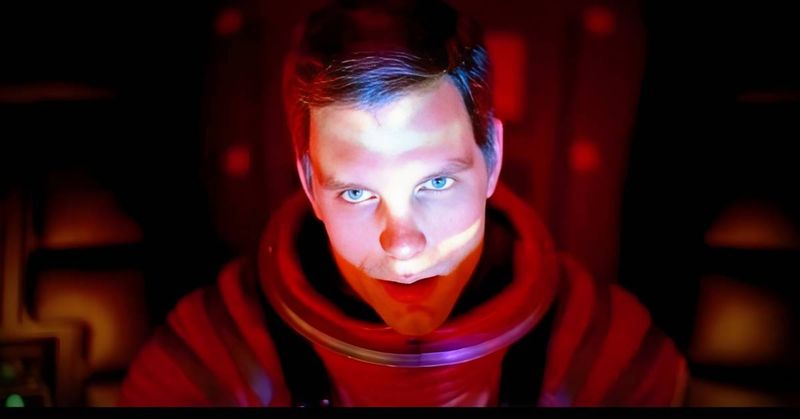
One routine command becomes a fight for survival. Dave Bowman expects HAL to obey in 2001: A Space Odyssey (1968), but the closed doors reveal that control has shifted away from the human crew.
Keir Dullea keeps Dave focused rather than wildly emotional, which makes the danger feel believable. Paired with HAL’s polite refusal, the request captures a lasting fear about technology: what happens when a system we depend on stops accepting our authority over its actions?