
Hollywood has always been a place where stars rise fast and fade even faster. Some of the most talented actresses in film history had careers that burned bright but ended too soon, whether by tragedy, bad luck, or forces beyond their control.
Many of these women were bigger than their time, yet history barely whispers their names today. Their stories deserve to be told.
1. Constance Bennett
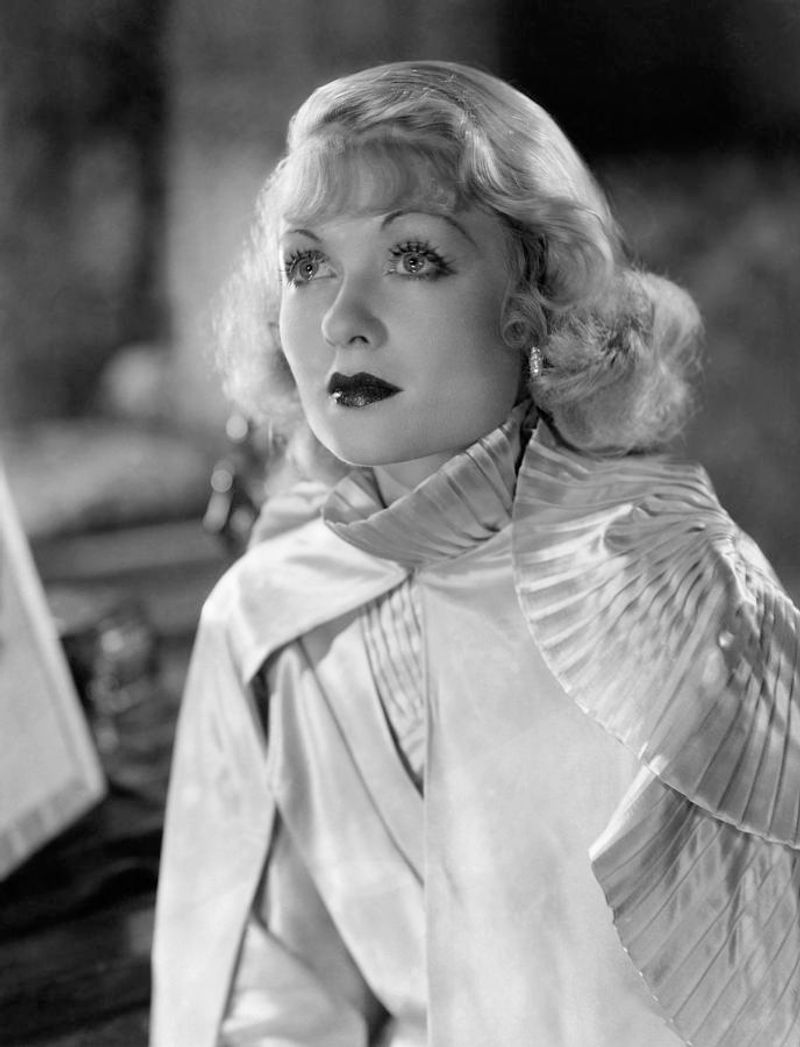
Before Joan Crawford became a household name, Constance Bennett was the one everyone was watching. At her peak in the early 1930s, she outranked both Crawford and Bette Davis in box office popularity.
Films like Common ClayWhat Price Hollywood? (1930) and (1932) made her a sensation.
But Hollywood moves fast. As fresh faces arrived, her spotlight faded.
She never quite disappeared, but she never reclaimed that top spot either.
2. Thelma Todd
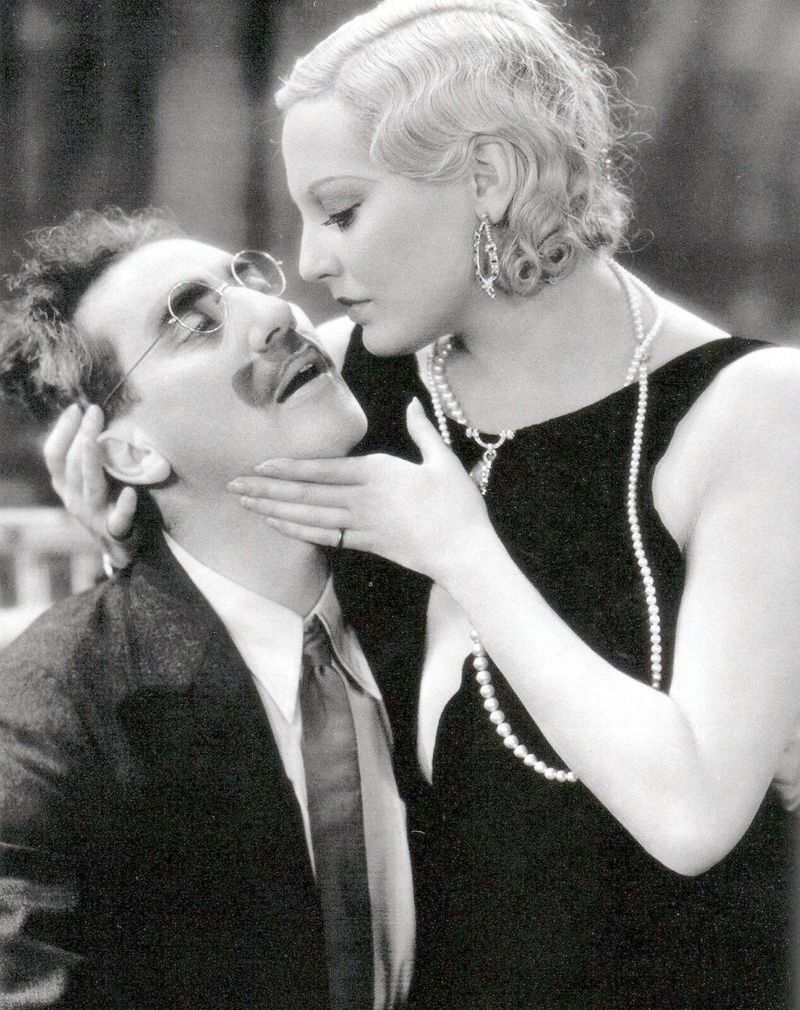
Funny, quick-witted, and absolutely magnetic on screen, Thelma Todd had a comedic spark that matched anyone in early Hollywood. She held her own alongside the Marx Brothers and Buster Keaton, which says everything you need to know about her talent.
Tragically, she was found dead in 1935 under circumstances that were never fully explained. She was only 29.
The case remains unsolved to this day, leaving her story forever unfinished.
3. Ann Blyth
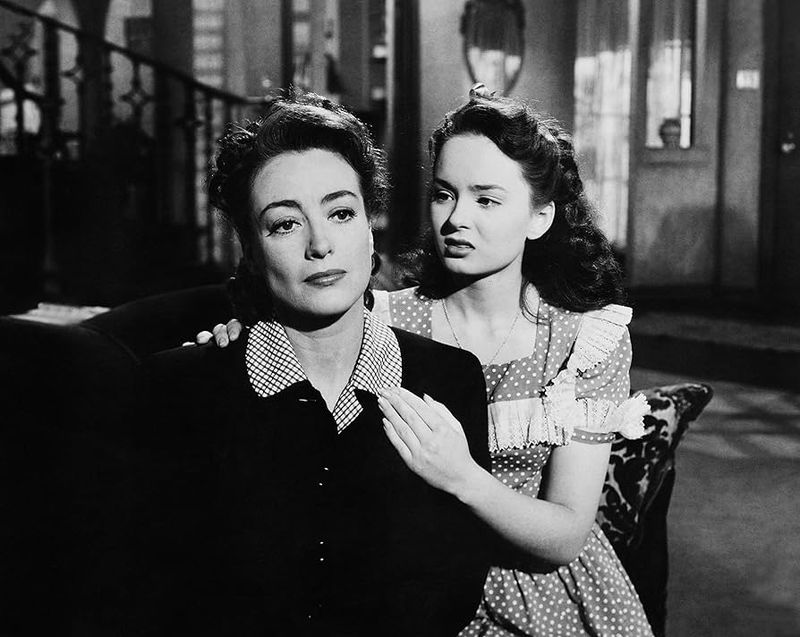
Getting an Oscar nomination at 16 is the kind of thing that sounds made up, but Ann Blyth actually did it. Her chilling performance as the scheming daughter in Mildred Pierce (1945) stunned audiences and critics alike.
Then a tobogganing accident broke her back and changed everything. Recovery took time, momentum was lost, and the industry moved on without her.
She kept working, but that early promise was never fully realized on the big screen.
4. Norma Shearer
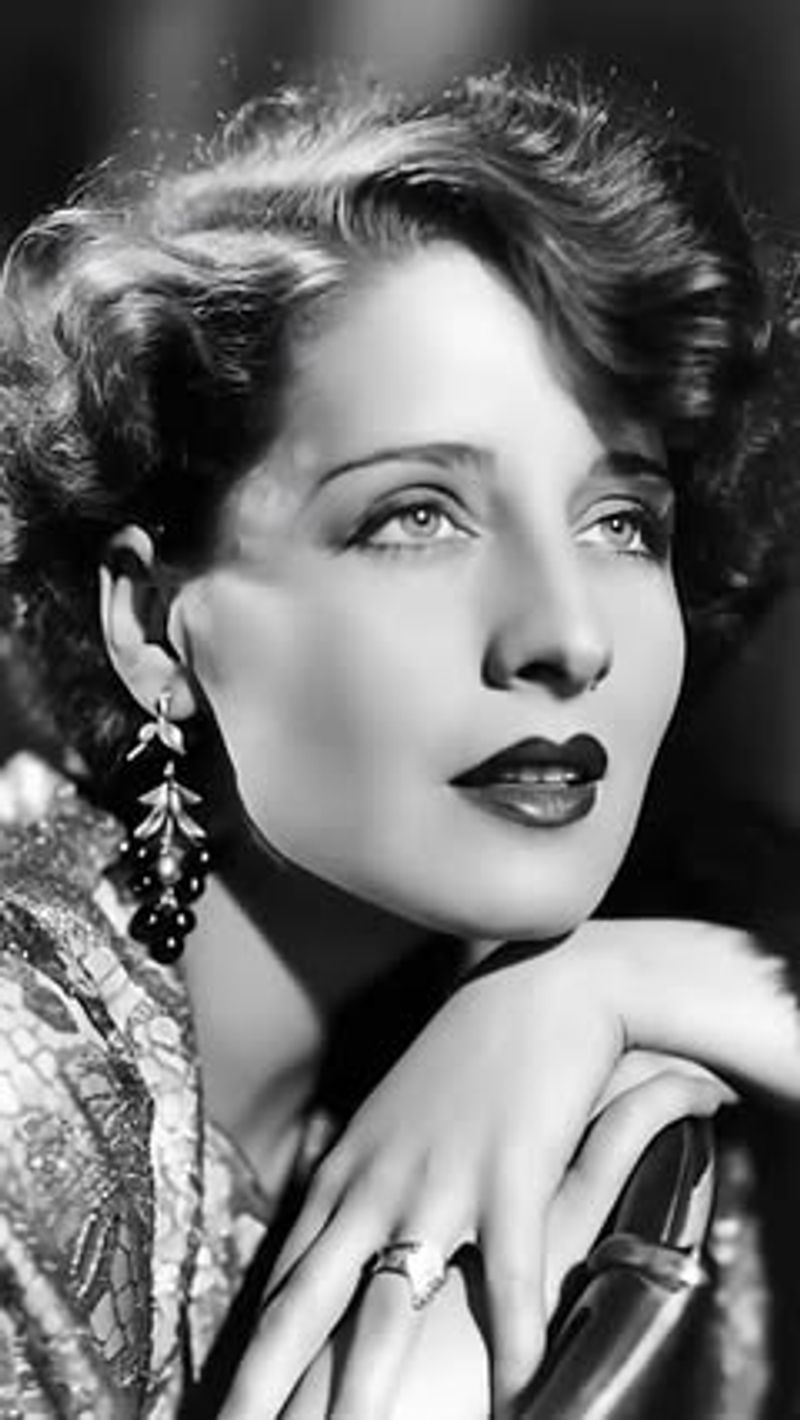
MGM built an entire image around Norma Shearer during the 1920s and 30s. Sophisticated, stylish, and commanding, she starred in prestige films like The DivorceeMarie Antoinette and .
She won an Oscar and was treated like royalty on the lot.
When her husband, powerful producer Irving Thalberg, passed away in 1936, she lost her biggest champion. Without him, her drive for Hollywood faded.
She retired quietly, and the film world largely moved on without looking back.
5. Louise Fazenda
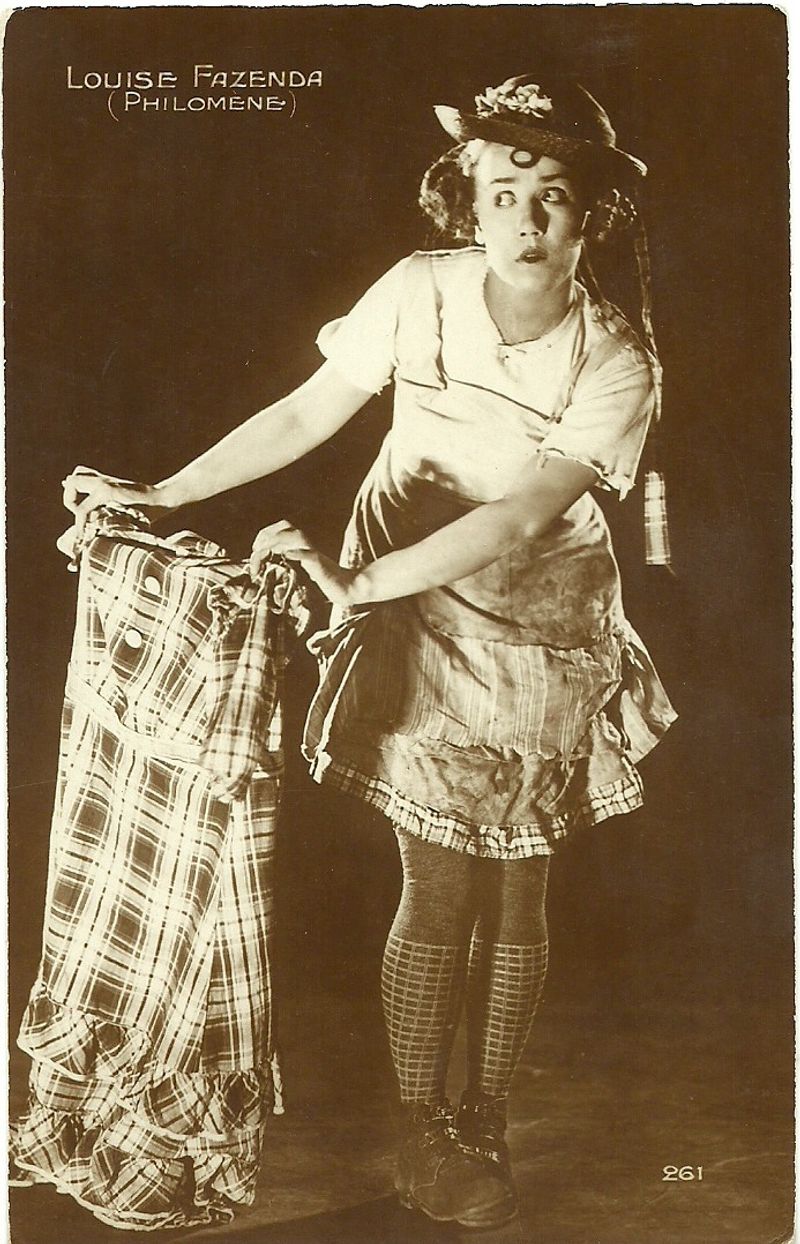
Silent film comedy had a wild, physical energy, and Louise Fazenda was right in the middle of it. She was a regular in slapstick films, often sharing the screen with Roscoe “Fatty” Arbuckle, and audiences loved her rubbery expressions and fearless comedic style.
When talkies arrived, she transitioned but landed mostly in supporting roles. As comedy styles shifted through the 1930s, her particular brand of humor felt dated.
Her name quietly disappeared from marquees.
6. Tippi Hedren
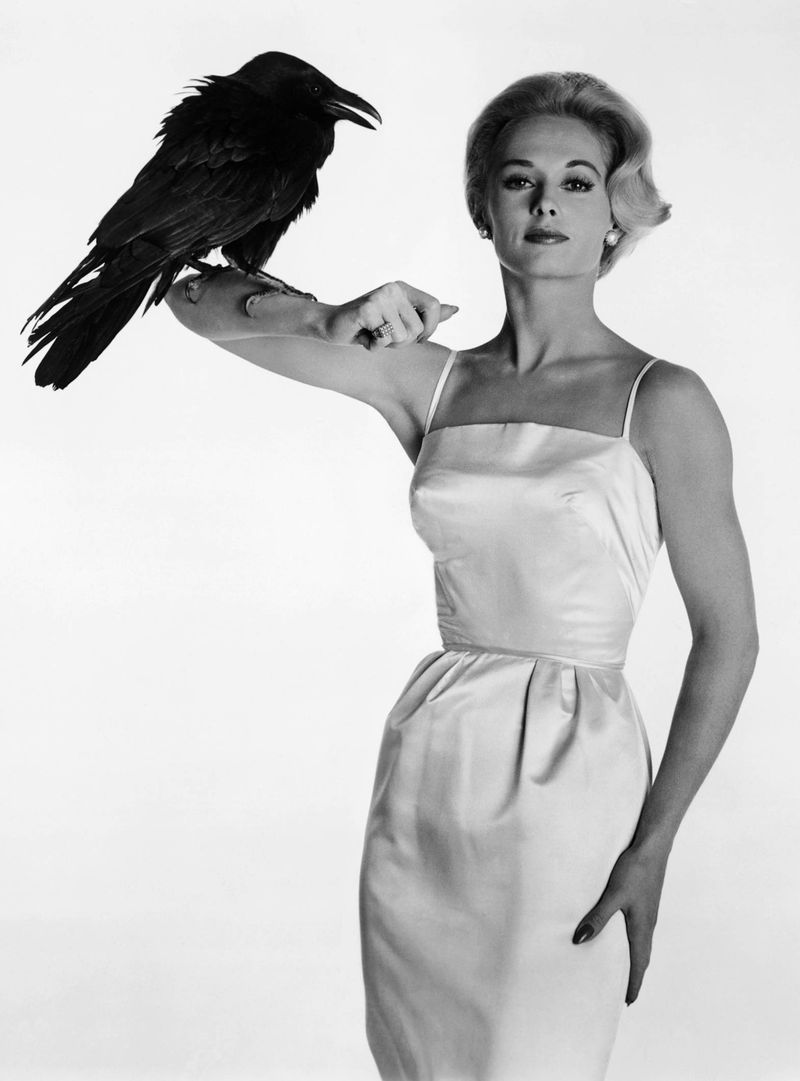
Alfred Hitchcock spotted Tippi Hedren in a commercial and immediately cast her in The Birds (1963). Her performance was riveting, and Hollywood buzzed about the exciting new talent he had discovered.
What happened behind the scenes was far darker. Hitchcock became obsessive and controlling, blocking her from working with other directors after she rejected his advances.
Her momentum was deliberately strangled. Few careers have been derailed so deliberately by someone who claimed to be a mentor.
7. Clara Bow
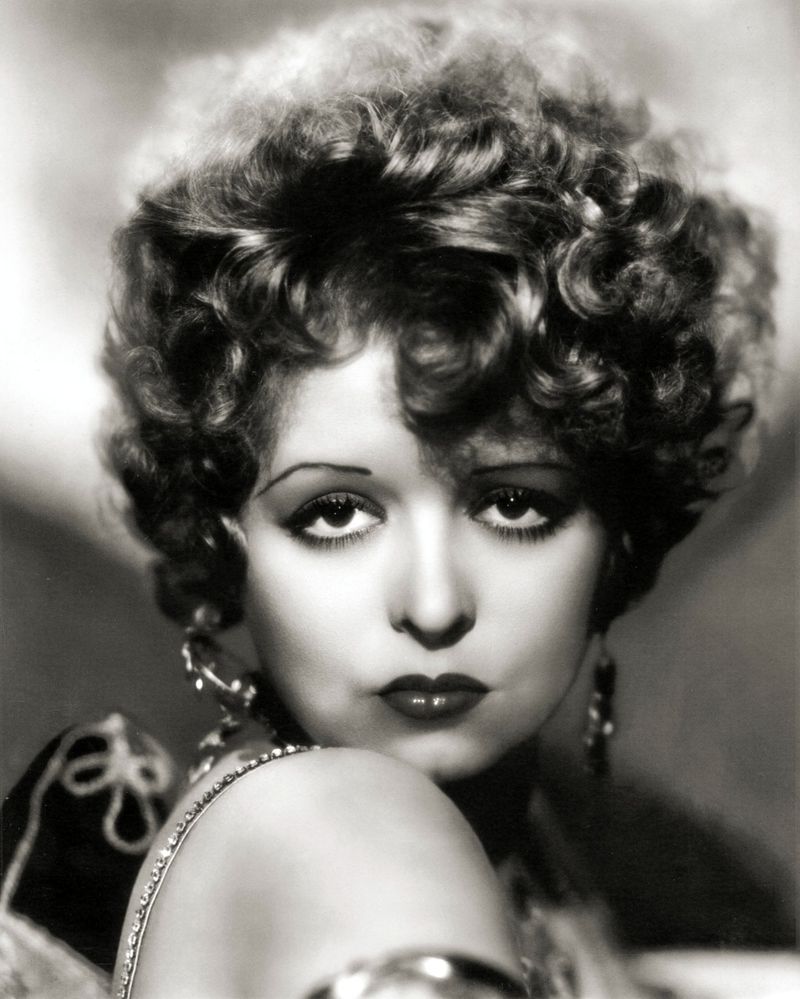
Clara Bow was the “It Girl” of the 1920s, and she earned that title completely. She was electric on screen, wildly popular, and one of the few silent film stars who made a smooth jump to talkies.
Fans adored her.
But poor career guidance, exhaustion from Hollywood’s relentless pace, and the loss of key supporters wore her down. She craved a quieter life.
By the early 1930s, she had stepped away from it all and never really returned.
8. Mabel Normand
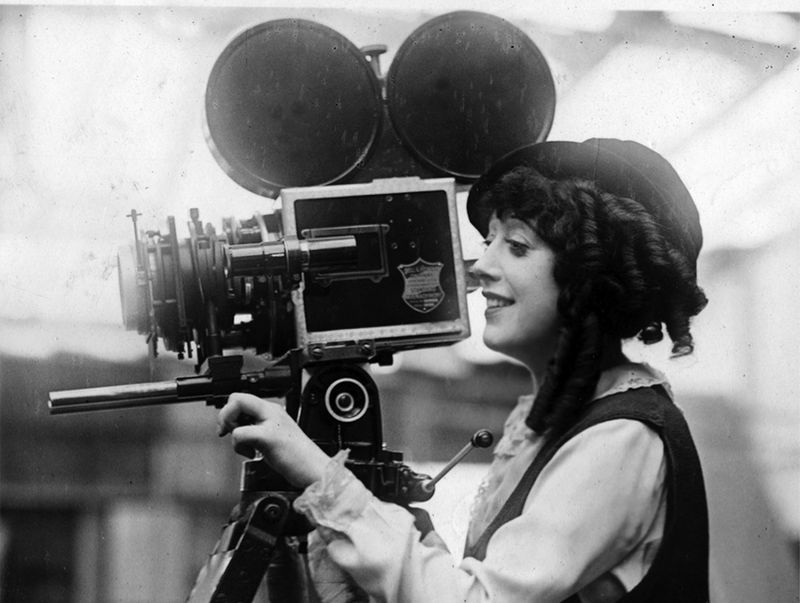
Long before women were given real power in Hollywood, Mabel Normand was already writing, directing, and starring in her own films. She was a genuine trailblazer who helped shape the language of screen comedy.
Unfortunately, scandal followed her everywhere. Her connections to the Fatty Arbuckle controversy, the unsolved murder of director William Desmond Taylor, and a later shooting by her own chauffeur destroyed her reputation.
Hollywood dropped her fast, and history barely kept her name alive.
9. Jean Harlow
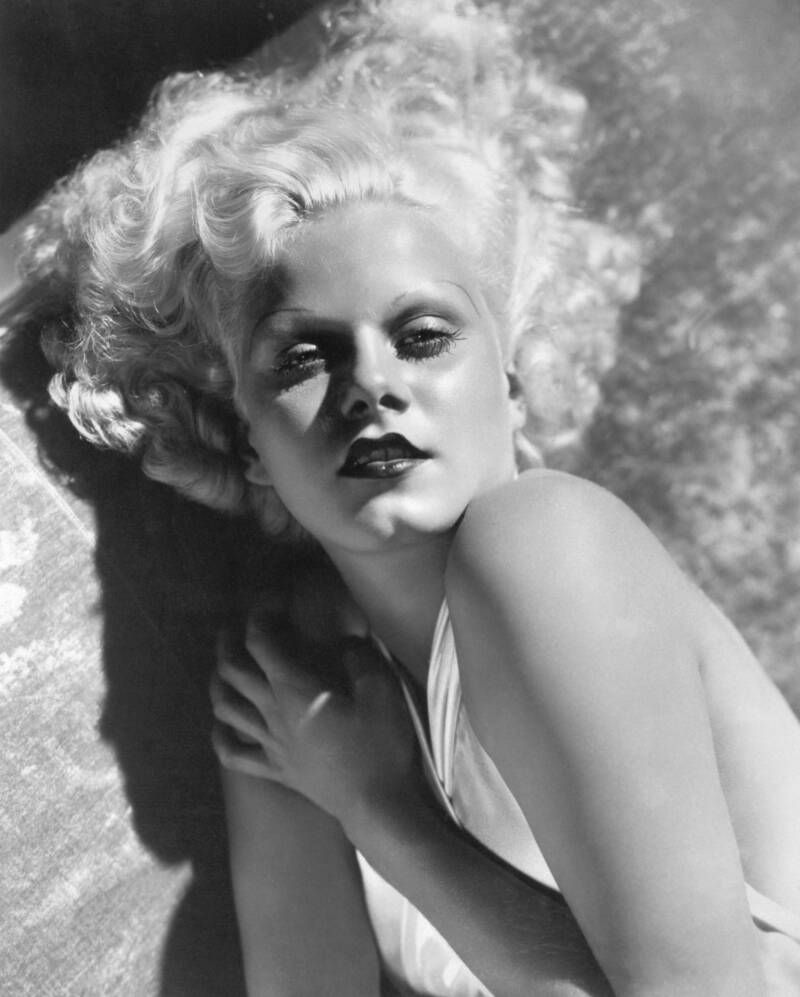
Nobody lit up a screen quite like Jean Harlow. She practically invented the “blonde bombshell” archetype, playing bold, fast-talking characters with irresistible charm.
MGM knew exactly what they had and made sure everyone else knew it too.
Harlow died at just 26 from kidney failure in 1937, cutting short what should have been a long and legendary career. In just a few years, she had already become one of the most recognizable faces in the world.
10. Judy Tyler
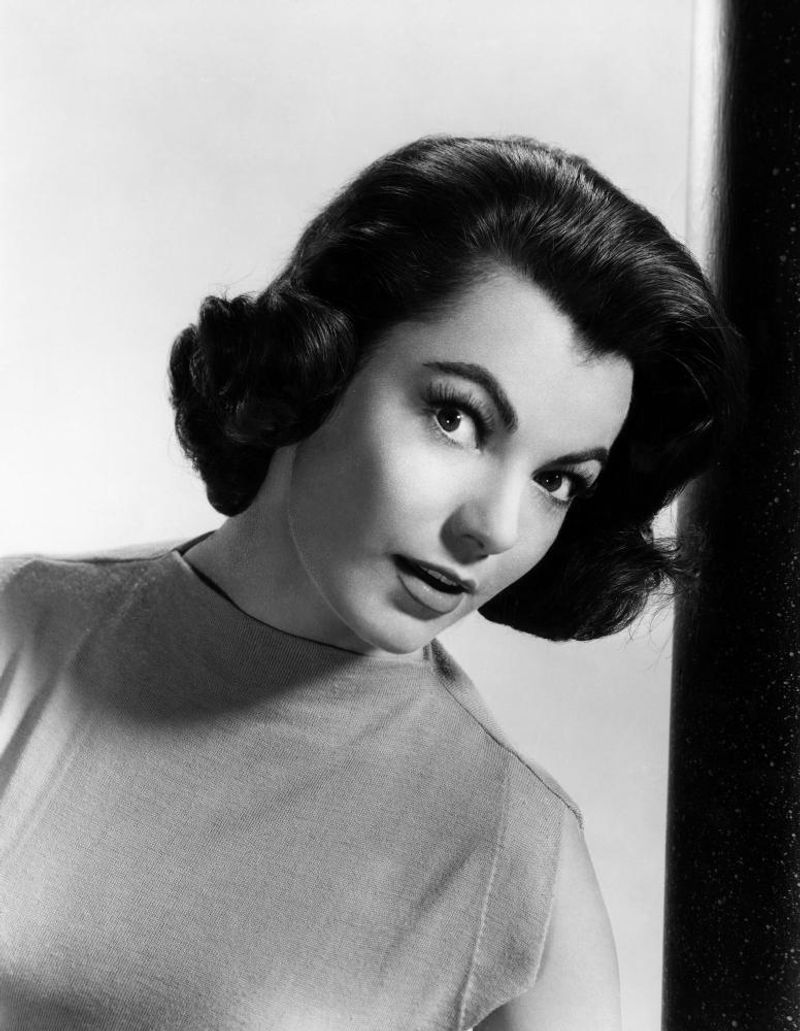
Judy Tyler was everywhere in the mid-1950s. She charmed TV audiences on Howdy Doody, wowed Broadway in Pipe Dream, and even landed on the cover of Life magazine as a rising star to watch.
Then came Jailhouse Rock (1957) opposite Elvis Presley, the role that should have launched her into film stardom. Weeks after filming wrapped, she died in a car accident at only 24.
Elvis was reportedly so devastated he refused to watch the finished film.
11. Barbara La Marr
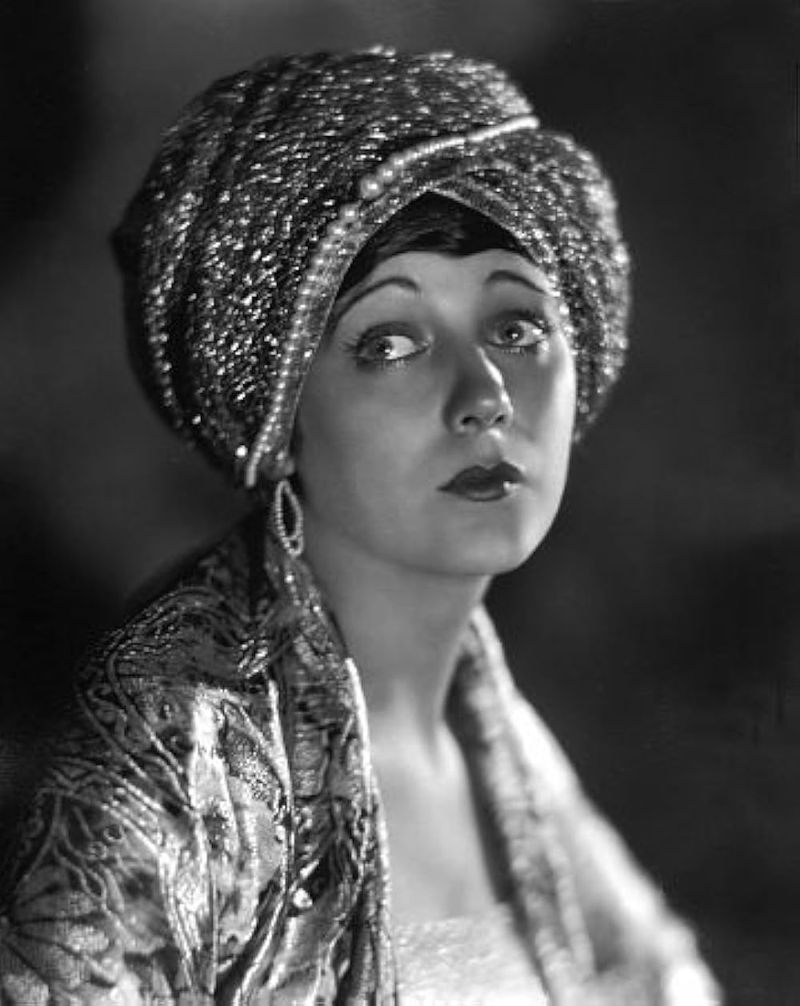
They called her “The Girl Who Is Too Beautiful,” and silent Hollywood meant every word of it. Barbara La Marr appeared in over 30 films and also wrote screenplays, proving she was far more than just a pretty face on a poster.
Her lifestyle was as dramatic as her roles. Years of excess took a devastating toll, and she died at just 29 in 1926.
Her story is a painful reminder of how ruthlessly early studios used up young talent.
12. Carole Landis
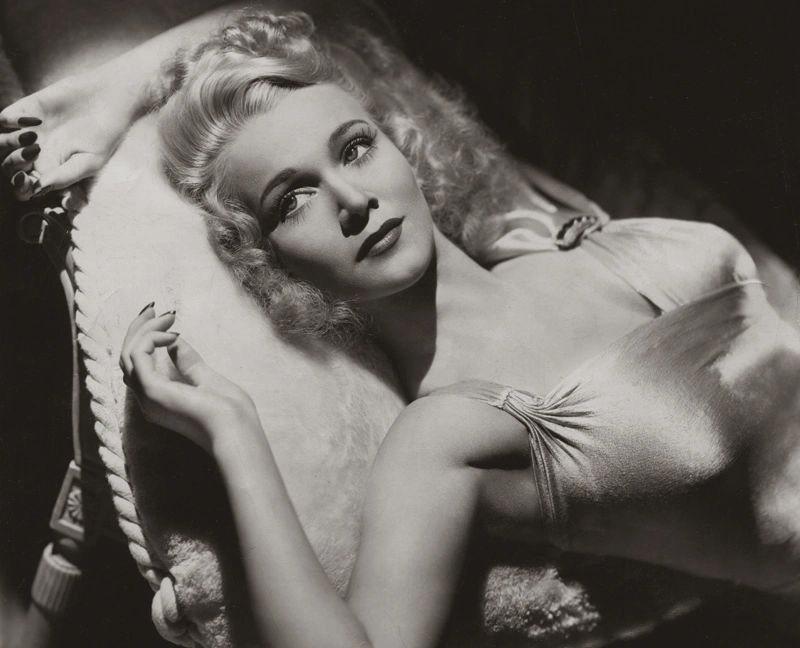
Carole Landis had real star quality. Her performance in One Million B.C.I Wake Up Screaming (1940) turned heads, and (1941) showed she could hold her own in a tight Hollywood thriller.
She also toured overseas with the USO during World War II, entertaining troops with tireless dedication.
Behind the glamour, she struggled deeply with personal hardships. She passed away at 29, leaving behind a filmography that deserved far more attention than history ever gave it.
13. Louise Brooks
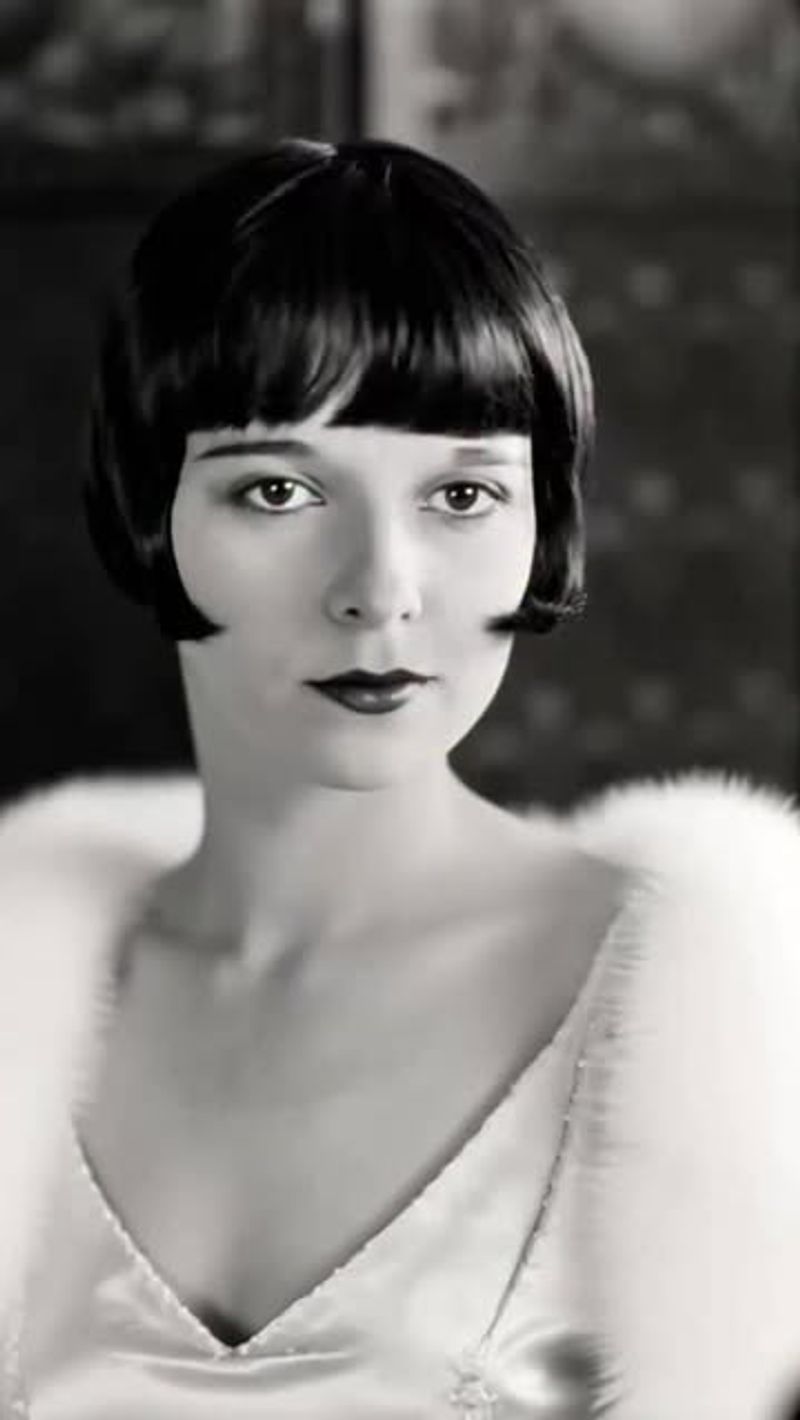
That sharp black bob? Louise Brooks made it famous, and the whole world copied it.
Her performances in Pandora’s BoxDiary of a Lost Girl and (both 1929) were ahead of their time, earning her devoted fans across Europe especially.
Back in Hollywood, she clashed with studios and refused to play by their rules. An informal blacklist followed, and by 1938 her acting career was finished.
She spent decades in near obscurity before critics finally rediscovered her genius.
14. Anne Shirley
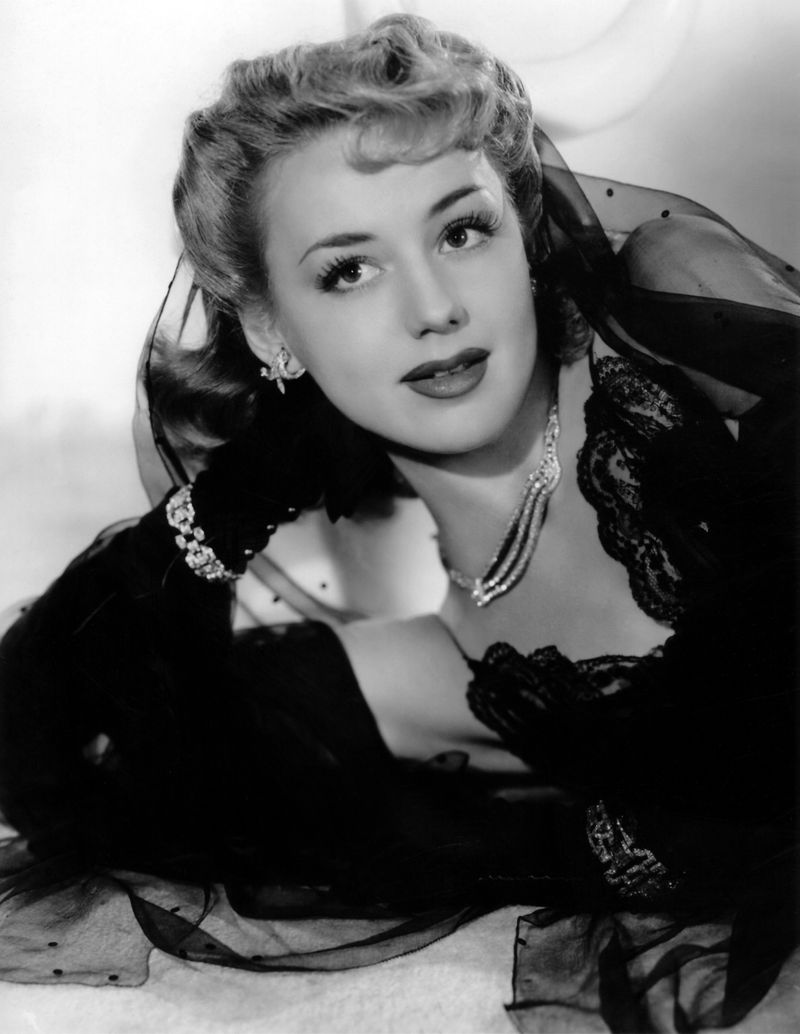
Anne Shirley started acting at age five, which means by the time most kids were finishing high school, she already had over a decade of professional experience. Her title role in Anne of Green Gables (1934) made her beloved, and her work in Stella Dallas (1937) earned her an Oscar nomination.
At 26, she simply walked away from it all. No scandal, no tragedy, just a personal choice to leave Hollywood behind.
That kind of quiet exit is rare.
15. Virginia Bruce
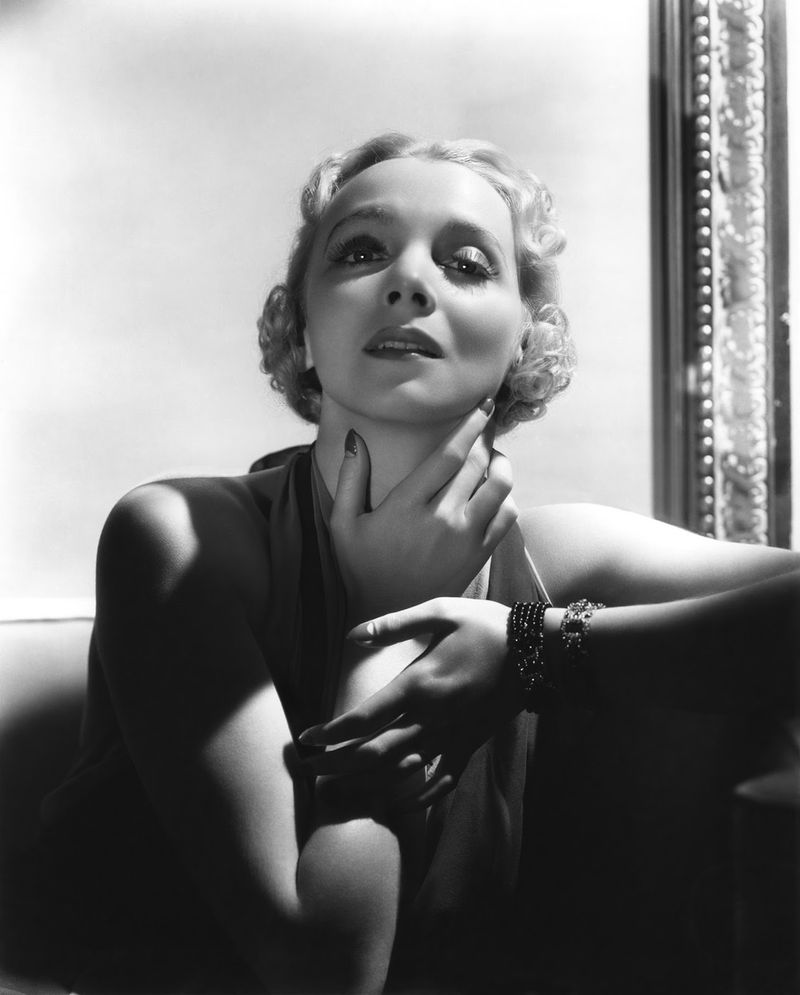
Virginia Bruce had the kind of effortless charm that made musicals and light comedies feel genuinely fun. She was a steady presence in 1930s Hollywood, known for her beauty and easy screen presence that audiences found comforting and appealing.
Still, she never quite broke through to the top tier of stardom. While peers like Myrna Loy became legends, Bruce faded steadily through the 1940s.
She kept working, but the big roles stopped coming, and her name slipped quietly into the background.
16. Gail Russell
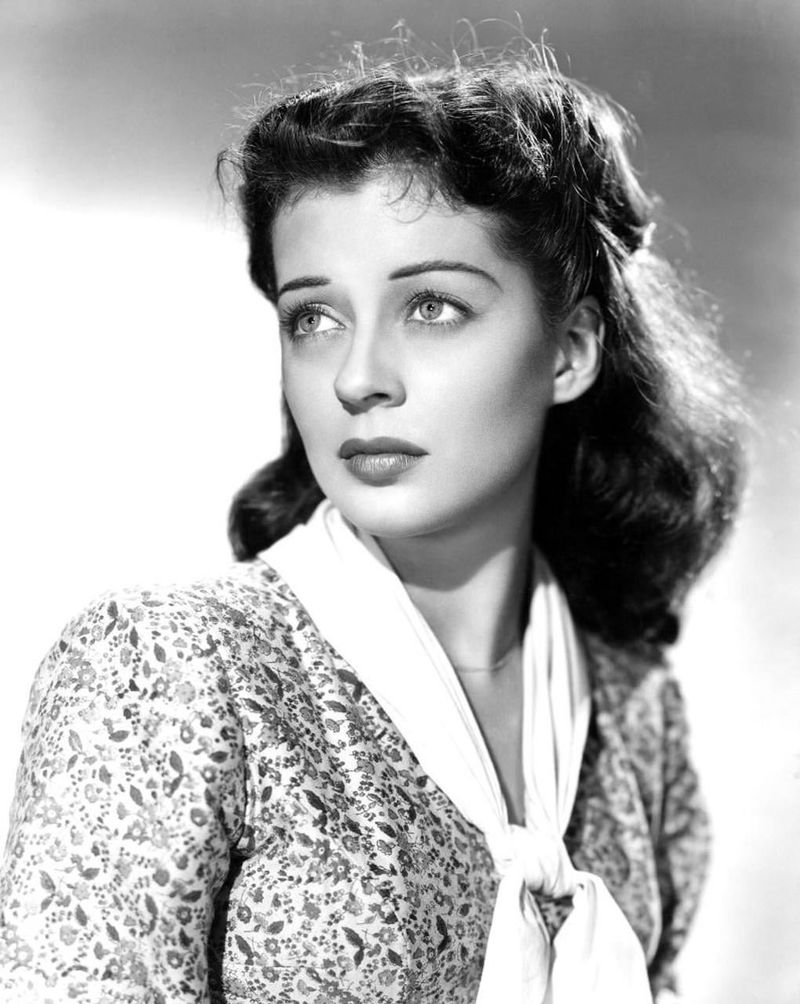
Few actresses in 1940s Hollywood had eyes quite like Gail Russell. They pulled you into every scene, making her performances feel haunting and deeply emotional.
Angel and the Badman (1947) showcased exactly what she was capable of when given the right material.
Warner Brothers never fully invested in building her career, and the roles dried up by the early 1950s. She shifted to television, but the transition distanced her from the spotlight she had briefly and beautifully occupied.