
Few things in cinema get your heart racing quite like a perfectly filmed car chase or the roar of a powerful engine on screen. Car movies have given us some of the most unforgettable moments in film history, from gritty street races to pulse-pounding road trips.
These films do more than show off cool vehicles — they tell stories about freedom, rivalry, survival, and the human spirit. Buckle up, because this list celebrates the movies that truly changed how we see cars on the big screen.
1. Bullitt (1968)
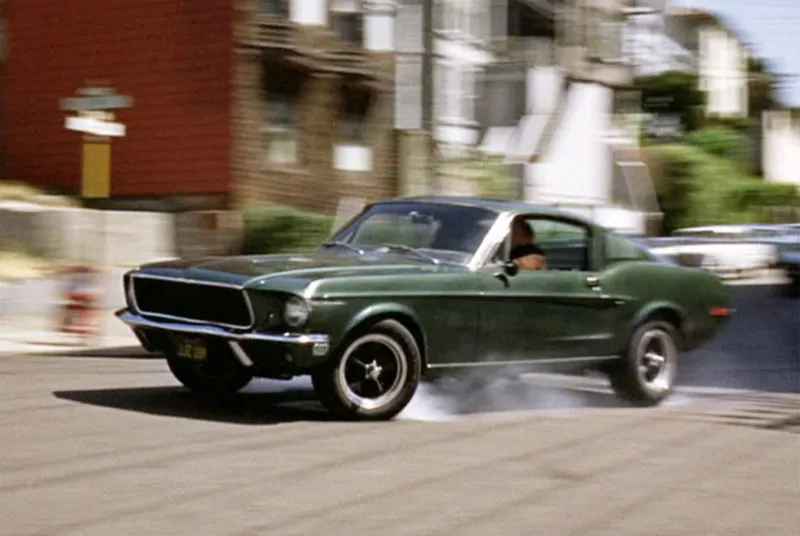
When a movie chase scene becomes so legendary that it sets the standard for every car film that follows, you know something special happened. Bullitt gave the world an eleven-minute pursuit through San Francisco that still makes jaws drop today.
Steve McQueen behind the wheel of a dark green Ford Mustang GT fastback became one of cinema’s most iconic images.
The Library of Congress preserved the film for its cultural and historical significance. No CGI, just raw speed and real streets.
2. The Italian Job (1969)
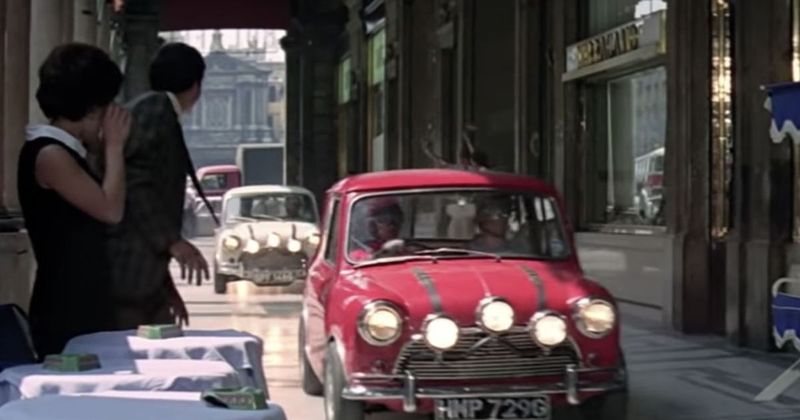
Cheeky, stylish, and brilliantly clever — that is the best way to describe this British heist comedy that turned Mini Coopers into international superstars. The plan to steal gold bars from Turin using three tiny cars weaving through sewers and rooftops is both hilarious and genuinely thrilling.
The film proved that you do not need a massive muscle car to steal the show. Mini Coopers became symbols of British cool overnight, and the ending still sparks debates among fans worldwide.
3. Mad Max (1979)
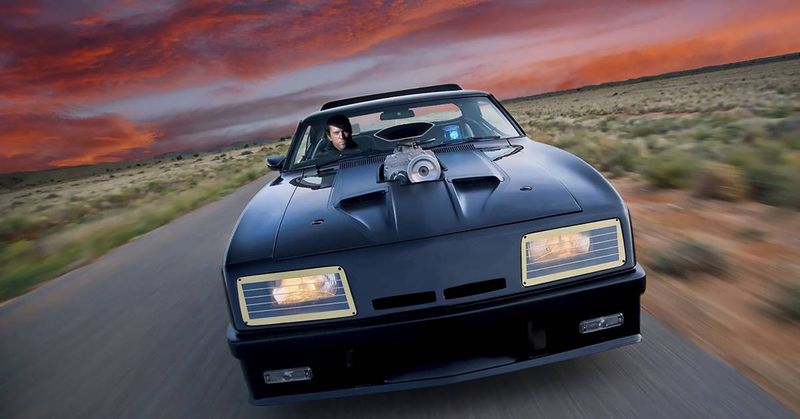
Made on a shoestring budget with zero CGI, Mad Max proved that raw filmmaking ambition can create something truly unforgettable. The Ford Falcon XB Interceptor was not just a car — it was practically a co-star, growling through every scene with genuine menace.
A young Mel Gibson launched his career in this Australian post-apocalyptic thriller that shocked audiences with its brutal car crashes and relentless energy. The film spawned one of cinema’s most enduring franchises and redefined action filmmaking forever.
4. Mad Max: Fury Road (2015)
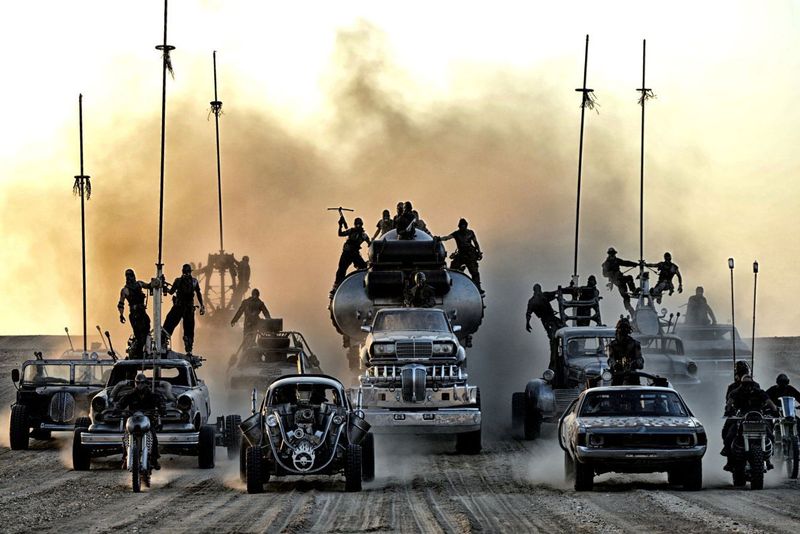
Director George Miller waited three decades to return to the wasteland, and the result was nothing short of extraordinary. Fury Road is essentially one enormous, glorious car chase stretched across two hours, with barely a moment to breathe.
The vehicle designs are so creative they feel like rolling sculptures of chaos.
Remarkably, Miller chose practical effects over computer graphics, making every crash and explosion feel shockingly real. The film earned six Academy Awards and reminded Hollywood that practical filmmaking still reigns supreme.
5. The Fast and the Furious (2001)
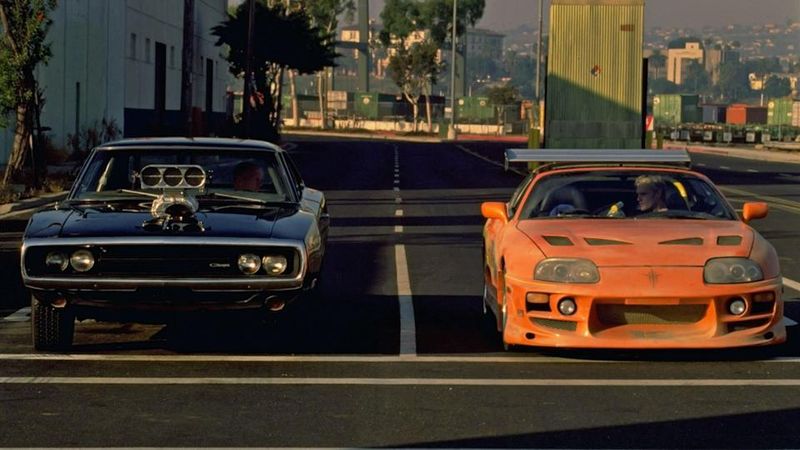
Nobody predicted that a modest street racing film would grow into one of Hollywood’s biggest franchises ever. The Fast and the Furious introduced mainstream audiences to tuner car culture — modified imports, neon underglow lights, and underground racing scenes that felt genuinely exciting and fresh.
Beyond the flashy cars, the film built its heart around loyalty and found family, themes that would carry the franchise for decades. It launched careers, inspired a generation of car enthusiasts, and completely changed action movie storytelling.
6. Le Mans (1971)
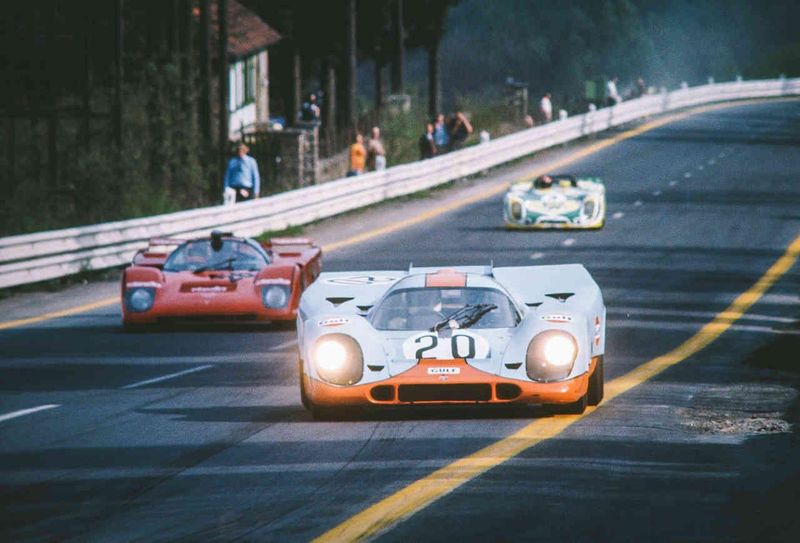
Steve McQueen was so devoted to authenticity that he nearly raced at the real 24 Hours of Le Mans before the studio intervened. The result was still the most realistic motorsport film ever made, capturing the deafening roar and hypnotic rhythm of endurance racing like nothing before it.
Dialogue takes a back seat here — the cars do the talking. The stunning cinematography and immersive sound design pull viewers directly onto the track, making Le Mans a must-watch for anyone who loves racing.
7. Rush (2013)
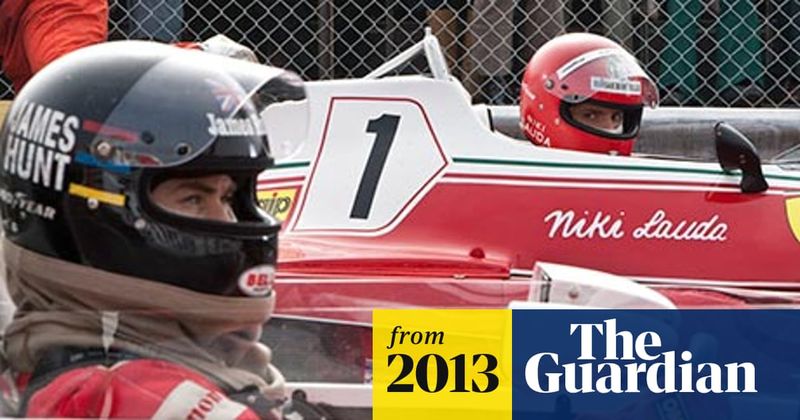
Real-life rivalries rarely translate perfectly to film, but Ron Howard pulled off something remarkable with Rush. The story of James Hunt and Niki Lauda’s fierce battle during the 1976 Formula 1 season is gripping from the very first scene.
Both drivers are portrayed with genuine complexity — neither is simply the hero or the villain.
The racing sequences are viscerally intense, putting viewers right inside the cockpit. Rush stands as proof that true stories, told well, can be more thrilling than anything a screenwriter could invent.
8. Cars (2006)
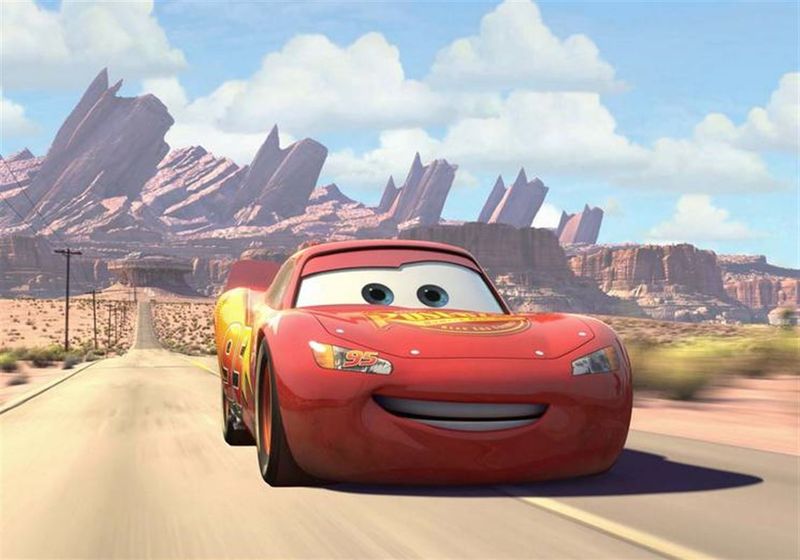
Pixar had already mastered talking toys and monsters, but giving personality to cars was a whole new challenge — one they handled brilliantly. Lightning McQueen’s journey from arrogant racing champion to humble small-town hero is surprisingly touching for a film about animated automobiles.
The Route 66 setting is packed with clever automotive jokes and references that adults appreciate just as much as kids. Cars quietly celebrates a slower, more connected way of life, making it much more thoughtful than its colorful trailers suggested.
9. Gone in 60 Seconds (1974)
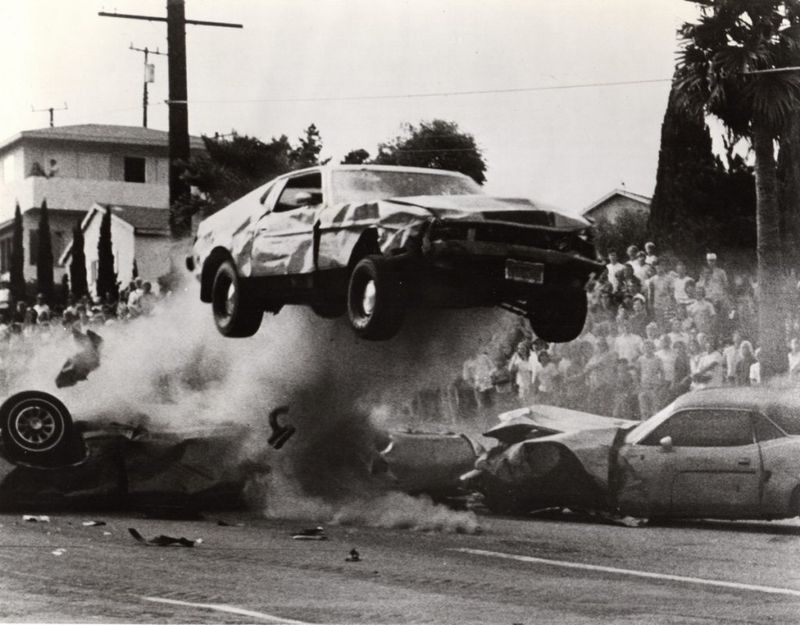
Writer, director, and lead actor H.B. Halicki created something wildly ambitious on a tiny budget — a car chase that runs for over forty minutes without stopping.
That record-breaking pursuit destroyed nearly one hundred cars and remains one of the most jaw-dropping practical stunt sequences in film history.
The plot is admittedly thin, existing mostly as a reason to get to the action. But as a pure showcase of automotive chaos filmed without digital tricks, the original Gone in 60 Seconds is genuinely astonishing.
10. Gone in 60 Seconds (2000)
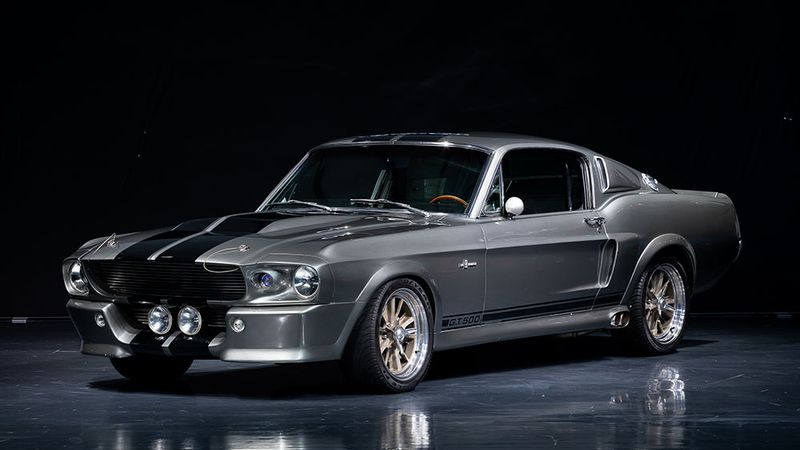
Hollywood remakes often disappoint, but this Nicolas Cage action spectacle found its own identity by centering everything around one unforgettable car. The 1967 Shelby GT500 nicknamed Eleanor received actual star billing in the credits — the only car in Hollywood history to earn that distinction.
The mission of stealing fifty cars in one night gives the film a fun, almost video game-like energy. Angelina Jolie, Robert Duvall, and a stellar ensemble cast keep things entertaining even when the plot leans toward the ridiculous.
11. Ford v Ferrari (2019)
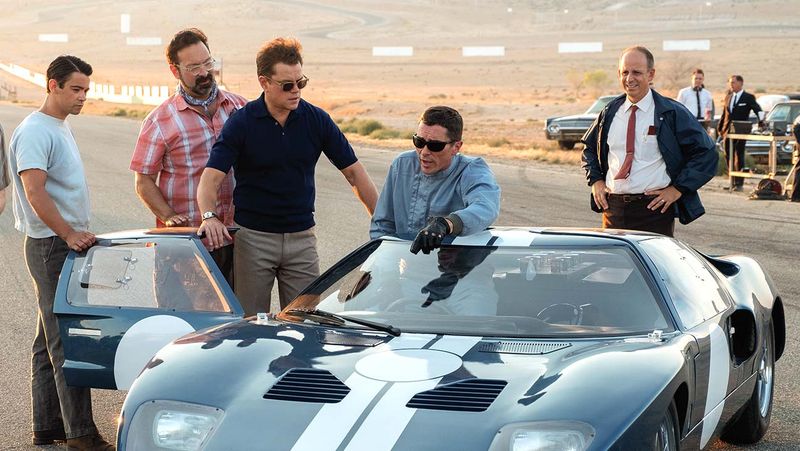
Matt Damon and Christian Bale delivered career-best performances in this thrilling true story about beating Ferrari at their own game. Carroll Shelby and Ken Miles faced enormous pressure from Ford’s corporate machine while trying to build a race car fast enough to win the 1966 24 Hours of Le Mans.
The film won Academy Awards for editing and sound — categories that perfectly capture why its racing sequences feel so electrifying. Ford v Ferrari is equally a story about friendship, compromise, and what it costs to chase greatness.
12. Smokey and the Bandit (1977)
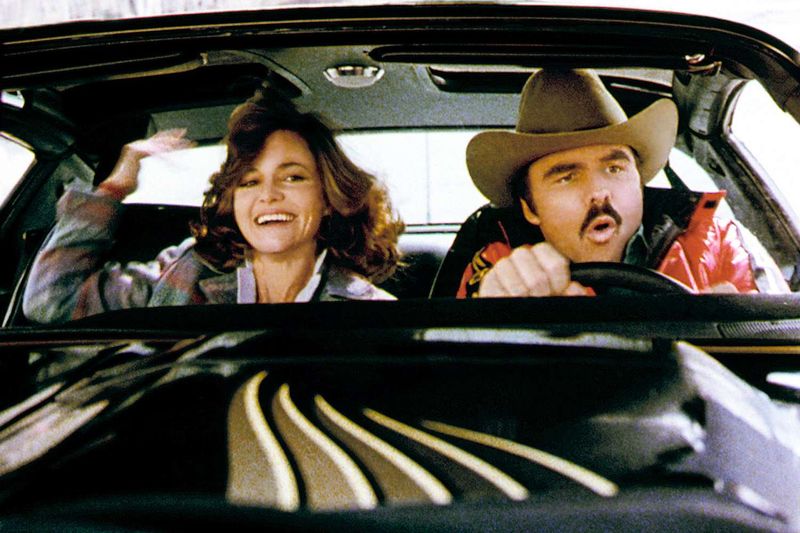
Burt Reynolds flashing that legendary grin behind the wheel of a black and gold Pontiac Trans-Am is one of the most purely fun images in cinema history. The premise is refreshingly simple — drive a truckload of beer across state lines without getting caught — and the film never pretends to be anything deeper than that.
Smokey and the Bandit became the second-highest-grossing film of 1977, beaten only by Star Wars. Sometimes movies do not need complexity; they just need charm, speed, and a great car.
13. Back to the Future (1985)
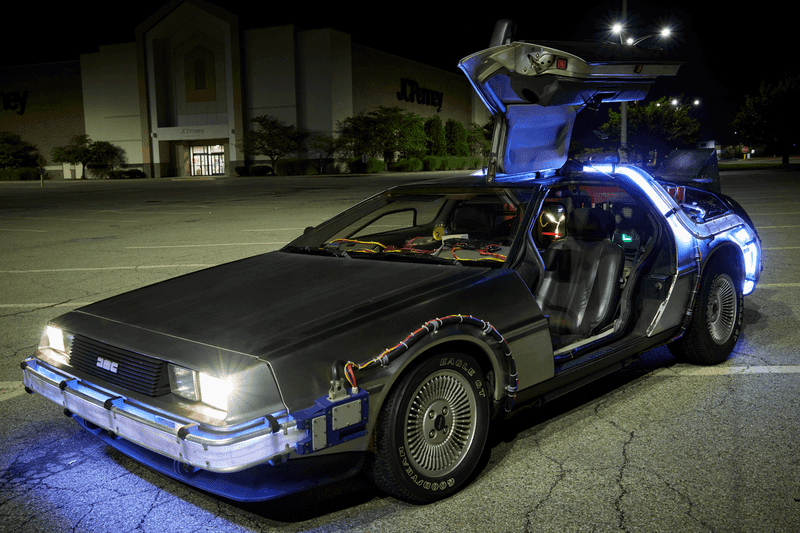
What makes a car iconic enough to travel through time? Apparently, a stainless steel body, gull-wing doors, and a flux capacitor help enormously.
The DeLorean DMC-12 was already a quirky automotive curiosity before this film, but Back to the Future transformed it into one of cinema’s most beloved vehicles forever.
Marty McFly and Doc Brown’s adventures made science feel exciting and accessible to an entire generation. The film’s perfect blend of comedy, heart, and adventure has kept it beloved for forty years and counting.
14. American Graffiti (1973)
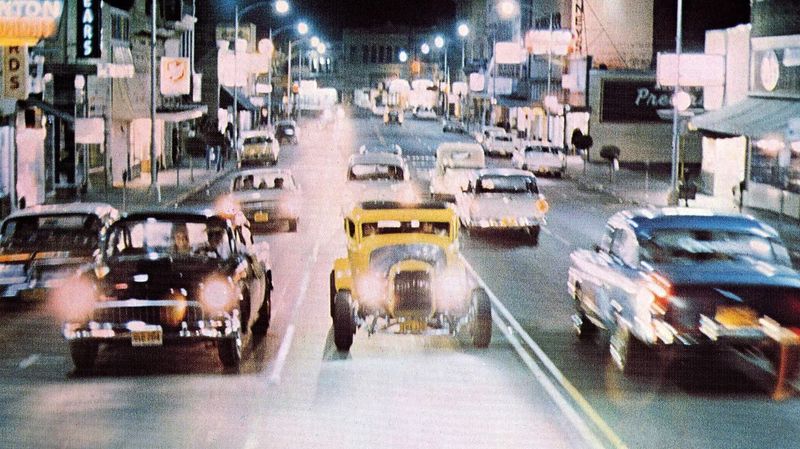
Before George Lucas built galaxies far, far away, he captured something much closer to home — the bittersweet magic of American teenage car culture in the early 1960s. Cruising, drive-ins, drag racing, and rock and roll radio fill every frame with warm nostalgia.
American Graffiti is widely credited as the first film to authentically celebrate that era’s youth car scene. It also launched the careers of Harrison Ford, Richard Dreyfuss, and Ron Howard, making it one of the most talent-rich films ever assembled on a tiny budget.
15. Duel (1971)
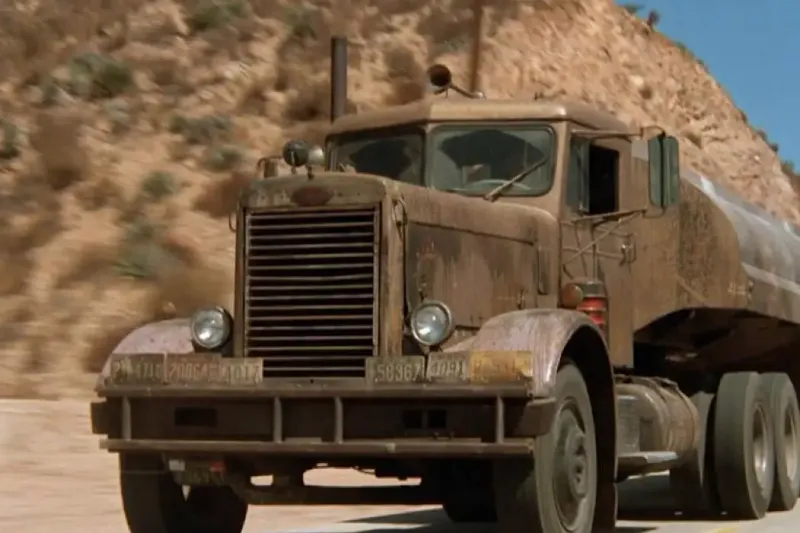
Steven Spielberg was just twenty-four years old when he turned a simple highway drive into one of cinema’s most terrifying experiences. A traveling salesman becomes the target of a mysterious, never-fully-seen truck driver whose massive Peterbilt tanker seems almost supernaturally determined to destroy him.
Originally made for television, Duel was so gripping that it received a theatrical release worldwide. The film proves that the scariest monster does not need a face — sometimes all it needs is eighteen wheels and a full tank of fuel.
16. Vanishing Point (1971)
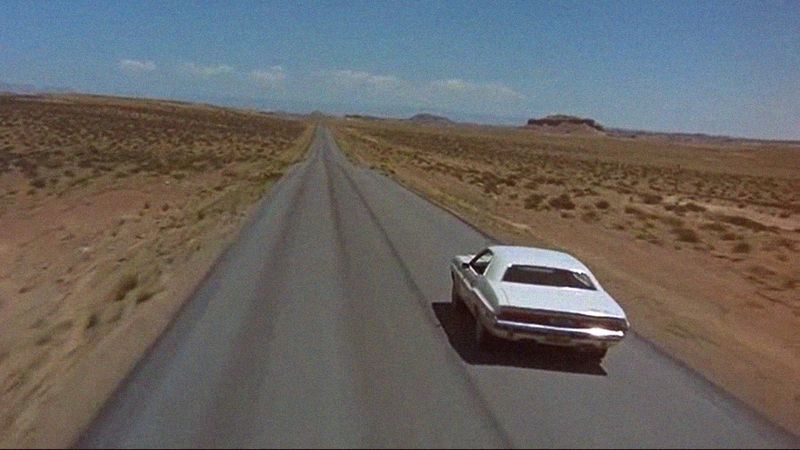
Strip away everything except a man, a white Dodge Challenger, and an open American highway, and you have one of the most hypnotic road films ever made. Kowalski bets he can drive from Colorado to San Francisco in fifteen hours, and the journey becomes something far deeper than a simple race.
Vanishing Point captured the counterculture spirit of the early 1970s perfectly — restless, rebellious, and searching for meaning. The white Challenger became a symbol of freedom and refusal, influencing road films and muscle car culture for generations afterward.
17. Death Proof (2007)
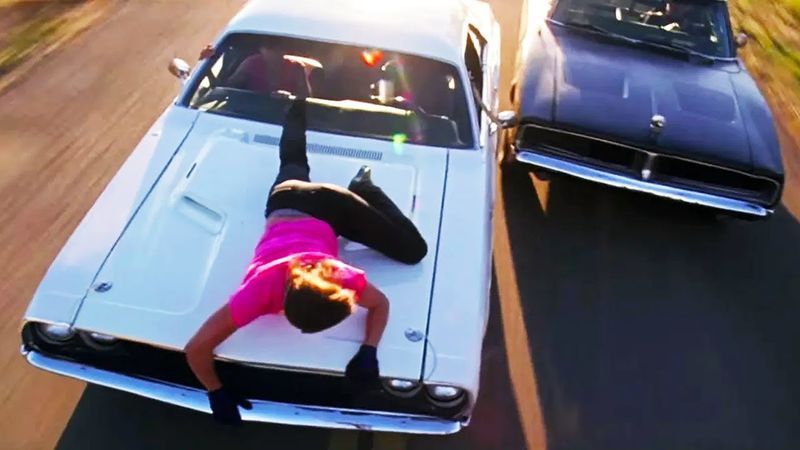
Quentin Tarantino built his love letter to 1970s exploitation cinema around a genuinely terrifying concept — a stuntman who uses his specially reinforced car as a murder weapon. The film is deliberately slow and chatty before erupting into some of the most jaw-dropping practical car stunt work in modern cinema.
Zoe Bell, performing her own stunts while clinging to the hood of a speeding Dodge Challenger, delivers a sequence that rivals anything Hollywood has produced. Death Proof rewards patient viewers with breathtaking payoff.
18. Grand Prix (1966)
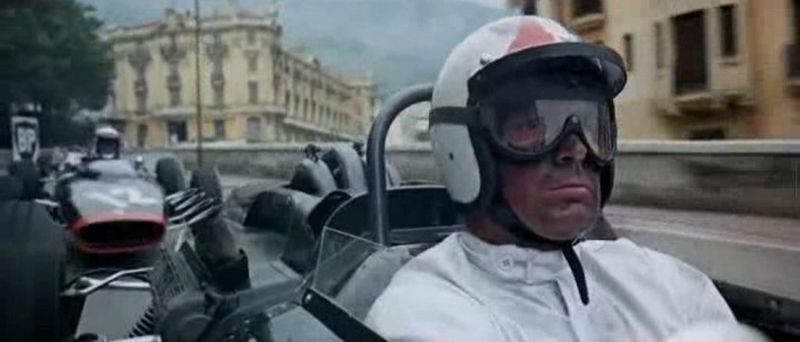
Long before CGI could fake a racing sequence, Grand Prix put real cameras on real Formula 1 cars and captured something genuinely breathtaking. Director John Frankenheimer worked with actual racing legends to give the film an authenticity that no studio production could manufacture.
Shot in gorgeous Super Panavision 70, every race sequence is a visual feast. The Monaco, Spa, and Monza circuits have never looked more spectacular on film.
Grand Prix set the template for every serious motorsport movie that followed it.
19. Christine (1983)
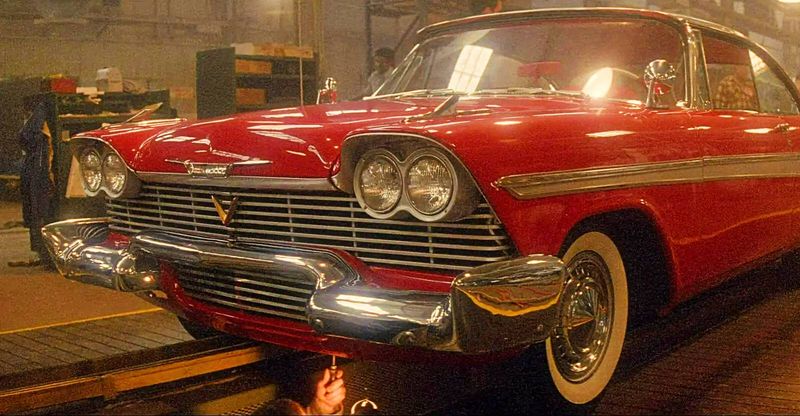
Stephen King has written about many terrifying things, but a jealous, self-repairing 1958 Plymouth Fury might be his most unsettling creation. Director John Carpenter transformed the classic American muscle car into something genuinely sinister, making Christine feel less like a vehicle and more like a predator hunting in plain sight.
The scenes of Christine rebuilding herself after being smashed are still creepy decades later. For car lovers and horror fans alike, Christine occupies a unique space — beautiful, menacing, and completely unforgettable.
20. The Love Bug (1968)
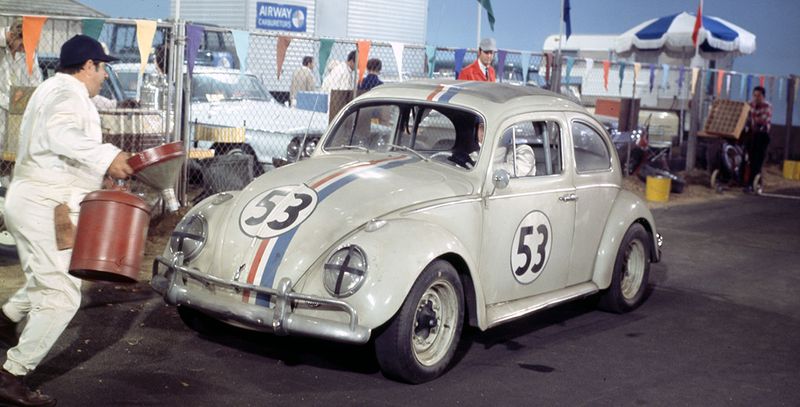
Who would have guessed that a small, round, humble Volkswagen Beetle would become one of Disney’s most beloved characters? Herbie has more personality than most human characters in 1960s cinema — mischievous, loyal, and somehow capable of winning races against cars twice his size.
The Love Bug launched a franchise that spanned five films and a television series, proving that audiences genuinely connected with the little car’s underdog spirit. It also helped cement the Volkswagen Beetle as an enduring symbol of cheerfulness and individuality in American popular culture.