
The words we use every day shape the life we end up living. Some phrases seem harmless but quietly hold people back from reaching their goals.
Unsuccessful people often repeat certain sayings without realizing how much damage those words do. If any of these sound familiar, it might be time for a change.
1. “It’s Not My Fault”

Blame is one of the heaviest anchors a person can carry. When something goes wrong, it is easy to point fingers at everyone else.
But people who never own their mistakes never learn from them either.
Taking responsibility is not about beating yourself up. It is about saying, “I have the power to do better next time.” That small shift in thinking can completely change the direction of your life.
2. “They Just Got Lucky”

Luck gets a lot of credit it does not deserve. When someone else succeeds, it can feel easier to say they got lucky than to look at the hard work behind their win.
This kind of thinking protects the ego but kills motivation.
Successful people study what others did right and try to copy it. Dismissing achievement as luck keeps you stuck in a scarcity mindset where growth feels impossible.
3. “That’s Impossible”
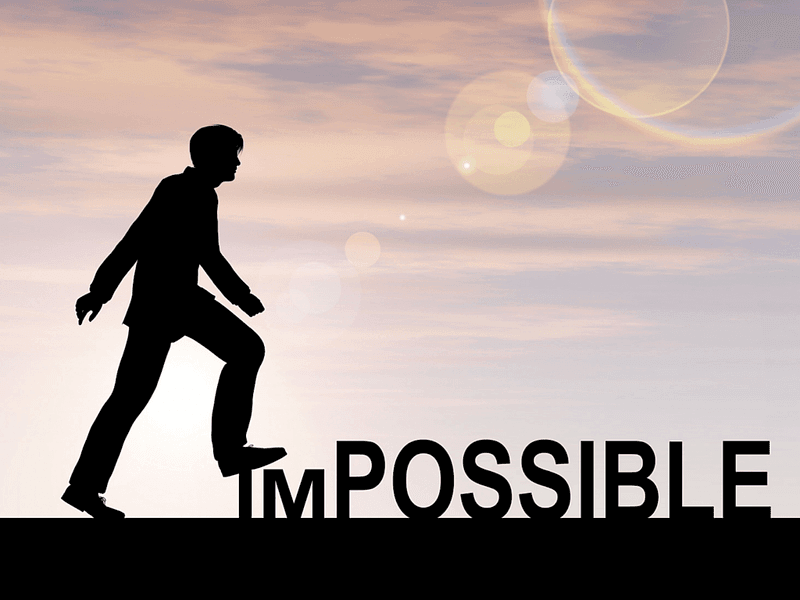
History is full of things people once called impossible. Flight, smartphones, space travel – all of it was “impossible” until someone refused to believe that.
Saying something cannot be done is often just a way to avoid the discomfort of trying.
A can-do attitude does not mean ignoring real challenges. It means asking, “How could this work?” instead of shutting down before the conversation even begins.
4. “I’m Not Smart Enough”

Intelligence is not a fixed gift handed out at birth. Research by psychologist Carol Dweck shows that the brain can grow and improve with effort and practice.
Believing you are simply “not smart enough” shuts that door before you even knock.
Everyone starts somewhere. The people who master new skills are not always the brightest – they are the ones who kept going when it felt hard and embarrassing.
5. “There’s No Way This Will Work”

Giving up before you even start is a quiet habit that steals a lot of potential. “There’s no way this will work” is usually said before any real effort has been made. It feels like wisdom, but it is really just fear wearing a logical disguise.
Most worthwhile things require some trial and error. Staying curious and open even when the odds feel long is what separates people who find solutions from those who never try.
6. “I’ll Never Be Good at Anything”

Negative self-talk is like a bully living inside your own head. Saying “I’ll never be good at anything” is not an honest assessment – it is an emotional reaction dressed up as a fact.
And the more you say it, the more you start to believe it.
Low self-esteem often grows from this kind of inner dialogue. Catching those thoughts and challenging them with real evidence of past wins, however small, can slowly rebuild confidence.
7. “I’ll Start Tomorrow”

Tomorrow is the most popular destination for things that never get done. Procrastination feels comfortable in the moment but creates a mountain of stress and missed opportunities over time.
The phrase “I’ll start tomorrow” has buried more dreams than failure ever has.
Starting small today beats waiting for the perfect moment that rarely arrives. Even five minutes of action is more powerful than an hour of planning you keep postponing.
8. “I Don’t Have Time”

Everyone on the planet gets the same 24 hours. The difference between people who accomplish a lot and those who do not often comes down to priorities, not time.
Saying “I don’t have time” usually means “this is not important enough to me right now.”
Being honest about that is actually healthy. But blaming time for every unfinished goal prevents you from making the real choices that could move your life forward.
9. “This Is Just Who I Am”
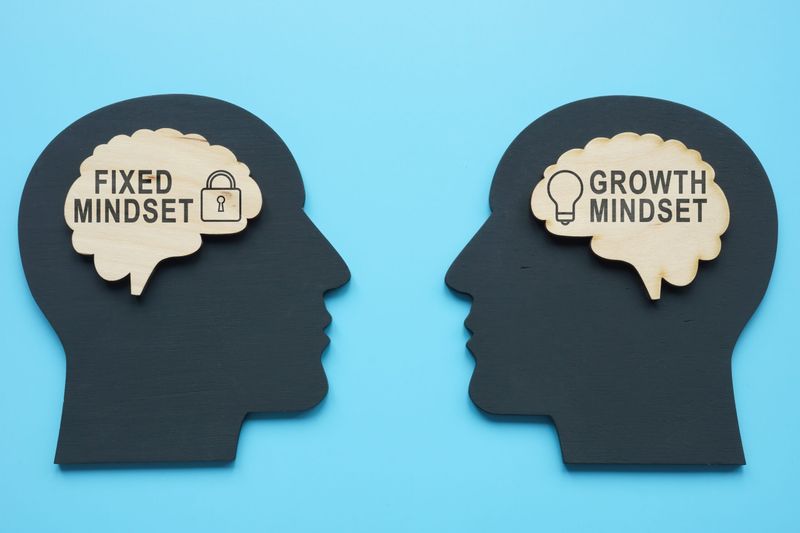
“This is just who I am” sounds like self-acceptance, but it often works as a get-out-of-jail-free card for bad habits. A fixed mindset tells you that your personality and abilities are locked in place forever.
That belief alone can stop all personal growth cold.
People change all the time. The version of you today does not have to be the version of you in five years.
Choosing to grow is always an option available to you.
10. “We’ve Always Done It That Way”

Comfort zones are cozy until they become cages. Clinging to old methods just because they are familiar is one of the biggest obstacles to progress.
The world changes fast, and the people who refuse to adapt often get left behind.
Trying a new approach does not mean throwing out everything that worked before. It means staying open to better ways of doing things.
Flexibility is one of the most underrated skills a person can develop.
11. “It’s Not Fair”

Life is genuinely unfair sometimes – that part is true. But people who stay stuck in “it’s not fair” mode spend their energy on complaints instead of solutions.
A victim mentality feels justified but keeps you from taking the actions that could actually change your situation.
Acknowledging unfairness is healthy. Camping out there is not.
The most resilient people feel the frustration, then ask themselves what they can do next despite the circumstances.
12. “No One Appreciates Anything I Do”

Feeling unappreciated stings, and that emotion is completely valid. But when this thought becomes a constant story someone tells themselves, it starts filtering out any positive feedback that does come their way.
Everything gets colored by the belief that no one cares.
This kind of thinking can quietly push people away. Learning to notice small moments of recognition – even just a thank-you – helps break the cycle and builds a more balanced view of your relationships.
13. “What If I Fail?”
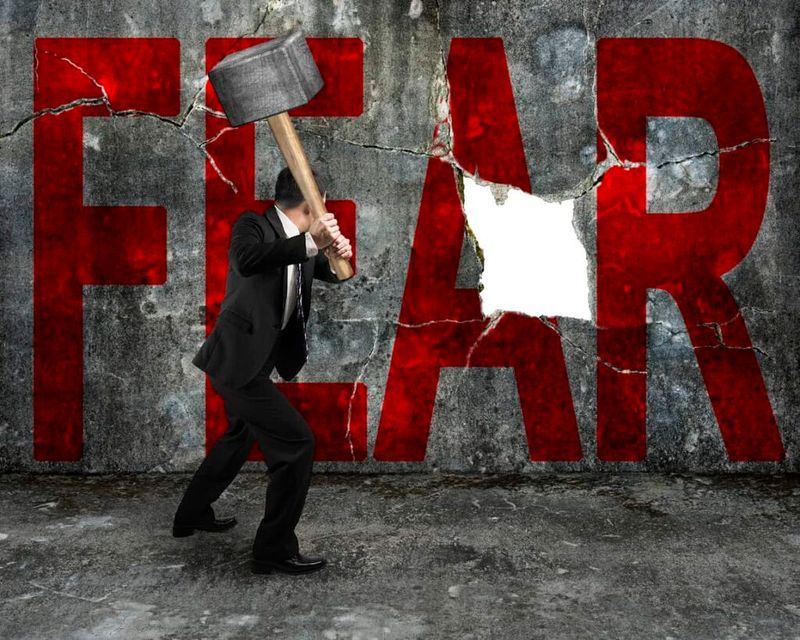
Fear of failure is probably the most universal obstacle humans face. Asking “what if I fail?” is not wrong – it is natural.
The problem is when that question becomes a stop sign instead of a planning tool. Paralysis by analysis has stopped more potential than actual failure ever has.
Reframing the question helps enormously. Try asking, “What if I try and learn something valuable?” That small shift makes taking the first step feel a lot less terrifying.
14. “I Can Do It All Myself”

Independence is a great quality until it becomes stubbornness. Refusing to ask for help or collaborate is not a sign of strength – it is often a sign of insecurity or pride.
Great achievements almost always involve a team, a mentor, or at least one person willing to offer honest feedback.
Knowing when to lean on others is a skill, not a weakness. The most successful people are usually the ones who know exactly when to ask for support.
15. “I Have a Problem With That”

Constructive feedback is valuable. But there is a big difference between thoughtful critique and reflexive negativity.
Someone who always has a problem with every new idea creates a draining atmosphere that slows progress and frustrates the people around them.
Constant objections can mask a deeper fear of change or a need for control. Practicing the habit of finding at least one positive before raising a concern can completely transform how you show up in any group setting.
16. “I Don’t Think It’s Within My Skills”

Underselling yourself is just as harmful as overconfidence. Saying something is beyond your skills before you have genuinely tried assumes the worst about your own potential.
Many people discover abilities they never knew they had simply by saying yes to something uncomfortable.
Skills are built, not born. Every expert was once a beginner who felt completely out of their depth.
Giving yourself permission to be bad at something first is often the only path to eventually becoming good at it.
17. “I’m Just Unlucky”

Luck plays a role in life, but it rarely explains the whole story. Leaning on “I’m just unlucky” as an explanation for setbacks hands your personal power over to chance.
It also removes any reason to try harder, plan better, or change your approach.
Studies on success consistently show that preparation and persistence matter far more than luck over time. Showing up consistently, even when results are slow, creates the kind of conditions where good things are far more likely to happen.