
Life on the cattle trail was tough, dusty, and exhausting, and cowboys needed serious fuel to keep going mile after mile. The meals they ate were simple, hearty, and built for survival rather than fancy dining.
From sizzling cast iron skillets to bubbling pots over an open fire, chuckwagon cooking became a legend all its own. These 16 trail-tested meals tell the real story of what kept cowboys strong from sunup to sundown.
1. Pinto Beans
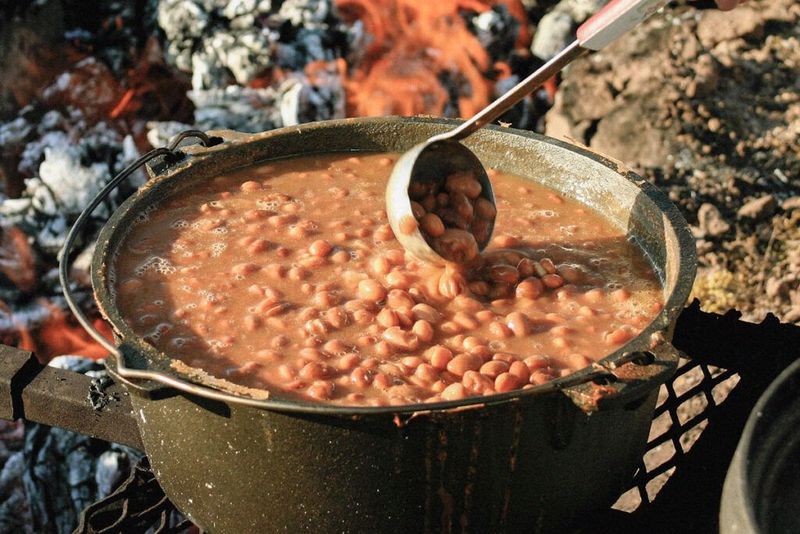
Cowboys called them “whistle berries” or “Mexican strawberries,” and they ate them almost every single day on the trail. Pinto beans were cheap, easy to store, and simple to cook in one pot over a campfire.
They packed enough protein and carbohydrates to keep a cowboy in the saddle for hours without slowing down.
A cook would soak them overnight and let them simmer all morning. Beans were truly the backbone of trail cooking.
2. Sourdough Biscuits
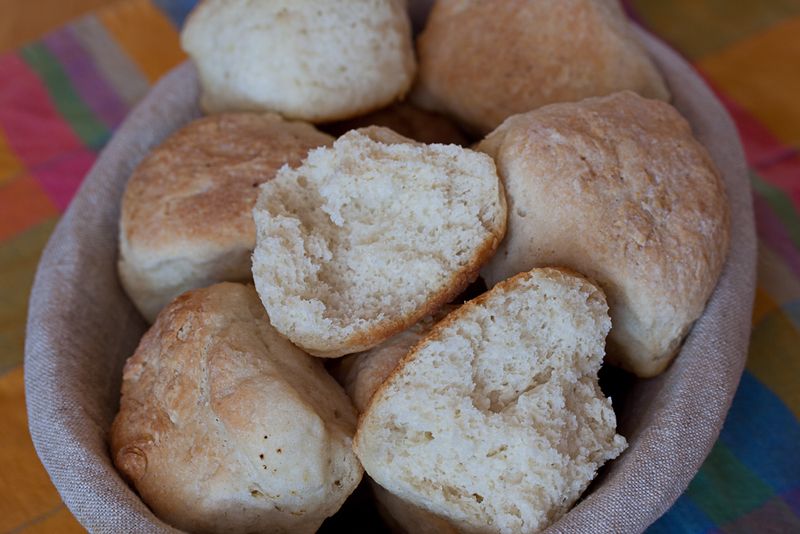
When the chuckwagon cook pulled a batch of sourdough biscuits from the Dutch oven, cowboys lined up fast. That warm, tangy smell meant comfort after a long, cold night in the saddle.
Chuckwagon cooks guarded their sourdough starter like treasure, keeping it alive through rain, heat, and dusty trails.
Biscuits were eaten at breakfast, lunch, and sometimes supper. Slathered with sorghum molasses, they became one of the most welcome sights on any cattle drive.
3. Salt Pork
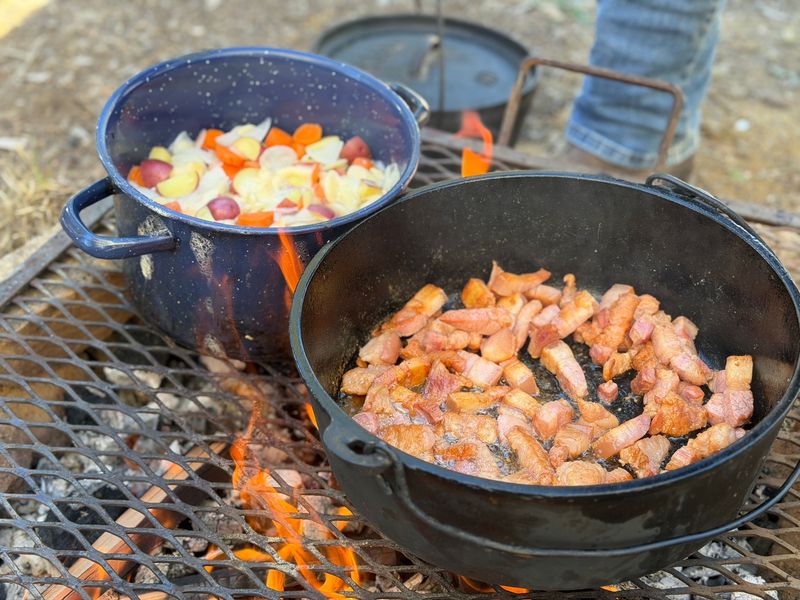
Before refrigeration existed, salt pork was the cowboy’s best friend for protein on long trail drives. Heavily cured with salt to prevent spoiling, it could last weeks without going bad even in summer heat.
The fat it released when cooked doubled as cooking oil for biscuits, cornbread, and fried potatoes.
Its bold, salty flavor woke cowboys up at breakfast and gave them lasting energy for hard riding. Salt pork was rugged food for rugged men.
4. Hardtack
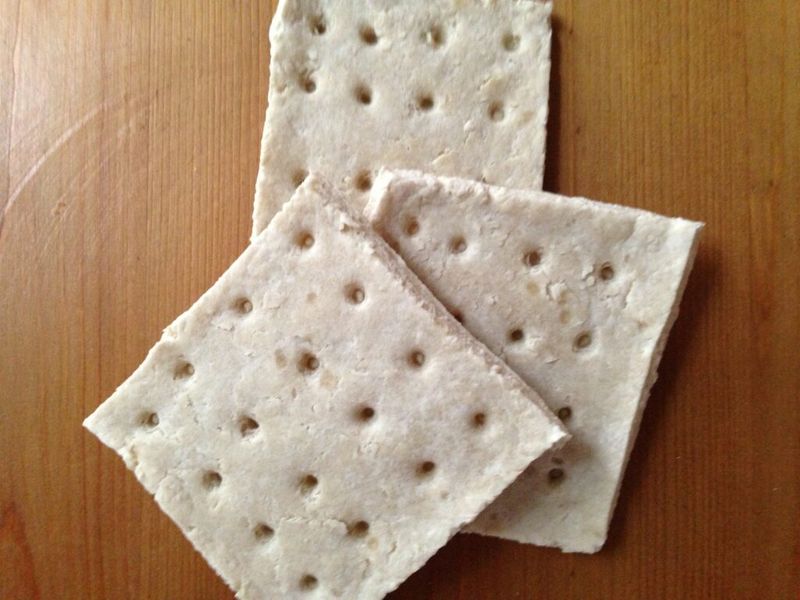
Hard as a rock and about as exciting, hardtack was still a trail staple that cowboys relied on when nothing else was available. Made from just flour, water, and salt, it baked into a dense cracker that could survive weeks in a saddlebag without molding.
Softening it in coffee or bean broth made it almost enjoyable.
Soldiers had eaten it for generations before cowboys adopted it. Simple, durable, and filling, it earned its place in the trail pantry.
5. A Bowl of Red – Trail Chili
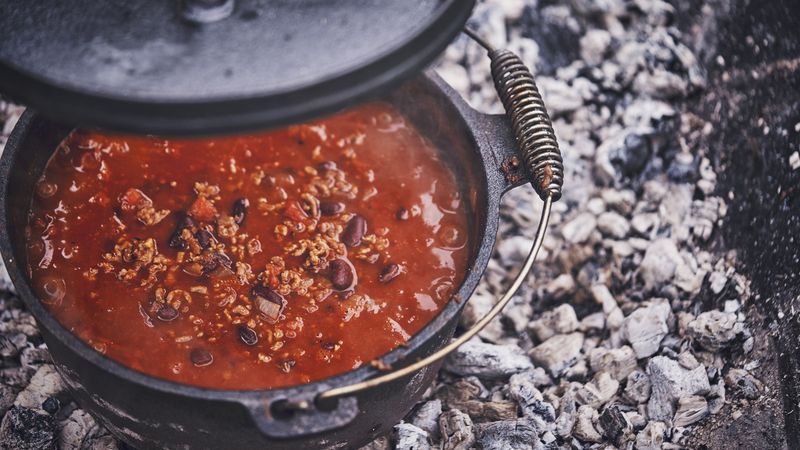
Long before chili became a cookoff competition dish, cowboys were simmering it in iron pots over open fires. Chuckwagon cooks called it “a bowl of red,” and they made it with tough cuts of beef slow-cooked with dried hot chiles until tender and rich.
No ground beef, no fancy toppings, just bold, deep flavor built over hours of heat.
On cold nights after a long ride, a bowl of red could warm a cowboy from the inside out. It was pure trail magic.
6. Cornmeal Mush
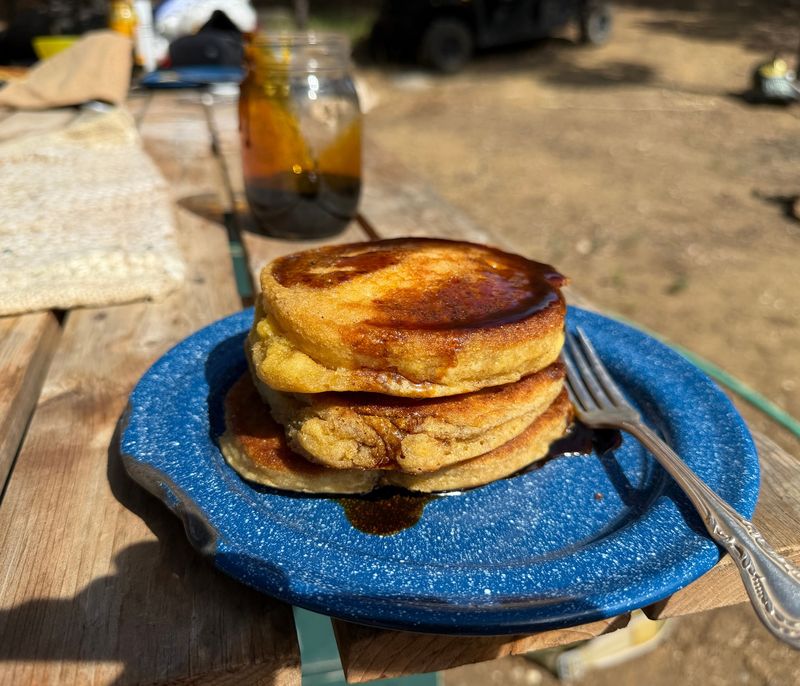
Cornmeal was one of the easiest provisions to pack because it weighed little and cooked fast. Stirred into boiling water over a fire, it became a thick, porridge-like mush that filled up hungry cowboys quickly.
Sometimes sweetened with sorghum molasses or salted with a chunk of pork fat, it transformed into something almost comforting.
Leftover mush could be sliced and fried the next morning for a crispy, satisfying breakfast cake. Resourceful trail cooks wasted nothing.
7. Dried Beef Jerky
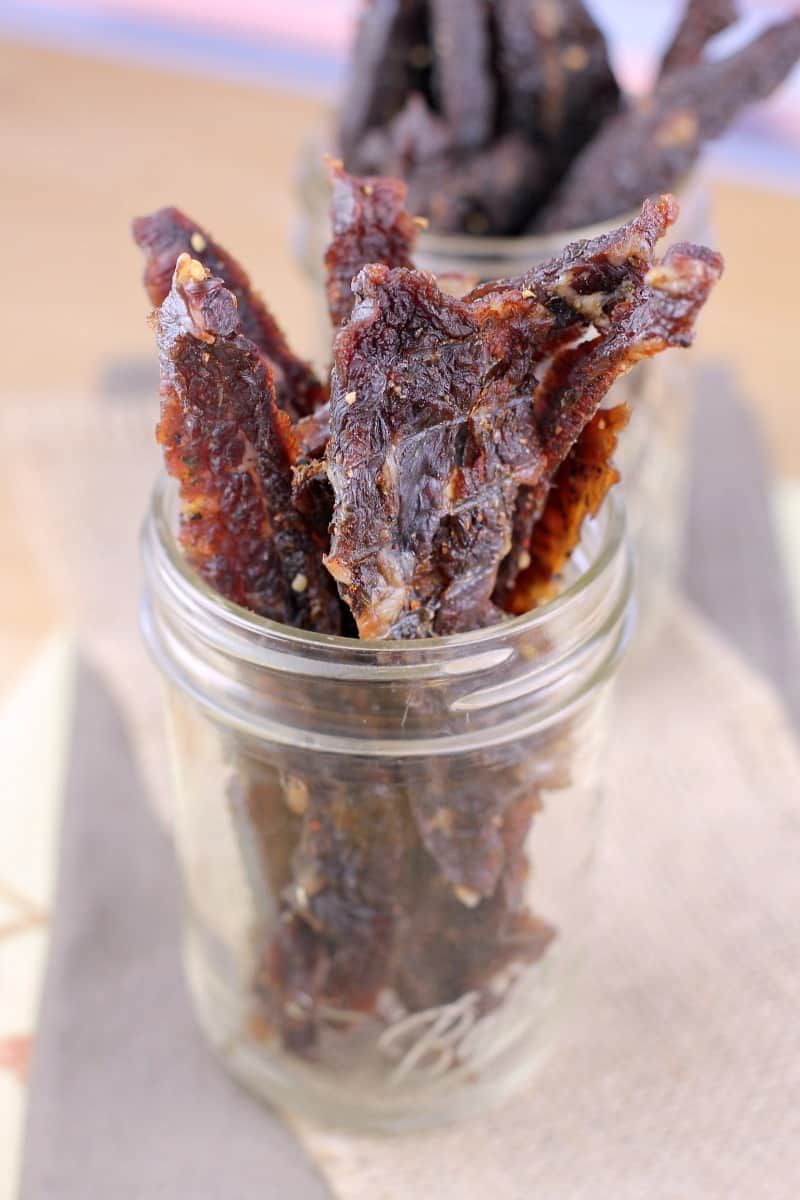
Cowboys riding shorter routes often stuffed their saddlebags with strips of dried beef jerky to snack on throughout the day. Jerky required no cooking, no fire, and no plates, making it the perfect on-the-go fuel for long hours in the saddle.
The drying and salting process preserved the meat for days or even weeks without spoiling.
Chewing on jerky gave cowboys something to do during quiet stretches of trail. It was tough, salty, and honestly perfect for the job.
8. Son-of-a-Gun Stew
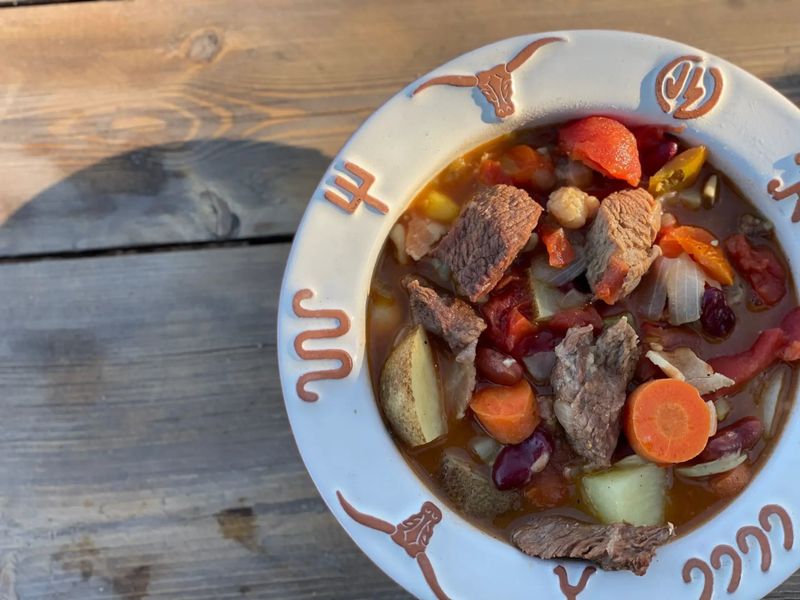
After a steer was butchered on the trail, nothing went to waste, and son-of-a-gun stew was proof of that. Chuckwagon cooks threw together organ meats like liver, heart, kidneys, and tongue with onions and whatever vegetables were on hand.
The result was a thick, hearty stew that smelled incredible after a long day of cattle driving.
Cowboys had colorful nicknames for it that probably would not print in a family newspaper. Whatever they called it, they ate every last bite.
9. Sorghum Molasses and Biscuits
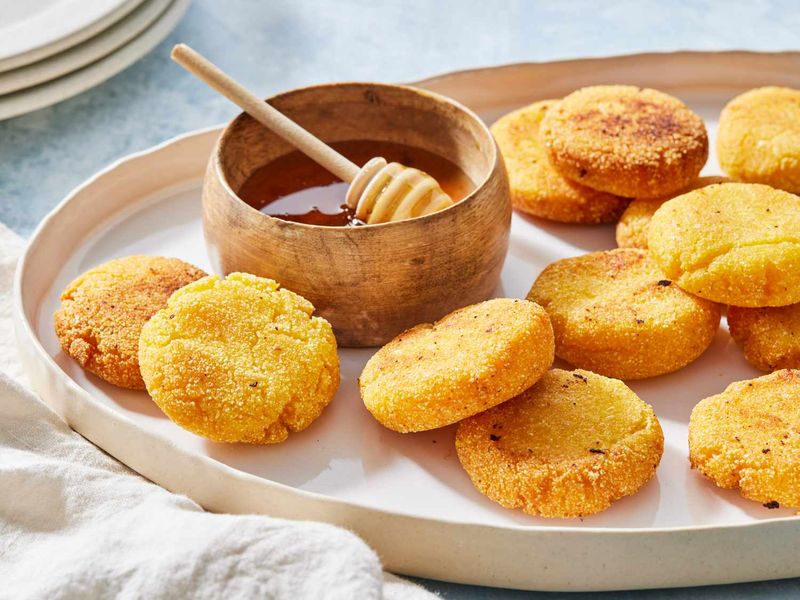
Sorghum molasses was the cowboy’s version of dessert, and it cost very little to transport in a sealed jug. Poured over warm sourdough biscuits, it turned a plain meal into something genuinely satisfying after miles of hard riding.
The thick, dark syrup provided a quick burst of sugar energy that helped cowboys push through afternoon fatigue.
Some cooks mixed it into cornbread batter for extra sweetness. A little sorghum went a long way toward lifting trail spirits.
10. Fried Salt Bacon and Potatoes
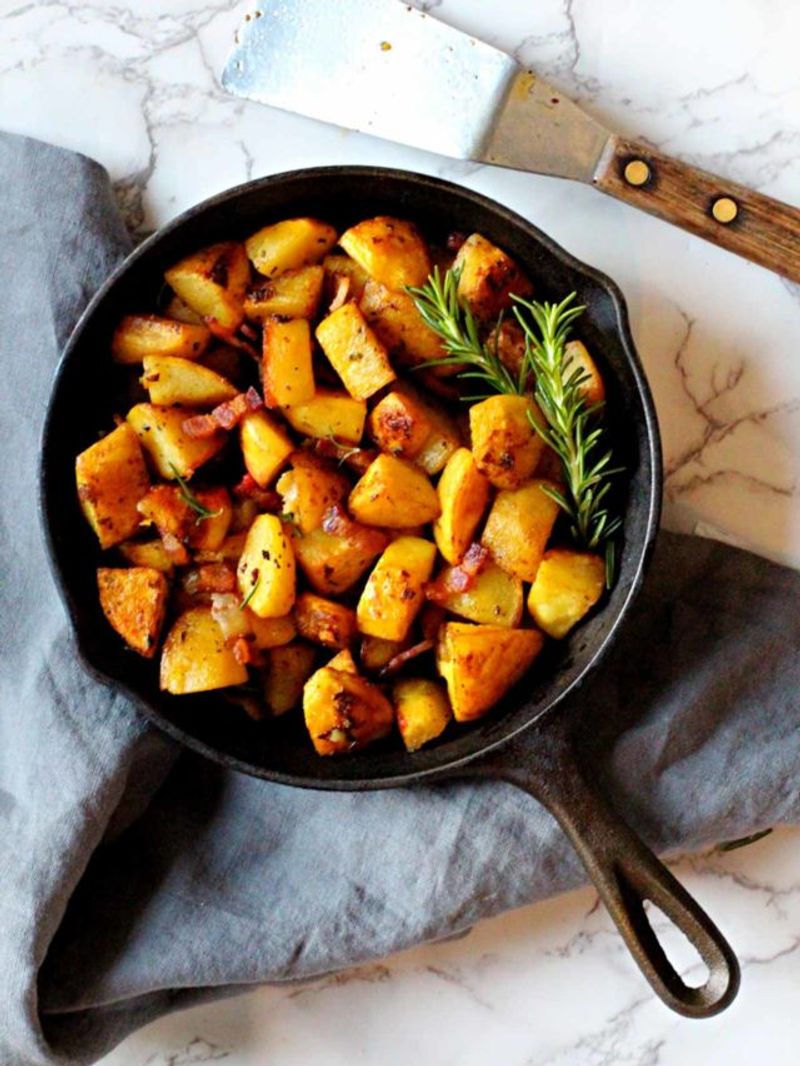
Few smells woke up a cowboy camp faster than bacon sizzling in a cast iron skillet at sunrise. Salt-cured bacon held up well on the trail, and when paired with sliced potatoes cooked in the drippings, it became a full, energy-packed breakfast.
Onions added to the skillet gave the whole dish a savory depth that stuck with riders all morning.
Bacon fat was also saved and reused for other cooking throughout the day. Nothing on the trail went to waste.
11. Canned Tomatoes
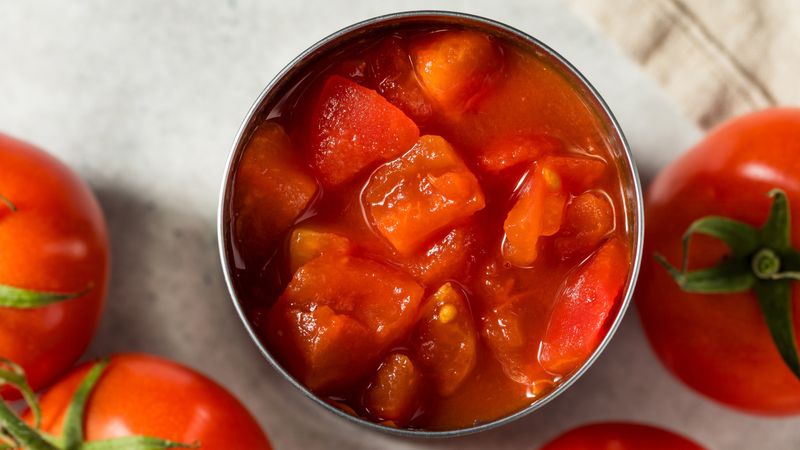
Canned goods were a relatively new invention by the time cattle drives peaked in the 1860s and 1870s, and chuckwagon cooks took full advantage. Canned tomatoes added brightness and acidity to stews, beans, and chili that fresh vegetables simply could not provide on a weeks-long drive.
They also gave cowboys a small but welcome dose of vitamins during long stretches without fresh produce.
Opening a can of tomatoes felt almost like a treat on the trail. Small comforts mattered enormously out on the open range.
12. Buffalo or Venison Roast
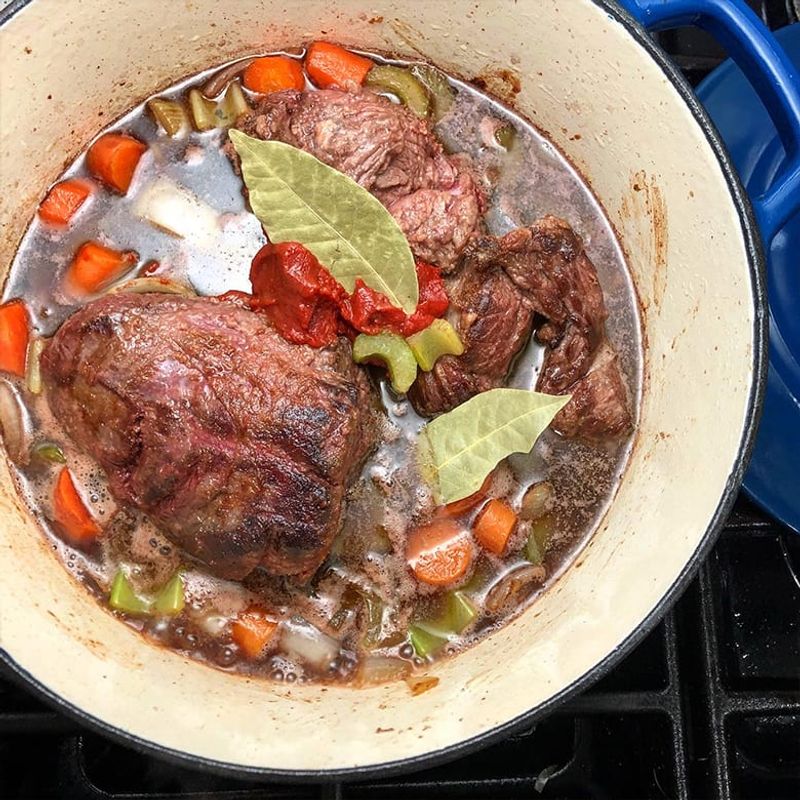
When fresh game crossed a cowboy’s path, the whole camp celebrated because fresh meat was rare and deeply welcome. Buffalo and deer were the most commonly hunted animals on the open range, and a successful hunt meant a proper roast over the fire that evening.
Slow-roasted over coals, the meat turned tender and smoky with a rich, wild flavor unlike anything from a stockyard.
Game hunting also stretched the chuckwagon’s food supply further. It was a lucky day when the cook had fresh venison on the menu.
13. Dutch Oven Peach Cobbler
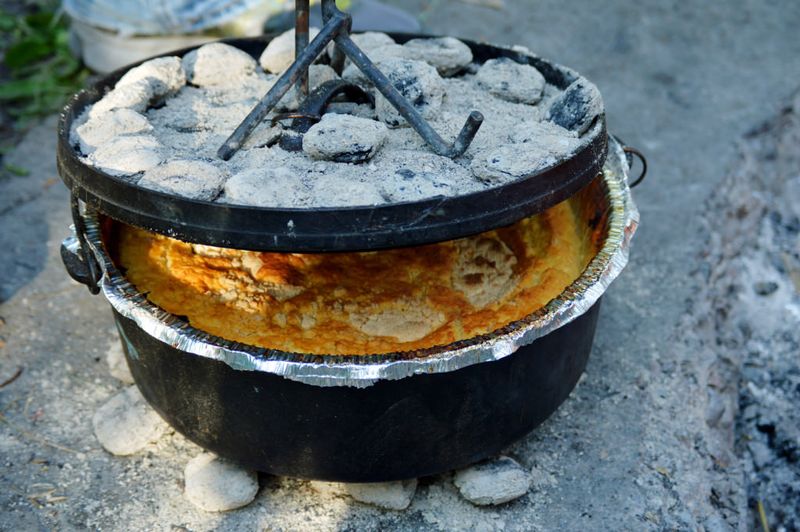
Peach cobbler might sound too fancy for the cattle trail, but chuckwagon cooks pulled it off regularly using canned peaches and simple biscuit dough. Buried in hot coals with the Dutch oven lid piled high with embers, the cobbler baked to golden, bubbly perfection without an oven in sight.
Cowboys who got a serving felt like kings for about ten minutes.
Dessert was rare enough that it always boosted morale. A good cook who made cobbler was worth his weight in gold on the trail.
14. Coffee – Cowboy Black
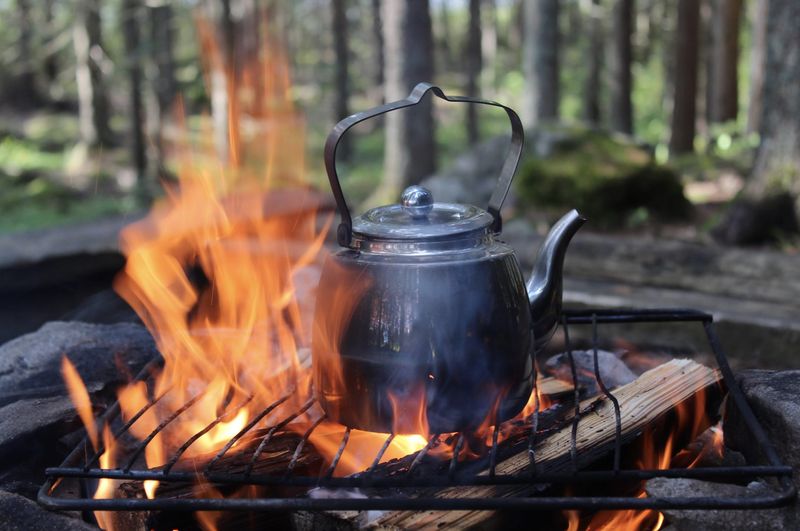
Cowboys treated coffee less like a beverage and more like a survival tool. Brewed strong enough to, as they said, “float a horseshoe,” cowboy coffee was boiled directly in a pot with no filter and no fuss.
The grounds settled to the bottom, and cowboys drank it scalding hot from battered tin cups before sunrise every single morning.
Coffee kept night-watch riders alert and warmed freezing hands during cold prairie nights. Without it, many cowboys claimed they simply could not function on the trail.
15. Fried Cornbread – Hoecakes
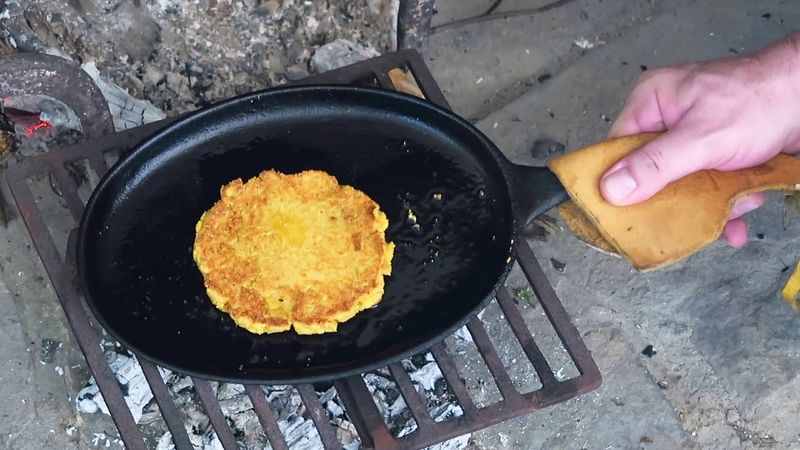
Hoecakes were the cowboy’s quick bread when there was no time for slow-risen biscuits and the crew needed feeding fast. Made from cornmeal, water, and a pinch of salt, they fried up flat and crispy in a hot skillet greased with bacon fat.
The name supposedly came from field workers who once cooked them on the flat side of a garden hoe over fire.
Cowboys ate them plain, with beans, or with a drizzle of sorghum. Fast, filling, and surprisingly satisfying for such a simple recipe.
16. Dried Fruit and Canned Goods Mix
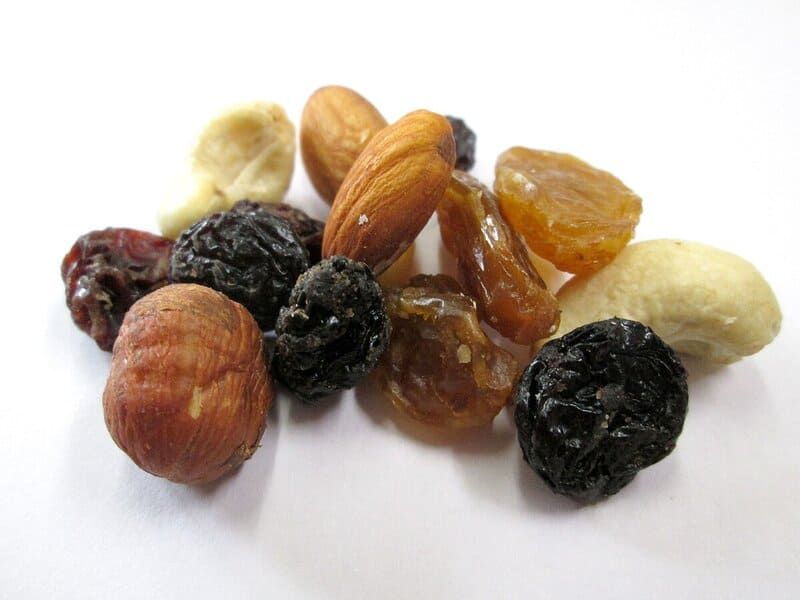
Dried apricots, raisins, and prunes were small but mighty additions to the chuckwagon pantry. Lightweight and shelf-stable, they gave cowboys a natural sugar boost between meals when energy started to fade in the afternoon heat.
Mixed with canned peaches or pears, they became a quick trail dessert that required zero cooking and zero cleanup.
Fruit also helped prevent scurvy on drives that lasted months with limited fresh food. Chuckwagon cooks knew that even tiny amounts of fruit kept the crew healthier and in better spirits.