
Growing up Latino in America does not always mean growing up speaking Spanish. Many famous Latino celebrities have opened up about not being fluent in the language, and their honesty has sparked important conversations about identity and culture.
Language is just one piece of what makes someone connected to their roots, and these stars prove that heritage runs much deeper than words.
1. Selena Gomez
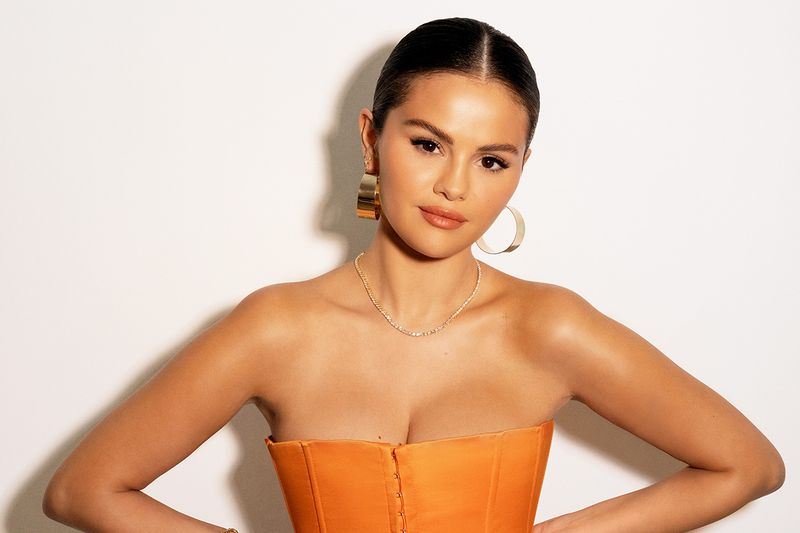
Selena Gomez was actually fluent in Spanish as a little kid, which surprises many fans. When she launched her acting career at age seven, English took over completely and her Spanish faded away.
She has been open about this loss, saying it is something she genuinely regrets.
Still, her Mexican heritage stays close to her heart through family traditions, food, and culture. Her honesty about language loss has helped many young Latinos feel less alone about their own experiences.
2. Eva Longoria
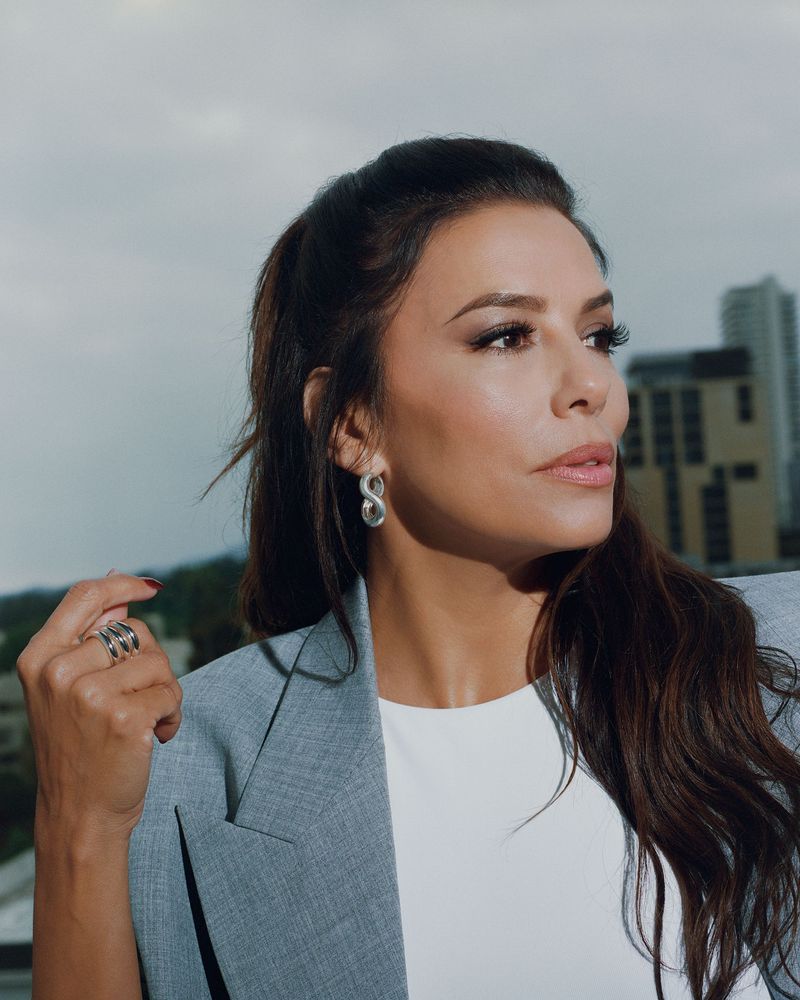
Few people know that Spanish was actually banned in the Texas schools Eva Longoria attended growing up. On top of that, her parents did not speak Spanish at home either, so fluency was simply never part of her world.
She has spoken about this reality with refreshing honesty.
Eva insists her Latina identity is not up for debate, pointing to her advocacy work and deep pride in Mexican American traditions. Language, she says, does not define who she is.
3. Selena Quintanilla
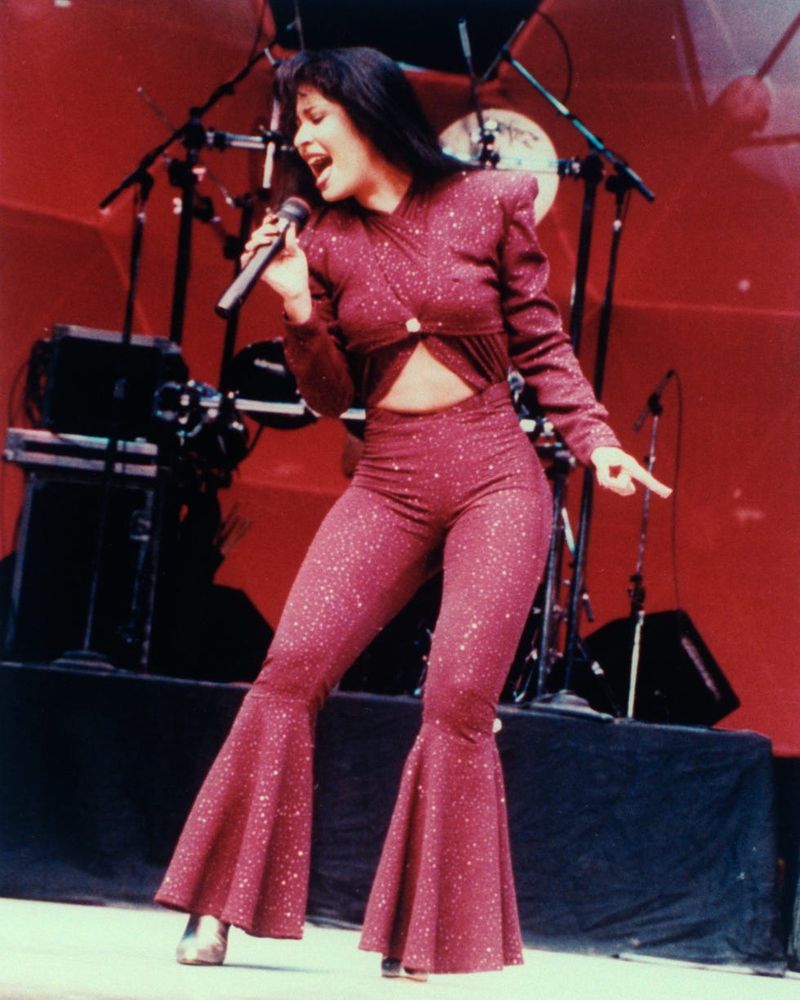
Here is a wild fact: the Queen of Tejano music learned her Spanish songs entirely by sound, without understanding most of the words. Her father taught her each lyric phonetically, one word at a time, so she could perform them beautifully for her fans.
English was always her first language growing up in Corpus Christi, Texas. Her story is a reminder that passion and dedication can bridge gaps that language alone cannot always fill.
4. Christina Aguilera
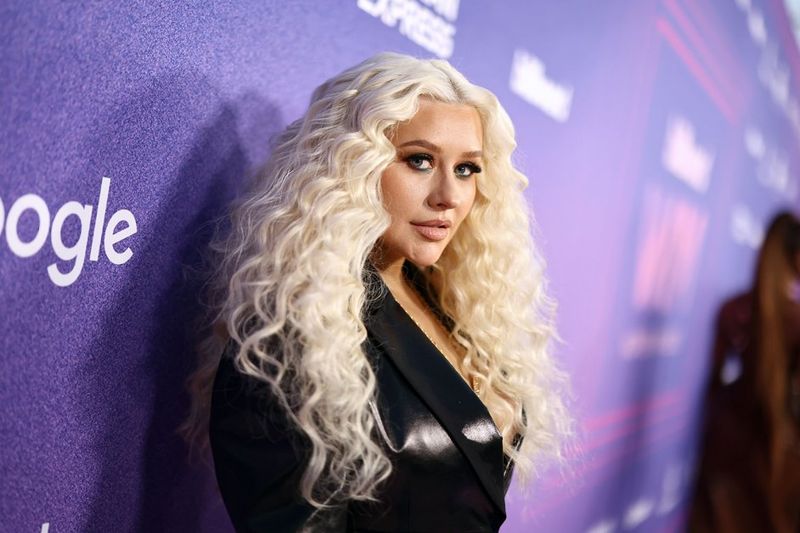
Christina Aguilera grew up hearing Spanish around the house thanks to her Ecuadorian father, but fluency never quite followed. English dominated her childhood, and Spanish remained more of a background melody than an everyday language for her.
Years later, she recorded full Spanish-language albums as a way to reconnect with her roots, which took real courage and commitment. She has described Spanish as part of her childhood soundtrack, something she always felt emotionally but never fully mastered early on.
5. Rosario Dawson
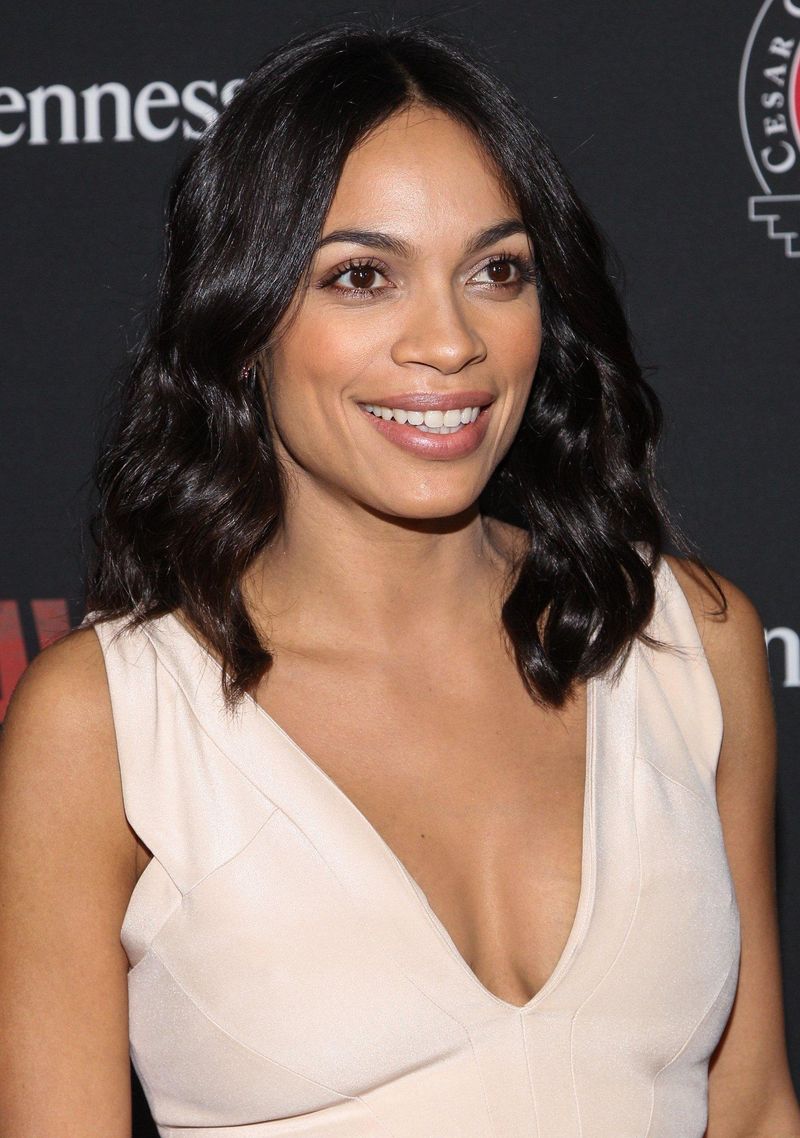
Rosario Dawson proudly calls herself 100 percent Boricua, yet she is the first to admit she does not speak Spanish fluently. Growing up in New York City, her neighborhood ran on English, and that became her everyday language without much question.
Rather than letting that define her cultural worth, she channels her Puerto Rican pride into activism and representation. For Rosario, identity is built through action and community, not just the words you happen to speak.
6. Aubrey Plaza
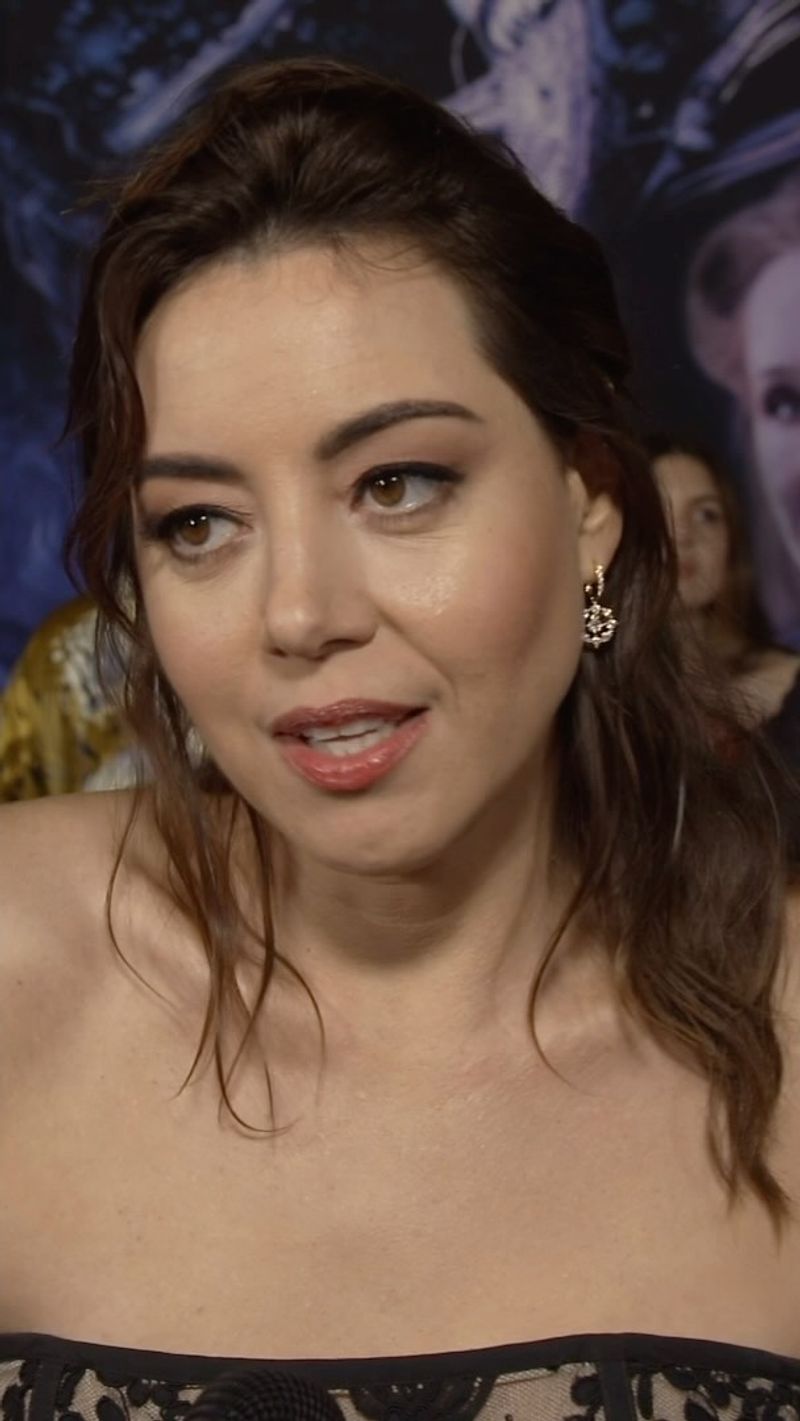
Aubrey Plaza has a dry, deadpan humor that fans love, but she gets real when it comes to her Puerto Rican heritage. She grew up in Delaware, far from Spanish-speaking communities, which meant English was simply the only language she ever needed day to day.
She has openly appreciated her Latino background while being upfront about not being fluent. Her story is a good reminder that cultural pride can absolutely exist without perfect language skills attached to it.
7. Jenna Ortega
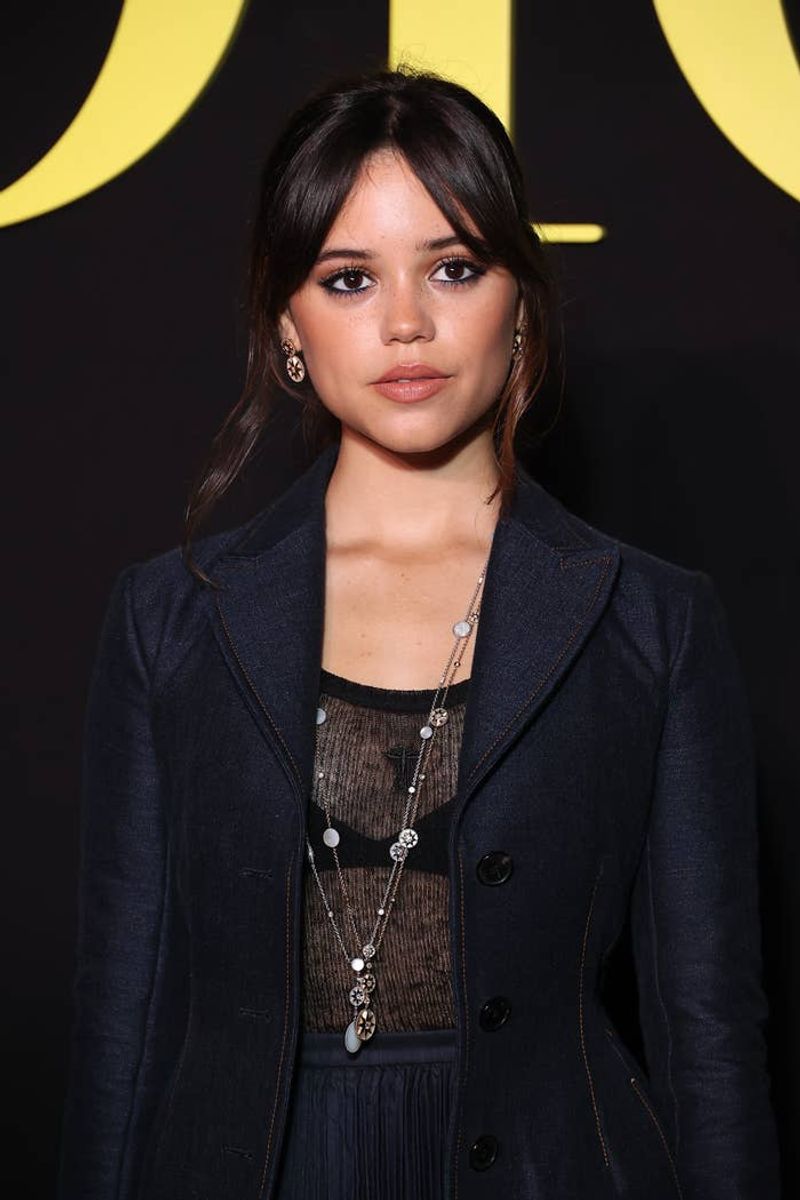
Jenna Ortega has been refreshingly honest about wishing she had learned more Spanish while growing up. With both Mexican and Puerto Rican heritage, she feels a strong pull toward the language but acknowledges she is still very much a work in progress.
What makes her story stand out is her encouragement to others. She tells fans not to feel ashamed of where they are starting from when learning Spanish, which resonates deeply with younger Latinos navigating the same journey.
8. Gina Rodriguez
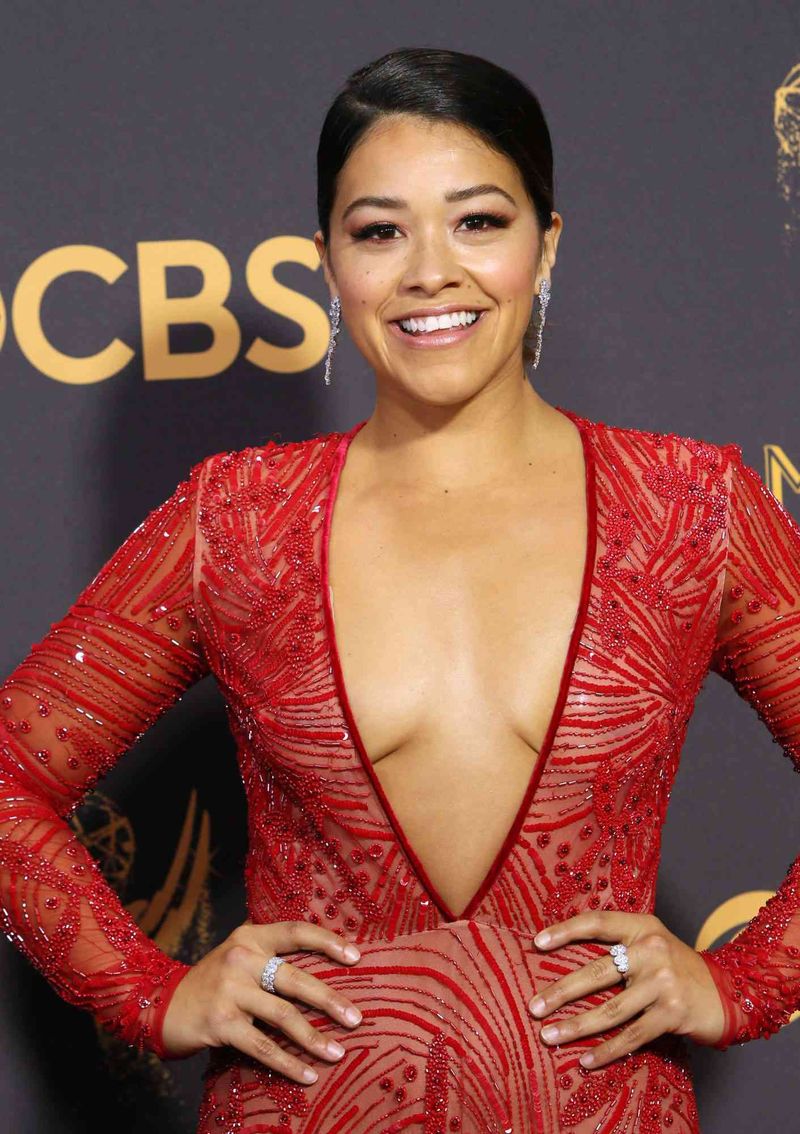
Gina Rodriguez faced some sharp criticism from people who felt a non-fluent Spanish speaker should not represent Latina stories on screen. She pushed back hard and famously said, “I am as Latina as they come.
And I am not defined by anybody’s definition of Latina.”
That quote struck a chord with millions. Her willingness to stand her ground turned a moment of criticism into a larger conversation about who gets to decide what Latina identity really looks like.
9. Jessica Alba
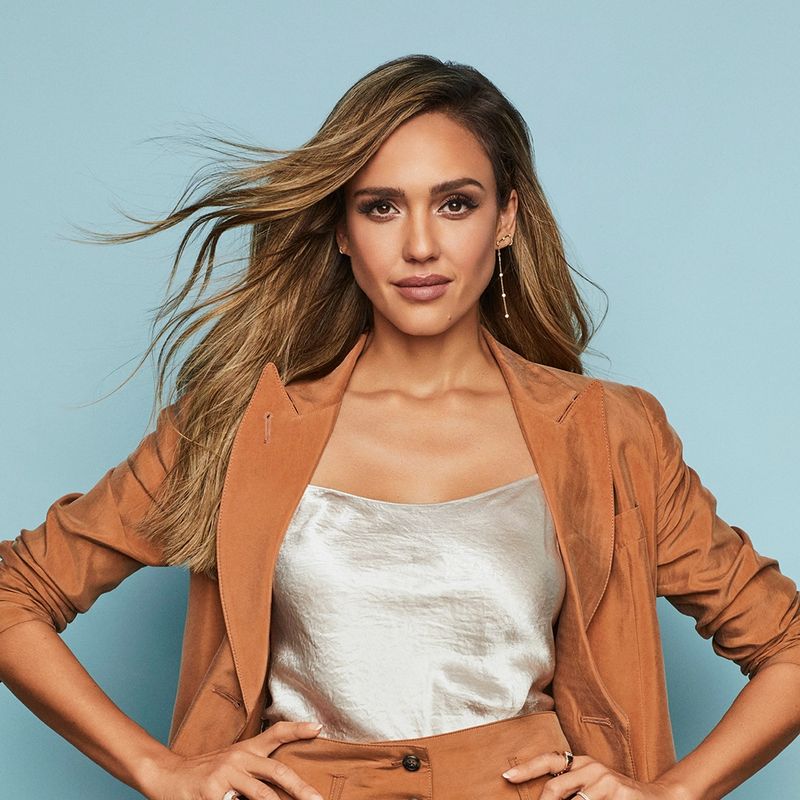
As a third-generation Mexican American, Jessica Alba has fielded plenty of criticism about her Spanish fluency and the roles she chooses to take. She once pointed out, “No one gives Cameron Diaz a hard time for not speaking Spanish,” highlighting a double standard that many Latinos face.
Her connection to her heritage has always felt genuine, even without fluent Spanish. Being Latina, she argues, is something she carries in her values, her family, and her everyday sense of self.
10. Demi Lovato
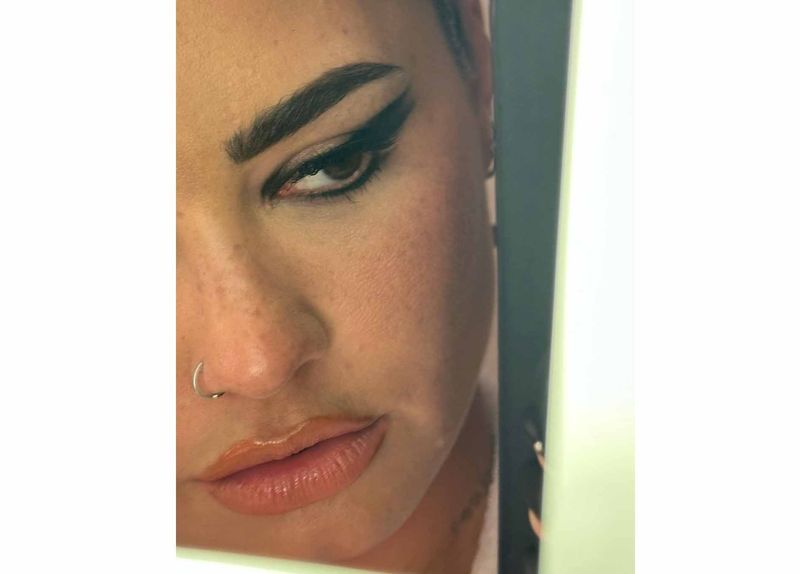
Demi Lovato has Mexican roots through their father and grew up in New Mexico, a state with deep Latino culture all around them. Even so, Spanish was not a language they picked up fluently during childhood, which is something Demi has acknowledged publicly.
Their story touches on how geography and family choices shape language in unexpected ways. Even living in a heavily Latino state does not automatically mean Spanish becomes part of your everyday life growing up.
11. Lil Pump
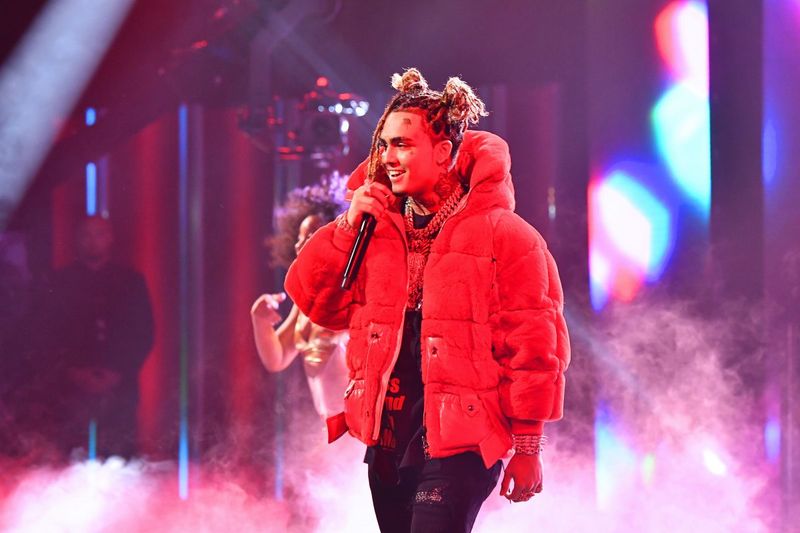
Lil Pump was born to Colombian parents and raised in Miami, one of the most Spanish-speaking cities in the United States. Despite that, he grew up more connected to English and hip-hop culture than to the Spanish language of his family’s home country.
More recently, he has started releasing songs in Spanish as a way to explore his Latin roots. It is a slow reconnection, but it shows that heritage can pull you back in interesting ways, even years later.
12. Lil Xan
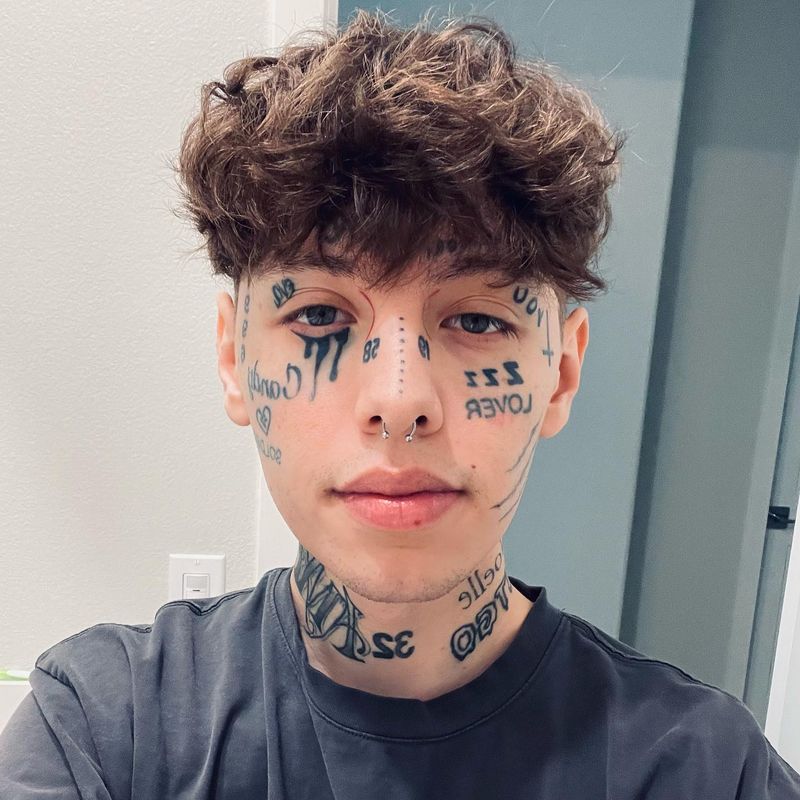
Lil Xan, born in Redlands, California, has Mexican roots but grew up in a world where Spanish was not part of his daily routine. In one memorable interview, he admitted with total honesty that the only Spanish words he actually knows are curse words.
It is a funny and surprisingly relatable confession for many second and third-generation Latinos. His openness about it, without shame or apology, made him feel more real to fans who share a similar experience.
13. Ally Brooke
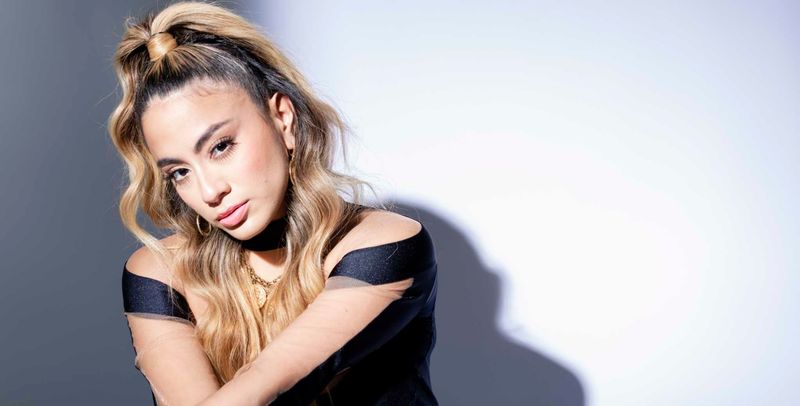
Ally Brooke has one of the most heartfelt reasons for not growing up with Spanish. Her parents, both of Mexican descent, made the painful choice not to teach her the language because they wanted to protect her from the discrimination they themselves had faced due to their accents.
That decision shaped her childhood in a profound way. Now, Ally is actively learning Spanish as an adult, reclaiming a piece of her heritage that was kept from her out of love and protection.
14. Jennifer Lopez
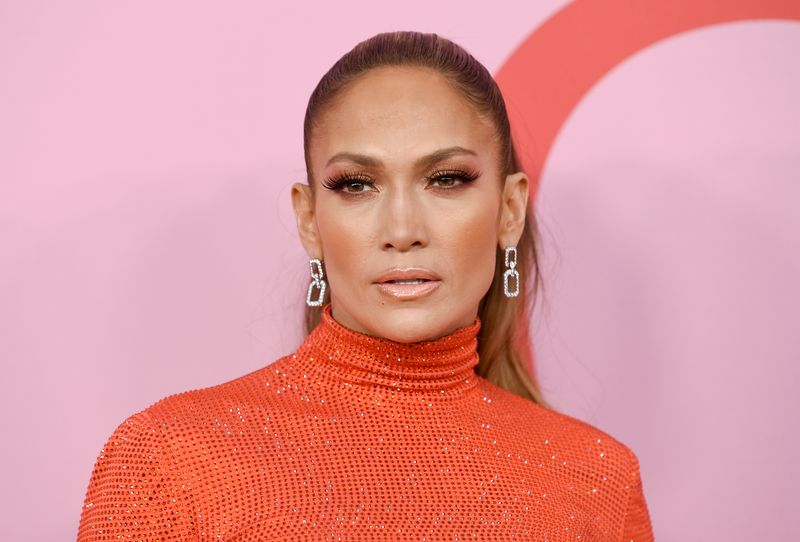
Jennifer Lopez has faced some of the loudest criticism in the Latin press for not speaking Spanish fluently, which is striking given how central Latin music has been to her career. She once noted that her situation felt very similar to what Selena Quintanilla experienced before her.
That comparison was a thoughtful one, connecting two icons across generations. J.Lo has never let the criticism shake her Puerto Rican pride, continuing to celebrate her culture through music, fashion, and family with full confidence.
15. Cameron Diaz
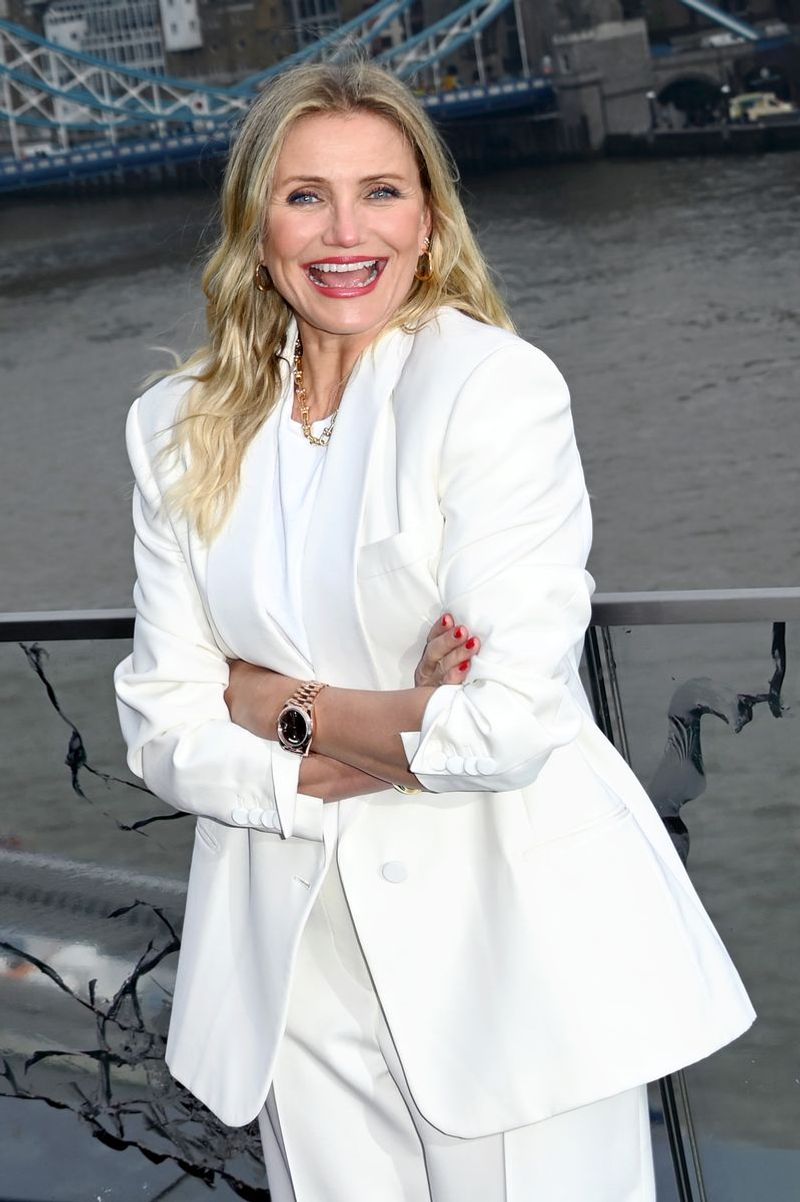
Cameron Diaz grew up with a Cuban father but was raised in a household and community where English was the primary language. She has spoken about being questioned over whether she is “Latina enough” simply because she does not speak Spanish fluently, and she finds that kind of gatekeeping frustrating.
Her Cuban culture shaped her upbringing in real, meaningful ways beyond language. She stands firmly in her Latina identity, proving that heritage is felt through lived experience, not just vocabulary tests.