
Some movies bomb at the box office but go on to become some of the most beloved films ever made. The 1980s were full of these hidden gems — films that confused critics, puzzled studios, and left audiences cold when they first hit theaters.
But thanks to home video, late-night TV, and word of mouth, these movies found their true fans. Here are 20 unforgettable ’80s flops that audiences eventually couldn’t get enough of.
1. Brazil (1985)
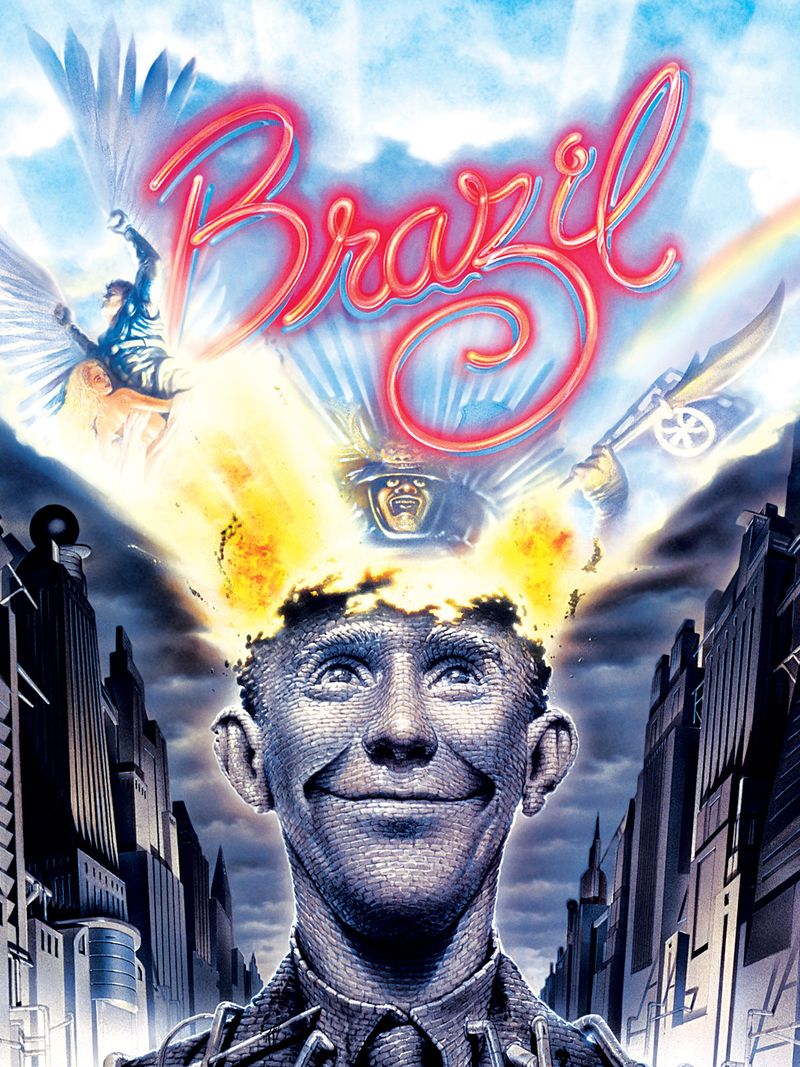
Terry Gilliam’s wildly imaginative vision of a future drowning in red tape was simply too strange for mainstream audiences in 1985. The studio famously clashed with Gilliam over the ending, and the film barely made a dent at the box office.
Over time, Brazil became one of the most celebrated cult films in history. Its sharp satire of government overreach and mind-bending visuals now feel more relevant than ever, earning it a permanent place among sci-fi’s greatest achievements.
2. The Princess Bride (1987)
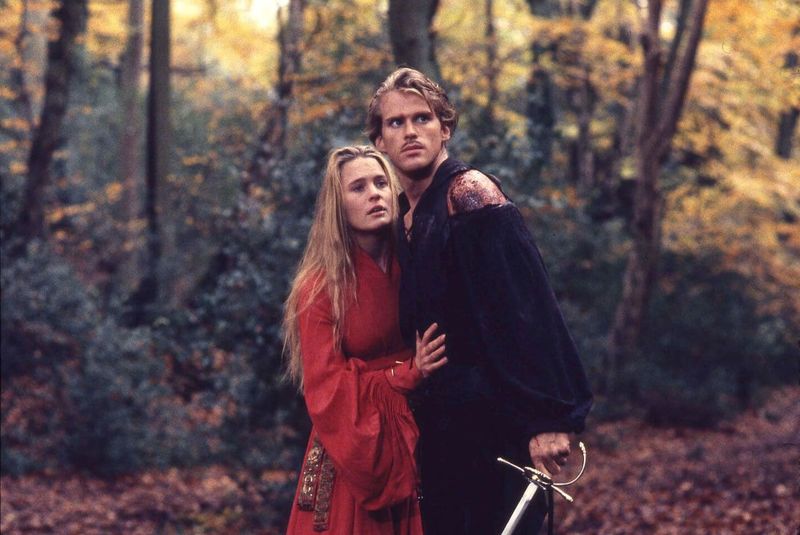
When it opened in theaters, The Princess Bride earned a modest $30 million — respectable, but far below what its studio had hoped. Critics weren’t sure how to categorize it, and audiences weren’t rushing out to see it.
Then home video changed everything. Families discovered it on VHS, and kids grew up quoting every line.
Today, it’s hard to find someone who doesn’t love this swashbuckling fairy tale with its perfect mix of romance, humor, and heart.
3. Heathers (1988)
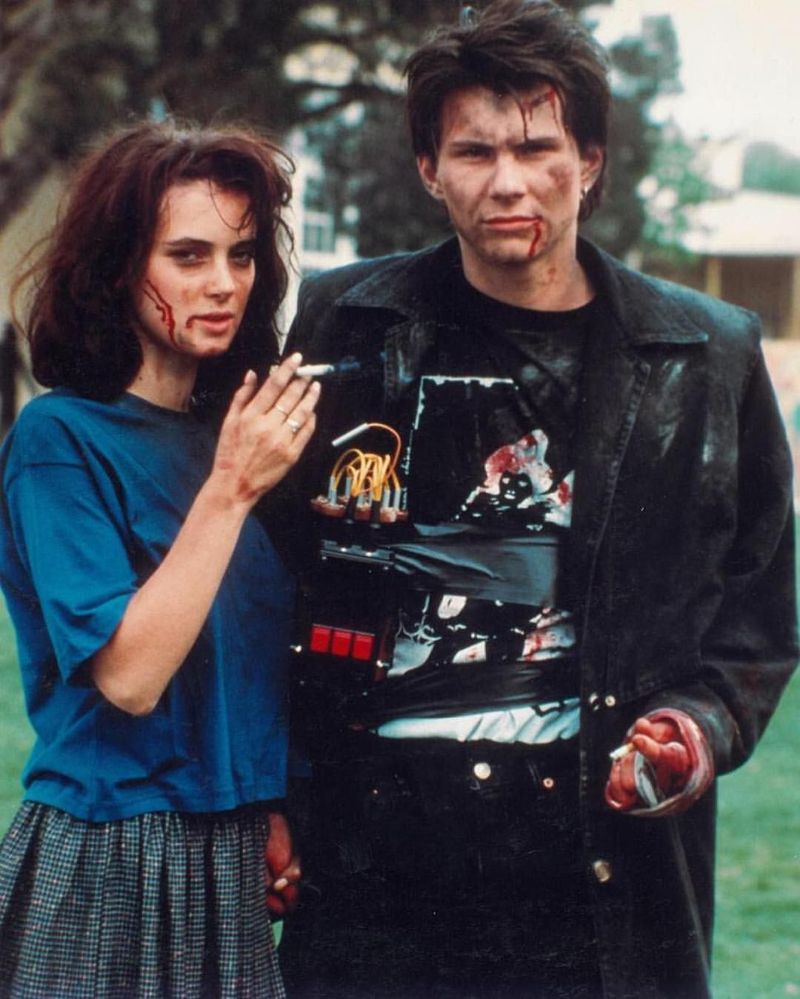
Dark, sharp, and genuinely mean-spirited in the best way, Heathers was unlike anything else on screens in 1988. Its pitch-black humor about high school cliques and teen suicide was too edgy for mainstream audiences at the time.
But cult film fans eventually found it, and Heathers became a touchstone for anyone who ever felt like an outsider. Winona Ryder and Christian Slater delivered career-defining performances that still crackle with dangerous energy decades later.
4. The Thing (1982)
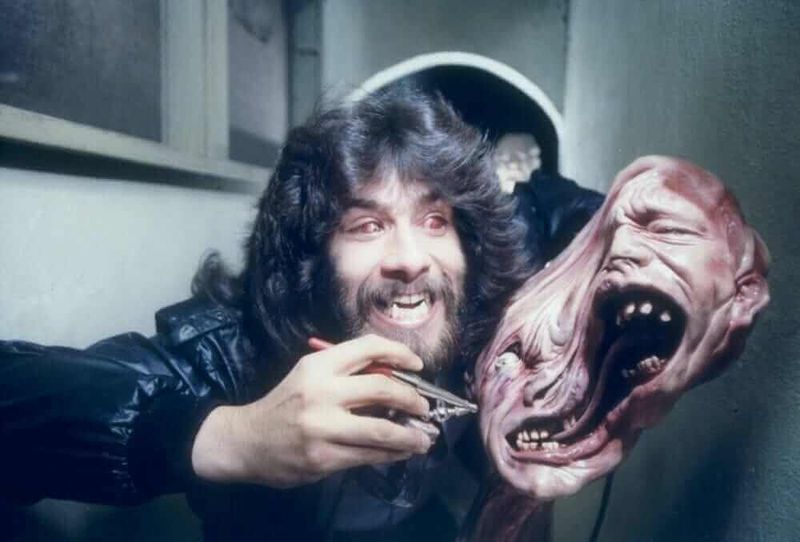
Critics called it disgusting. Audiences stayed away.
John Carpenter’s The Thing opened the same summer as E.T. and got crushed at the box office. The film’s paranoid tone and shocking practical effects were ahead of their time.
Decades later, The Thing is recognized as one of the greatest horror films ever made. Its creature effects still hold up, and its story about trust and survival in total isolation hits harder than almost anything from that era.
5. Clue (1985)
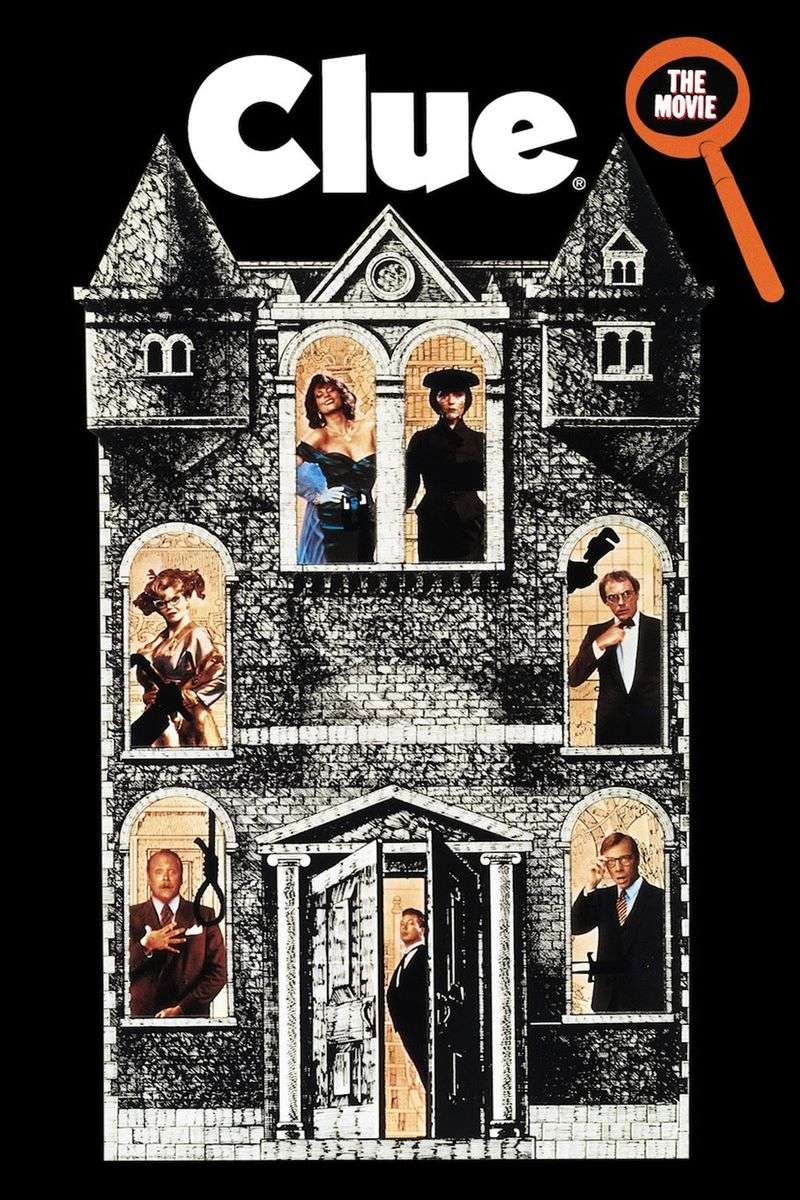
Based on the beloved board game, Clue tried something bold: different theaters showed different endings. It was a fun idea, but it left audiences confused and frustrated.
The film barely broke even and quietly disappeared.
Then cable TV and home video brought it back to life. Suddenly, viewers could watch all three endings and appreciate the rapid-fire jokes and incredible ensemble cast.
Clue is now one of the most quotable comedies of the decade, a true fan favorite.
6. Possession (1981)
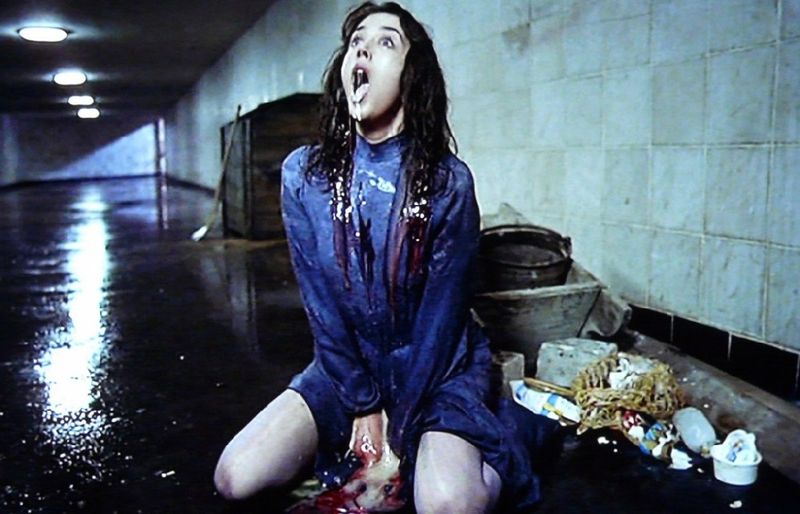
Few films are as unsettling or as hard to categorize as Possession. Andrzej Zulawski’s psychological horror film is part relationship drama, part monster movie, and completely unhinged.
Audiences in 1981 had absolutely no idea what to make of it.
Horror fans eventually caught up with the film, and it became a cult sensation. Isabelle Adjani’s performance is considered one of the most raw and intense in cinema history, earning the film a devoted following that grows stronger every year.
7. Labyrinth (1986)
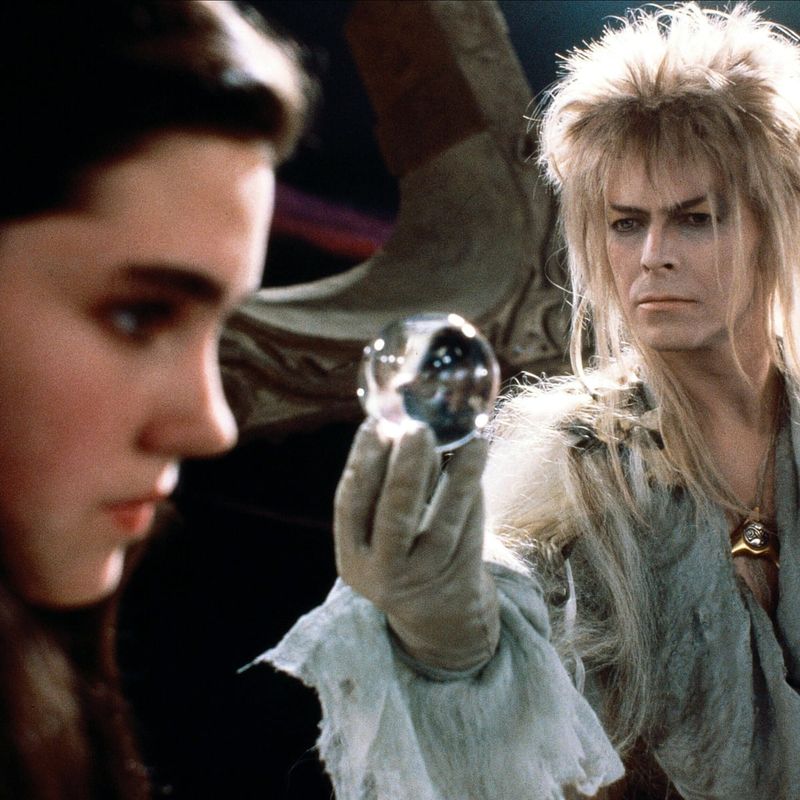
David Bowie as a Goblin King. Puppets by Jim Henson.
George Lucas producing. Labyrinth had all the ingredients for a smash hit, yet it lost around $22 million at the box office and left critics underwhelmed.
Kids who grew up watching it on VHS felt differently. The film’s inventive world, catchy Bowie songs, and Jennifer Connelly’s spirited lead performance made it an obsession for an entire generation.
Labyrinth is now a full-blown cultural touchstone with passionate fans worldwide.
8. The Black Cauldron (1985)
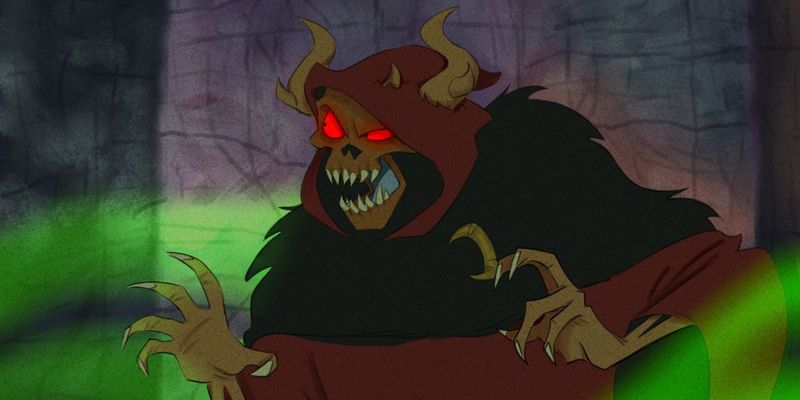
Disney’s most daring animated film of the 1980s was also its biggest bomb. The Black Cauldron was dark, scary, and nothing like the cheerful musicals audiences expected from the studio.
It was pulled from some theaters after just one week.
Animation fans slowly rediscovered it as a bold, flawed experiment that pushed the boundaries of what Disney would attempt. The Horned King remains one of the studio’s most terrifying villains, and the film’s gothic atmosphere still stands out from everything around it.
9. Big Trouble in Little China (1986)
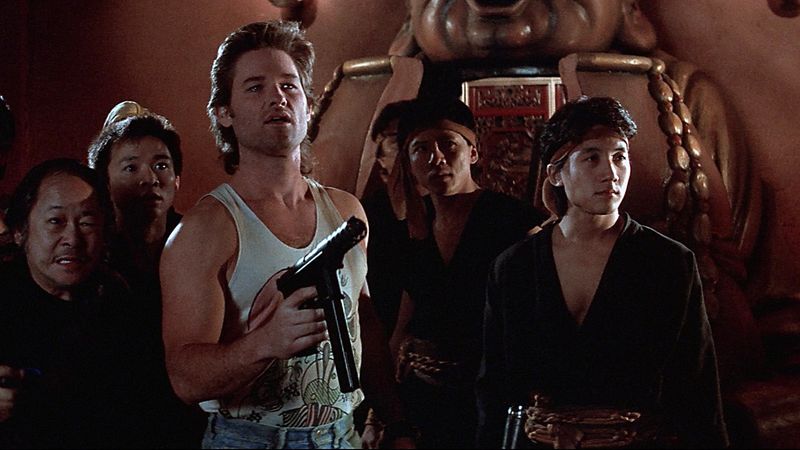
John Carpenter’s gloriously weird action-comedy made just $11 million against a $23 million budget, and 20th Century Fox was furious. Audiences expecting a straightforward action film were thrown off by its gonzo humor and mythology-heavy plot.
On home video, Big Trouble in Little China found exactly the audience it deserved. Kurt Russell’s hilariously overconfident Jack Burton became a beloved character, and the film’s insane blend of kung fu, fantasy, and comedy turned it into a cult institution.
10. Highlander (1986)

There can be only one — and unfortunately, at the box office, Highlander barely counted. Grossing just $12.9 million against a $19 million budget, the film was considered a disappointment.
Its unusual mix of time periods and operatic storytelling baffled many viewers.
Home video turned everything around. The Queen soundtrack, Christopher Lambert’s brooding lead, and the film’s grand mythology attracted a passionate fanbase.
Highlander spawned sequels, a TV series, and a following that has never faded since.
11. Dune (1984)
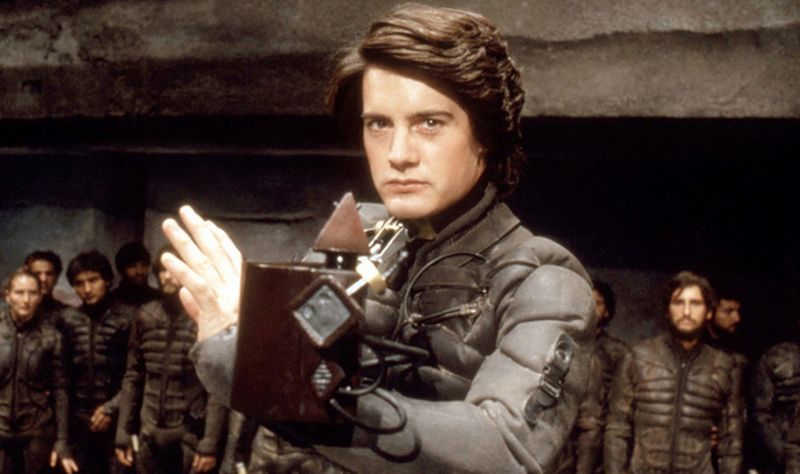
Frank Herbert’s sprawling sci-fi epic was always going to be a challenge to adapt. David Lynch’s version tried to cram an enormous story into two hours, and audiences left theaters confused.
The film lost around $10 million on release.
Science fiction fans gradually came to appreciate the film’s ambition and strange beauty. Its dense world-building, iconic costume design, and haunting score by Toto earned it a second life on cable TV and VHS.
Today it’s considered a flawed but fascinating classic.
12. Blade Runner (1982)
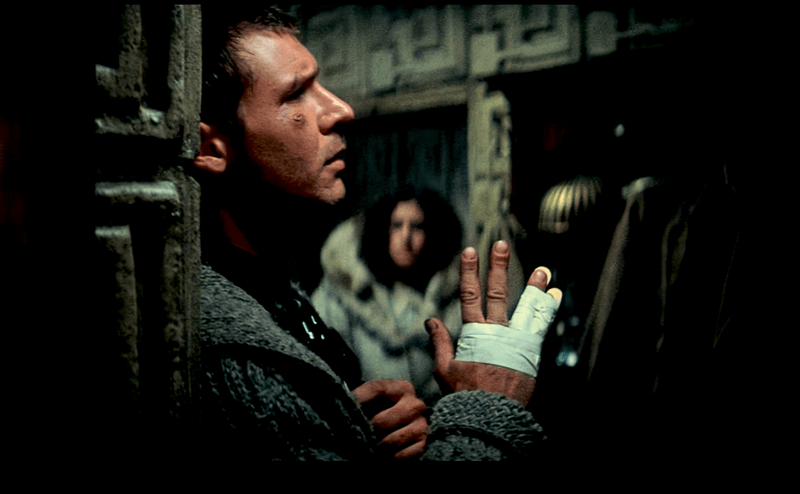
Ridley Scott’s neon-drenched vision of the future opened in the summer of 1982 and got crushed by E.T. and other blockbusters. Critics were divided, and audiences found it slow and confusing.
The studio even added a cheerful narration to make it more accessible.
VHS rentals changed everything. Viewers discovered its layered story and stunning visuals on their own terms.
Multiple director’s cuts later, Blade Runner is now considered one of cinema’s greatest achievements and a cornerstone of the sci-fi genre.
13. The King of Comedy (1983)
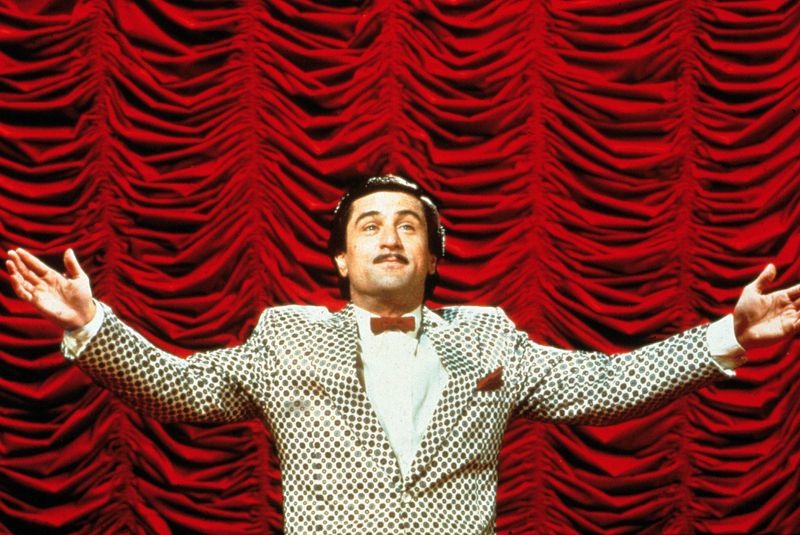
At the time of its release, audiences expected another gangster epic from Martin Scorsese and Robert De Niro. What they got instead was a deeply uncomfortable satire about fame obsession, and most of them hated it.
The film was seen as a career stumble for both men.
Years later, The King of Comedy looks like prophecy. Its portrait of a delusional fan willing to do anything for celebrity feels eerily familiar in the social media age.
Critics now rank it among Scorsese’s finest work.
14. Streets of Fire (1984)
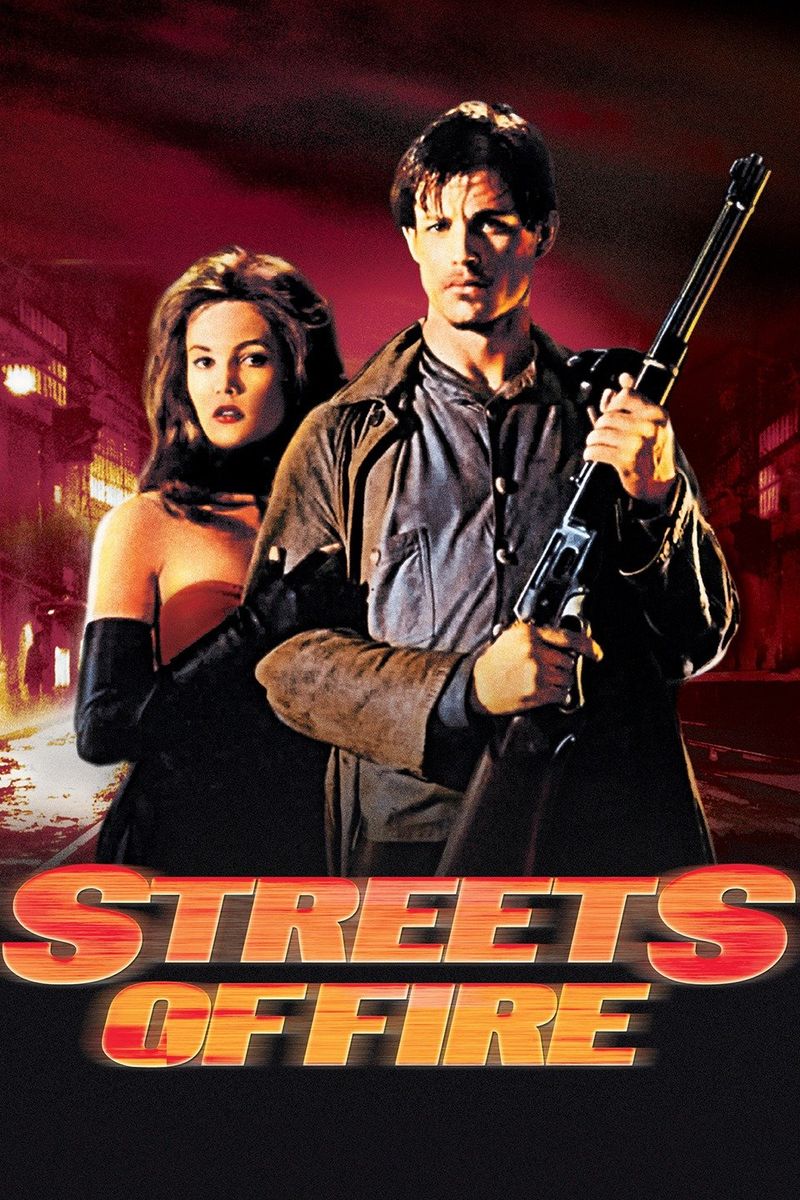
Billed as a rock and roll fable, Streets of Fire was a bold stylistic experiment that mixed 1950s aesthetics with ’80s energy. Audiences didn’t know what genre it belonged to, and it flopped badly at the box office.
But its concert photography, saturated visuals, and swagger gave it an undeniable cool factor that aged remarkably well. Music fans and film buffs slowly discovered it, drawn in by its incredible soundtrack and the sheer audacity of its visual style.
It became a cult aesthetic blueprint.
15. The Adventures of Buckaroo Banzai Across the 8th Dimension (1984)
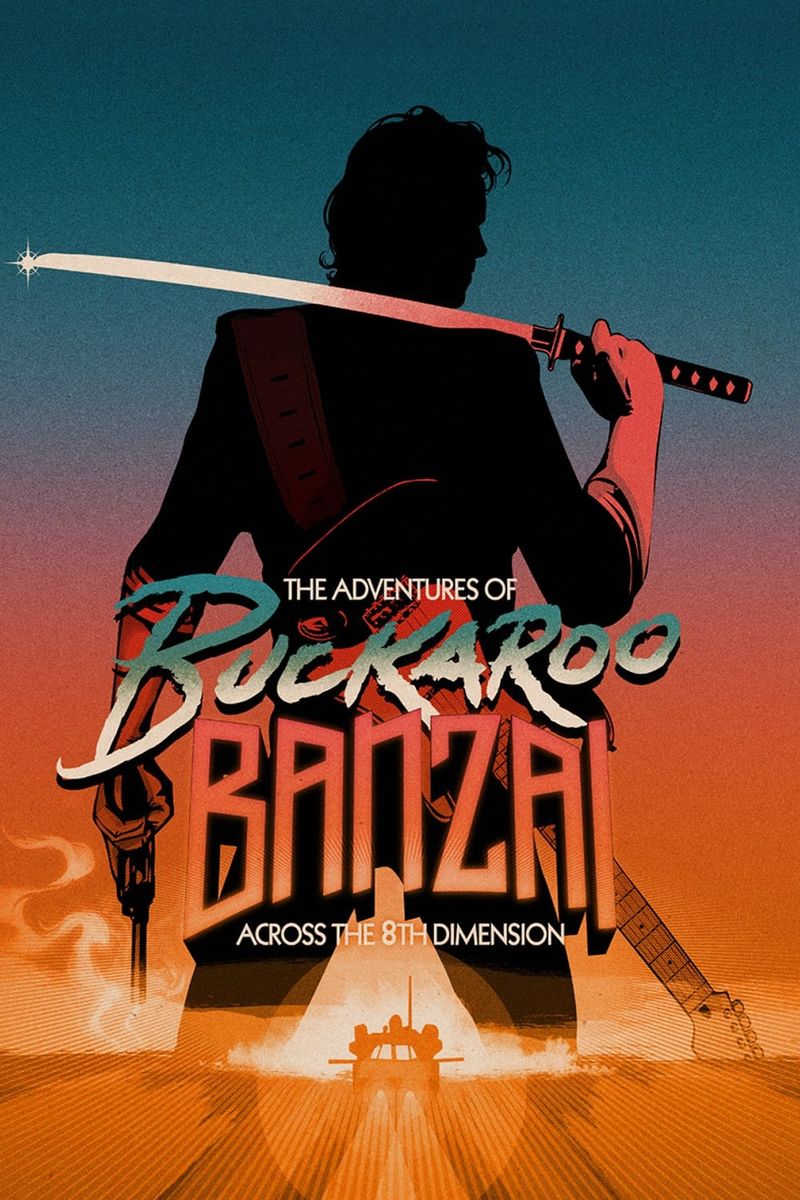
Studios had no idea how to sell a movie about a rock musician neurosurgeon who fights alien invaders in between performing concerts. The marketing was a disaster, and audiences stayed away in droves.
Cult film fans, however, instantly recognized its genius. Buckaroo Banzai is endlessly creative, packed with jokes that reward repeat viewings, and filled with a cast clearly having the time of their lives.
It remains one of the most lovably odd science fiction films ever committed to celluloid.
16. Flash Gordon (1980)
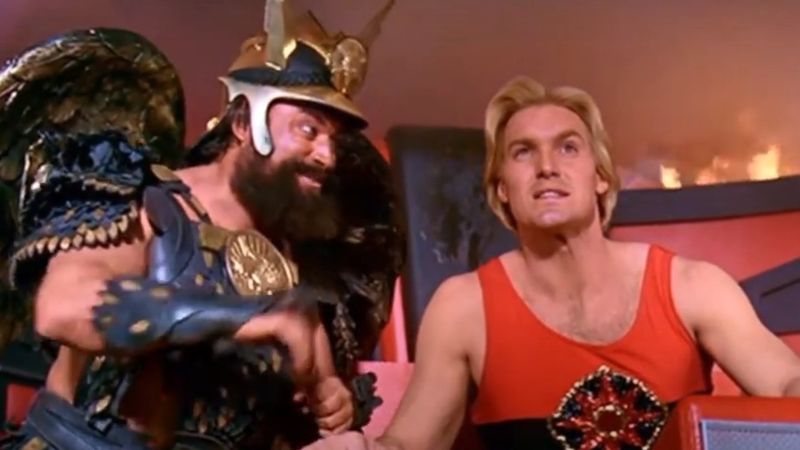
Flash Gordon crashed and burned in American theaters, where audiences found its campy tone and outrageous visuals too silly to take seriously. The studio had hoped for a Star Wars rival; instead they got a box office misfire.
Overseas — especially in the UK — Flash Gordon became a phenomenon. Its Queen soundtrack, gloriously over-the-top production design, and cheerful absurdity found a massive audience on home video.
Today it’s celebrated as one of the most joyfully wild sci-fi adventures ever made.
17. Repo Man (1984)
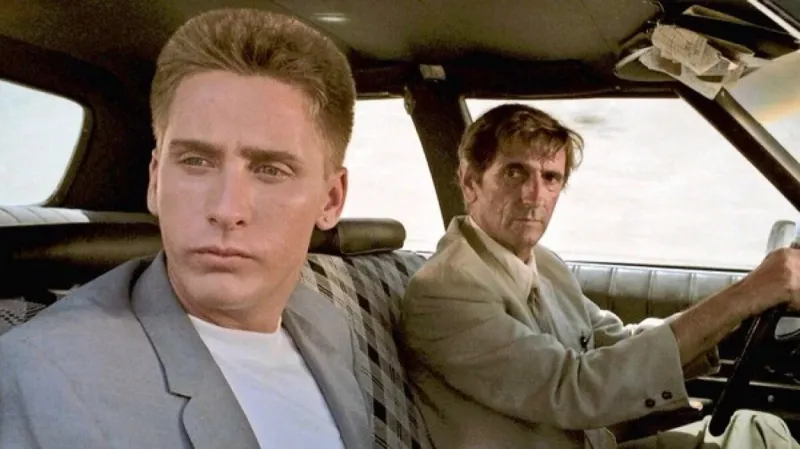
Studio executives reportedly called Repo Man too weird to market, and they weren’t wrong — it’s a film about car repossession, alien conspiracies, and punk rock philosophy that defies easy description. Marketing support was dropped, and it faded fast.
Underground audiences discovered it through word of mouth and fell hard for its spiky dialogue and anarchic energy. The punk rock soundtrack became legendary, and the film earned a devoted following that saw it as a genuine voice of outsider culture.
A true cult landmark.
18. Legend (1986)
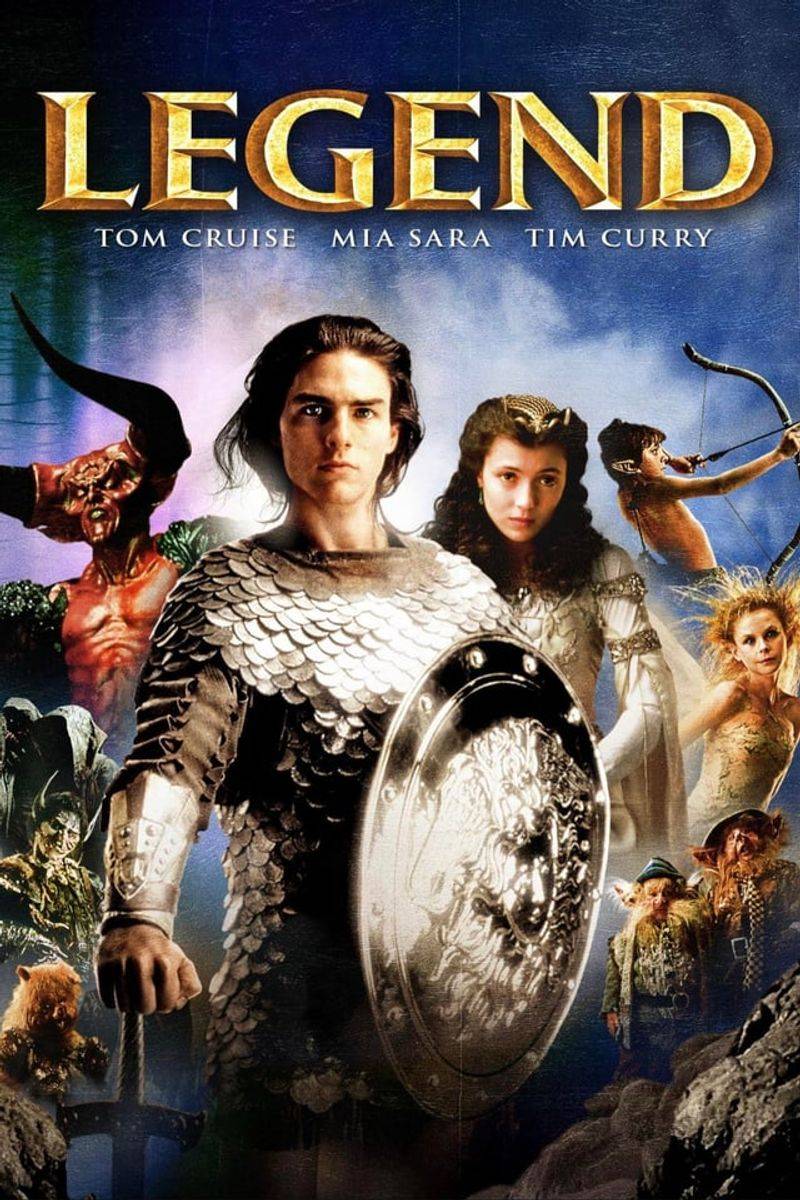
Ridley Scott’s lush fairy tale starred a young Tom Cruise and featured some of the most gorgeous fantasy visuals of the decade. Critics were unkind, and the film underperformed against its $25 million budget, making just $23.5 million worldwide.
Fantasy fans eventually embraced it for its dreamlike beauty and Tim Curry’s jaw-dropping performance as Darkness. The film earned several awards and nominations over time, and the director’s cut — featuring a different score — gave it a whole new layer of appreciation among devoted followers.
19. Dragonslayer (1981)
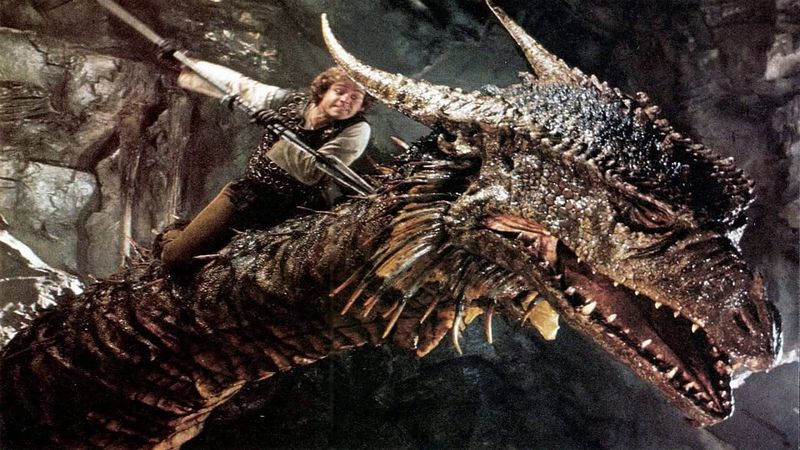
Critics actually admired Dragonslayer’s groundbreaking special effects and surprisingly dark tone for a fantasy film. The dragon Vermithrax remains one of the most convincing creatures ever put on screen.
But general audiences in 1981 weren’t quite ready for such a grim take on the genre.
Over the years, fantasy fans and filmmakers have celebrated it as a landmark achievement. George Lucas and Steven Spielberg reportedly called it the best dragon film ever made, and its reputation has only grown stronger with each passing decade.
20. The Monster Squad (1987)
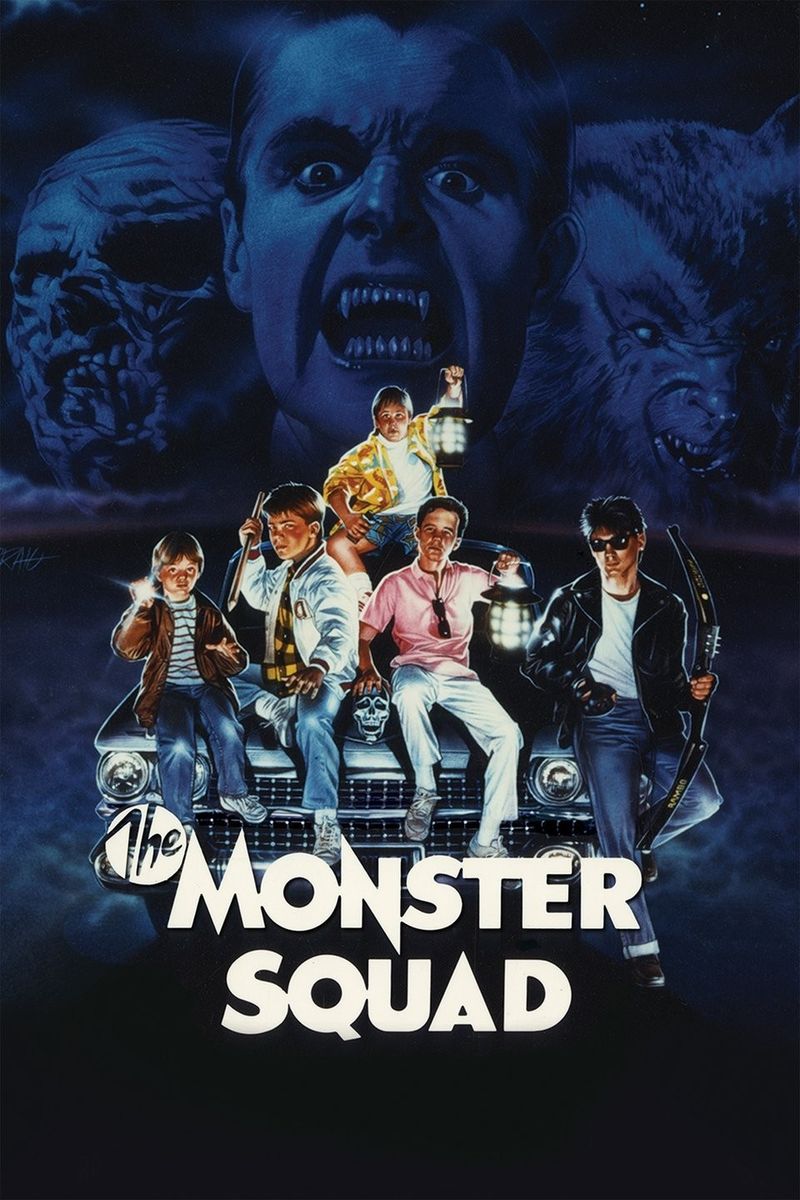
The Monster Squad had one of the worst opening weekends of 1987. Its studio couldn’t figure out how to sell a horror-comedy where classic monsters genuinely tried to murder children — too scary for young kids, too goofy for adults.
Home video fixed everything. Kids who rented it absolutely loved its wild energy, genuine scares, and hilarious moments.
The film built a massive cult following that has only grown stronger over time, and its famous line about Wolfman’s anatomy is still quoted with great affection today.