
Music from the 1960s gave us some unforgettable moments, but not every hit has stood the test of time. Some songs from 1965 that topped the charts now raise eyebrows for their lyrics, attitudes, or just plain silliness.
Looking back at these tracks is a fascinating way to see how much culture and values have shifted over the decades. Buckle up, because this trip down memory lane comes with a few cringeworthy stops along the way.
1. Run For Your Life – The Beatles
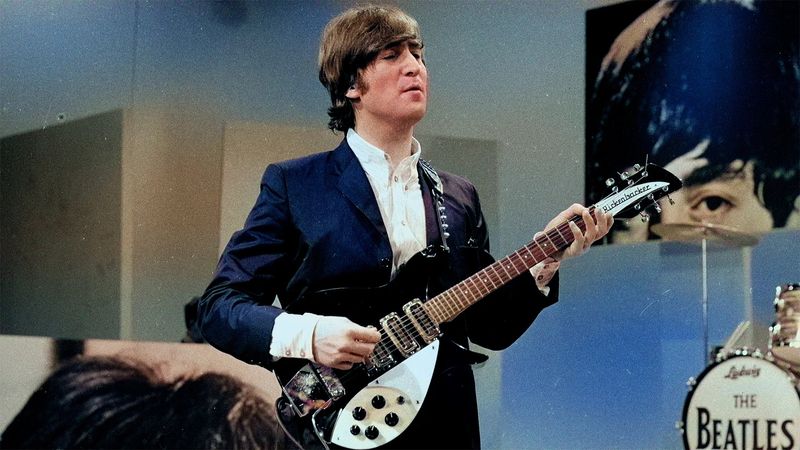
John Lennon himself called this one of his least favorite Beatles songs, and it’s easy to see why. The lyrics threaten a woman with death if she dares to be with another man.
Lines like “I’d rather see you dead, little girl” hit very differently in today’s world.
Lennon borrowed the opening line from an old Elvis Presley track and built an entire song around it. What might have seemed edgy in 1965 now reads as a textbook example of dangerous, controlling behavior wrapped in a catchy melody.
2. Wooly Bully – Sam The Sham & The Pharaohs
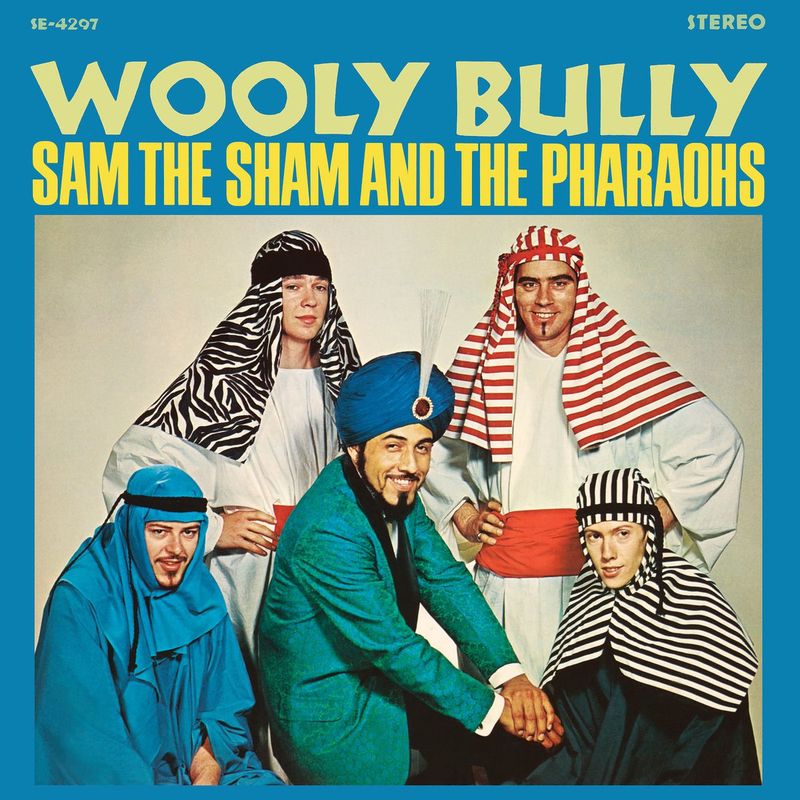
“Wooly Bully” was the most-played song on American radio in 1965, which makes it all the more puzzling when you listen to it today. The song is pure nonsense energy, built on gibberish and goofiness that was charming for its moment but struggles to connect with modern ears.
It feels less like a pop song and more like a time capsule stuffed with confetti. The humor just doesn’t land the same way anymore, leaving many listeners scratching their heads rather than dancing along.
3. I Can’t Help Myself (Sugar Pie, Honey Bunch) – Four Tops
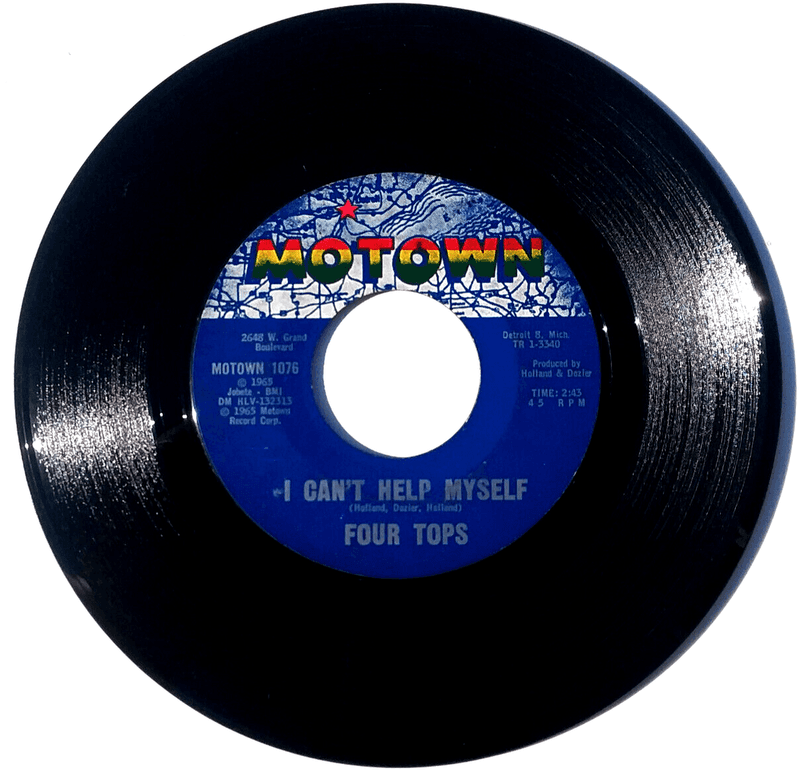
On the surface, this Four Tops classic sounds like pure, sweet devotion. The melody is undeniably catchy, and Levi Stubbs pours his heart into every note.
But listen more closely to the words, and a thread of possessiveness starts to unravel.
The narrator essentially admits he cannot accept the idea of a woman having her own boundaries or independence. Framed as romantic helplessness, it actually describes someone who refuses to respect limits.
That reading feels uncomfortable compared to how the song was originally celebrated.
4. Can’t You Hear My Heartbeat – Herman’s Hermits
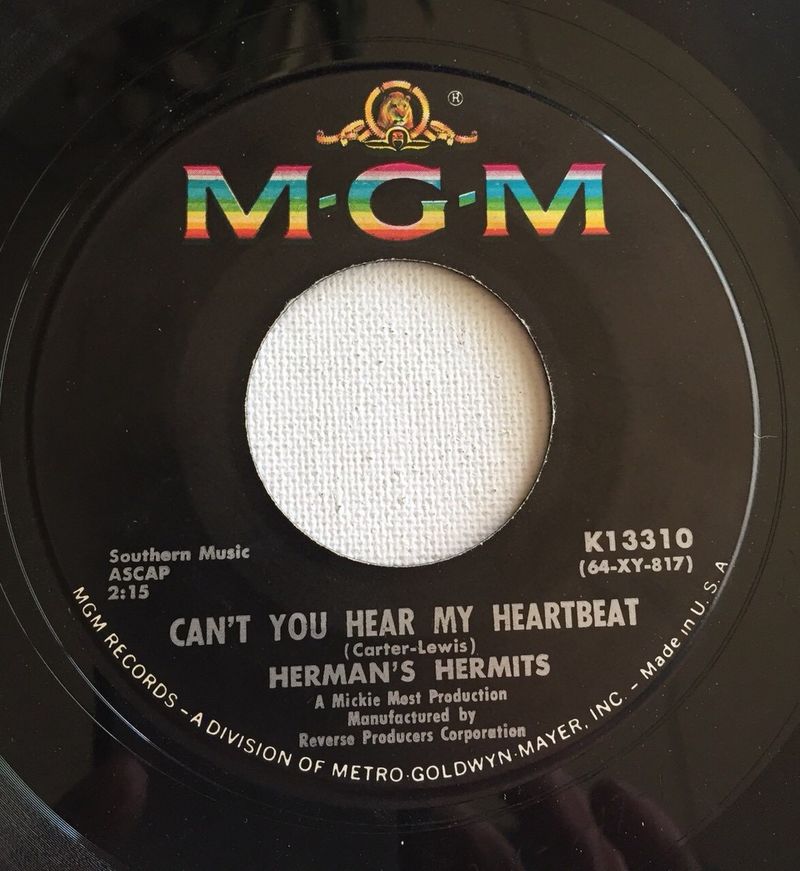
Herman’s Hermits had a knack for relentless cheerfulness, and this song takes that energy to an almost overwhelming level. The singer’s desperate longing comes across less like romance and more like someone who absolutely cannot take a hint.
Imagine receiving seventeen “you up?” texts in a row and you’ll get the vibe. What passed for adorable teenage infatuation in 1965 now reads more like someone who really needs to be told to back off and breathe.
Cute then, exhausting now.
5. Crying In The Chapel – Elvis Presley
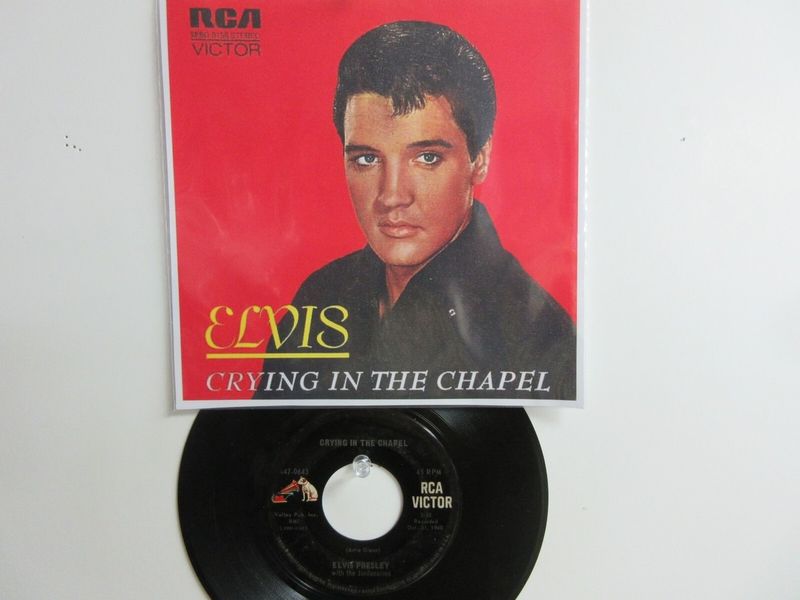
Elvis recorded this gospel-pop ballad back in 1960, but it wasn’t released until 1965, when it became a major hit. The song blends spiritual themes with mainstream pop in a way that felt natural at the time but sounds distinctly old-fashioned today.
There’s genuine sincerity in Elvis’s voice, and that part still works. The bigger issue is that the song’s style of mixing church and pop radio has become a relic.
It’s a charming artifact, but one that belongs firmly in its own era.
6. (I Can’t Get No) Satisfaction – The Rolling Stones
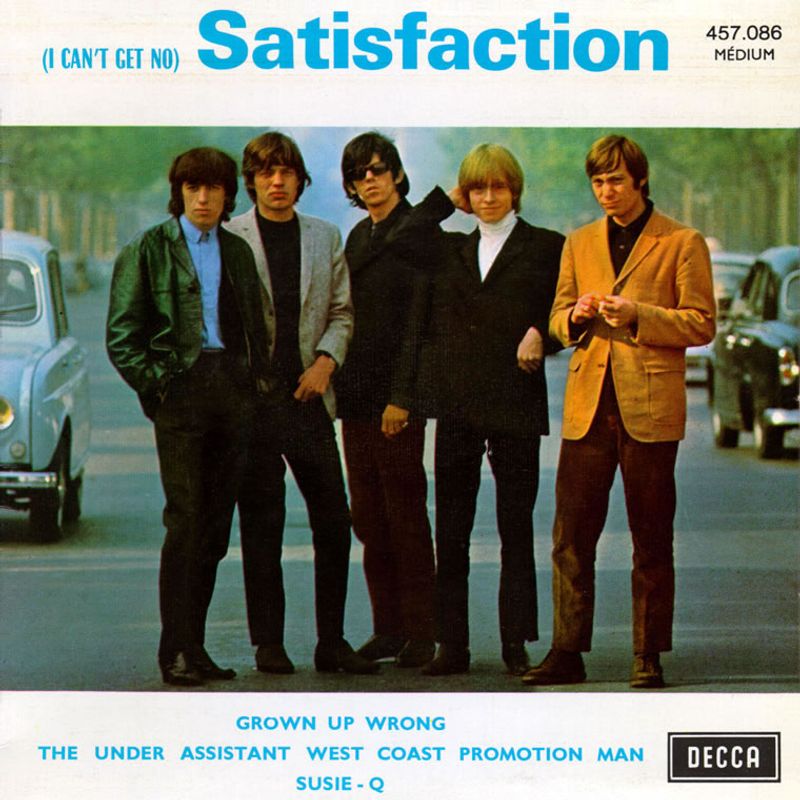
Few songs scream “classic rock” louder than this one, and the guitar riff remains iconic. But buried inside the verses are complaints that have quietly become museum pieces.
Mick Jagger gripes about cigarette commercials and radio static like they’re the biggest problems in the world.
In the age of streaming, targeted ads, and social media, those gripes sound almost quaint. The frustration that felt rebellious and urgent in 1965 now comes across like someone complaining about a problem that disappeared decades ago.
7. Save Your Heart For Me – Gary Lewis & The Playboys
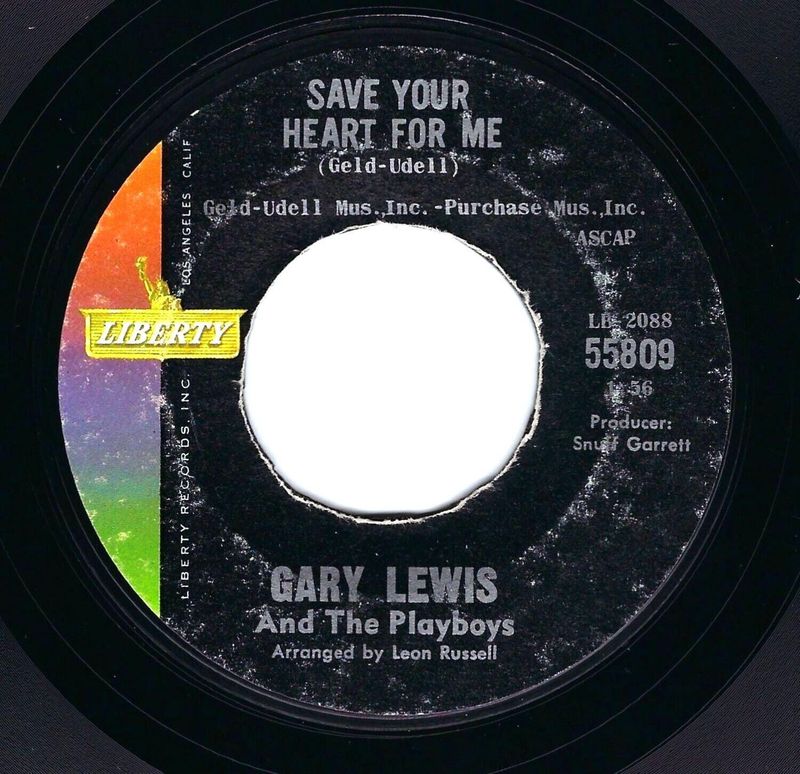
Gary Lewis had a wholesome, boy-next-door image, but this song’s lyrics tell a slightly different story. He essentially tells his girlfriend she can go out and have fun while he’s away, just as long as she doesn’t fall for anyone else.
Framed as sweet devotion, the message is actually pretty controlling. He’s setting rules for her behavior while he’s gone, with no mention of the same rules applying to himself.
That double standard hits a lot harder now than it probably did in 1965.
8. I’m Henry the Eighth, I Am – Herman’s Hermits
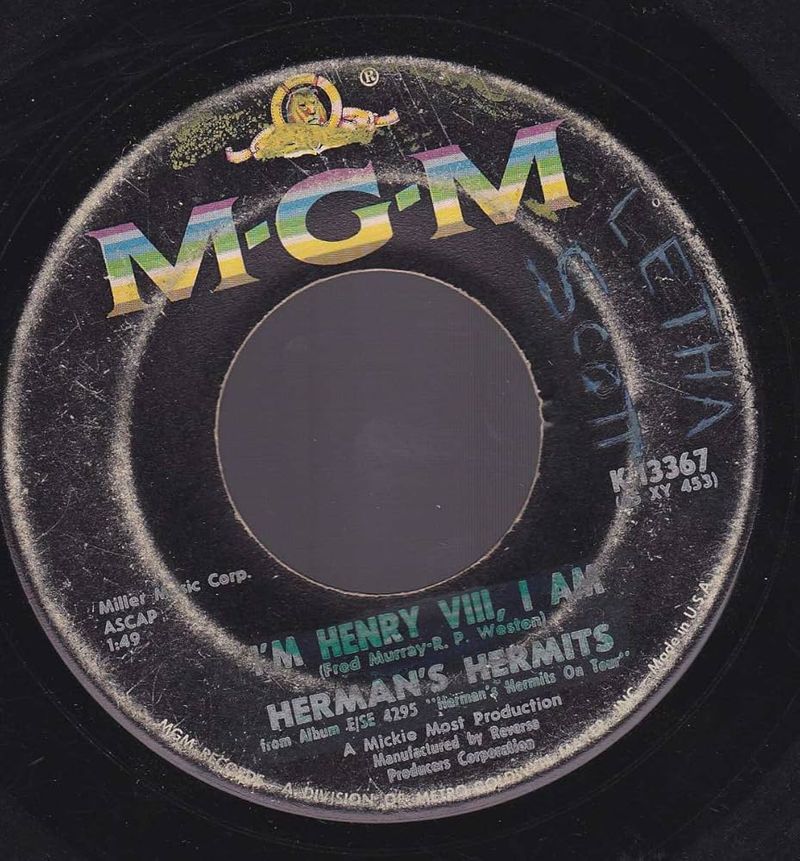
Herman’s Hermits scored two spots on this list, and this one is arguably the more painful of the two. “I’m Henry the Eighth, I Am” is a vaudeville novelty song that was already ancient when the band recorded it. Repetitive, nasal, and built on a single joke, the track wears out its welcome fast.
Even in 1965, calling it a “song” was generous. Today it lands somewhere between ear worm and mild punishment.
It’s the kind of track that gets stuck in your head for all the wrong reasons.
9. The Name Game – Shirley Ellis
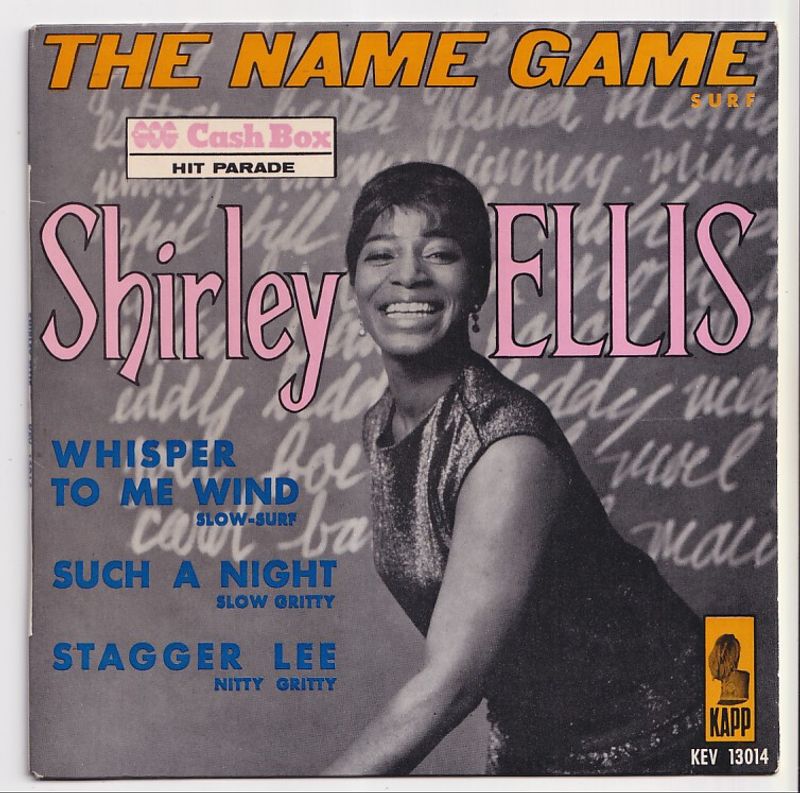
Shirley Ellis turned a children’s playground rhyme into a pop chart hit, which was either a stroke of genius or a sign that 1965 radio was surprisingly easy to crack. The Name Game is essentially a nursery rhyme with a backbeat, and it’s hard to argue otherwise.
The 60s R&B instrumentation underneath is perfectly fine, but it can’t disguise the fact that the main attraction is a word game you’d find in a kindergarten classroom. Catchy?
Yes. Pop music?
That’s debatable even today.
10. Baby The Rain Must Fall – Glenn Yarbrough
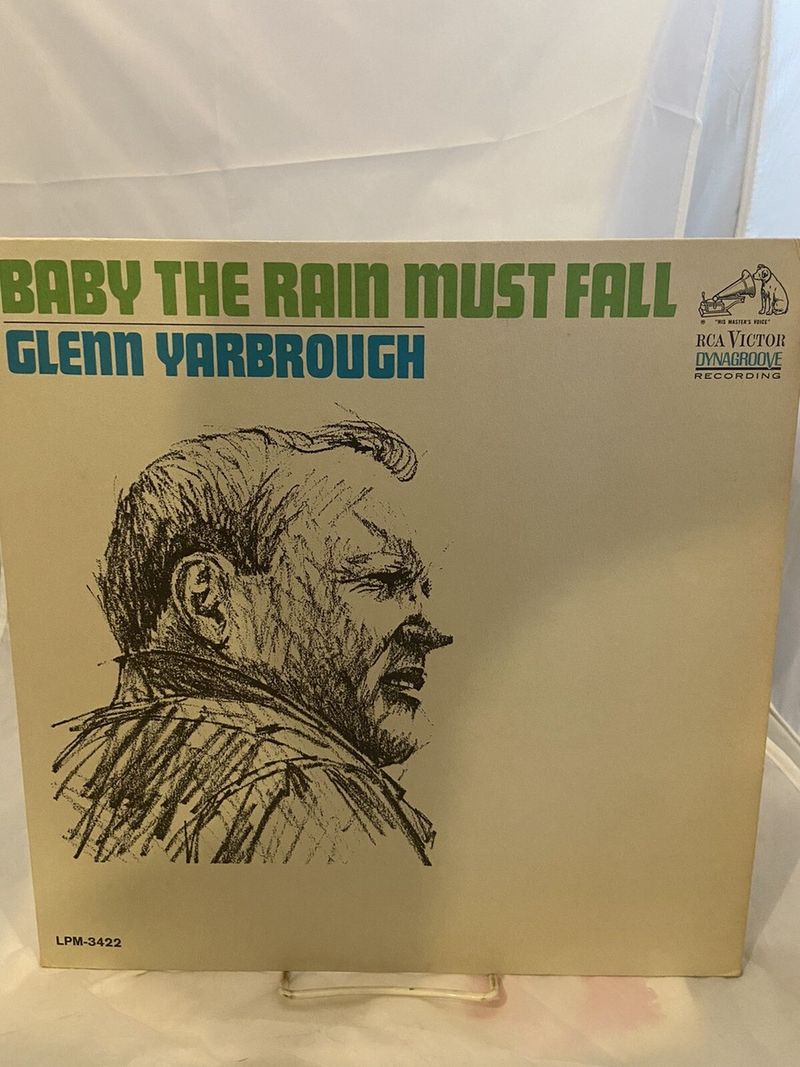
Film soundtrack songs from the 1960s had a particular flavor, and this one is a textbook example of the genre’s weakest tendencies. Glenn Yarbrough’s voice is pleasant enough, but the song itself is remarkably forgettable, built on generic instrumentation and lyrics that meander without landing anywhere interesting.
The story follows a man who refuses to commit because of some personal passion, presented in a vaguely poetic but ultimately hollow way. It’s the musical equivalent of a shrug, which doesn’t exactly age with grace.
11. Laugh, Laugh – The Beau Brummels
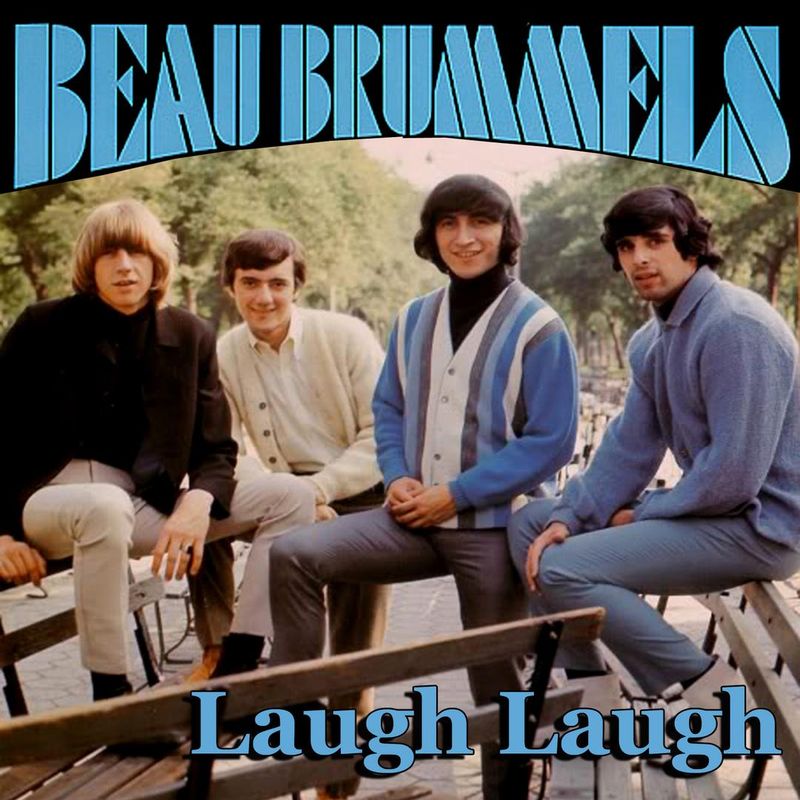
Opening a song with taunting laughter aimed at someone who got hurt in a relationship is a bold choice, and not in a good way. The Beau Brummels kick off “Laugh, Laugh” with a smugness that feels more mean-spirited than clever, essentially mocking an ex for trusting the wrong person.
The lyrical approach is blunt and graceless, lacking the wit needed to pull off that kind of attitude. What might have passed for sharp in 1965 now reads as someone who really should have taken the high road.
12. Take Me Back – Little Anthony & the Imperials
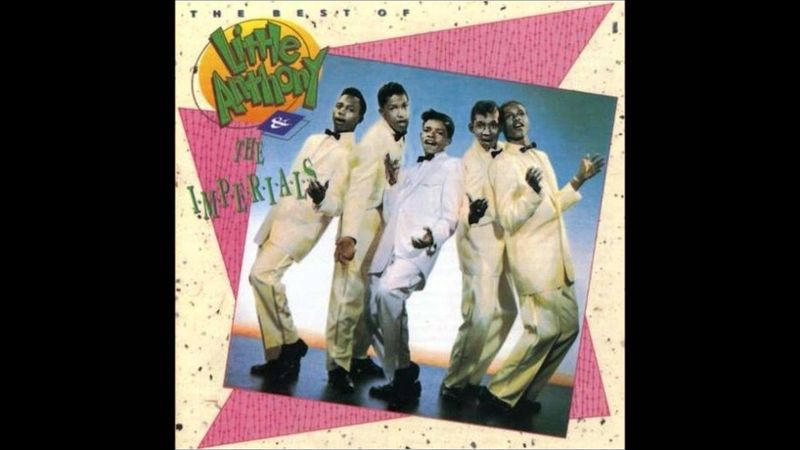
Breakup songs are timeless, but there’s a fine line between heartfelt longing and full-on desperation. Little Anthony crosses that line pretty early in this track, cycling through pleas so extreme they stop feeling romantic and start feeling uncomfortable.
Listening today, it’s hard not to wonder about the dynamics of the relationship he’s begging to return to. The emotional intensity reads less like devotion and more like someone who really needs a good friend to talk some sense into them.
Relatable? Maybe.
Healthy? Definitely not.
13. Don’t Just Stand There – Patty Duke
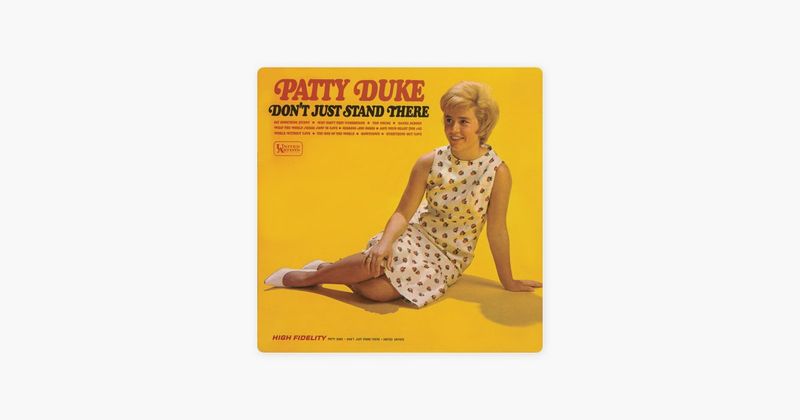
Patty Duke was a talented actress who won an Academy Award at sixteen, but pop stardom was a different arena entirely. “Don’t Just Stand There” showcases a vocal performance that sounds half-hearted at best, like someone reading lines they weren’t particularly excited about.
The song itself is harmless teen pop, but the lack of genuine enthusiasm makes it hard to connect with. It feels like a record label cashing in on a famous name rather than nurturing actual musical talent.
That kind of product ages about as well as you’d expect.
14. What’s New Pussycat? – Tom Jones
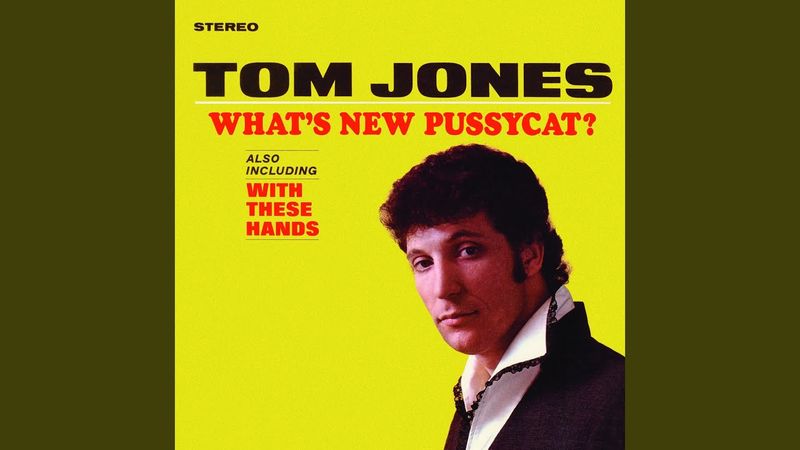
Tom Jones has one of the most powerful voices in pop history, but this song gives him absolutely nowhere to go with it. The composition is chaotic and bombastic, and Jones leans into every note like he’s trying to be heard from the next county over.
There’s no subtlety, no restraint, and no real emotional range. The song became a novelty hit largely because of how aggressively over-the-top it is.
That quality made it memorable in 1965, but today it mostly just sounds exhausting after the first chorus.
15. Hang on Sloopy – The McCoys
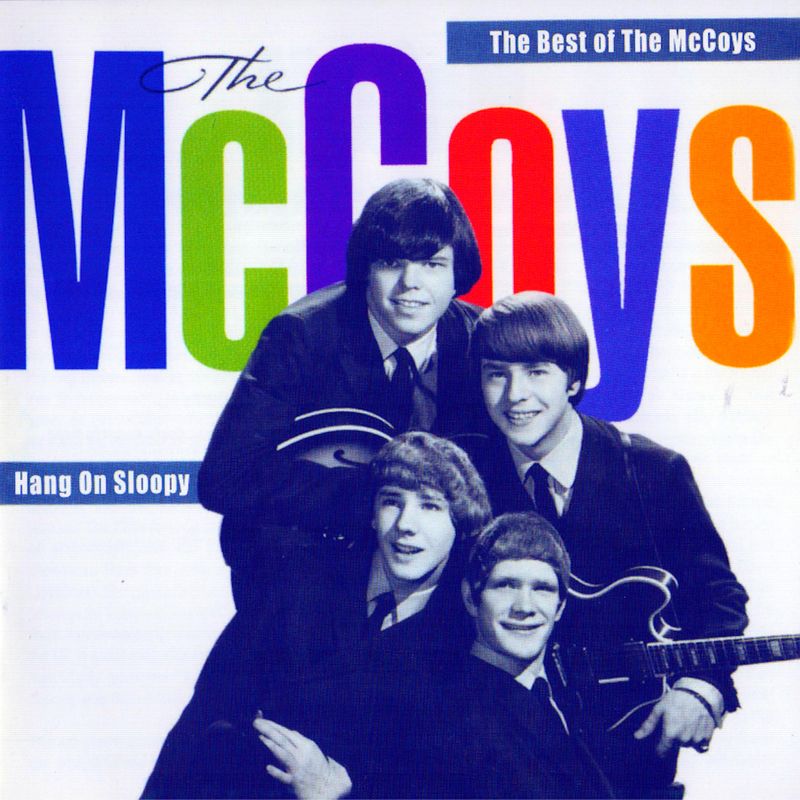
Garage rock at its most enthusiastic, “Hang on Sloopy” has a raw energy that still holds up reasonably well. The problem isn’t the music itself but the sheer volume of times the word “Sloopy” gets repeated throughout the track.
At some point it stops feeling like a song about a girl and starts feeling like an endurance test. Counting the name repetitions becomes more entertaining than actually listening to the lyrics.
It’s a fun track that just didn’t know when to quit, and that quirk gets harder to ignore with each passing decade.
16. Tell Her No – The Zombies
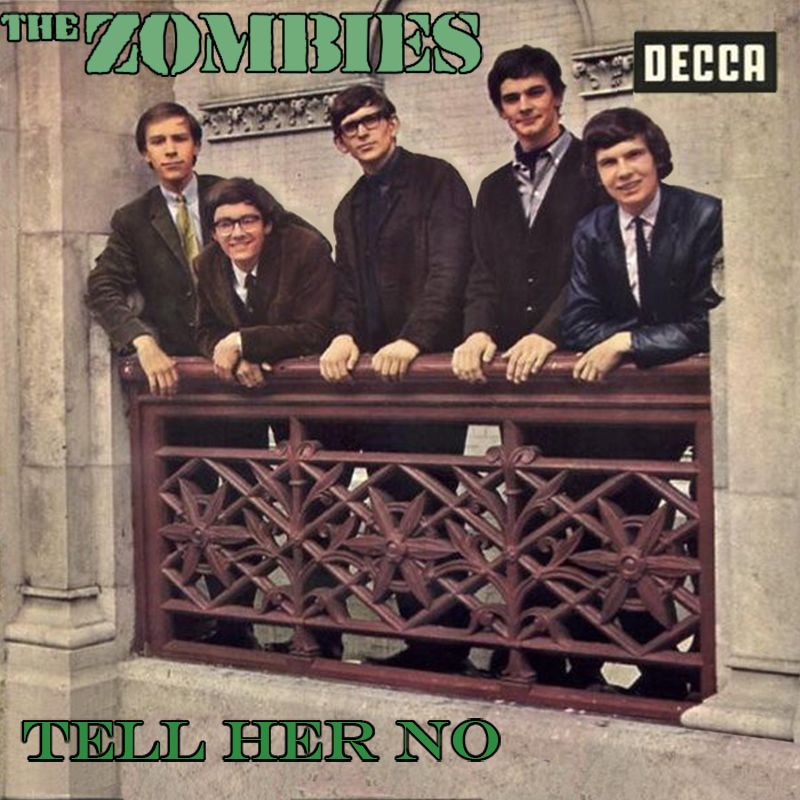
The Zombies were known for thoughtful, layered songwriting, which makes “Tell Her No” a bit of an odd entry in their catalog. The chorus features the word “no” repeated twenty-one consecutive times, which is either a bold artistic statement or a sign that someone ran out of ideas mid-session.
The song frames itself as a cautionary warning to a friend, but the obsessive repetition makes it feel more manic than wise. Compared to the band’s more sophisticated work, this one stands out as a lyrical curiosity that hasn’t gotten more interesting with age.
17. Eve of Destruction – Barry McGuire
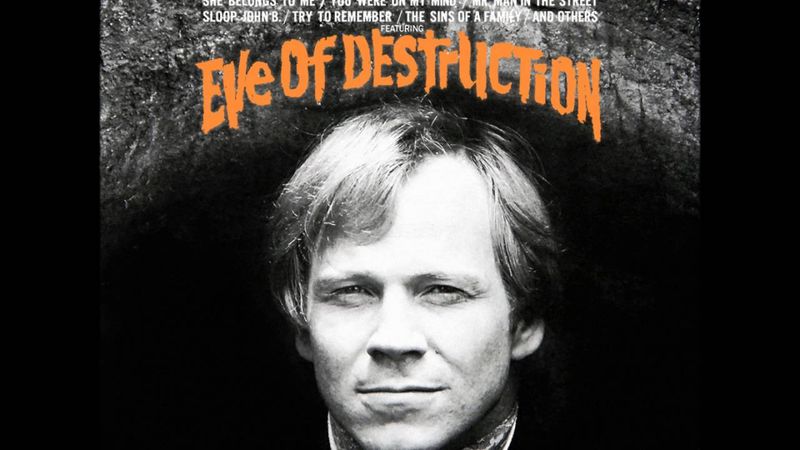
Barry McGuire’s gravelly voice gives this protest anthem a raw urgency that still commands attention. The song was so controversial in 1965 that several American radio stations refused to air it, which made it even more popular with rebellious young listeners.
The problem is that it namechecks specific events and political flashpoints so directly that it started sounding dated almost immediately. Forced rhymes and clunky word choices don’t help either.
As a snapshot of 1965 anxiety it’s fascinating, but as timeless protest music it stumbles under the weight of its own specificity.