
Growing up in the 1970s was a completely different experience than childhood today. Kids back then lived by a set of rules that might sound bizarre, strict, or even unbelievable to younger generations.
From bizarre household regulations to surprising school policies, these rules shaped an entire era. Buckle up, because some of these will seriously make your jaw drop.
1. No Touching the Fridge Without Permission
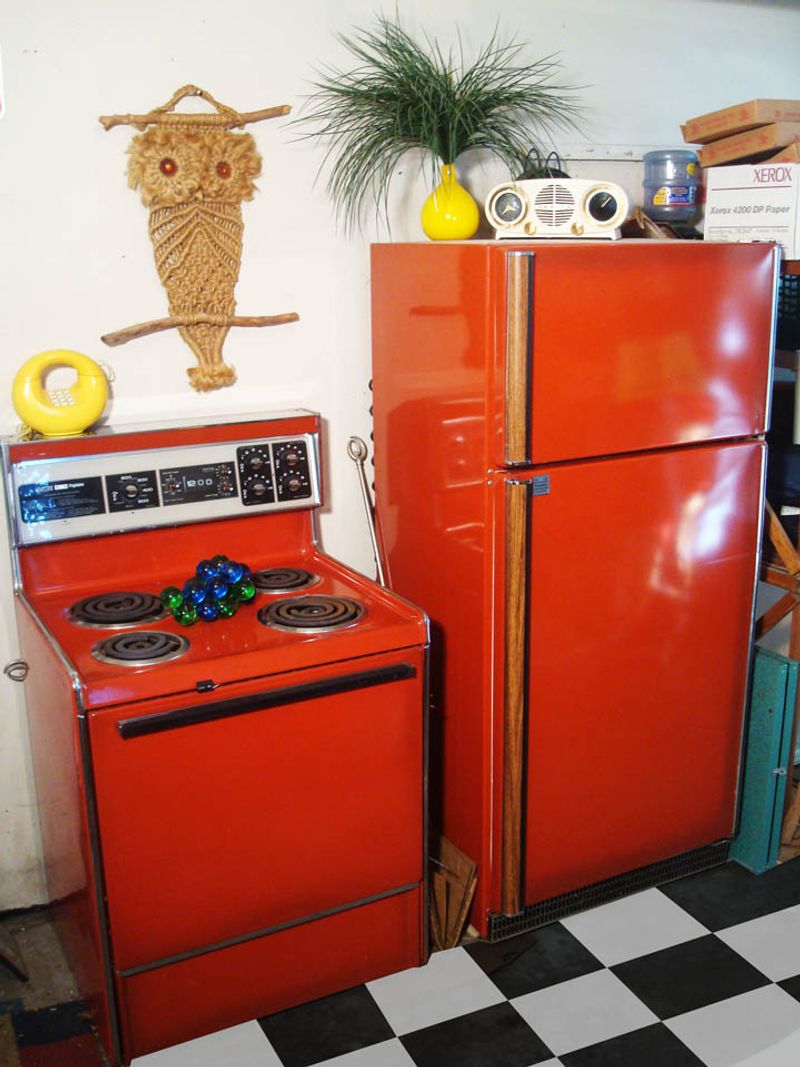
Imagine being hungry after school and not being allowed to open the refrigerator without asking first. That was everyday life for kids in the 1970s.
Parents kept tight control over food access, partly to manage grocery budgets and partly because household rules were simply stricter back then.
Today, most kids raid the fridge freely without a second thought. Back then, doing so without permission could land you in serious trouble fast.
2. Never Call Adults by Their First Name
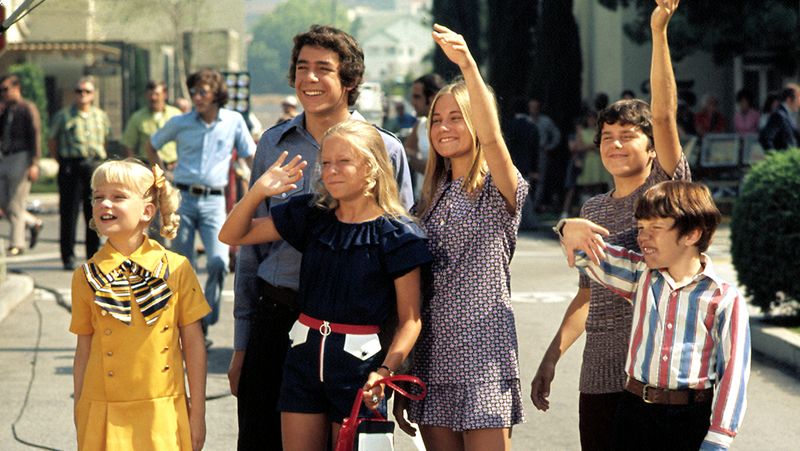
Calling a grown-up by their first name in the 1970s was basically asking for trouble. Kids were expected to say “Mr.,” “Mrs.,” or “Ma’am” at all times, no exceptions.
Respect for adults was not optional; it was drilled into children from a very young age.
Today, many adults actually encourage kids to use first names to feel more relaxed. That kind of casual familiarity would have been unthinkable just a few decades ago.
3. No Phone Calls During Dinner Hours
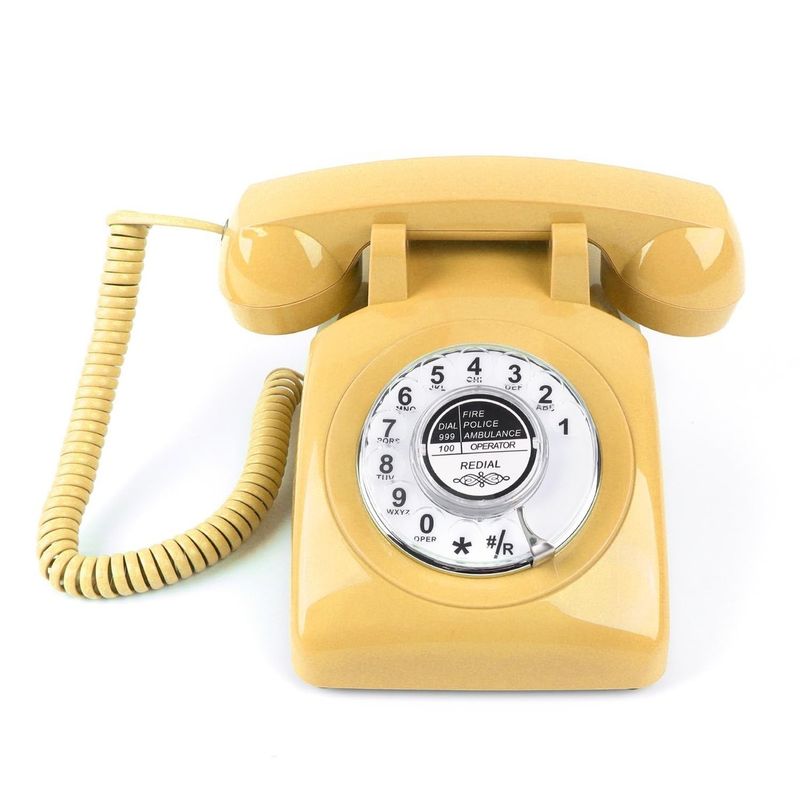
Back in the ’70s, the family phone had a strict schedule. Most households enforced a no-calls rule between 5 and 7 PM, right during dinner preparation and mealtime.
If you dared pick up the phone during those hours, you were in for a serious scolding.
Kids today can text, call, or video chat anytime they want. The idea of a phone curfew sounds almost comical now, but it was dead serious then.
4. You Must Play Outside Until Dinner
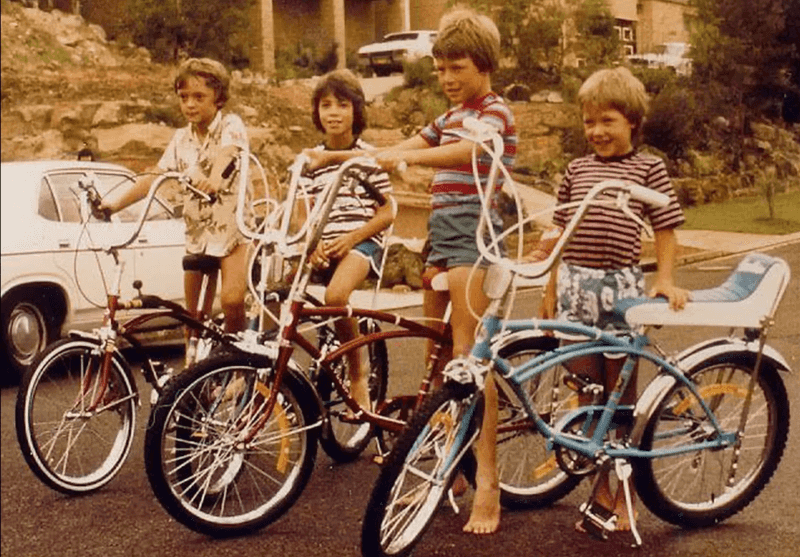
After school, kids in the 1970s were basically pushed out the door and told not to come back until dinner. Staying inside was not an option unless you were sick or a storm was raging outside.
Fresh air and outdoor play were considered essential, not optional.
Most kids today spend hours indoors gaming or scrolling through videos. The mandatory outdoor rule would feel like a punishment to many modern children, but back then it was just Tuesday.
5. Clean Your Plate or Stay at the Table

Wasting food in the 1970s was practically a crime in many households. Kids were required to eat every single bite on their plate, no matter what.
Peas, liver, or mystery casserole — it did not matter. You sat there until it was gone, period.
“There are starving children in the world” was the go-to parental line. Today, nutrition experts actually discourage forcing kids to eat, but back then, an empty plate was the only exit strategy from the dinner table.
6. Kids Could Not Answer the Front Door

Knock knock — but not your job, kid. In the 1970s, answering the front door was strictly an adult responsibility.
Even if a child recognized the visitor’s voice, they were expected to fetch a parent rather than open the door themselves.
It sounds overly cautious, but this rule was more about social formality than safety fears. Today, kids open doors all the time without thinking twice.
Back then, it was a firm household boundary that simply was not up for debate.
7. The Plastic-Covered Furniture Was Off-Limits
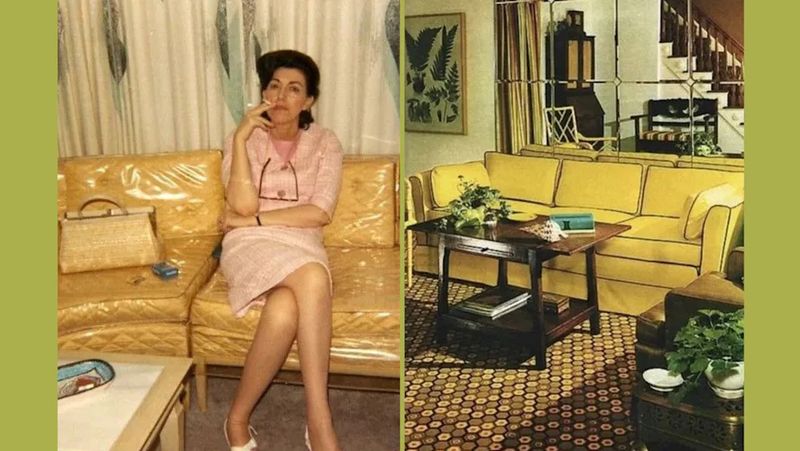
Many 1970s homes had a “good” living room that kids were basically forbidden to enter. The furniture was often covered in noisy, sticky plastic to keep it perfectly preserved.
Sitting on it without permission? Absolutely not happening.
This was about showing off for guests, not everyday comfort. It sounds ridiculous today, but families took enormous pride in having furniture that looked brand new for years.
Kids learned quickly that some rooms were for looking, not living in.
8. Come Home When the Streetlights Turn On

No smartwatch, no cell phone, no GPS — just the streetlights. When those lights flickered on at dusk, every kid in the neighborhood knew it was time to sprint home.
Missing that unspoken curfew meant real consequences when you finally walked through the door.
It was a surprisingly effective system that entire communities relied on. Parents never had to call or text because the streetlights did the parenting.
Today’s kids would probably need a reminder notification just to notice the lights came on.
9. Use the Back Door, Not the Front

Front doors in the 1970s were basically ceremonial objects. They were reserved for adult guests, formal visitors, and special occasions.
Kids were expected to use the side or back entrance every single time, no exceptions and no arguments accepted.
Tracking mud through the formal front hallway was an unforgivable offense. This rule kept the main entry of the house looking presentable.
It sounds oddly formal today, but for many families, maintaining appearances was genuinely important to everyday household pride.
10. Hands Off the Thermostat
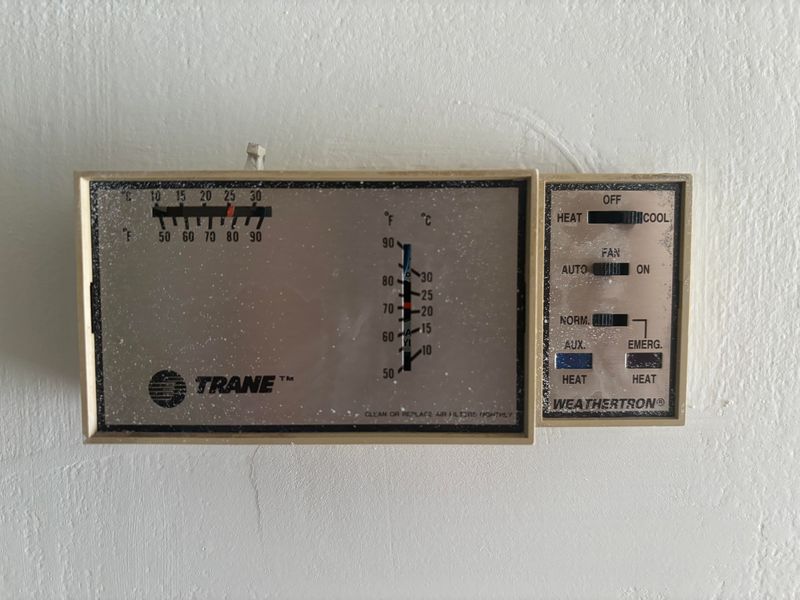
Feeling cold? Put on a sweater.
That was the standard 1970s parental response to any temperature complaint. The household thermostat was strictly an adult device, and children had absolutely zero authority over it.
Energy conservation was a real priority, especially after the 1973 oil crisis rattled American households.
Kids today can adjust smart thermostats with a voice command or phone app. Back then, even touching the dial without permission could result in a very unpleasant conversation with Mom or Dad.
11. Speak Only When Spoken To at Dinner
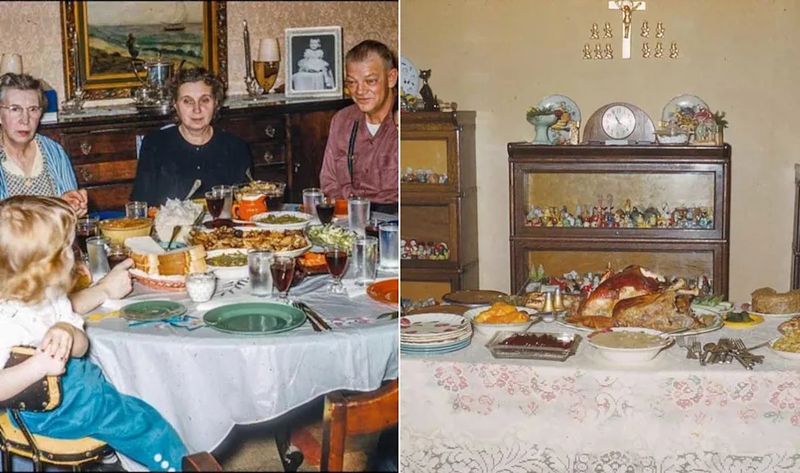
Dinner in many 1970s households was practically a formal ceremony. Children were expected to sit up straight, stay quiet, and only speak when an adult directly addressed them.
Interrupting grown-up conversations was considered shockingly rude and was swiftly corrected.
Family dinners today often involve kids freely sharing opinions, jokes, and stories. The idea of sitting silently through an entire meal feels almost medieval now.
Yet for an entire generation, this was simply called good manners and proper upbringing at the table.
12. Paddling Was Normal School Discipline
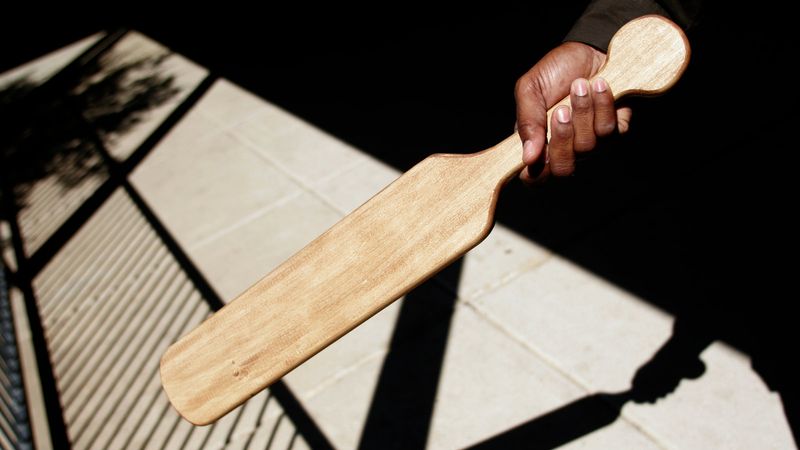
Corporal punishment in schools during the 1970s was not just allowed — it was widely accepted. Teachers and principals could paddle students for misbehaving, and it sometimes happened right in front of classmates.
Parents often supported this approach without question.
Today, physical discipline in schools is banned in most U.S. states, and for very good reason. The idea of a teacher paddling a student would cause immediate outrage.
Back then, it was simply considered an effective way to keep kids in line and classrooms orderly.
13. Girls Had to Wear Skirts to School
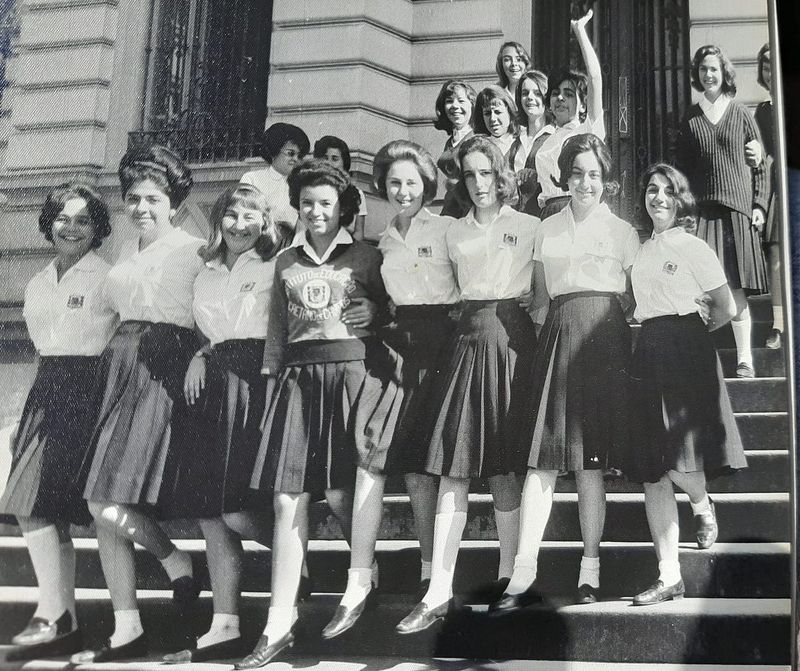
Gender-specific dress codes were strictly enforced in many schools during the 1970s. Girls were required to wear skirts or dresses, with pants often being completely off-limits regardless of weather or personal comfort.
Breaking the dress code could mean being sent home to change.
The early 1970s did see some pushback as attitudes began shifting, but change came slowly. Today, most schools allow students to wear whatever makes them comfortable.
That kind of freedom of expression simply did not exist for millions of girls just a few decades ago.
14. No Calculators Allowed in Math Class

Long division by hand, mental math drills, and pages of written calculations — that was math class in the 1970s. Calculators were strictly prohibited because teachers believed students needed to truly understand numbers, not just press buttons to get answers.
Today, calculators are built into every smartphone, and many schools actively teach students how to use them. Back then, showing up with a calculator was almost like cheating.
Mastering arithmetic the hard way was considered a fundamental life skill every child needed to develop.
15. No Doodling in Your Textbooks
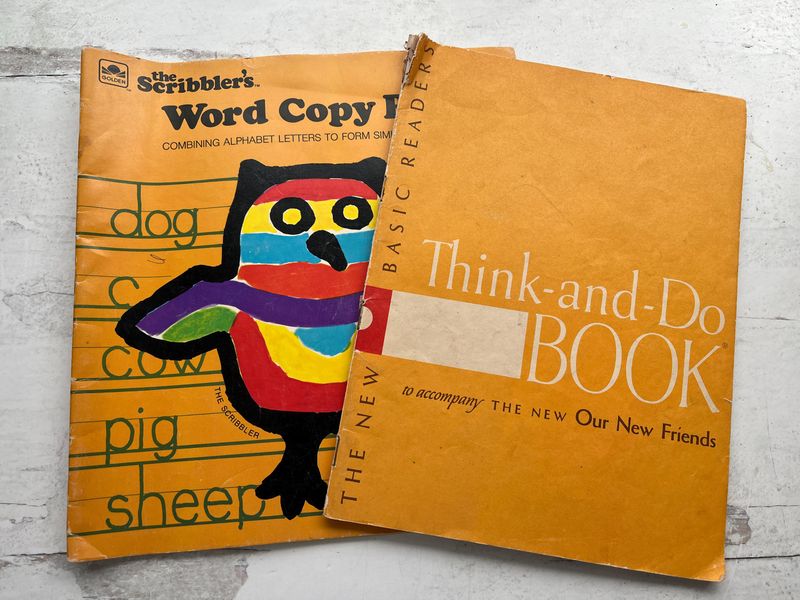
School textbooks in the 1970s were serious business. They were expensive, reused for years across multiple classes, and treated almost like borrowed treasures.
Writing, drawing, or doodling in them was a punishable offense that could result in fines or detention.
Kids today often personalize their notebooks and devices without a second thought. Back then, returning a textbook with a single pencil mark could mean real trouble.
The rule taught responsibility, but it also meant creative doodlers had to find other outlets for their artistic energy.
16. Riding Bikes Without Helmets Was Totally Normal
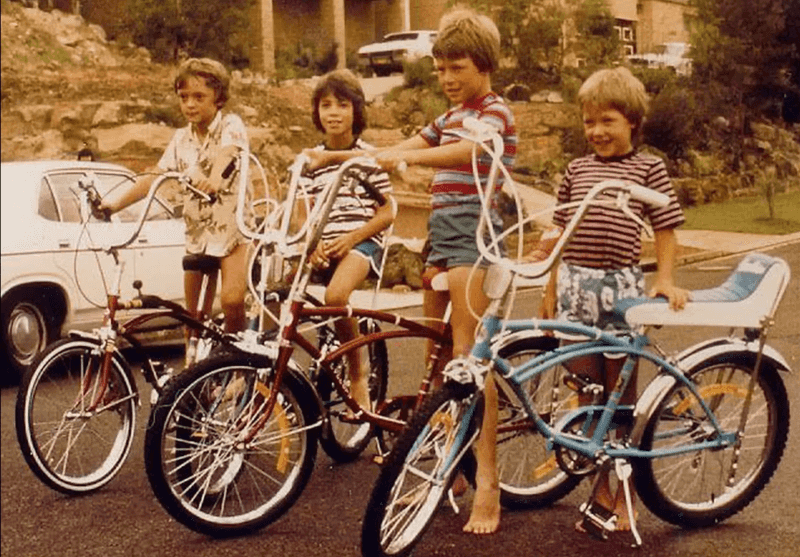
Helmets? Those were not part of the 1970s biking experience.
Kids hopped on their bikes and rode for miles without protective gear, parental supervision, or a planned route. Scraped knees and bruises were just part of growing up, not a cause for alarm.
Today, helmet laws exist in many states, and parents often track kids with GPS. The freewheeling, helmet-free bike adventures of the ’70s feel both thrilling and terrifying from a modern safety perspective.
Back then, it was just called an ordinary afternoon.
17. Running Errands Alone Was Expected
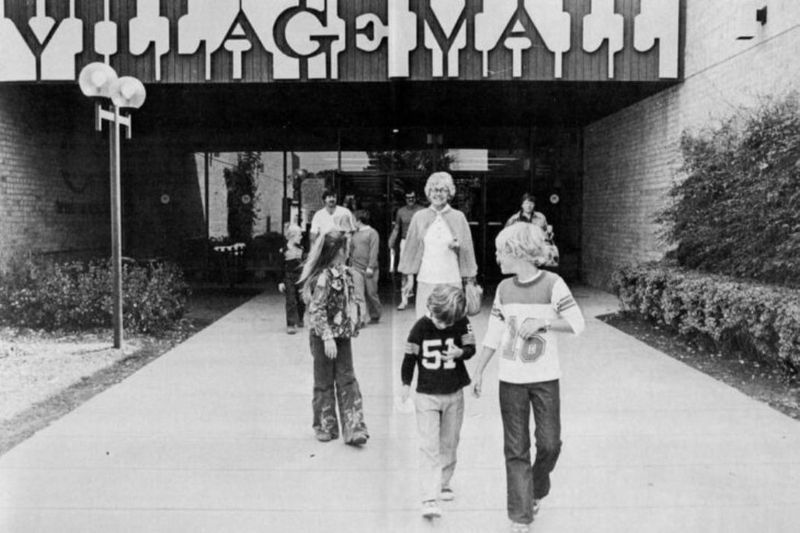
Sending a young child to the corner store alone for milk or bread was completely unremarkable in the 1970s. Kids as young as six or seven ran neighborhood errands independently, handling money and navigating streets without adult supervision or worry.
Today, parents who let young children walk to a store alone can face serious criticism or even legal scrutiny. The shift in how society views childhood independence is dramatic.
Back then, running errands solo was considered a sign of growing up responsibly, not a safety risk.
18. Playing in Dangerous Spots Was Considered Fine
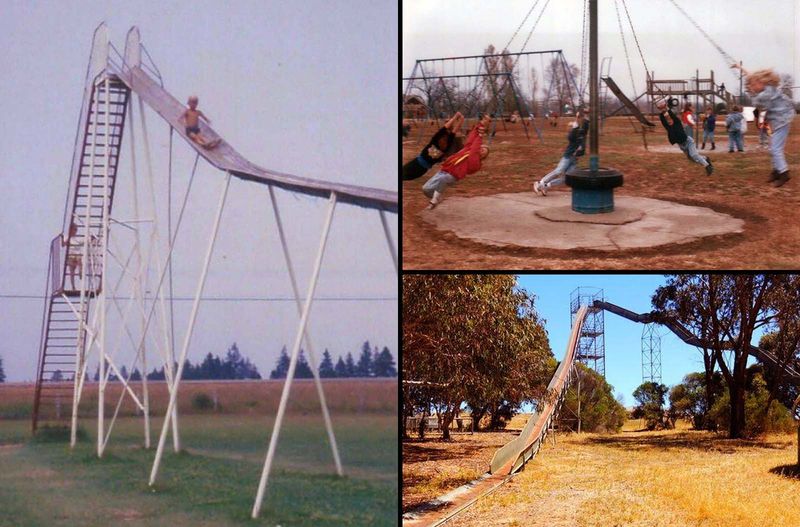
Construction sites, storm drains, busy roads, and abandoned lots — these were basically the adventure playgrounds of the 1970s. Kids roamed freely and played in spots that would send today’s parents into a full panic.
Danger was often part of the fun, not something to be avoided.
Modern playgrounds are carefully designed to minimize every possible injury risk. Back then, kids figured out limits through experience, bumps, and the occasional close call.
It was a hands-on approach to understanding the world that felt completely normal at the time.
19. No Seatbelts or Car Seats Required
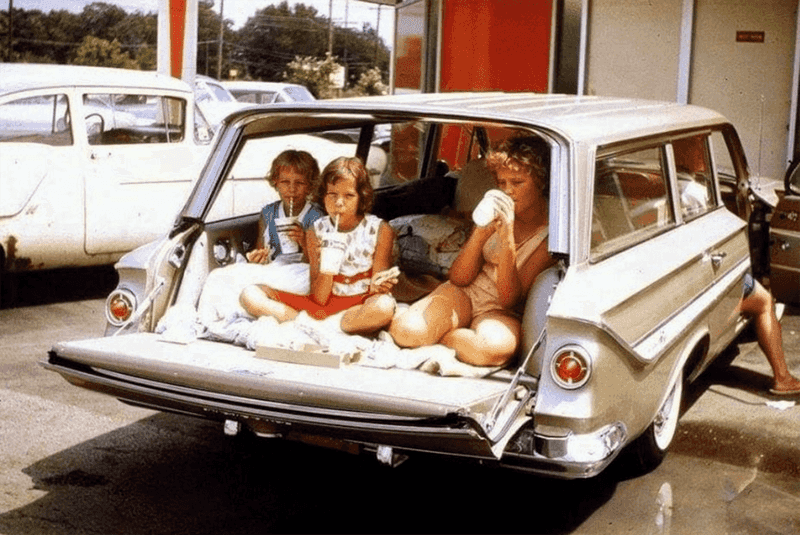
Piling into the back of a station wagon without seatbelts was a perfectly ordinary part of road trips and school runs in the 1970s. Car seats for young children were rare, and safety regulations were minimal compared to today’s strict standards.
Federal seatbelt laws did not become widespread in the U.S. until the mid-1980s. Riding unrestrained was simply how things were done.
Today, car seat laws are detailed and strictly enforced, making the casual backseat free-for-all of the 1970s seem almost impossible to imagine.
20. Boredom Was Your Problem to Solve

“I’m bored” was not a cry for help in the 1970s — it was an invitation for chores. Parents had zero interest in entertaining their kids around the clock.
Children were expected to figure out how to fill their own time creatively and independently.
Endless streaming, gaming, and social media have made boredom almost extinct for today’s kids. Back then, boredom sparked imagination, outdoor adventures, and creative play.
Many ’70s kids actually credit those unstructured hours with teaching them resourcefulness and problem-solving that no screen time could ever replace.