
Some TV shows get cancelled for obvious reasons, like bad ratings or budget problems. But sometimes, the real story behind a cancellation is way more surprising than you’d expect.
From scheduling disasters to pandemic shutdowns, the reasons these beloved shows got the axe will leave you shaking your head. Get ready to find out what really happened behind the scenes.
1. Firefly
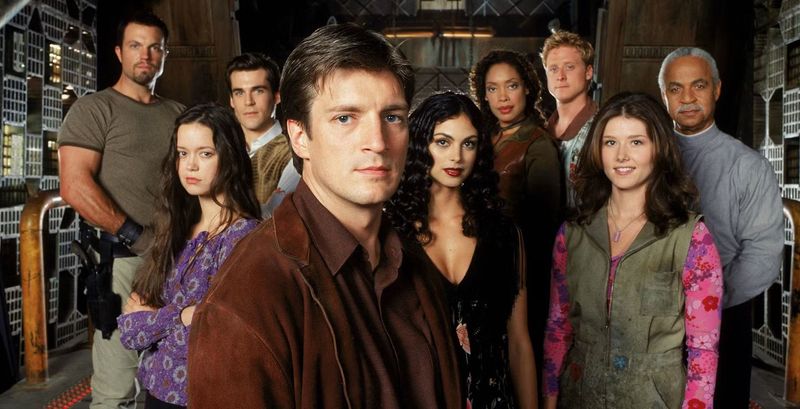
Fox practically sabotaged its own show before anyone had a chance to love it. Episodes of this sci-fi western were aired completely out of order, making the story nearly impossible to follow for new viewers tuning in for the first time.
On top of that, the network’s marketing sold it as a comedy, not the gritty space adventure it actually was. Fans who discovered it later on DVD were furious it had been cancelled so carelessly.
2. GLOW
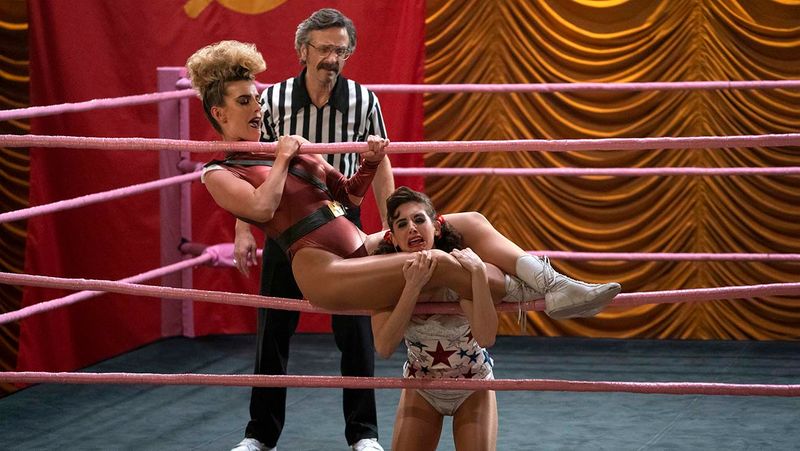
Netflix had already renewed GLOW for a fourth and final season when the COVID-19 pandemic changed everything. The show featured a large ensemble cast performing physically close, contact-heavy wrestling scenes, which made safe filming nearly impossible under pandemic health guidelines.
Production costs would have skyrocketed just to meet safety requirements. Netflix pulled the plug, leaving fans without the ending the show had been building toward, which stung even more because a renewal had already been announced.
3. Pushing Daisies
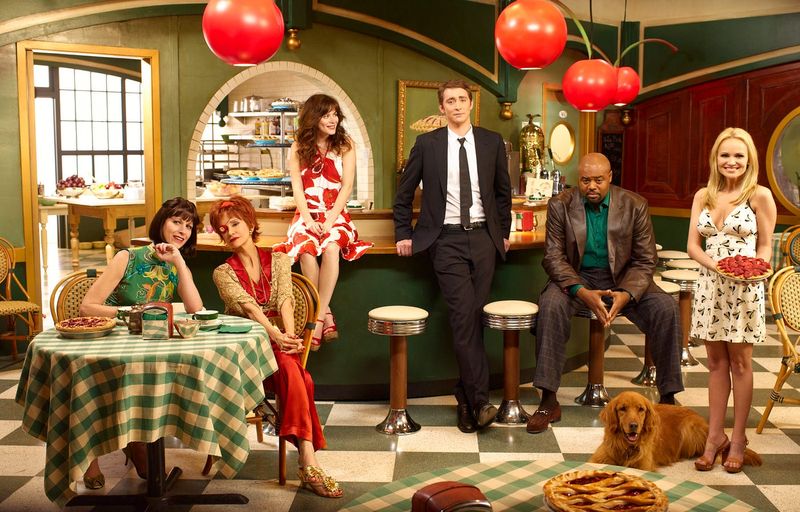
The 2007-08 Hollywood writers’ strike hit Pushing Daisies at the worst possible moment. Production delays caused by the strike chopped the second season short, and viewers who had to wait months to return lost interest in the meantime.
Creator Bryan Fuller later admitted the show’s layered, fairy-tale storytelling might have been “too complicated” for casual audiences. It was a unique, Emmy-nominated gem that never got the fair shot it deserved because of circumstances mostly outside the creators’ control.
4. Mindhunter
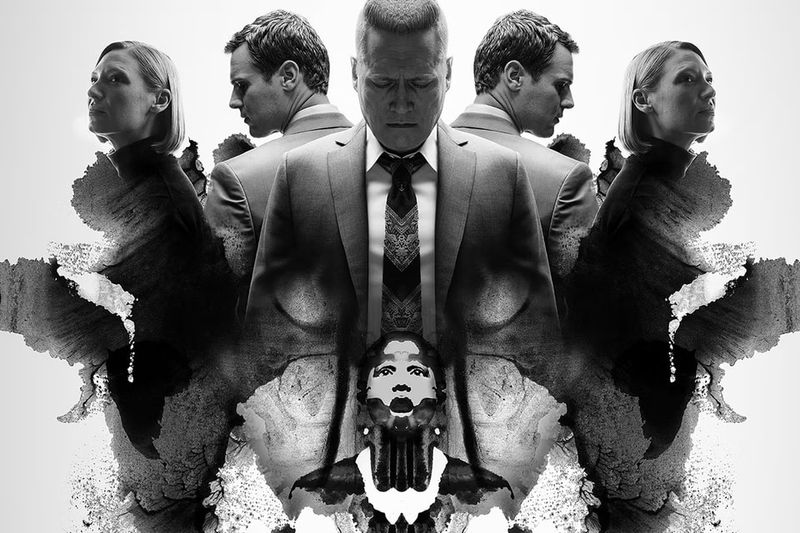
Mindhunter was one of Netflix’s most critically praised shows, yet it was quietly shelved after just two seasons. The production was extraordinarily expensive, and Netflix decided the viewership numbers simply did not justify those costs.
Director David Fincher, known for his meticulous and demanding filmmaking style, also admitted to feeling exhausted by the grueling production schedule. He reportedly refused to make the show “more pop” to attract bigger audiences, and Netflix eventually decided not to move forward without major changes.
5. The OA
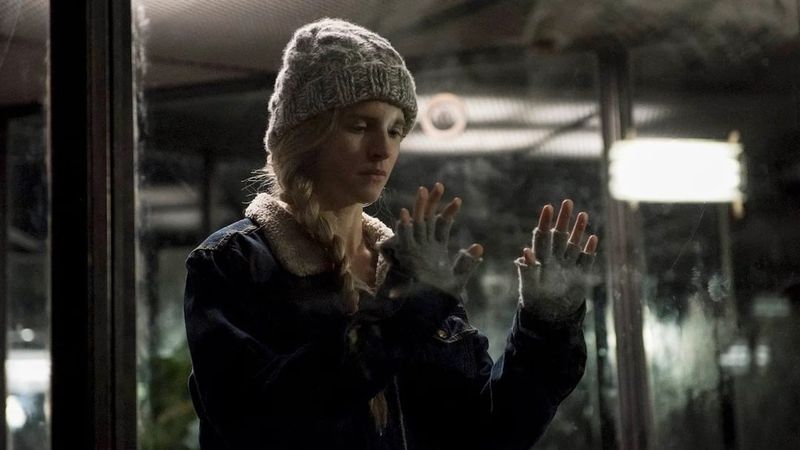
Few cancellations felt as gut-wrenching as The OA’s, especially since it ended on a massive cliffhanger. Netflix used a “cost-plus” formula to evaluate shows, meaning the price of production rose significantly after two seasons while the show’s ability to pull in brand-new subscribers plateaued.
The show’s deeply unconventional, almost “impenetrable” storytelling also made it hard to market as a binge-worthy series. A dedicated fanbase even staged a protest outside Netflix headquarters, but the decision had already been made.
6. Santa Clarita Diet
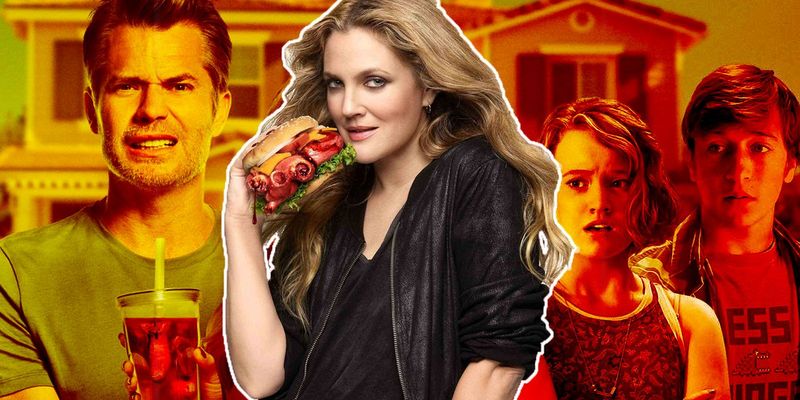
Netflix’s “cost-plus” model quietly killed Santa Clarita Diet after three seasons. Every new season, salaries and bonuses for the cast and crew increased significantly, making the show progressively more expensive to produce without a matching jump in viewership numbers.
What makes this cancellation extra frustrating is that creator Victor Fresco deliberately ended season three on a cliffhanger, hoping it would make Netflix think twice about cancelling. The strategy backfired spectacularly, and fans were left hanging with zero resolution to the story.
7. Freaks and Geeks
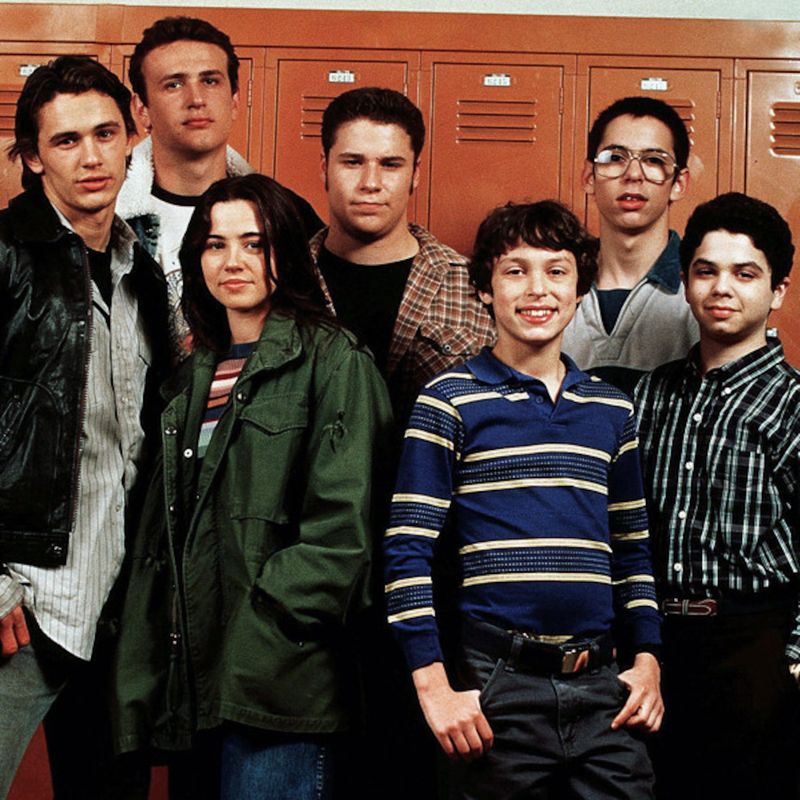
NBC seemed determined to make Freaks and Geeks fail. The network shuffled the show into the dreaded “Saturday night death slot,” interrupted it constantly for sports coverage, and took long breaks that made it nearly impossible to build a loyal audience.
Executives reportedly wanted more typical, upbeat teen storylines and never really understood what made the show so special. They even refused to promote a fan-made website meant to help confused viewers track the constantly changing schedule.
A true classic, killed by bad decisions.
8. Deadwood
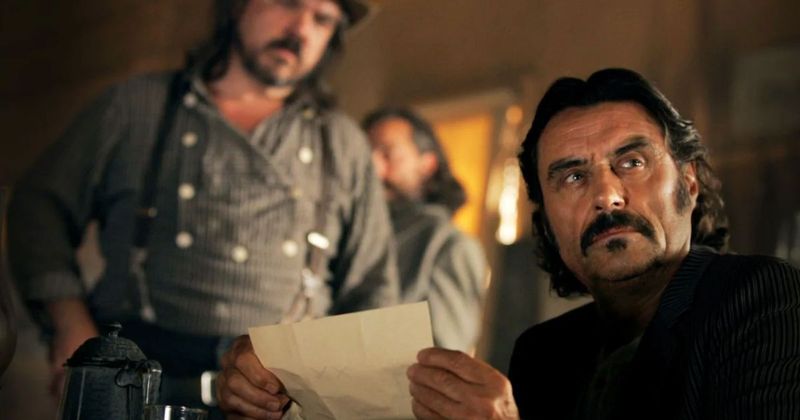
At roughly $4.5 million per episode, Deadwood was one of the most expensive shows on television. A financial dispute between HBO and co-producer Paramount Pictures over revenue sharing made an already costly show even harder to justify continuing.
Creator David Milch’s habit of rewriting scripts at the very last minute also drove up production costs dramatically. When HBO offered a shortened final season to wrap things up, Milch reportedly responded, “Why don’t we do none?” – and that was essentially the end of it.
9. Veronica Mars
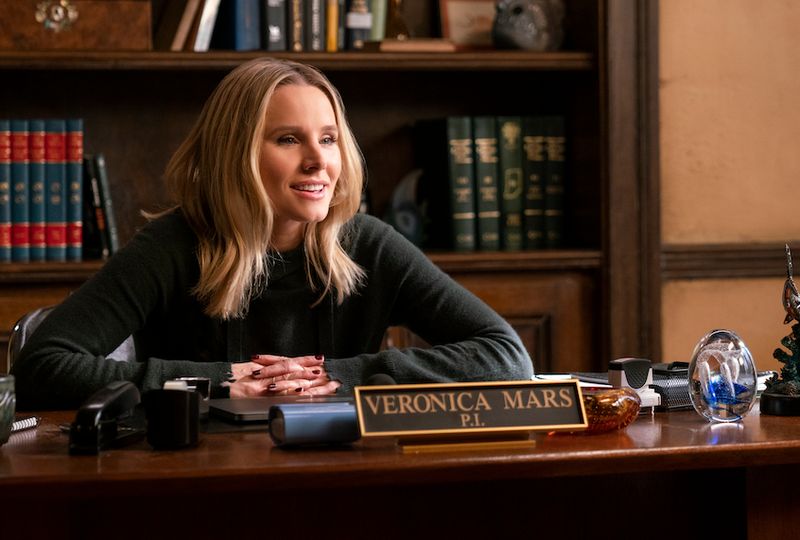
Veronica Mars was a victim of network politics as much as poor ratings. The show originated on UPN, and when UPN merged with The WB to form The CW, Veronica Mars became an awkward holdover that didn’t fit the new network’s programming goals.
Being scheduled directly opposite the ratings juggernaut American Idol made low viewership almost inevitable. The show never stood a real chance of growing its audience under those conditions, which made its cancellation feel more like a setup than a genuine failure.
10. Arrested Development
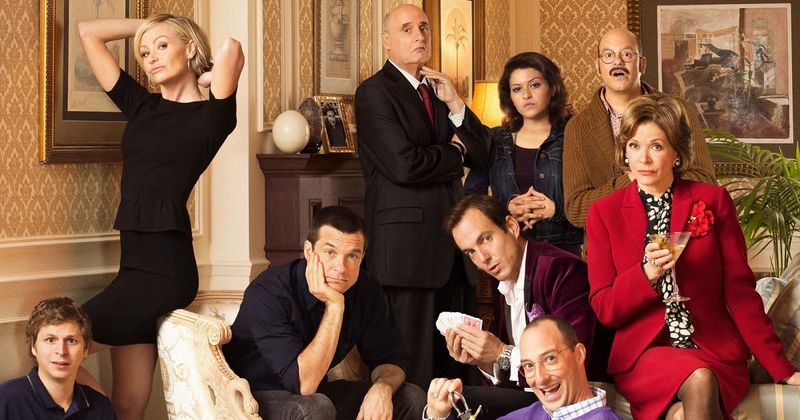
Winning Emmy awards apparently meant nothing to Fox’s scheduling department. Arrested Development earned widespread critical praise and major awards, yet Fox repeatedly moved it to different, unfavorable timeslots and slashed episode orders, making it nearly impossible to attract a stable viewership.
Interestingly, a lawsuit from the hip-hop group also named Arrested Development over the shared name predated the show’s cancellation and added extra headaches for the network. A show that rewarded loyal viewers got punished by the very network that aired it.
11. Hannibal
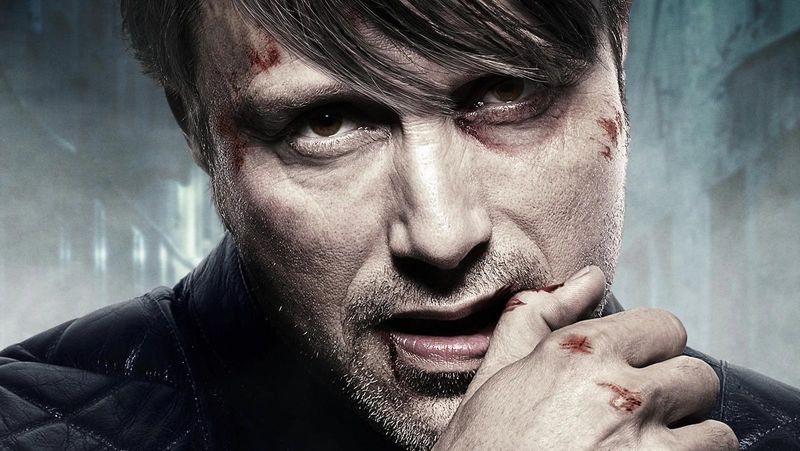
Hannibal survived longer than expected at NBC partly because of an unusual financial setup. Since it was an international co-production, NBC only paid licensing fees rather than full production costs, which made them more willing to tolerate lower ratings than they normally would have accepted.
Eventually, even that arrangement couldn’t save it. Persistent low ratings finally caught up with the show, and unconfirmed reports suggested that rights issues involving the character Clarice Starling were complicating future storyline plans, giving NBC another reason to quietly walk away.
12. Sense8
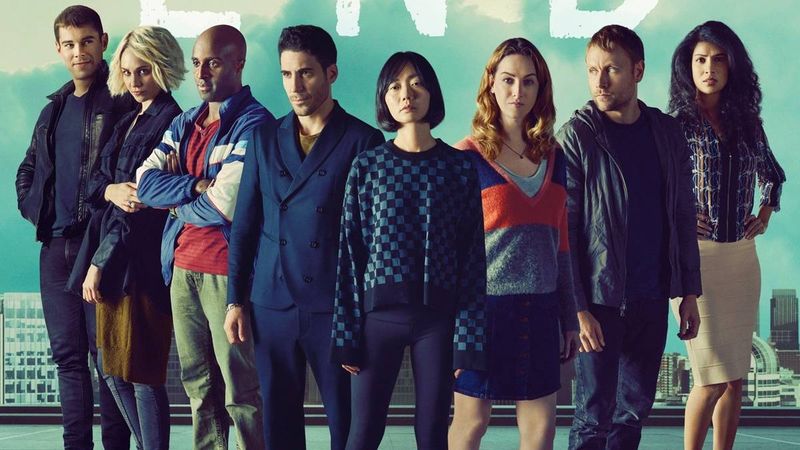
Sense8 was a logistical and financial nightmare to produce. Filming in multiple countries simultaneously with a large ensemble cast pushed production costs to a reported $9 million per episode, making it one of the most expensive shows Netflix had ever greenlit.
The show’s complex, emotionally layered premise also made it incredibly difficult to market to casual viewers who hadn’t already committed to watching. As Netflix shifted its strategy toward producing more new content, keeping such an expensive and niche series alive simply stopped making business sense.
13. Party Down

Only 74,000 viewers watched the season two finale of Party Down – a number so small it barely registers as an audience. The show was critically adored but commercially invisible, a brutal combination that left Starz with little reason to continue funding it.
Key cast members also began leaving for bigger opportunities, making a third season nearly impossible to assemble. Adam Scott later joked that the cancellation “felt very Party Down,” perfectly capturing the show’s darkly comedic spirit of perpetual, lovable failure in every endeavor.
14. My So-Called Life
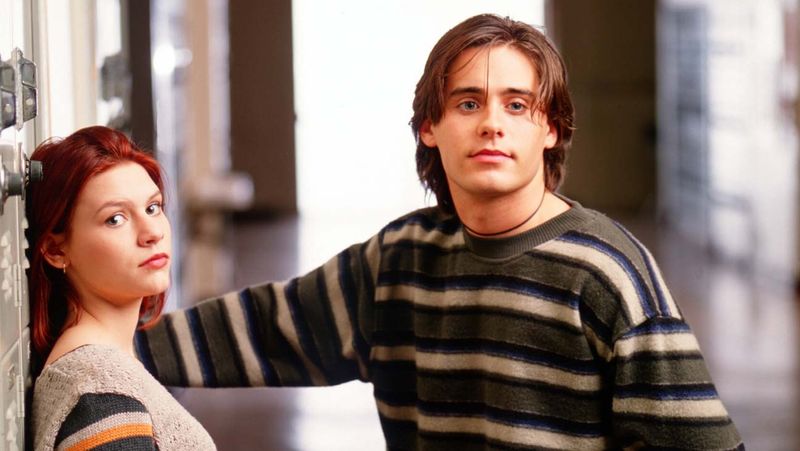
My So-Called Life was cancelled after just 19 episodes, and the reason is more complicated than simple low ratings. Lead actress Claire Danes wanted to leave the show to finish high school and explore other acting opportunities, which gave ABC an easy exit from a series already struggling against stiff competition.
The show aired opposite Friends, one of the biggest hits of the decade, making strong ratings nearly impossible. A groundbreaking teen drama that tackled real issues with honesty and heart was gone before it ever found its full audience.
15. Carnivale
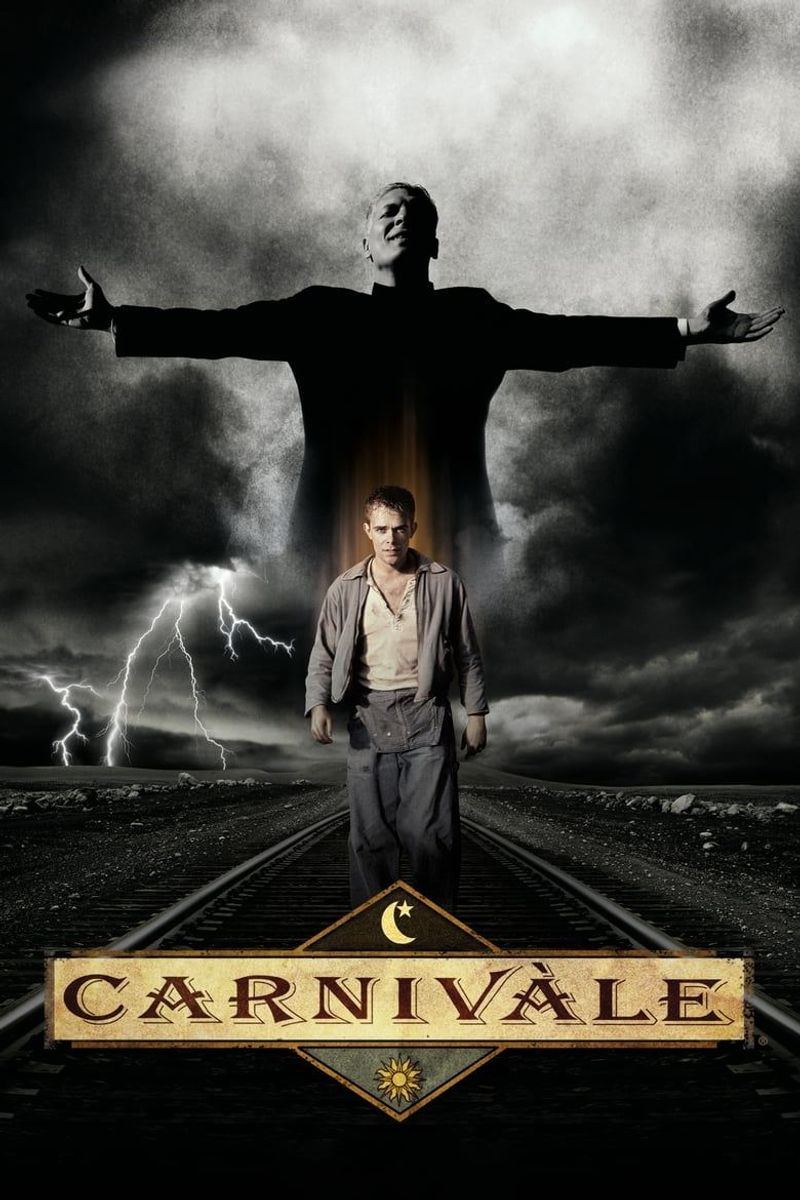
HBO’s Carnivale was an ambitious, sprawling supernatural epic with a planned six-season story arc. Unfortunately, producing it cost around $4 million per episode, and the ratings never climbed high enough to justify that enormous price tag for more than two seasons.
Creator Daniel Knauf had an incredibly detailed mythology mapped out across those six seasons, meaning cancellation left a mountain of unresolved storylines dangling permanently. Fans who invested in the show’s deep lore were rewarded with a story that simply stopped mid-sentence, never to be finished.