
Most people think of aggression as something loud and obvious, like yelling or physical confrontation. But psychology tells us that some of the most damaging behaviors are the ones you barely notice.
Quiet, hidden traits can slowly erode trust, self-esteem, and mental health in ways that are hard to pinpoint or even name. Understanding these subtle patterns is the first step toward protecting yourself and building healthier relationships.
1. Covert Aggression

Behind a calm face, covert aggression works like a slow leak in a tire. You don’t notice the damage until you’re completely flat.
Unlike open conflict, this type of hostility hides behind polite behavior, making the target question their own feelings.
Because there’s no obvious attack, the person on the receiving end often blames themselves. Over time, this causes anxiety, self-doubt, and emotional exhaustion that can be harder to recover from than a straightforward argument.
2. Passive-Aggression

Procrastinating on purpose, giving backhanded compliments, or using sarcasm to sting without admitting it – passive-aggression is sneaky by design. The person using it can always say, “I didn’t mean it like that,” leaving the target feeling crazy for being upset.
Relationships soaked in passive-aggression rarely heal because real conflict never gets addressed. Resentment builds quietly on both sides, and genuine conversations become impossible.
Psychology links this pattern to long-term emotional damage for everyone involved.
3. The Silent Treatment

Silence can be deafening when it’s used as a weapon. Deliberately cutting off communication to punish someone triggers deep feelings of rejection and abandonment, tapping into some of our most primal fears as social creatures.
Researchers classify the silent treatment as emotional abuse when it’s used repeatedly to control or manipulate. Studies show it can cause lasting damage to self-esteem and contribute to depression.
Ironically, saying nothing can wound far more deeply than harsh words ever could.
4. Guilt-Tripping

“After everything I’ve done for you” – sound familiar? Guilt-tripping is a quiet manipulation tactic that hijacks your empathy and turns it against you.
The person using it doesn’t need to raise their voice because your own conscience does the heavy lifting.
Over time, chronic guilt-tripping erodes personal boundaries and leaves people feeling used and resentful. Psychology notes that this pattern exploits the natural human desire to be a good person, making it especially effective and especially destructive in close relationships.
5. Playing the Victim

Everyone faces hard times, but consistently positioning yourself as a helpless victim – even when you’re not – is a powerful manipulation strategy. It draws sympathy, deflects accountability, and keeps others walking on eggshells to avoid being cast as the villain.
Psychology links a sustained victim mentality to chronic anxiety, low self-esteem, and an inability to grow. For those around the person, it creates exhausting relationship dynamics where they feel responsible for someone else’s happiness, leading to burnout and resentment.
6. Blame-Shifting

Nothing shuts down healthy conflict resolution faster than someone who refuses to own their mistakes. Blame-shifters have a talent for turning every confrontation around so that somehow, someway, it’s always the other person’s fault.
It’s subtle, smooth, and maddening.
Living or working with a chronic blame-shifter leaves people feeling unfairly burdened and deeply frustrated. Because the real issues never get addressed, problems compound over time.
Psychology identifies this as a significant barrier to emotional intimacy and functional relationships.
7. Chronic Negativity and Cynicism
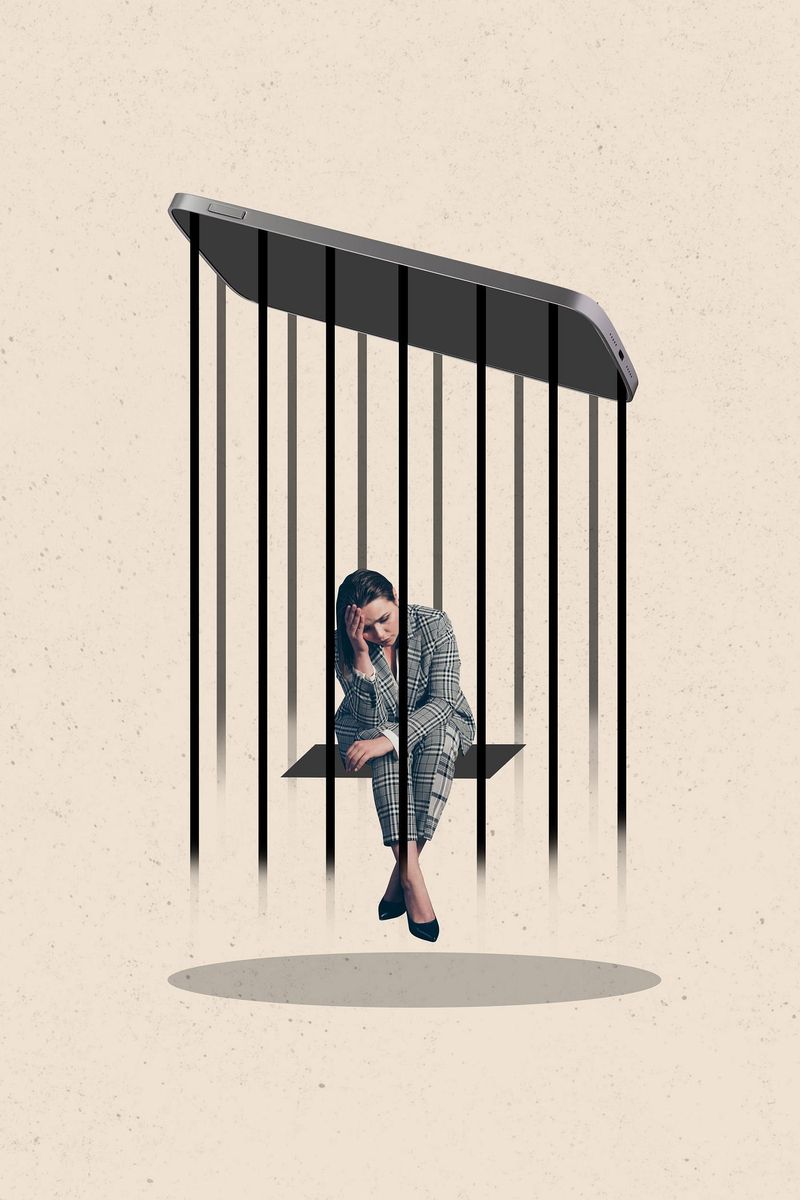
One persistently negative person can quietly poison an entire group’s mood. Unlike a single bad day, chronic negativity and cynicism create a constant emotional cloud that others are expected to live under.
It’s exhausting, and research backs that up.
Studies show that prolonged exposure to negativity increases stress hormones and erodes trust between people. What makes it so harmful is its subtlety – it rarely looks like aggression, yet it steadily chips away at the emotional health of everyone nearby, including the person projecting it.
8. Triangulation

Triangulation is relationship chess – and most people don’t realize they’re even on the board. By pulling a third party into a conflict, the manipulator controls the narrative, shifts alliances, and keeps the target off balance.
It’s calculated and quiet.
Targets of triangulation often feel paranoid, isolated, and unsure of who to trust. Psychology identifies this tactic as a hallmark of narcissistic and controlling behavior patterns.
The emotional fallout can include serious anxiety, damaged friendships, and a shattered sense of security.
9. Perfectionism in Relationships

Perfectionism sounds like a virtue until you’re on the receiving end of it. When someone holds a partner, friend, or colleague to impossibly high standards, constant judgment replaces connection.
Intimacy requires vulnerability, and perfectionism slams that door shut.
Psychologists note that perfectionism in relationships breeds chronic anxiety and resentment for both parties. The perfectionist struggles to feel satisfied, while their partner feels perpetually inadequate.
Over time, this erodes the emotional foundation of the relationship far more quietly than any argument ever could.
10. Weaponized Sarcasm

“Oh wow, great job” – delivered with just the right tone, sarcasm can cut as deep as an insult while giving the speaker total deniability. That’s exactly what makes it so psychologically damaging.
It’s hostility wrapped in humor and tied with a bow.
When sarcasm becomes a regular communication style, it destroys psychological safety. People stop sharing honestly because they fear being mocked.
Research shows this pattern chips away at self-worth over time, creating an environment where no one feels truly accepted or respected.
11. Envy

Envy is one of those emotions most people feel but few admit to. Left unchecked, it festers into resentment and hostility, quietly reshaping how someone treats those they envy.
It rarely looks aggressive from the outside, which is precisely what makes it dangerous.
Psychology links chronic envy to depression, anxiety, and behaviors that subtly harm others – like withholding help or spreading negativity. For the person experiencing it, envy locks them in a cycle of comparison that makes genuine happiness nearly impossible to reach.
12. Emotional Blackmail

Fear, obligation, and guilt – psychologists call it the FOG of emotional blackmail, and it’s an apt description. This tactic clouds your judgment until you comply simply to make the discomfort stop.
The threats are rarely direct, making them hard to call out.
Repeated exposure to emotional blackmail causes hypervigilance, low self-esteem, and in severe cases, complex trauma responses. Victims often don’t recognize what’s happening until the damage is done.
Psychology consistently ranks it among the most destructive quiet behaviors in personal relationships.
13. Shaming

Shaming doesn’t require a loud voice or a cruel insult. A raised eyebrow, a “well, that’s interesting choice” comment, or a well-timed sigh can communicate the same devastating message: you are not enough.
And it lands just as hard as open criticism.
Psychologists distinguish shame from guilt by noting that shame attacks identity rather than behavior, making it far more corrosive. Chronic exposure to subtle shaming tactics leads to deep feelings of unworthiness and can fundamentally alter how someone sees themselves for years.
14. Minimization

“You’re overreacting” and “it wasn’t that big a deal” are phrases that do more damage than most people realize. Minimization is the quiet art of making someone feel foolish for having a legitimate emotional response.
It’s gaslighting’s close cousin.
When someone’s feelings are consistently minimized, they begin to distrust their own perceptions. Psychology identifies this as a form of emotional invalidation that can lead to anxiety, self-doubt, and difficulty advocating for personal needs.
The harm accumulates slowly, making it especially difficult to recognize and address.
15. Covert Intimidation

No raised fist is needed when a cold stare, a loaded pause, or a carefully worded “suggestion” can achieve the same result. Covert intimidation keeps people in a constant state of low-level fear without ever crossing a line that’s easy to report or confront.
This tactic is particularly effective because the target often can’t explain exactly why they feel so threatened. Psychology notes that living under this kind of subtle pressure causes chronic stress and erodes confidence over time, leaving lasting psychological imprints.
16. Seduction as Manipulation

Charm is magnetic – until you realize it’s being used as a tool. Manipulative seduction involves lavishing someone with flattery, attention, and warmth specifically to lower their defenses and make them more likely to comply with requests.
It’s calculated kindness.
What makes this particularly tricky is that it feels good at first. Psychology warns that this pattern exploits the natural human response to feeling valued and admired.
Once the target lowers their guard, boundaries erode and exploitation becomes much easier for the manipulator to carry out.
17. Martyr Complex

Always sacrificing, never asking for help, and making sure everyone knows it – the martyr complex is a quiet but powerful relationship trap. At first, the constant self-sacrifice looks admirable.
Over time, the unspoken expectation of gratitude becomes suffocating for everyone involved.
Psychology closely links the martyr complex to burnout, deep resentment, and an inability to set healthy boundaries. The person carrying this pattern often neglects their own well-being while building silent resentment toward those they help.
Eventually, relationships crack under the weight of those unspoken emotional debts.