
Some treats have a way of sticking around for decades, and classic candy bars are proof of that. From corner stores to Halloween bags, these chocolatey, chewy, and crunchy bars have been making people smile for generations.
Whether you grew up unwrapping them after school or discovered them through a grandparent’s candy dish, these iconic bars carry a special kind of magic. Get ready to take a sweet trip through the history of 18 candy bars that have truly stood the test of time.
1. Snickers
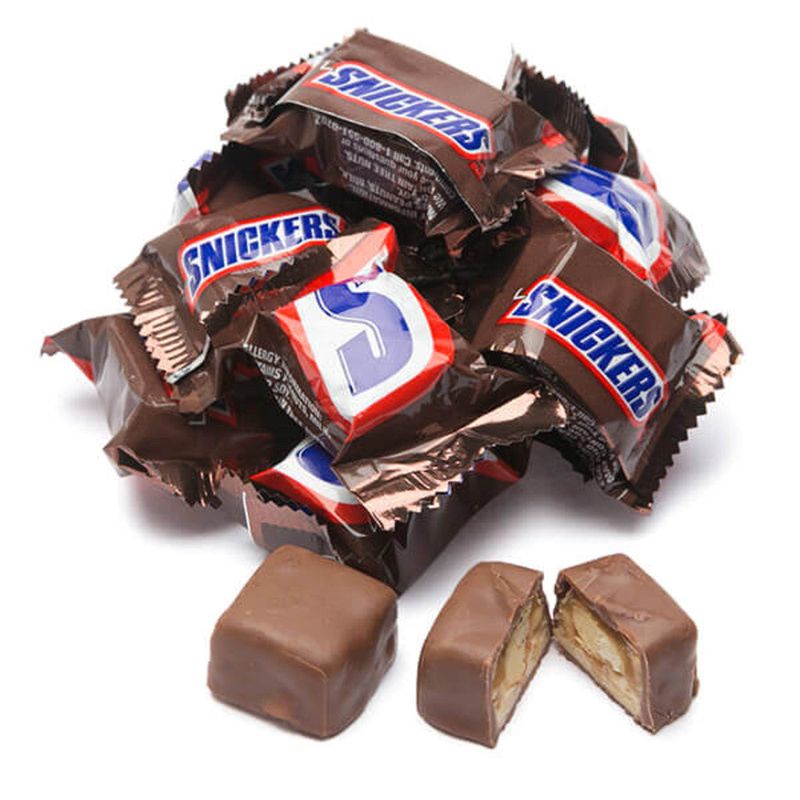
Introduced in 1930, Snickers quickly became America’s best-selling candy bar, and it has never really looked back. Named after a horse owned by the Mars family, this bar packs peanuts, caramel, and nougat all wrapped in milk chocolate.
Each bite delivers a satisfying mix of salty and sweet that feels almost like a snack and a dessert rolled into one. It is no surprise that Snickers remains a global favorite more than 90 years later.
2. Milky Way
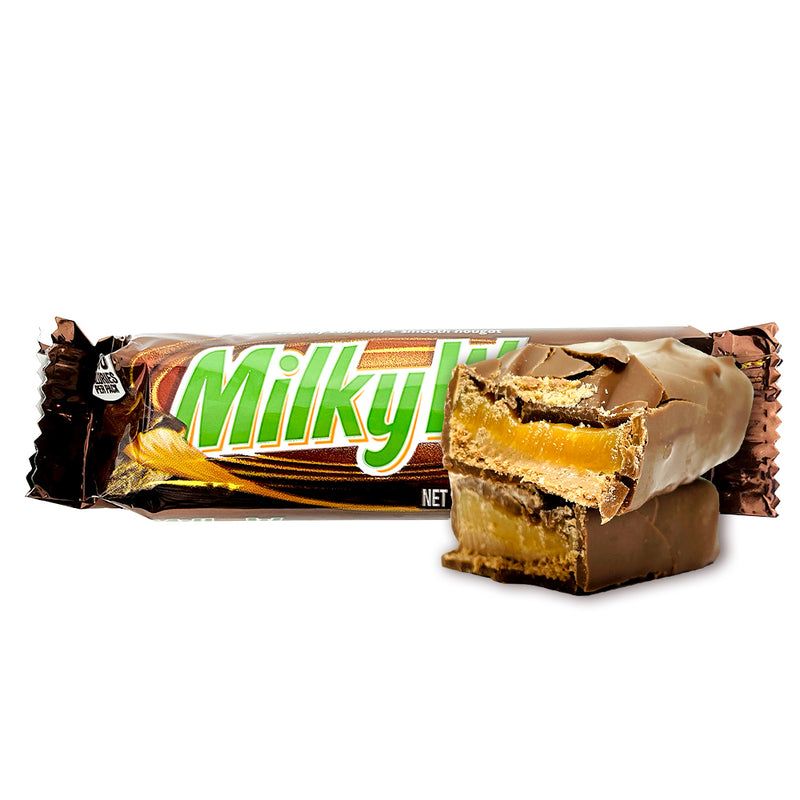
Soft, fluffy nougat topped with a ribbon of caramel and wrapped in smooth milk chocolate – the Milky Way bar has been a crowd-pleaser since 1923. It was actually inspired by a popular malted milkshake flavor of the time.
Unlike its peanut-packed cousins, Milky Way keeps things simple and silky. That lighter, melt-in-your-mouth texture is exactly why so many people reach for one when they want something sweet without too much crunch.
3. Reese’s Peanut Butter Cups
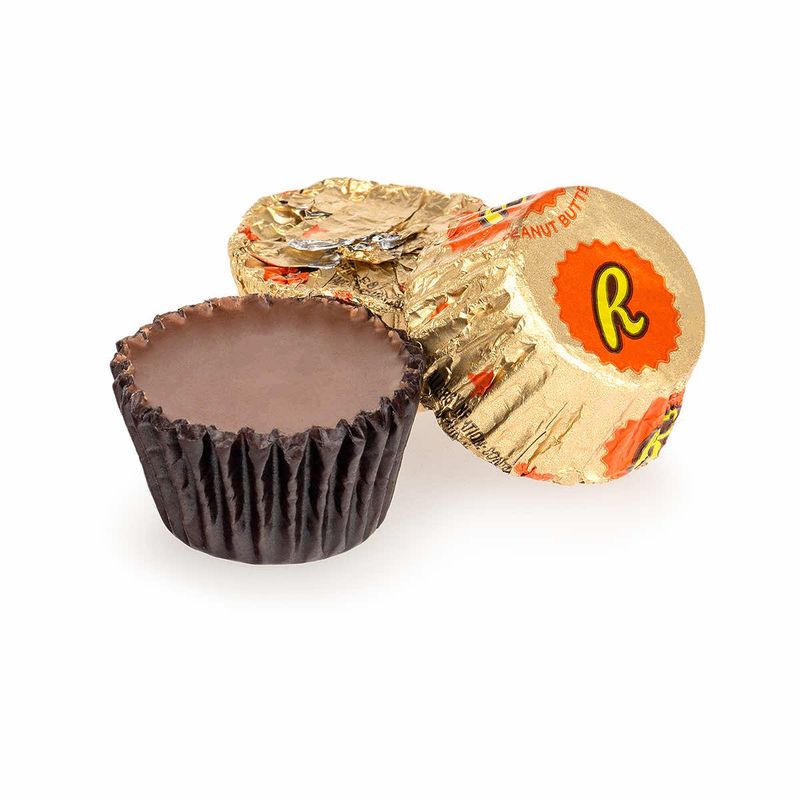
Chocolate and peanut butter is one of the greatest flavor combinations ever discovered, and Reese’s Peanut Butter Cups are living proof. H.B.
Reese created them in 1928 after leaving the Hershey Company to start his own candy business.
The sweet chocolate shell gives way to a thick, slightly salty peanut butter center that keeps fans coming back. Fun fact: Reese’s is now the top-selling candy brand in the United States, beating out even chocolate-only bars.
4. Kit Kat
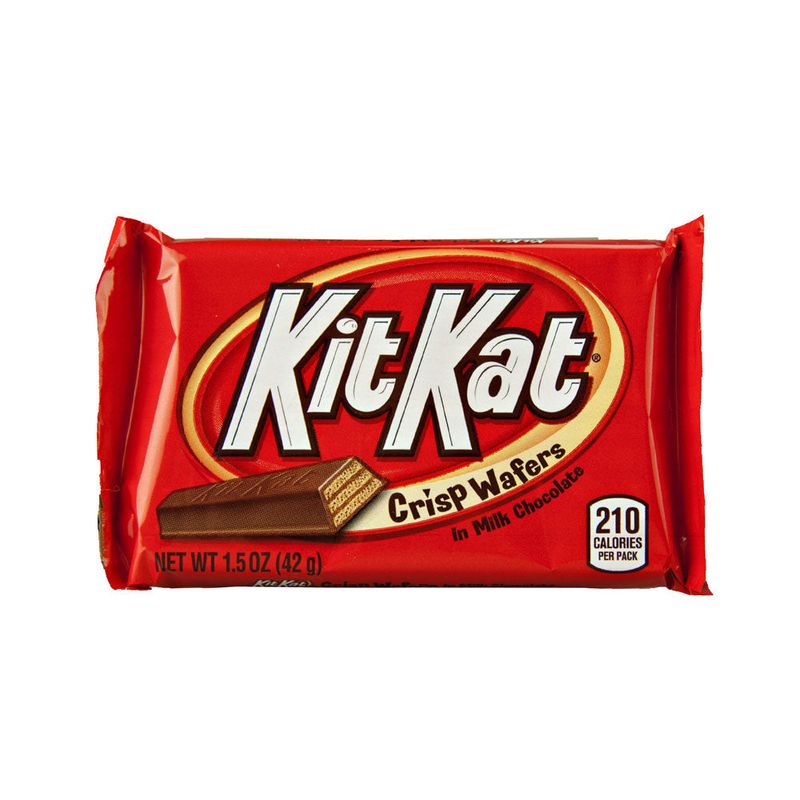
There is something deeply satisfying about snapping a Kit Kat finger off the bar before taking a bite. This crispy wafer treat has been around since 1935, originally created in England by Rowntree’s before Hershey took over U.S. production.
The light, crunchy layers inside make it stand apart from heavier candy bars. Kit Kat became a pop culture icon partly because of its catchy “Give me a break” jingle, which most people can still hum without thinking twice.
5. Butterfinger
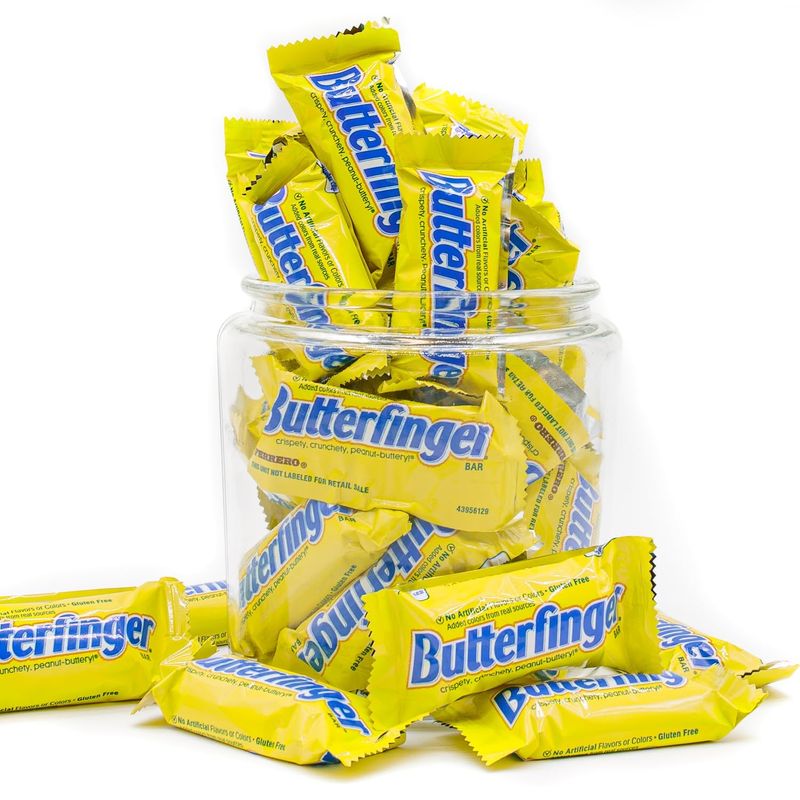
Crunchy, flaky, and almost impossible to eat without getting pieces stuck in your teeth – that is the Butterfinger experience, and fans absolutely love it. Launched in 1923 by the Curtiss Candy Company in Chicago, it won its name through a public contest.
The signature orange-tinted peanut butter crisp inside is unlike anything else in the candy aisle. Bart Simpson famously promoted Butterfingers in commercials throughout the 1990s, introducing the bar to a whole new generation of kids.
6. Hershey’s Milk Chocolate Bar
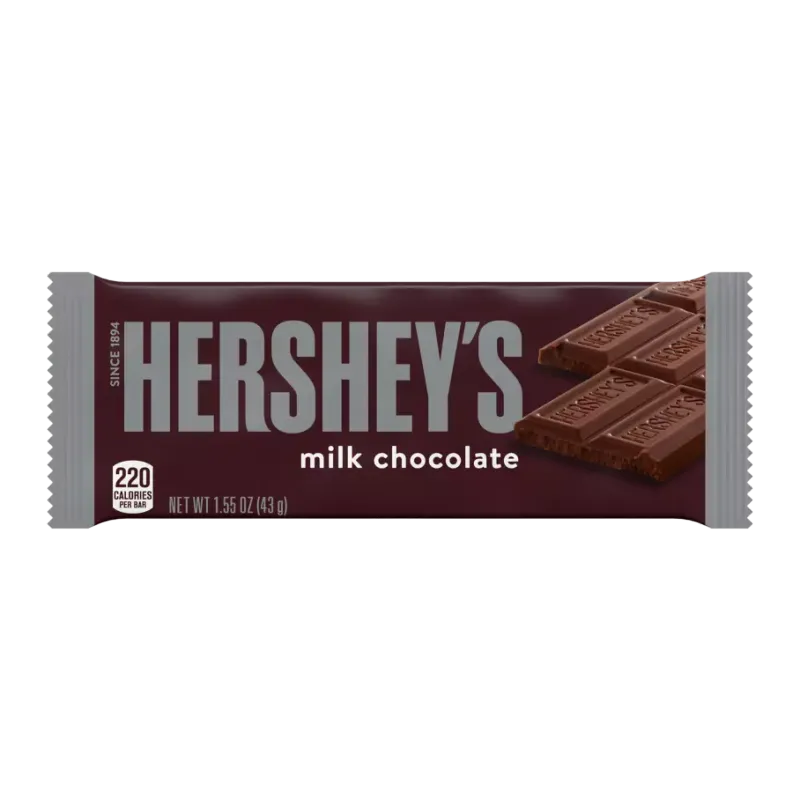
Plain, simple, and perfectly sweet – the Hershey’s Milk Chocolate Bar is the bar that taught millions of Americans what chocolate should taste like. Milton Hershey launched it in 1900, making quality chocolate affordable for everyday people for the first time.
Before Hershey, chocolate was mostly a luxury item for the wealthy. Breaking off one of those iconic rectangles still feels like a small celebration.
Few candies carry as much history or nostalgia in a single wrapper as this timeless classic.
7. Baby Ruth
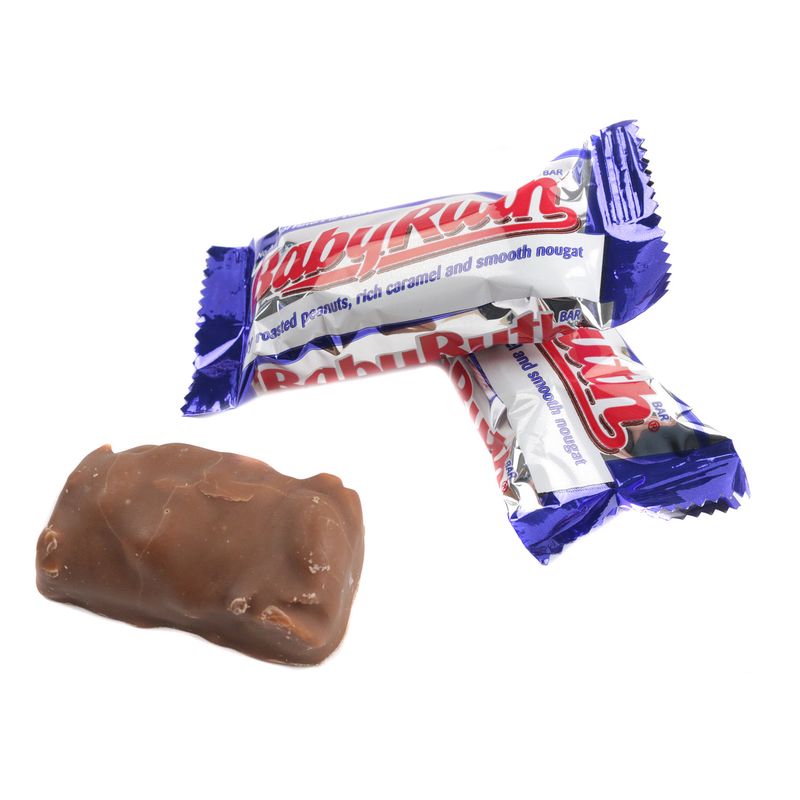
Chunky, chewy, and loaded with peanuts, Baby Ruth has been satisfying serious candy cravings since 1921. Made by the Curtiss Candy Company, the bar’s name has long been debated – some say it honored President Grover Cleveland’s daughter Ruth, not baseball legend Babe Ruth.
Whatever the story, the flavor is undeniable. Baby Ruth got a major pop culture boost when it appeared in the 1985 movie “The Goonies,” cementing its place in the hearts of an entire generation of movie fans.
8. Almond Joy
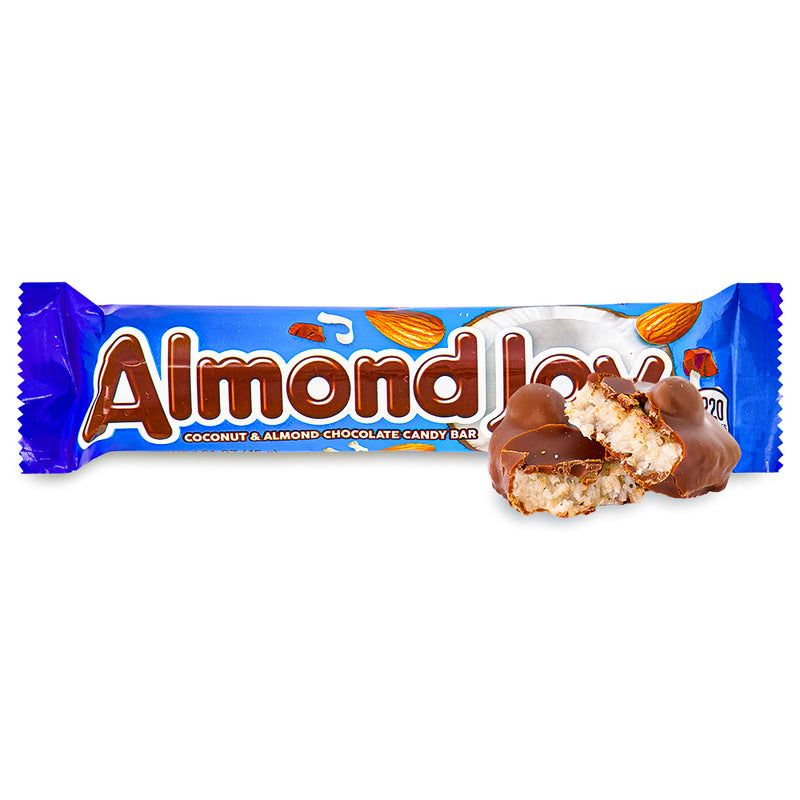
Not everyone loves coconut in their candy bar, but Almond Joy has turned its devoted fans into lifelong loyalists since 1946. Made by Peter Paul Candy Manufacturing, it pairs sweet shredded coconut with whole almonds and a coating of rich milk chocolate.
The tropical flavor combination feels almost like a mini vacation in candy form. Its famous tagline – “Sometimes you feel like a nut, sometimes you don’t” – became one of the most recognized advertising slogans in candy history.
9. Mounds
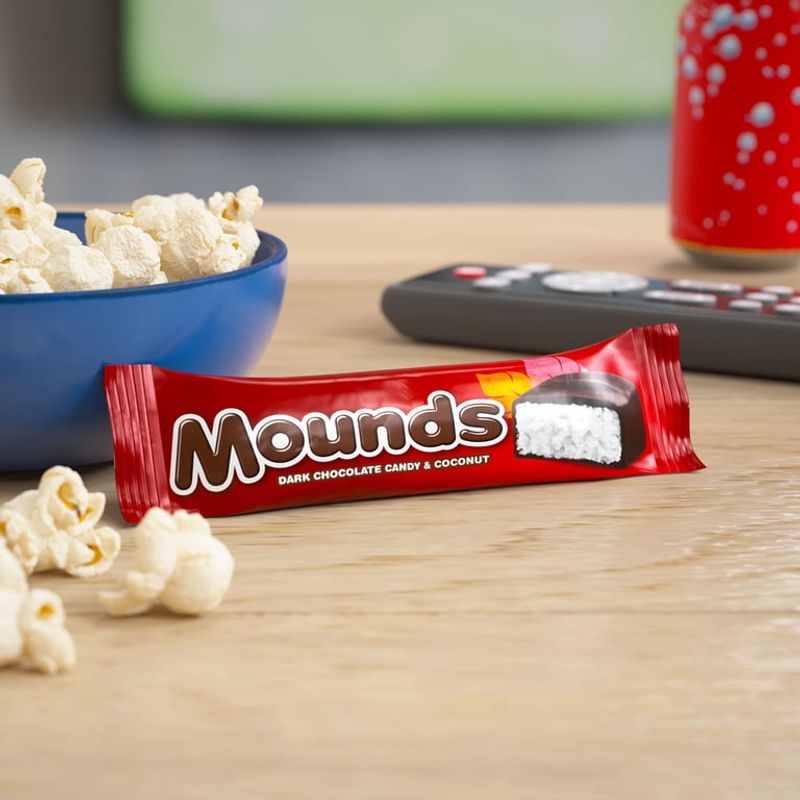
For chocolate and coconut lovers who prefer a darker, richer experience, Mounds has been the answer since 1920. Created by Peter Paul Candy Manufacturing, it uses dark chocolate instead of milk chocolate, giving it a slightly more intense, bittersweet flavor.
Mounds and Almond Joy are sister bars, but Mounds keeps it nut-free and simpler. The contrast between the dark chocolate shell and the sweet, moist coconut center makes every bite feel indulgent without being overpowering.
10. Twix
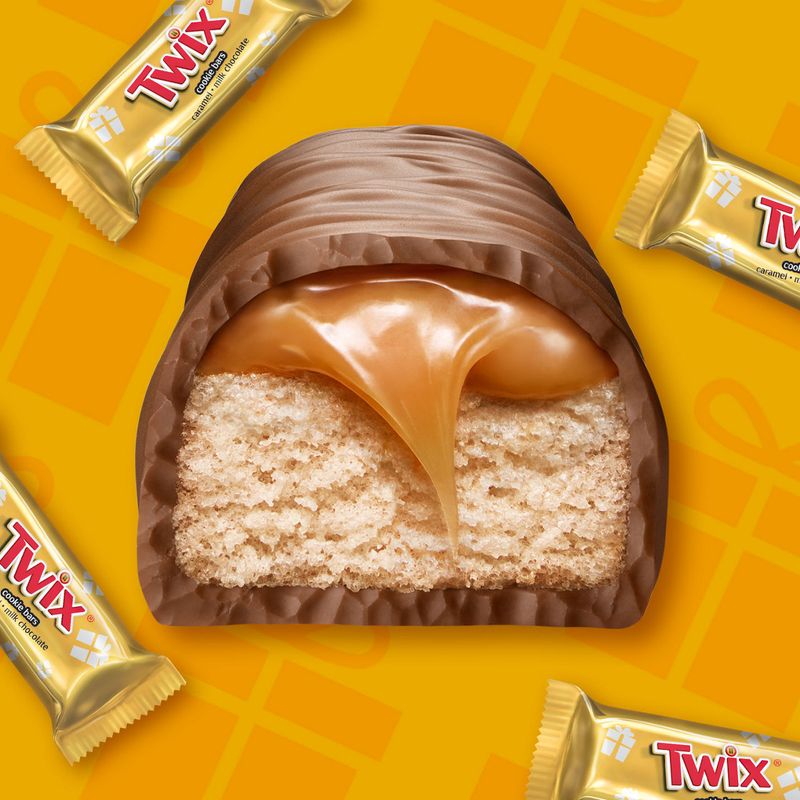
Twix introduced something special to the candy world when it launched in the UK in 1967 – a cookie bar. That shortbread biscuit base layered with caramel and dipped in milk chocolate gave candy lovers something to chew on, literally.
When Twix arrived in the United States in 1979, it became an instant hit. The playful “Left Twix vs. Right Twix” marketing campaign launched in 2012 turned a simple candy bar into a fun debate that friends still argue about today.
11. 3 Musketeers
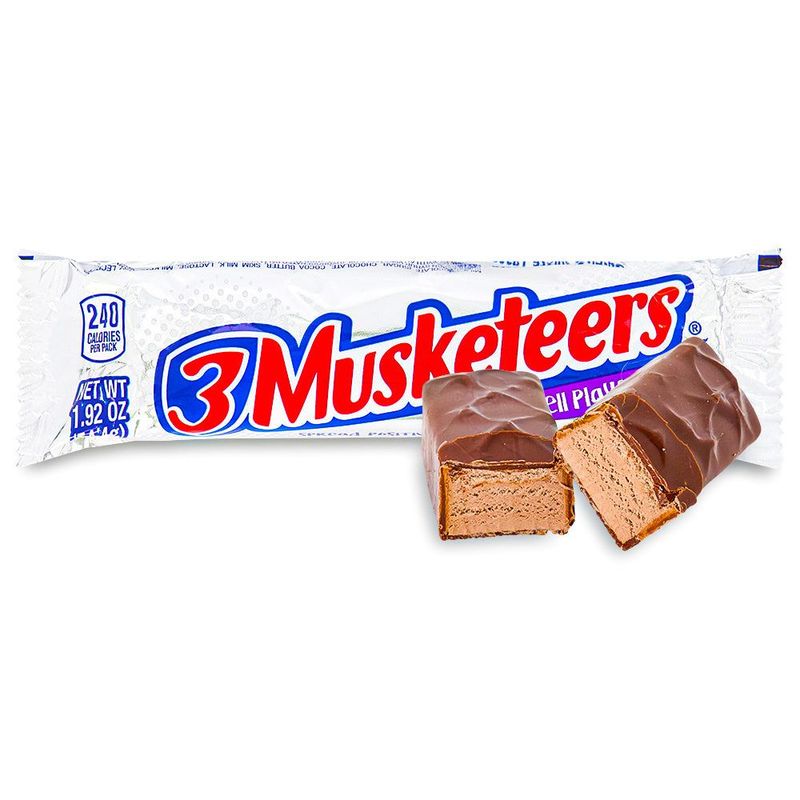
Light, fluffy, and almost cloud-like inside, the 3 Musketeers bar has a texture unlike most other candy bars on the shelf. When it first launched in 1932, it actually came with three pieces in three flavors – chocolate, vanilla, and strawberry.
Over time, the bar simplified to just one chocolate-covered nougat piece, and that became the version everyone knows and loves. It has fewer calories than many candy bar alternatives, which makes it a popular pick for people who want a lighter sweet treat.
12. PayDay
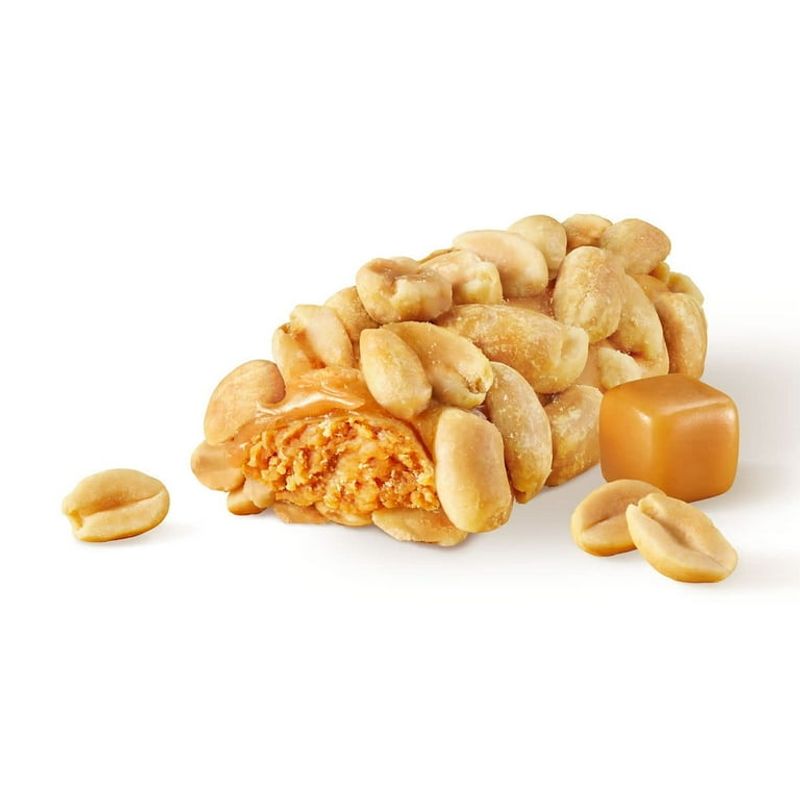
PayDay stands out in the candy bar lineup because it skips the chocolate entirely. Launched in 1932, this bar wraps a dense caramel nougat center in a thick coat of salty roasted peanuts, creating a flavor that is more savory than sweet.
For people who find most candy bars too sugary, PayDay hits a satisfying middle ground. The generous peanut coating gives it a heartier feel than most treats, making it popular with anyone who wants a candy bar that actually feels filling.
13. Whatchamacallit
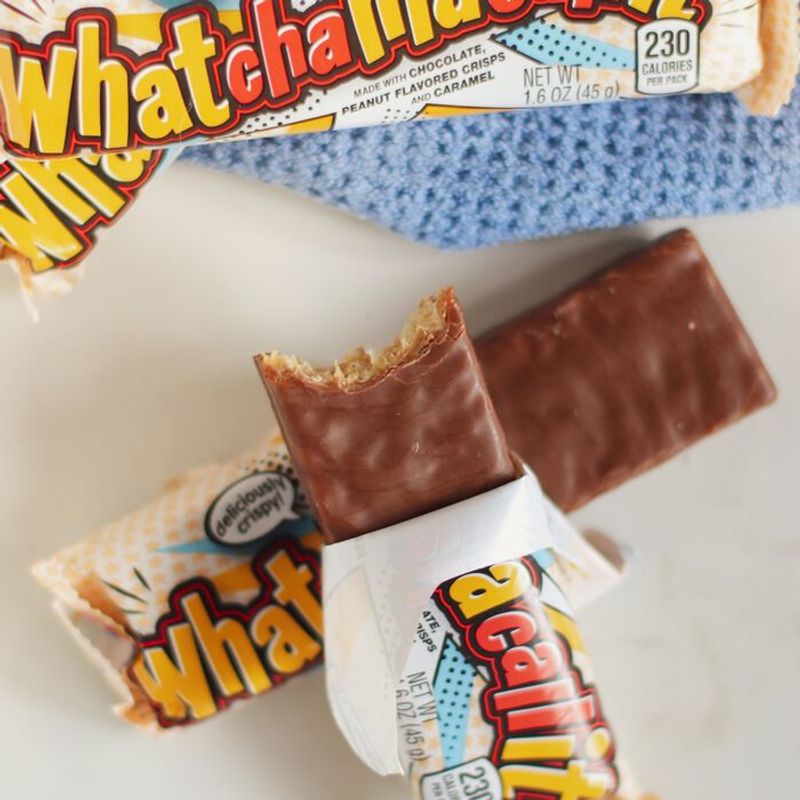
With a name that sounds like something you say when you forget what you are talking about, Whatchamacallit has been charming candy lovers since Hershey introduced it in 1978. The bar layers peanut-flavored crisp rice with caramel and milk chocolate for a unique, crunchy experience.
It never quite reached the fame of Snickers or Kit Kat, but it built a loyal fan base who swear it is the most underrated bar in the aisle. Finding one still feels like a small, happy discovery.
14. 100 Grand
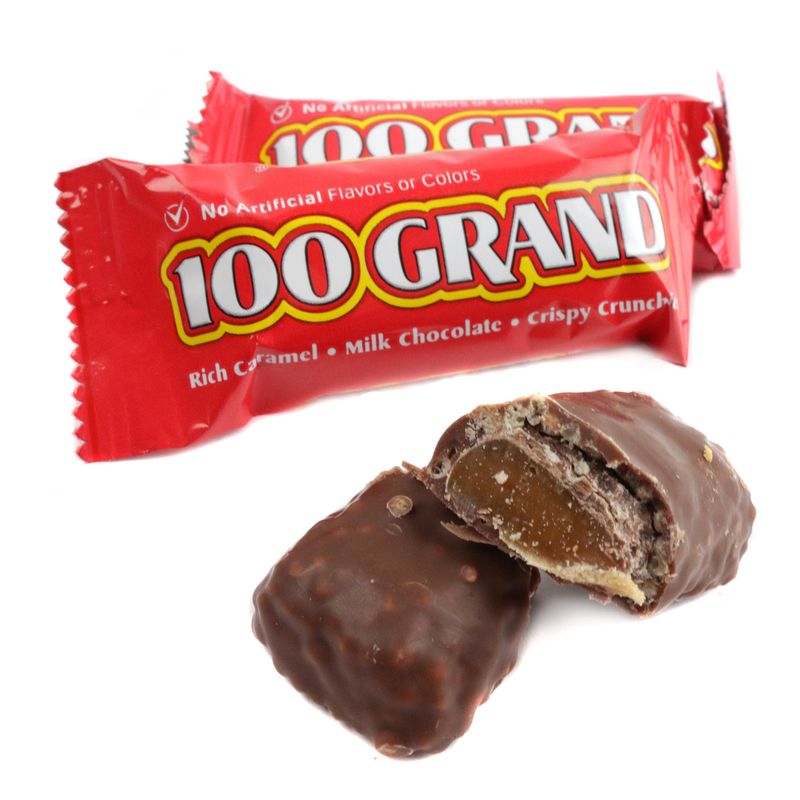
Originally called the $100,000 Bar when it launched in 1966, this Nestle creation was renamed 100 Grand in 1985. The bar combines milk chocolate with caramel and crispy rice, giving it a satisfying crunch with every bite.
It gained unexpected fame when a radio station prank involving a 100 Grand bar went viral long before the internet existed. A listener who won a “100 Grand” prize received a candy bar instead of cash, and the story became legendary in broadcasting history.
15. Clark Bar
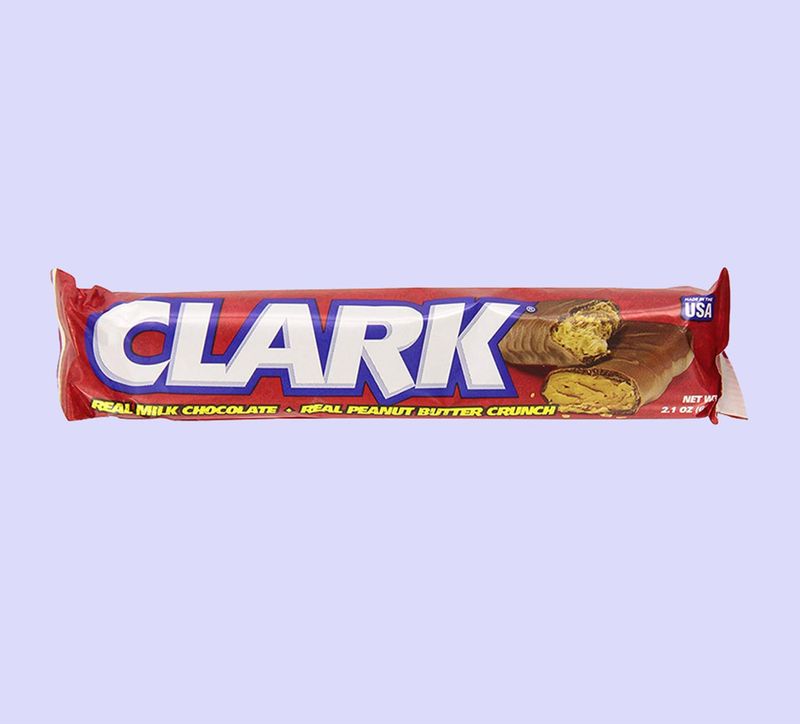
Pittsburgh has a lot to be proud of, and the Clark Bar is definitely on that list. David L.
Clark invented it in 1917, making it one of the oldest candy bars still in production in the United States.
The crunchy peanut butter and toffee-like center coated in chocolate has a flavor profile that feels both old-fashioned and completely satisfying. After nearly disappearing from shelves, the Clark Bar was revived in 2018, giving a new generation the chance to taste a true piece of American candy history.
16. Zagnut
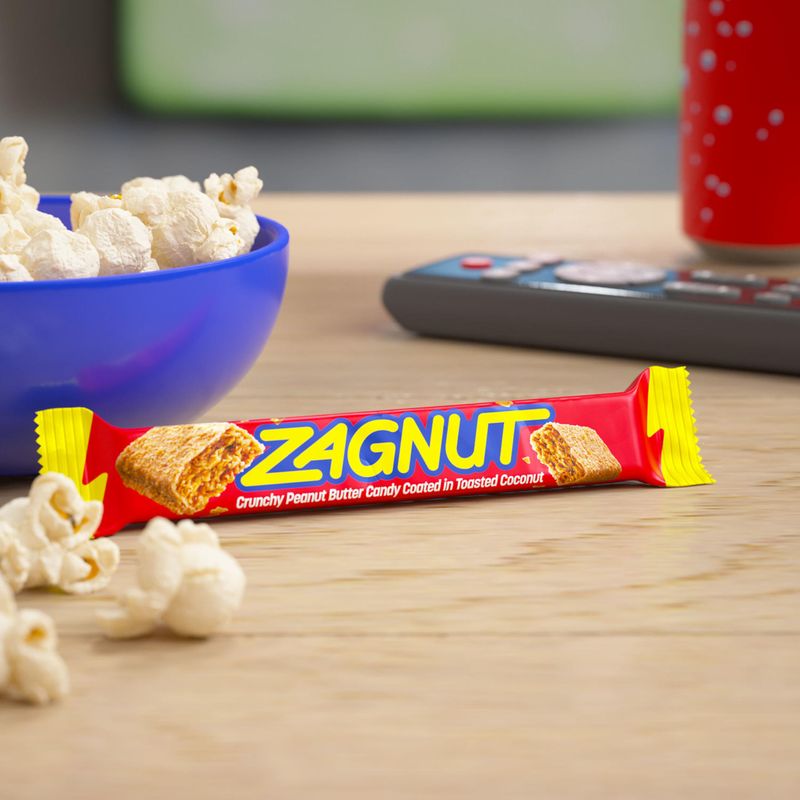
Zagnut is the candy bar equivalent of a hidden gem – beloved by those who know it, but often overlooked by everyone else. First produced by the D.L.
Clark Company in 1930, it features a peanut butter toffee crunch center rolled in toasted coconut instead of chocolate.
That makes it one of the few major candy bars that is completely chocolate-free. It even made a memorable appearance in the 1989 Batman film, giving it a brief moment of pop culture fame that fans still remember fondly.
17. Oh Henry!
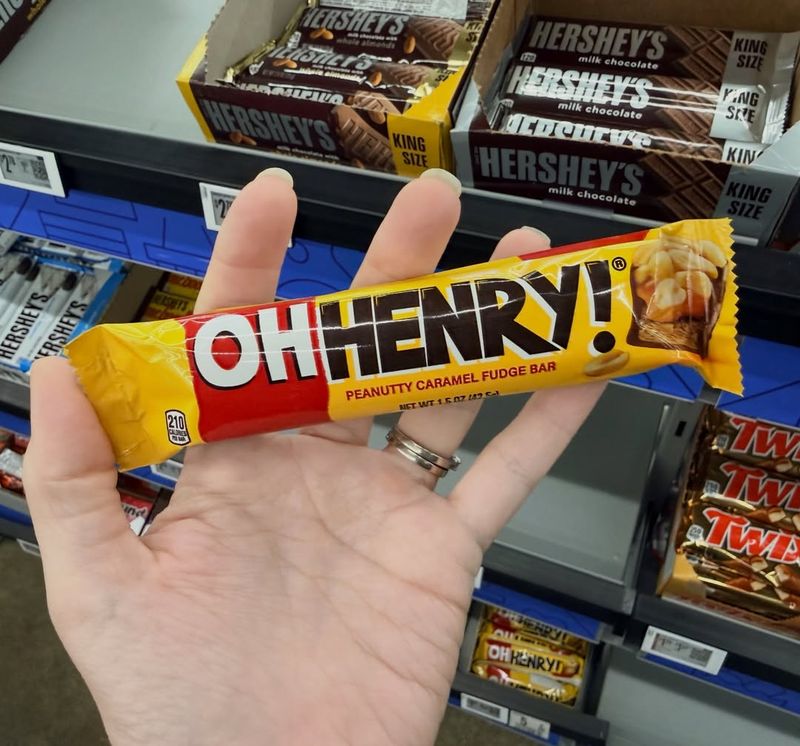
Oh Henry! has been around since 1920, and its combination of peanuts, caramel, and fudge wrapped in chocolate makes it a genuinely hearty candy bar. The origin of its quirky name is a mystery, though one popular story involves a young man named Henry who frequently visited a candy factory and charmed the workers.
Whether the story is true or not, the bar itself is delicious. It has a denser, richer texture than many competitors, making it a go-to for candy lovers who want something substantial.
18. Mallo Cup
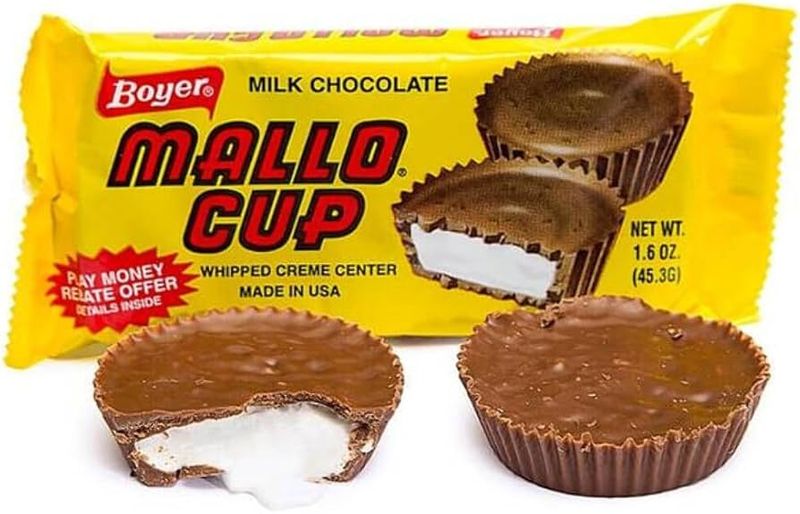
Mallo Cup does not look like a typical candy bar – it comes in a paper cup – but its loyal fans have treasured it since Boyer Brothers introduced it in 1936. The chocolate shell holds a generous scoop of fluffy marshmallow cream that makes it feel more like a dessert than a candy.
Boyer also included cardboard coins inside wrappers that could be saved and redeemed for free candy, a genius promotion that kept kids hooked for decades. Mallo Cup remains a beloved regional favorite in Pennsylvania to this day.