
Europe is one of the most visited places on Earth, but not every city is equally safe for tourists. While most destinations are welcoming and beautiful, some areas have higher crime rates, terrorism concerns, or other risks worth knowing about.
Being informed before you travel can make a huge difference in staying safe. Here is a look at 15 cities across Europe where travelers should keep their guard up.
1. Marseille, France
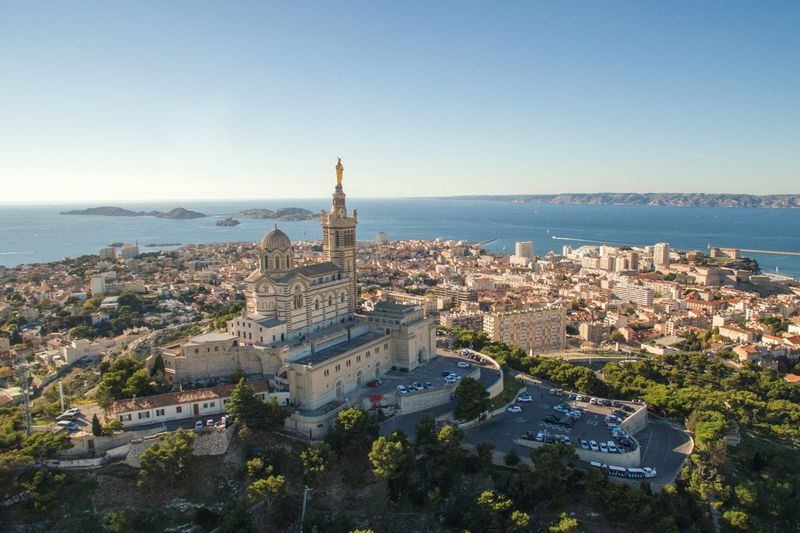
Marseille has a reputation that often surprises first-time visitors. France’s second-largest city is vibrant and beautiful along the waterfront, but certain neighborhoods have long struggled with gang-related crime and drug trafficking.
Pickpocketing is common in the city center and around tourist areas. Travelers should avoid poorly lit streets at night and stay aware in crowded public spaces.
Sticking to well-known tourist zones and using licensed taxis can significantly reduce risk.
2. Naples, Italy
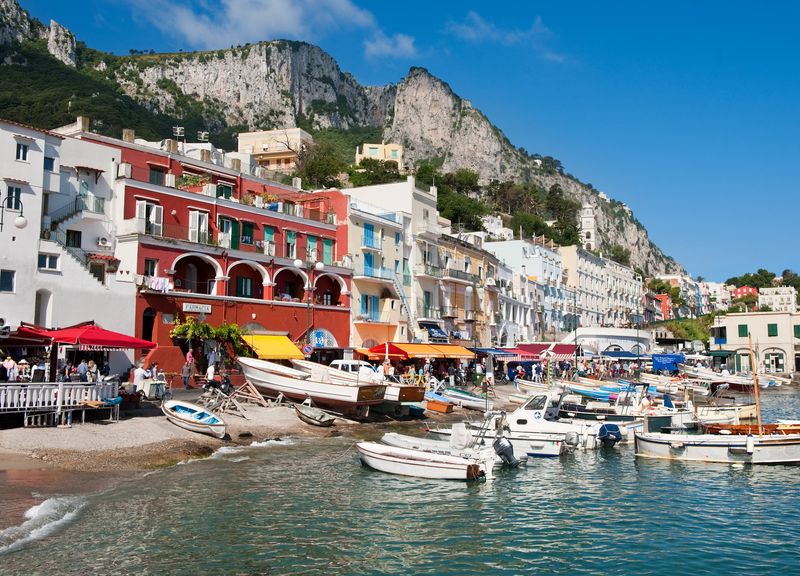
Naples has charm in abundance, from its world-famous pizza to ancient underground tunnels. However, the city ranks among the highest in Italy for petty crime, and some areas are controlled by the Camorra, a powerful local organized crime network.
Bag snatching by scooter riders is a real concern here. Keep bags on the side away from the road and avoid flashing expensive items.
The city rewards careful visitors who stay informed about which neighborhoods to avoid after dark.
3. Catania, Italy
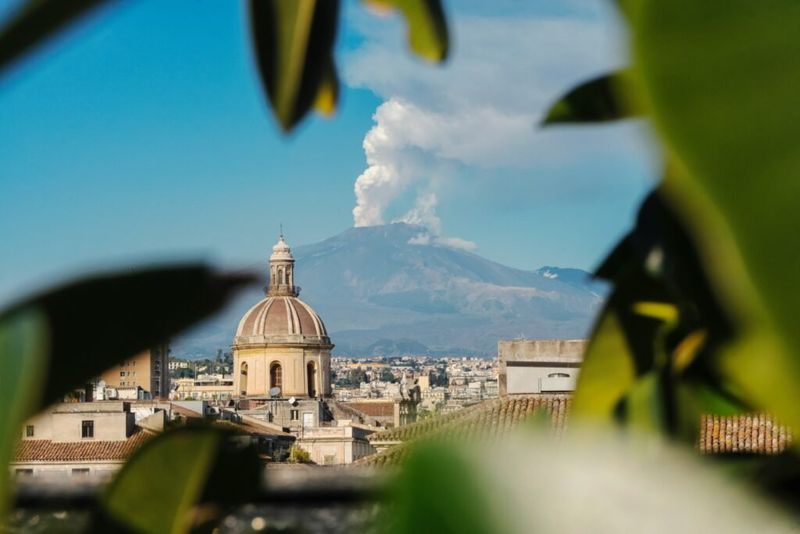
Sitting in the shadow of Mount Etna, Catania is a city of raw energy and stunning baroque architecture. Yet according to Numbeo’s crime perception index, it ranks among the most concerning cities in Europe for residents’ feelings of personal safety.
Car theft and petty crime are frequent complaints. Tourists should be cautious around busy markets and transport hubs.
Parking in well-lit, supervised areas and keeping valuables secured can go a long way toward a trouble-free visit to this Sicilian gem.
4. Birmingham, UK
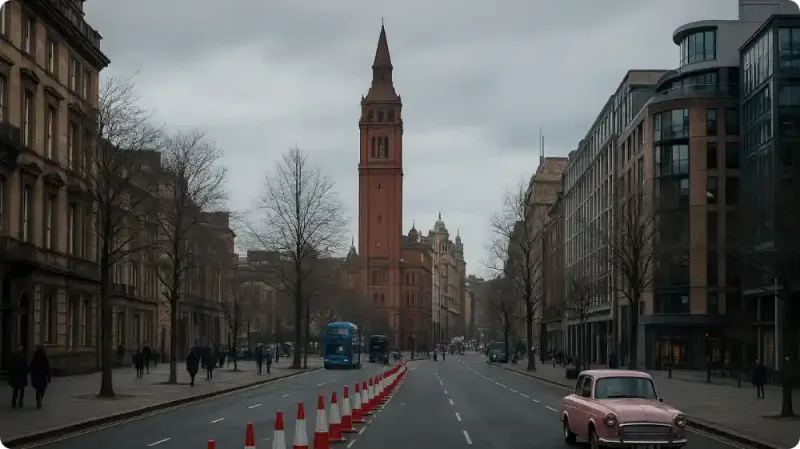
Birmingham is the UK’s second-largest city, packed with culture, food, and history. Still, it consistently appears on crime perception rankings, with concerns around street crime, knife incidents, and gang activity in certain districts.
Tourist areas like the Bullring and Brindleyplace are generally safe during the day. Travelers should be alert at night, especially around transport stations.
Keeping phones out of sight and staying in busy, well-lit areas are simple habits that make a noticeable difference in personal safety.
5. Coventry, UK
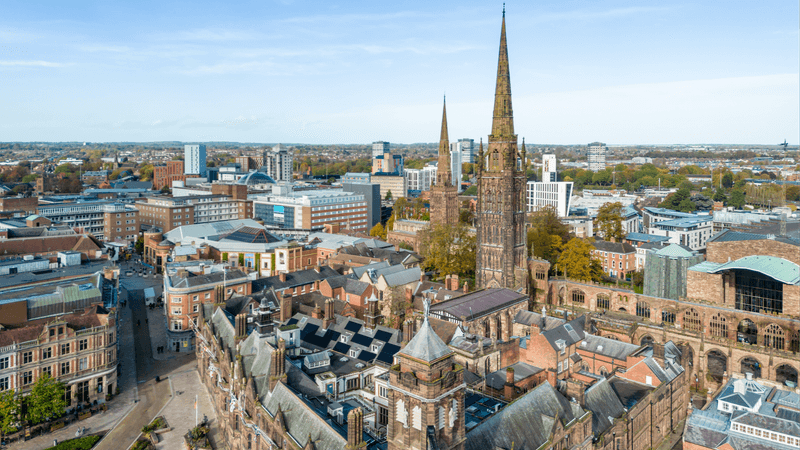
Coventry may be famous for Lady Godiva and its stunning rebuilt cathedral, but it also carries a notable crime burden. The city has appeared on UK crime indexes with elevated rates of violence and antisocial behavior in certain areas.
Travelers visiting for its history and culture can enjoy a safe experience by sticking to central tourist spots. Night travel through unfamiliar residential areas is best avoided.
Using official transport and traveling in groups after dark adds an extra layer of comfort and security.
6. Bradford, UK
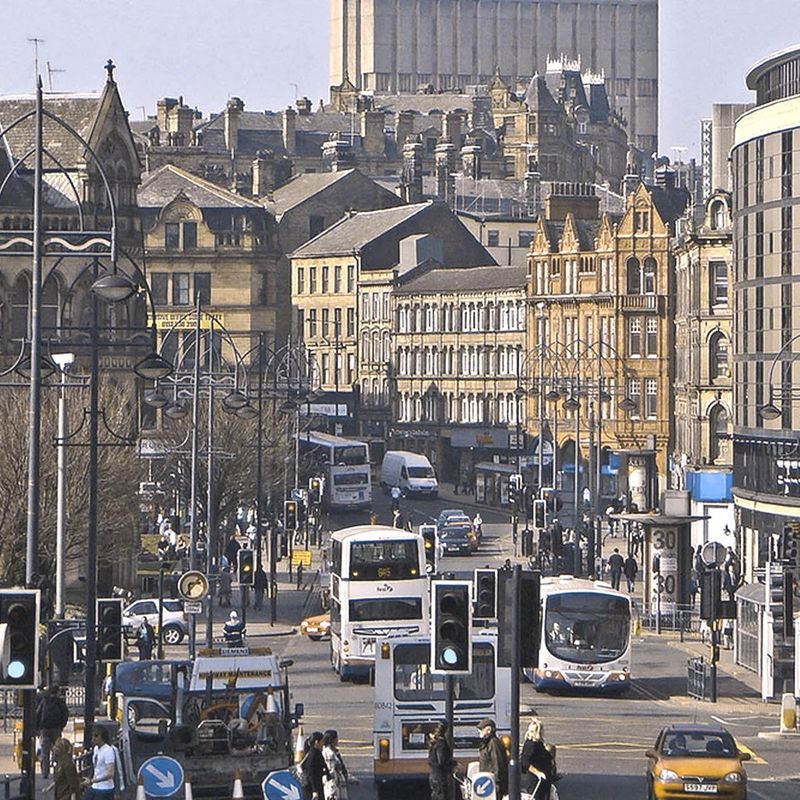
Bradford has a proud industrial heritage and a richly diverse food scene, but it has also been flagged for high crime rates based on perception indexes. Issues including drug-related activity and street crime affect parts of the city.
Tourists heading to Bradford for its curry mile or Saltaire UNESCO site should plan routes carefully. Avoid isolated areas, particularly after dark, and keep belongings secure at all times.
Traveling during daylight hours and staying in central accommodations can help visitors enjoy the city safely.
7. Charleroi, Belgium
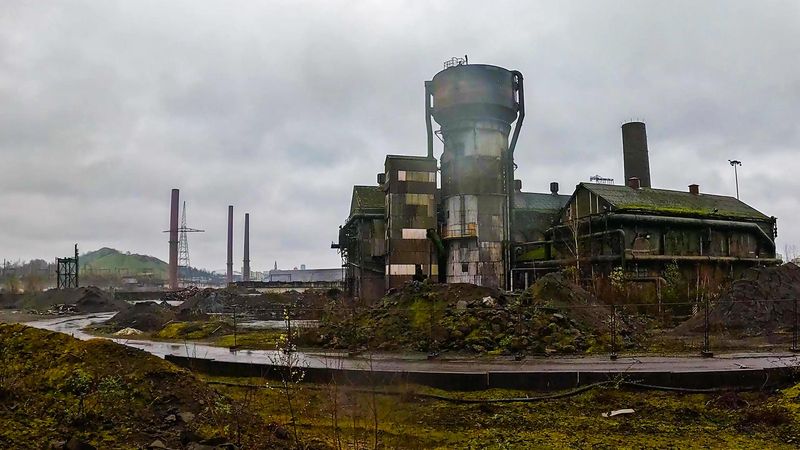
Charleroi is often called one of Belgium’s most troubled cities. Once a thriving industrial hub, decades of economic decline have left parts of the city struggling with poverty, unemployment, and elevated crime rates.
Pickpocketing, drug-related incidents, and vandalism are common complaints from visitors. The city center can feel unwelcoming, especially at night.
Travelers passing through or visiting should stay close to main roads, avoid poorly lit backstreets, and keep a close eye on personal belongings at all times.
8. Liege, Belgium
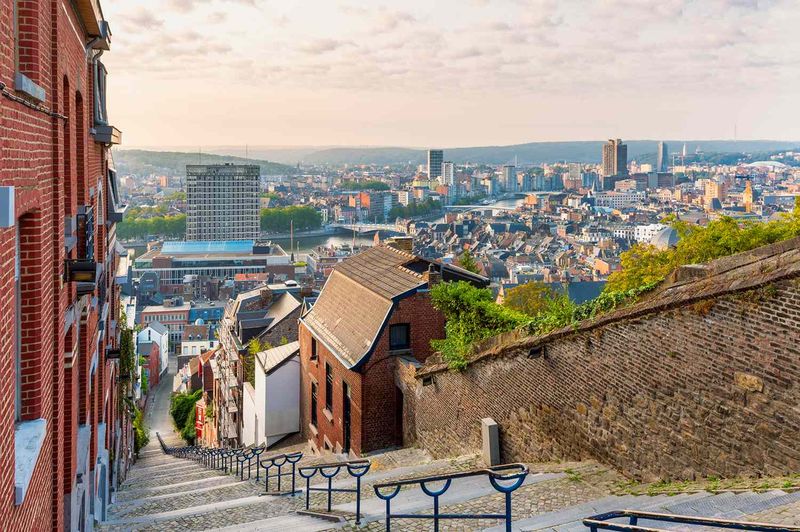
Liege sits along the Meuse River and has a lively cultural scene, but it also scores high on crime perception surveys in Belgium. Petty theft, drug activity, and occasional violent incidents have contributed to its reputation.
The central train station area can be particularly risky for tourists carrying luggage or distracted by their surroundings. Staying alert in busy public spaces and securing bags in front of you can reduce risk.
Most serious trouble tends to happen in specific neighborhoods, so researching local maps helps.
9. Grenoble, France
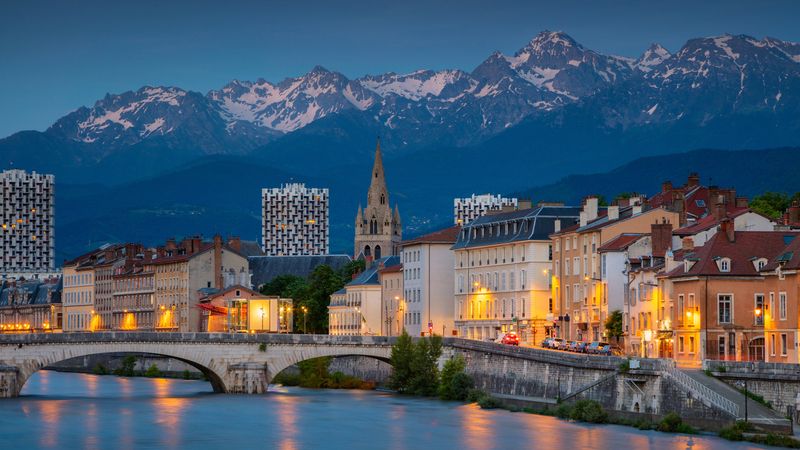
Grenoble is tucked into the French Alps and draws visitors for skiing and hiking, but it has long struggled with a crime problem in its urban core. The city has one of the highest crime perception rates in France according to Numbeo data.
Drug trafficking and gang activity affect certain suburbs, and petty theft is common in busy areas. Visitors should stay in well-reviewed central accommodations and avoid wandering into peripheral housing estates.
Being streetwise and aware of your surroundings is especially important after sundown in this otherwise scenic city.
10. Montpellier, France
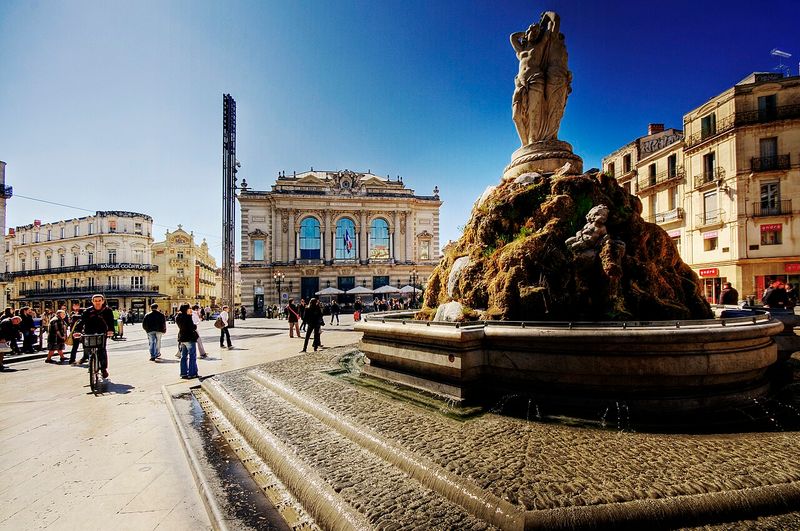
Montpellier has a young, energetic vibe thanks to its large student population and sunny Mediterranean location. However, it regularly ranks among France’s more crime-affected cities, with reports of muggings, bag snatching, and drug-related incidents in certain zones.
The city center and tram stops can attract opportunistic thieves, especially during busy festival periods. Visitors should keep bags zipped and close to the body.
Enjoying the city’s incredible food scene and nightlife is still very possible, as long as you remain alert and avoid poorly lit shortcuts.
11. Rome, Italy
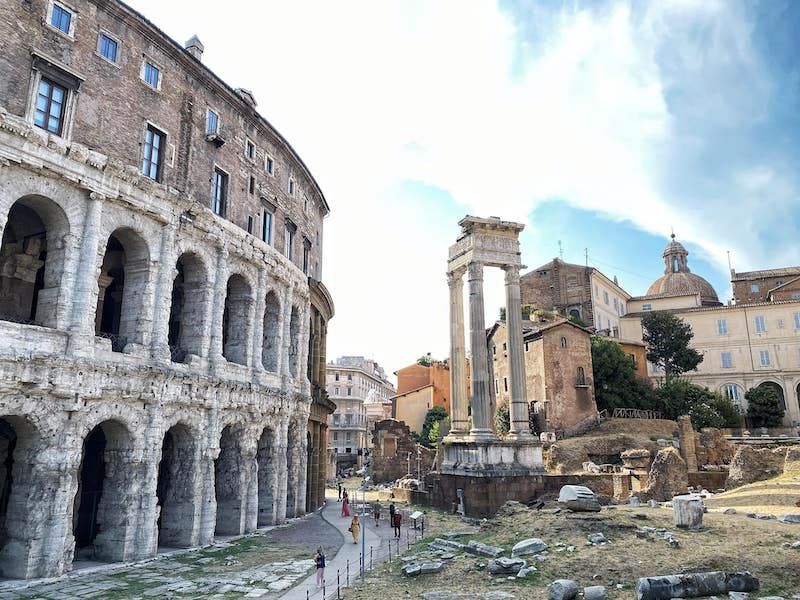
Rome is one of the most visited cities on the planet, and that popularity comes with a downside. Pickpockets are extremely active around major landmarks like the Colosseum, Trevi Fountain, and the Pantheon, targeting distracted tourists.
Scams are also widespread, from fake petitions to overpriced taxis near tourist zones. Use official metered taxis, keep wallets in front pockets, and stay skeptical of strangers offering unsolicited help.
The city is generally safe from violent crime, but petty theft can ruin a trip if you are not prepared.
12. Paris, France
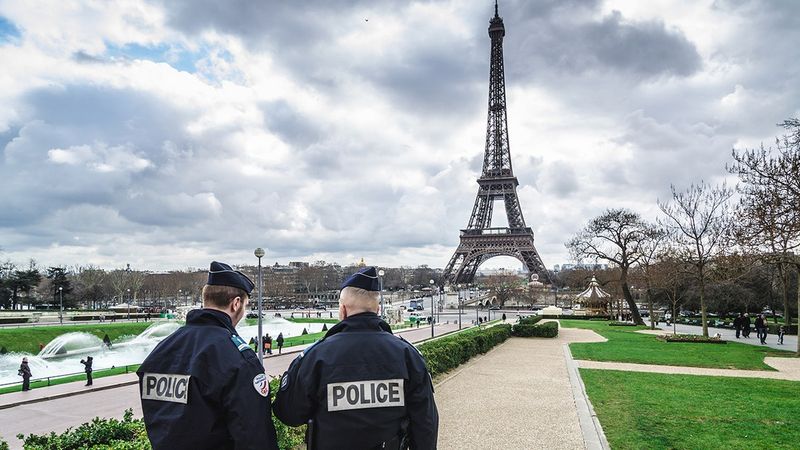
Paris is the most visited city in the world, drawing tens of millions of tourists every year. Yet beneath the romance, pickpocketing runs rampant around the Eiffel Tower, Louvre, and on the Metro, making it one of Europe’s top cities for petty theft.
Paris also recorded over 12,600 road accidents in its inner suburbs in 2022 alone. Heat-related deaths are another growing concern during summer months.
Carrying a money belt, using secure bags, and staying hydrated during hot spells are all smart habits for every Paris visitor.
13. Barcelona, Spain
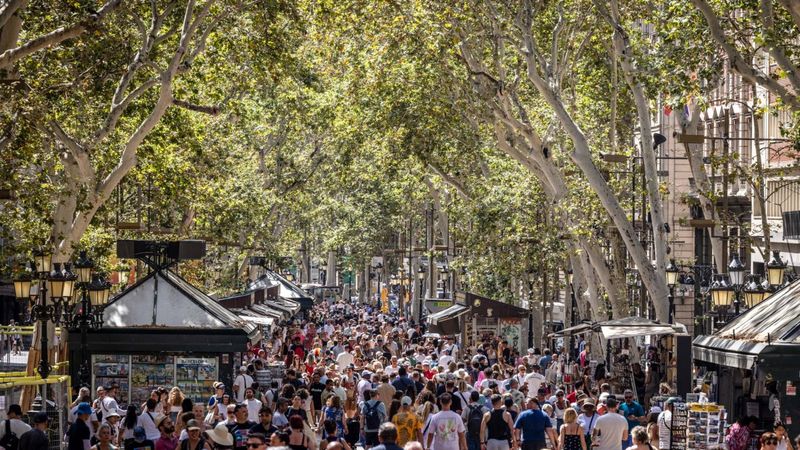
Barcelona is stunning, from the Sagrada Familia to its golden beaches. However, it has earned an unfortunate reputation as one of Europe’s pickpocketing capitals.
Las Ramblas and the Gothic Quarter are hotspots where thieves work in coordinated groups to distract and steal from tourists.
Bag slashing, phone snatching, and fake charity collection scams are all reported regularly. Using a crossbody bag with a zipper and keeping your phone in your pocket can prevent most incidents.
The city is safe for most travelers who simply stay aware.
14. Brussels, Belgium
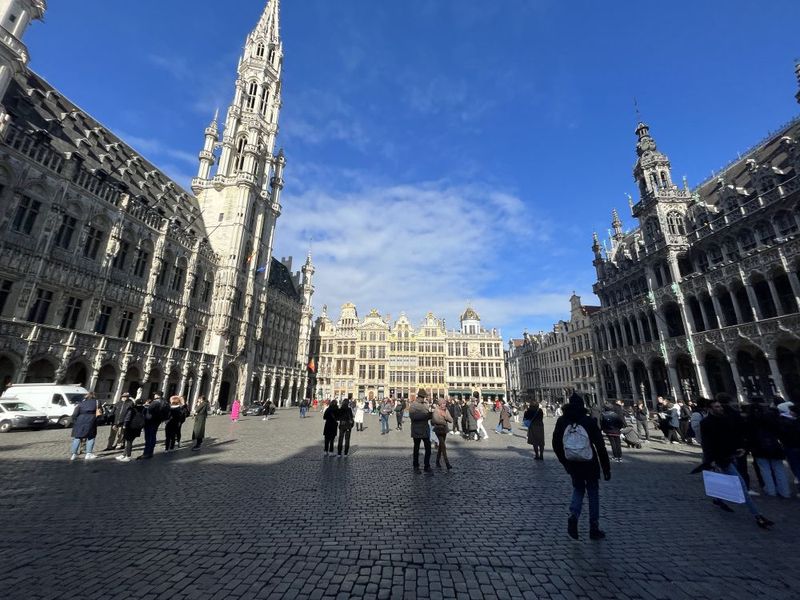
Brussels is the heart of the European Union, but it also carries a Level 2 travel advisory from the U.S. State Department due to terrorism concerns.
In October 2023, a deadly terrorist attack struck the city, putting it on international alert.
Petty crime is also a consistent issue in busy transit areas and tourist districts. Travelers should be extra cautious in crowded public spaces and near major government buildings.
Registering with your country’s embassy and staying updated on local news are practical steps for any visit to the Belgian capital.
15. Bucharest, Romania
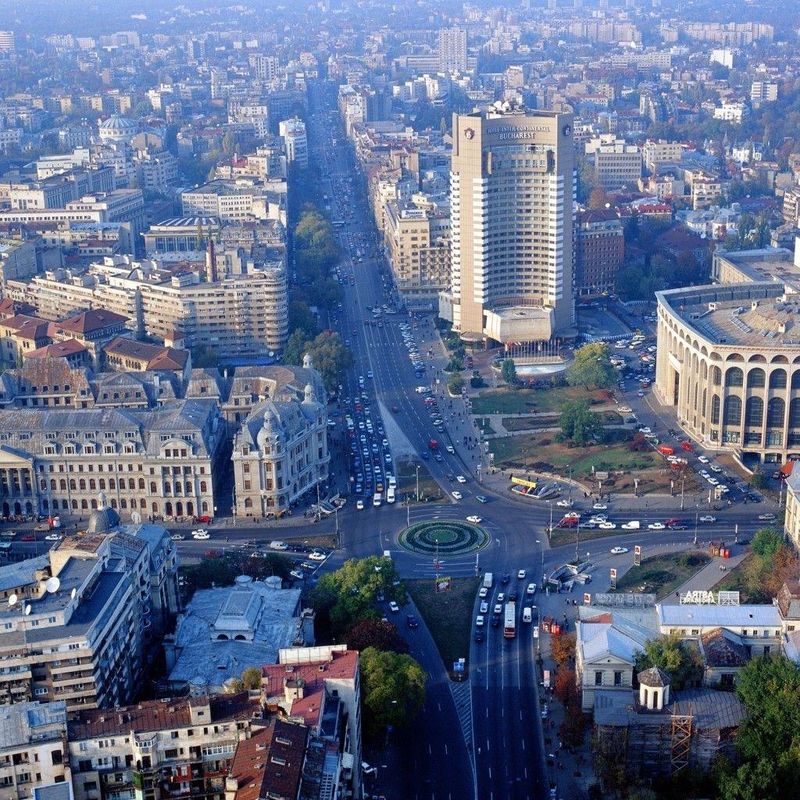
Romania’s capital has made huge strides in modernization and tourism in recent years. However, road safety remains a serious concern.
Romania is recognized as having some of the deadliest roads in Europe, and driving or crossing streets in Bucharest requires extra caution.
Scams targeting tourists, such as overcharging by unlicensed taxis and rigged ATMs, are also reported. Always use reputable ride-hailing apps and withdraw cash from bank-affiliated ATMs.
With a little preparation, Bucharest’s incredible food and nightlife scene can be enjoyed with confidence and minimal risk.