
John Wayne and James Arness made four films together during the 1950s, a decade that cemented both men as icons of American cinema. Arness, who would later become a legend as Marshal Matt Dillon in Gunsmoke, got a big boost from Wayne himself, who even introduced the very first episode of that beloved TV series.
Their on-screen chemistry ranged from thrilling to forgettable, making it fun to look back and rank all four collaborations. Here is how their movies stack up, from best to least memorable.
1. Hondo (1953)
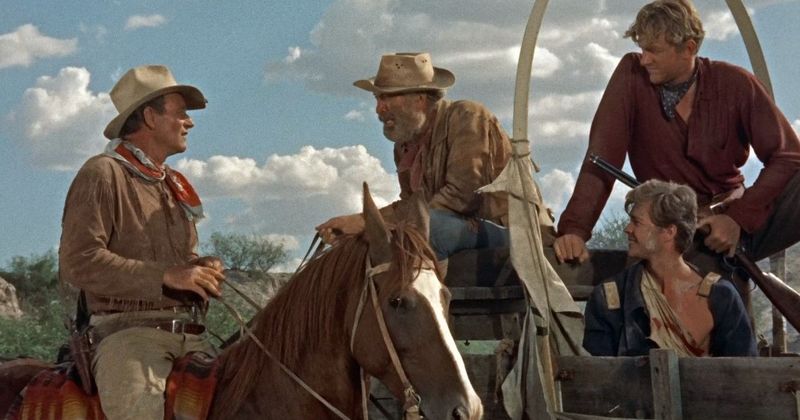
Shot in 3D and bursting with wide-open desert scenery, Hondo stands as the crown jewel of the Wayne-Arness partnership. Wayne plays a tough frontier scout with quiet conviction, and the story never loses its grip from start to finish.
Arness fills his supporting role with steady, natural ease.
Fans of classic Westerns still consider this one a must-watch. It later inspired a TV series, proving how lasting its appeal truly became.
2. Island in the Sky (1953)
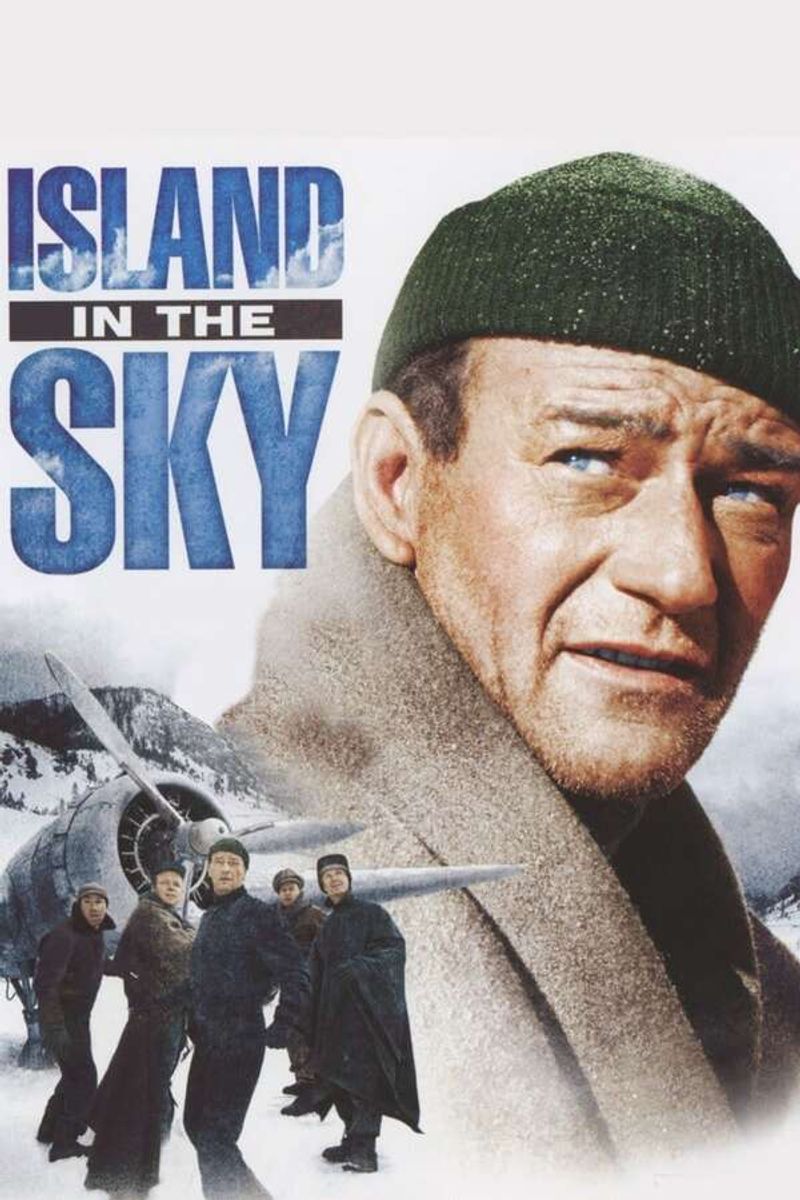
Forget shoot-outs and showdowns. Island in the Sky trades gunfire for frostbite, placing Wayne in one of his most grounded and human performances ever captured on film.
A pilot forced to keep his crew alive in a frozen wasteland, Wayne strips away the bravado and just acts.
Arness holds his own in a sizable supporting part. Together, they make this survival story feel urgent and real, earning it a well-deserved second-place spot.
3. The Sea Chase (1955)
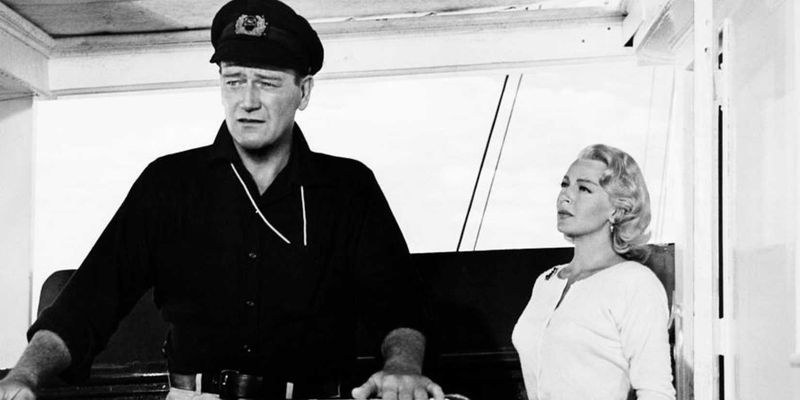
Here is a curious casting choice: John Wayne playing a German sea captain during World War II, with Lana Turner along as a glamorous spy and Arness rounding out the crew as a German sailor. The premise sounds exciting on paper, but the film never quite delivers the thrills it promises.
Critics and audiences have long called it a disappointment. Still, watching Wayne and Arness share the screen one last time carries a certain nostalgic charm worth appreciating.
4. Big Jim McLain (1952)
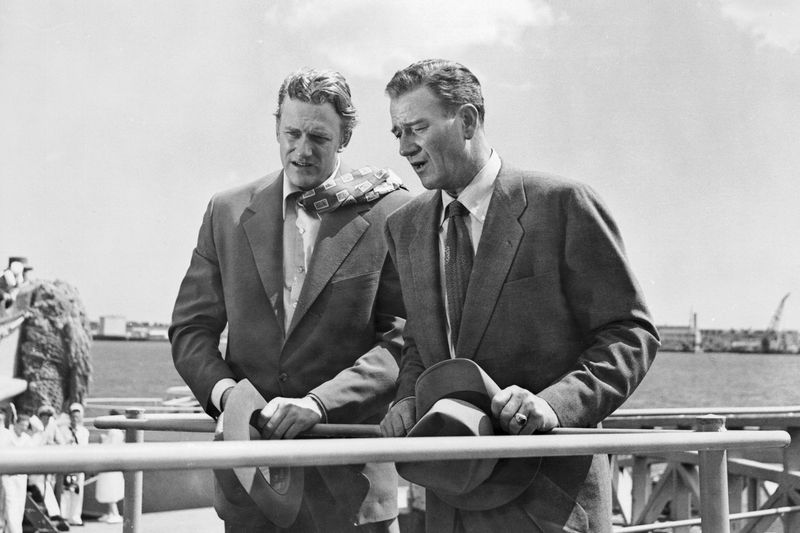
Kicking off their on-screen partnership, Big Jim McLain casts Wayne as a HUAC investigator hunting communists in sunny Hawaii, with Arness playing his loyal partner Baxter. The tropical setting sounds appealing, but the film leans so hard into Cold War politics that the story often feels more like a lecture than an adventure.
Decades later, its pro-HUAC message makes it feel dated. As a piece of film history, though, it remains a fascinating time capsule of 1950s American anxiety.