
Some songs are so powerful that they become the very soul of the album they belong to. Title tracks that perfectly capture the spirit of a record are rare, but when they land right, they become timeless.
From hard rock anthems to quiet folk confessions, these 20 songs didn’t just name their albums — they defined them. Get ready to revisit some of the greatest moments in music history.
1. AC/DC: “Back in Black”
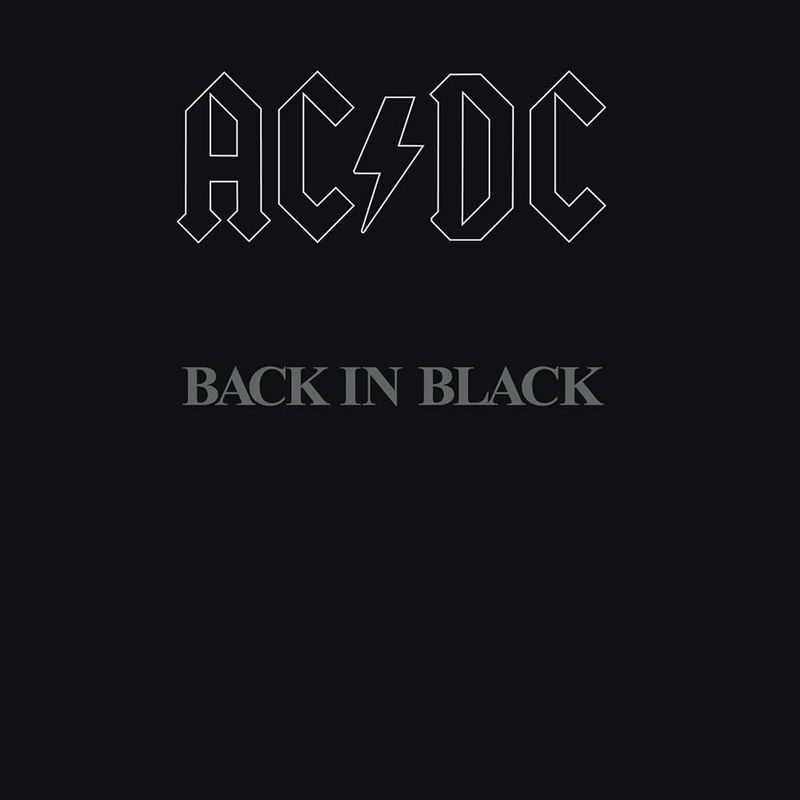
Few album openers hit as hard as “Back in Black.” Released in 1980 as a tribute to late vocalist Bon Scott, the track launched AC/DC’s best-selling record into the stratosphere. That thunderous guitar riff from Angus Young is instantly recognizable to rock fans worldwide.
The album went on to become the best-selling hard rock record of all time, moving over 50 million copies. The title track set the fierce, unapologetic tone that carried every song that followed it.
2. Black Sabbath: “Black Sabbath”
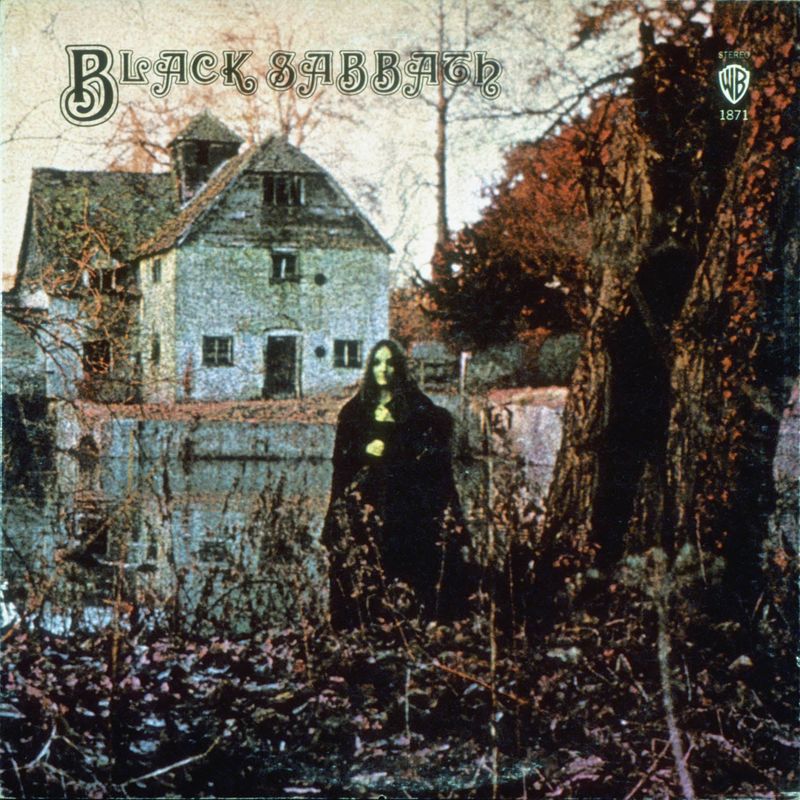
Imagine hearing a tolling bell, a thunderstorm, and a slow, crushing guitar riff all at once — that’s the opening of “Black Sabbath.” Released in 1970, this title track didn’t just introduce a band. It introduced an entire genre.
Ozzy Osbourne’s eerie vocals and Tony Iommi’s downtuned riffs created a wall of dread that had never been heard before. Many music historians point to this very song as the birth certificate of heavy metal.
3. Bruce Springsteen: “Born in the U.S.A.”
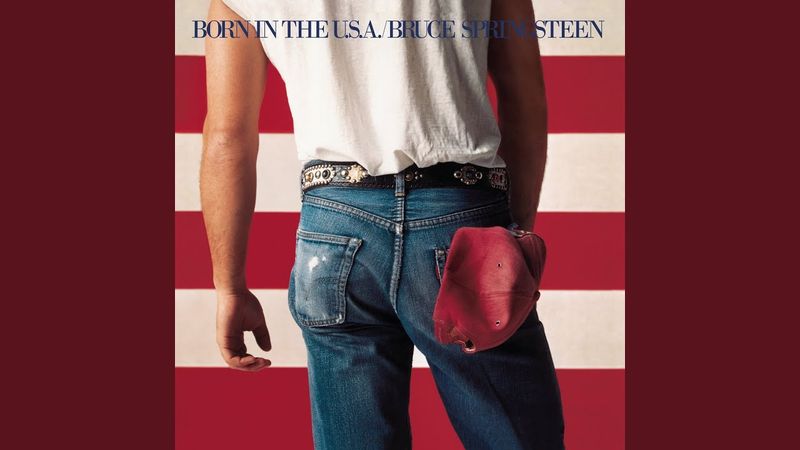
“Born in the U.S.A.” is one of the most misunderstood songs in rock history. Many people heard it as a patriotic anthem, but Springsteen actually wrote it as a raw protest about how Vietnam veterans were treated when they came home.
That pounding drum intro and anthemic chorus made it feel enormous, capturing the musical mood of 1984 perfectly. The contradiction between its sound and its message made it one of rock’s most fascinating title tracks ever recorded.
4. The Clash: “London Calling”
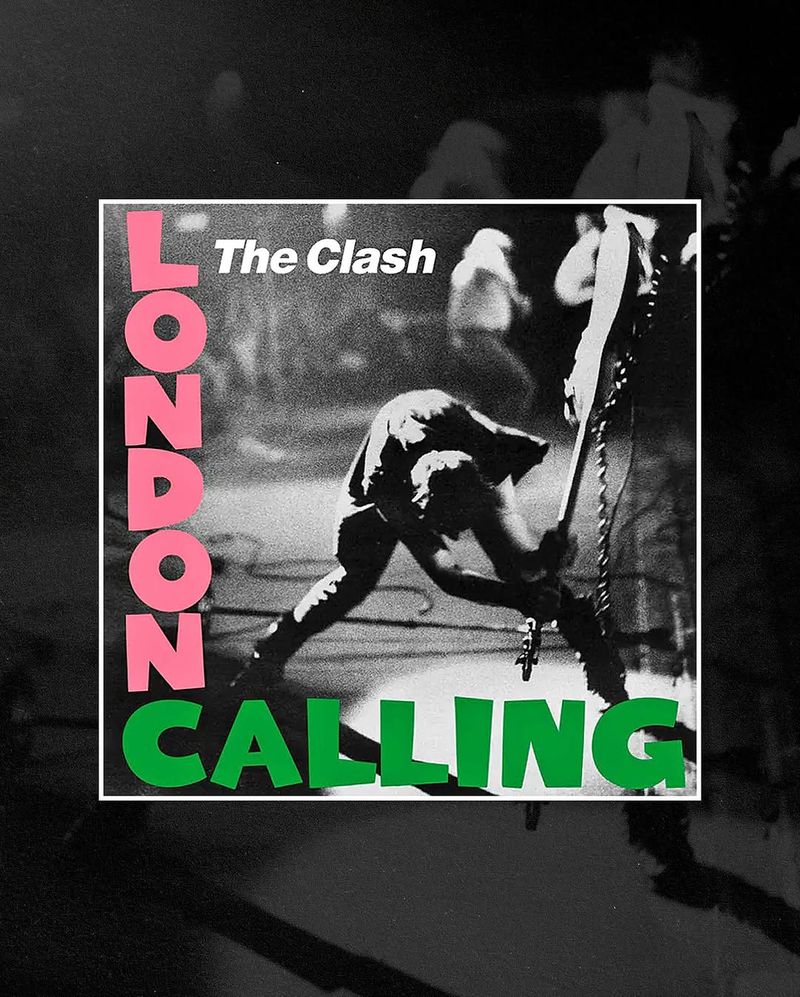
“London Calling” arrived like a warning broadcast over a crumbling radio signal. Joe Strummer’s urgent vocals and Mick Jones’s choppy guitar work created a song that felt like the world was on fire — because in 1979, it kind of was.
The track blended punk, reggae, and rock in a way nobody had done before. Critics still regard it as one of the greatest rock songs ever made, and it gave the double album its urgent, apocalyptic identity right from the very first note.
5. David Bowie: “Heroes”
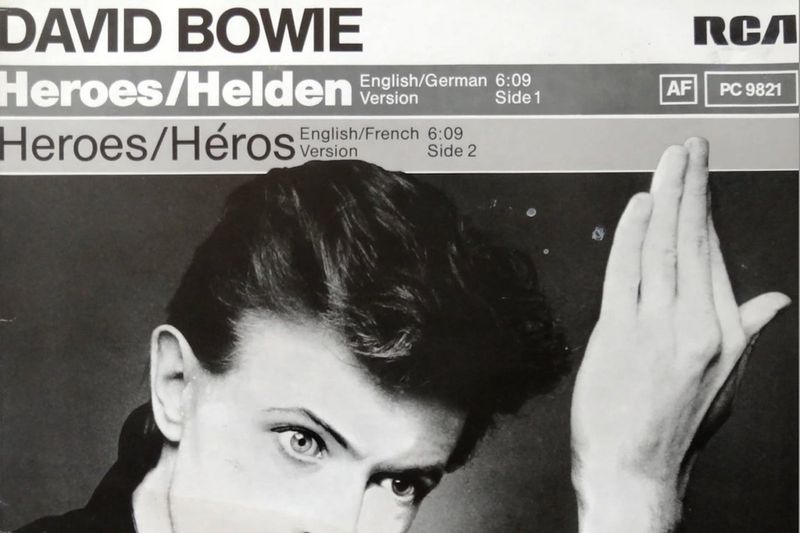
Recorded in Berlin with producer Brian Eno, “Heroes” is one of David Bowie’s most emotionally powerful moments. The song was inspired by a couple Bowie saw kissing near the Berlin Wall, a sight that moved him deeply.
Robert Fripp’s layered guitar feedback builds the song into something almost cinematic. At just over six minutes, it swells from a quiet whisper into a full-throated declaration of love and defiance.
It remains the emotional centerpiece of Bowie’s celebrated Berlin trilogy.
6. Eagles: “Hotel California”
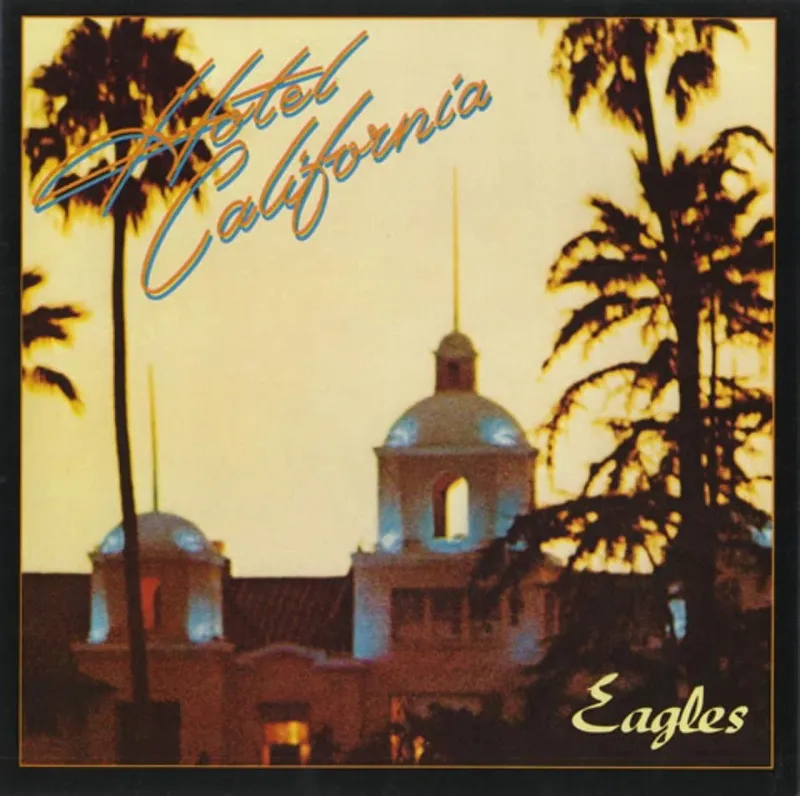
That iconic guitar intro is one of the most recognizable openings in all of rock music. “Hotel California” opens the Eagles’ 1976 album of the same name and immediately pulls listeners into a world of sun-soaked danger and hollow glamour.
The song explores the dark side of the American dream through the lens of Hollywood excess and spiritual emptiness. Its legendary dual guitar solo, played by Don Felder and Joe Walsh, remains one of rock’s most celebrated musical moments to this day.
7. Elton John: “Goodbye Yellow Brick Road”
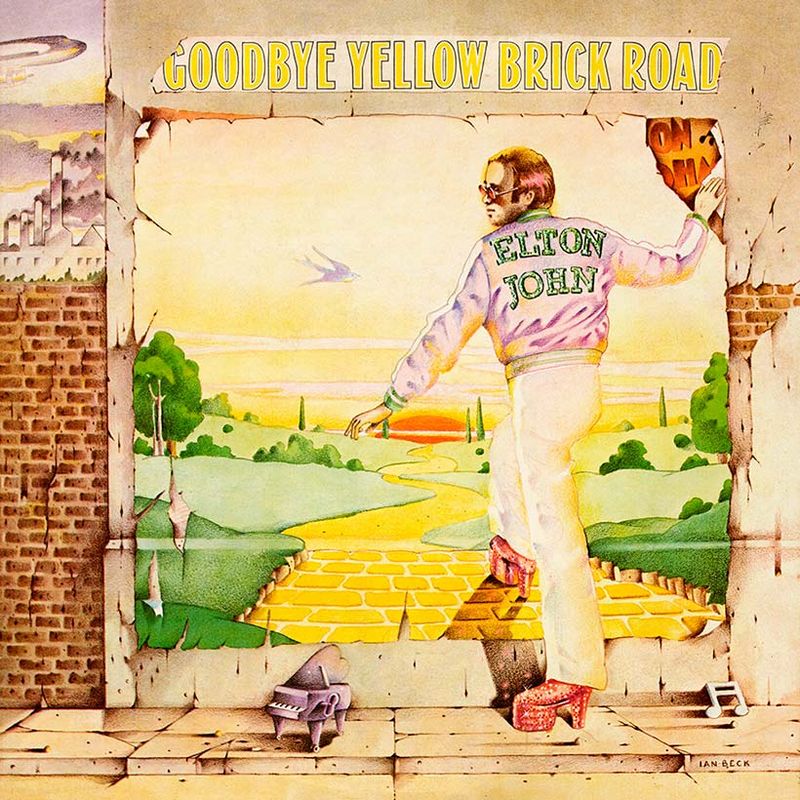
Bernie Taupin wrote the lyrics for “Goodbye Yellow Brick Road” in just 20 minutes, yet the song became one of Elton John’s most enduring masterpieces. It captures a feeling of turning your back on fame and glitter to find something more real and grounded.
The piano-driven melody and Elton’s soaring vocal performance make it feel both intimate and massive at the same time. Many fans and critics consider it the pinnacle of his extraordinary 1970s run of creative brilliance.
8. Green Day: “American Idiot”
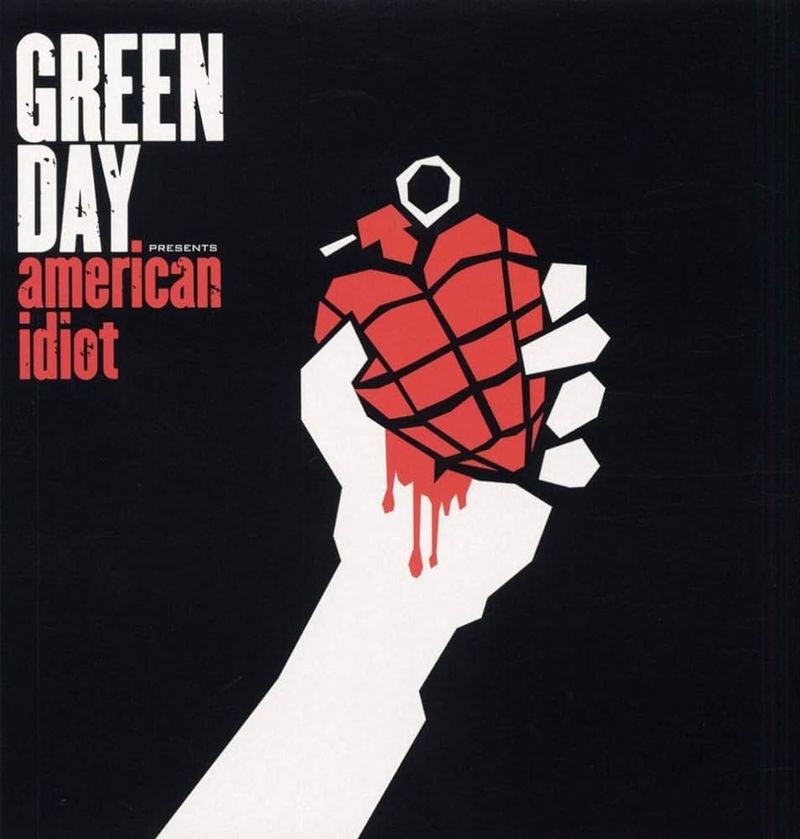
Green Day came roaring back in 2004 with a title track that was impossible to ignore. “American Idiot” arrived like a firecracker thrown into a quiet room — loud, political, and absolutely furious about the state of the world.
Billie Joe Armstrong’s snarling vocal delivery matched the song’s jagged, propulsive guitar work perfectly. The track captured the frustration of a generation tired of media manipulation and political noise.
It launched one of the most successful punk rock concept albums in modern music history.
9. Joni Mitchell: “Blue”
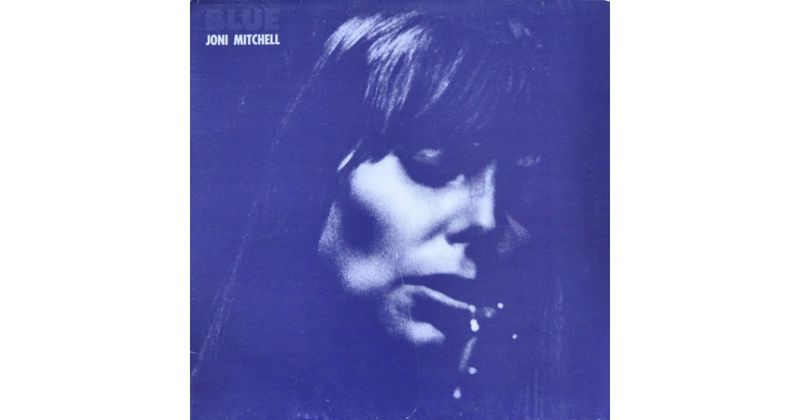
There’s a reason music lovers still call “Blue” one of the most honest songs ever written. Joni Mitchell strips away every pretense and lays her emotional wounds completely bare, singing about heartbreak and longing with startling vulnerability.
The spare piano arrangement leaves nowhere to hide, putting all the weight on Mitchell’s voice and words. As the title track of her 1971 album, it perfectly represents the album’s theme of melancholic self-examination.
Few songs in folk or pop history carry this level of raw emotional truth.
10. Marvin Gaye: “What’s Going On”
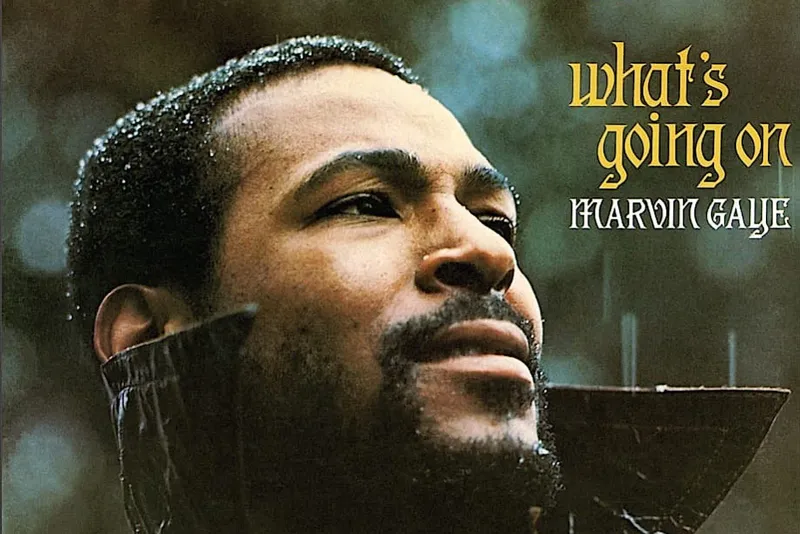
“What’s Going On” opened Marvin Gaye’s landmark 1971 album with a question that felt urgent then and still resonates today. Written partly in response to police brutality witnessed by Four Tops member Renaldo Benson, the song channeled real pain into something beautiful.
Gaye’s layered vocals float over a lush, jazzy arrangement that feels both warm and deeply sorrowful. Motown initially didn’t want to release it, but Gaye insisted.
It became one of the greatest songs in American music history.
11. Metallica: “Master of Puppets”
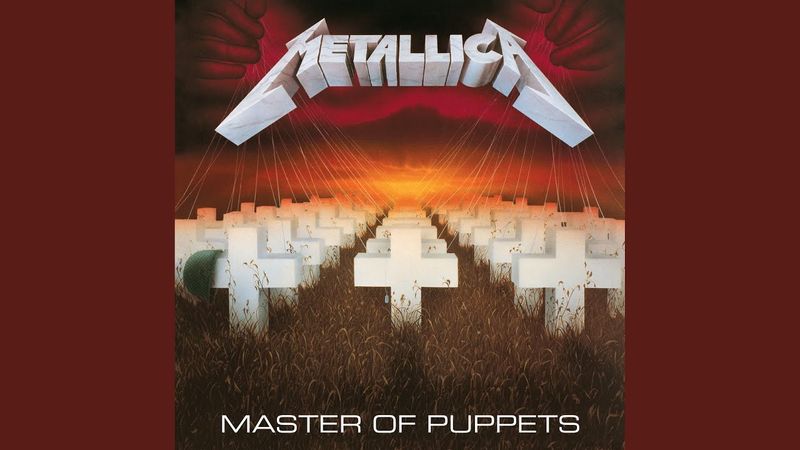
Running over eight minutes long, “Master of Puppets” isn’t your typical radio-friendly song — and that’s exactly what makes it legendary. Released in 1986, it’s a ferocious, intricately structured exploration of addiction and control that pushed thrash metal into new creative territory.
James Hetfield’s rhythm guitar work and Lars Ulrich’s drumming lock together with machine-like precision. The song’s mid-section acoustic passage is a shocking, beautiful contrast to the chaos surrounding it.
It redefined what heavy metal could achieve as an art form.
12. Michael Jackson: “Thriller”
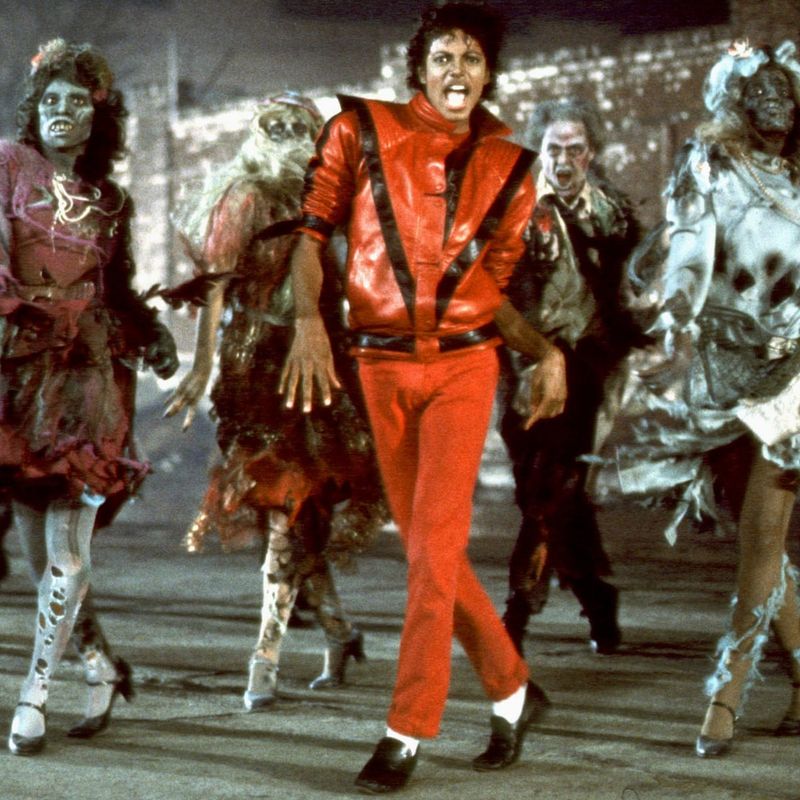
Released as the final single from his record-breaking 1982 album, “Thriller” became something far bigger than a pop song. The 14-minute music video, directed by John Landis, transformed the track into a full cinematic event complete with zombies, choreography, and a Vincent Price spoken-word segment.
It essentially invented the modern music video as an art form. The album went on to become the best-selling record in history.
No other title track has had quite the same cultural impact across so many different audiences worldwide.
13. N.W.A: “Straight Outta Compton”
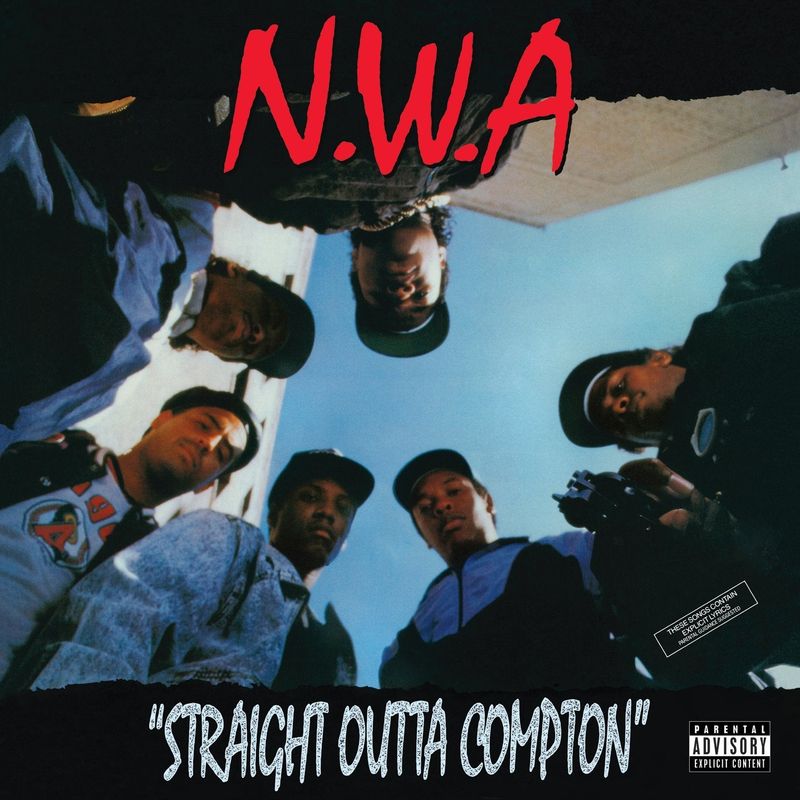
“Straight Outta Compton” hit like a sledgehammer when N.W.A dropped it in 1988. The in-your-face lyrics and hard-hitting West Coast production gave the world a raw, unfiltered look at life in one of Los Angeles’s toughest neighborhoods.
Ice Cube, Dr. Dre, and Eazy-E each brought a distinct voice that made the track feel like a collective declaration of existence. It launched gangsta rap into mainstream consciousness and sparked debates about free speech, art, and authenticity that still echo today.
14. Pink Floyd: “Wish You Were Here”
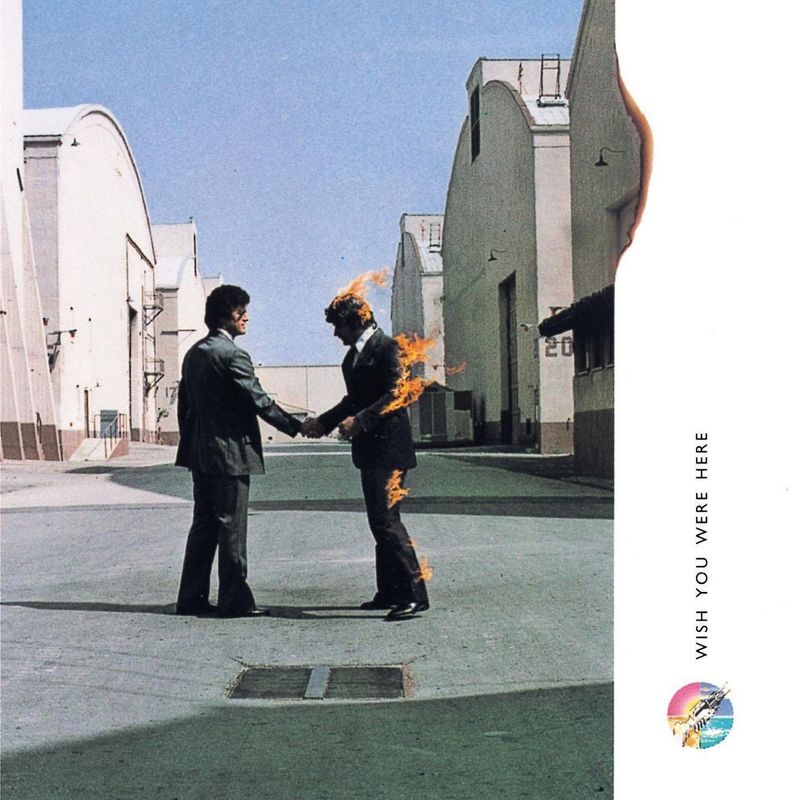
Written as a tribute to Syd Barrett, the band’s troubled founding member who lost his grip on reality due to mental illness, “Wish You Were Here” is one of rock music’s most heartfelt songs. David Gilmour’s acoustic guitar opening is instantly recognizable and achingly beautiful.
Roger Waters’ lyrics ask whether we’ve traded our humanity for comfort and distraction — a question that feels timeless. The song stands as a deeply personal centerpiece of the 1975 album, representing grief, guilt, and longing all at once.
15. Prince and the Revolution: “Purple Rain”
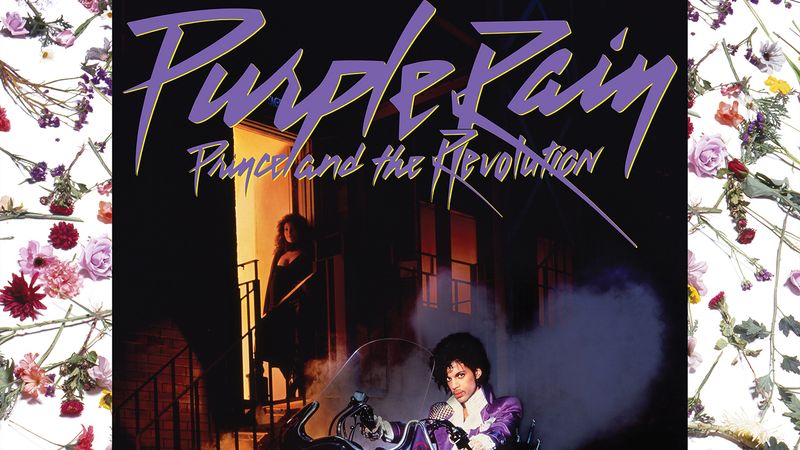
Nearly nine minutes long, “Purple Rain” closes Prince’s 1984 album with the kind of emotional sweep usually reserved for symphonies. The song builds slowly, letting Prince’s guitar solo carry the weight of every feeling the album has built up.
It was written for the semi-autobiographical film of the same name, giving it a cinematic quality that few pop songs ever achieve. Many music writers consider it Prince’s greatest single performance.
The song sealed his status as one of the most gifted musicians of his generation.
16. Red Hot Chili Peppers: “Californication”
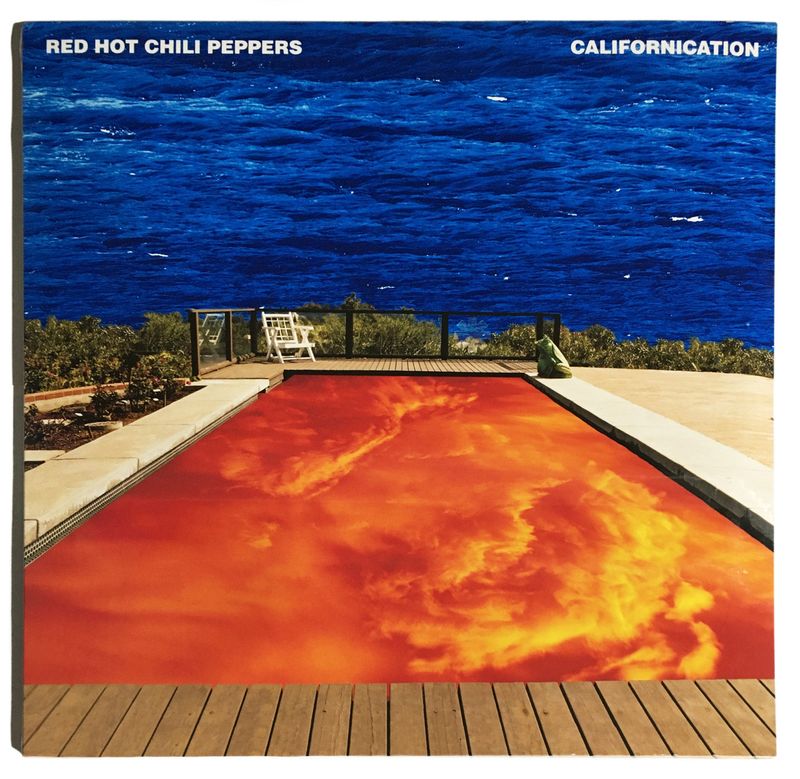
After a difficult period that included John Frusciante’s return to the band, “Californication” marked a fresh creative chapter for the Red Hot Chili Peppers. The title track is surprisingly restrained — built on a simple, hypnotic guitar riff rather than the band’s usual funk-rock energy.
Anthony Kiedis’s lyrics explore Hollywood’s seductive power and the way California’s mythology gets exported to the rest of the world. The song captured a new, more reflective side of the band while still feeling unmistakably like them.
17. Simon & Garfunkel: “The Sound of Silence”
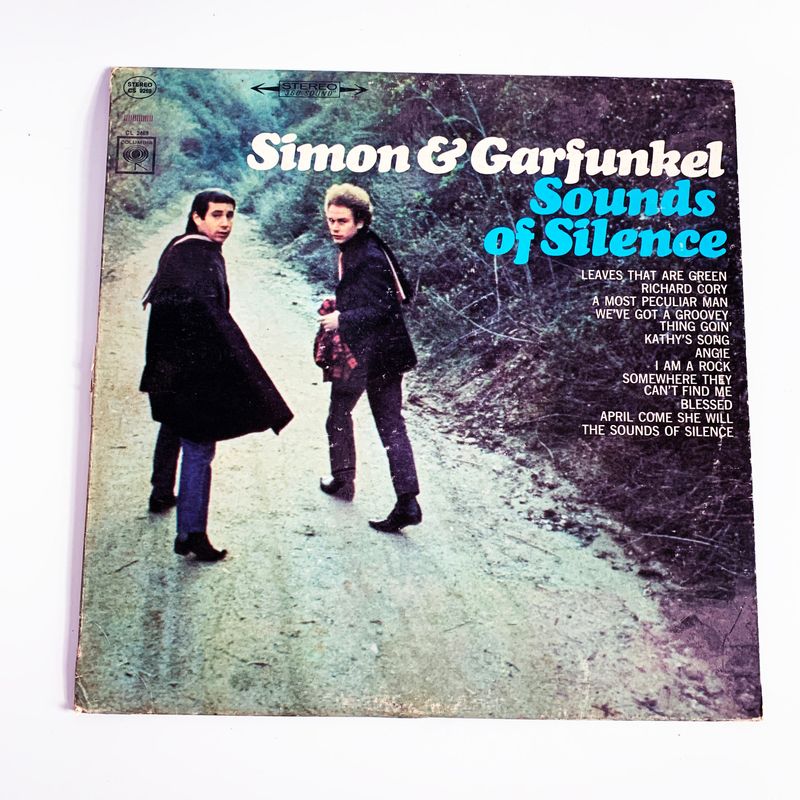
Originally recorded acoustically in 1964, “The Sound of Silence” was quietly re-released in 1966 with electric guitars and drums added — and suddenly it shot to number one. Paul Simon didn’t even know the remix had been released until it was already climbing the charts.
The song’s poetic exploration of loneliness and disconnection struck a deep chord with a generation searching for meaning. It gave Simon and Garfunkel’s second album its title and launched one of folk rock’s most celebrated careers into the mainstream.
18. Soundgarden: “Superunknown”
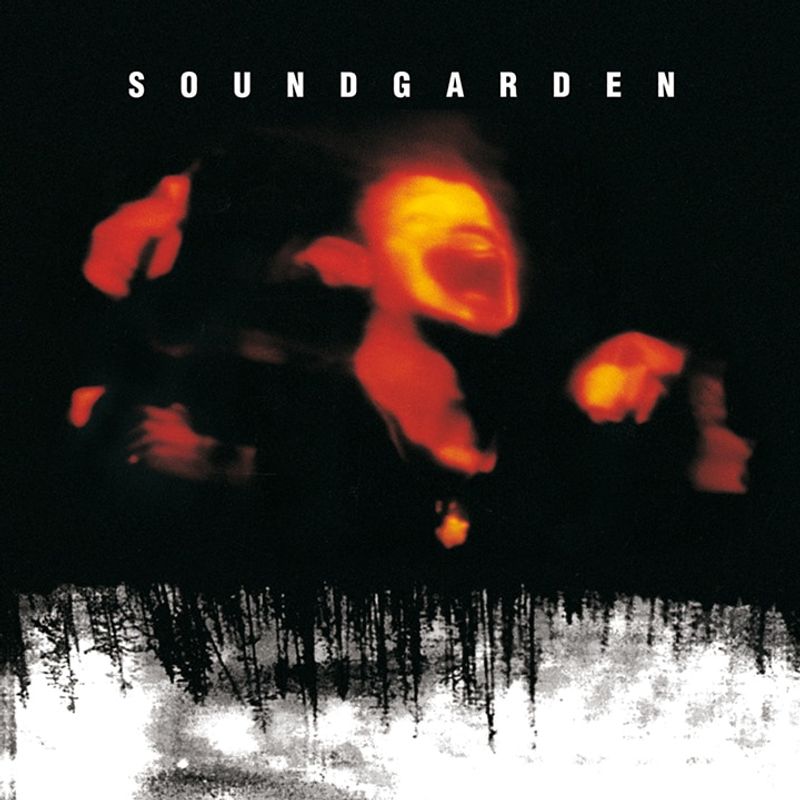
“Superunknown” is the kind of title track that earns its place by being genuinely strange and compelling. Chris Cornell’s vocal performance spirals through odd time signatures and psychedelic imagery, creating a song that feels like it’s shifting shape beneath your feet.
The 1994 album it anchors is widely considered Soundgarden’s creative peak — and the title track embodies why. It captures the band’s unique ability to be both crushingly heavy and eerily melodic at the same time, representing the album’s musical and lyrical ambition perfectly.
19. The Beatles: “A Hard Day’s Night”
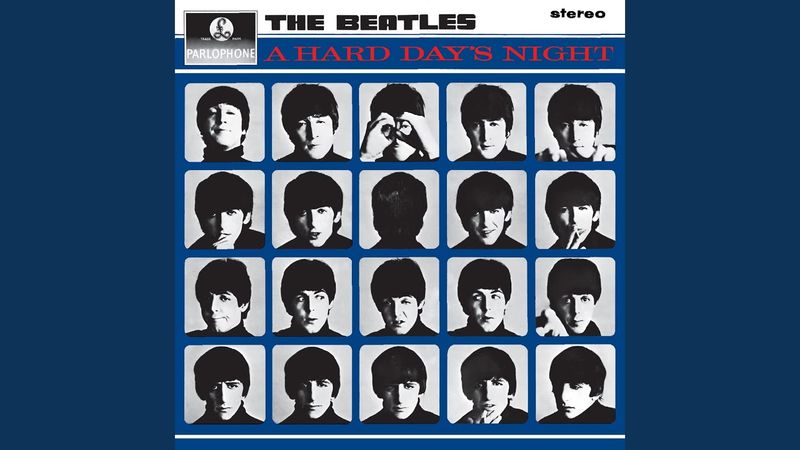
John Lennon reportedly wrote “A Hard Day’s Night” overnight after Ringo Starr accidentally coined the phrase. The entire thing was finished in a single three-hour session — which is remarkable given how perfectly crafted the song sounds.
That opening chord — a G eleventh suspended fourth — is one of the most debated sounds in music history. Musicologists spent decades trying to figure out exactly how it was played.
As a joyful, anarchic curtain-raiser for the 1964 film and album, it captures Beatlemania at its most electric and unstoppable.
20. The Who: “My Generation”
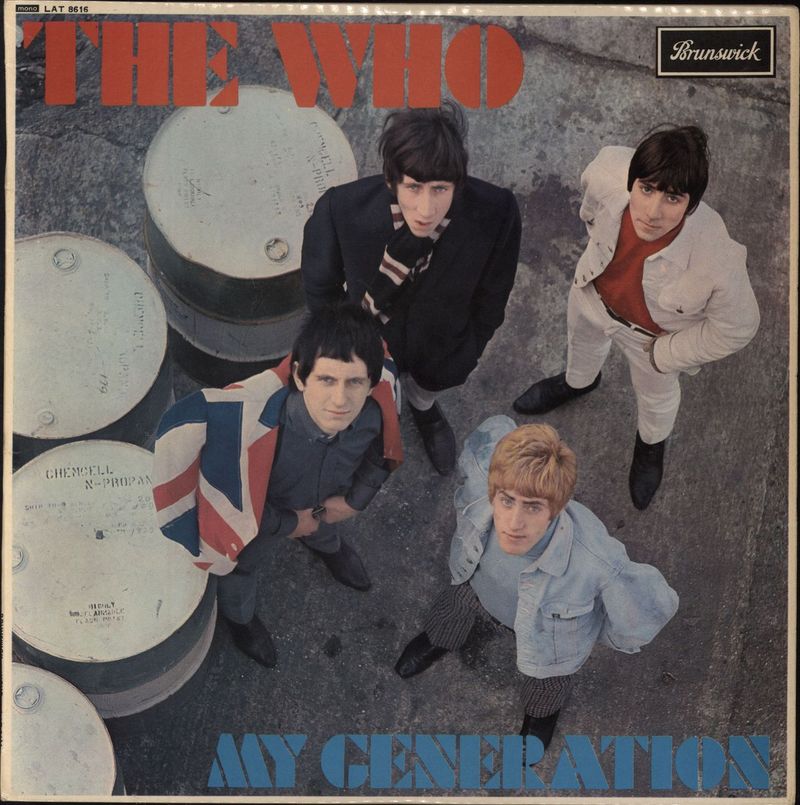
“My Generation” may be the most perfectly titled song in rock history. Pete Townshend wrote it as a defiant middle finger to the establishment, and Roger Daltrey’s deliberately stuttered delivery made it sound like rebellion itself had learned to sing.
The line “I hope I die before I get old” shocked adults and thrilled teenagers in equal measure. Released in 1965, the track defined the post-Beatlemania British rock scene and gave The Who a generational anthem that still sounds urgent and alive more than 50 years later.