
Cold winters helped shape the bold, filling food of Northeastern China, a region also called Dongbei. Its tables welcome you with bubbling stews, crisp pork, chewy noodles, and warm steamed bread.
Local favorites share menu space with dishes loved across China, giving you plenty to explore. Bring a good appetite and a few friends, because sharing is part of the fun.
1. Guo Bao Rou: Harbin’s Crispy Pork
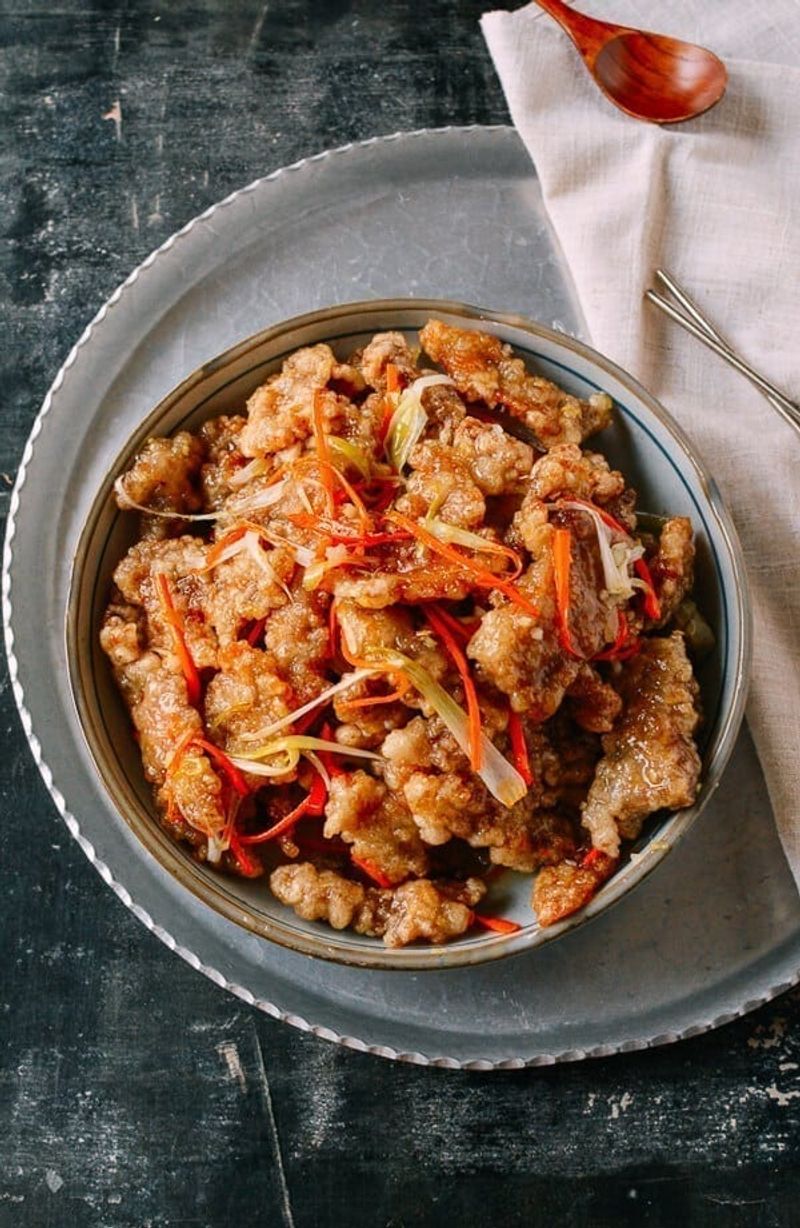
Listen for the crunch before the sweet, sharp sauce takes over. Born in Harbin, guo bao rou features thin pork slices coated in starch batter, fried crisp, and quickly tossed with a sugar and vinegar sauce.
Order it fresh and start eating while the coating still crackles. Ginger and carrot strips often brighten the plate.
Pair a shared serving with plain rice or a vegetable dish to balance its rich flavor without hiding that famous crunch.
2. Di San Xian: Three Earthly Treasures
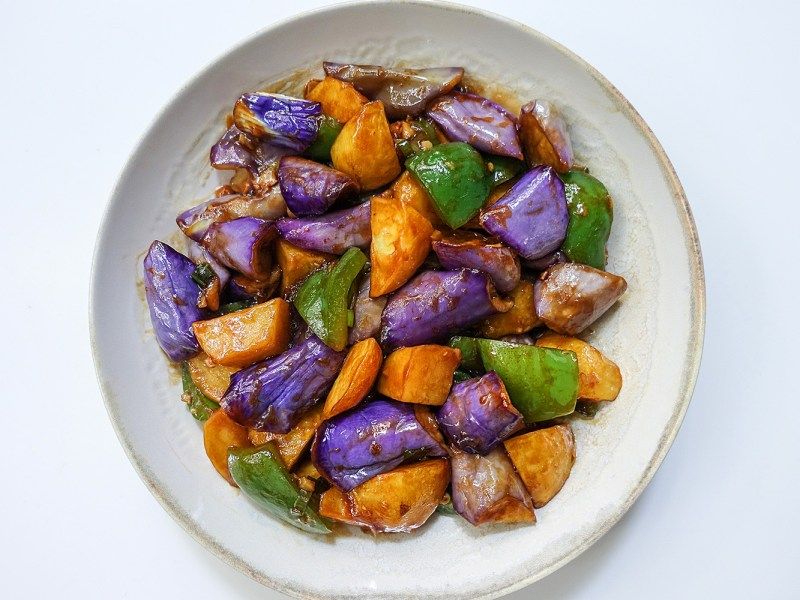
Potatoes, eggplant, and green peppers prove that a meatless plate can steal the show. The name means three earthly treasures, and each vegetable brings something different: soft centers, silky flesh, or a fresh bite.
Cooks usually fry the vegetables before coating them in a savory garlic sauce. Ask whether stock or seasonings contain animal ingredients if you eat vegetarian.
For home cooking, dry the vegetables well before frying to reduce splashes and help them brown evenly.
3. Jiaozi: Dumplings Worth Gathering Around
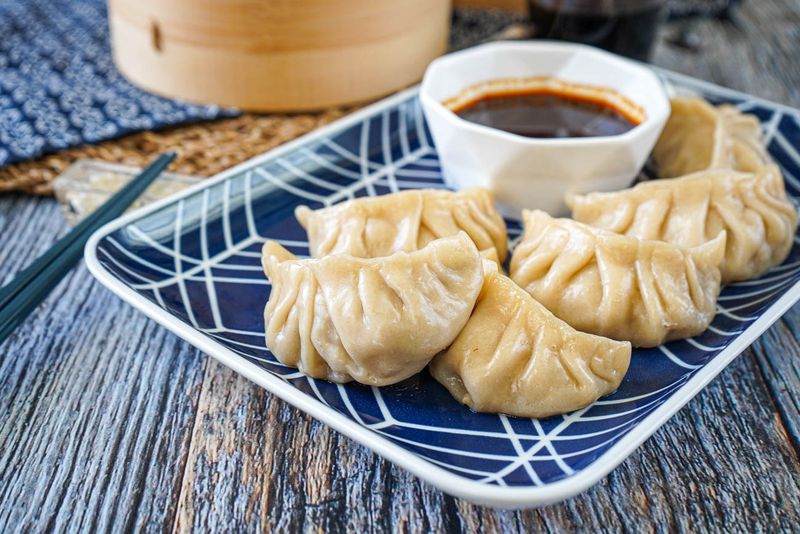
A plate of dumplings can turn dinner into a small celebration. Across Dongbei, families fold wheat wrappers around fillings such as pork and pickled napa cabbage, then boil or steam them until tender.
Try a simple dipping sauce of vinegar and minced garlic before adding chili oil. Order several fillings to compare their flavors, but check which plate contains which.
Leftovers can be pan fried the next day for golden bottoms and another delicious textural contrast.
4. Suan Cai Dun Rou: Pork and Sour Cabbage Stew
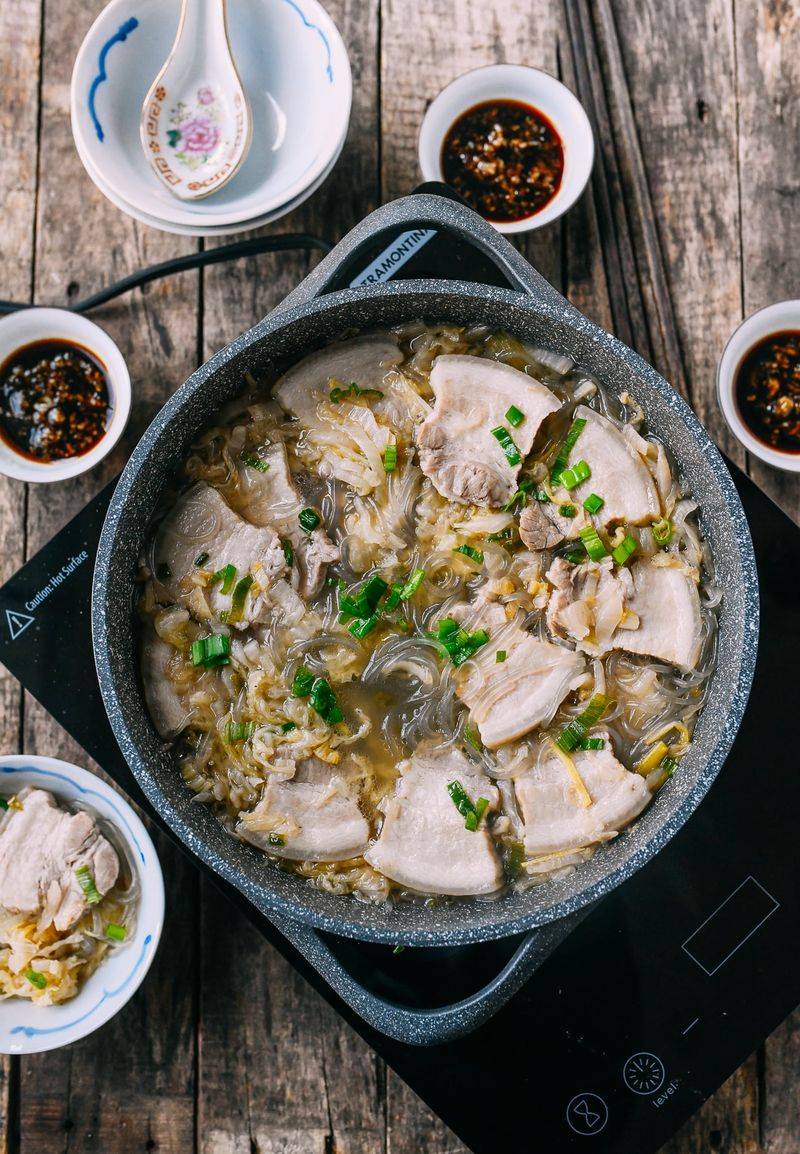
On a freezing evening, sour cabbage and pork offer the kind of comfort a salad cannot. Fermented napa cabbage gives this stew its bright tang, while slices of pork add richness to the broth.
Recipes vary by household, and some include glass noodles or other pork ingredients. Ask what is inside before ordering if you avoid offal.
A spoonful of broth makes the best first taste, showing how the cabbage cuts through the meat’s fatty richness.
5. Basi Digua: Sweet Potatoes with Sugar Threads
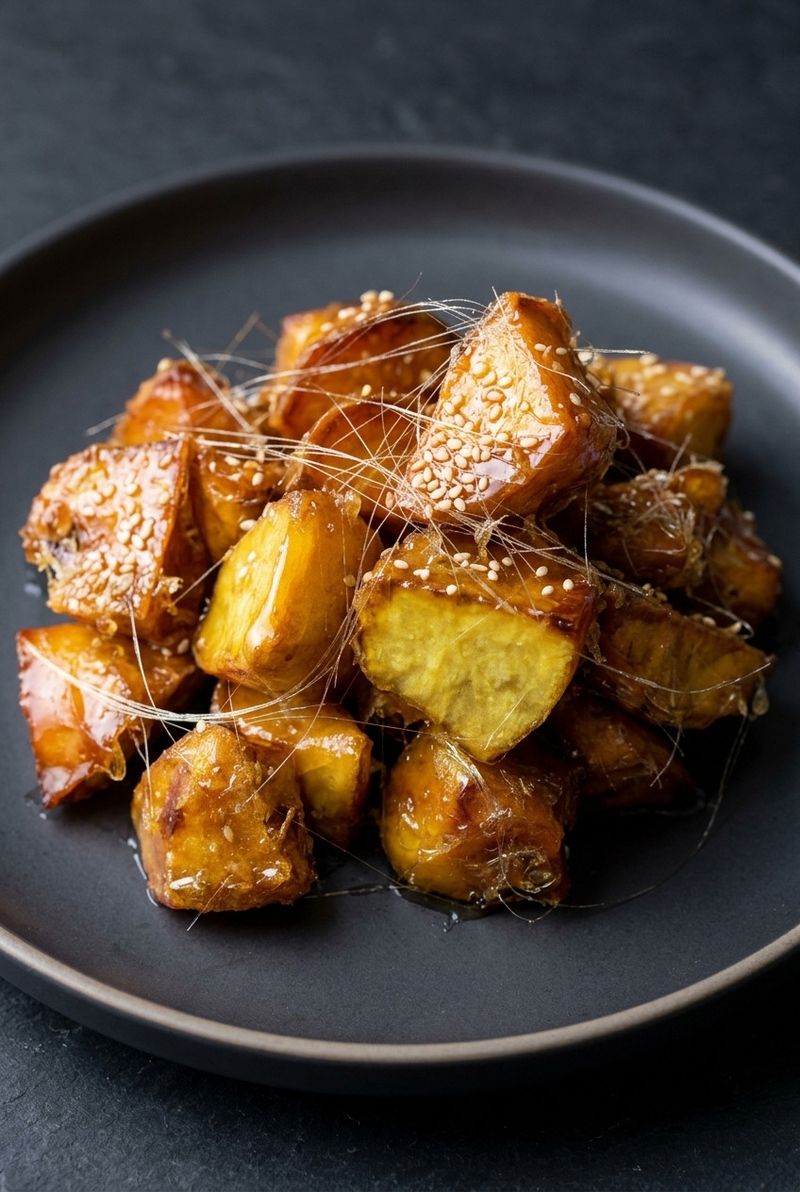
Dessert becomes a little table show when fine sugar threads stretch between golden sweet potato pieces. Hot caramel coats the fried chunks, creating a crisp shell around their soft, naturally sweet centers.
A bowl of cool water often comes alongside for a quick dip that sets the sugar. Follow the server’s guidance, and let each piece cool before biting because caramel can burn.
Share promptly, since the coating hardens and pieces stick together as they sit.
6. Tie Guo Dun: A Feast from the Iron Pot
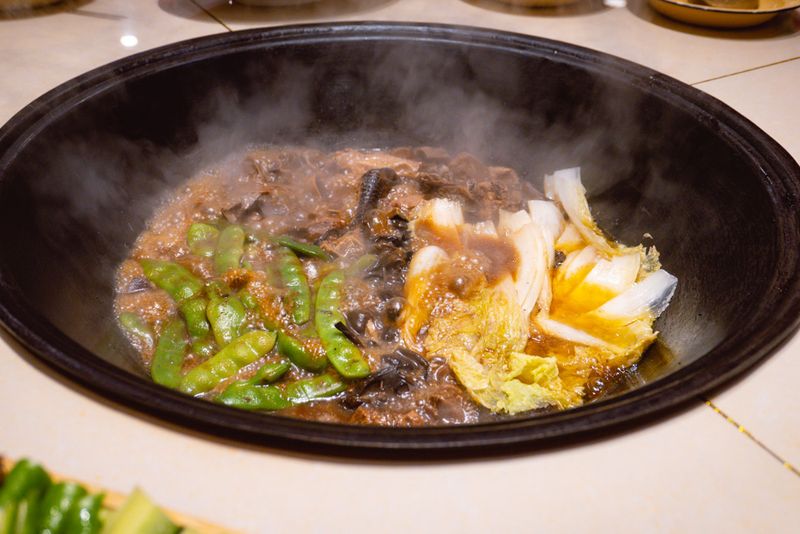
Pull up a chair: the cooking pot is also the centerpiece. In this communal meal, chicken, ribs, or fish simmer with vegetables and other additions in a heavy iron pot, often right at the table.
Corn cakes may cook along the rim, soaking up steam while their lower edges brown. Choose your main ingredient before ordering, since versions differ widely.
Bring friends, check portion sizes, and save room for bread dipped into the deeply flavored broth.
7. Xiao Ji Dun Mo Gu: Chicken and Woodland Mushrooms
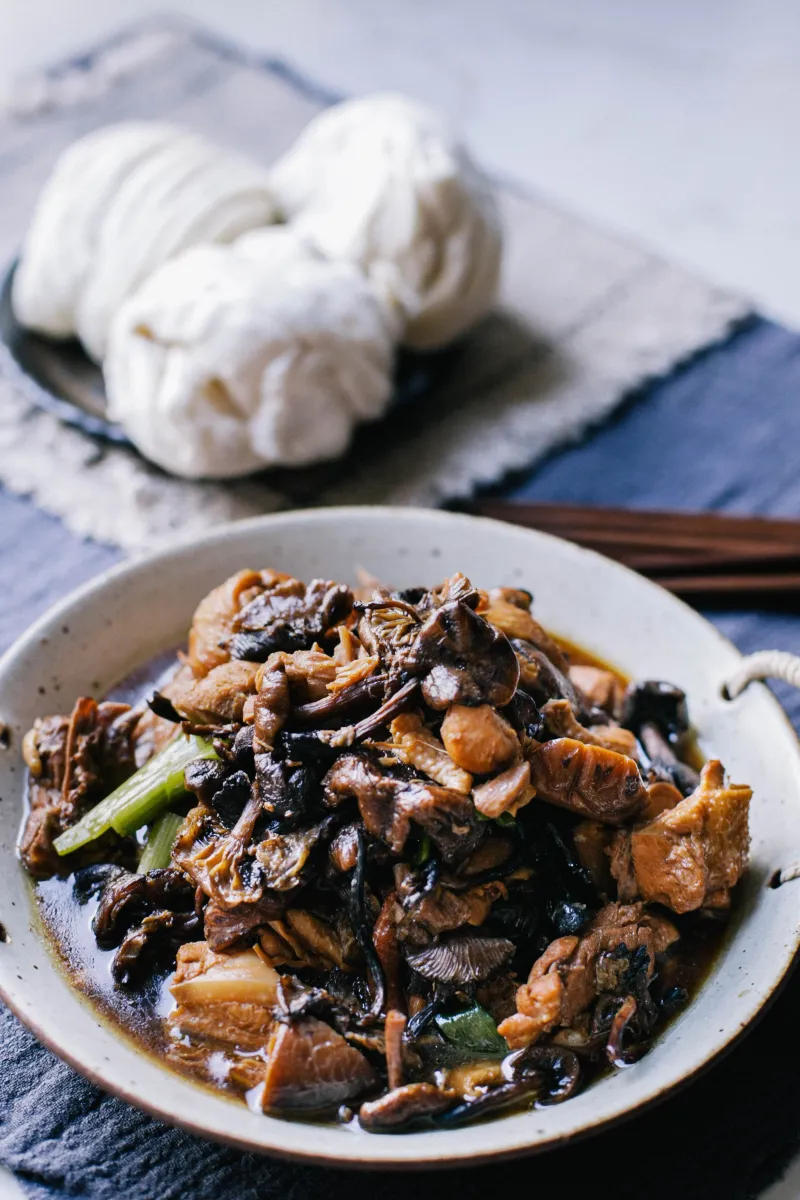
Earthy mushrooms give this chicken stew a woodland aroma before the bowl reaches you. Often made with small, flavorful mushrooms, it is a beloved example of Dongbei cooking that lets a few ingredients shine.
Expect chicken pieces on the bone rather than neat strips of breast meat. Eat carefully, and spoon some broth over rice for an easy side.
At home, buy mushrooms from trusted sellers and follow package directions when soaking dried varieties before cooking.
8. Zhu Rou Dun Fen Tiao: Pork with Broth-Soaked Noodles
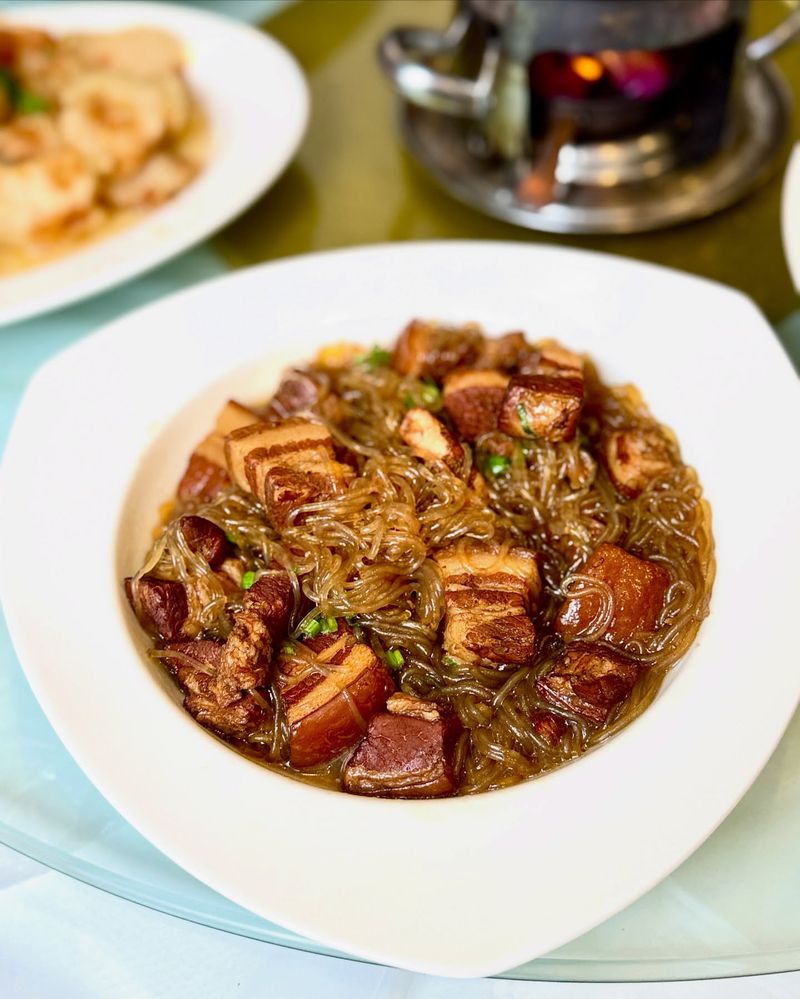
The noodles do not just sit in the broth; they drink it up. Pork belly slowly turns tender while thick starch noodles soak in a savory sauce, making every slippery strand taste rich and satisfying.
Sweet potato starch noodles are common, though recipes differ. Use chopsticks and a spoon together if the strands prove tricky.
When cooking your own pot, add noodles near the end and watch the liquid, since they absorb more than you expect.
9. Gong Bao Ji Ding: A Familiar Favorite on Dongbei Menus
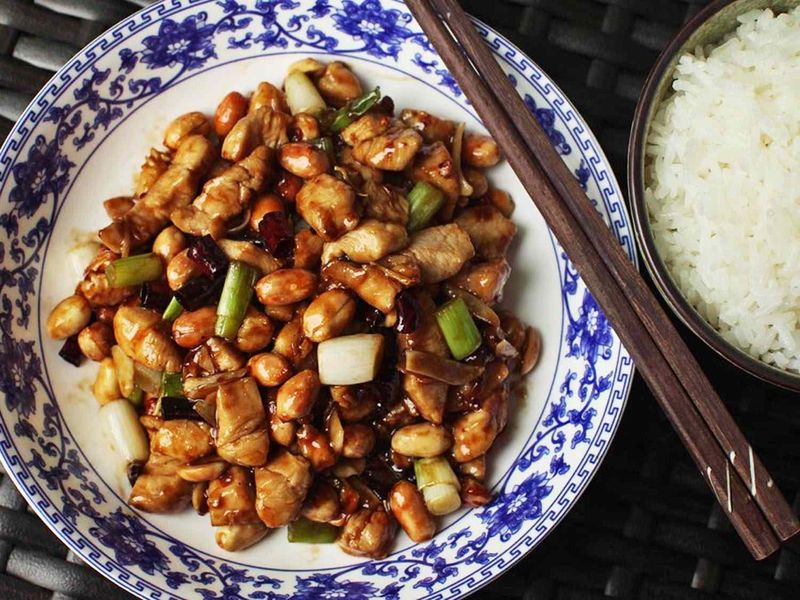
Peanuts bring the crunch, while chicken and chilies keep each bite lively. Better known abroad as kung pao chicken, this dish comes from Sichuan rather than Dongbei, but it also appears on Northeastern restaurant menus.
Local versions may include extra vegetables or a sweeter sauce, so ask how the kitchen prepares it. Mention peanut allergies before ordering, and request milder heat if needed.
Treat it as a familiar stop between the region’s more distinctive local specialties.
10. Yu Xiang Rou Si: Pork with a Surprising Name
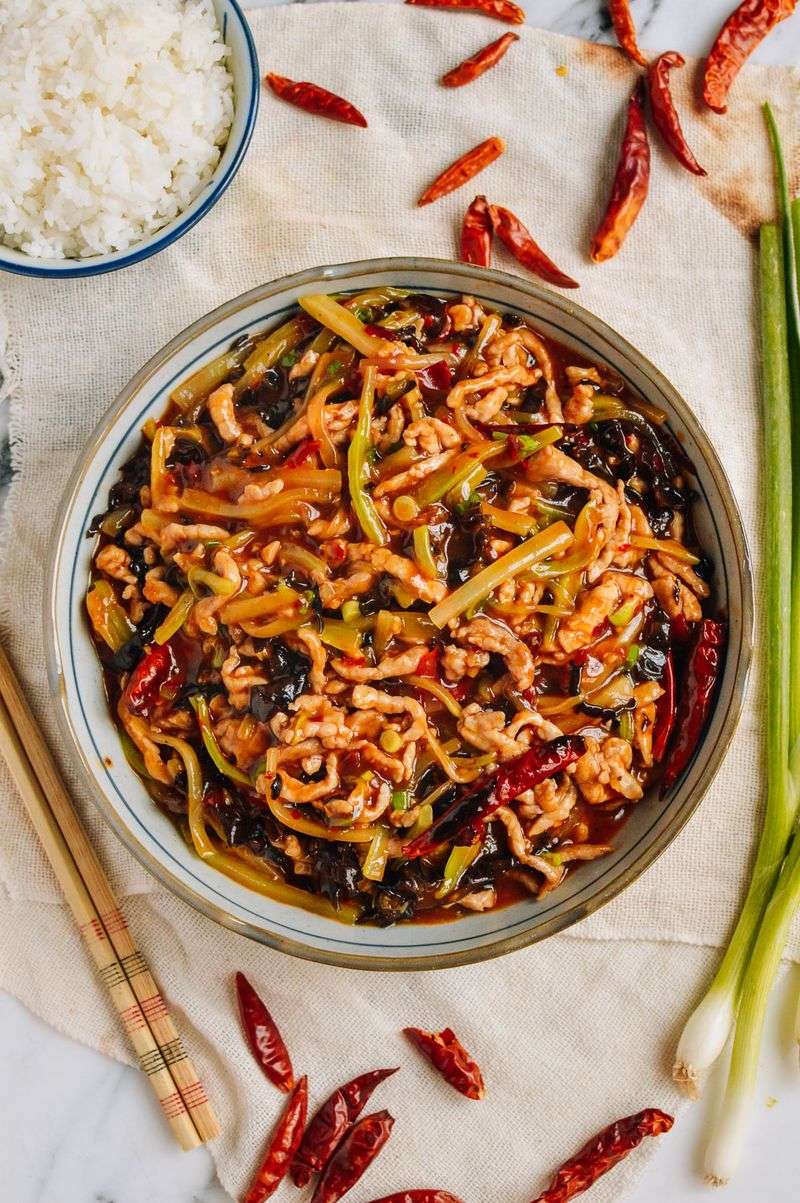
No fish is required for the classic flavor behind this curious name. Thin pork strips meet a bold mix of garlic, ginger, vinegar, sugar, and chili bean paste, often with crunchy vegetables and wood ear mushrooms.
Its roots are Sichuanese, although many Dongbei restaurants serve it. Ask about ingredients if you have seafood allergies because kitchen recipes and sauces vary.
Plain rice is especially useful here, catching the sauce and softening its sweet, sour, spicy punch.
11. Baozi: Fluffy Buns with Hidden Fillings
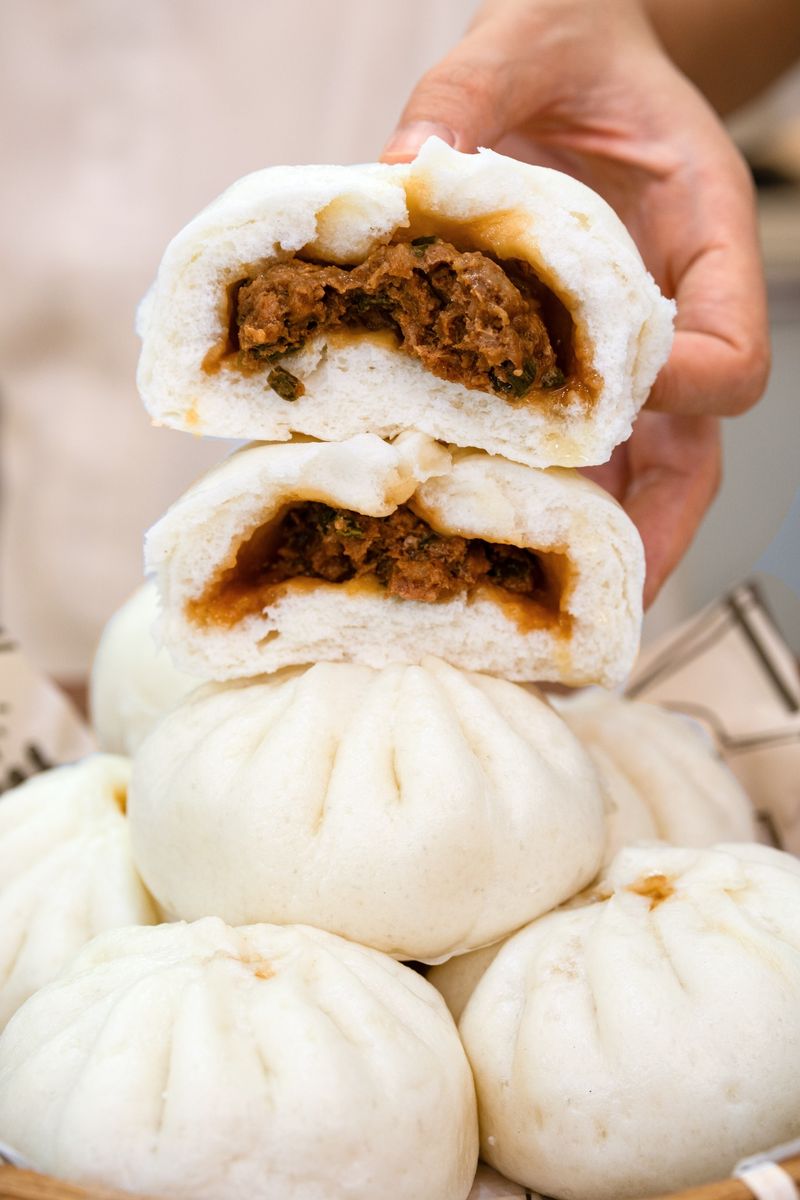
Breakfast can fit in your hand when a warm stuffed bun is involved. Soft, risen wheat dough wraps around fillings such as pork and cabbage, creating a portable meal found throughout northern China, including Dongbei.
Sweet options exist too, so ask before choosing from an unfamiliar steamer. Break a bun open carefully to release trapped steam and check for hot juices.
For a filling morning meal, pair savory buns with warm soy milk or simple millet porridge.
12. Da La Pi: Cool Noodles with Plenty of Crunch
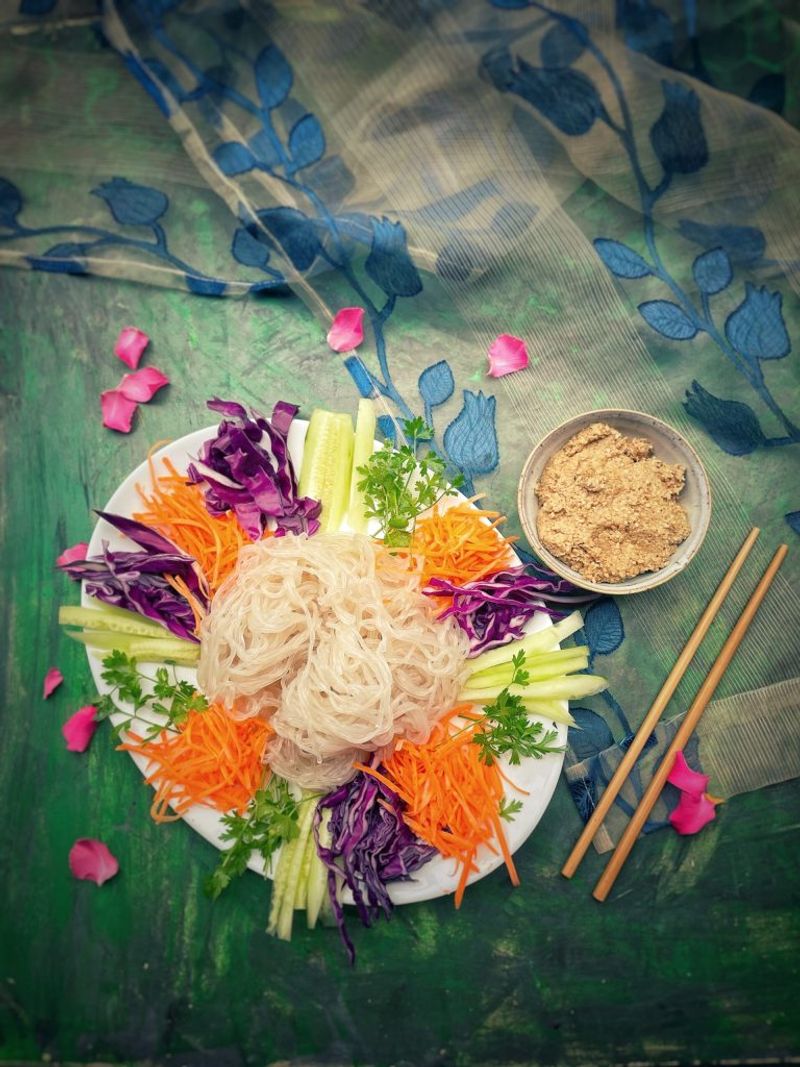
After several rich dishes, a cool noodle salad feels like opening a window. Broad, slippery starch noodles mingle with shredded cucumber, carrot, and other toppings, bringing chew and crunch to the same forkful or chopstick bite.
Dressings vary, with garlic, vinegar, sesame paste, or chili oil appearing in different versions. Some plates include pork, so confirm before ordering vegetarian.
Mix everything thoroughly at the table to spread the dressing rather than leaving flavor beneath the noodles.
13. Jing Jiang Rou Si: Make Your Own Pork Wraps
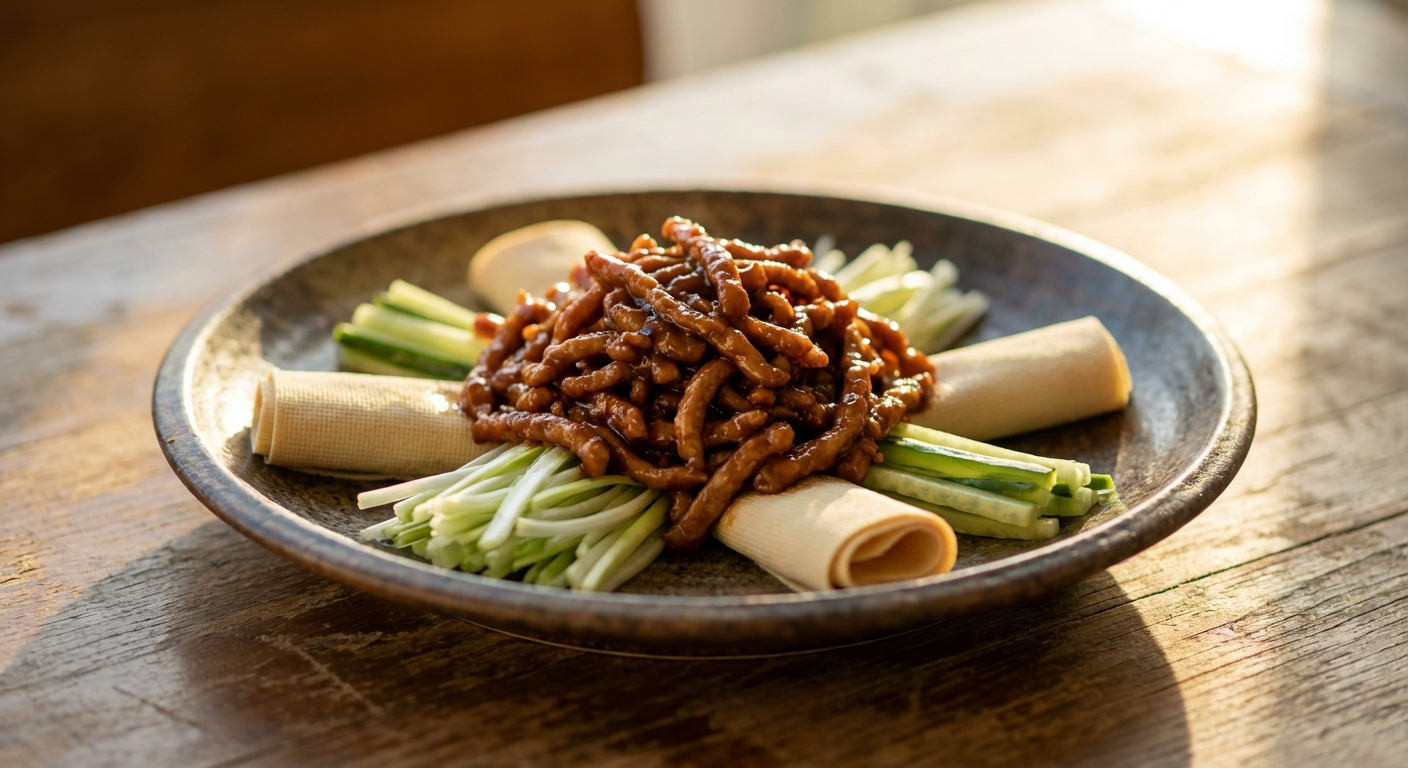
Building your own bite is half the pleasure of this glossy pork dish. Slender strips of meat wear a savory sweet bean sauce and arrive with scallions and thin tofu skins for wrapping.
Although associated with Beijing, it is also found on Dongbei menus. Spread a little pork across a wrapper, add scallions, then fold into a small parcel.
Start with less filling than you think you need; an overstuffed wrap is much harder to handle.
14. Kao Leng Mian: The Griddle Snack That Defies Its Name
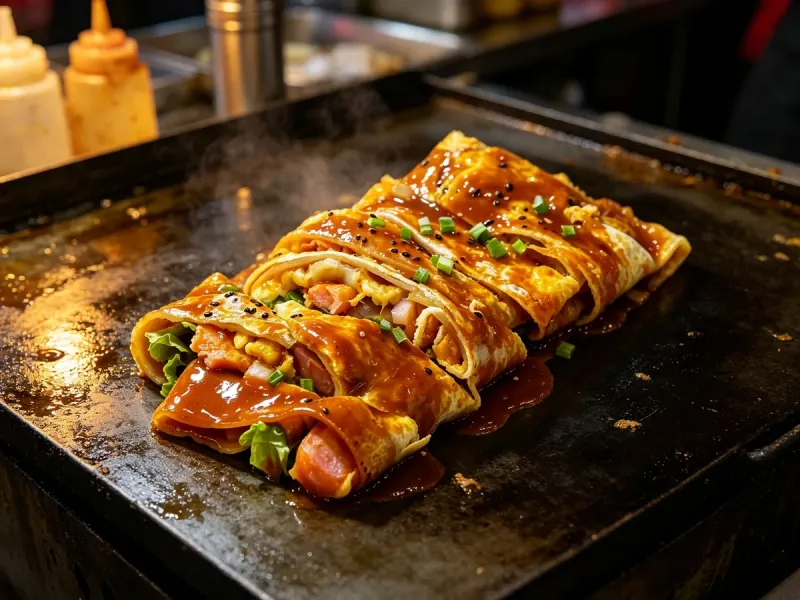
Despite a name that means grilled cold noodles, this street snack arrives hot from the griddle. A chewy noodle sheet cooks with egg, gets brushed with sauce, and often wraps around sausage, onion, and herbs.
Closely linked with Heilongjiang, it is a handy choice when you want something quick rather than a full restaurant meal. Ask for your preferred chili level and skip toppings you dislike.
Eat soon after cooking, while the sheet stays pleasantly chewy.
15. Sha Zhu Cai: A Stew Rooted in Winter Tradition
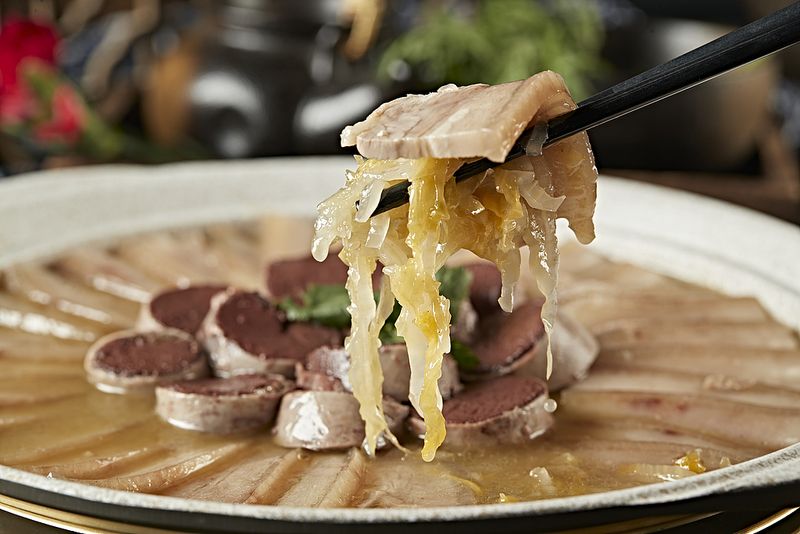
A village winter tradition lives on in this hearty bowl. Historically tied to the seasonal slaughter of a pig, sha zhu cai brings together sour cabbage, pork, and often blood sausage in a warming stew.
The name can sound startling, but the meal reflects using many parts of an animal rather than wasting them. Ingredients differ, so ask about blood sausage and organ meats before ordering.
Share a portion if those flavors are new to you.
16. Chuan’r: Cumin-Scented Skewers After Dark
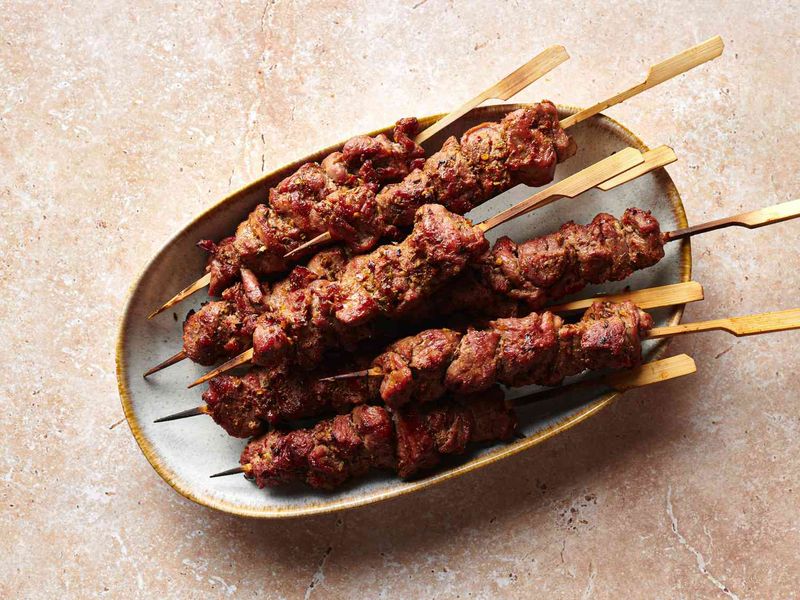
Follow the smell of cumin toward a busy evening grill. Skewers are a lively part of Dongbei dining, especially in cities such as Shenyang, where friends gather over grilled meat and small shared plates.
Lamb is a classic choice, but menus may also list beef, mushrooms, and vegetables. Ask about chili before the seasoning goes on.
Choose a stall that cooks food thoroughly to order, and pace yourself by ordering a few skewers at a time.
17. Mantou: Simple Steamed Bread That Earns Its Place
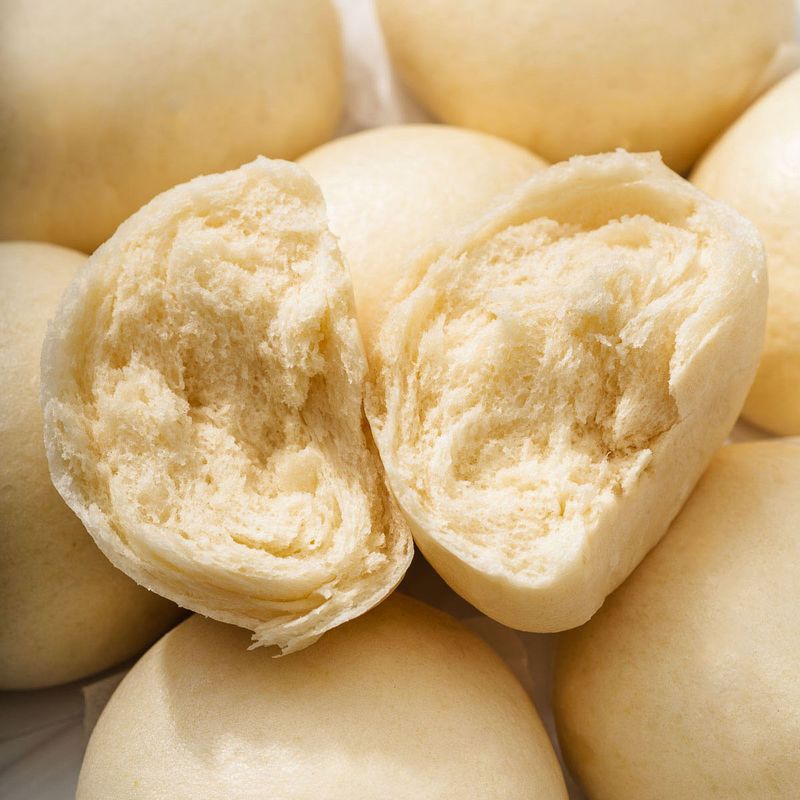
Sometimes the quietest food on the table does the most useful work. Plain steamed wheat buns offer a soft, mild partner for salty sauces, tangy cabbage, and rich meat stews across northern China, including Dongbei.
Unlike baozi, mantou usually have no filling. Tear off small pieces to enjoy between stronger bites or dip them lightly into broth.
Order a modest basket first, since these simple buns are filling and the main dishes often come in generous portions.