
History books often highlight a handful of famous names, but so many powerful Black women who changed the world never get the credit they deserve. These trailblazers did not just fight for the right to vote — they tackled poverty, racism, education, labor rights, and so much more.
Their courage shaped the country we live in today. Get ready to meet some of the most remarkable, inspiring, and overlooked women in American history.
1. Claudia Jones (1915–1964)
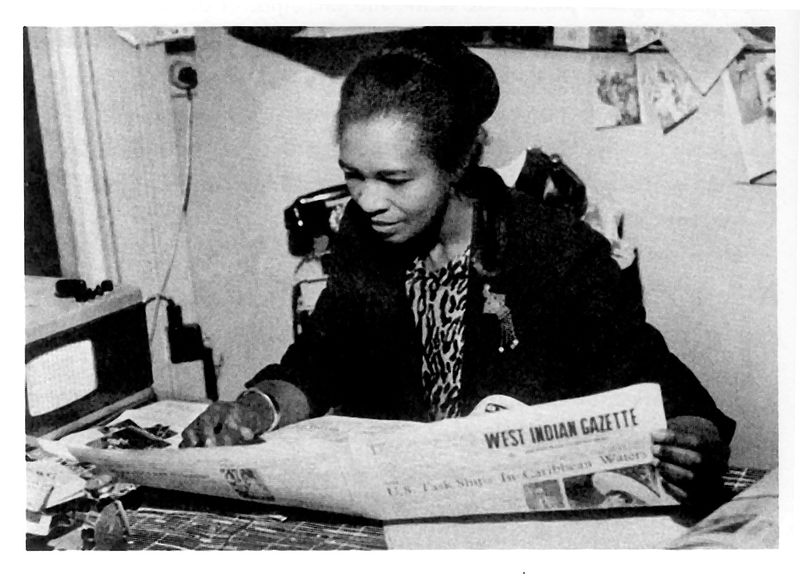
Born in Trinidad and Tobago, Claudia Jones was a journalist, activist, and one of the sharpest political thinkers of her era. She believed Black women faced a triple burden — racism, sexism, and poverty — all at once, an idea that was revolutionary for her time.
Deported from the U.S. during the Red Scare, she landed in Britain and kept fighting. She co-founded the West Indian Gazette and helped launch what eventually became the iconic Notting Hill Carnival in London.
2. Anna Arnold Hedgeman (1899–1990)
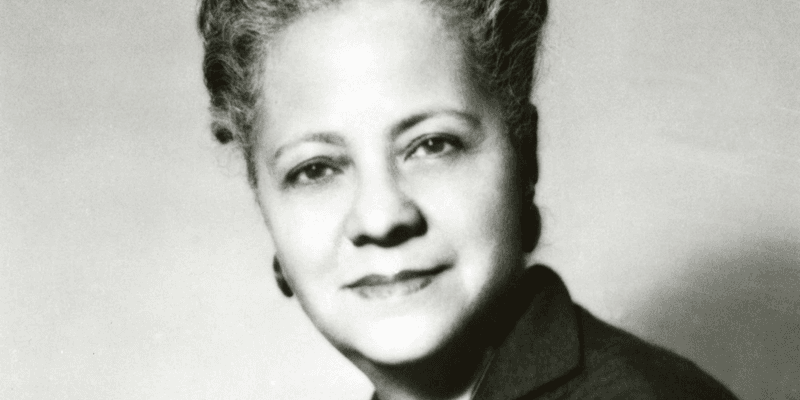
Anna Arnold Hedgeman was the only woman on the planning committee for the legendary 1963 March on Washington — yet her name rarely appears in the history books. She fought tirelessly to make sure women had a real voice at that historic event.
Hedgeman also became the first African American woman to hold a cabinet post in New York City. She was a founding member of the National Organization for Women, proving her feminism extended far beyond any single cause.
3. Madam C.J. Walker (1867–1919)
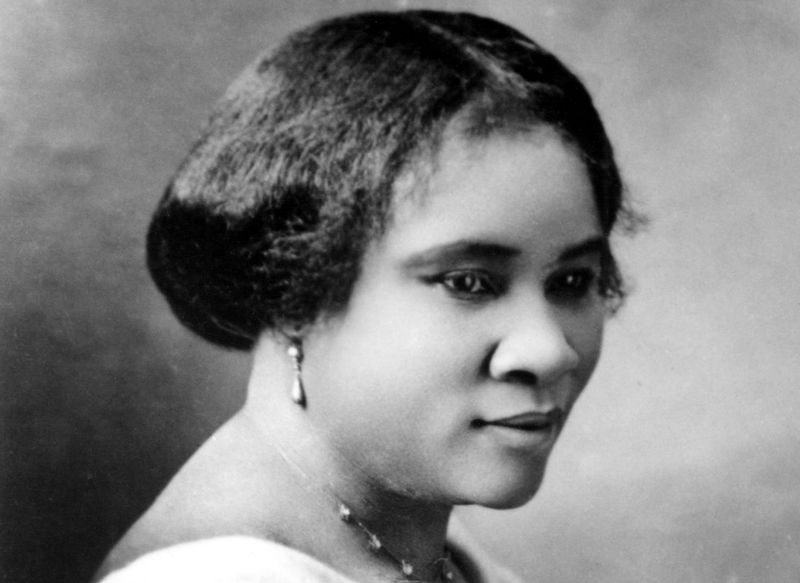
Madam C.J. Walker did not just build a beauty empire — she built a movement.
As one of America’s first self-made female millionaires, she used her fortune to fund anti-lynching campaigns through the NAACP, making the largest individual donation the organization had ever received at the time.
She also supported scholarships at the Tuskegee Institute and directed two-thirds of her estate’s future profits to charity. Walker showed that economic power and social justice could go hand in hand.
4. Frances Ellen Watkins Harper (1825–1911)
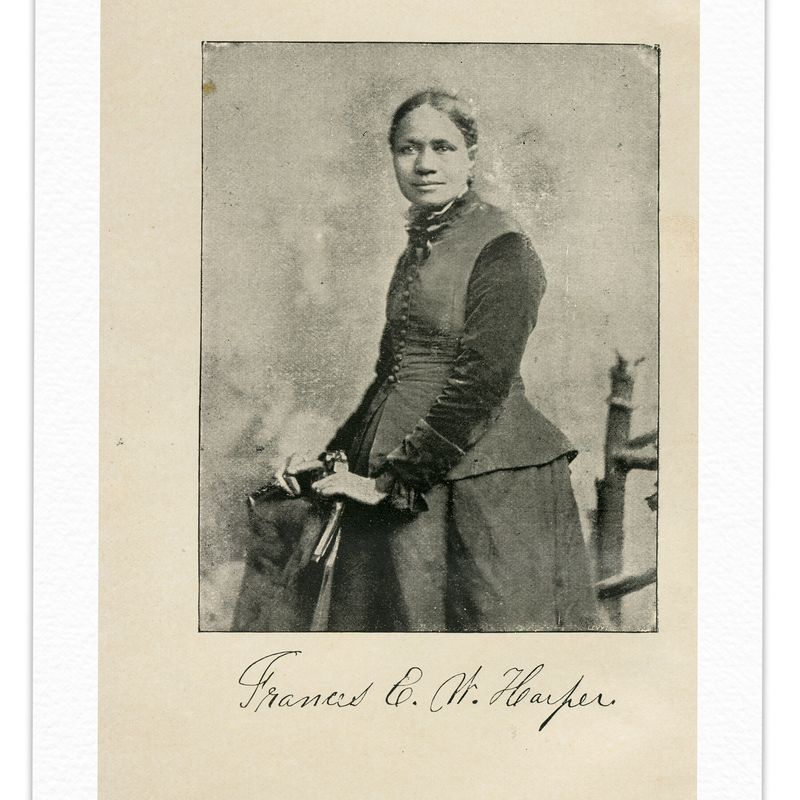
Frances Ellen Watkins Harper was writing, speaking, and organizing at a time when most people did not believe Black women deserved a public voice at all. She joined the American Anti-Slavery Society in 1853 and crisscrossed the country delivering powerful lectures that moved audiences to tears and action.
Her poetry and novels tackled slavery, racial equality, and women’s strength all at once. She also co-founded the National Association of Colored Women’s Clubs, leaving a legacy that stretched across generations.
5. Nannie Helen Burroughs (1879–1961)
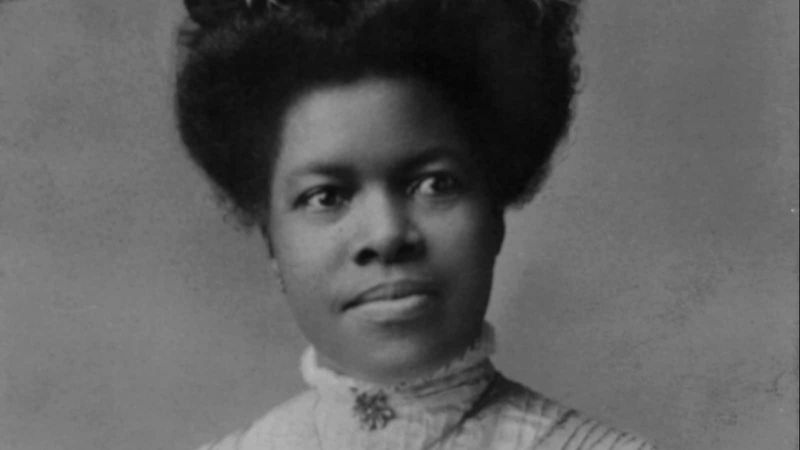
Nannie Helen Burroughs believed education was the most powerful weapon a Black woman could carry. In 1909, she opened the National Training School for Women and Girls in Washington, D.C., offering vocational and academic programs that gave Black women real career options.
She also founded the National Association of Wage Earners to push for better pay for domestic workers. During the Great Depression, she advised a presidential housing commission, connecting poor housing directly to unequal schools and low wages for people of color.
6. Lucy Parsons (c. 1851–1942)
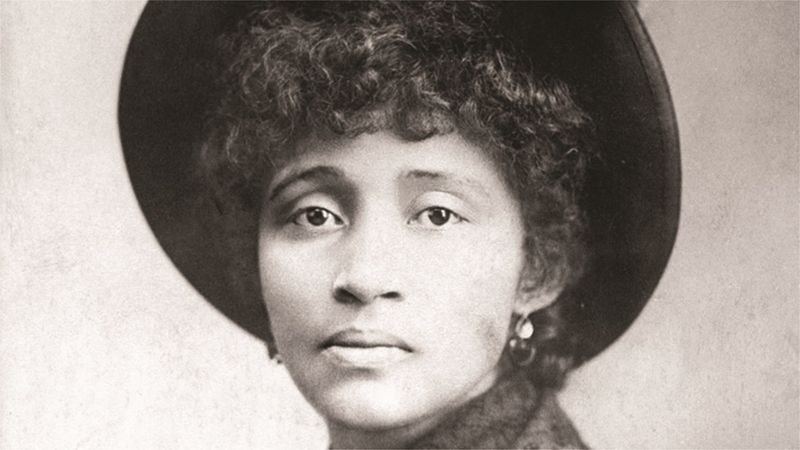
Lucy Parsons was one of the most radical voices of her generation, and she never apologized for it. A founding member of the Industrial Workers of the World (IWW), she argued that racism was a product of capitalism — meaning you could not fix one without tackling the other.
Her fiery speeches challenged both racist and sexist systems at a time when few dared to do so. Parsons championed the general strike as a tool for working-class liberation, putting economic justice at the heart of her feminism.
7. Septima Clark (1898–1987)
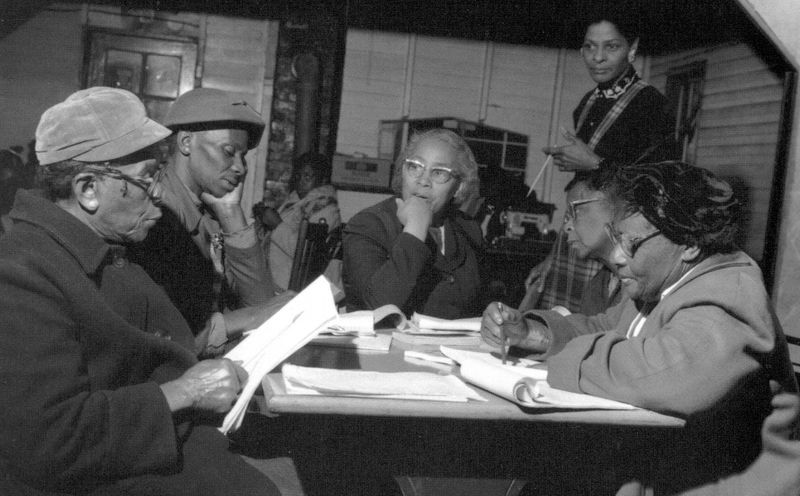
They called her the “Mother of the Civil Rights Movement,” and for good reason. Septima Clark understood something powerful: before people could vote, they needed to be able to read.
She created Citizenship Schools across the South, teaching literacy, civics, and legal rights to thousands of Black adults.
Even after being fired from her teaching job for joining the NAACP, she kept going. Clark mentored Rosa Parks and worked with the SCLC, proving that education was the backbone of lasting social change.
8. Barbara Jordan (1936–1996)
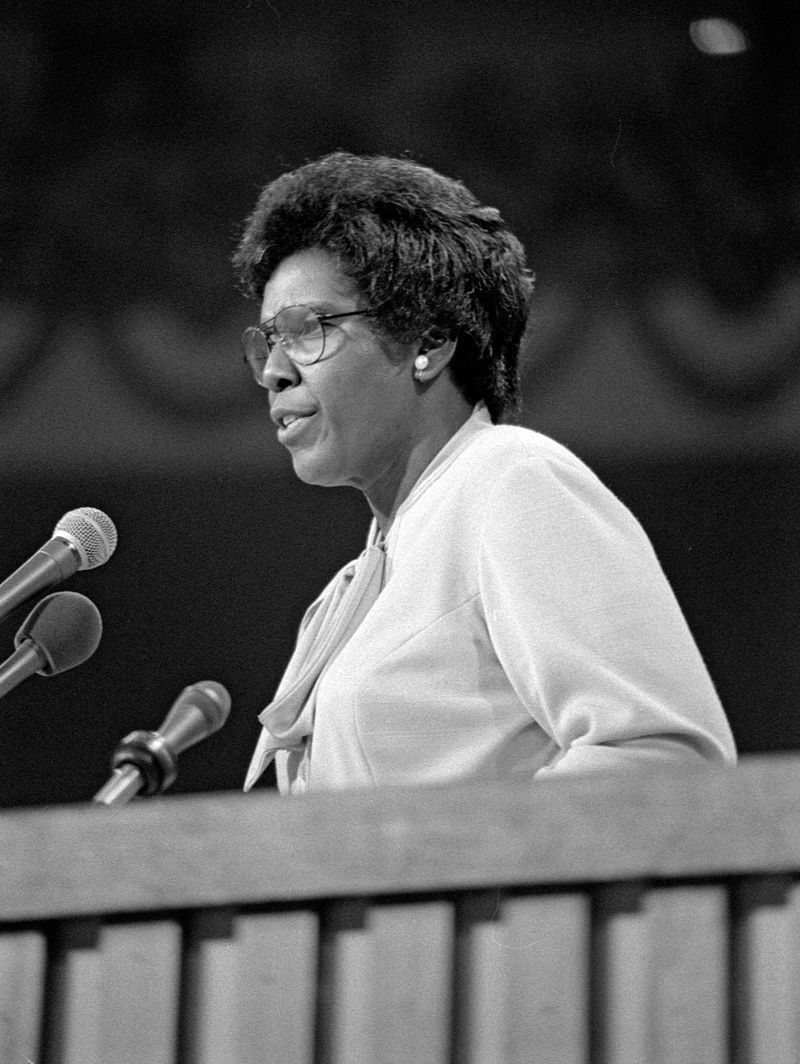
Barbara Jordan had a voice that could fill any room — and she used it to demand justice. In 1966, she became the first African American woman elected to the Texas Senate, then broke barriers again as the first Black woman from the South elected to the U.S.
Congress since 1898.
She expanded the Voting Rights Act to protect Latinx, Native, and Asian Americans too. Jordan also became the first Black woman to deliver a keynote address at a Democratic National Convention, in 1976.
9. Dorothy Height (1912–2010)
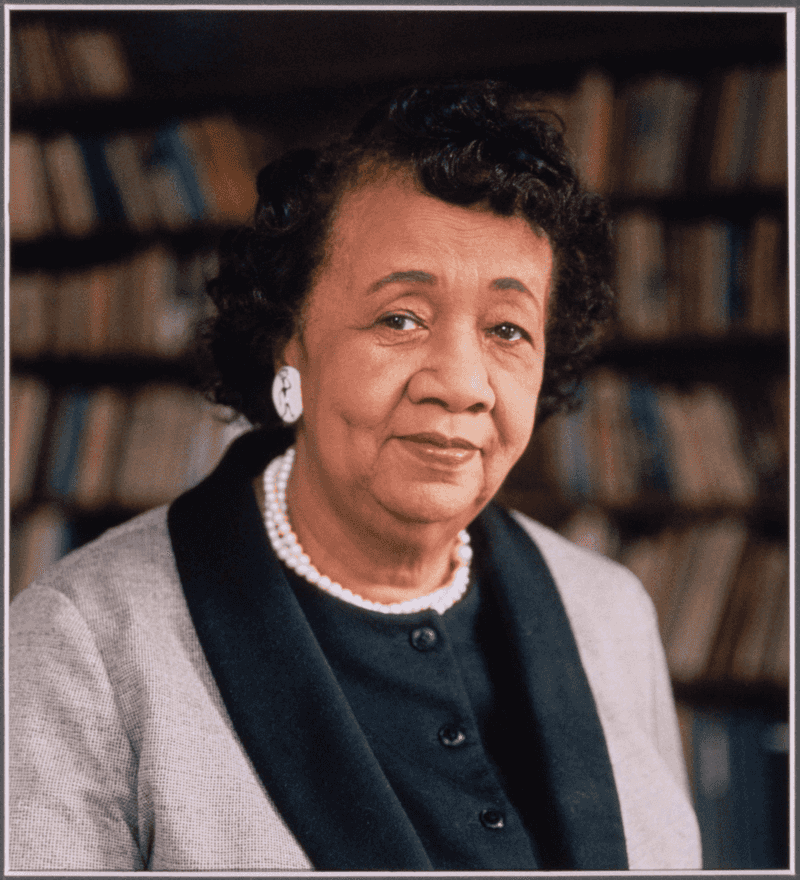
Dorothy Height spent 40 years as president of the National Council of Negro Women, quietly shaping some of the most important moments in civil rights history. She was the first civil rights leader to publicly connect racial inequality and gender inequality as two sides of the same problem.
At the 1963 March on Washington, she handled logistics and fundraising behind the scenes while male leaders took the spotlight. Height also desegregated YWCA facilities nationwide by 1947, decades before many organizations dared to try.
10. Florynce “Flo” Kennedy (1916–2000)
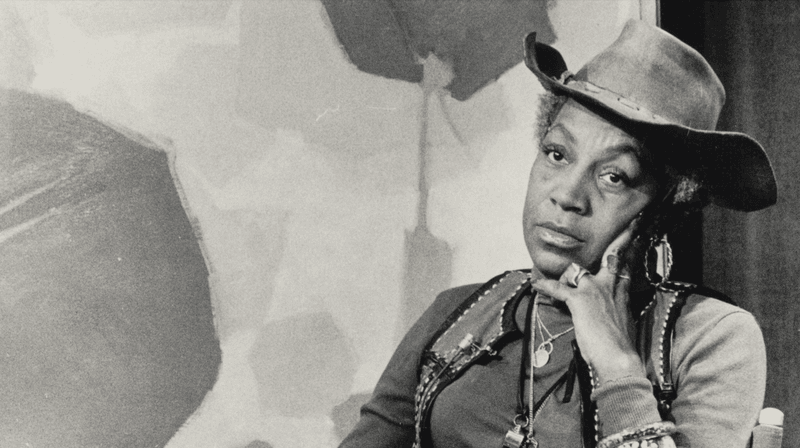
Flo Kennedy was impossible to ignore — and that was exactly the point. One of the first Black women to graduate from Columbia Law School, she represented the Black Panthers, Assata Shakur, and the estates of jazz legends Billie Holiday and Charlie Parker.
Kennedy helped organize the 1968 Miss America protest and co-founded both the Feminist Party and the National Women’s Political Caucus. Long before “intersectionality” became a buzzword, she was already living and naming the overlap of race and gender discrimination every single day.
11. Anna Julia Cooper (1858–1964)
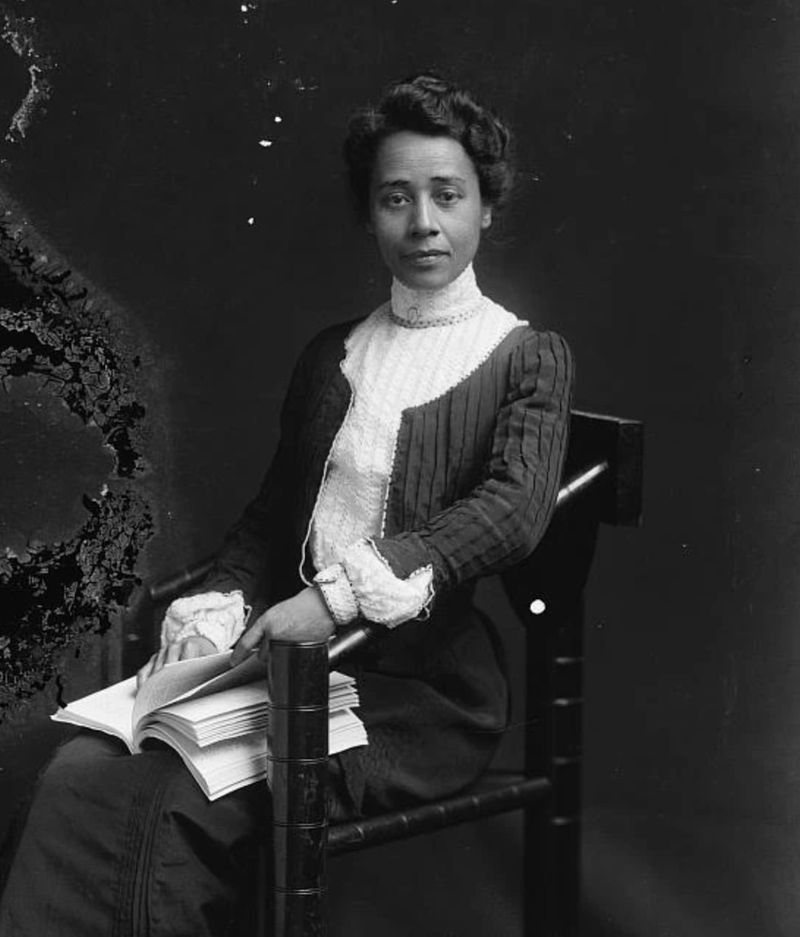
Anna Julia Cooper earned her Ph.D. from the University of Paris-Sorbonne at age 67 — and that was just one chapter in an extraordinary life. Her 1892 book, A Voice from the South, is considered one of the earliest works of Black feminist thought ever written.
She spent decades teaching and leading M Street High School in Washington, D.C., pushing Black students toward college when the world told them not to bother. Cooper believed uplifting Black women meant uplifting the entire race.
12. Ida B. Wells (1862–1931)
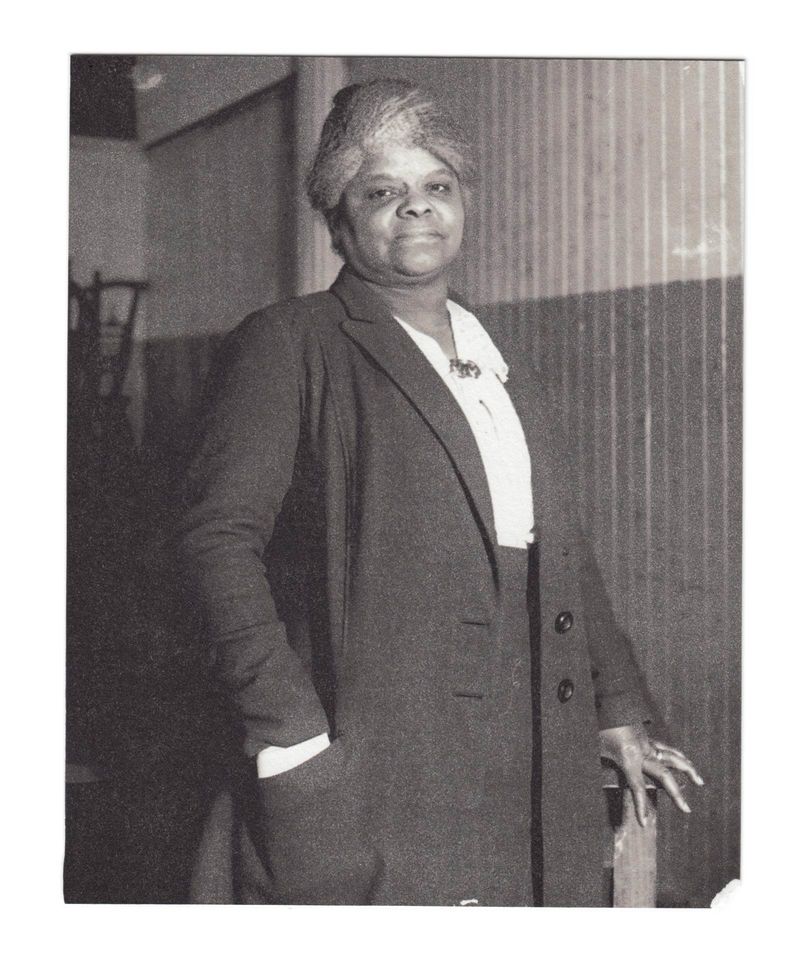
After three of her close friends were lynched, Ida B. Wells did not retreat — she grabbed a pen and started investigating.
Her pamphlets, including Southern Horrors and A Red Record, exposed the brutal truth about lynching in America with the kind of evidence that was impossible to ignore.
Wells also refused to march at the back of the 1913 Woman Suffrage Procession, boldly challenging white suffragists on their racism. She helped found the NAACP and the National Association of Colored Women’s Clubs, leaving a towering legacy.
13. Mary Church Terrell (1863–1954)
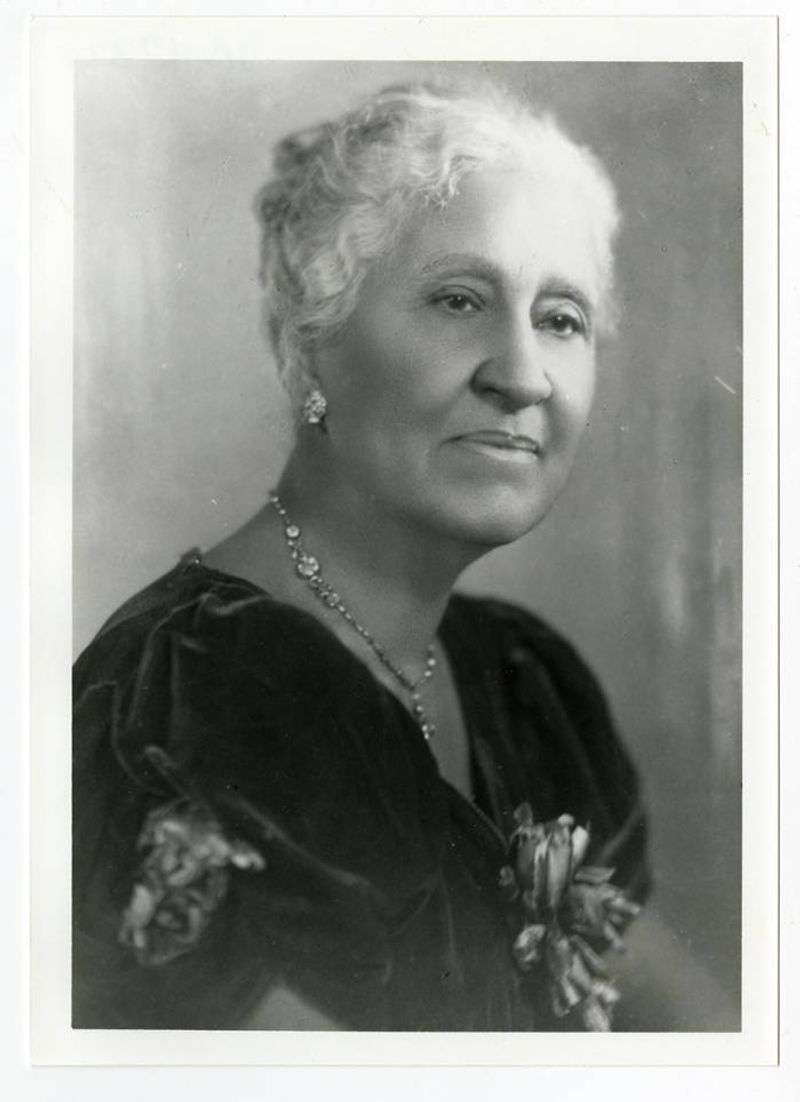
Mary Church Terrell was still leading protests at 90 years old — and winning. She co-founded the National Association of Colored Women in 1896, adopting the motto “Lifting as We Climb,” which captured her belief that progress for one Black woman meant progress for all.
Terrell fought alongside white suffragists but never let them ignore their own racism. In the 1950s, she spearheaded a boycott that successfully desegregated lunch counters in Washington, D.C., proving that age was no barrier to fighting for justice.
14. Fannie Lou Hamer (1917–1977)
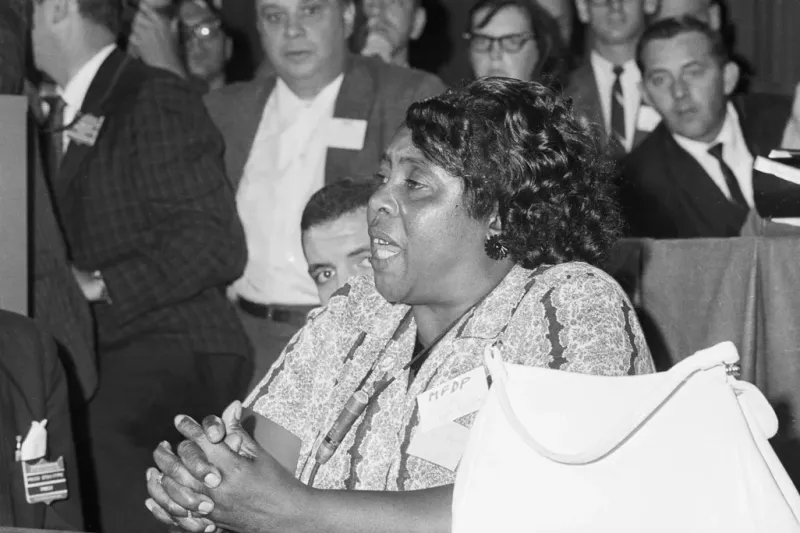
Fannie Lou Hamer once said, “I’m sick and tired of being sick and tired” — and those words captured a generation’s frustration. A sharecropper turned political powerhouse, she co-founded the Mississippi Freedom Democratic Party in 1964 and stunned the nation with her testimony at the Democratic National Convention.
Hamer also launched the Freedom Farm Cooperative to fight hunger and poverty in her community. Her activism wrapped around housing, healthcare, and education, showing that true freedom meant more than just casting a ballot.
15. Ella Baker (1903–1986)
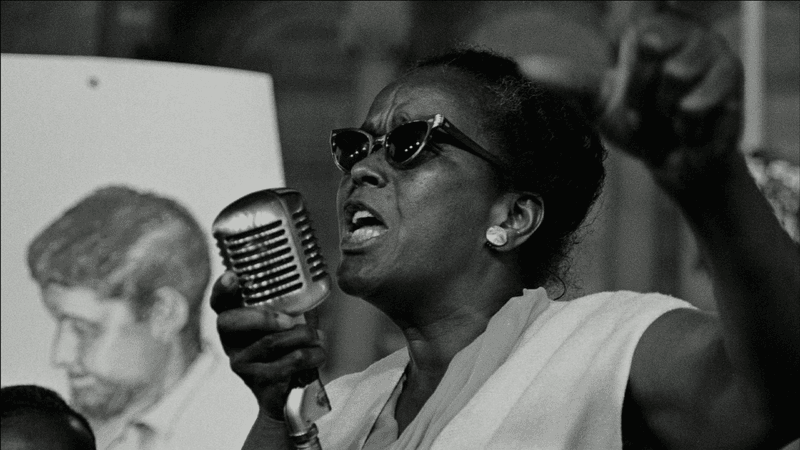
Ella Baker believed that real change comes from the ground up, not from one charismatic leader at the top. She worked with the NAACP, the SCLC, and played a defining role in founding the Student Nonviolent Coordinating Committee (SNCC), always pushing power toward everyday people.
Baker consistently championed women and young organizers at a time when male leaders tried to sideline them. Her philosophy of collective action and local leadership quietly shaped some of the most effective campaigns of the entire Civil Rights Movement.