
Europe is home to some of the most incredible seafood cooking in the world, but only a handful of dishes ever make it onto menus beyond their home borders. While everyone knows about fish and chips or bouillabaisse, hundreds of lesser-known recipes are quietly waiting to be discovered.
From smoky Scandinavian preparations to tangy Iberian stews, these dishes tell stories of coastal communities, family traditions, and centuries of culinary creativity. Get ready to expand your seafood horizons with 15 underrated European fish dishes that truly deserve a global spotlight.
1. Bacalao a la Vizcaina – Spain
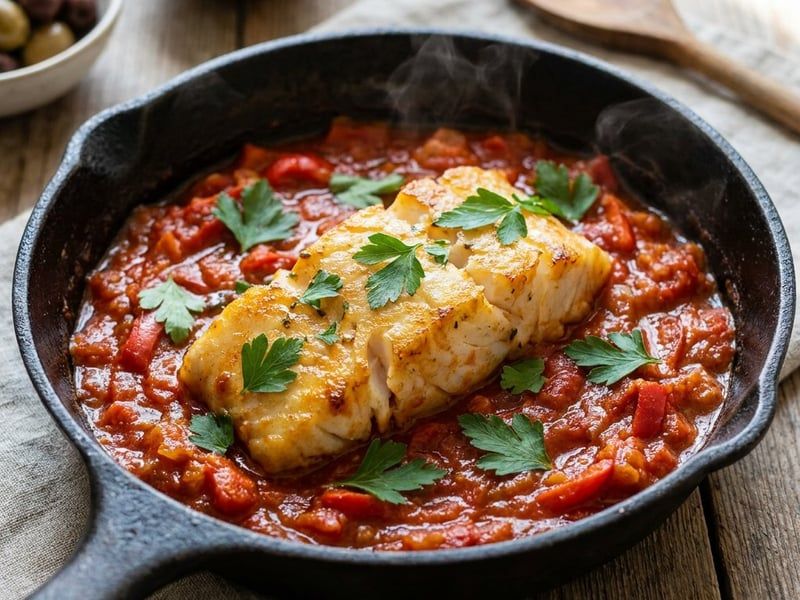
Long before refrigerators existed, Basque fishermen salted their cod catches to preserve them for months at sea. Bacalao a la Vizcaina is the delicious result of that tradition, featuring tender salt cod simmered in a thick, slightly sweet sauce made from dried red peppers, tomatoes, and onions.
The sauce has a deep, almost smoky flavor that clings beautifully to the flaky fish. Hard-boiled egg slices and green olives are classic garnishes.
Outside Spain, this dish remains largely unknown, which is a genuine shame for seafood lovers everywhere.
2. Caldeirada – Portugal
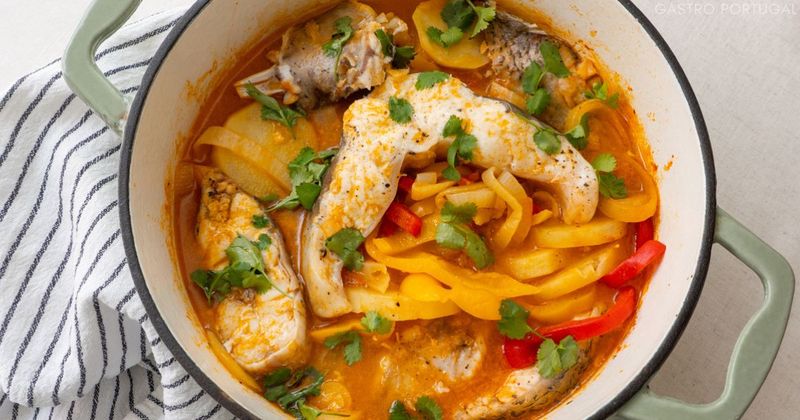
Caldeirada is Portugal’s answer to the question: what do you make when you have leftover fish and garden vegetables? This humble stew layers fish, potatoes, tomatoes, onions, and bell peppers without stirring, letting the ingredients steam together in their own juices.
Every Portuguese coastal village has its own version, and the fish used changes based on the season’s catch. The result is a light yet deeply flavorful stew.
Once you try it, you will wonder why it is not on every seafood restaurant menu worldwide.
3. Gravlax – Scandinavia
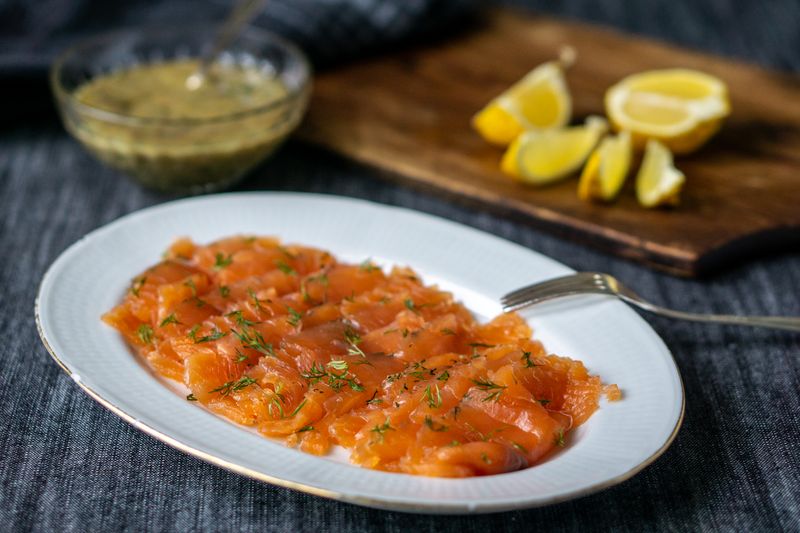
Forget smoked salmon for a moment, because gravlax might just be its more interesting cousin. This Scandinavian specialty involves curing raw salmon in a mixture of salt, sugar, and fresh dill for several days until the fish transforms into something silky and deeply flavorful.
The curing process requires no heat at all, making it surprisingly easy to prepare at home. Served thin-sliced with a tangy mustard-dill sauce and dark rye bread, gravlax is elegant but unfussy.
Sweden, Norway, and Denmark all claim it as their own culinary treasure.
4. Psarosoupa – Greece
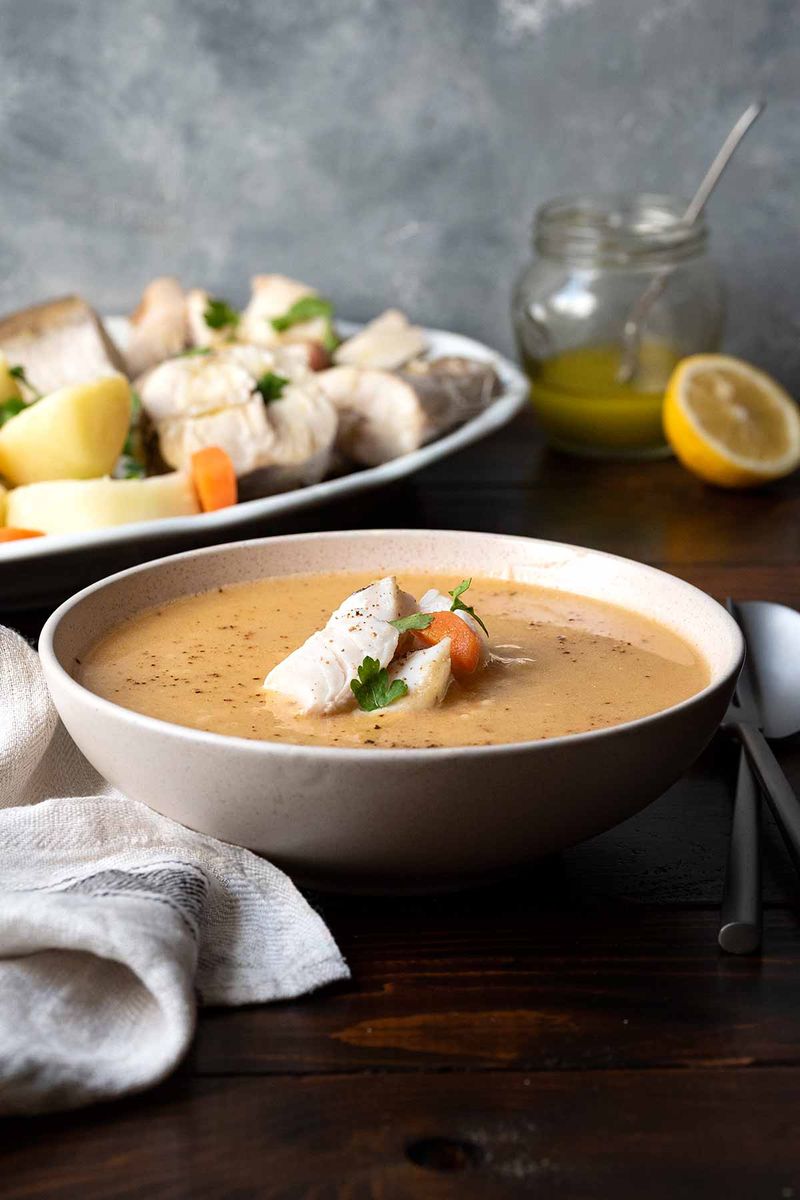
Greek cuisine gets plenty of praise for grilled fish and mezze platters, but Psarosoupa is the dish that Greek grandmothers quietly perfect at home. This hearty fish soup combines fresh whole fish, vegetables, and a bright squeeze of lemon in a clear, golden broth that feels like pure comfort in a bowl.
The key is using very fresh fish and finishing the soup with an egg-lemon sauce called avgolemono for creaminess. It is warming, nourishing, and refreshingly simple.
Coastal Greek families have eaten this for generations, yet it rarely appears on international menus.
5. Baccala Mantecato – Italy
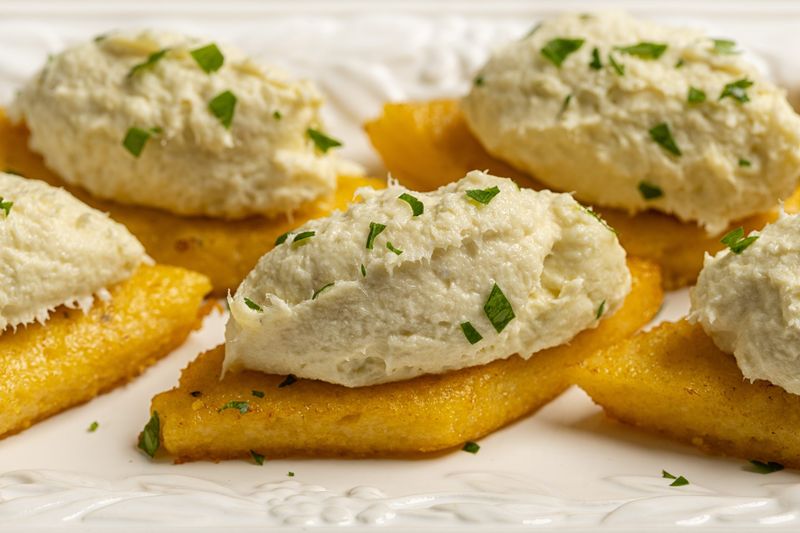
Venice has a secret weapon hiding in its tiny wine bars called bacari: a creamy, whipped salt cod spread known as Baccala Mantecato. Salt cod is poached and then whipped with olive oil until it becomes impossibly smooth and airy, almost like a savory mousse.
Spread generously onto grilled polenta squares or crusty bread, it is the perfect snack alongside a glass of local white wine. The texture surprises most people who expect fish to taste dense or heavy.
This Venetian classic deserves a spot on antipasto menus around the world.
6. Matjes Herring – Netherlands
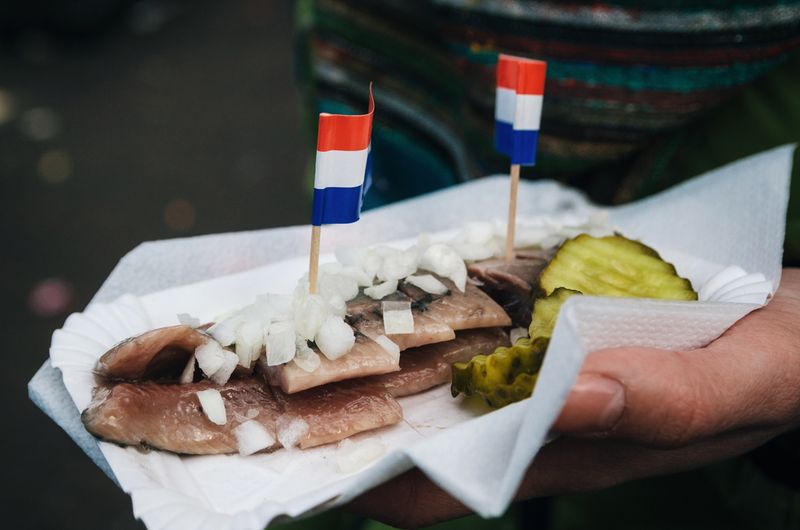
Every summer in the Netherlands, people line up at street stalls just for the first batch of Matjes herring, a young, lightly salt-cured herring that has a buttery, almost sweet flavor unlike anything else. Locals traditionally eat it by tilting their head back and lowering the fish into their mouth whole, holding it by the tail.
Chopped onions and pickles are the classic companions. The herring season is a genuine cultural celebration in Dutch coastal towns.
Outside Northern Europe, this tender, mild fish rarely gets the recognition it deserves from seafood enthusiasts.
7. Ttoro – France (Basque Country)
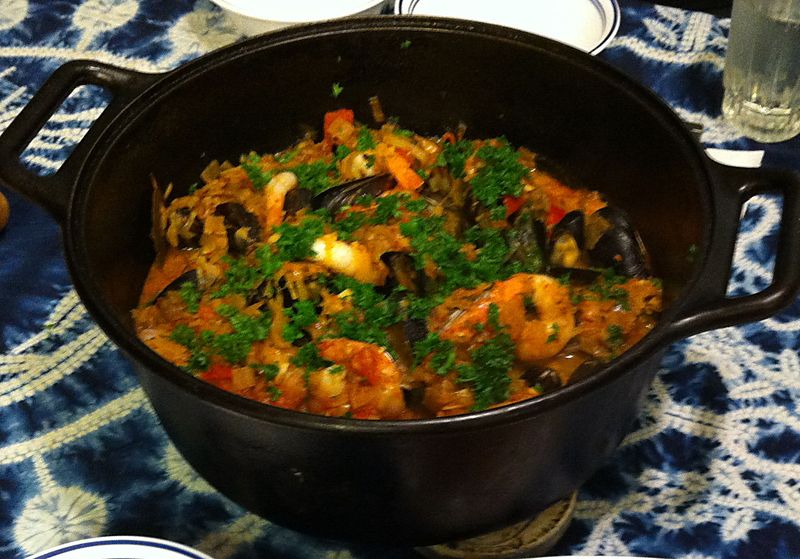
Most people have heard of bouillabaisse, but the Basque version called Ttoro is bolder, spicier, and arguably more exciting. This fisherman’s stew from the French Basque coast combines whatever seafood was caught that day, including prawns, mussels, squid, and white fish, in a fiery tomato and red pepper broth.
Thick slices of bread are absolutely mandatory for soaking up every last drop of the sauce. The dish reflects the Basque people’s fierce pride in their coastal identity.
It is a celebration of the sea that deserves international recognition beyond regional borders.
8. Surstromming – Sweden
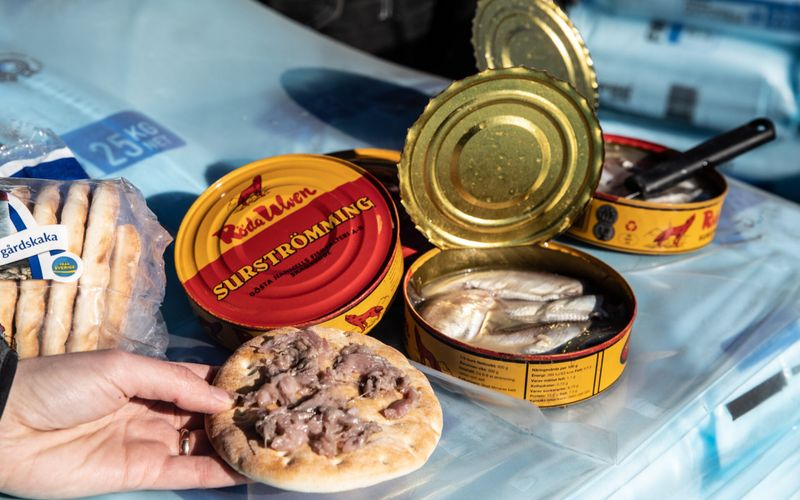
Surstromming is not for the faint-hearted, and its reputation for having one of the world’s most pungent smells is completely earned. This Swedish fermented Baltic herring is so powerfully aromatic that many Swedish apartment buildings ban opening the cans indoors.
Yet those brave enough to taste it discover a complex, salty, sour flavor that pairs brilliantly with flatbread, boiled potatoes, and sour cream. The contrast between the intense smell and the surprisingly nuanced taste is genuinely fascinating.
In northern Sweden, eating Surstromming together is a beloved late-summer social tradition.
9. Zarzuela de Mariscos – Spain
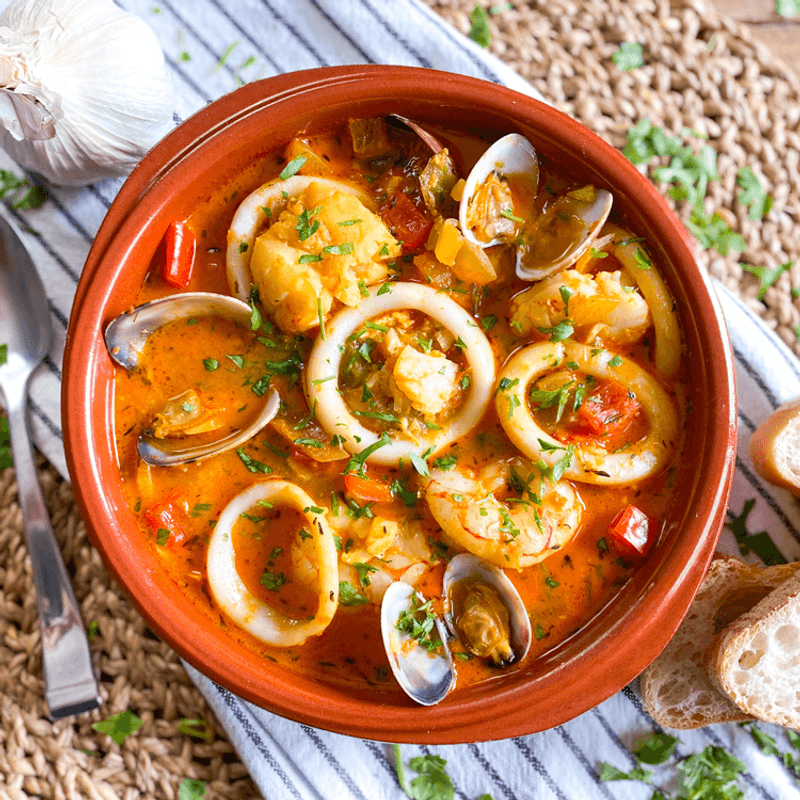
Named after a lively Spanish theatrical performance, Zarzuela de Mariscos is every bit as dramatic as its namesake. This Catalan seafood stew brings together shrimp, mussels, clams, squid, and firm white fish in a rich sauce made with saffron, almonds, tomatoes, and a splash of brandy.
The almond and saffron combination gives the broth a warmth and depth that sets it apart from other European seafood stews. It is festive, generous, and built for sharing at a loud family table.
Somehow, it remains almost invisible outside Spain’s eastern coastline.
10. Rakfisk – Norway
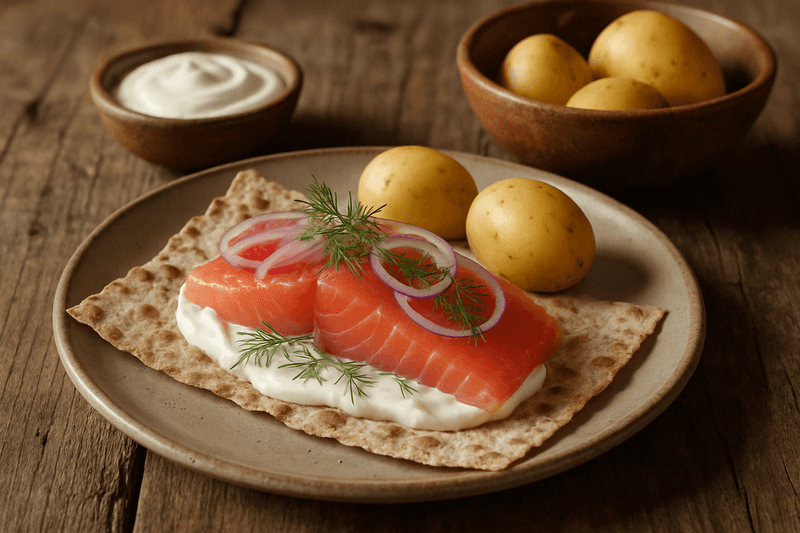
Long before modern food preservation existed, Norwegian mountain farmers buried trout in barrels of salted brine and let it ferment for months during winter. The result is Rakfisk, a pungent, soft-textured fermented trout that has been eaten in Norway for over a thousand years.
Served cold on flatbread with sour cream and raw onion, it has a sharp, complex flavor that serious food adventurers genuinely love. An annual Rakfisk festival in Fagernes draws thousands of dedicated fans each November.
Outside Norway, this ancient dish remains a fascinating culinary secret.
11. Estouffade de Morue – France (Provence)
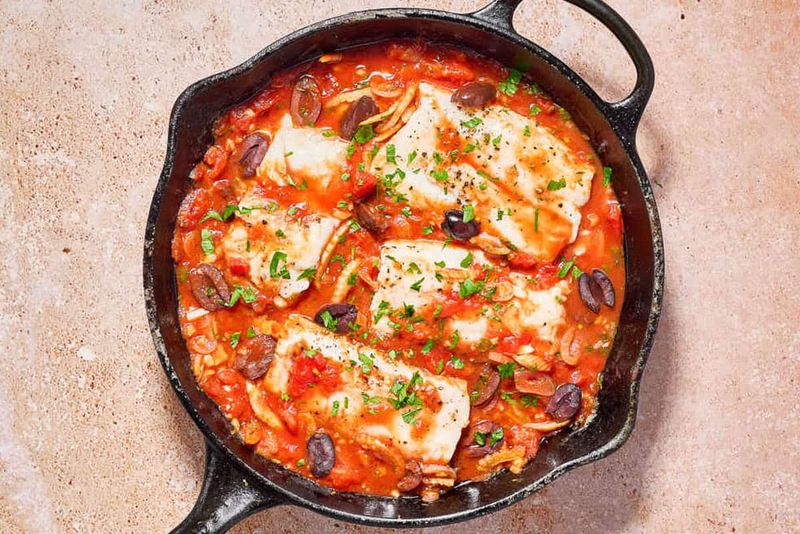
Provence is famous for lavender fields and ratatouille, but its slow-braised salt cod dish called Estouffade de Morue is a hidden treasure even most French food lovers overlook. Salt cod is cooked low and slow with olives, capers, tomatoes, garlic, and Provencal herbs until it becomes fall-apart tender and intensely flavorful.
The capers and olives add a briny punch that balances the mildness of the fish beautifully. It is a dish that rewards patience and simple, quality ingredients.
Served with crusty bread or creamy mashed potatoes, it is southern French comfort food at its finest.
12. Peixe Espada com Banana – Portugal (Madeira)
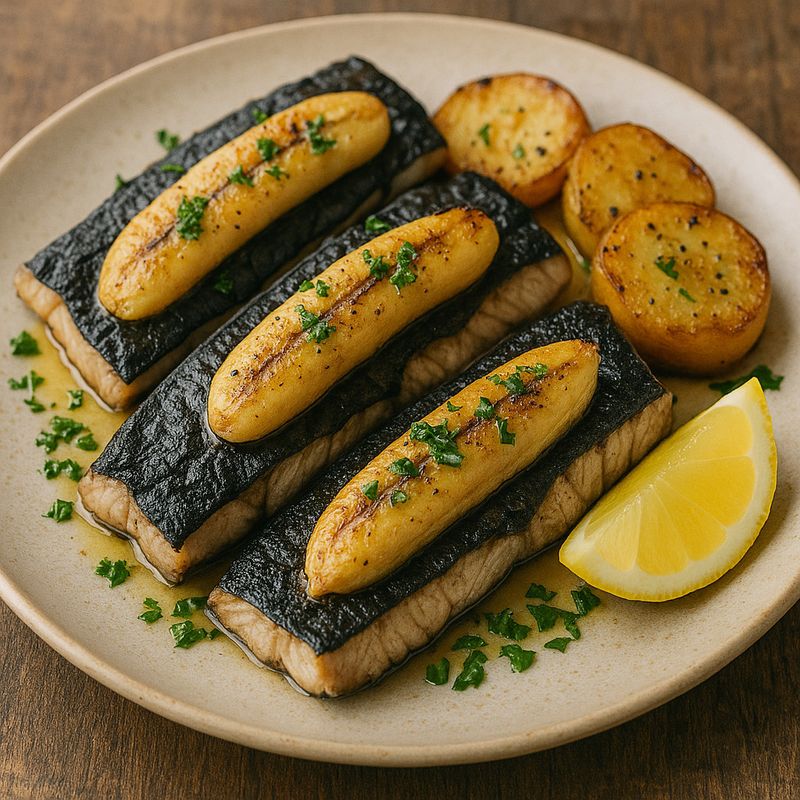
On the island of Madeira, locals pair their beloved black scabbardfish with fried banana as naturally as anyone else might pair fish with lemon. The combination sounds unusual, but the sweet, caramelized banana perfectly balances the rich, slightly oily flavor of the deep-sea scabbardfish.
Black scabbardfish lives at extreme ocean depths and has a dark, almost alien appearance, yet its flesh is white, delicate, and absolutely delicious. This dish is practically Madeira’s unofficial mascot.
Visitors who try it once almost always list it as the most memorable meal of their trip.
13. Kipper – United Kingdom
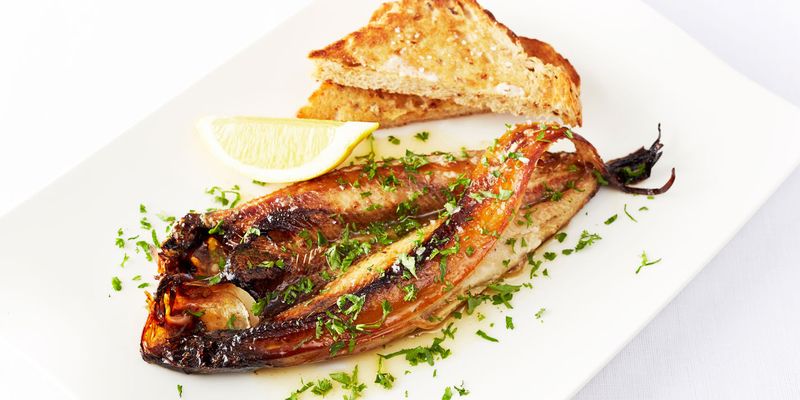
Kippers have been a British breakfast staple for centuries, yet they have almost completely vanished from modern tables outside the UK. A kipper is a whole herring that has been split, cold-smoked over oak chips, and turned a gorgeous shade of burnished gold in the process.
The smoky, salty flavor is bold and deeply satisfying in a way that instant breakfast foods simply cannot match. Topped with a knob of butter and served with toast, kippers are a genuinely nutritious morning meal.
They deserve a serious comeback on breakfast menus far beyond British shores.
14. Brodetto – Italy (Adriatic Coast)
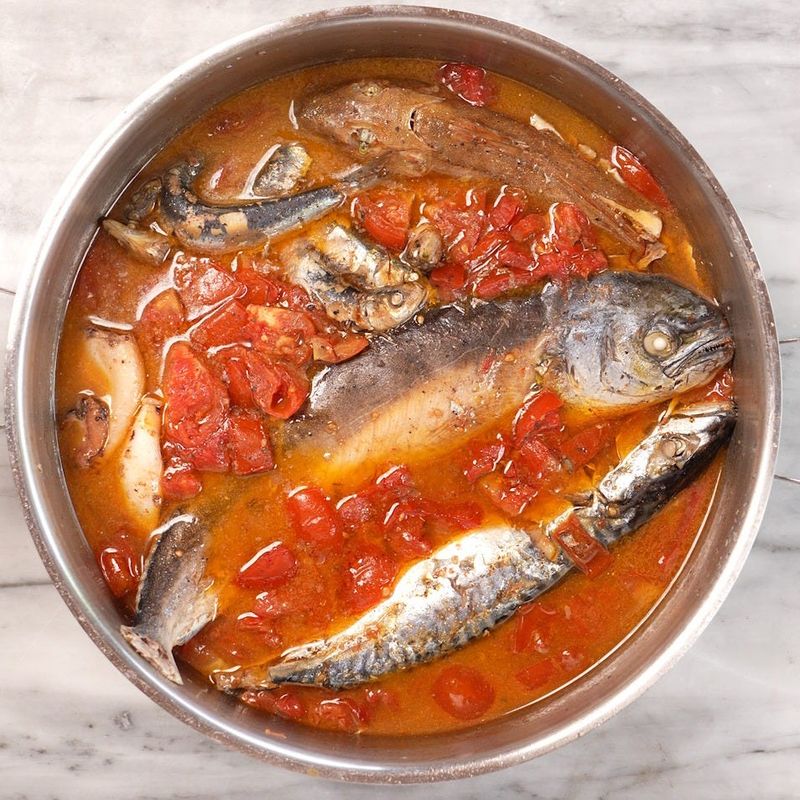
Along Italy’s Adriatic coast, nearly every fishing town has its own version of Brodetto, a rustic fish stew born from the fishermen’s habit of cooking the unsellable parts of the catch directly on the boat. The base is a light, tangy tomato and white wine broth that lets the seafood shine without overwhelming it.
What makes Brodetto special is its honesty. No cream, no shortcuts, just fresh fish and simple ingredients cooked with care.
Towns like Ancona, Fano, and Pescara each argue passionately that their version is the authentic one. Every single version is worth trying.
15. Lohikeitto – Finland
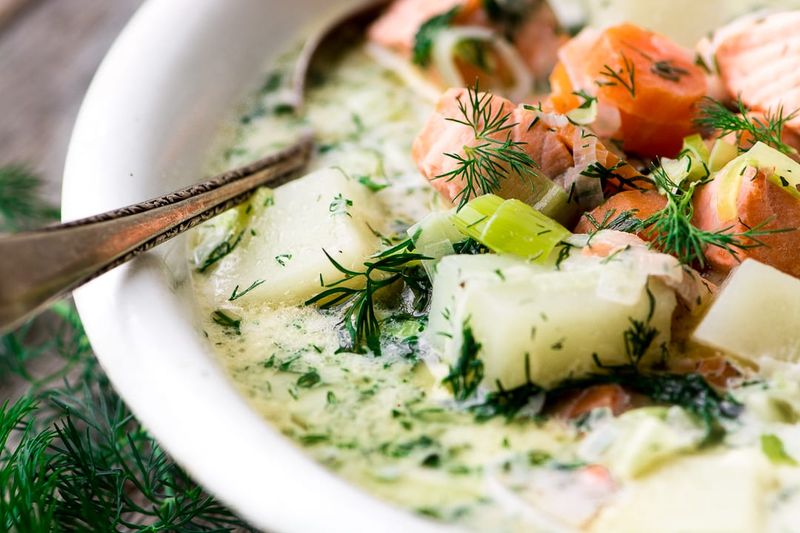
On a cold Finnish afternoon, nothing feels more comforting than a bowl of Lohikeitto, a creamy salmon soup that Finns have been making for generations. Fresh salmon, potatoes, leeks, and dill simmer together in a rich cream broth that is warming without being heavy.
The flavor is clean, slightly sweet from the leeks, and wonderfully fragrant from the dill. Finnish families make this soup year-round, and it is one of the most beloved home-cooked meals in the country.
Yet outside Scandinavia, this silky, satisfying soup is almost completely unknown to the wider world.