
Growing up, respect often felt like a one-way street from kids to parents. But something quietly shifts when you become an adult, and the best parents start showing that respect right back.
Sometimes these signs are so subtle you might miss them completely. Knowing what to look for can help you appreciate the relationship you have and recognize just how far things have come.
1. They Hold Back Unsolicited Advice

Biting your tongue is genuinely hard, especially when you love someone and think you know better. Yet parents who respect your adulthood resist the urge to jump in with opinions you never asked for.
When your mom or dad waits until you say “What do you think?” before sharing their view, that pause is powerful. It signals they trust your ability to navigate life on your own terms, without a roadmap handed to them.
2. Knocking Before Entering Your Space
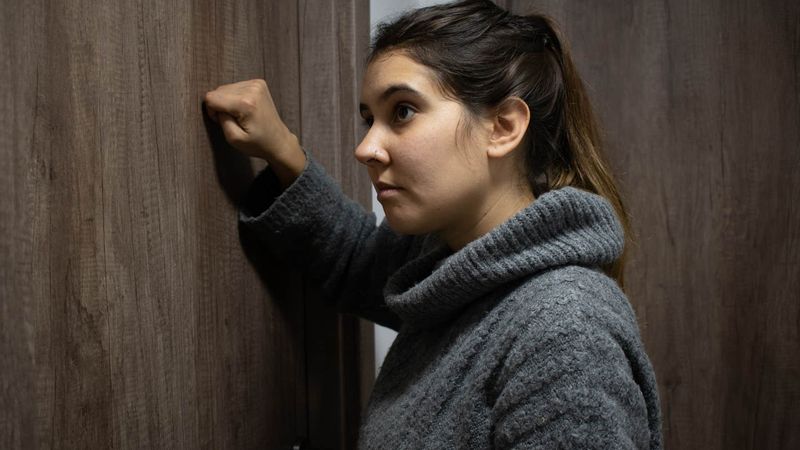
Something as simple as a knock carries a big message. When a parent pauses at your door instead of walking right in, they are silently saying your space belongs to you, not to them.
Whether visiting your apartment or stepping into your home office, that small gesture communicates enormous respect. It treats you the way they would treat any other adult, and that kind of courtesy feels genuinely good to receive.
3. Asking If You Want Help Instead of Just Offering It

“Do you want me to help, or do you just need me to listen?” That one question changes everything. Parents who ask rather than assume show they understand the difference between support and interference.
Jumping in without checking first can feel like a takeover, even when the intention is kind. Respectful parents recognize that sometimes the most helpful thing they can do is wait for your signal before stepping in.
4. Staying Out of Your Relationship Decisions

Your love life is yours. Parents who truly respect you understand that your relationship choices, who you date, how you handle disagreements, and what your partnership looks like, are not theirs to manage.
Steering clear of your private couple matters is a sign of real trust. When a parent bites back a comment about your partner or resists the urge to take sides in your arguments, they are choosing your autonomy over their own comfort.
5. Celebrating Your Wins Without Claiming the Credit

Landing a promotion or finishing a big project is your achievement, full stop. Parents who respect you let that moment belong entirely to you instead of pivoting the spotlight toward themselves.
You might notice they say “You worked so hard for this” rather than “We raised you right.” That shift in language is not accidental. It reflects a parent who genuinely sees your success as the result of your effort, not their parenting resume.
6. Treating Your Home Like a Guest Would

Walking into your place and rearranging the furniture or criticizing the decor is a subtle power move, even if it comes wrapped in good intentions. Parents who respect you treat your home the way they would treat any other adult’s house.
They compliment rather than critique. They ask before touching.
That kind of courtesy says loud and clear that they see your household as your domain, a place they are honored to visit, not entitled to redecorate.
7. Using Calm Language Even During Disagreements

Disagreements happen in every family. What separates respectful parents from the rest is how they handle the heat.
Staying firm without turning harsh is a real skill, and parents who manage it are modeling something valuable.
When your dad keeps his voice steady during a tough conversation instead of going for the jugular, he is showing self-control and regard for your feelings at the same time. That kind of restraint protects the relationship long after the argument ends.
8. Skipping the “I Told You So” Moments

Everyone makes mistakes, and sometimes your parents saw them coming from a mile away. The respectful ones stay quiet about it afterward.
Choosing comfort over criticism when you stumble is a quiet but powerful form of love.
Parents who resist gloating when things go sideways are putting your emotional recovery ahead of their own satisfaction. That choice says they are on your team, not keeping score.
And honestly, that support matters more than any “I told you so” ever could.
9. Seeing You as an Individual, Not Just Their Kid

You are not the same person you were at twelve, and parents who respect that understand it fully. When they engage with your current opinions, hobbies, and personality rather than the version of you from decades ago, it feels refreshing and validating.
A parent who says “Tell me more about that” when you share a new interest is doing something meaningful. They are choosing to know the adult you have become, not just the child they remember raising.
10. Respecting Your Privacy Without Prying

Curiosity about your finances, personal relationships, or private conversations is natural for any parent. Acting on that curiosity uninvited is where the line gets crossed.
Parents who keep their questions within appropriate limits are showing real maturity.
They do not scroll through your phone, dig into your bank account, or push for details you have not offered. That restraint communicates trust.
And trust, more than anything, is the foundation of a healthy adult relationship between parent and child.
11. Letting You Own Your Mistakes and Learn From Them

There is a big difference between a parent who rushes to fix everything and one who lets you sit with a problem long enough to solve it yourself. The second type is harder to be, and far more respectful.
When your parents allow you to experience consequences rather than swooping in to save the day, they are treating you like a capable adult. That confidence in your resilience is one of the most meaningful things a parent can quietly offer.
12. Welcoming Your Partner and Chosen Family

Your circle has grown since childhood, and the people you have chosen to keep close matter deeply to you. Parents who honor that show up with warmth for your partner, your best friends, and anyone else you consider family.
Making those people feel genuinely welcome, not just tolerated, is a quiet act of respect. It says your parents understand that loving you as an adult means embracing the community you have built around yourself, not just the family you were born into.
13. Adapting Family Traditions to Fit Your Life Now

Traditions carry a lot of meaning, but life changes. When parents are willing to shift the holiday schedule, adjust the gathering location, or modify a long-standing ritual to fit your current reality, that flexibility speaks volumes.
Rigid insistence on doing things the old way can leave adult children feeling like their new lives do not count. Parents who adapt are saying the opposite: your present circumstances matter just as much as any family custom, and the relationship is more important than the routine.
14. Setting Healthy Boundaries for Both of You

Boundaries are not walls; they are agreements. Parents who establish clear limits around visits, communication frequency, and personal topics are not being cold.
They are creating a structure where both of you can thrive.
When a parent says “We will not drop by unannounced” and actually sticks to it, that consistency builds real trust. Mutual boundaries protect both sides of the relationship and make the time you do spend together feel chosen rather than obligated.
15. Speaking Well of You Behind Your Back

What your parents say about you when you are not in the room reveals a lot. Parents who genuinely respect you speak of your choices, your character, and your life with real warmth and honesty, not just a polished highlight reel.
There is a difference between bragging and actually defending who you are. A parent who says “My kid made a tough call and handled it well” rather than painting an unrealistic picture is showing love that is grounded in truth, and that is rare.
16. Not Making You Responsible for Their Emotional State

Feeling like you have to manage your parent’s happiness is exhausting. Parents who handle their own emotions without putting that weight on your shoulders are practicing a quiet, powerful form of respect.
When your mom does not guilt-trip you for not calling more often, or your dad does not sulk after you cancel plans, they are showing emotional maturity. That independence means you can connect with them out of genuine affection rather than fear of letting them down.
17. Listening Without Trying to Fix Everything

Sometimes you just need to be heard. Parents who understand that not every problem you share requires a solution are a genuine gift.
Knowing when to simply listen is a skill many adults never fully develop.
When your parent resists the urge to jump into problem-solving mode and instead says “That sounds really hard,” the effect is immediate and comforting. Being heard without being redirected validates your experience and reminds you that you are seen as a whole, capable person.