
Ice cream can taste like much more than chocolate or vanilla. Around the world, cooks turn seafood, flowers, spices, and even insects into frozen treats.
Some flavors are local favorites, while others are rare experiments that challenge what dessert can be. Exploring them is a fun way to learn how different cultures use familiar ingredients in surprising ways.
1. Malted Squid Ink Ice Cream: A Scoop After Dark
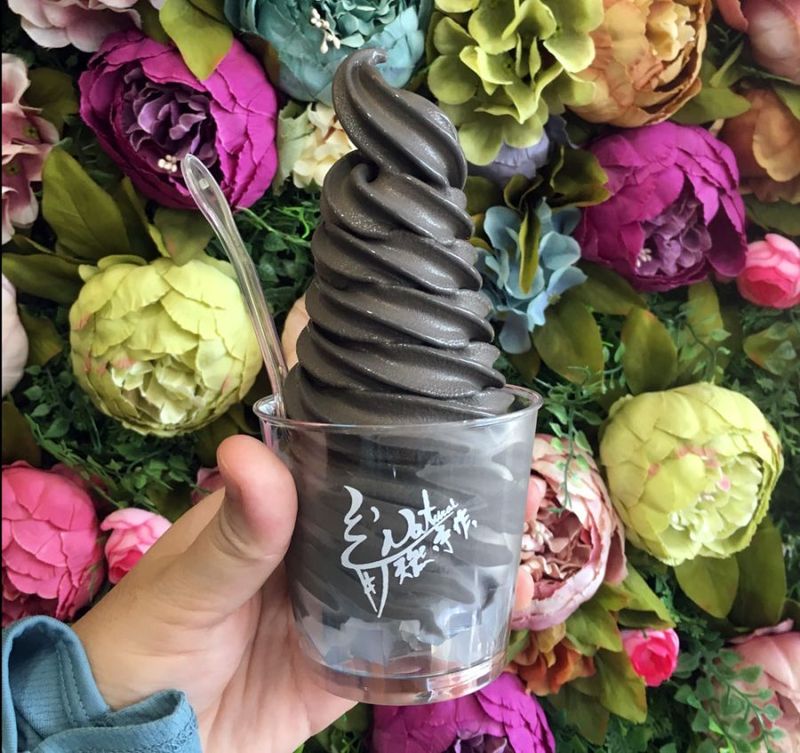
Forget chocolate: that midnight color can come from squid ink. Reported versions in Japan and Korea combine its dark pigment with a creamy base, sometimes adding malt or a wasabi topping.
The taste may be mildly salty rather than strongly fishy.
Recipes differ, so ask whether the scoop is sweet, savory, or somewhere between. Anyone with a squid allergy should skip it.
A small tasting portion makes this dramatic dessert much less intimidating to try.
2. Spicy Ice Cream: Cold Meets Heat
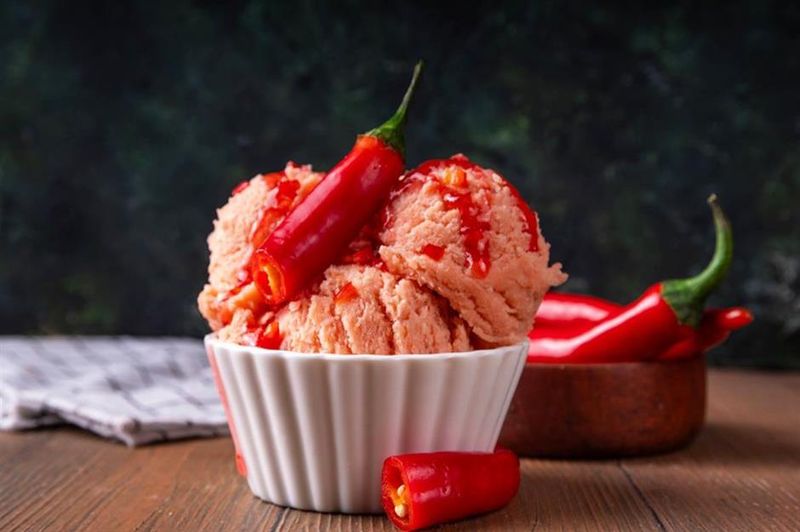
Your tongue gets two messages at once: chilly cream and peppery heat. Makers around the world add chili to mango, chocolate, lime, and other familiar flavors.
Some scoops offer a gentle warmth, while habanero versions can deliver a much bigger kick.
Start with a sample instead of choosing by color alone. Dairy can soften the burning feeling, but it does not erase it.
Ask about heat levels before ordering, especially when buying treats for children.
3. Avocado Ice Cream: Green and Dreamy
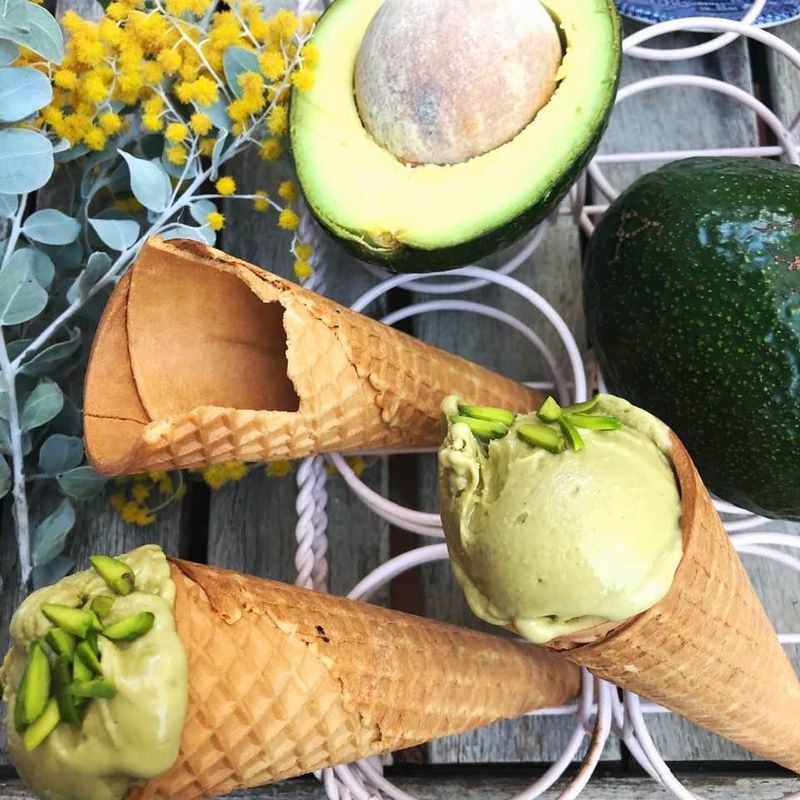
Guacamole is only one stop on the avocado trail. In many places, including parts of Southeast Asia and Latin America, avocado fits comfortably into sweet drinks and desserts.
Its soft flesh creates a rich texture without an overpowering flavor.
Condensed milk, vanilla, or lime often helps shape the finished scoop. Plant based versions exist, but avocado does not automatically mean dairy free.
Check the ingredients, then try a little chocolate sauce for a familiar finishing touch.
4. Black Sesame Ice Cream: Toasty Japanese Comfort
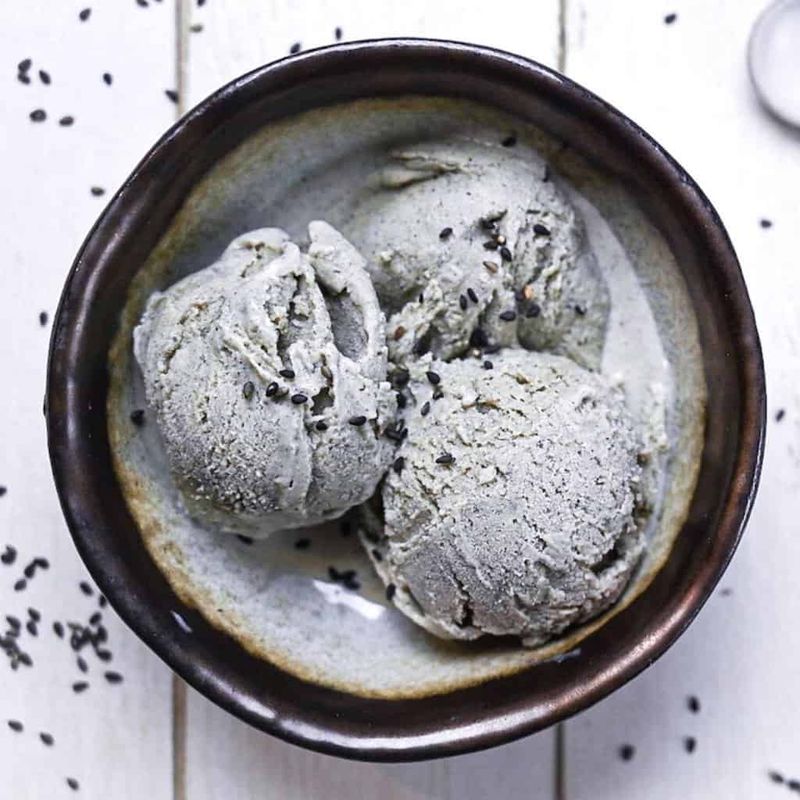
A spoonful can remind you of toasted nuts, even though sesame is a seed. Known as kurogoma in Japan, black sesame ice cream gets its gray or nearly black shade from ground seeds.
The flavor is earthy, roasted, and sometimes slightly bitter.
It suits people who find ordinary ice cream too sugary, although sweetness varies by maker. Pair it with plain mochi or vanilla.
Sesame is a major allergen, so check carefully before sharing scoops.
5. Garlic Ice Cream: The Unexpected Dinner Guest
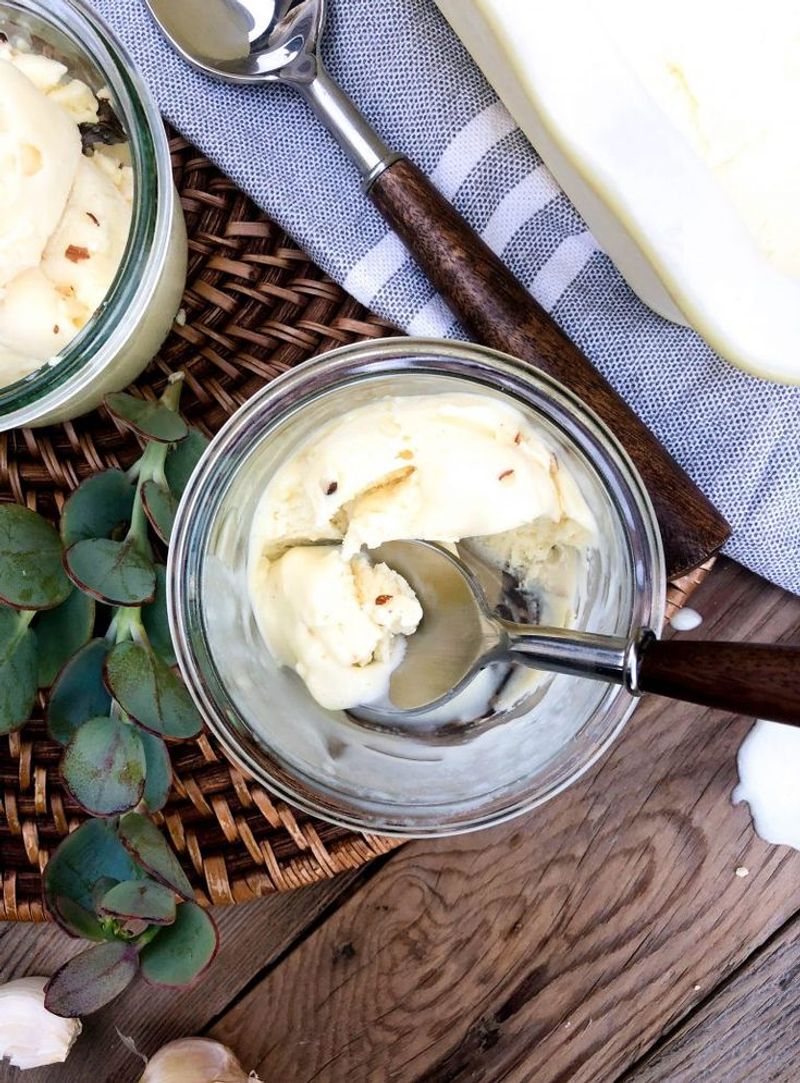
Dinner’s boldest ingredient sometimes sneaks onto the dessert menu. Garlic ice cream may use a sweet vanilla base, a rich custard, or a more savory recipe.
Roasting the garlic first can bring out sweetness and soften its sharp edge.
Expect anything from a mild background note to a lasting garlicky finish. Ask how it is prepared before committing.
Sharing one small serving with a curious friend turns the tasting into an experiment rather than a challenge.
6. Bacon Ice Cream: Breakfast Takes a Frozen Turn

Imagine the best bite of pancakes, maple syrup, and bacon served frozen. Bacon ice cream plays with that same sweet and salty mix, usually folding crisp or candied pieces into a creamy base.
Maple and vanilla are common partners.
The real trick is texture: bacon should add a pleasant crunch rather than a rubbery chew. Look for freshly prepared toppings when possible.
Since this dessert contains pork, it will not suit vegetarian diets or certain religious food rules.
7. Oyster Ice Cream: An American History Surprise
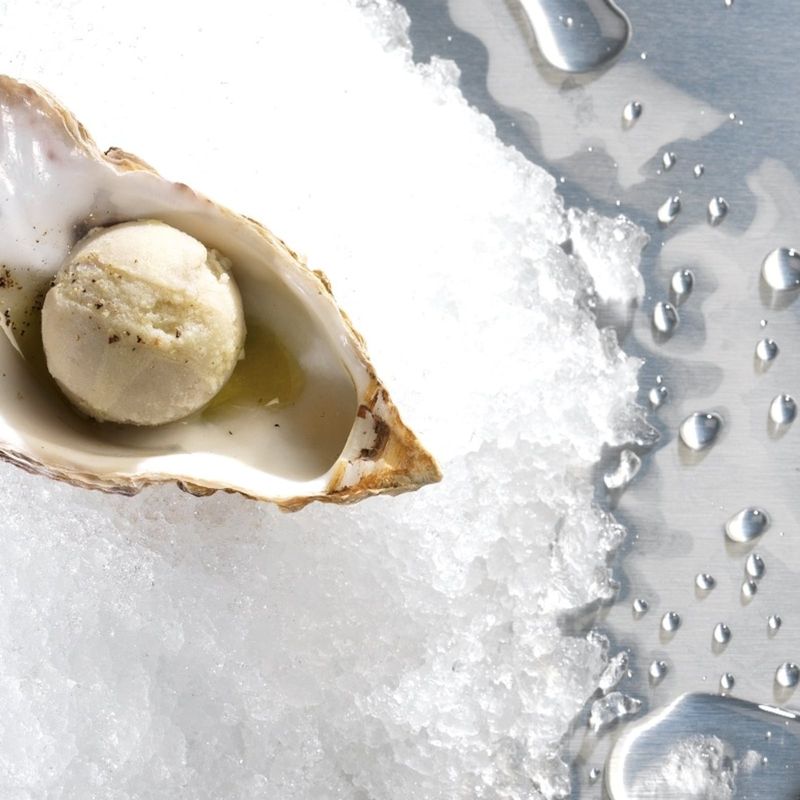
An old cookbook holds one of this list’s biggest surprises. Mary Randolph included oyster ice cream in her 1824 book, The Virginia House-Wife.
Rather than a sugary beach treat, the recipe centers on a rich oyster preparation that is strained and frozen.
Think of it as a savory frozen course, not vanilla with shellfish sprinkled on top. Modern versions are uncommon, so availability takes research.
People with shellfish allergies should avoid it entirely, including small samples.
8. Pike Akutaq: Alaska’s Distinct Frozen Tradition
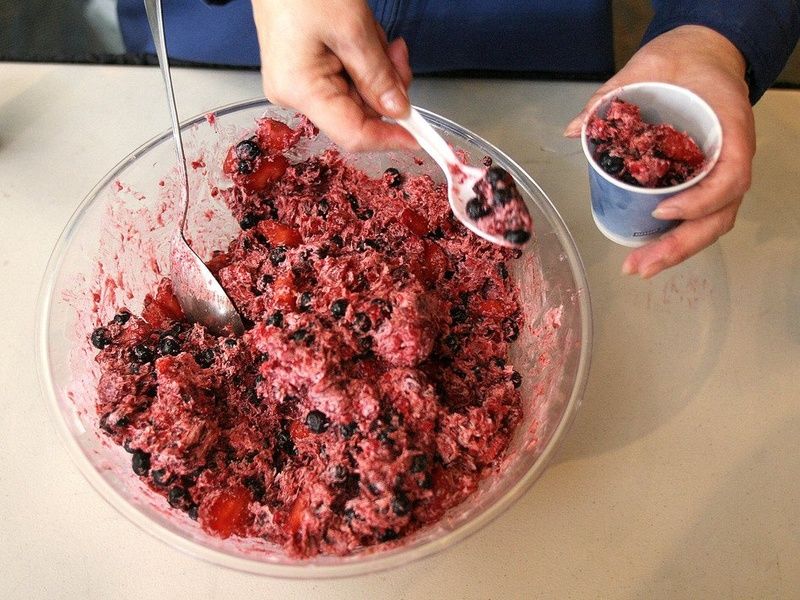
Calling every frozen treat ice cream can hide an important difference. Alaska Native akutaq is a whipped food with many regional and family variations, not simply dairy ice cream with fish added.
Some preparations include cooked whitefish, such as pike, alongside berries and fat.
Ingredients may include animal fats or shortening, depending on the recipe. Learn who prepared it and how they describe it.
Approaching akutaq as a living food tradition makes the experience far richer.
9. Sweet Corn Ice Cream: Sunshine by the Spoonful
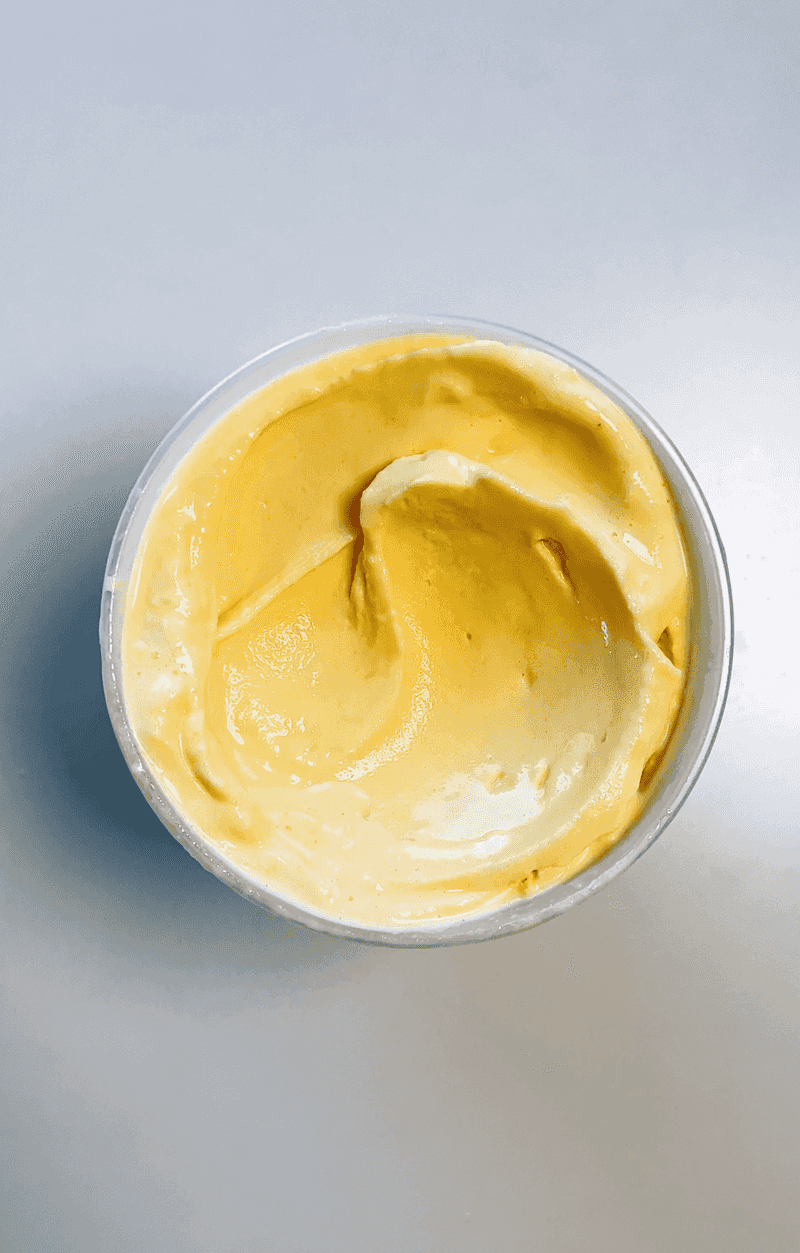
Summer corn already tastes sweet, so its move into dessert makes perfect sense. Versions enjoyed in Mexico, Korea, and the Philippines combine milky richness with corn’s mellow flavor.
Some are smooth, while others include kernels for little bursts of texture.
For a first taste, choose a plain version before trying extra toppings. Corn ice cream can feel surprisingly familiar if you enjoy custard or sweet cornbread.
Ask whether whole kernels are included if texture matters to you.
10. Kimchi Ice Cream: A Tangy Wild Card
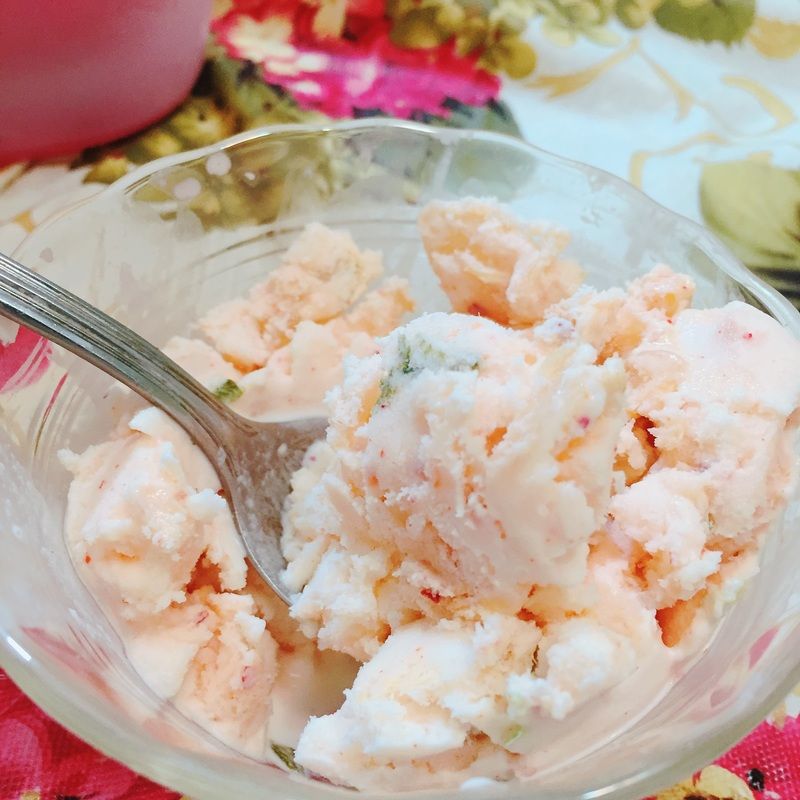
Fermented cabbage is not the usual starting point for dessert. Experimental kimchi ice creams borrow the Korean staple’s tang, chili heat, and savory depth.
A sweetened version can taste very different from one designed as a frozen restaurant course.
Online mentions sometimes mix real experiments with promotional jokes, so confirm that a shop actually serves it. Also check ingredients: many kimchi recipes contain fish sauce or salted seafood.
A tiny sample is a sensible first step here.
11. Sea Urchin Ice Cream: A Taste of the Coast
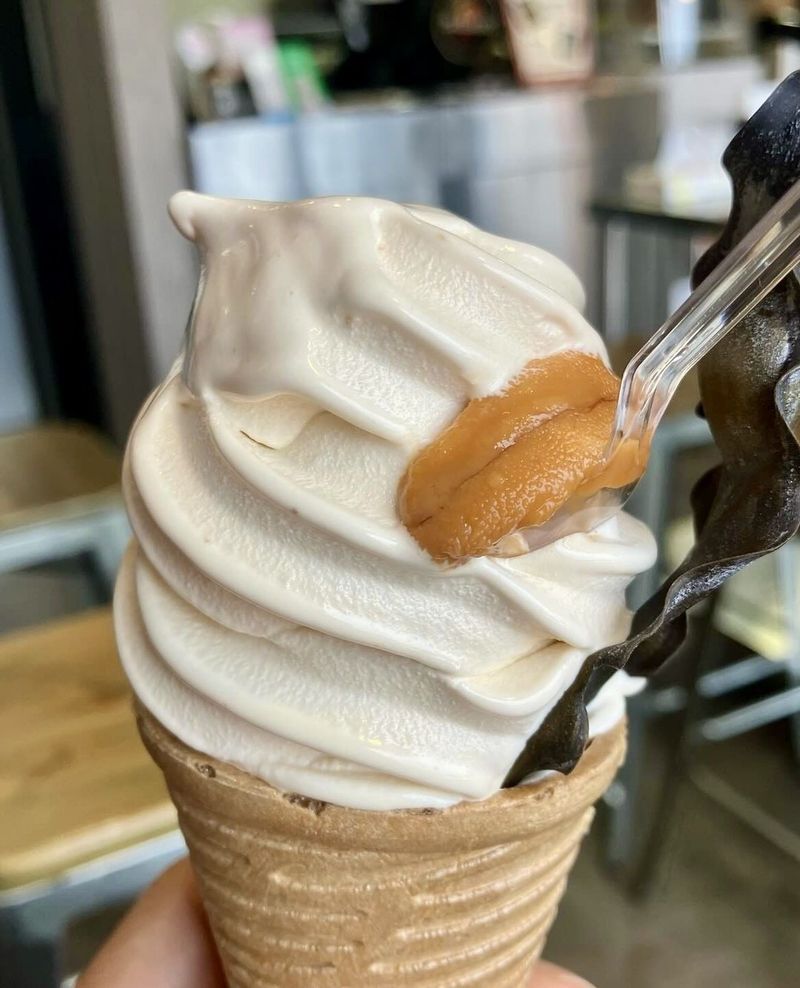
The ocean can taste creamy before any milk enters the picture. Sea urchin, called uni in Japanese dining, has a naturally rich texture that inspires unusual frozen dishes.
Reported Japanese versions bring its sweet, briny character into an ice cream base.
Freshness and preparation strongly affect the result, so choose a reputable restaurant. Expect a specialty tasting experience rather than an everyday shop flavor.
Ask about seafood allergens and whether the dish is sweet or savory first.
12. Spirulina Ice Cream: Color With a Twist
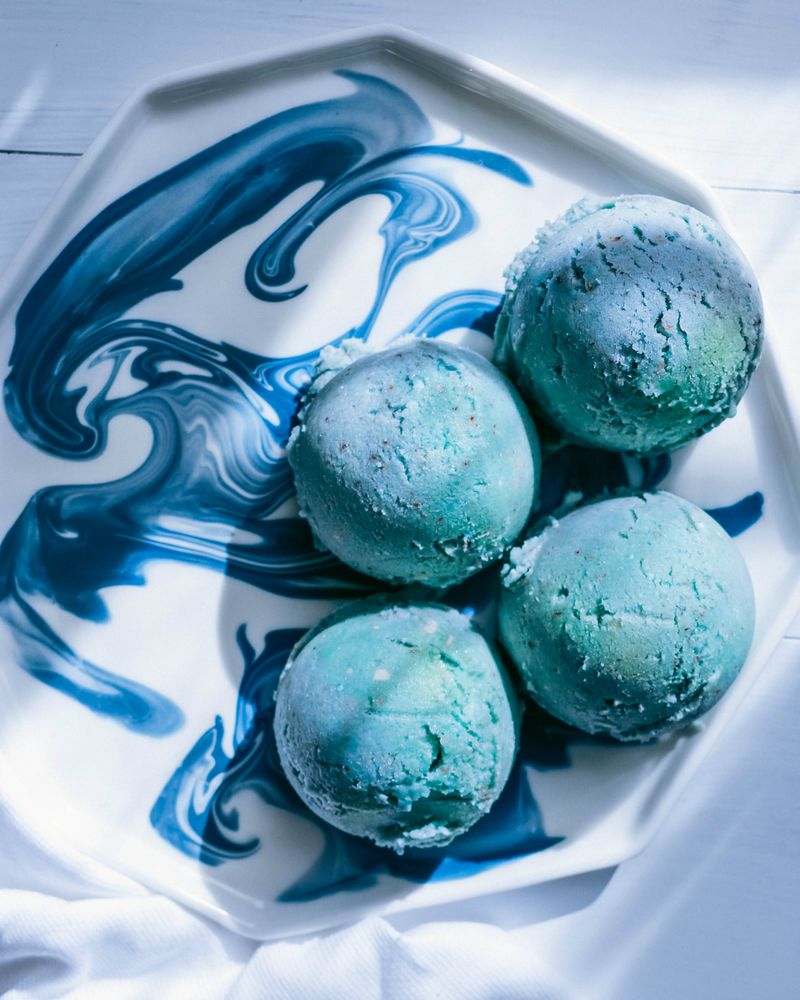
That bold green scoop may owe its color to spirulina. This ingredient is often called blue green algae, though it is technically a type of cyanobacteria.
Whole spirulina powder can add an earthy taste, while blue extracts mainly provide color.
Banana, coconut, and vanilla are useful partners in frozen recipes. Do not assume the bright shade makes dessert a health food.
Choose food grade ingredients from reliable suppliers, and check whether the base contains dairy before ordering.
13. Rose Petal Ice Cream: A Fragrant Garden Treat
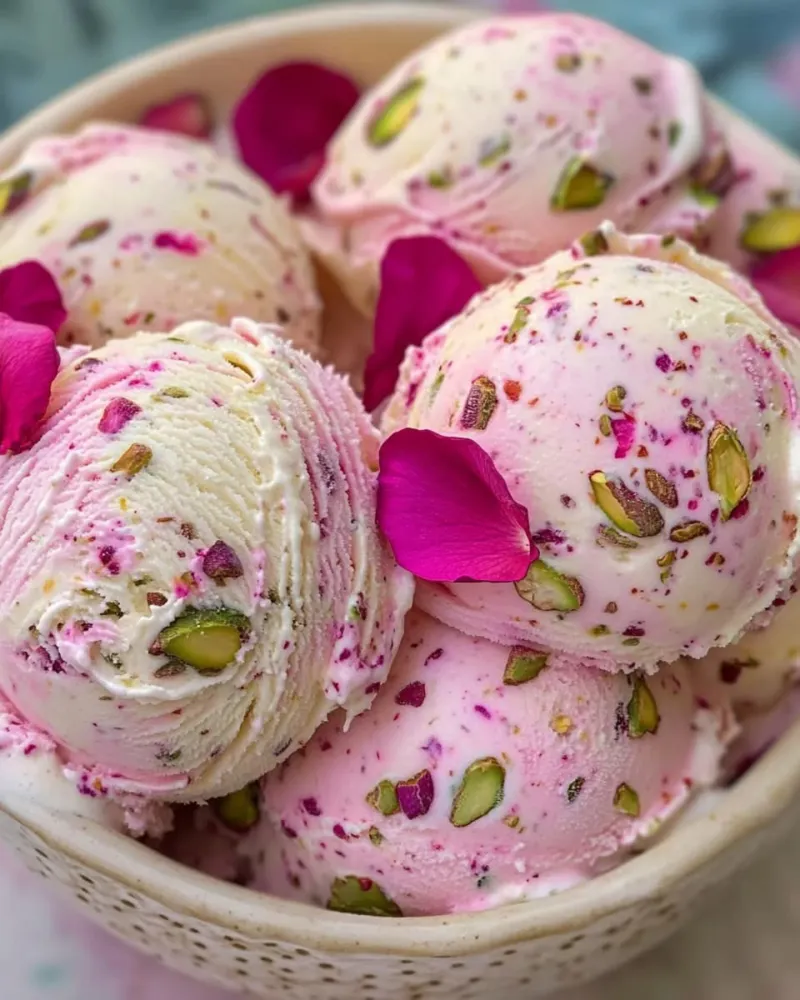
A flower garden seems to bloom in every spoonful. Rose flavored ice cream appears in several food traditions, including Persian and South Asian desserts.
Depending on the recipe, its perfume comes from edible petals, rosewater, or both.
Balance matters because too much rose can remind people of soap. Try a small serving with pistachios or a plain biscuit.
Home cooks should use roses grown for eating, never florist flowers that may have been treated with unsuitable chemicals.
14. Black Garlic Ice Cream: Dark, Sweet, and Mellow
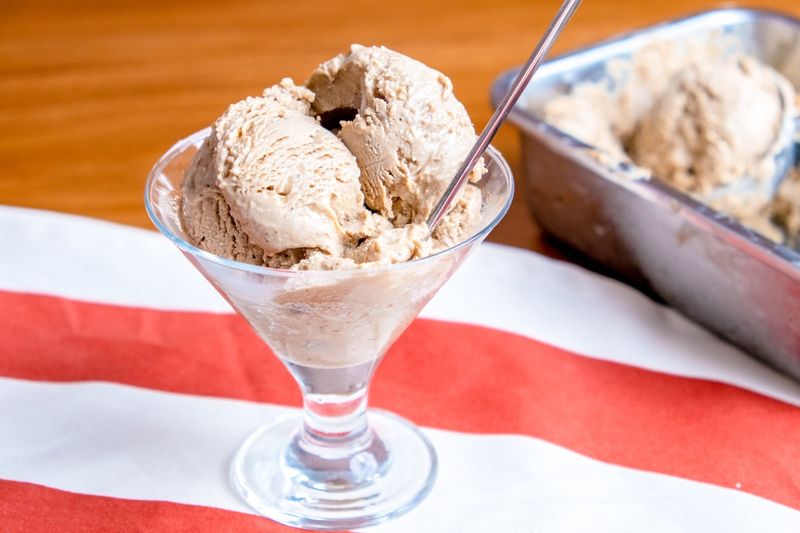
Looks can fool you: black garlic is much sweeter than its pale cousin. It develops through controlled aging with heat and humidity, rather than ordinary fermentation.
The cloves become dark and soft, with flavors often compared to dates, molasses, or balsamic vinegar.
Blended into ice cream, that depth can feel closer to caramel than raw garlic. It remains a specialty flavor, so menus change.
Consider pairing a small scoop with chocolate cake or a simple buttery biscuit.
15. Wasabi Ice Cream: A Quick Nose Tingle
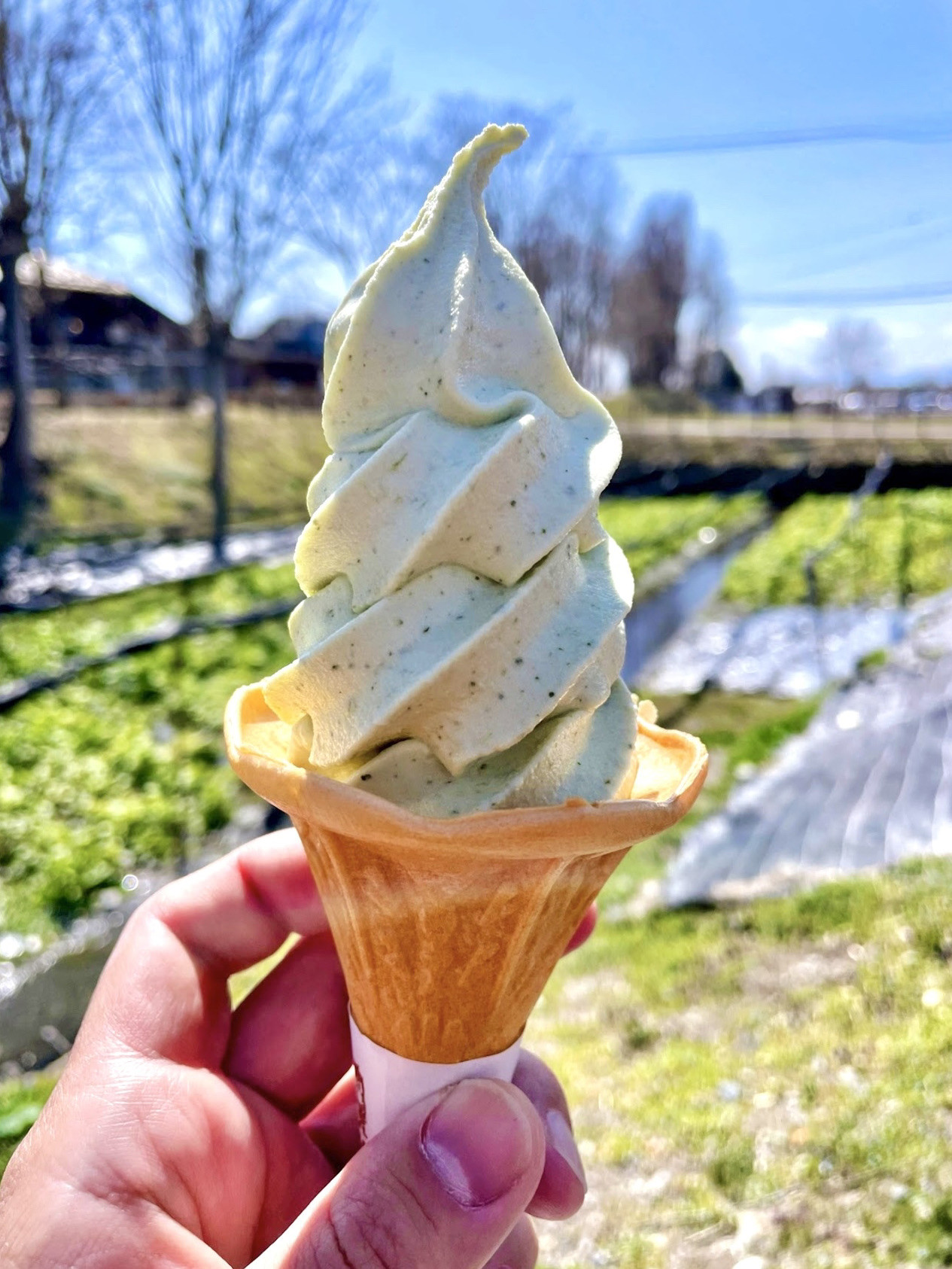
The surprise may travel up your nose instead of across your tongue. Wasabi creates a sharp, brief heat that differs from chili’s lingering burn.
In Japanese ice cream, a sweet dairy base can soften that punch without hiding it completely.
Some versions are mild and grassy; others deliver a stronger tingle. Ask whether the maker uses real wasabi or a horseradish blend.
Take a small first bite, then pause before deciding how adventurous your next spoonful should be.
16. Mustard Ice Cream: The Condiment Switch
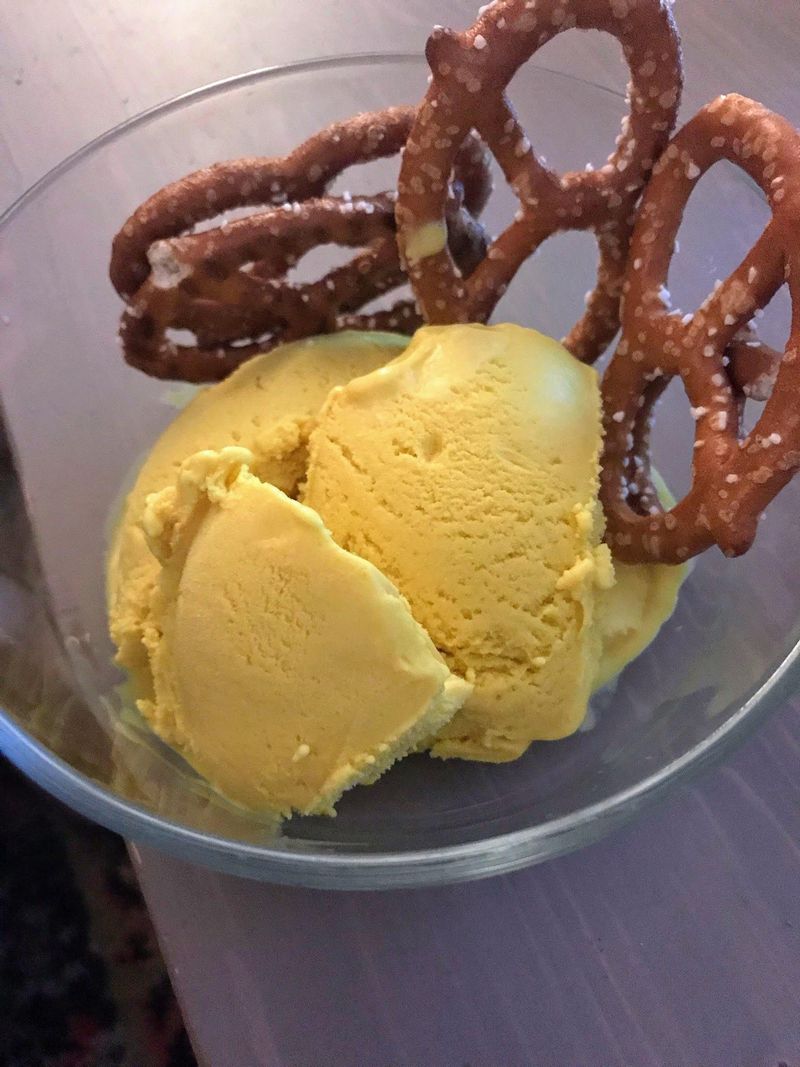
Hot dogs are not required for this mustard adventure. Yellow mustard, whole grain mustard, or sharper varieties can add tang and mild heat to a frozen cream base.
The result depends heavily on how much sweetness balances the condiment.
Some versions belong beside savory dishes, while others are playful desserts. A pretzel makes a fitting crunchy partner.
Mustard is an allergen for some people, so mention allergies clearly rather than assuming an unusual ice cream is safe.
17. Foie Gras Ice Cream: Fine Dining Goes Frozen
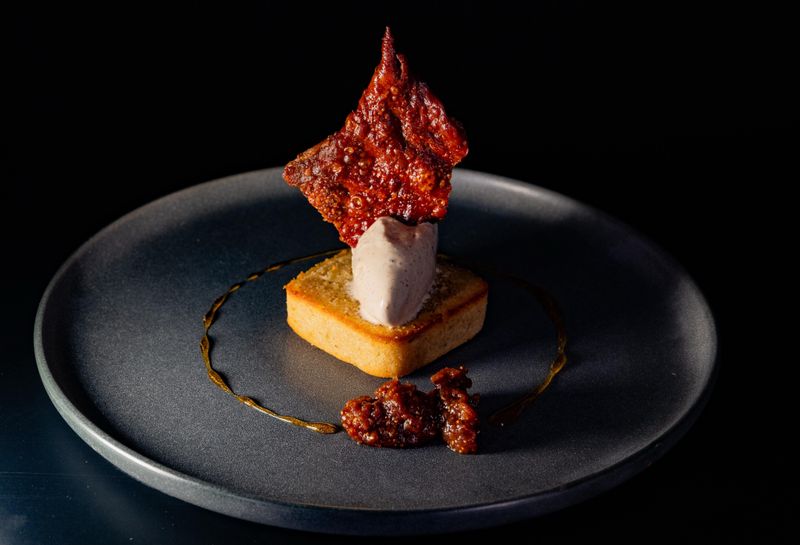
A tiny restaurant serving can carry a surprisingly rich flavor. Foie gras ice cream uses duck or goose liver to create a smooth, savory frozen dish.
Chefs may pair it with fruit, sweet wine sauces, or crisp bread instead of ordinary sundae toppings.
Think tasting menu rather than giant waffle cone. Its production raises animal welfare concerns, and sale restrictions vary by location.
Check local rules and your own comfort level before seeking out this luxury specialty.
18. Insect Ice Cream: Crunch With Six Legs
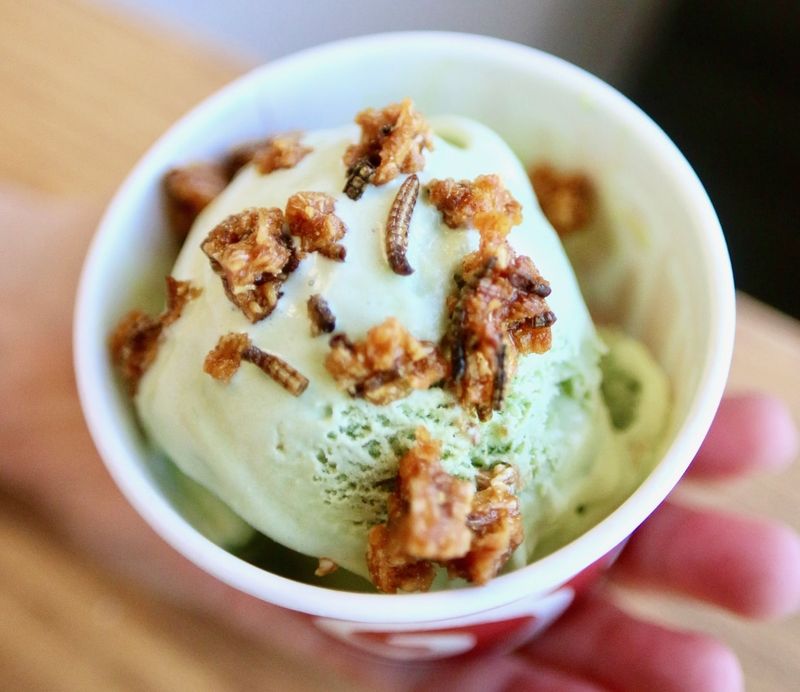
Sprinkles have some crunchy competition. Specialty makers, including Salt & Straw in past seasonal releases, have used edible insects in ice cream.
Chocolate covered crickets and mealworm brittle can bring toasted, nutty notes alongside a very unexpected texture.
Availability changes, so check current menus rather than expecting a permanent flavor. Only eat insects raised and prepared for food.
People with shellfish allergies may also react to insects, making a careful ingredient check especially important before any tasting.
19. Horse Meat Ice Cream: Japan’s Rare Curiosity
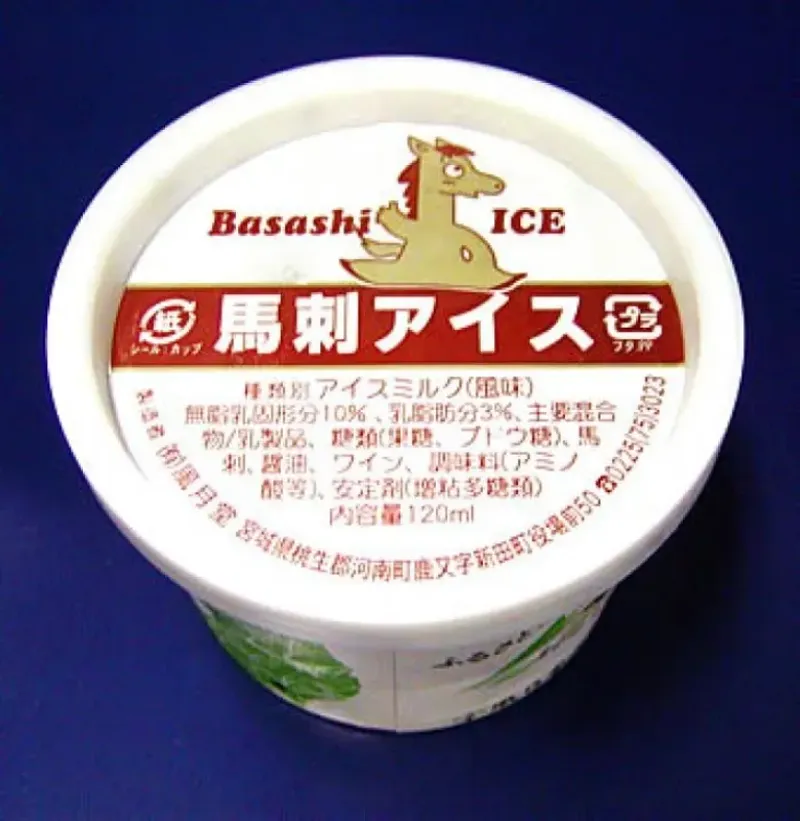
Vanilla can hide an ingredient few visitors expect. Basashi ice cream has been reported in Japan as a novelty containing horse meat, with accounts describing chewy pieces in a sweet base.
The name refers to basashi, a Japanese raw horse meat dish.
Past mentions of Tokyo attractions do not guarantee current availability. Treat it as a rare curiosity, not a common Japanese dessert.
Raw meat carries food safety risks, and freezing alone does not reliably remove them.