
Many of the snacks and meals we love today started out looking and tasting very different. Over the years, companies swapped ingredients, cut costs, followed new health rules, or chased changing tastes.
Some of these changes were small, but others turned classic foods into something almost brand new. Get ready to discover what your favorite treats used to be like and why they changed.
1. Coca-Cola
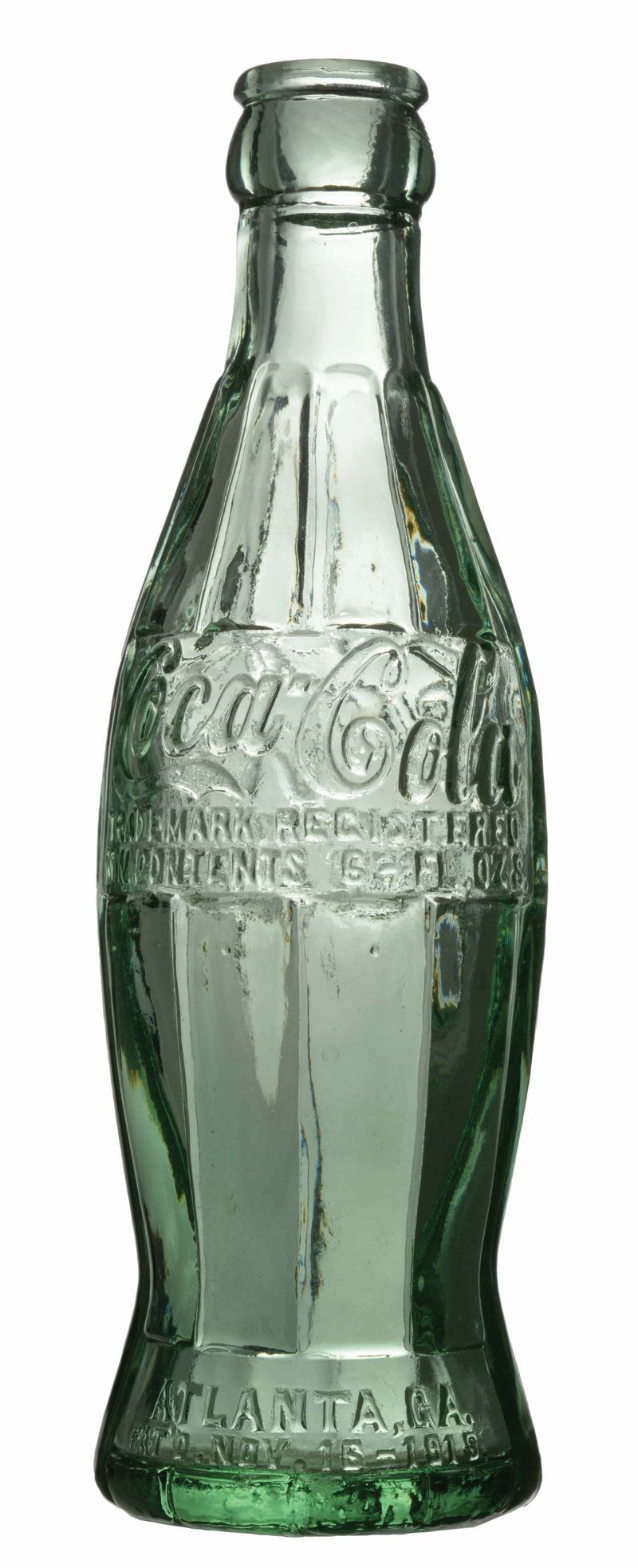
Back in 1886, a pharmacist named John Pemberton sold Coca-Cola as a medicine tonic. The early version contained small amounts of coca leaf extract and was mixed at drugstore counters.
Later, the coca was removed, and cane sugar was swapped for high fructose corn syrup in the United States. If you want a taste closer to the old days, look for Mexican Coke, which still uses real cane sugar.
2. Twinkies
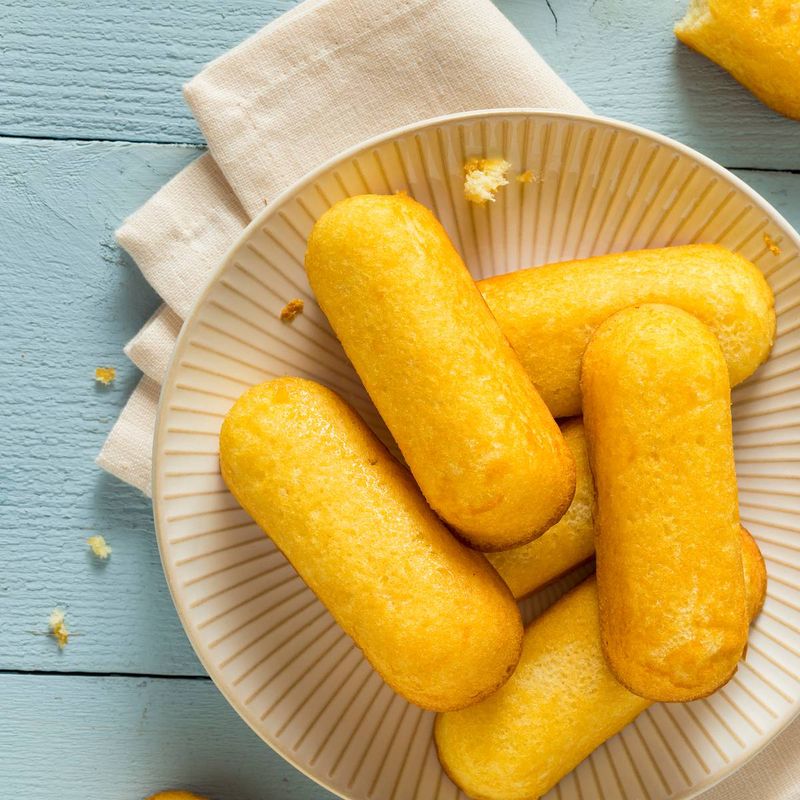
Picture biting into a Twinkie and tasting banana. That was the original flavor when the snack cakes launched in 1930.
During World War II, bananas were rationed, so the company switched to vanilla cream filling. People liked it so much that it never changed back.
Fun fact: Twinkies were also reformulated in 2013 to last longer on shelves. A limited banana version has popped up a few times for fans.
3. Ketchup
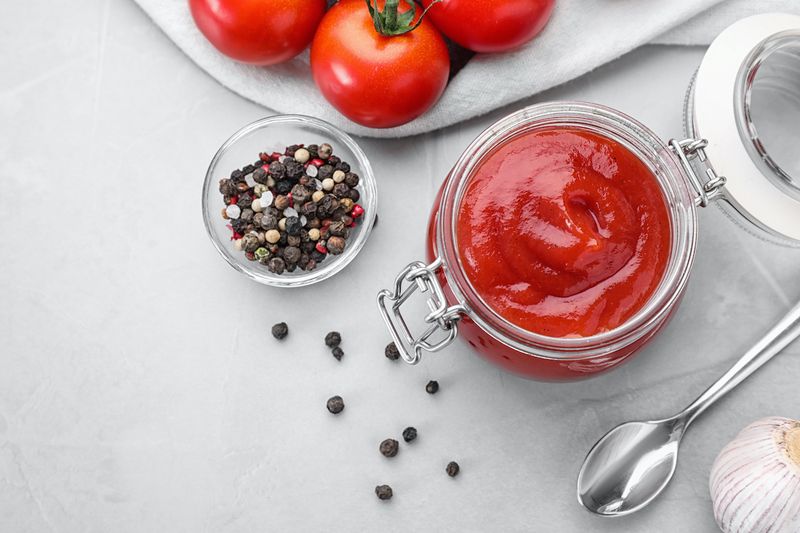
Ketchup did not start with tomatoes at all. Its roots trace back to a fermented fish sauce from Southeast Asia called ke-tsiap.
British cooks later made versions using mushrooms, walnuts, and even oysters. Tomatoes only joined the party in the early 1800s in America.
Heinz then added lots of sugar and vinegar, creating the sweet, thick red sauce we squirt on fries today. Quite a journey for one condiment!
4. Oreo Cookies
Grandparents sometimes swear Oreos tasted different when they were kids. They are right!
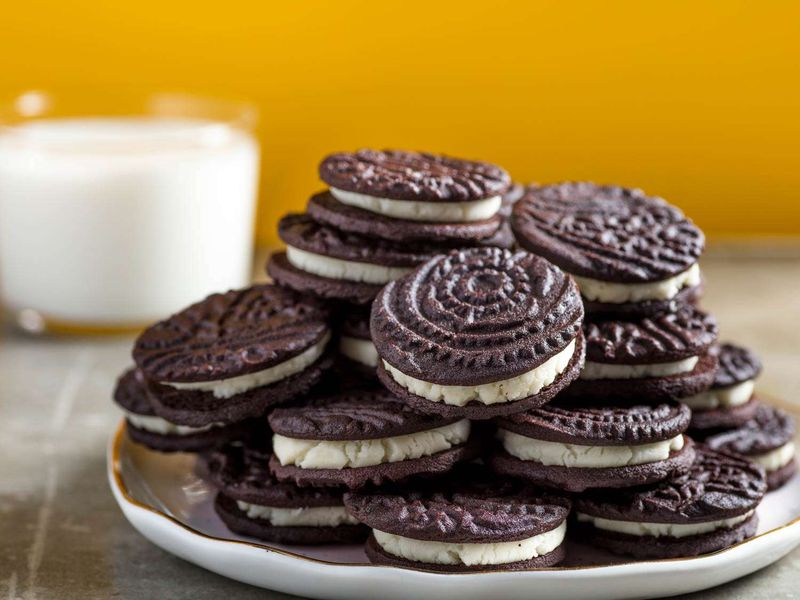
The 1912 originals used lard in the creamy filling. In 1997, Nabisco replaced it with vegetable oil, making the cookie friendly for vegetarians and kosher diets.
The cookie design also changed several times, with fancier patterns stamped on top. So if you dunk one in milk today, you are enjoying a cookie that has been remade more than once.
5. Pizza
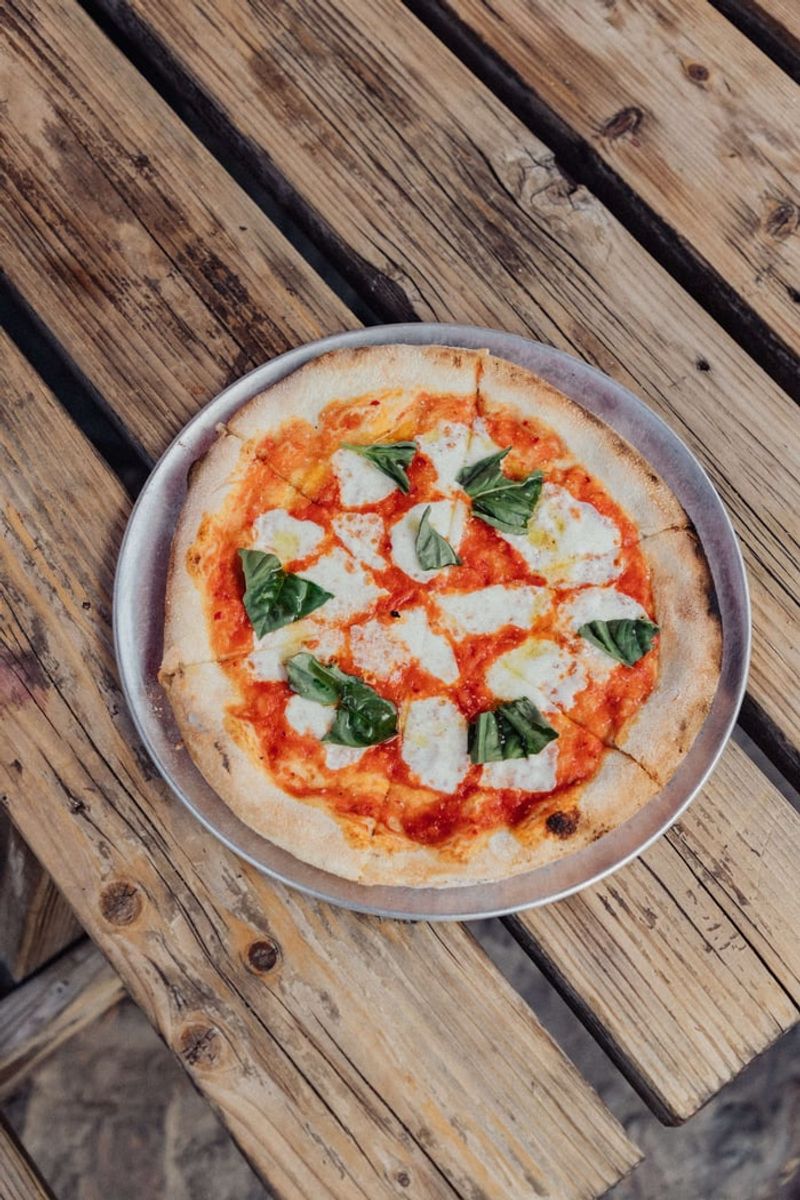
Long ago in Naples, Italy, pizza was cheap street food for poor workers. It was a simple flatbread topped with tomatoes, garlic, oil, or maybe a few anchovies.
Fast forward to today, and you can find stuffed crusts, pineapple toppings, and deep-dish pies piled high with cheese.
Want a taste of history? Try a classic Margherita with just tomato, mozzarella, and basil.
It is simple, light, and surprisingly delicious.
6. Graham Crackers
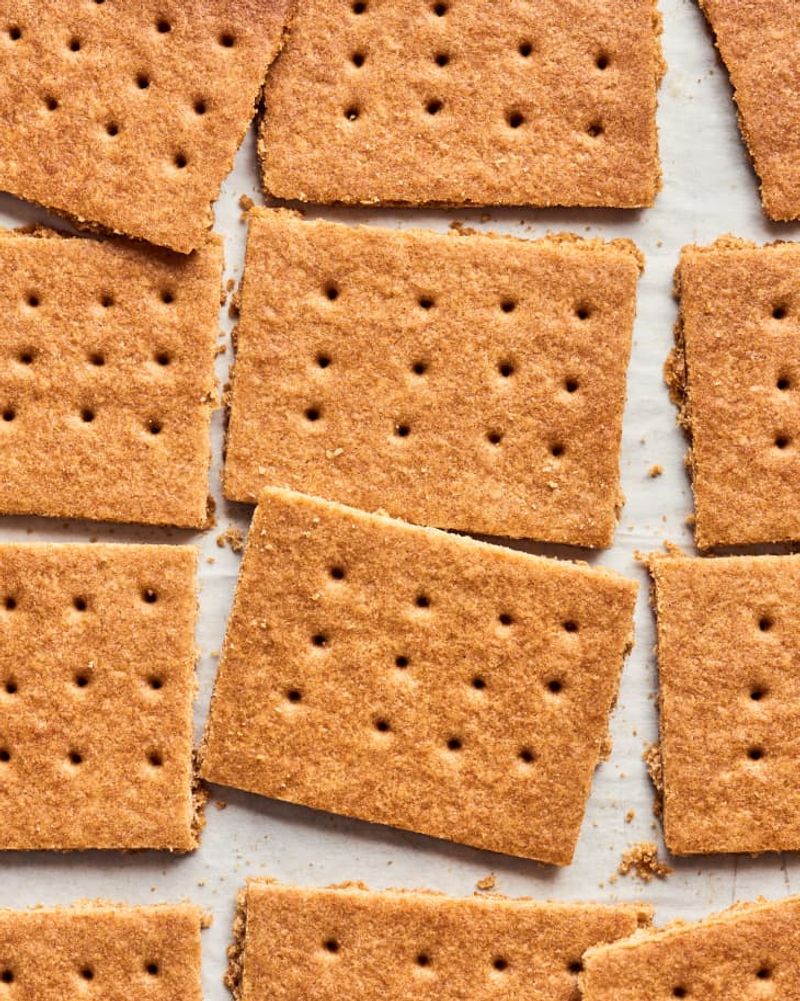
Here is a twist nobody expects. Sylvester Graham, a preacher in the 1830s, created his cracker to be bland on purpose.
He believed plain food would keep people calm and healthy. His version used coarse flour with no sugar at all.
Now graham crackers are sweet, flavored with honey or cinnamon, and starring in s’mores around campfires. Graham would probably be shocked to see his healthy snack covered in melted chocolate.
7. Cheerios
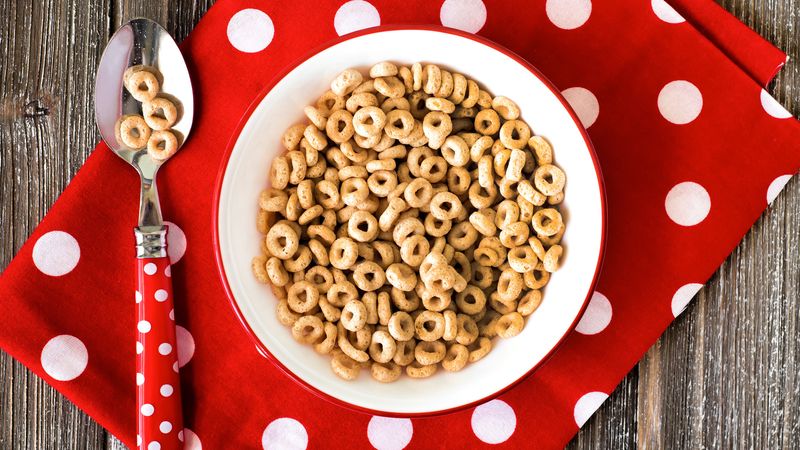
In 1941, General Mills released a puffed oat cereal called CheeriOats. A naming dispute led to a quick switch to Cheerios in 1945.
The basic recipe stayed oat-based, but the brand has since exploded into dozens of flavors like honey nut, chocolate, and apple cinnamon.
Some versions now contain far more sugar than the plain original. Reading labels is a smart habit if you want the simpler, healthier bowl.
8. Hot Cocoa
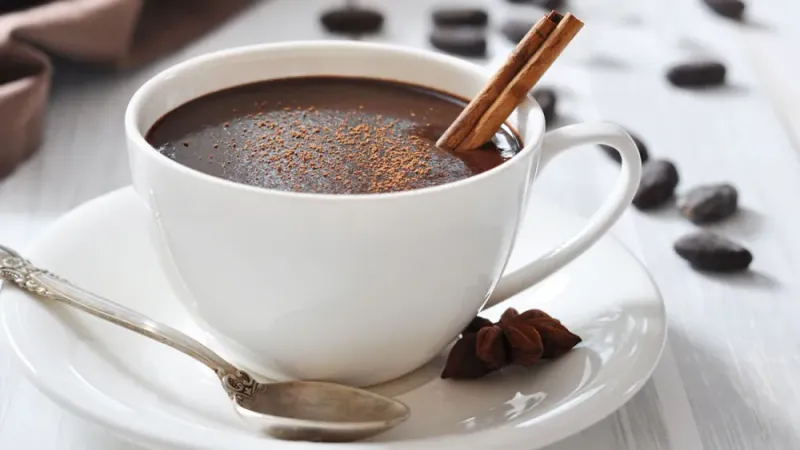
Imagine sipping a bitter, spicy chocolate drink with chili peppers. That is how the ancient Maya and Aztecs enjoyed cacao.
They poured it back and forth to make foam and served it cold. Sugar was not part of the plan.
Europeans later added sugar, milk, and cinnamon, and served it warm. Next time you make cocoa, try a pinch of chili powder for an ancient-style kick.
9. Carrots

Purple was the color of the first farmed carrots, along with yellow and white kinds. They grew in areas around Afghanistan centuries ago.
Dutch farmers in the 1600s helped popularize the orange carrot through careful breeding. It was sweeter and less woody than older types.
Today, colorful heirloom carrots are making a comeback at farmers markets. Grabbing a rainbow bunch is an easy way to add fun color to your plate.
10. Bananas
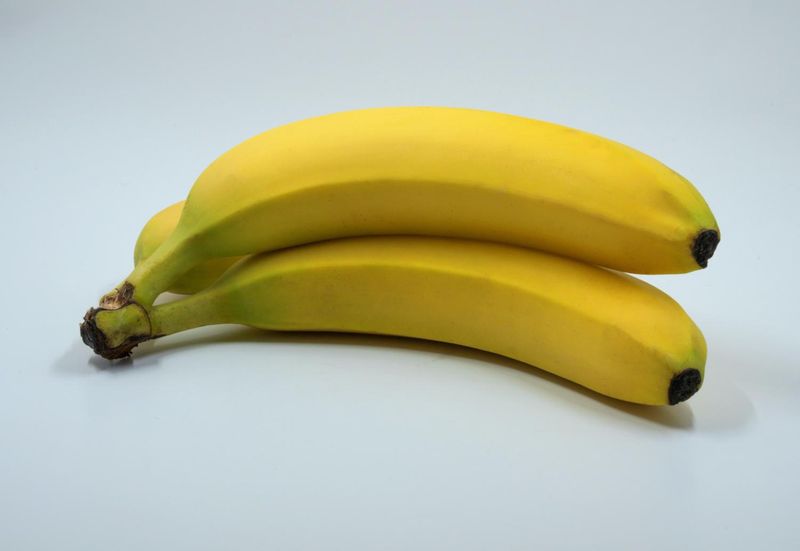
Ever wonder why banana candy tastes nothing like real bananas? Blame a plant disease.
Before the 1950s, most people ate the Gros Michel banana, which was creamier and sweeter. A fungus called Panama disease wiped out huge farms.
Growers switched to the Cavendish, the banana you buy now. Artificial banana flavor was likely modeled after the older fruit, which explains that strange candy taste.
11. Corn
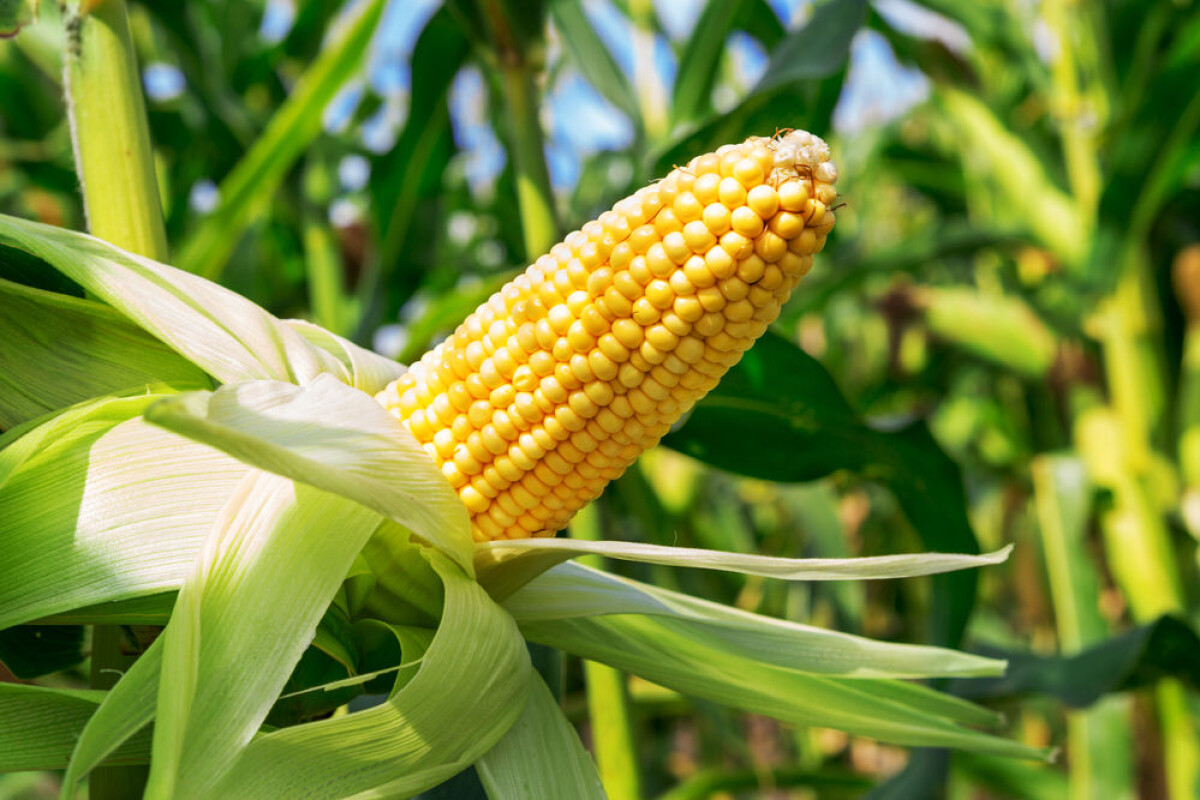
Thousands of years ago, corn was a scrawny wild grass called teosinte. Each ear was about the size of your finger and held only a few rock-hard kernels.
Farmers in ancient Mexico slowly picked the best plants, season after season. Over time, the ears grew bigger, juicier, and sweeter.
It is one of the greatest farming success stories ever. Your corn on the cob is basically a 9,000-year science project.
12. Watermelon
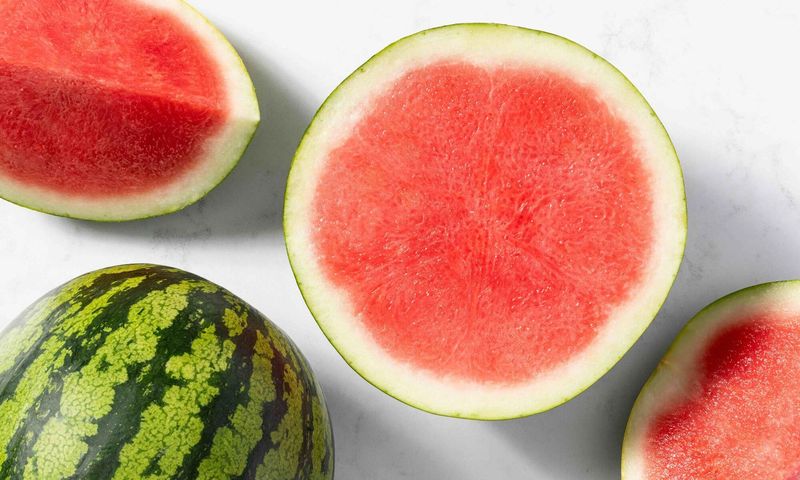
A painting from the 1600s shows a watermelon with pale, swirly flesh and lots of seeds. It looks nothing like the juicy red slices at summer picnics.
Wild watermelons from Africa were often bitter and hard. Farmers bred them for sweetness, color, and size.
Seedless versions came much later in the 1900s. Pro tip: pick a melon with a creamy yellow spot underneath, since that means it ripened well.
13. Fanta
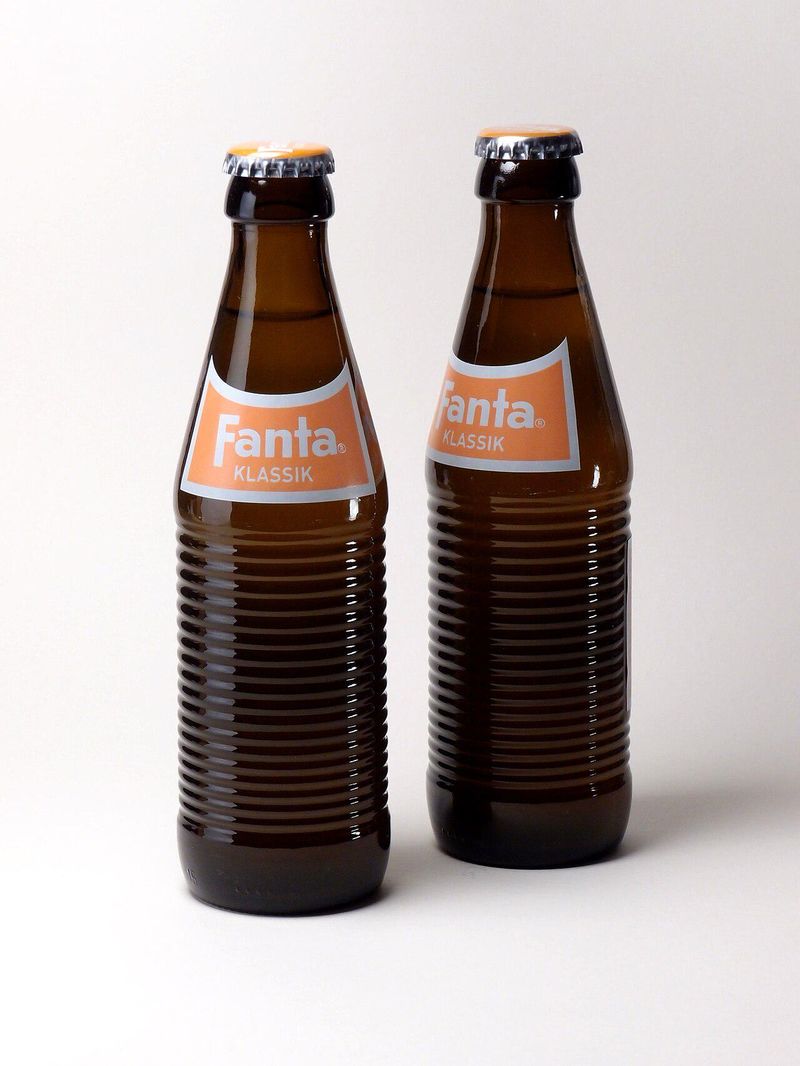
Surprising history alert! Fanta was invented in Germany during World War II when Coca-Cola syrup could not be shipped there.
Workers made it from leftovers like whey and apple pulp from cheese and cider making. The flavor changed depending on what scraps were around.
The bubbly orange soda you know arrived in Italy in 1955. Today Fanta comes in more than 100 flavors around the world.
14. Cheese Puffs and Cheetos
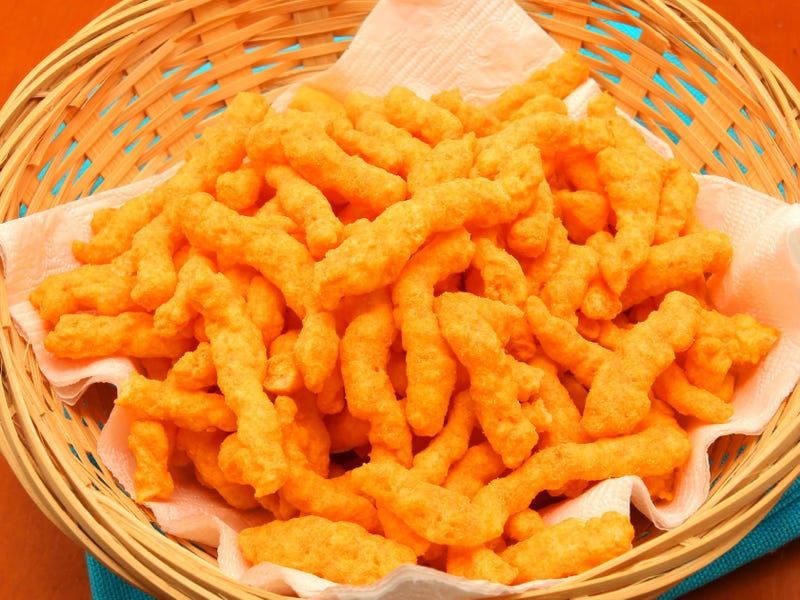
Cheetos started in 1948 with a fairly short ingredient list. Over the decades, the formula has shifted many times.
Food dye rules, cost cutting, and new flavors like Flamin’ Hot changed the snack a lot. In some countries, Cheetos even come in flavors like ketchup or strawberry.
If your fingers turn orange, you are wearing what fans jokingly call cheetle. It is the cheesy dust that makes them famous.
15. Chicken Nuggets
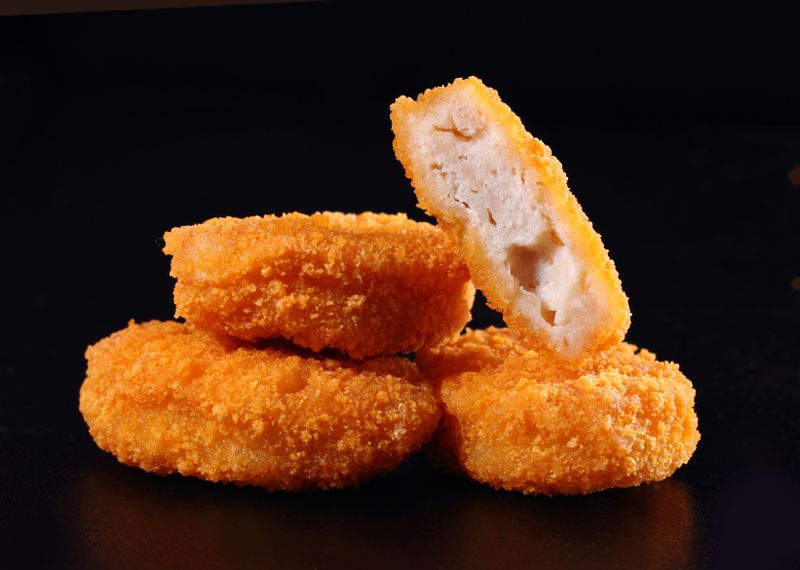
Cornell professor Robert Baker created an early chicken nugget in the 1950s as a way to use more chicken.
When fast food chains made them popular in the 1980s, early recipes included chicken skin and other bits. Public pressure later pushed many brands to use mostly white meat and remove artificial preservatives.
Homemade tip: cut chicken breast into chunks, roll in breadcrumbs, and bake. You will know exactly what is inside.
16. Peanut Butter
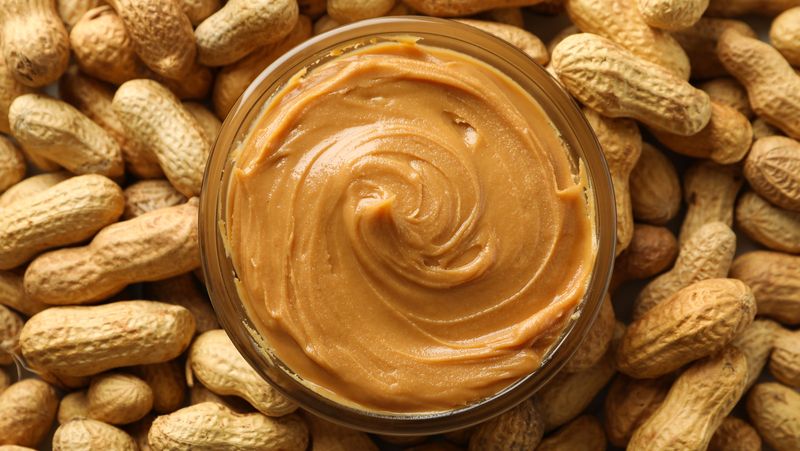
Peanut paste was once promoted as a protein food for people who had trouble chewing. Early versions were gritty and oily, separating in the jar.
In the 1920s, a process called hydrogenation kept the oil mixed in. Brands also added sugar and salt for a smoother, sweeter spread.
Craving the old style? Natural peanut butter with just peanuts is close to the original.
Simply stir before spreading.
17. Fruitcake
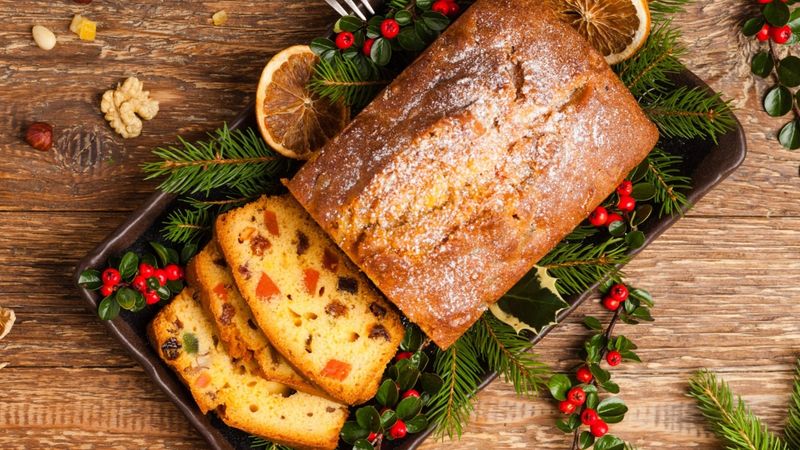
Love it or hate it, fruitcake has a wild past. Ancient Romans made a version with barley mash, pomegranate seeds, nuts, and raisins.
It worked like an energy bar for soldiers on long trips. Centuries later, Europeans added sugar, candied fruit, and spices.
Modern holiday fruitcakes often feature bright neon cherries and dense, sticky texture. A slice soaked in fruit juice can win over even the biggest doubters.