
Luxury used to mean fancy cars, grand homes, and trips far from home. Now, even a simple breakfast or an evening without work messages can feel like a special treat.
Rising costs and changing habits have made many everyday comforts harder to enjoy. Not everyone remembers the same past, but these shifts show how much our idea of a good life has changed.
1. Eggs Without the Price Check

A carton used to land in the shopping cart without much debate. During price spikes, though, eggs can make a simple breakfast feel surprisingly costly.
Bird flu outbreaks can reduce supply, while feed and transport costs also affect prices.
Prices rise and fall, so eggs are not always expensive everywhere. Compare the cost per dozen, check store brands, and plan meals around what you can afford rather than assuming breakfast basics will always stay cheap.
2. Bacon on a Regular Morning

The smell still says weekend breakfast, but the receipt may say special occasion. Bacon can feel less like an everyday extra when grocery bills are already stretched.
Pork prices, processing costs, and package sizes all shape its value.
Try using a few chopped pieces to flavor beans, potatoes, or soup instead of serving several strips per person. Compare prices by weight, too.
A smaller package can look cheaper while actually costing more for each bite.
3. Coffee Without Doing the Math

That daily cup has a way of hiding in the budget until the totals appear. Coffee costs depend on harvests, weather, shipping, and the work of getting beans from farms to cups.
Cafe drinks also include staffing and rent.
Brewing at home can lower the cost, especially if you measure grounds and avoid waste. Keep the occasional cafe visit if it brings joy.
The goal is choosing the treat, not feeling surprised by the bill.
4. Fast Food That Feels Affordable

Remember when a quick burger stop barely needed a budget? A full meal can now compete with some casual restaurant prices, especially when delivery fees enter the picture.
Costs vary widely by chain, location, and order.
Check the total before buying a combo, since separate items or smaller portions may cost less. Pickup can avoid delivery charges.
Most useful of all, compare the final price rather than trusting an old memory of what cheap means.
5. Wings for the Whole Table

A basket shared during the game once seemed like an easy extra. Chicken wings gained value as demand for bar snacks and takeout grew.
Their price also shifts with poultry supply, feed costs, and processing expenses.
The old bargain reputation does not guarantee a bargain today. Look for specials, compare restaurant portions, or bake wings at home.
Drumsticks can offer a similar messy, saucy dinner for less, depending on the prices at your local store.
6. Lobster as a Simple Supper

Along parts of the North American coast, lobster once had a much humbler reputation. Stories about prisoners eating it are often simplified, but its rise from local food to restaurant splurge is real.
Better transport helped bring live lobster to distant buyers.
Today, harvesting, handling, demand, and location shape the bill. Coastal specials or frozen meat may cost less than a restaurant dinner.
Check the portion carefully, since a shell adds weight without adding meat.
7. A Spice Shelf Worth Savoring

A twist belongs in this story: pepper was once a luxury before trade made it common. Ordinary supermarket spices remain affordable for many shoppers, so they do not neatly fit a simple return to luxury.
What can feel expensive now is buying fresh, carefully sourced spices or replacing an entire cupboard. Choose small amounts of seasonings you actually use.
Whole spices often hold flavor longer, helping you enjoy better meals without collecting costly jars indefinitely.
8. Furniture Made From Real Wood
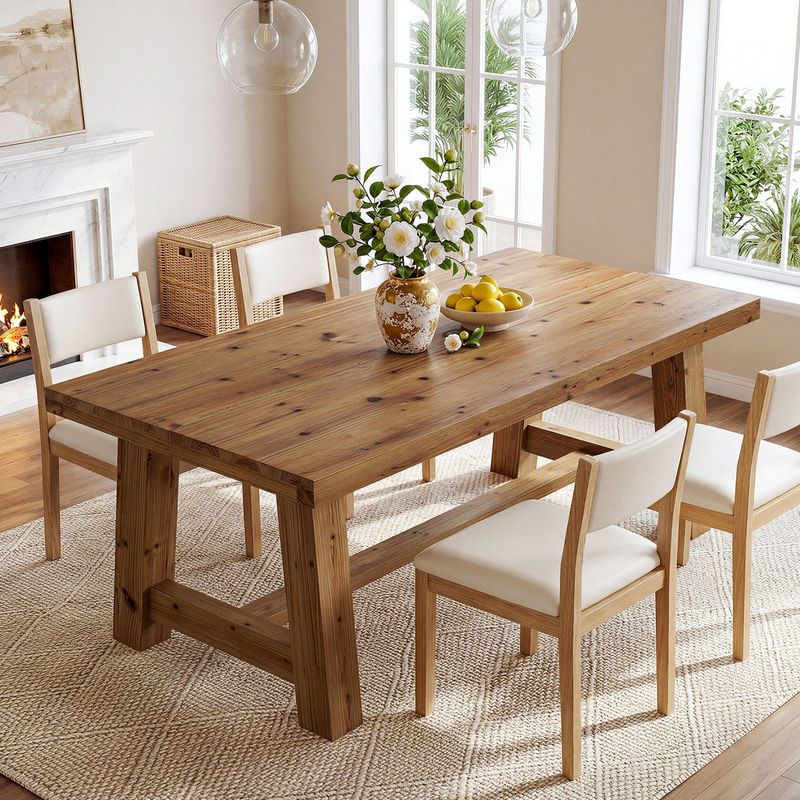
Grandma’s table might have survived moves, spills, and several generations of homework. Well-built wooden furniture still exists, but buying it new can require a serious budget.
Cheaper alternatives often use thin surfaces over pressed wood.
Look beyond the finish when shopping. Check joints, drawer movement, and the materials listed underneath.
Used solid wood pieces can offer better value than new budget furniture, especially when small scratches are the main problem rather than damage to structure.
9. Household Goods That Last
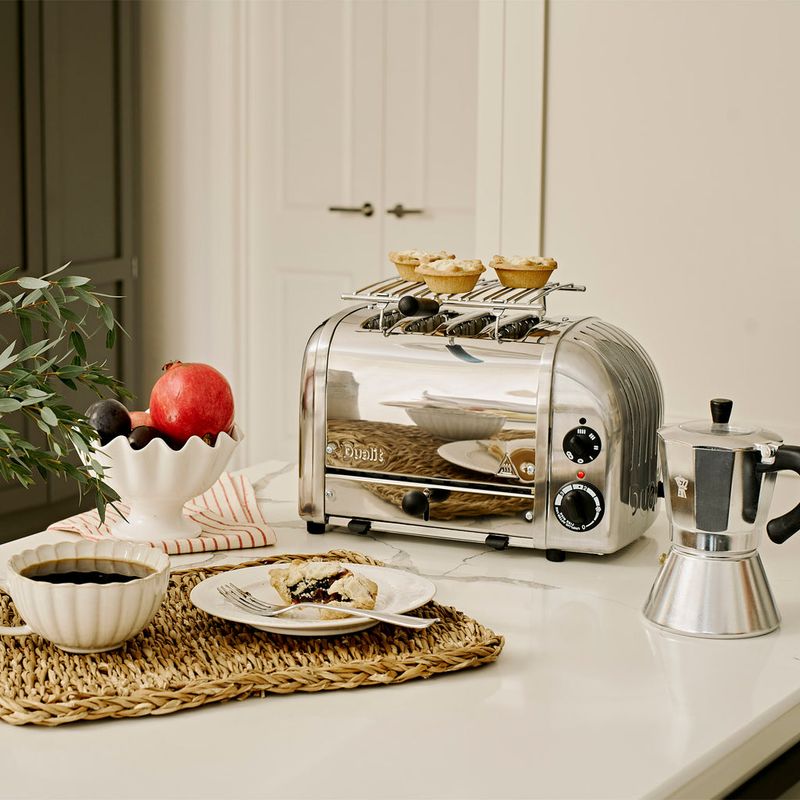
Buying something once and keeping it for years sounds ordinary, not fancy. Yet finding durable household goods can take more money, research, and patience than grabbing the cheapest option.
A higher price alone does not promise quality.
Check warranty terms, available replacement parts, and reviews written after months of use. Simple designs may be easier to maintain.
When possible, judge value by years of service rather than the excitement of opening a brand new box.
10. Software Without Monthly Payments

Pay once, install, and carry on: that familiar deal has become harder to find in some software categories. Many companies now charge monthly or yearly fees.
Those payments can include updates and storage, but they also create lasting bills.
A permanent license usually grants usage rights, not ownership of the code. Before buying, check activation rules and support limits.
Free alternatives or one-time purchases may suit basic needs without adding another subscription to your budget.
11. Rent That Leaves Room to Live
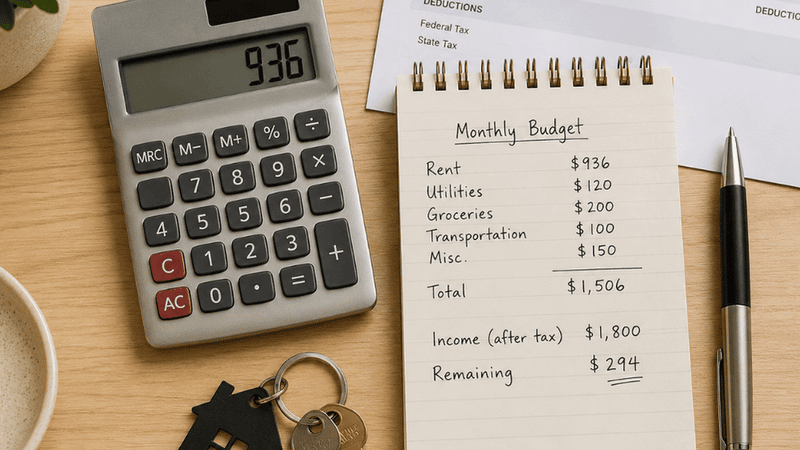
Having money left after rent can feel like a raise without changing jobs. In the United States, spending more than 30 percent of income on housing is a common warning sign of financial strain.
That guideline includes more than rent alone.
Affordable housing was never available equally, and local markets differ sharply. When comparing homes, add utilities and transport costs.
A cheaper apartment far from work may leave less breathing room than its listing suggests.
12. Being Unreachable After Work

The workday used to end more clearly when people left the building. Phones and messaging apps have blurred that line for many workers, though some jobs always required irregular hours.
Being able to ignore a notification can now feel powerful.
Ask your manager what truly needs an evening reply. Set clear response times and silence routine alerts when allowed.
Real freedom to disconnect depends on workplace rules and job security, not just having stronger personal boundaries.
13. Repairing Instead of Replacing

A broken zipper or tired appliance once sent many households looking for a repair shop. Fixing things still makes sense, but labor charges, sealed designs, and missing parts can make replacement look cheaper.
Access to skilled help varies by area.
Get an estimate before deciding, and ask whether the repair includes a warranty. Clothing alterations, shoe repairs, and simple maintenance may offer value.
For electrical work, use qualified help rather than risking safety to save.
14. A Pension You Can Count On

A steady retirement check can sound almost old-fashioned. Traditional pensions became less common in American private industry as many employers shifted toward retirement savings accounts.
Public sector jobs are still more likely to offer them, though plan rules vary.
When weighing a job offer, look beyond salary. Check when benefits become yours, how payments are calculated, and whether inflation protection exists.
A pension can provide security, but it is not automatically generous or completely risk-free.
15. Market Produce Without the Splurge
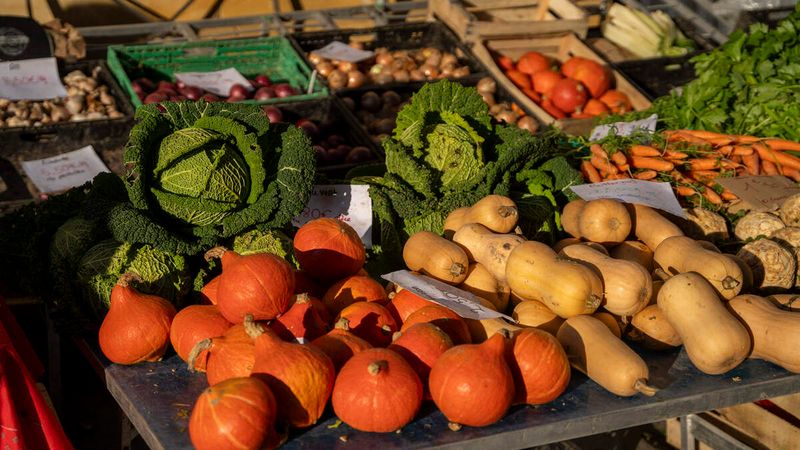
Shopping beside the grower sounds like it should cut the grocery bill. Sometimes it does, but farmers markets are not always cheaper than supermarkets.
Small farms may face higher costs per item, and prices depend on season and region.
Compare similar produce rather than assuming either store wins. Seasonal gluts, imperfect vegetables, or bulk purchases can offer savings.
Ask vendors about storage so your food lasts longer. Supporting farms feels better when the purchase fits comfortably.
16. A Casual Day on Skis

A small hill, borrowed gear, and a simple lift once made skiing reachable for some working families. It was never cheap for everyone, but major resort trips now bring steep bills for passes, lodging, lessons, and equipment.
Smaller hills, community programs, and used gear may keep the sport within reach. Check safety and fit before buying equipment.
Add every expense before booking, since a discounted lift ticket means little if transport and lodging overwhelm your budget.
17. Buying a Modest First Home

The dream was never supposed to require a mansion. Even a modest first home can feel distant when prices, borrowing costs, insurance, and repairs compete with wages.
Local conditions matter, so national averages cannot describe every buyer’s chances.
Build a budget around the full monthly cost, not just the mortgage payment. Keep money aside for emergencies and compare assistance programs carefully.
Buying later, or continuing to rent, can be a sensible choice rather than failure.
18. College Without Years of Debt

A degree can open doors, but paying for one may close off other choices for years. College costs vary greatly by school, state, financial aid, and living arrangements.
Broad claims about tuition doubling can hide important differences between time periods.
Compare the net price after grants, not just the advertised tuition. Community college transfers, public universities, and employer support may reduce borrowing.
Also check graduation rates and program outcomes before committing to a costly path.
19. Privacy in Everyday Life

Walking through a day without leaving a digital trail is harder than it sounds. Apps, websites, connected devices, and public cameras can collect information.
Avoiding that tracking often requires time, knowledge, or services that cost extra.
Start with free steps: limit app permissions, turn off unnecessary location access, and review account settings. Paid tools do not guarantee privacy.
The real luxury is having meaningful choices about your information without giving up essential work or services.
20. Time to Rest Without Worry

Leaving work while daylight remains can feel richer than buying something new. So can staying home sick without fearing a missed paycheck.
Paid leave, predictable schedules, and manageable workloads give people room to recover and care for others.
That freedom has never been shared equally. When comparing jobs, consider hours, travel time, and leave policies alongside pay.
Protect small pockets of rest where possible, while recognizing that lasting change also depends on fairer workplace conditions.