
Ever wonder why restaurant food tastes so much better than what you make at home? Chefs have a few sneaky tricks hiding in their kitchens, and many of them are ingredients you would never expect.
Some are sweet, some are salty, and a few sound downright strange. Once you learn these secrets, your everyday meals can taste like they came from a fancy restaurant.
1. Fish Sauce
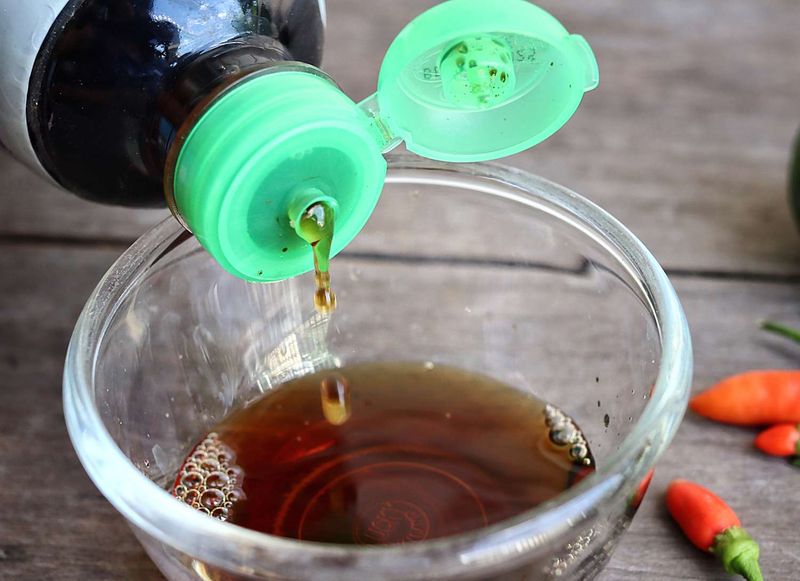
Don’t let the smell scare you off. Fish sauce is made from salted, fermented anchovies, and it adds a deep savory punch called umami to almost anything.
Chefs secretly splash a few drops into tomato sauce, beef stew, and even salad dressing. Nobody tastes fish, they just taste something richer.
Start small, about half a teaspoon per pot. Ancient Romans loved a similar sauce called garum, so this trick is thousands of years old.
2. Instant Espresso Powder
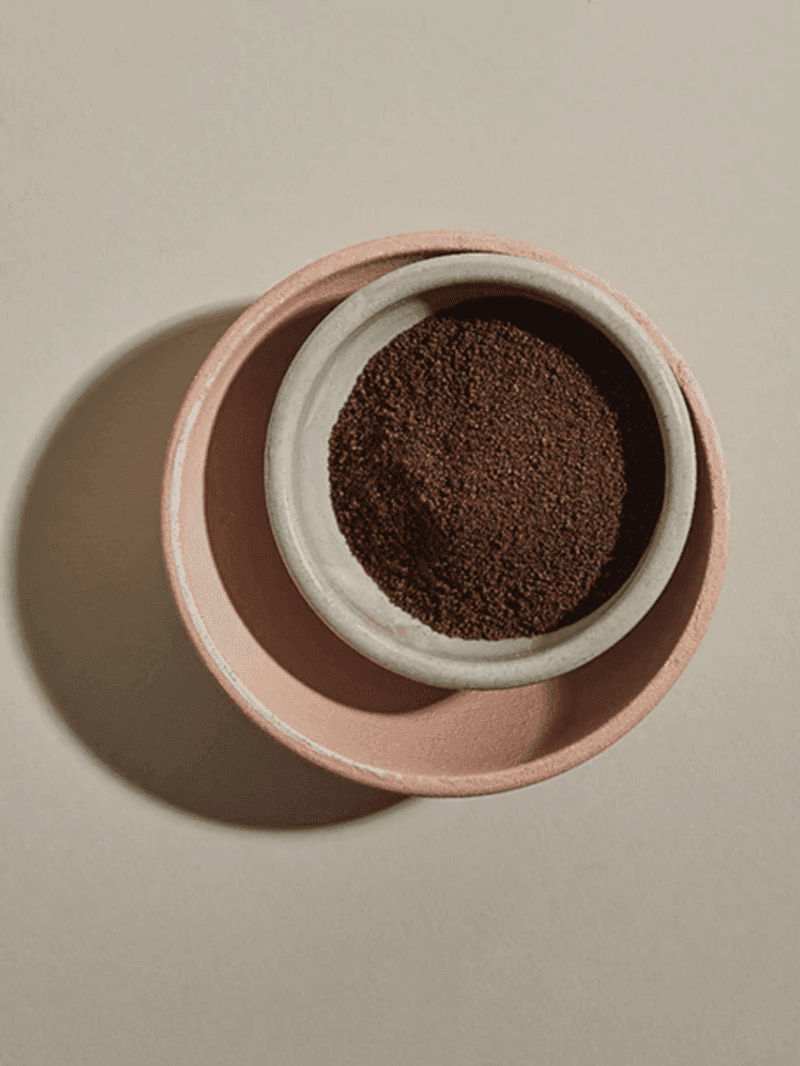
Picture the richest chocolate cake you have ever eaten. There is a good chance a pastry chef stirred in a little espresso powder.
Coffee makes chocolate taste more chocolatey without making dessert taste like a latte. It works like a volume knob for cocoa.
Try one teaspoon in brownies, chocolate chip cookies, or hot cocoa mix. It also makes a fantastic rub for steak when mixed with brown sugar and chili powder.
3. Miso Paste
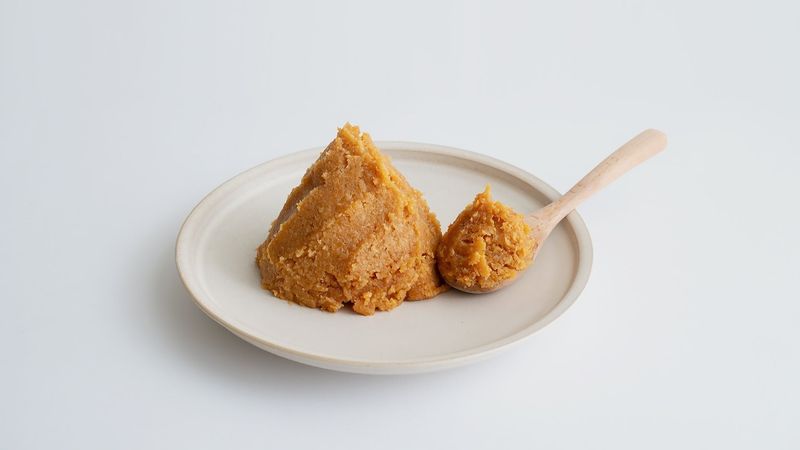
Japanese kitchens have relied on miso for over a thousand years. This salty paste comes from fermented soybeans, and it tastes nutty, earthy, and a little sweet.
Modern chefs use it far beyond soup. They whisk it into butter for corn on the cob, stir it into caramel, and brush it on roasted carrots.
White miso is milder, so beginners should grab that first. Keep it in the fridge and it lasts for months.
4. Anchovies
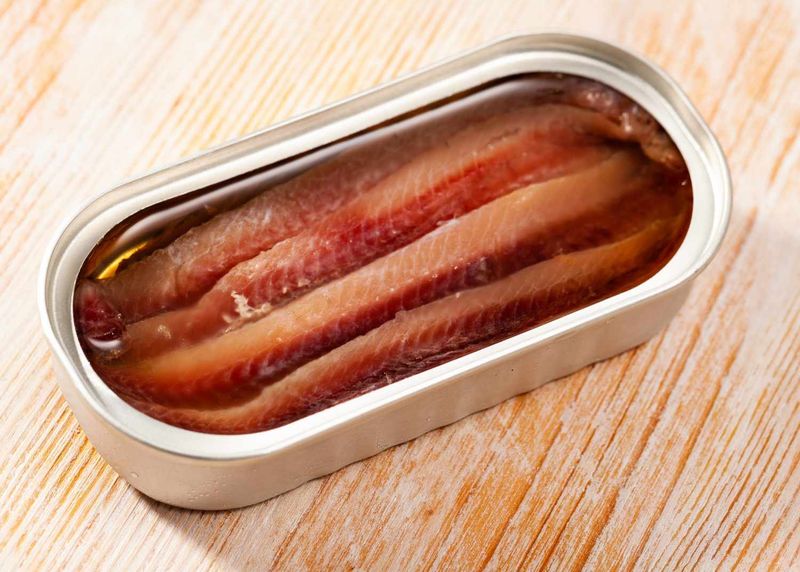
Most people pick them off pizza, but chefs adore these little fish. The secret is that anchovies melt completely when cooked in warm oil.
Once dissolved, they vanish and leave behind a salty, meaty flavor that makes pasta sauces and roasted lamb taste amazing.
Caesar dressing would be boring without them! Buy a small jar packed in olive oil, mash one or two fillets with garlic, and watch your dinner instantly level up.
5. Mayonnaise For Grilled Cheese

Here is a lunchtime hack that sounds weird but works every single time. Spread mayo on the outside of bread instead of butter before making grilled cheese.
Mayonnaise is made of oil and eggs, so it browns evenly and creates a crunchy, golden crust. It also spreads easily, even straight from the fridge.
Chefs use the same idea on fish fillets and roasted chicken. A thin layer keeps meat juicy and helps seasonings stick.
6. MSG
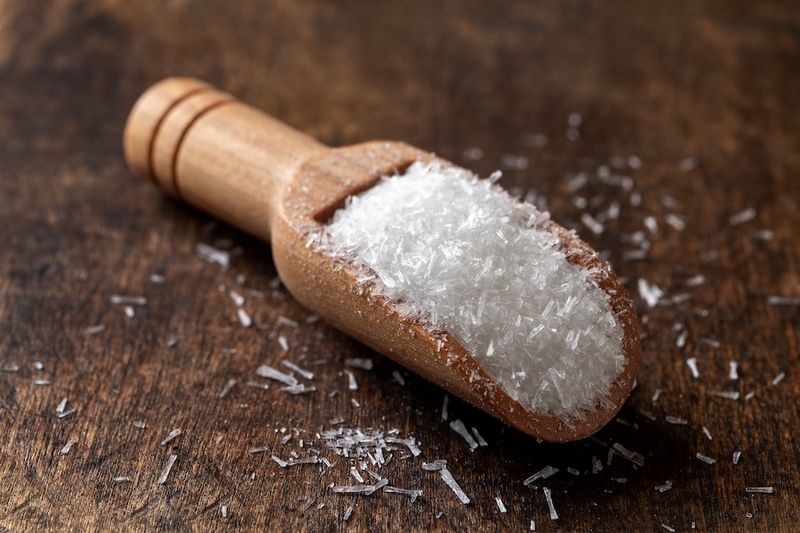
Poor MSG got a bad reputation decades ago, but science has cleared its name. Monosodium glutamate is simply the same savory compound found naturally in tomatoes and cheese.
A Japanese scientist named Kikunae Ikeda discovered it in 1908 while studying seaweed broth. Today, many top chefs proudly keep a jar nearby.
Sprinkle a pinch into soups, fried rice, or popcorn. It boosts flavor while using less salt than you normally would.
7. Smoked Paprika
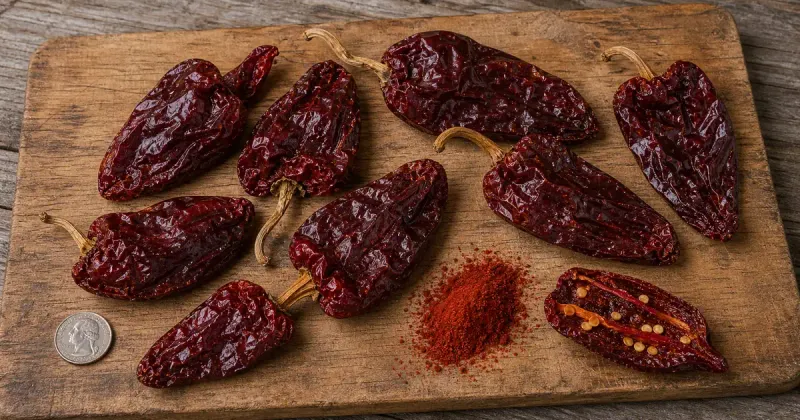
Want barbecue flavor without lighting a grill? Smoked paprika is your shortcut.
Spanish farmers dry peppers over oak fires before grinding them into this brick-red powder.
The result tastes smoky, sweet, and gently warm. Chefs shake it on eggs, potatoes, roasted chickpeas, and homemade chili.
Look for the word pimentón on Spanish tins. Sweet versions are mild for kids, while the hot kind brings a spicy kick to the table.
8. Brown Butter
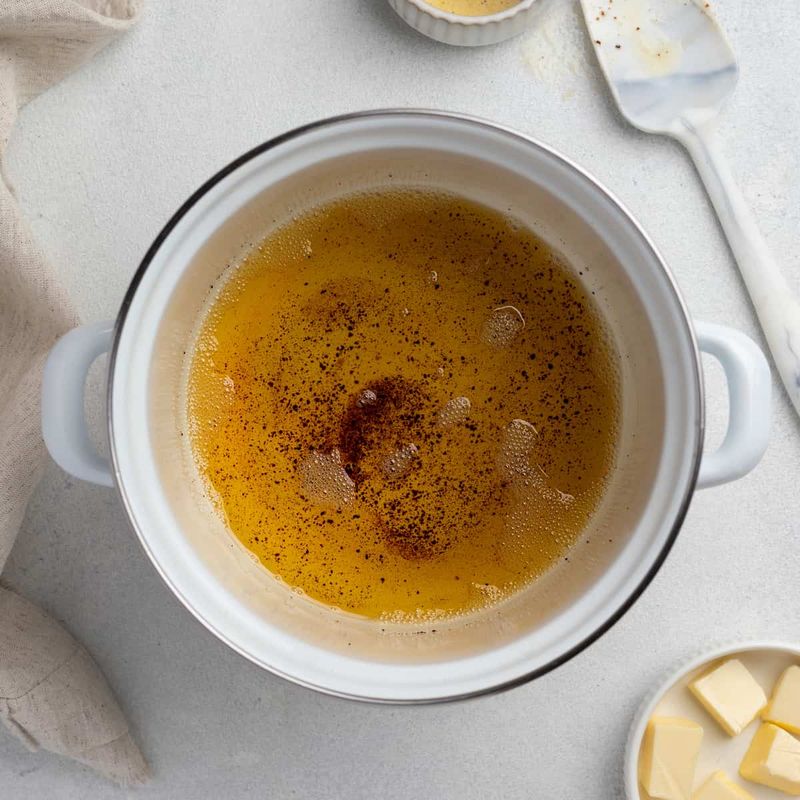
Something magical happens when butter cooks a few minutes longer than usual. The milk solids toast, turning golden and smelling like warm hazelnuts.
French cooks call it beurre noisette, which means hazelnut butter. Pastry chefs use it in cookies, and restaurant cooks pour it over pasta and fish.
Melt butter in a light-colored pan so you can see the color change. Stay close, because it goes from perfect to burnt quickly.
9. Parmesan Rinds
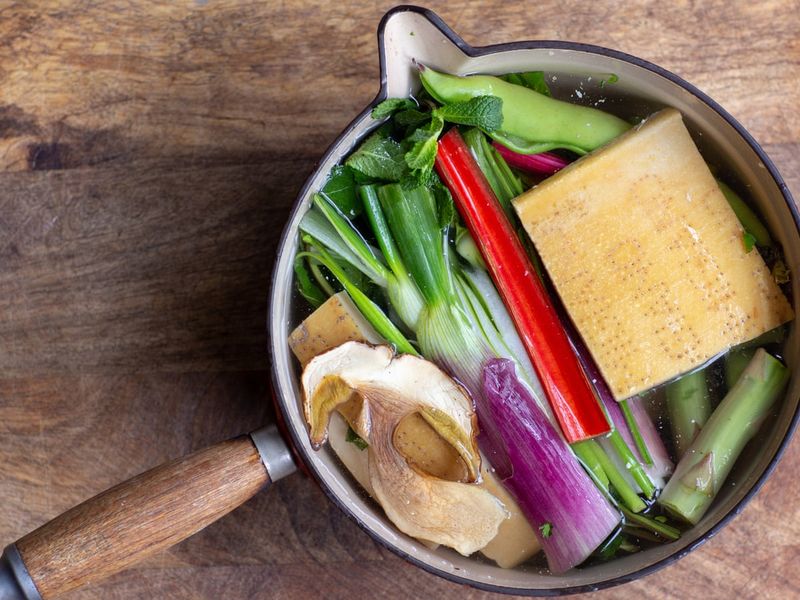
Stop throwing away that hard end of your Parmesan wedge! Italian grandmothers have known its value for generations.
Toss the rind into soups, beans, or tomato sauce while it simmers. It slowly softens and releases rich, cheesy flavor into every spoonful.
Fish it out before serving. Smart chefs collect rinds in a freezer bag so they always have one ready.
Some cheese shops even sell them cheaply for this exact purpose.
10. Balsamic Vinegar On Strawberries
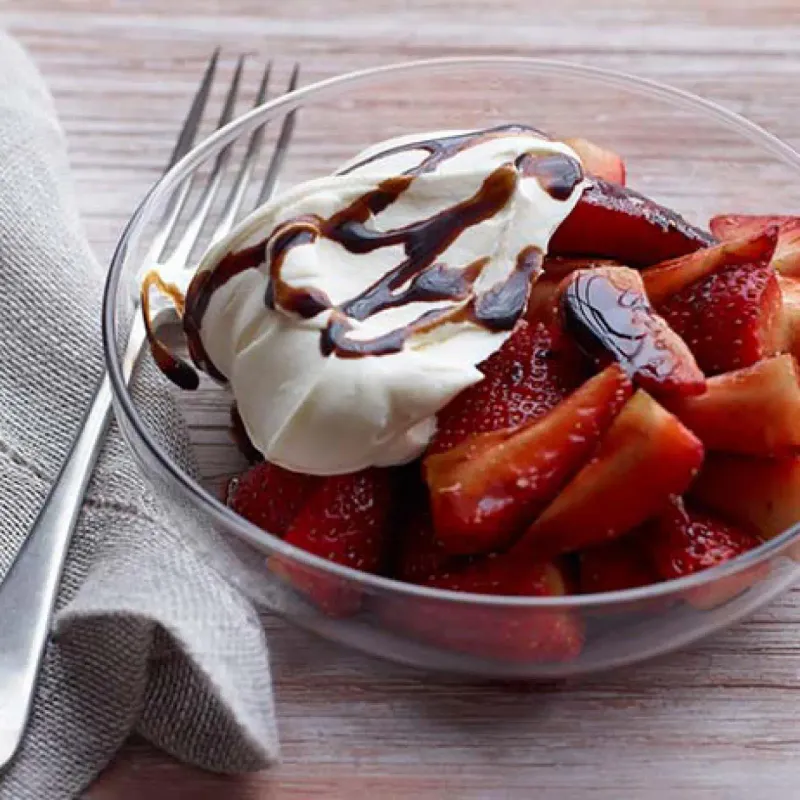
Vinegar on dessert? Absolutely.
In Italy, people drizzle aged balsamic over ripe strawberries, and the combination is unforgettable.
The tangy, syrupy vinegar makes berries taste sweeter and juicier. Chefs also add a few drops to vanilla ice cream, peaches, and even pizza.
Real traditional balsamic from Modena can age for twelve years or more. For a cheaper option, simmer regular balsamic until thick and sticky, then let it cool before using.
11. Flaky Sea Salt
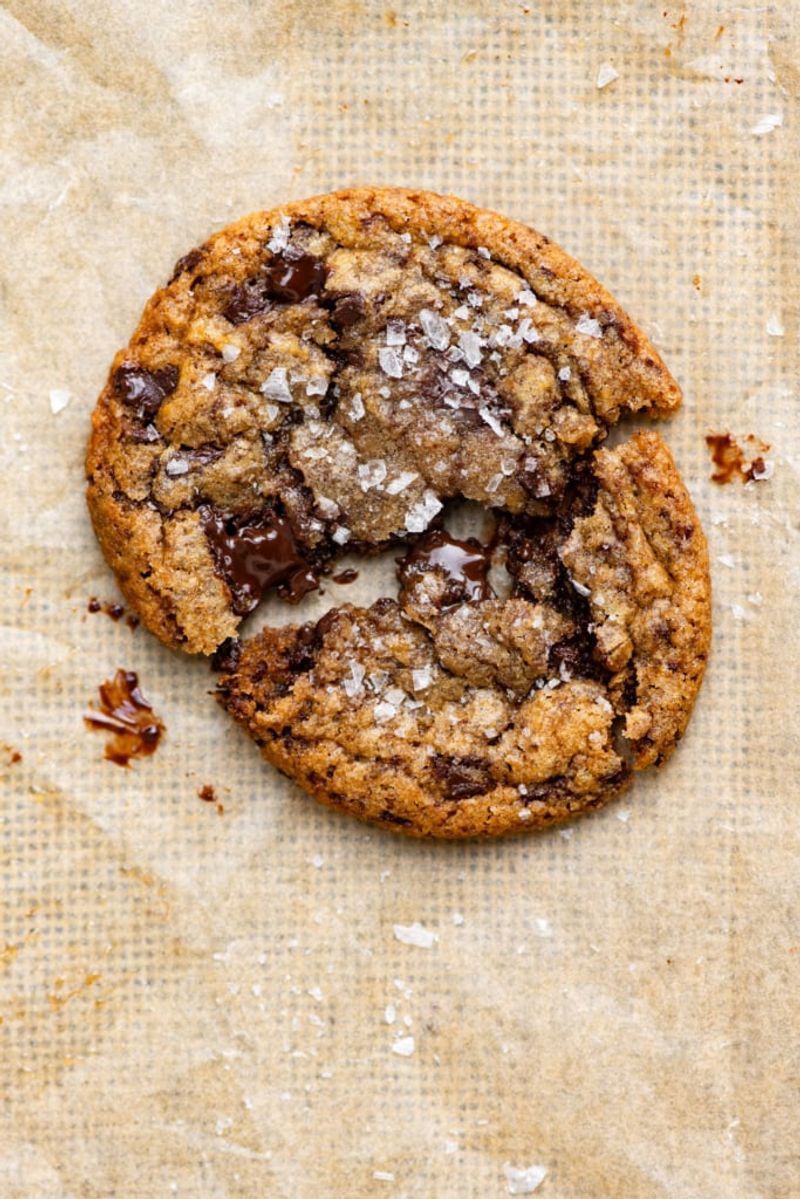
Crunch matters just as much as flavor. Flaky sea salt has big, delicate crystals that crackle between your teeth.
Chefs call it a finishing salt, meaning it goes on right before serving. A pinch over cookies, caramel, steak, or sliced tomatoes makes each bite pop.
Maldon salt from England is a famous favorite. Pinch it between your fingers and crumble it from above so it lands evenly.
Never cook with it, since the texture disappears.
12. Lemon Zest
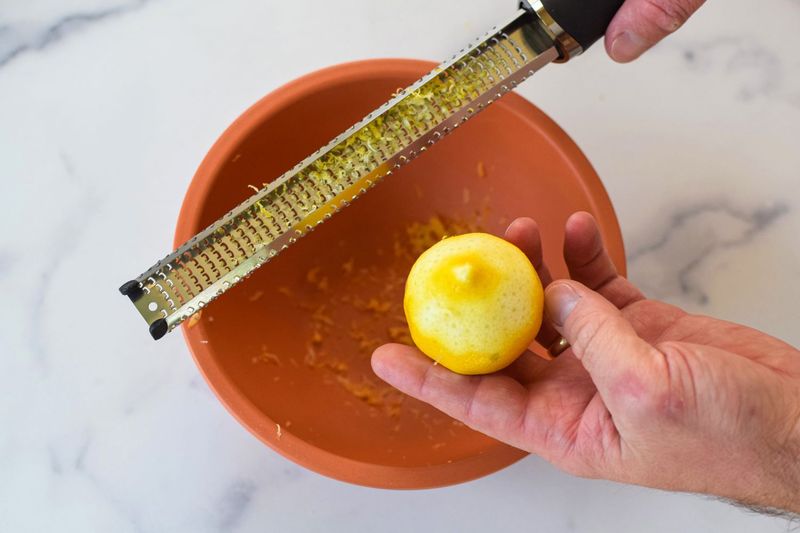
Squeezing lemon juice is great, but the real treasure lives in the peel. Tiny pockets in the skin hold fragrant oils packed with bright, sunny flavor.
Chefs grate zest over pasta, roasted vegetables, muffins, and grilled fish to wake everything up. It adds freshness without making food sour.
Use a fine grater and stop before reaching the white layer underneath, which tastes bitter. Orange and lime zest work wonderfully too.
13. Worcestershire Sauce
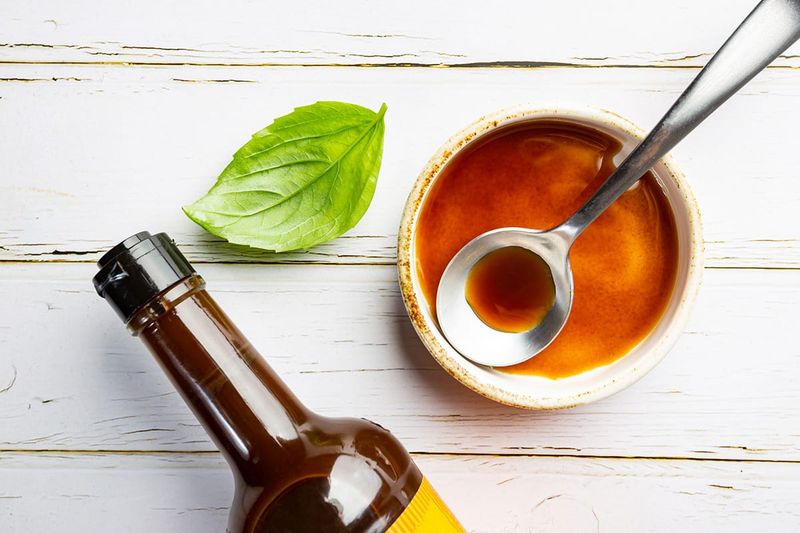
Try saying it three times fast! Worcestershire sauce was created by two chemists in Worcester, England, back in 1837.
Legend says their first batch tasted awful, so they stored it away. Years later, they found it had aged into something delicious.
Today chefs splash it into burgers, meatloaf, gravy, and Bloody Mary mix. Its blend of vinegar, molasses, tamarind, and anchovies adds tang and depth to meaty dishes.
14. Cinnamon In Savory Dishes
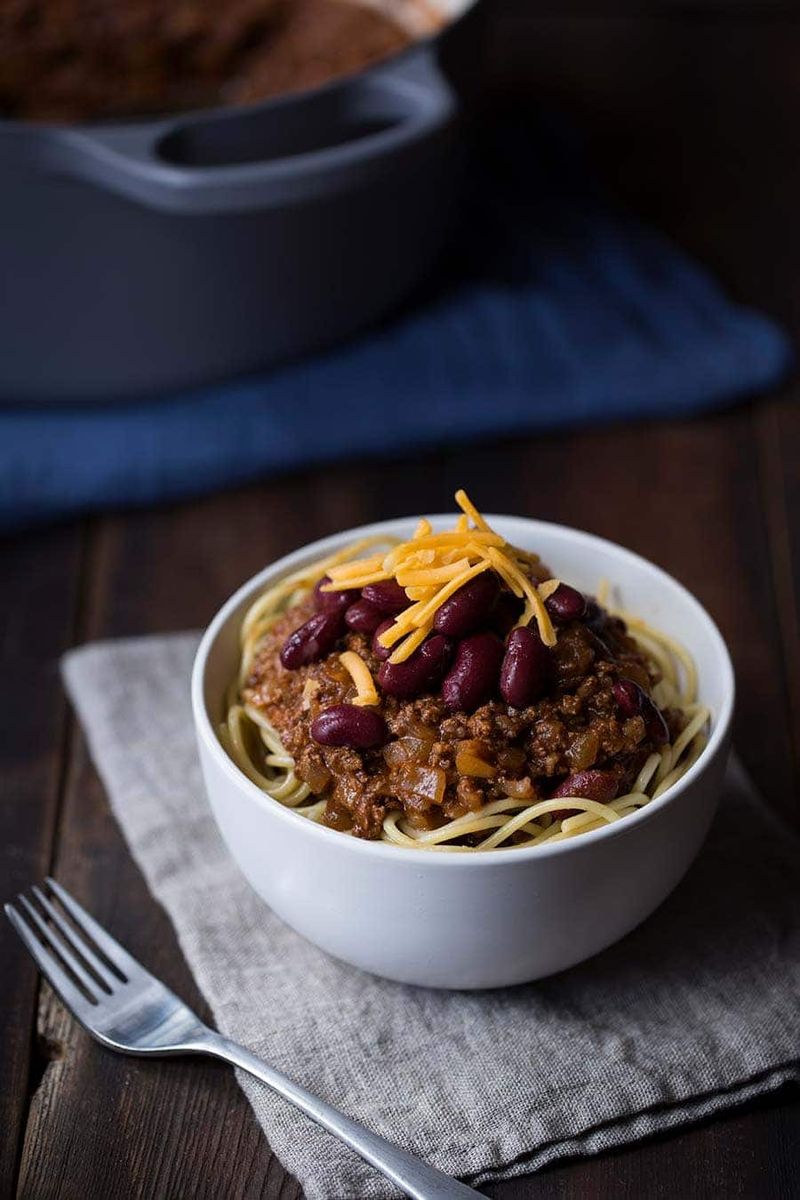
Cinnamon isn’t just for rolls and apple pie. Across Greece, Morocco, and Mexico, cooks add it to meaty, savory meals.
A small pinch gives chili, stews, and tomato sauces a warm, cozy background flavor. People rarely guess what it is, but they notice something special.
Cincinnati chili famously includes cinnamon, and Greek moussaka would feel incomplete without it. Drop one stick into your next pot of beef stew and remove it before serving.
15. Nutritional Yeast
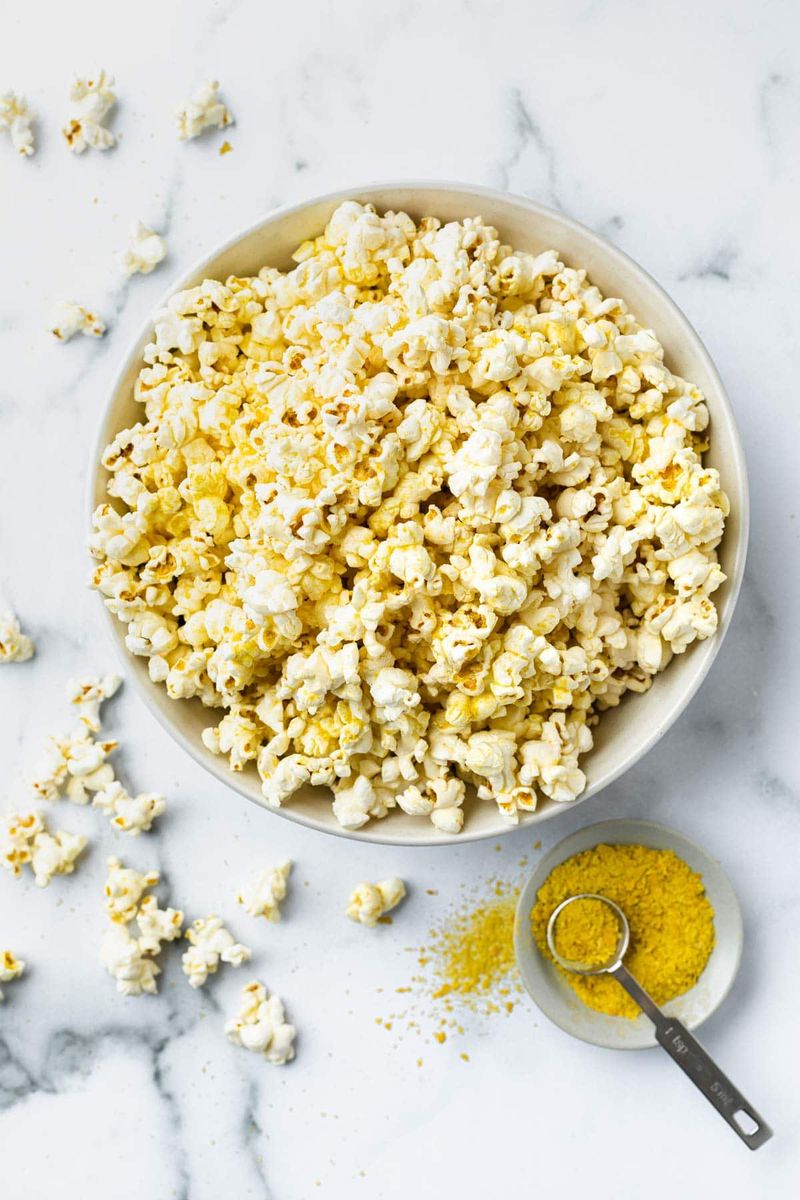
Golden flakes that taste like cheese but contain zero dairy sound too good to be true. Meet nutritional yeast, a favorite of vegan chefs everywhere.
Fans lovingly call it nooch. It tastes nutty and cheesy, making it perfect on popcorn, pasta, scrambled eggs, and roasted broccoli.
Bonus points for nutrition, since many brands are packed with B vitamins. Store it in a cool, dry cupboard, and shake it on whenever food needs a savory lift.
16. Gochujang
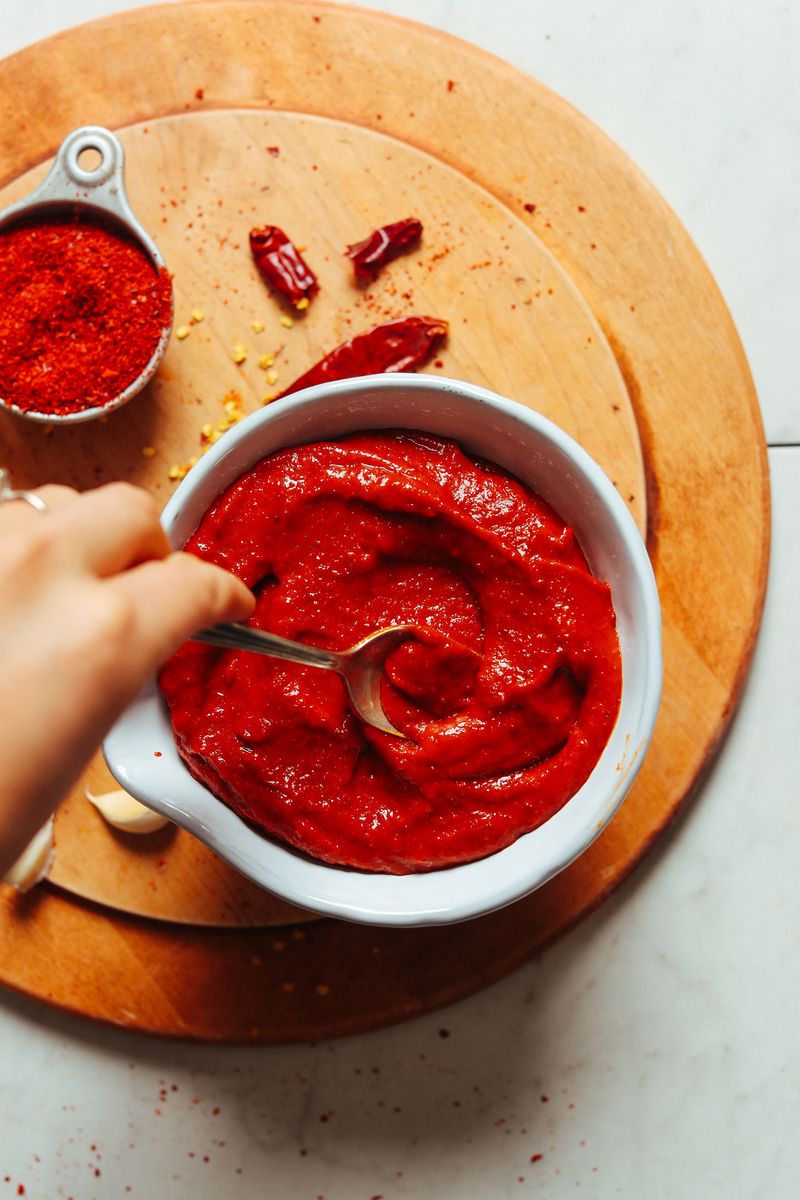
Sweet, spicy, and funky all at once, gochujang is the beating heart of Korean cooking. Families once fermented it in big clay pots outdoors for months.
The thick red paste combines chili, rice, and fermented soybeans. Chefs now mix it into burger sauce, wing glaze, mac and cheese, and even barbecue marinades.
Blend a spoonful with honey and soy sauce for an easy glaze. Heat levels vary, so check the label first.
17. Dark Chocolate In Chili
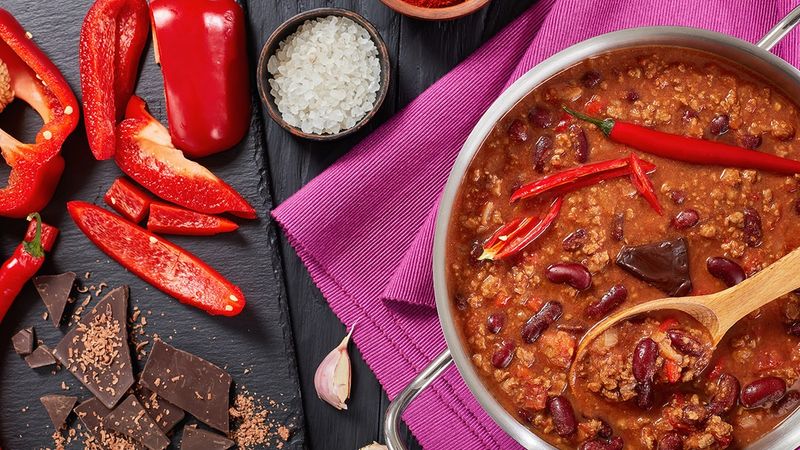
Mexican mole sauce taught the world a delicious lesson. Chocolate and chiles belong together.
Melting a square of dark chocolate into chili or barbecue sauce adds richness, color, and a slightly bitter edge that balances the heat. It won’t taste like candy at all.
Pick chocolate with at least 70 percent cocoa for best results. The Aztecs drank bitter chocolate mixed with chili peppers centuries ago, so this pairing has deep roots.
18. Pickle Juice
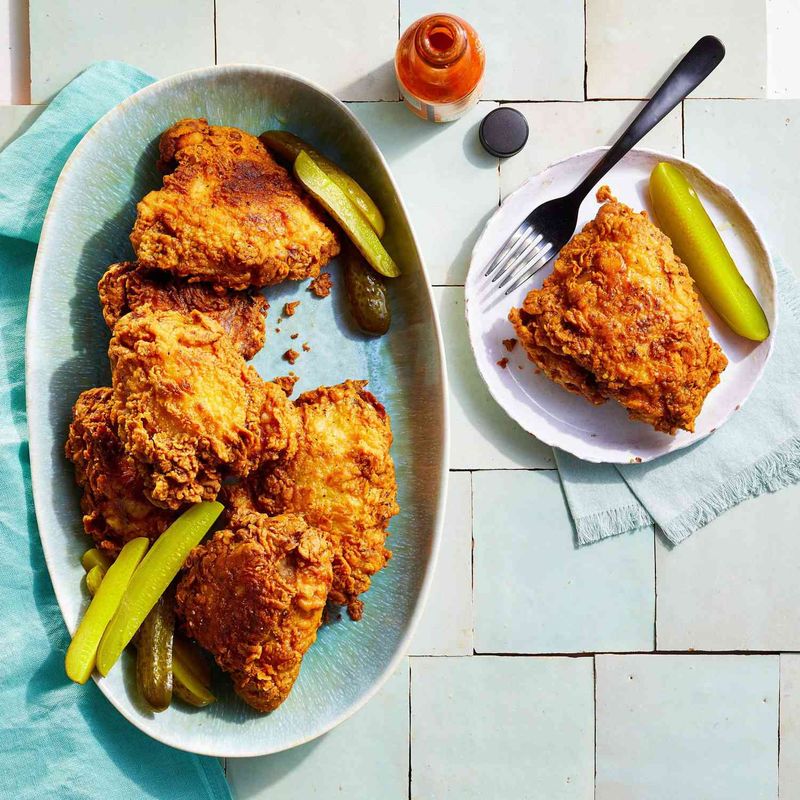
Finished the pickles? Hold onto that jar!
Southern cooks swear by pickle brine as a marinade for fried chicken.
The salty, vinegary liquid tenderizes meat and seasons it all the way through. Some famous fast food chicken sandwiches reportedly use this exact trick.
Chefs also splash pickle juice into potato salad, coleslaw, and salad dressings for extra zing. Soak chicken for four to eight hours, then bread and fry as usual.
19. Toasted Sesame Oil
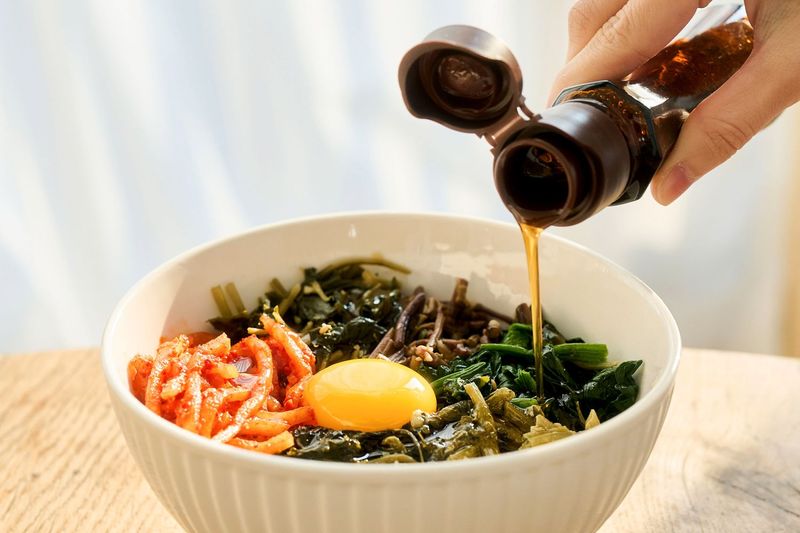
Just a few drops can perfume an entire kitchen. Toasted sesame oil smells nutty and deep, almost like roasted peanuts.
Unlike regular cooking oil, chefs treat it as a finishing touch. High heat ruins its flavor, so it gets drizzled over noodles, stir-fries, soups, and rice right at the end.
Look for a dark amber color, which means the seeds were toasted. A little bottle lasts ages, especially kept in the fridge.
20. Sumac
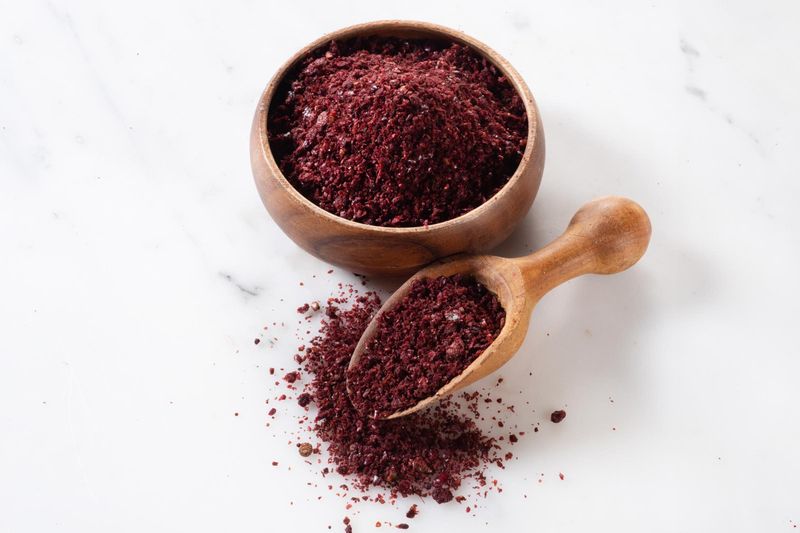
Lemony flavor without any lemons? That’s the charm of sumac, a tangy, crimson spice from the Middle East.
Made from dried, ground berries, it tastes bright and slightly fruity. Lebanese cooks sprinkle it over fattoush salad, grilled kebabs, hummus, and roasted onions.
Chefs love it because it adds sourness without making food watery. Try dusting it over avocado toast or scrambled eggs tomorrow morning.
Your breakfast will feel instantly fancy and colorful.
21. Dried Mushroom Powder
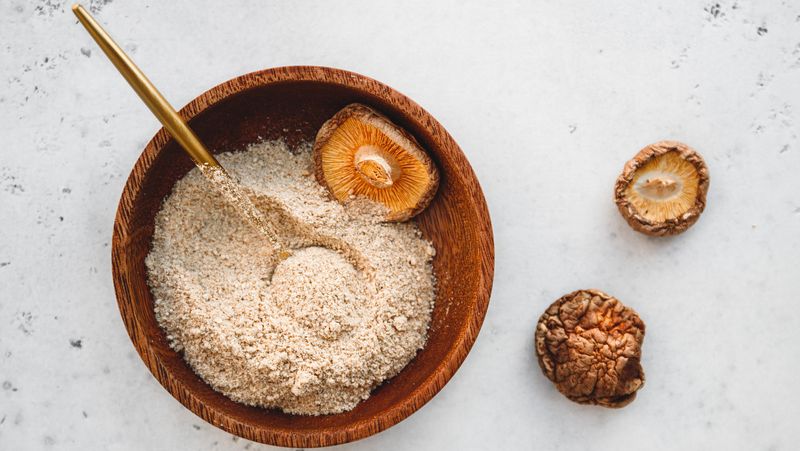
Grind dried porcini mushrooms in a spice grinder, and you get a secret seasoning that restaurant cooks treasure. The powder is earthy, woodsy, and loaded with savory goodness.
Rub it on steaks before searing, whisk it into gravy, or stir it into risotto. Even mushroom haters often enjoy it because the texture disappears.
Store the powder in an airtight jar away from sunlight. A spoonful turns ordinary soup into something deep and comforting.