
Children learn how to see themselves through the words, reactions, and care they receive at home. Even loving parents can fall into habits that leave a child feeling small or unsure.
Repeated patterns matter more than one rough day, and noticing them gives you a chance to change. Small shifts in how you listen, set limits, and handle mistakes can help your child feel safe and valued.
1. Demanding Obedience Without Listening

A child who asks why is not always trying to start a fight. When every question meets a firm refusal to explain, children may learn that their thoughts have little value.
Keep reasonable rules, but explain their purpose in plain language. Hear your child’s view before making a decision.
You can hold a boundary and still show respect. That balance helps children practice judgment without believing that disagreement makes them bad or unlovable at home.
2. Letting Every Rule Slide
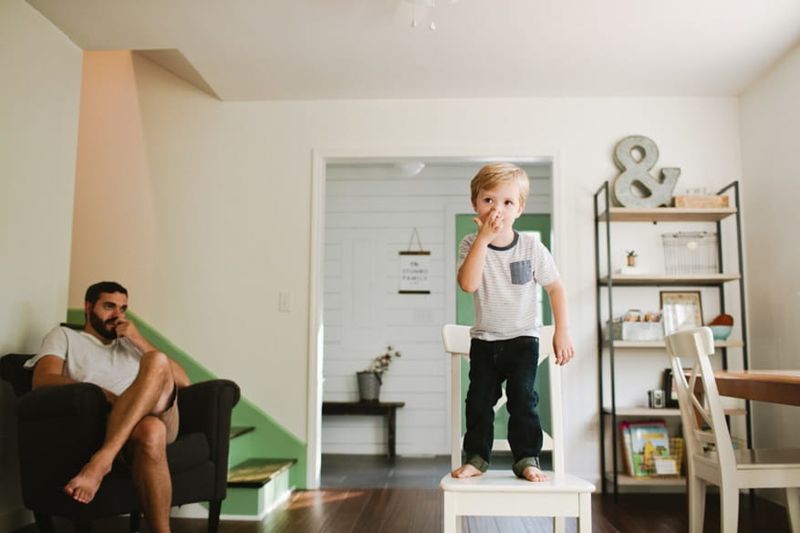
Bedtime changes nightly, and every limit becomes a debate. A home without steady boundaries can leave children unsure about what to expect or how to manage themselves.
Warmth works best alongside clear guidance. Choose a few rules that fit your child’s age, explain them, and follow through calmly.
Allow choices within those limits. Learning to handle small frustrations builds skills and confidence, while endless exceptions can make everyday challenges feel harder than they need to.
3. Being Emotionally Unavailable

Sometimes the loneliest feeling happens while everyone is in the same room. When attempts to connect are regularly ignored, children may wonder whether they matter.
You do not need to entertain your child constantly. Offer dependable moments of attention, such as talking during breakfast or reading together before bed.
Put your phone aside and follow their lead. If stress or depression makes connection difficult, seek support rather than expecting yourself to manage everything entirely alone.
4. Turning Mistakes Into Character Flaws

Spilled milk is a mess, not proof that a child is careless forever. Labels such as lazy, stupid, or selfish can turn an ordinary mistake into a painful statement about identity.
Describe what happened instead of judging who your child is. Explain what needs fixing and help them practice a better response.
Children need correction, but correction should leave room for growth. A useful message is that behavior can change while their basic worth remains.
5. Measuring Them Against Other Children

Your neighbor’s math star is not a fair measuring stick for your child. Repeated comparisons can make love feel like a contest that someone else keeps winning.
Notice progress against your child’s own starting point. Perhaps reading feels easier now, or asking for help takes less courage.
Celebrate those changes without ranking siblings or classmates. When discussing goals, focus on useful next steps.
Confidence grows more steadily when children can develop at their own pace.
6. Making Discipline a Public Show

A crowded checkout line is a hard place to learn a lesson. Public scolding can add humiliation to an already stressful moment, making children focus on embarrassment rather than better choices.
Handle immediate safety concerns first, then move the conversation somewhere private when possible. Keep your voice steady and discuss the specific behavior.
Avoid posting punishments online or inviting others to laugh. Protecting a child’s dignity does not weaken discipline; it makes respectful teaching possible.
7. Rescuing Them From Every Struggle
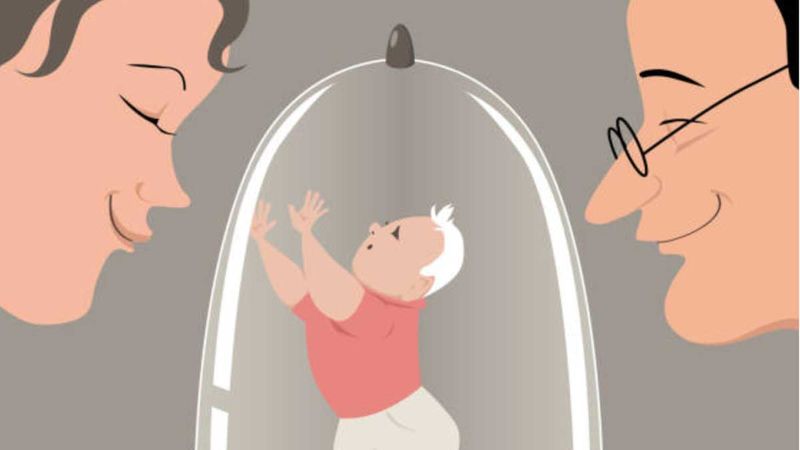
The shoelace takes forever, so you tie it yourself again. Helping is natural, but stepping in every time can quietly suggest that your child cannot cope.
Leave room for safe, manageable struggles that match their age and abilities. Offer a hint, break a task into steps, or ask whether help is wanted.
Stay nearby without taking over. Finishing something imperfectly can teach more confidence than watching an adult make everything turn out just right instead.
8. Dismissing Big Feelings

To an adult, a broken crayon may seem tiny. To a tired child, it can feel like the last straw, and being told to stop overreacting adds shame.
Name the feeling without approving harmful behavior. You might acknowledge disappointment while stopping hitting or throwing.
Once calm returns, help your child find words and possible solutions. Accepting emotions teaches that feelings are manageable signals, not evidence of weakness or reasons to hide their honest inner experience.
9. Praising Them as Perfect

Being called the best at everything can become a heavy job. Some children start avoiding challenges because a mistake might threaten the perfect image adults keep praising.
Make praise specific and believable. Notice a thoughtful choice, a useful strategy, or practice that helped a skill improve.
Leave space for disappointment and honest feedback too. Your child does not need a glowing review of every action.
They need steady affection and encouragement that matches their experience.
10. Overlooking Quiet Effort

Not every achievement comes with a trophy. A shy child joining a game or a frustrated student trying again may be showing real courage that adults miss.
Notice effort without turning every moment into a performance review. Mention what you saw and why it mattered.
Ask how the experience felt to them. When attention only follows outstanding results, children may believe ordinary progress does not count.
Small, sincere recognition helps make their everyday growth visible.
11. Using Fear to Gain Control

A child may obey quickly when scared, but quick obedience is not the same as learning. Repeated yelling, threats, or physical punishment can weaken safety and trust.
Use calm limits and consequences connected to the behavior instead. If anger rises, make sure your child is safe and pause before responding.
Never hit or threaten harm. When frightening reactions keep happening, professional support can help you build safer habits and protect your relationship with your child.
12. Changing Consequences With Your Mood

Yesterday a joke earned a laugh; today the same joke brings a harsh punishment. Unpredictable reactions can leave children watching a parent’s mood instead of understanding the actual rule.
Set simple expectations and choose fair responses before problems happen. Explain changes rather than surprising children with new standards.
If you overreact, acknowledge it and repair the mistake. Predictability helps children feel secure enough to learn, rather than treating everyday family life like a guessing game.
13. Making Affection Depend on Success

A report card should not decide how welcome a child feels at home. When warmth disappears after failure, children may connect their worth to grades, trophies, or pleasing adults.
Keep affection steady while addressing problems directly. You can be disappointed about a choice and still offer comfort, interest, and time together.
Separate your love from the outcome. Children need to know that setbacks call for support and learning, not a threat to their family bond.
14. Expecting More Than Their Age Allows

A preschooler cannot manage frustration like a teenager, and teenagers still need guidance. Expecting skills before they develop can make normal struggles look like personal failures.
Match requests to your child’s age, abilities, and support needs. Teach a task before expecting independence, and adjust when tiredness or stress makes it harder.
If a difficulty persists, ask a qualified professional for guidance. Fair expectations stretch children without repeatedly placing success beyond what they can reasonably manage.
15. Teasing About Bodies or Appearance

Family jokes about weight, skin, or height can linger long after the laughter stops. Even playful comments may teach children that their bodies are problems for others to judge.
Keep appearance out of teasing and avoid criticizing your own body around them. Discuss food, movement, and rest in terms of care rather than worth.
Compliment kindness, creativity, and skills as well. If a joke hurts, stop and apologize instead of insisting they should toughen up.
16. Ignoring Reasonable Personal Boundaries

A forced hug can send a confusing message about who controls a child’s body. Ignoring reasonable requests for privacy can also weaken their confidence in setting limits.
Offer polite alternatives to physical affection, such as waving or saying hello. Knock before entering when appropriate, and explain necessary safety checks honestly.
Boundaries must fit age and safety needs, but children still deserve respect. Practicing small limits at home can help them speak up in other relationships.
17. Making Children Carry Adult Worries

Children can help set the table without becoming responsible for a parent’s happiness. Sharing heavy adult worries or relying on a child for constant comfort can place too much on young shoulders.
Give honest, simple explanations about family challenges without asking your child to solve them. Take relationship conflicts and ongoing emotional support needs to trusted adults or professionals.
Remind children that grownups handle grownup problems. Their place in the family should include care, too.
18. Withdrawing Communication as Punishment

Silence can feel louder than shouting when a child does not know when connection will return. Refusing to speak as punishment may leave them feeling rejected rather than guided.
A calming break is different when you explain it and return as promised. Say that you need a few minutes, ensure supervision, and reconnect afterward.
Discuss the problem without making contact something they must earn. Secure relationships allow space for cooling down without using rejection as leverage.
19. Refusing to Admit Your Mistakes

An apology from a parent does not erase authority. It shows children that mistakes can be faced honestly, without pretending someone else caused them.
When you hurt your child, name what you did, acknowledge its effect, and explain what you will change. Avoid adding excuses or demanding immediate forgiveness.
Follow through, because repair depends on action as well as words. If harmful patterns continue, seek parenting support or therapy.
Change remains possible, even after difficult chapters.