
Some books do more than tell a story – they change the way you see the world. Whether you’re curious about philosophy, human nature, or the meaning of life, reading widely opens doors that nothing else can.
A well-chosen book can spark ideas, build empathy, and stay with you long after the last page. Here are 15 remarkable titles that every thoughtful reader should have within reach.
1. Man’s Search for Meaning by Viktor Frankl
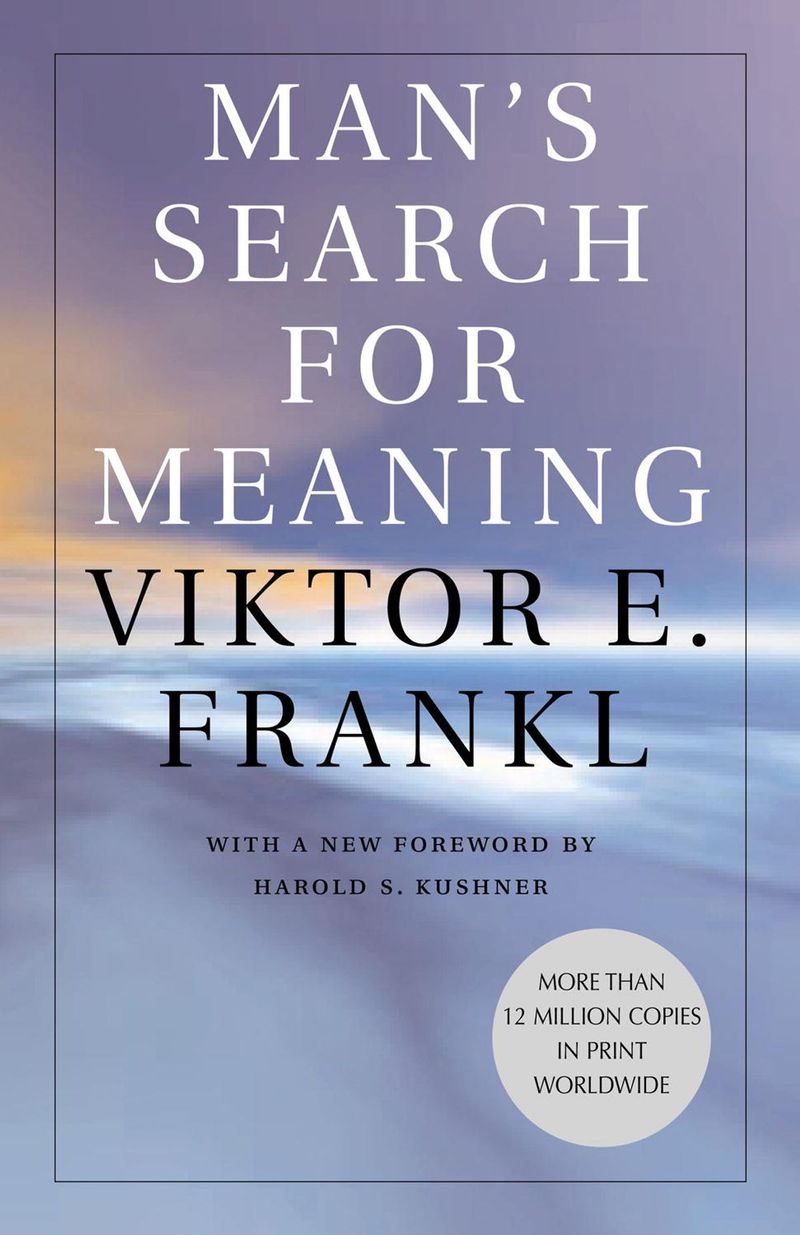
Viktor Frankl survived Nazi concentration camps and came out with a powerful message: even in the worst suffering, humans can choose how they respond. Written partly from memory of his time in Auschwitz, this book is both a memoir and a guide to finding purpose.
Frankl’s idea, called logotherapy, suggests that meaning is the strongest force keeping people alive. Short, honest, and deeply moving, this is a book that quietly shifts how you think about hardship and hope.
2. Meditations by Marcus Aurelius
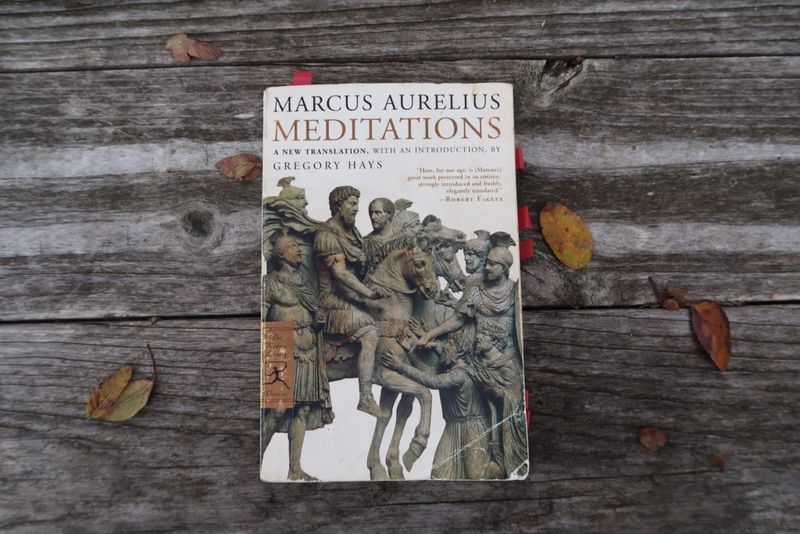
Marcus Aurelius was one of the most powerful rulers in Roman history, yet he spent his private hours writing reminders to himself about patience, humility, and self-control. Those personal notes became Meditations, a book he never intended for the public.
Reading it feels like looking over the shoulder of someone genuinely trying to be better every day. Stoic philosophy rarely gets more personal or more practical than this.
It is the kind of book you revisit for years.
3. The Alchemist by Paulo Coelho
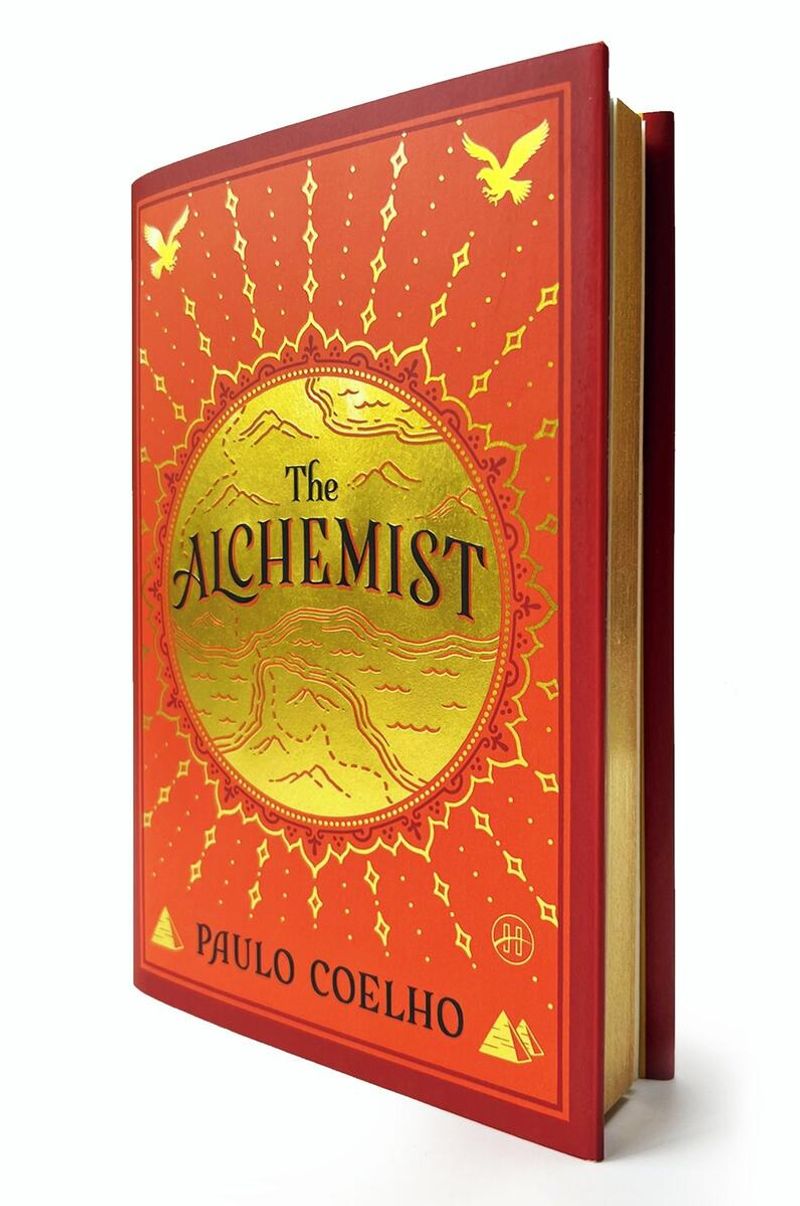
A young shepherd named Santiago dreams of treasure buried near the Egyptian pyramids and sets off on a journey that changes everything. Paulo Coelho wrote this novel in just two weeks, believing strongly in its message.
The story is simple on the surface but layered with ideas about courage, listening to your heart, and trusting the universe. It has sold over 65 million copies worldwide and been translated into more than 80 languages.
Few books feel this universally encouraging.
4. 1984 by George Orwell
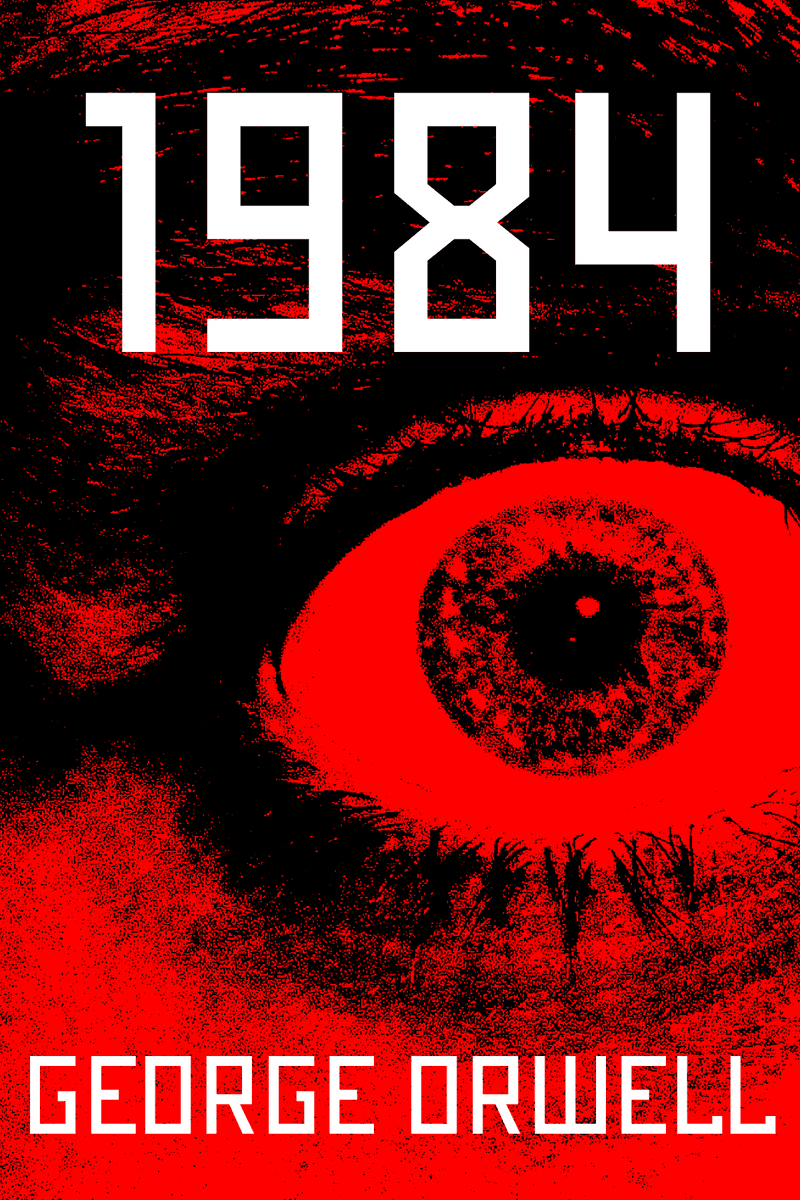
George Orwell wrote 1984 in 1948 while seriously ill, and its warning about government control feels more relevant every decade. The story follows Winston Smith, a man living under a regime that rewrites history and watches its citizens at all times.
Orwell coined terms like “Big Brother” and “doublethink” that people still use today. The book forces readers to think about truth, power, and the fragility of freedom.
Uncomfortable? Yes.
Necessary? Absolutely.
5. The Stranger by Albert Camus
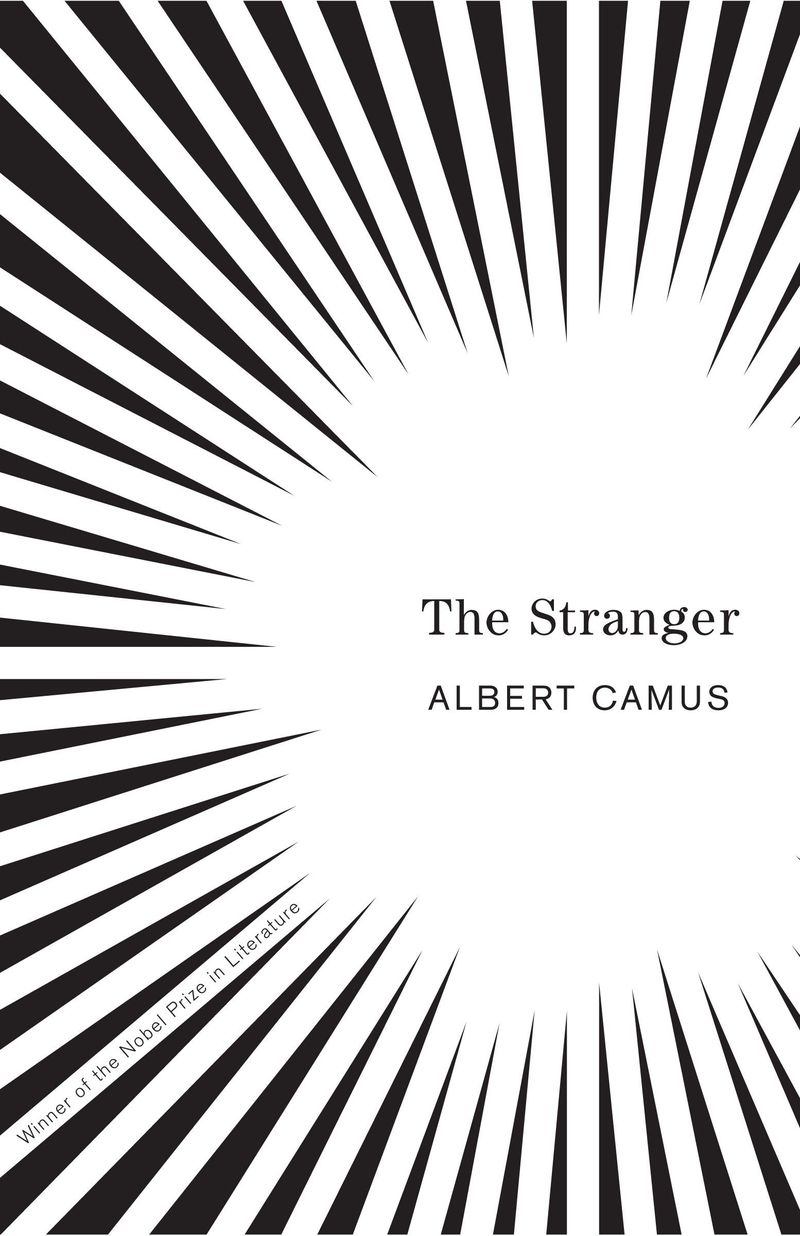
Meursault, the narrator of The Stranger, reacts to his mother’s death with almost no emotion, and the world around him cannot forgive him for it. Albert Camus used this unsettling character to explore absurdism, the idea that life has no built-in meaning.
Rather than feeling hopeless, Camus suggests that accepting this truth can actually be freeing. The writing is cool and detached, which makes it even more thought-provoking.
Short and strange, this novel sticks with you in the best possible way.
6. Crime and Punishment by Fyodor Dostoevsky
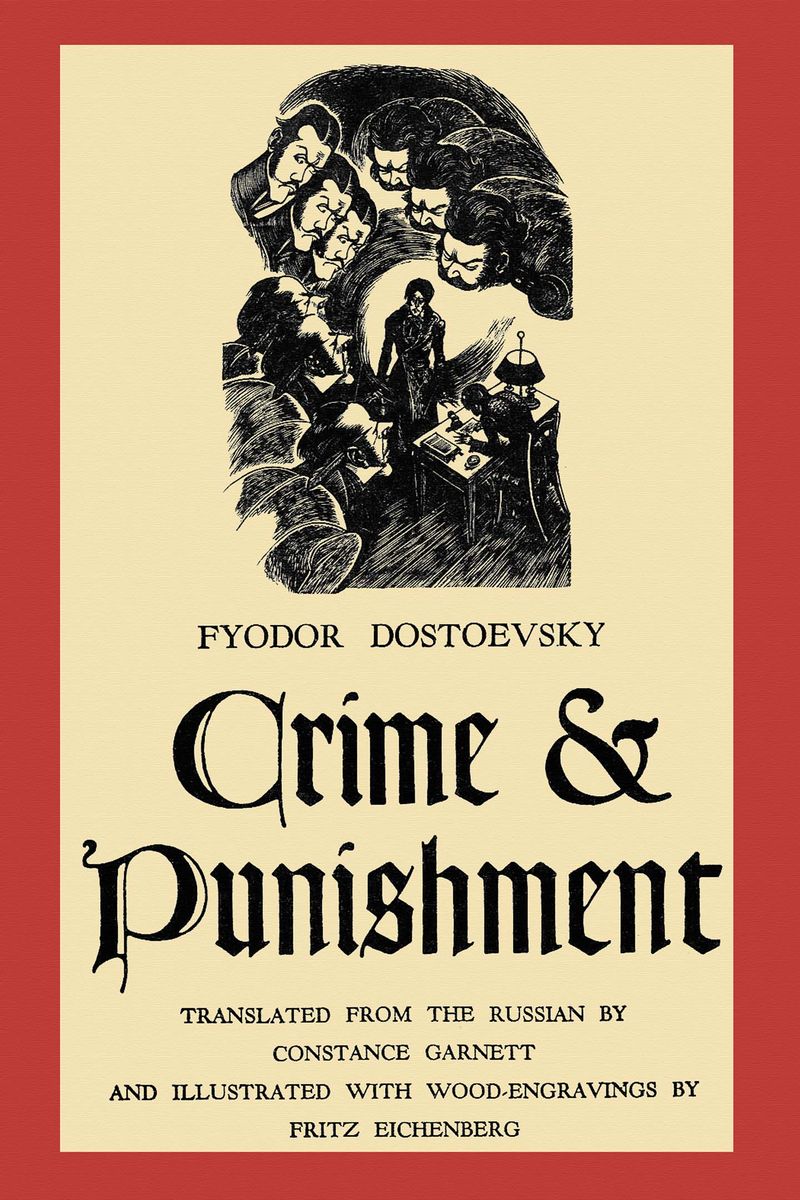
Raskolnikov, a brilliant but troubled student in 19th-century Russia, convinces himself he is special enough to commit murder without guilt. He is very wrong.
Dostoevsky spends the rest of the novel pulling readers deep into Raskolnikov’s spiraling conscience.
Few writers have ever captured the weight of guilt as vividly as Dostoevsky does here. The psychological depth is extraordinary, and the story raises real questions about morality and redemption.
Long? Yes.
Worth every page? Without question.
7. Sophie’s World by Jostein Gaarder
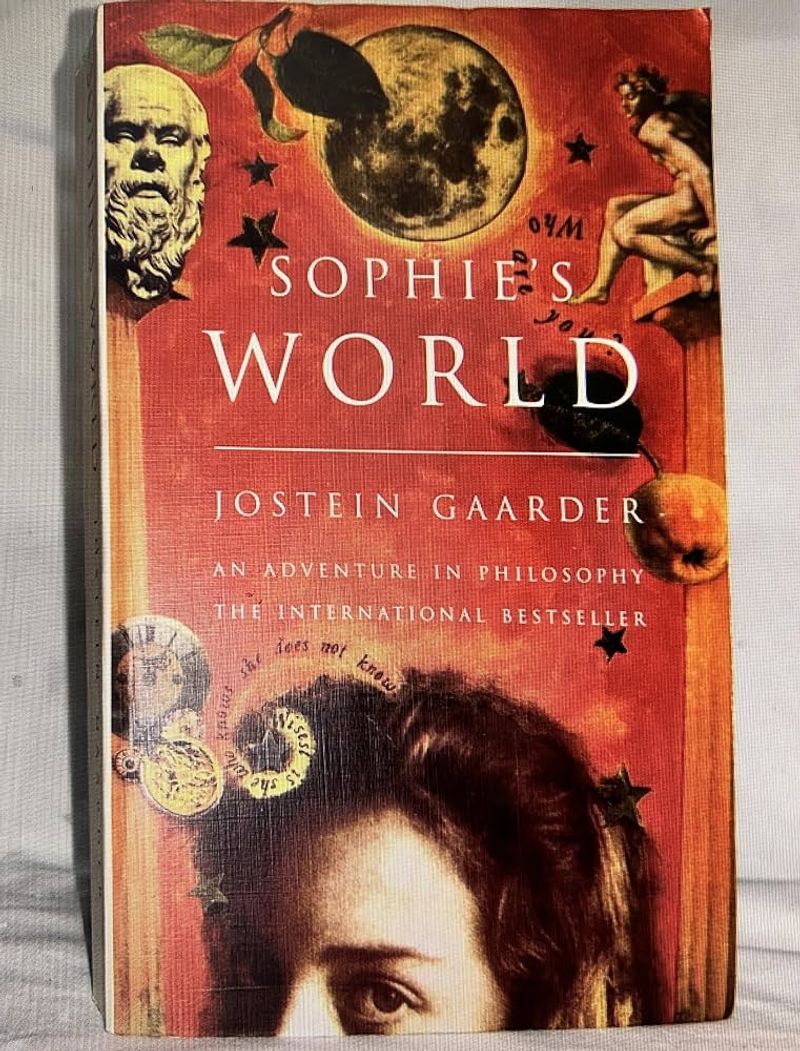
Imagine getting mysterious letters in the mail asking, “Who are you?” and “Where does the world come from?” That is exactly what happens to 14-year-old Sophie Amundsen in this clever Norwegian novel.
Jostein Gaarder wraps the entire history of Western philosophy inside a gripping mystery story, making thinkers like Plato, Kant, and Hegel surprisingly accessible. It is a genuinely fun way to learn philosophy without feeling like you are reading a textbook.
Perfect for curious minds of any age.
8. Frankenstein by Mary Shelley
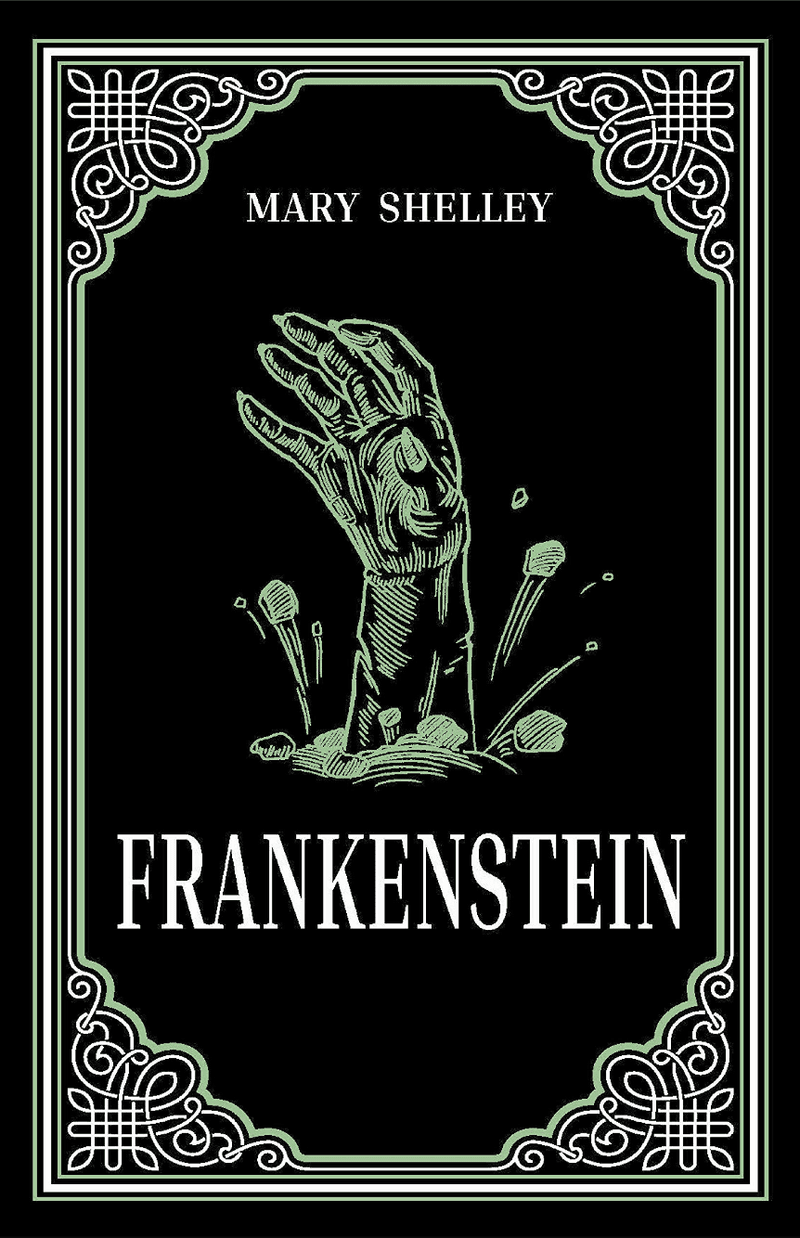
Mary Shelley was only 18 when she began writing Frankenstein during a rainy summer challenge with friends, including the poet Lord Byron. The result became one of the most influential novels ever written, and it is much more thoughtful than most monster movies suggest.
At its core, the book is about responsibility: what happens when a creator abandons what they have made? Victor Frankenstein’s ambition and neglect raise ethical questions that feel just as urgent in today’s world of artificial intelligence and genetic science.
9. The Odyssey by Homer
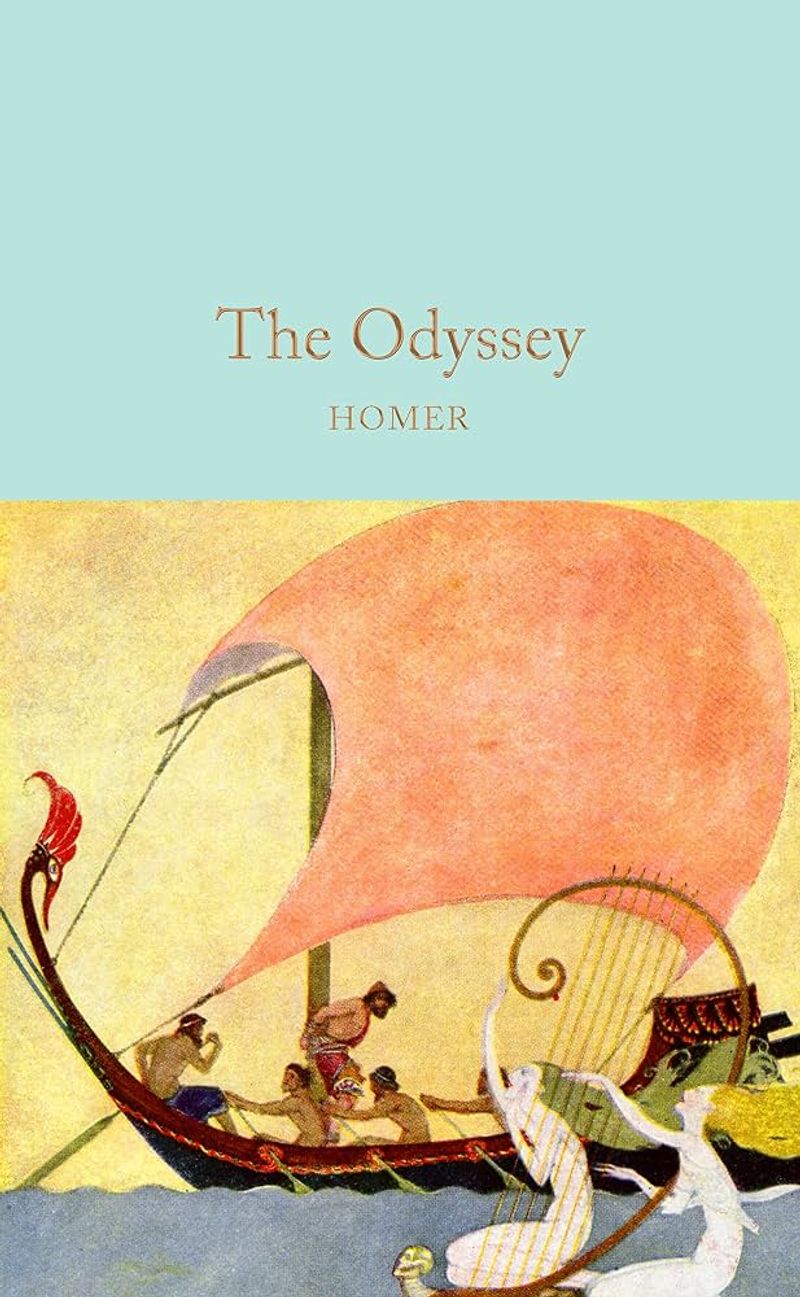
Nearly 3,000 years old and still gripping, Homer’s Odyssey follows Odysseus as he battles monsters, temptations, and his own pride to find his way home after the Trojan War. The journey takes ten years and tests him at every turn.
Beyond the adventure, the epic celebrates cleverness over brute strength and highlights the loyalty and wisdom of the women in Odysseus’s life. It is a story about what it means to truly belong somewhere.
Ancient in origin, but endlessly human at heart.
10. Plato’s Republic
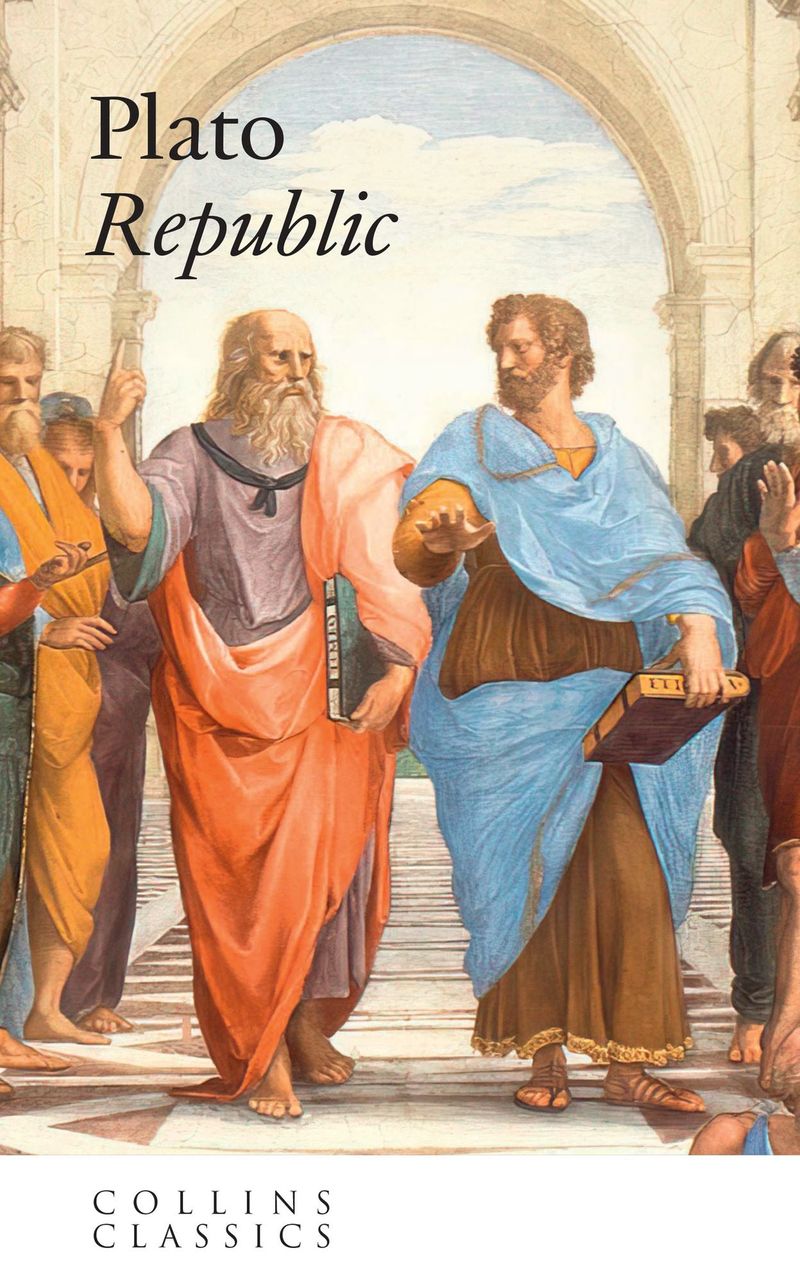
Written around 375 BC, Plato’s Republic is one of the most debated texts in all of human history. Through conversations led by Socrates, Plato explores what justice really means, what kind of society is best, and what makes a life worth living.
The famous Allegory of the Cave, where prisoners mistake shadows for reality, remains one of philosophy’s most powerful images. Reading Republic challenges you to question assumptions you did not even know you had.
Foundational, provocative, and surprisingly readable in modern translations.
11. Nicomachean Ethics by Aristotle
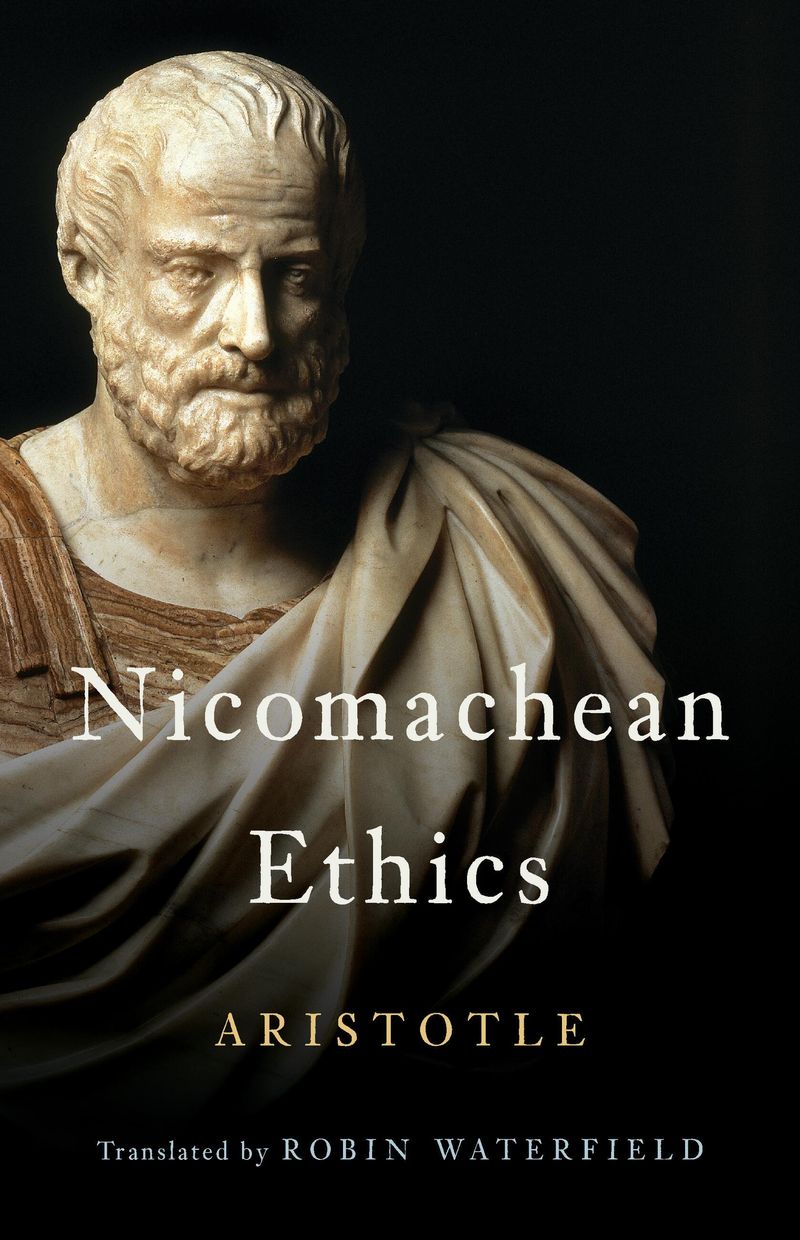
Aristotle believed the whole point of human life was to flourish, and he wrote Nicomachean Ethics to explain exactly how to do that. His answer centers on developing virtues, habits of character that help you live and act well over time.
Unlike dry academic writing, Aristotle’s approach is practical and grounded in real human behavior. He covers friendship, courage, generosity, and what it truly means to be happy.
For anyone wondering how to live a good life, this book offers timeless and surprisingly down-to-earth guidance.
12. Thinking, Fast and Slow by Daniel Kahneman
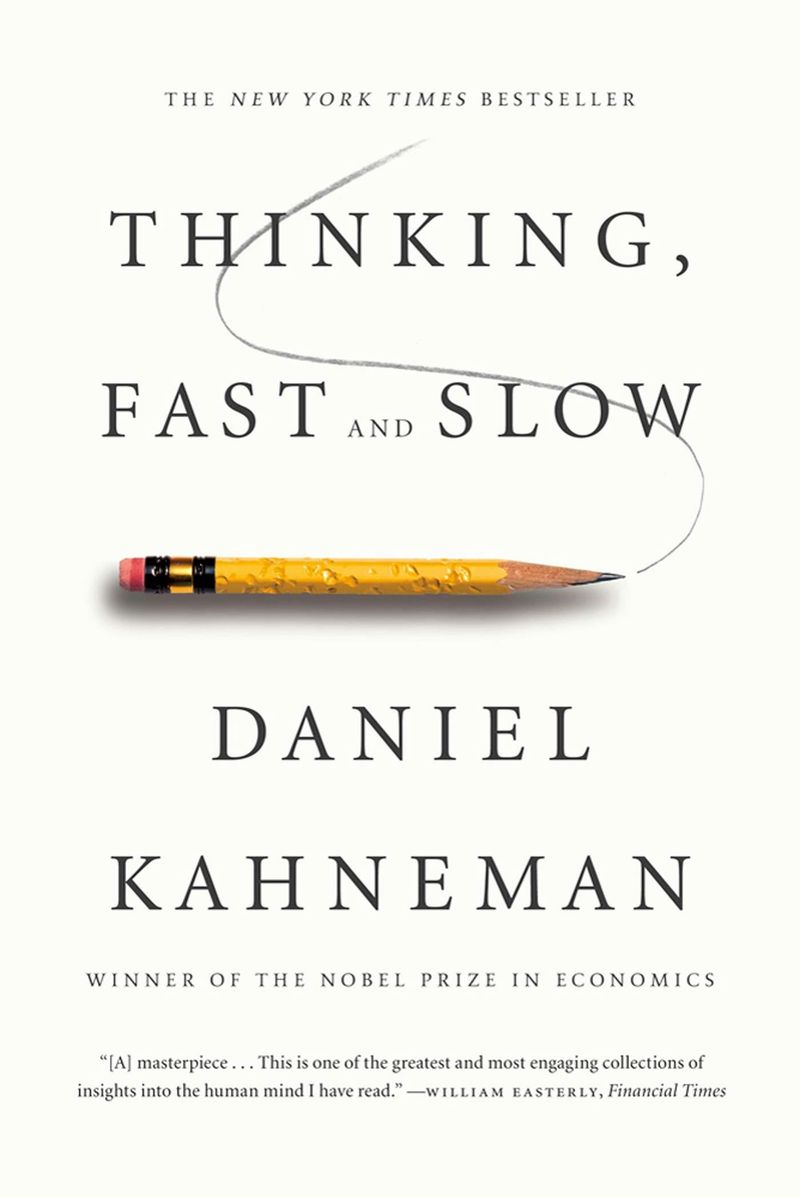
Nobel Prize-winning psychologist Daniel Kahneman spent decades studying how humans actually make decisions, and the results are humbling. Our brains run on two systems: one fast and instinctive, the other slow and logical.
We rely on the fast one far more than we realize.
Kahneman fills the book with eye-opening experiments that reveal just how often our instincts mislead us. Understanding your own mental shortcuts can help you make smarter choices in everything from finances to personal relationships.
Fascinating, practical, and occasionally unsettling.
13. Factfulness by Hans Rosling
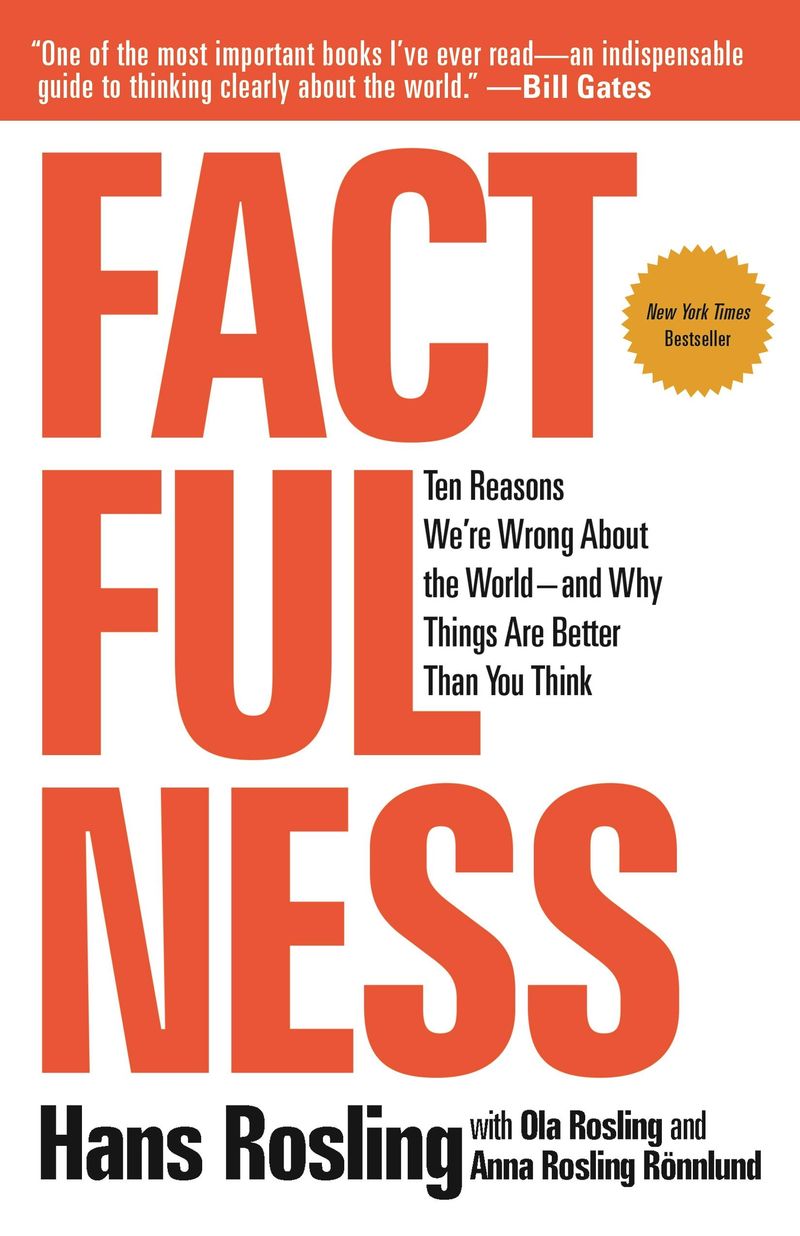
Hans Rosling, a Swedish doctor and statistician, spent his career watching smart people get basic facts about the world completely wrong. In Factfulness, he shows why our instincts about global poverty, health, and progress are almost always more pessimistic than reality.
Using real data and memorable visuals, Rosling argues the world is improving in ways most people simply do not notice. The book trains you to think more clearly and question dramatic headlines.
Bill Gates loved it so much he gave it away free to college graduates.
14. The Unbearable Lightness of Being by Milan Kundera
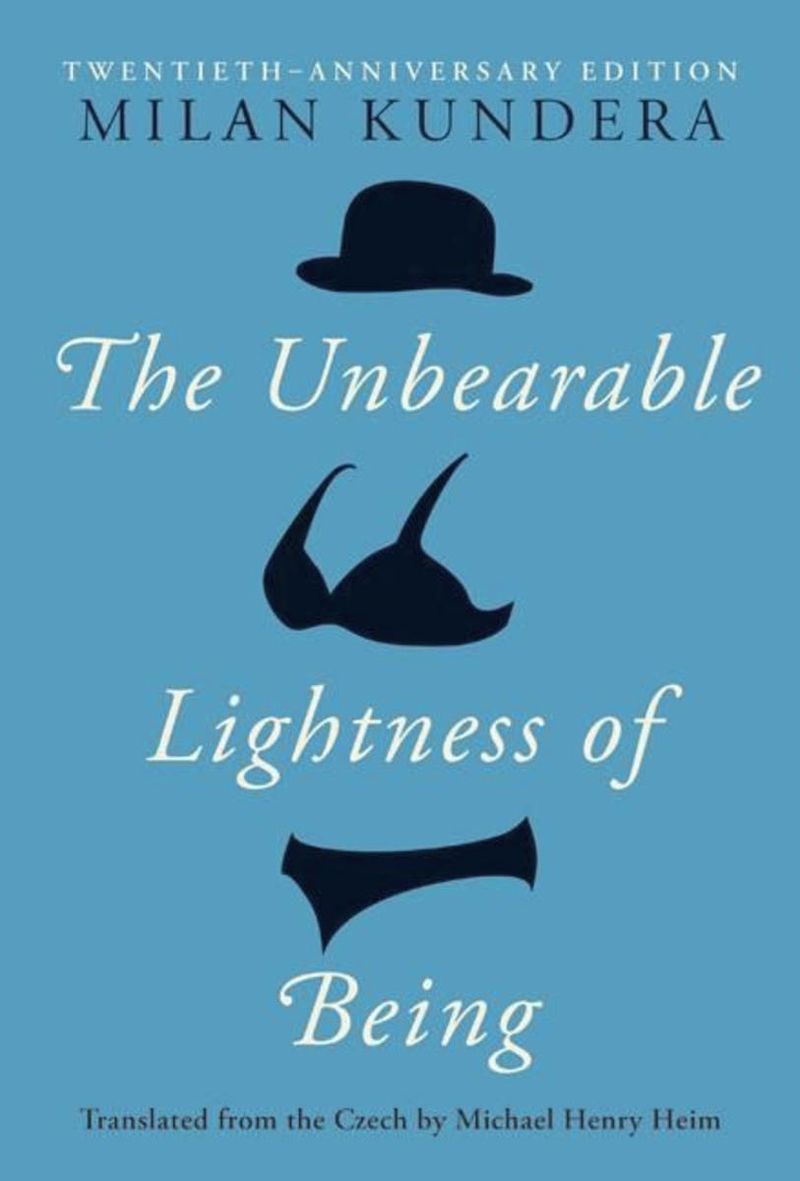
Milan Kundera opens with a philosophical question: if everything in life happens only once, does any of it really matter? Set against the backdrop of Soviet-occupied Czechoslovakia, the novel follows two couples navigating love, betrayal, and the search for meaning.
Kundera blends storytelling with philosophy in a way that feels both intellectually alive and emotionally raw. The writing is elegant and a little mischievous, pulling you in even as it challenges you.
Readers often describe it as a book that permanently changes how they think about choices.
15. The Handmaid’s Tale by Margaret Atwood
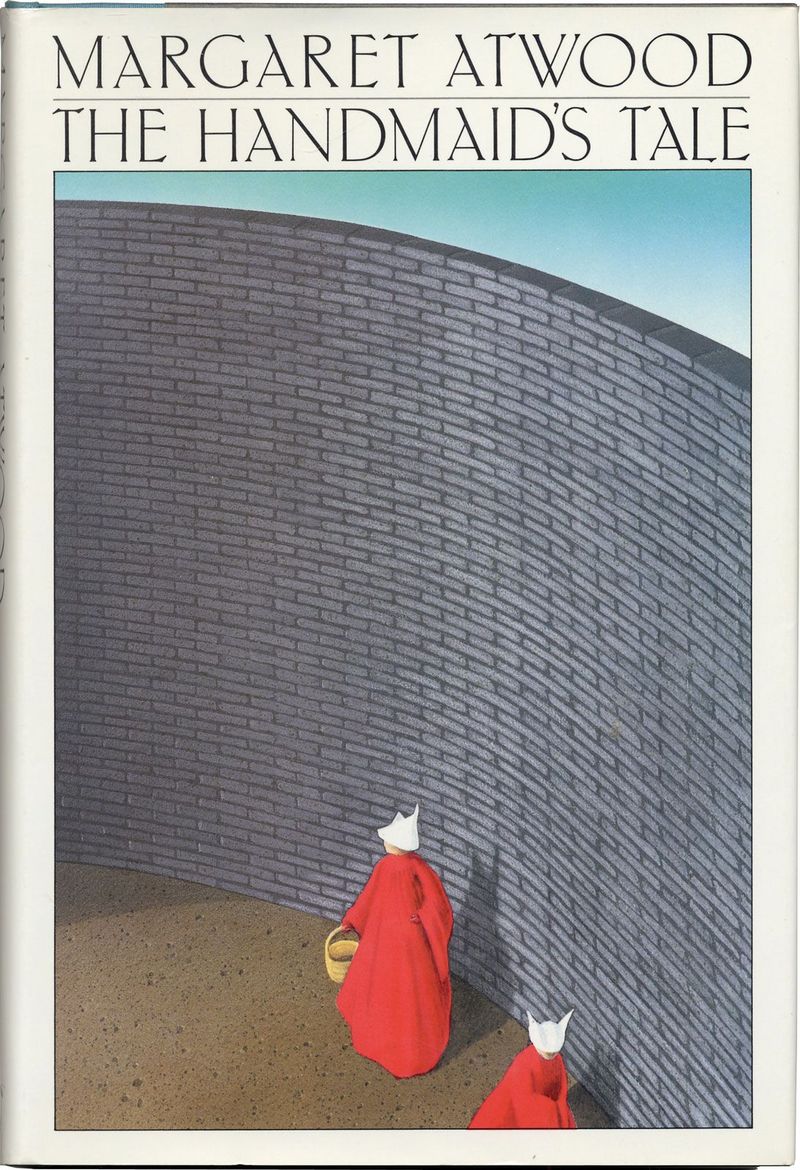
Margaret Atwood set a strict rule for herself while writing The Handmaid’s Tale: she would only include events that had actually happened somewhere in history. The result is a dystopian world that feels terrifyingly plausible rather than purely fictional.
Offred, the narrator, lives in Gilead, a society where women have lost all rights and are valued only for reproduction. Atwood’s novel is a sharp warning about how quickly freedoms can disappear when people stop paying attention.
Chilling, beautifully written, and more urgent than ever.