
Sugar has a sneaky way of showing up in foods you would never expect. Many people try to cut back on sweets, only to find hidden sugar lurking in their favorite everyday meals and snacks.
Food companies often add sugar to improve taste, texture, and shelf life, which means your grocery cart might be fuller of the sweet stuff than you think. Knowing which foods hide the most added sugar can help you make smarter choices every single day.
1. Flavored Yogurt
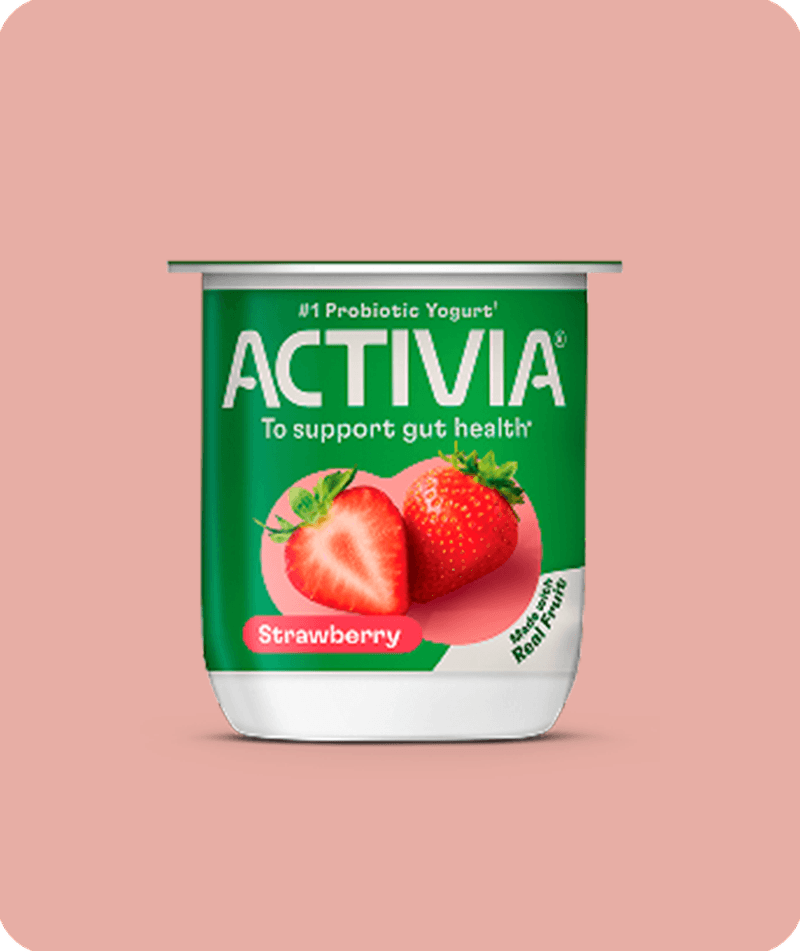
Yogurt sounds like a health food, and plain versions truly are. But the moment fruit flavors, syrups, or granola get mixed in, the sugar count can skyrocket to 20 grams or more per small cup.
That is close to five teaspoons of added sugar in one sitting. Choosing plain Greek yogurt and adding fresh fruit yourself is a much smarter swap.
You get all the protein and probiotics without the sugar overload.
2. Bottled Smoothies
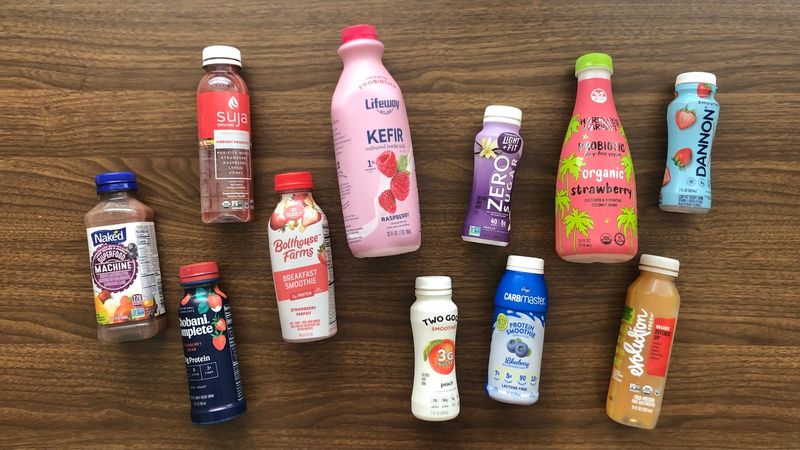
Grabbing a bottled smoothie feels like a healthy choice, especially when the label shows pictures of berries and mangoes. The reality is that many store-bought smoothies contain 40 to 60 grams of sugar per bottle, which rivals a can of soda.
Fruit naturally contains sugar, but added syrups and juice concentrates push the number even higher. Blending your own smoothie at home keeps you in full control of what goes in the glass.
3. Pasta Sauce
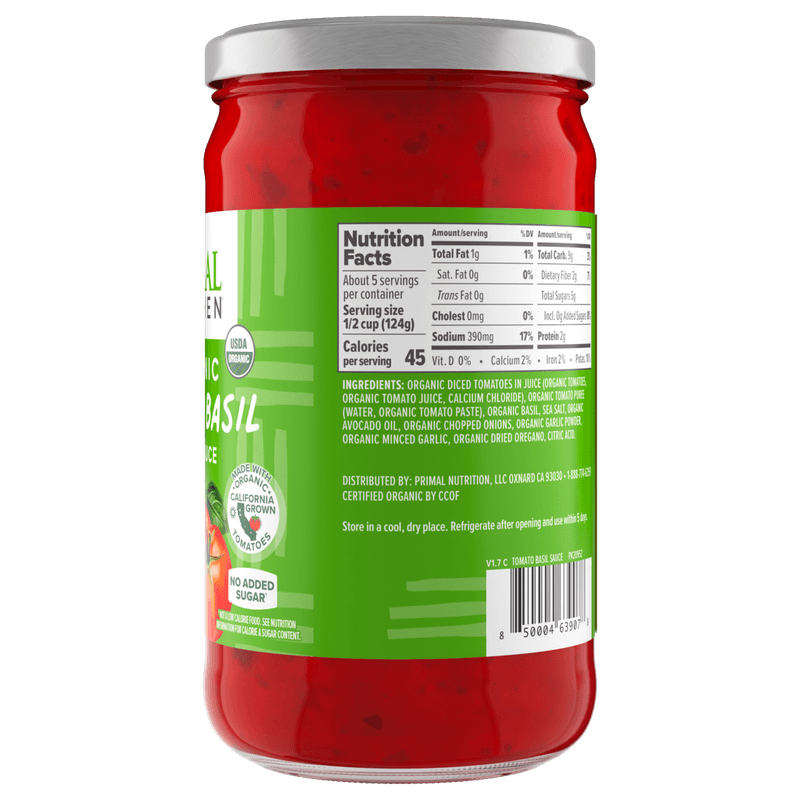
Most people season their pasta without thinking twice about the jar of sauce they crack open. A half-cup serving of a popular marinara can hide anywhere from 6 to 12 grams of added sugar, used to balance out the acidity of tomatoes.
Reading labels carefully before buying makes a real difference. Look for sauces with no added sugar listed in the ingredients, or make a simple homemade version with canned tomatoes, garlic, and herbs.
4. Granola Bars
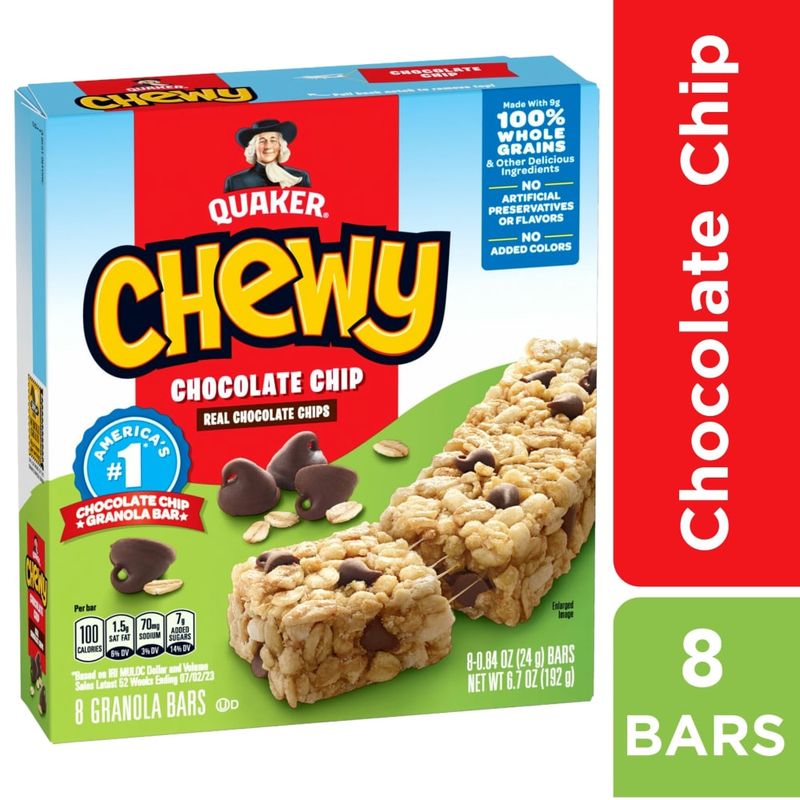
Granola bars have earned a reputation as a go-to healthy snack, often marketed with words like “natural” or “wholesome.” Behind that wrapper, though, many bars pack 12 to 20 grams of added sugar from honey, syrups, and chocolate coatings.
Some bars are closer to a candy bar than a nutritious snack. Checking the added sugar line on the nutrition facts panel, rather than just the total sugar, gives a much clearer picture of what you are actually eating.
5. Breakfast Cereals
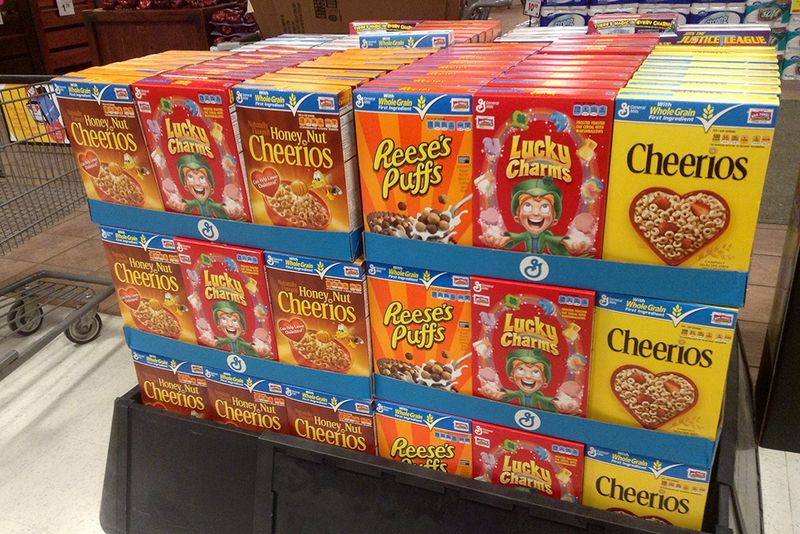
Saturday morning cartoons and a bowl of cereal feel like a classic combo. What many families do not realize is that some popular cereals contain 10 to 17 grams of sugar per serving, and most people pour far more than the listed serving size.
Even cereals marketed toward adults, like certain granola or “heart healthy” varieties, can be surprisingly sweet. Opting for plain oats or low-sugar cereals with less than 5 grams per serving is a practical everyday upgrade.
6. Bread
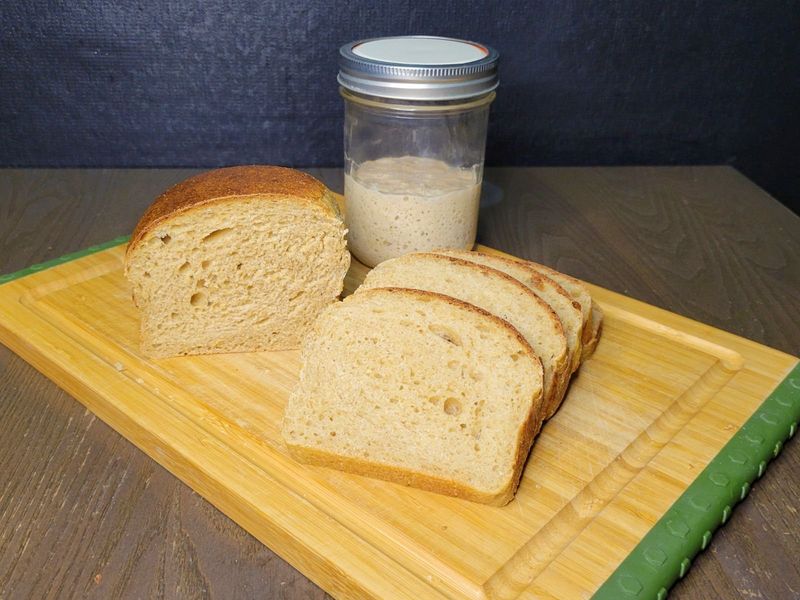
Bread is not something most people associate with dessert, yet many commercial loaves contain sugar in nearly every slice. Manufacturers add sugar to improve browning, extend shelf life, and enhance flavor, sometimes adding 2 to 4 grams per slice.
Two slices of toast can quietly contribute 8 grams of added sugar before you even spread anything on top. Sourdough or bread with short, simple ingredient lists tends to have far less sugar added during production.
7. Salad Dressing
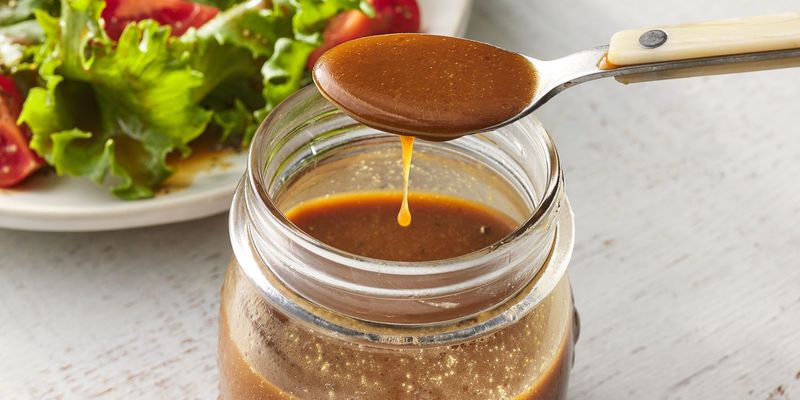
A big colorful salad seems like the ultimate healthy meal, right up until you drown it in dressing. Many bottled dressings, especially honey mustard, French, and balsamic varieties, contain 5 to 10 grams of sugar per two-tablespoon serving.
Most people use three or four tablespoons without measuring, which doubles the sugar intake fast. A simple homemade dressing using olive oil, lemon juice, and a pinch of salt gives your salad great flavor without the hidden sweetness.
8. Ketchup
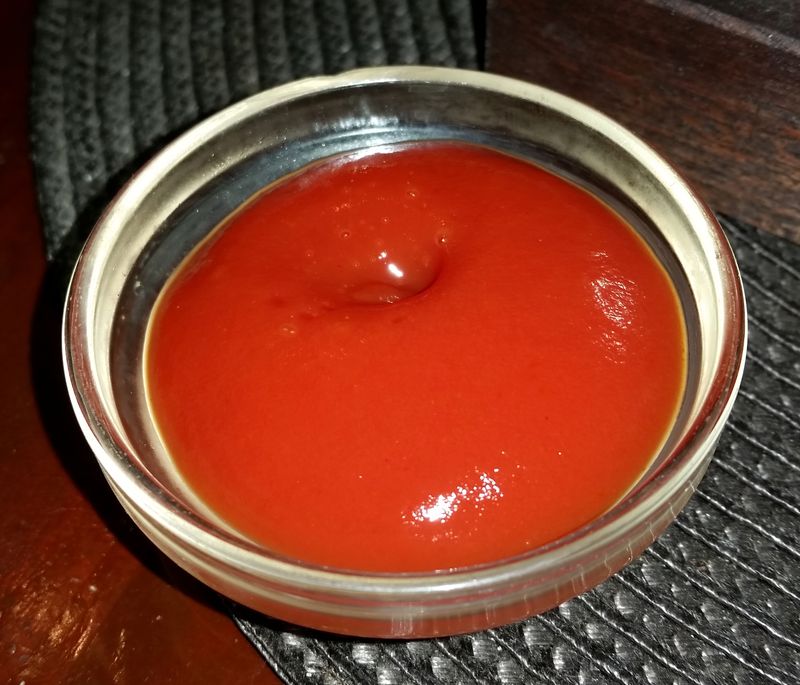
Ketchup is almost universally loved, and it is hard to imagine a burger or fries without it. One tablespoon of standard ketchup contains about 4 grams of added sugar, and most people squeeze out three or four times that amount without thinking.
A heavy hand with the bottle can add 15 or more grams of sugar to a single meal without you noticing. Mustard or avocado-based sauces are flavorful alternatives that bring almost zero added sugar to the table.
9. Sports Drinks

After a workout, reaching for a sports drink feels like the responsible thing to do. The problem is that a standard 20-ounce bottle can contain 34 grams of sugar, which is more than many candy bars.
Unless you are running a marathon or playing sports for over an hour, plain water does the job of rehydration just as well. Coconut water or water with a pinch of sea salt and a squeeze of citrus offers electrolytes without all the added sweeteners.
10. Flavored Oatmeal Packets
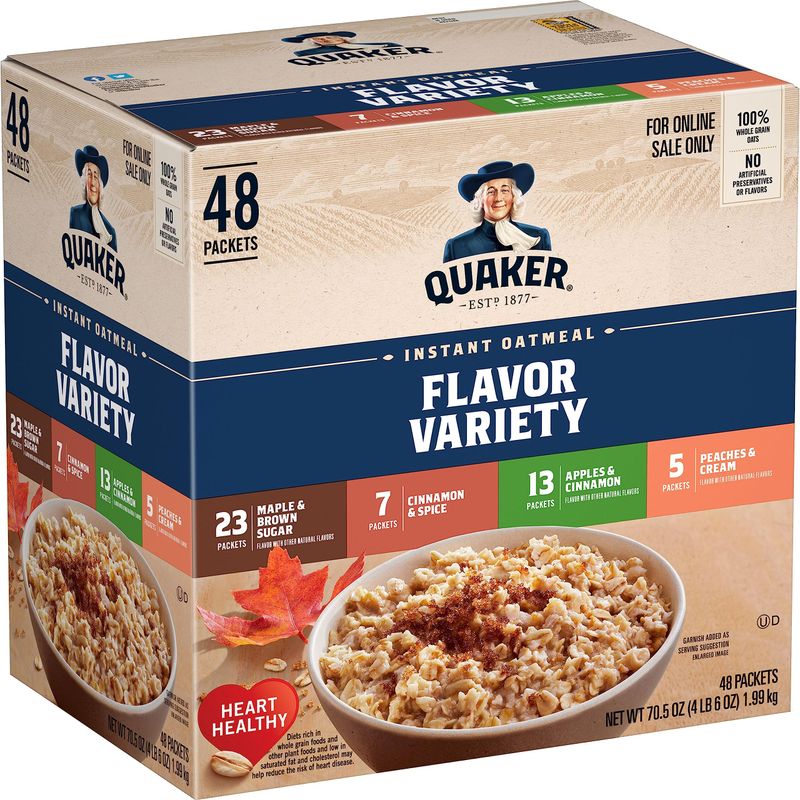
Oatmeal is one of the most recommended breakfast foods for heart health and lasting energy. The instant flavored packets, however, are a different story entirely, often containing 10 to 14 grams of added sugar per single serving.
Apple cinnamon, maple brown sugar, and peaches and cream flavors all sound wholesome but are loaded with sweeteners. Cooking plain rolled oats and topping them with a banana or a drizzle of real honey lets you control every gram of sugar you add.
11. Barbecue Sauce
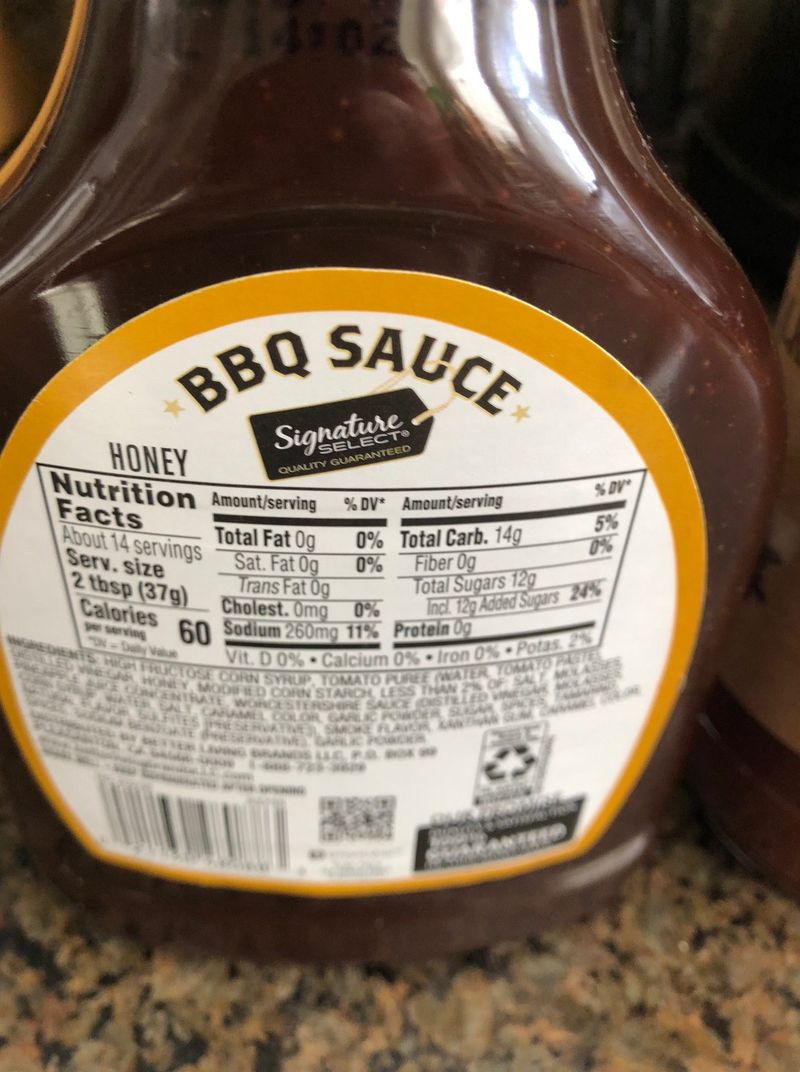
Few things smell as good as barbecue sauce caramelizing over a hot grill. That sweet, smoky flavor comes at a price, with two tablespoons of most commercial BBQ sauces delivering 12 to 16 grams of added sugar.
Slathering ribs or chicken generously can push the sugar from sauce alone past 30 grams in one meal. Making your own version at home with tomatoes, vinegar, smoked paprika, and a small amount of sweetener puts you back in charge of the flavor and the sugar count.
12. Canned Baked Beans
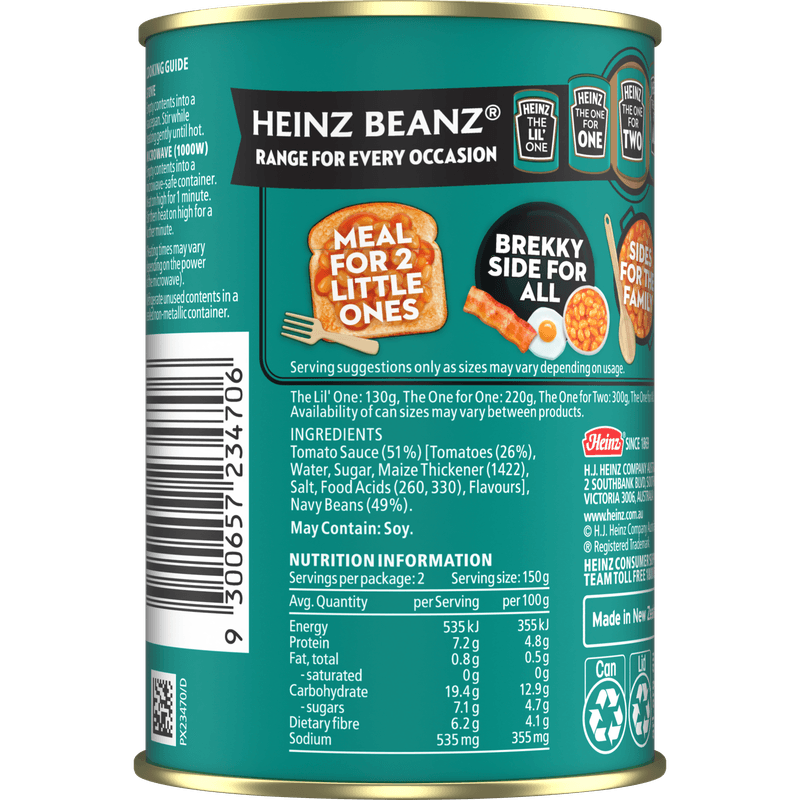
Baked beans are a beloved side dish at cookouts and family dinners across the country. A half-cup serving of canned baked beans often contains 9 to 13 grams of added sugar, largely from molasses and high-fructose corn syrup mixed into the sauce.
Since beans are nutritious and filling, many people eat a full cup or more without a second thought. Choosing low-sugar or no-added-sugar canned varieties is an easy fix that keeps the fiber and protein while cutting the sweetness way down.
13. Vitamin Water and Enhanced Waters
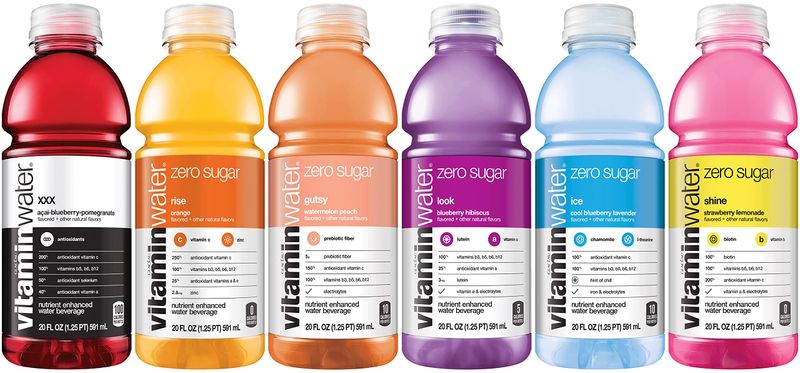
Vitamin water sounds like a wellness product, and the colorful labels with health claims make it feel even more convincing. A single bottle, however, can contain up to 32 grams of added sugar, turning what seems like a hydrating choice into a sugary drink.
The vitamins added are usually ones your body already gets enough of from food. Plain water with a slice of cucumber, lemon, or fresh mint delivers refreshment and hydration without any of the extra sweeteners hiding behind the health branding.
14. Canned Fruit
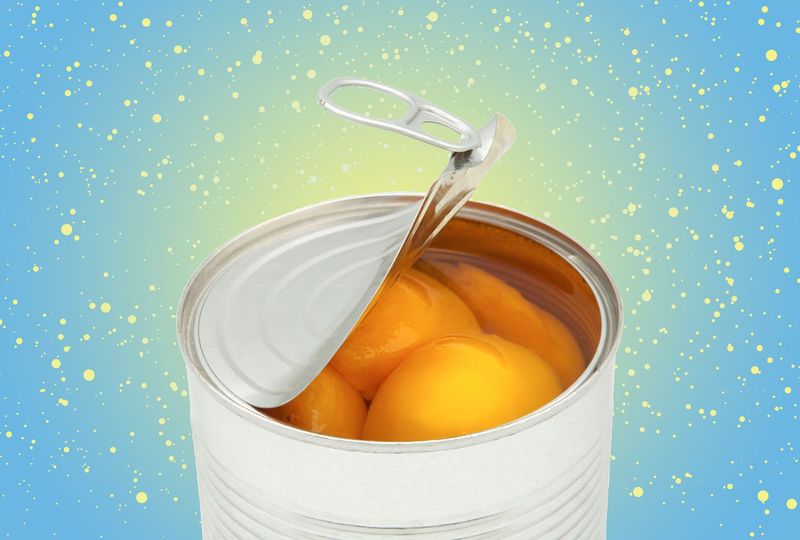
Fruit is good for you, but the way it is packaged matters more than most people realize. Canned fruit packed in heavy syrup can contain 20 to 30 grams of sugar per serving, far more than the same fruit eaten fresh off the vine.
Even light syrup versions carry extra added sugar that fresh or frozen fruit simply does not have. Always check for canned fruit labeled “packed in juice” or “no added sugar” to get the nutritional benefits of fruit without the unnecessary sweetener bath.
15. Coleslaw
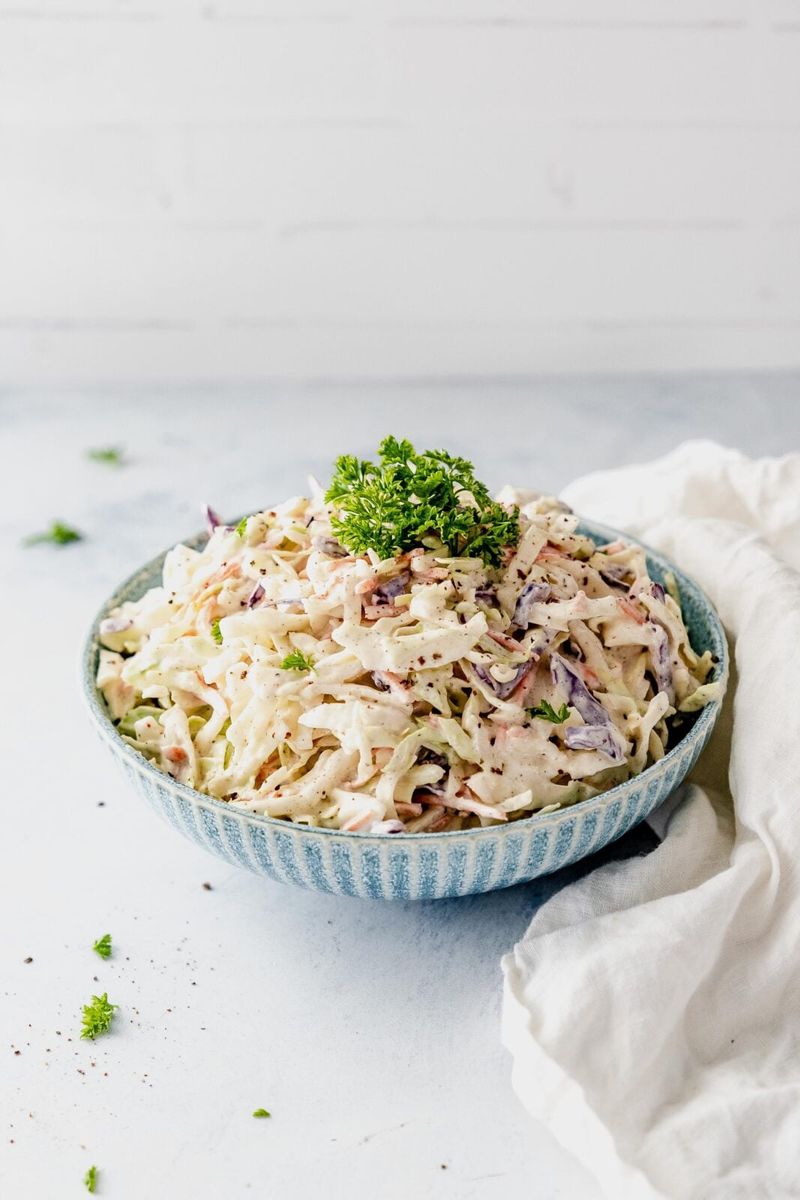
Coleslaw looks like a simple vegetable side dish, but the creamy dressing that holds it together is often packed with sugar. Store-bought coleslaw can contain 8 to 15 grams of added sugar per half-cup serving, thanks to sweetened mayonnaise-based dressings.
At a cookout where you serve yourself a generous scoop, that number climbs quickly. A homemade version using plain Greek yogurt, apple cider vinegar, and just a small touch of honey delivers the same crunch and tang with a fraction of the sugar.
16. Coffee Creamers
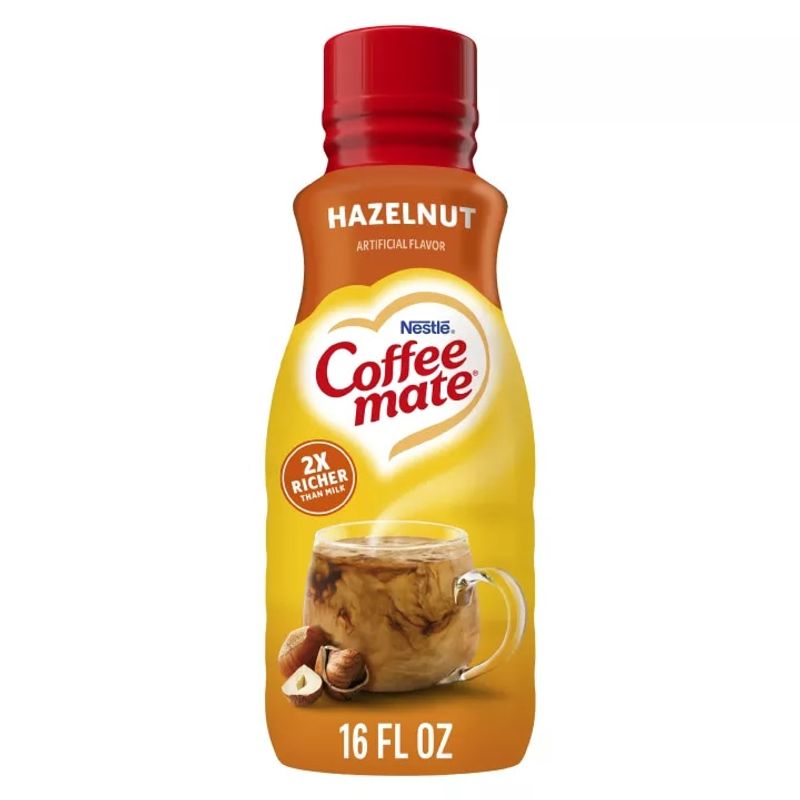
A splash of coffee creamer in the morning feels like a small indulgence, but the tablespoons add up fast. Flavored liquid creamers like vanilla, hazelnut, and caramel often contain 5 grams of added sugar per tablespoon, and most people pour two or three times that amount.
Starting the day with three tablespoons of flavored creamer can mean 15 grams of sugar before breakfast even begins. Unsweetened almond milk or a small pour of whole milk adds creaminess without turning your morning cup into a dessert.
17. Teriyaki Sauce
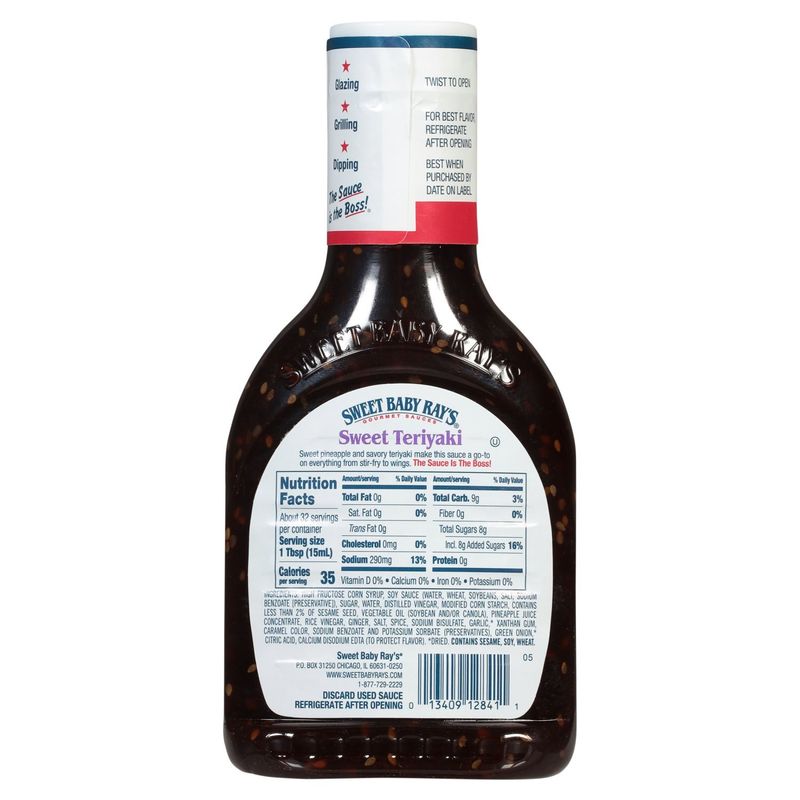
Teriyaki sauce gives chicken, salmon, and stir-fries that glossy, savory-sweet finish that people crave. Just two tablespoons of a standard store-bought teriyaki sauce can contain 8 to 14 grams of added sugar, mostly from corn syrup and refined sweeteners.
Since teriyaki is often used as both a marinade and a finishing glaze, the actual amount consumed per meal can be significantly higher. A homemade version using low-sodium soy sauce, fresh ginger, garlic, and just a small drizzle of honey cuts the sugar load considerably.
18. Flavored Milk
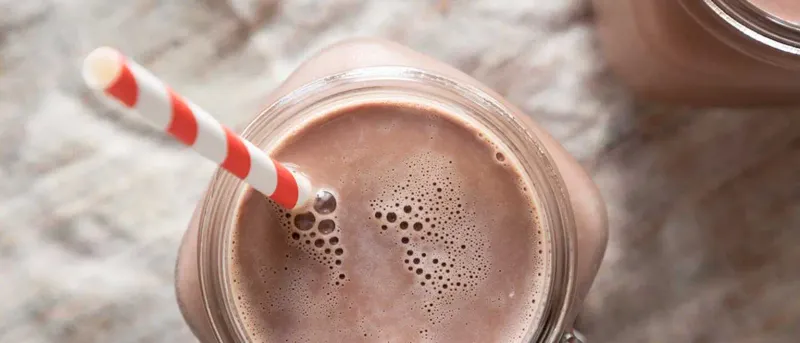
Chocolate milk has long been served in school cafeterias and marketed as a calcium-rich recovery drink for athletes. A single eight-ounce serving of chocolate milk can contain 12 to 24 grams of added sugar on top of the natural lactose already in the milk.
Strawberry and other flavored varieties follow the same sugary pattern. Plain whole milk or unsweetened plant-based alternatives provide the same bone-supporting nutrients without the added syrups and sweeteners that turn a nutritious drink into something closer to a milkshake.
19. Protein Bars
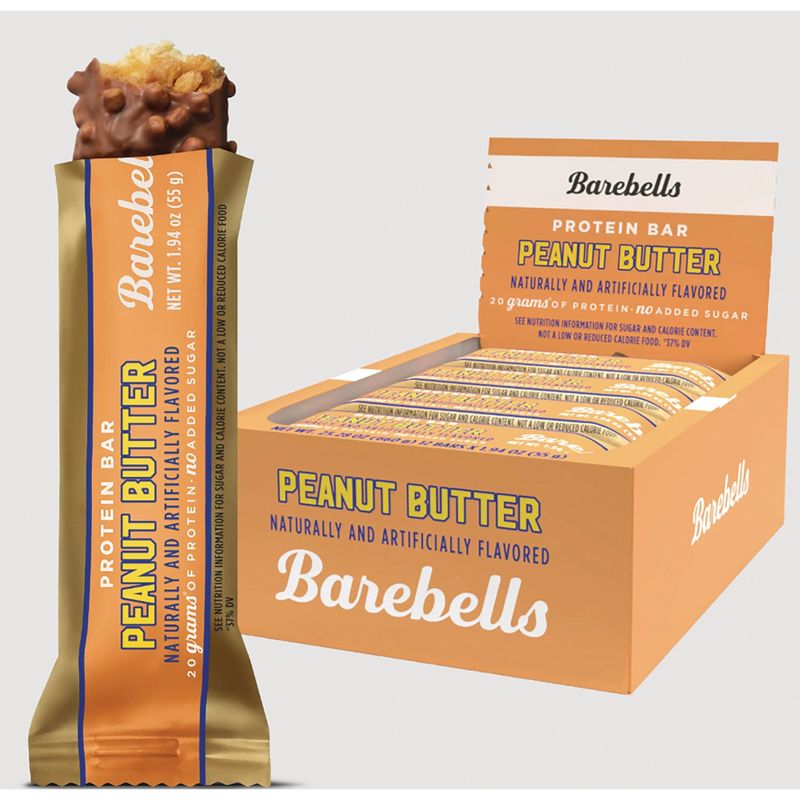
Protein bars are everywhere in gyms, health food stores, and office desk drawers, promising muscle recovery and sustained energy. Many popular varieties contain 15 to 25 grams of added sugar tucked beneath layers of chocolate, caramel, and syrup-coated nuts.
That amount rivals a full-sized candy bar, making the “healthy snack” label a bit misleading. Checking that a bar has at least 10 grams of protein and fewer than 8 grams of added sugar helps you find options that actually support your goals rather than sabotage them.
20. Jarred Pasta Salad Kits and Pre-Made Salad Kits
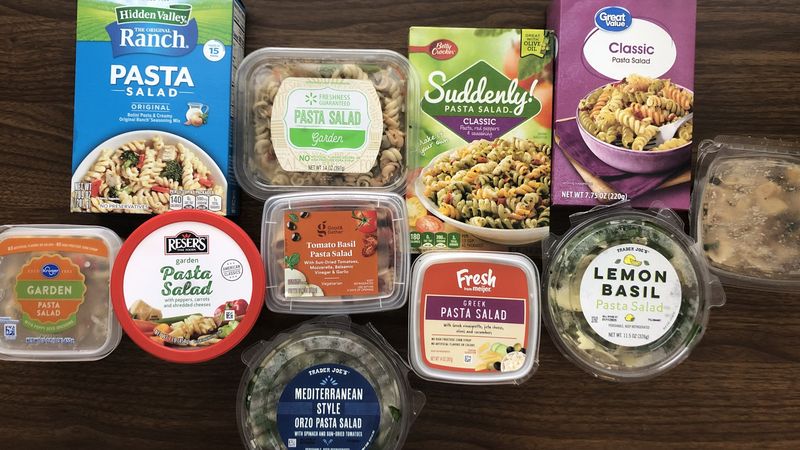
Pre-made pasta salad kits from the grocery store are a popular shortcut for busy weeknight dinners and potlucks. The included dressing packets and flavor sachets often contain 10 to 18 grams of added sugar per serving, which most people never think to check.
Because the kits look like a savory, vegetable-heavy dish, sugar is the last thing anyone expects to find in such high amounts. Making a simple pasta salad from scratch with olive oil, fresh herbs, and roasted vegetables gives you full control over every ingredient that ends up on your plate.