
Getting a picky eater to try a new fruit can feel like a daily battle at the table. Fruits are packed with vitamins, fiber, and natural sweetness that help growing bodies stay strong and healthy.
The good news is that a little creativity can turn a stubborn no into a curious maybe. With the fun ideas below, you can make fruit time feel more like playtime than a chore.
1. Build a Rainbow Plate Challenge
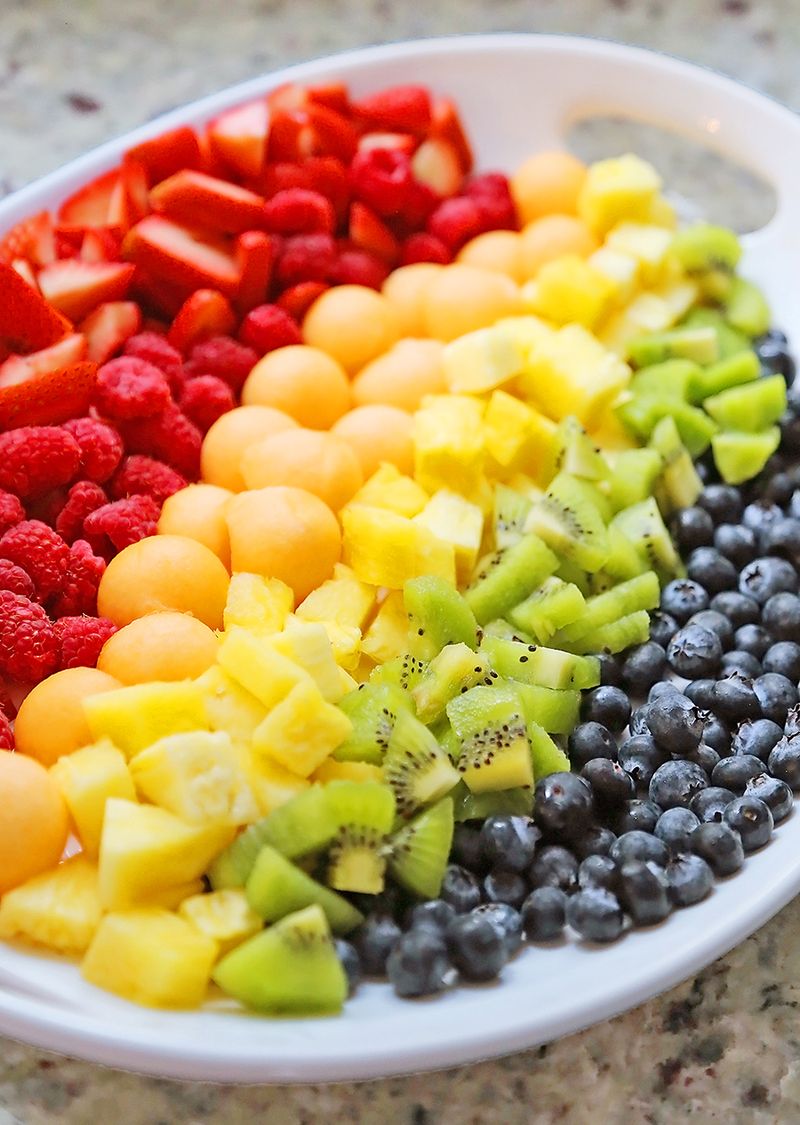
Red, orange, yellow, green, blue, and purple. Kids love collecting things, so why not colors?
Challenge your child to eat one fruit from every shade of the rainbow this week.
Hang a simple chart on the fridge and let them add a sticker for each color they try. Strawberries, mango, banana, kiwi, blueberries, and grapes make an easy start.
Watching the chart fill up gives picky eaters a real sense of pride and accomplishment.
2. Let Little Hands Do the Shopping
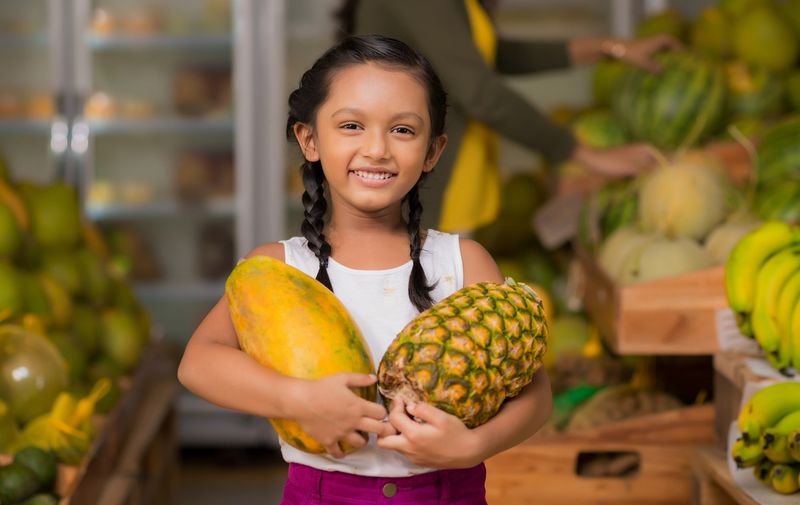
My nephew once refused every apple I offered, until he picked one himself at the market. Suddenly, that apple was the best thing ever.
Giving kids a choice at the store makes them feel in charge. Let your child pick one new fruit each trip, even a strange one like starfruit or a lychee.
Once they own the decision, they usually want to see how their pick tastes at home.
3. Turn Fruit Into Funny Faces
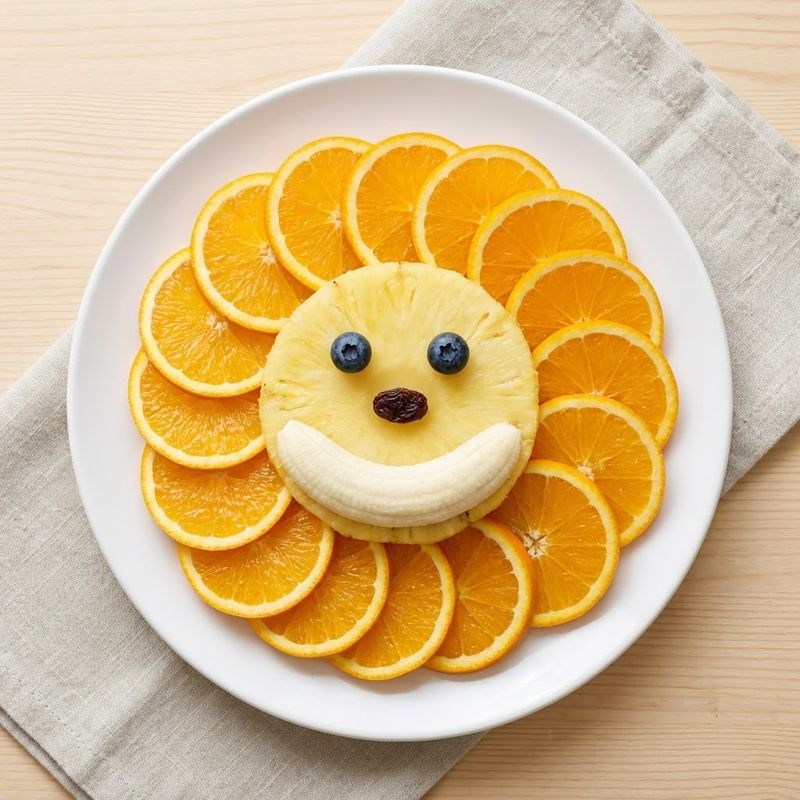
Silly beats serious every time. A banana slice smile, blueberry eyes, and a strawberry nose can turn breakfast into a giggle fest.
Food art does not need to be fancy or perfect. Even a lopsided face gets kids laughing and reaching for a bite.
Invite your child to design their own creature, too.
Hair made from shredded coconut or grape antennae? Anything goes when the goal is fun.
4. Cut Shapes With Cookie Cutters
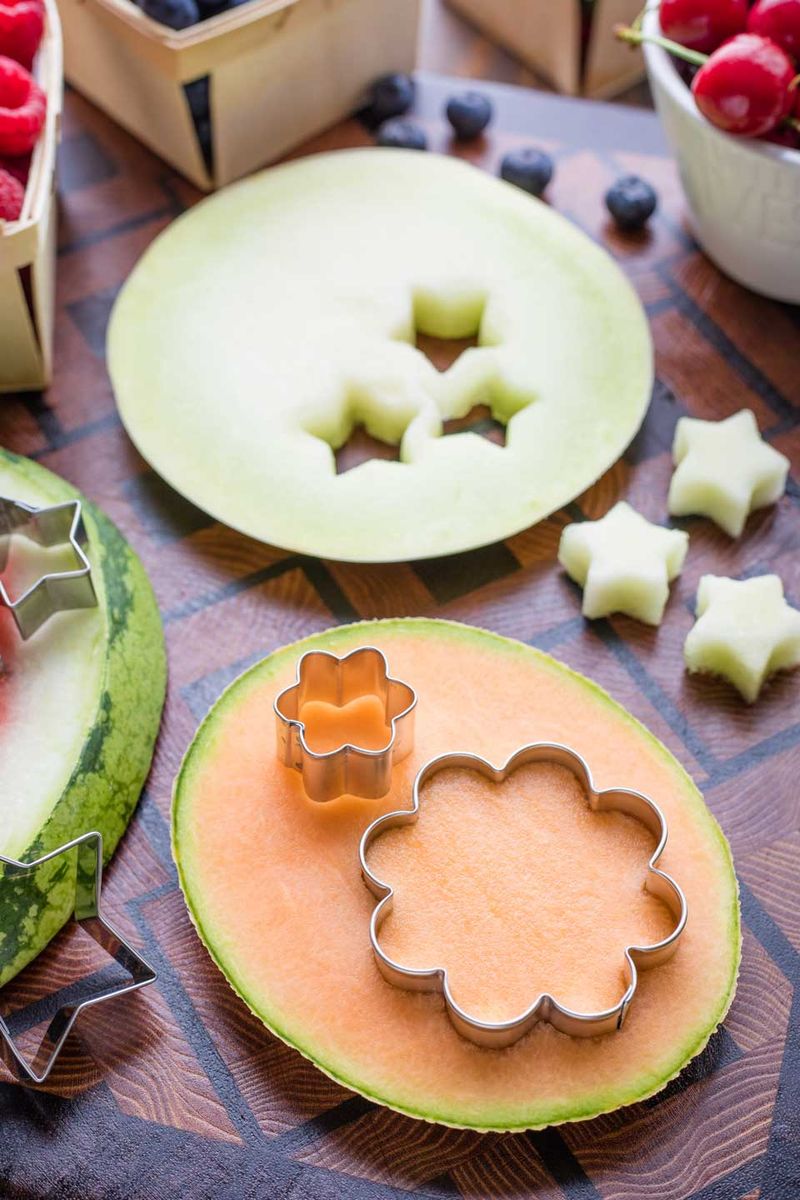
Stars, hearts, and dinosaurs instantly make a slice of melon more exciting. Small cookie cutters work wonders on watermelon, cantaloupe, pineapple, and even thick apple slices.
Kids often eat with their eyes first. A plain chunk might seem boring, but a fruity star feels like a treat.
Bonus tip: save the leftover scraps for smoothies, so nothing goes to waste and your kitchen stays tidy.
5. Serve a Yummy Dip on the Side
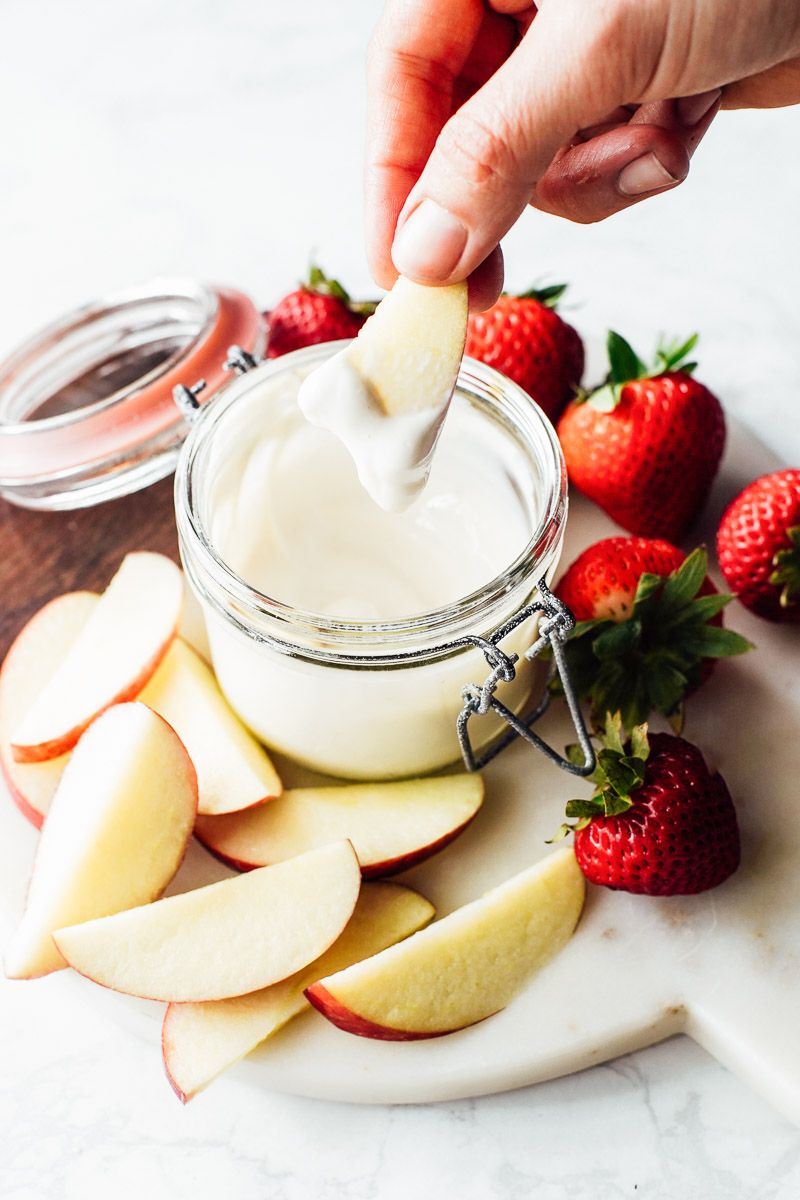
Dunking is half the fun. Most children are far more willing to try a new fruit when there is something tasty to dip it in.
Plain yogurt mixed with a little honey, peanut butter, or a thin chocolate drizzle all work well. Keep portions small so the fruit stays the star.
Dips also give nervous eaters a familiar flavor to lean on while they explore something brand new.
6. Make Fruit Kabobs Together
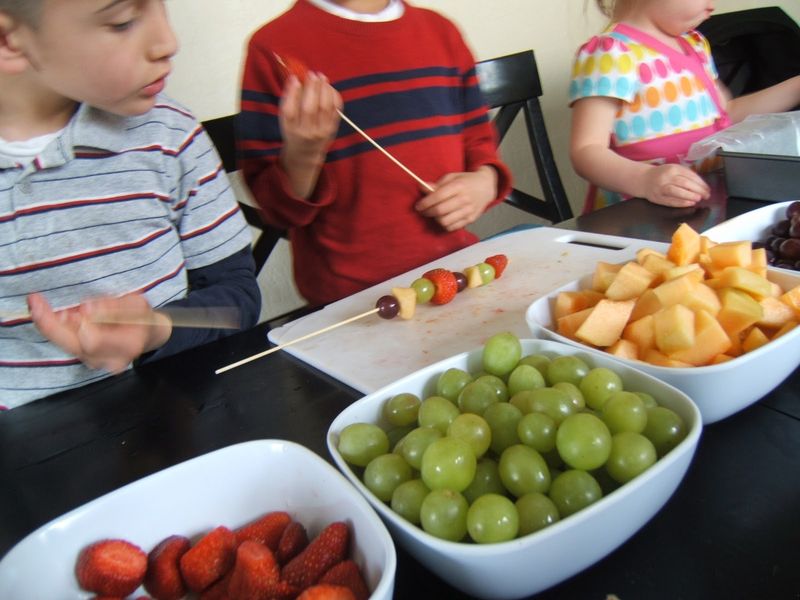
Anything on a stick tastes better. That is practically a law of childhood.
Set out bowls of chopped fruit and let kids build their own kabobs. Grapes, melon, pineapple, and berries slide on easily.
Younger children can use blunt straws or coffee stirrers instead of pointy skewers for safety.
Encourage them to add one new fruit to each stick. Building it themselves makes tasting it way more tempting.
7. Blend Up a Smoothie Surprise
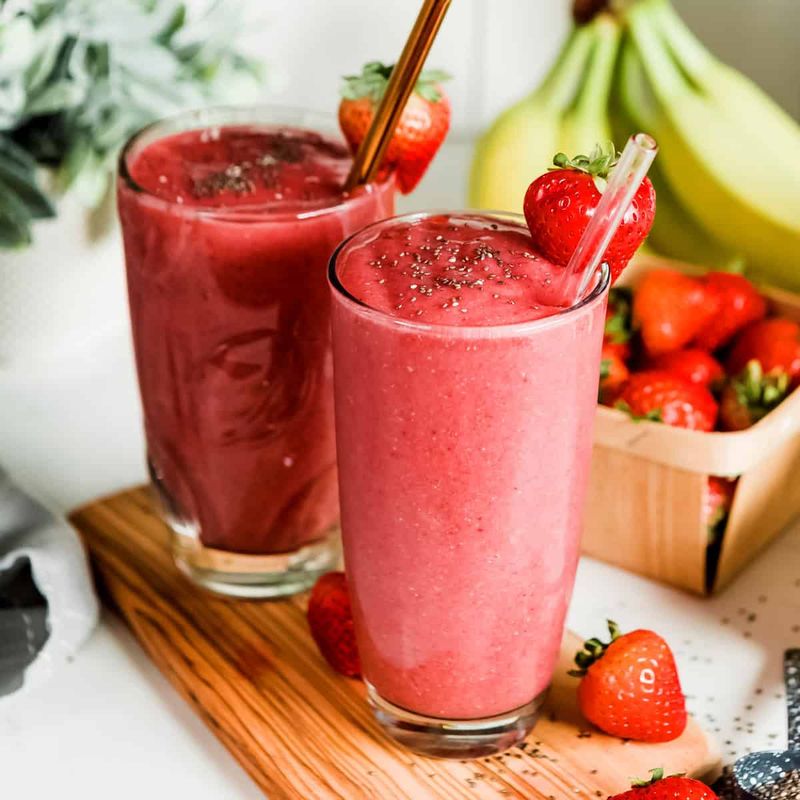
Smoothies are a sneaky superhero in any parent’s kitchen. A blender can hide unfamiliar fruits inside flavors kids already love.
Start with a favorite, like banana or strawberry, then add a small amount of something new, such as mango or papaya. Let your child press the button and pick a fun name for the drink.
Over time, slowly add more of the new fruit until it becomes a regular favorite.
8. Host a Blindfold Taste Test
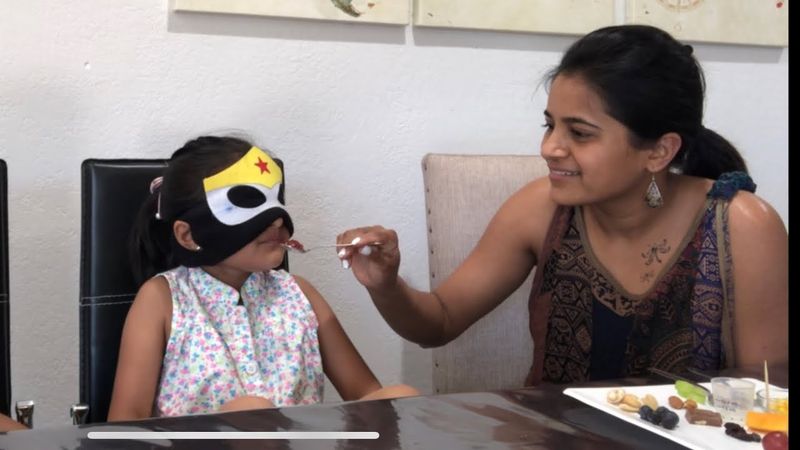
Ready for a game show moment? Grab a soft scarf and a plate of bite-sized fruit pieces.
Kids take turns wearing the blindfold and guessing what they are tasting. Without seeing the fruit, they often forget to be picky and simply enjoy the flavor.
Keep score and cheer loudly for correct guesses. You might be surprised when your child loves a fruit they have refused for months.
9. Grow Something Juicy at Home
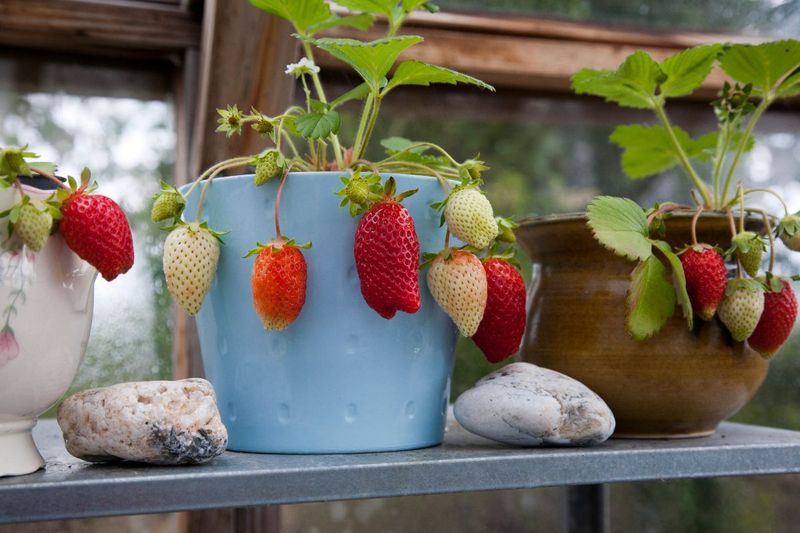
Nothing beats the thrill of picking a strawberry you grew yourself. Kids who help garden are much more likely to eat what they harvest.
Strawberries, blueberries, and cherry tomatoes grow well in pots on a sunny porch. Let your child water, check, and count the berries each day.
Fun fact: strawberries are the only fruit that wears its seeds on the outside, around 200 per berry!
10. Freeze Fruit Into Cool Treats
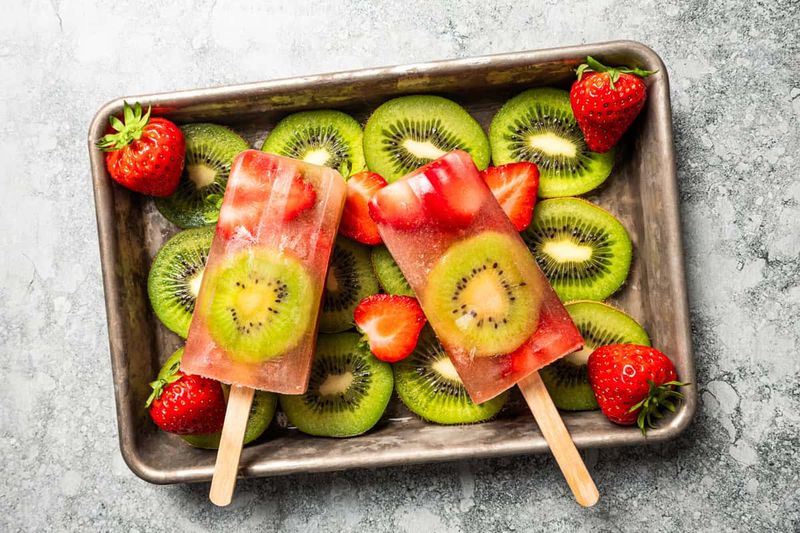
On a hot afternoon, a frosty treat feels like magic. Frozen fruit pops are easy to make and kids think they are eating dessert.
Blend fruit with a splash of juice or yogurt, pour it into molds, and freeze overnight. Add whole kiwi slices or berries so kids can see the fruit inside.
Frozen grapes and banana coins are also wonderful, chilly snacks that feel special without any extra work.
11. Read Stories Starring Fruit
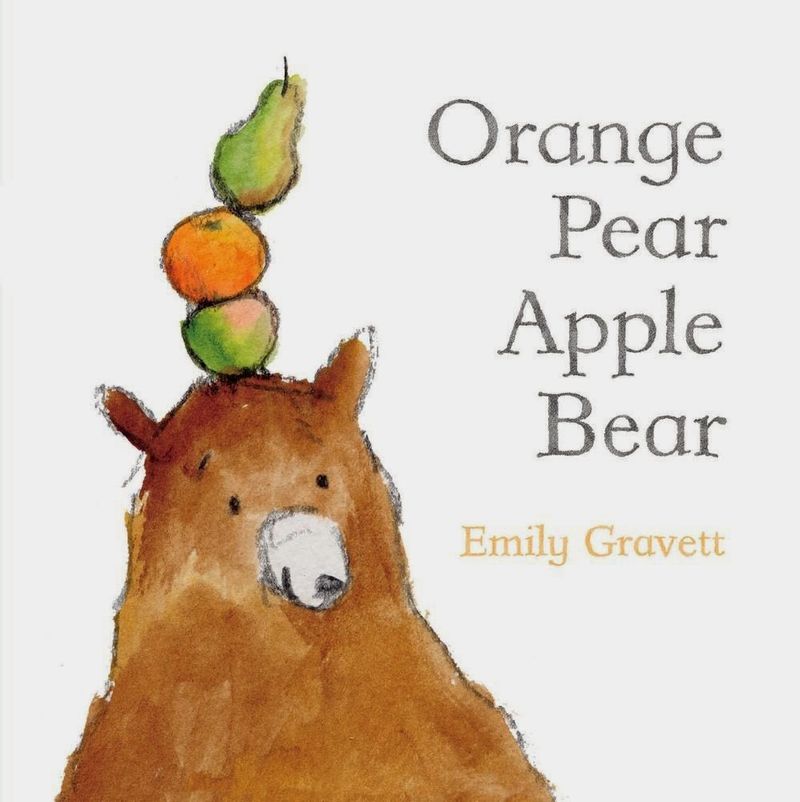
Remember The Very Hungry Caterpillar munching through plums and pears? Books can spark huge curiosity about food.
Picture books featuring fruit help kids feel familiar with new foods before they ever take a bite. After reading, serve the same fruits from the story as a snack.
Children love acting out what the characters did. Suddenly, eating a plum becomes part of the adventure rather than a scary unknown.
12. Give Fruits Silly Nicknames
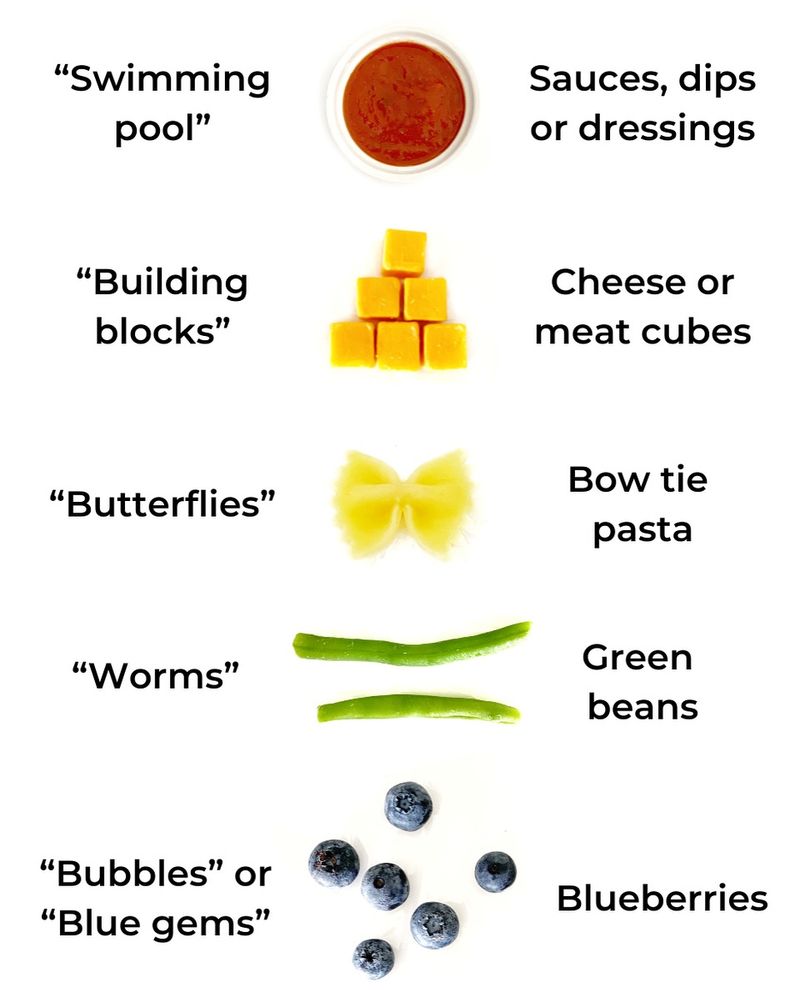
Researchers at Cornell University found that kids ate more carrots when they were called X-ray Vision Carrots. Names really matter!
Try calling kiwi halves dinosaur eggs, blueberries power pebbles, or orange slices sunshine smiles. Let your child invent names too.
A goofy title takes the pressure off and adds a sense of play. Kids may giggle, but they will also be far more likely to take a bite.
13. Be a Fruit-Loving Role Model
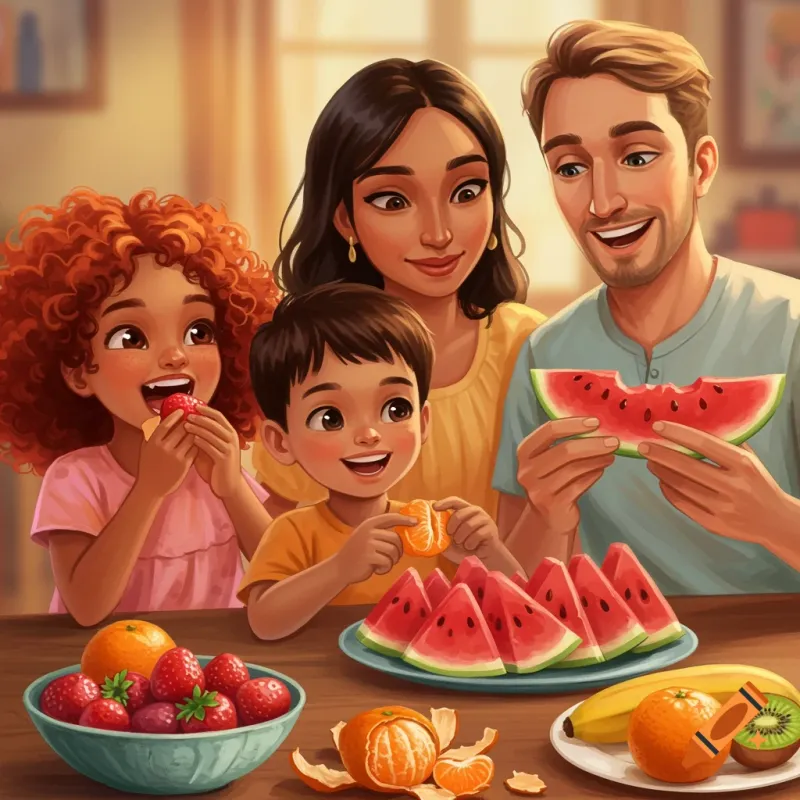
Little eyes are always watching. If kids see you happily munching on a pear, they notice.
Eat fruit in front of your children often, and talk about what you like about it. Mention how crunchy, juicy, or sweet it tastes, without forcing them to join.
Children copy the grown-ups they love. Your relaxed enjoyment sends a strong message that fruit is normal, tasty, and worth trying.
14. Offer Tiny Tasting Portions
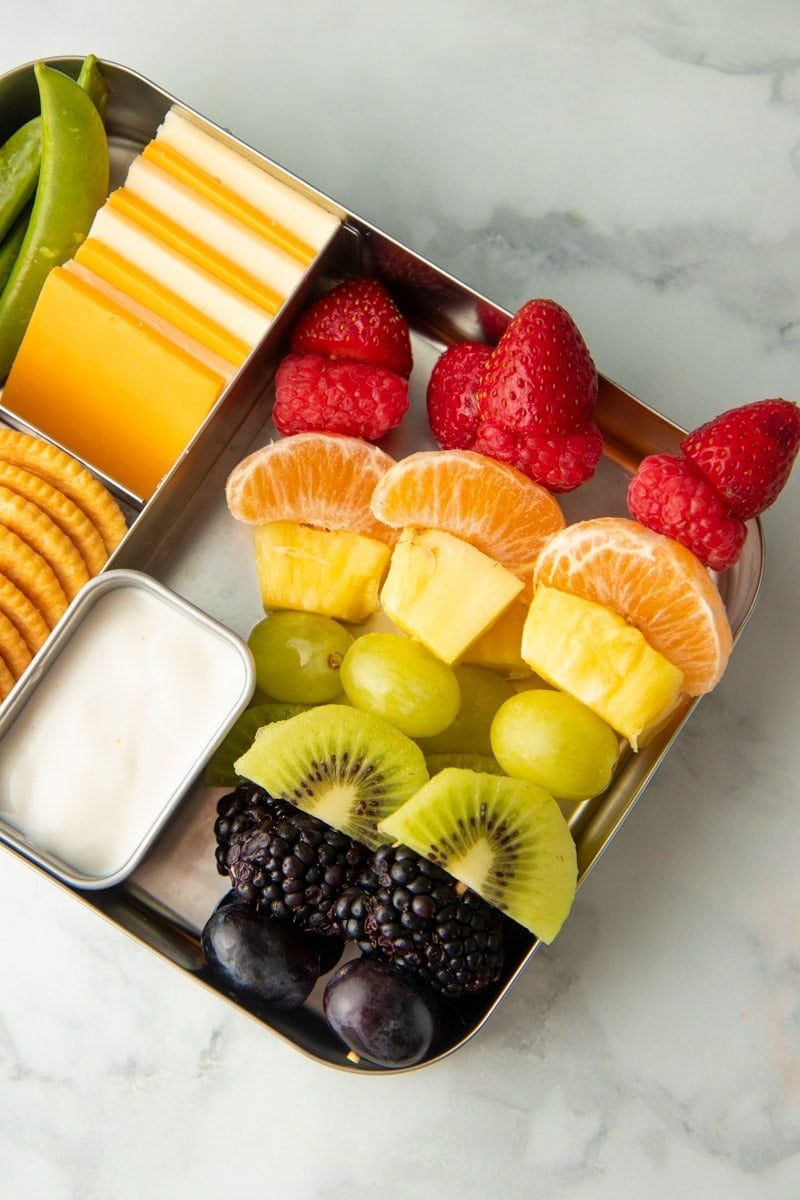
A giant bowl of unfamiliar fruit can look scary to a cautious kid. Start small instead.
Place just one or two tiny pieces of a new fruit next to foods your child already enjoys. Call it a no-thank-you bite, meaning they only need to try one taste.
Experts say kids may need 10 to 15 tries before accepting a new food. Patience and tiny steps truly pay off.
15. Visit a Pick-Your-Own Farm
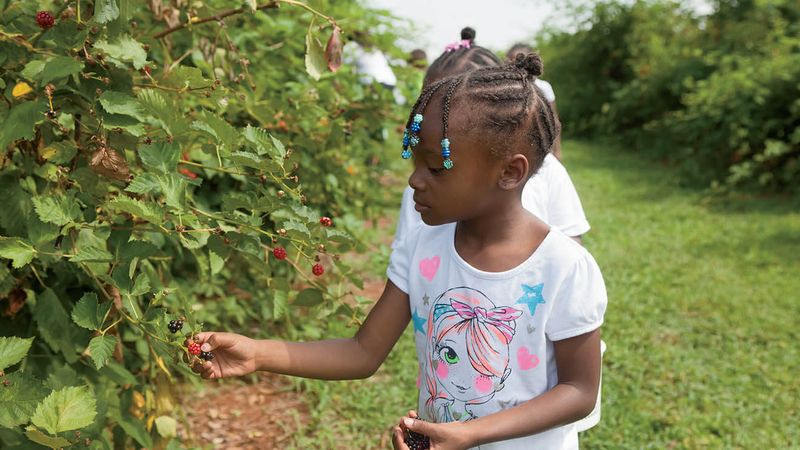
Sunshine, fresh air, and baskets full of berries make a perfect family day. Pick-your-own farms turn fruit into a fun outing.
Kids love hunting for the ripest apples, peaches, or blueberries. Many farms let you taste as you go, which is a great chance to sample new varieties.
Back home, your child will proudly show off their harvest and likely eat more than you expect.
16. Bake Fruit Into Favorite Snacks
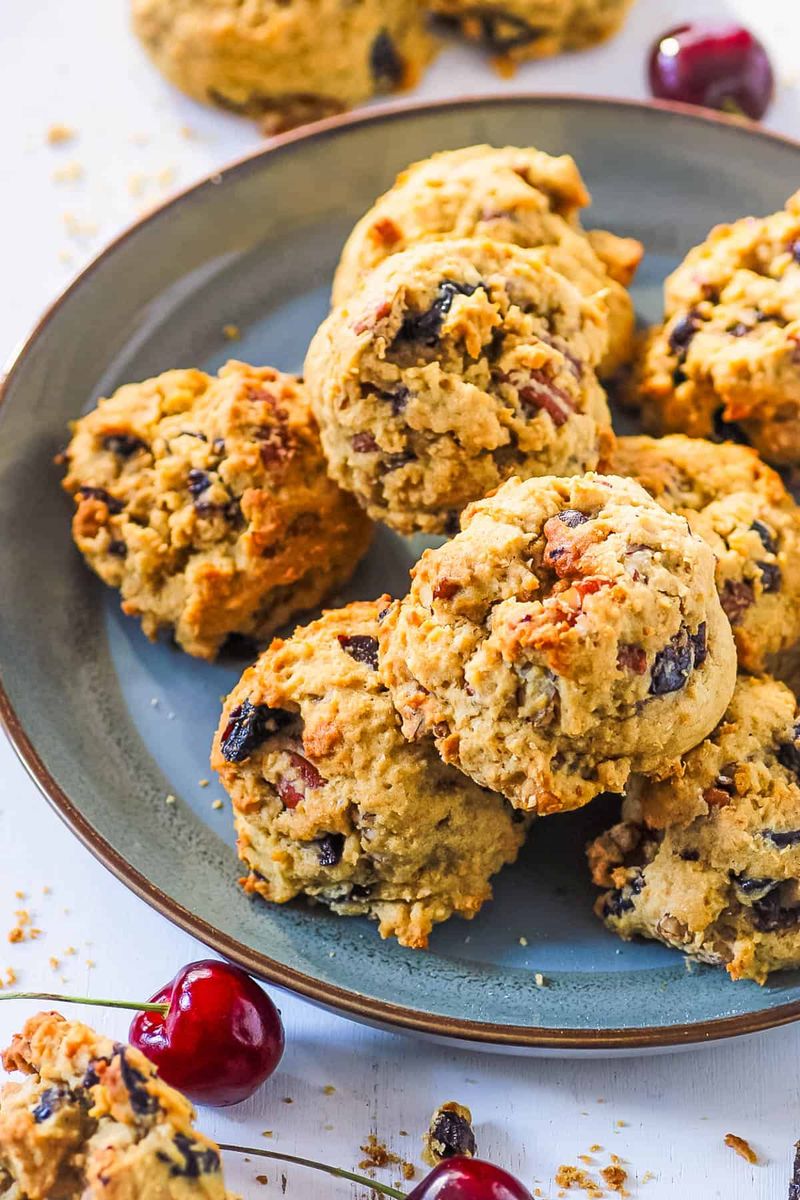
Warm muffins straight from the oven smell like pure comfort. Baking is a friendly way to introduce fruit in a familiar form.
Fold blueberries into muffins, add apple chunks to pancakes, or mash bananas into bread. Let your child measure, stir, and sprinkle.
Once they enjoy the flavor baked in, offering the same fruit fresh feels like a natural next step instead of a big leap.
17. Explore Fruits From Around the World
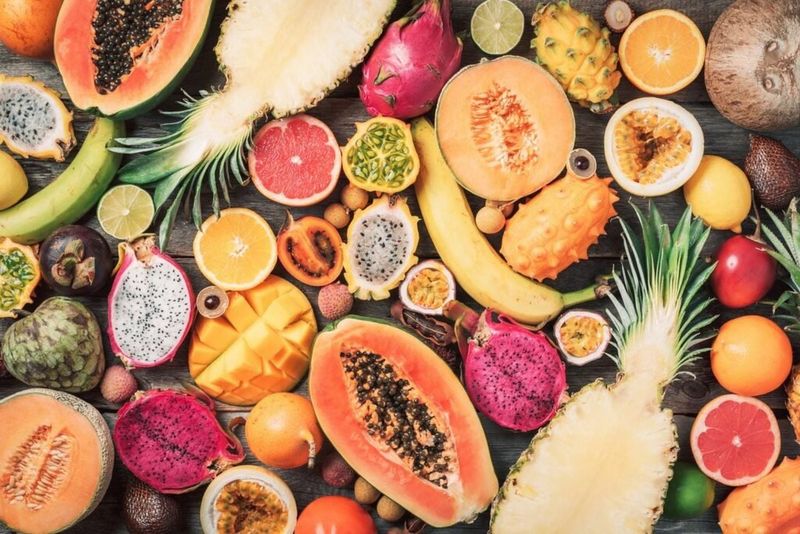
Pack your imaginary suitcase! A fruit world tour mixes geography with tasting fun.
Each week, pick a country and try a fruit from there. Mangoes come from India, kiwis became famous in New Zealand, and dragon fruit grows in Vietnam.
Find the place on a map together before tasting. Learning the story behind each fruit makes kids curious, and curiosity is the best cure for picky eating.
18. Let Kids Be Kitchen Helpers
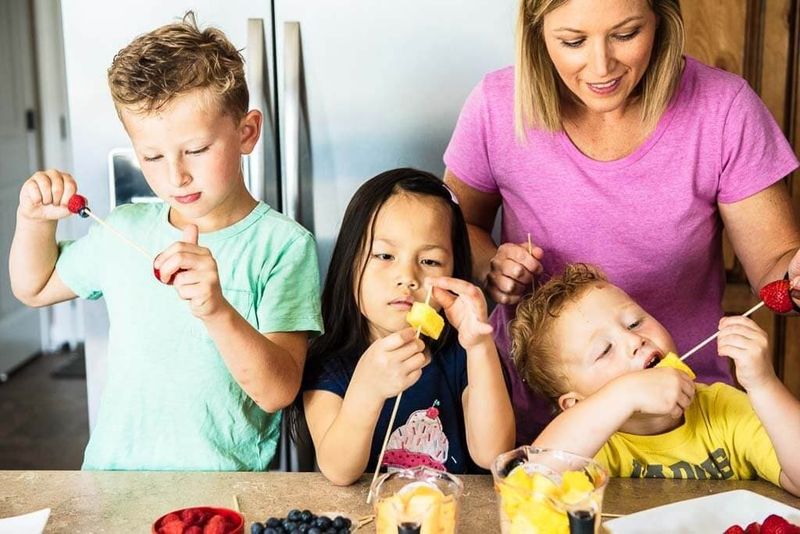
Hand your child an apron and watch their confidence grow. Kids who help prepare food feel proud and want to taste their work.
Simple jobs work best, like washing grapes, peeling clementines, or slicing bananas with a kid-safe knife. Older kids can make a fruit salad all on their own.
Praise their effort, not just their eating. Feeling capable often leads to braver tasting choices.
19. Keep Mealtimes Calm and Pressure-Free
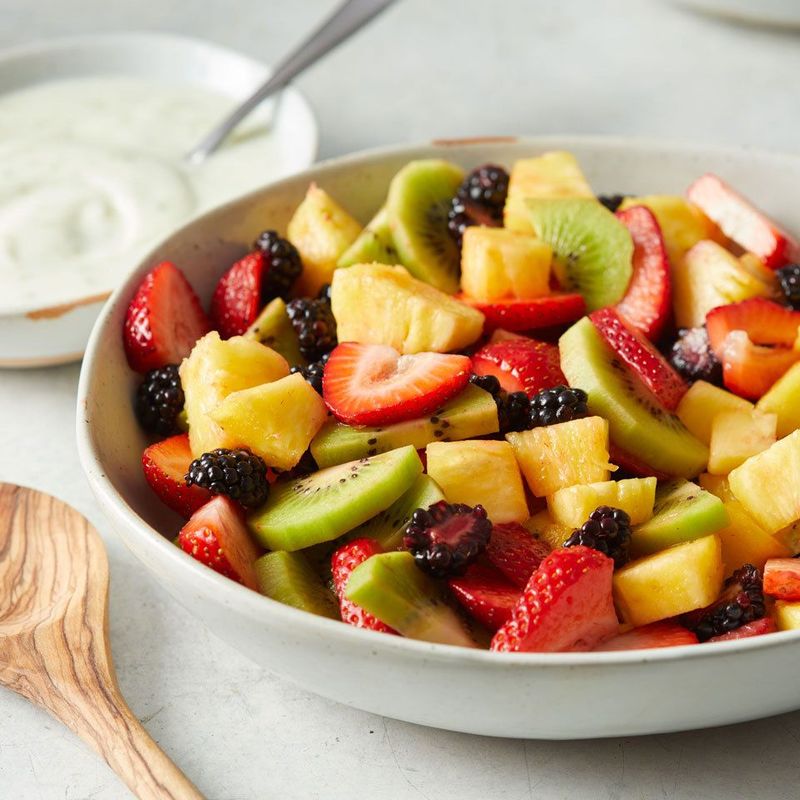
Bribes, battles, and begging rarely work. In fact, pushing too hard often makes picky eaters dig in their heels.
Instead, place a bowl of colorful fruit on the table and let kids serve themselves. Skip the lectures and keep conversation light and happy.
When the pressure disappears, curiosity has room to grow. Some days they will skip it, and that is okay.
Slow progress still counts.