
Most people know Korean noodles from the spicy instant packs sold in every grocery store. But Korea has a huge world of noodle dishes, from icy cold bowls to sizzling stir-fries and rich, slow-cooked soups.
Each one tells a story about the seasons, family meals, and local traditions. Get ready to discover new favorites that will make your next noodle night way more exciting.
1. Japchae: The Party Star
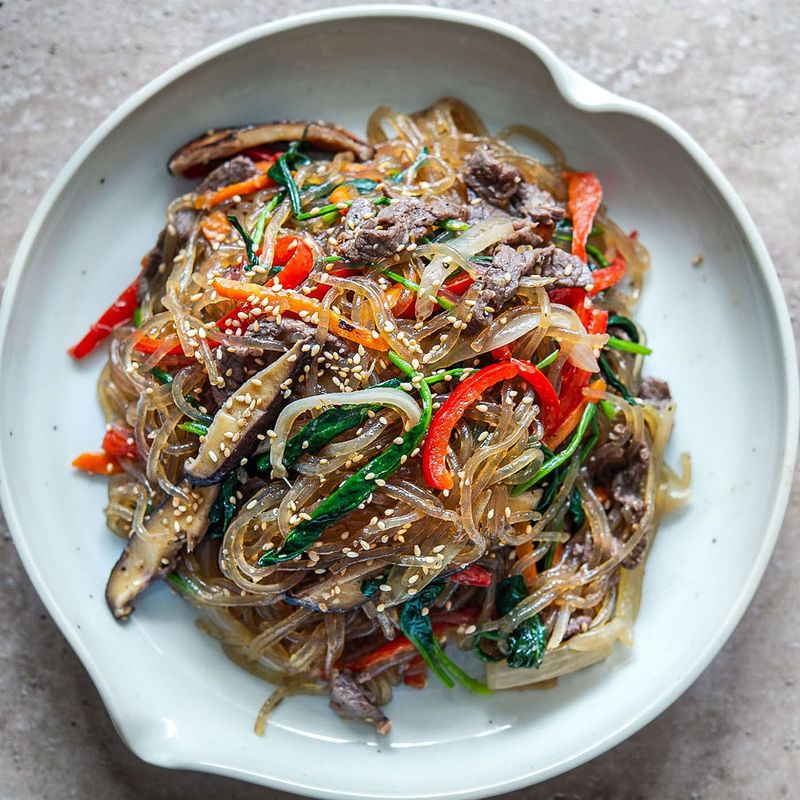
Walk into any Korean birthday party or holiday feast, and you will likely spot a shiny plate of japchae. Made from sweet potato starch, the glass noodles turn clear and bouncy when cooked.
Cooks toss them with soy sauce, sesame oil, spinach, carrots, mushrooms, and thin strips of beef. Long ago, japchae was served to a king and had no noodles at all.
Tip: dress the noodles while warm so they soak up flavor.
2. Naengmyeon for Hot Summer Days
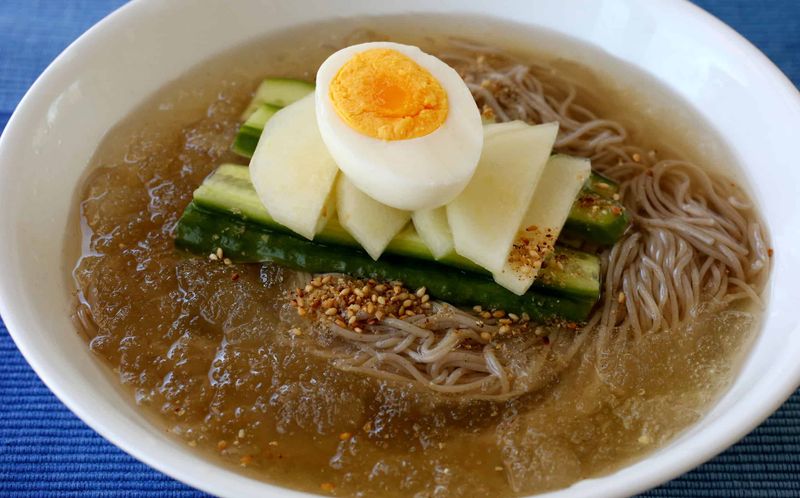
Picture a sweaty August afternoon in Seoul. People line up outside restaurants for one thing: naengmyeon, thin buckwheat noodles floating in a broth so cold it has ice crystals.
The noodles are super chewy, so servers often snip them with scissors right at the table. Toppings include crisp pear, cucumber, and half a boiled egg.
Add a splash of vinegar and spicy mustard for a tangy kick that wakes up every bite.
3. Bibim Naengmyeon’s Fiery Twist
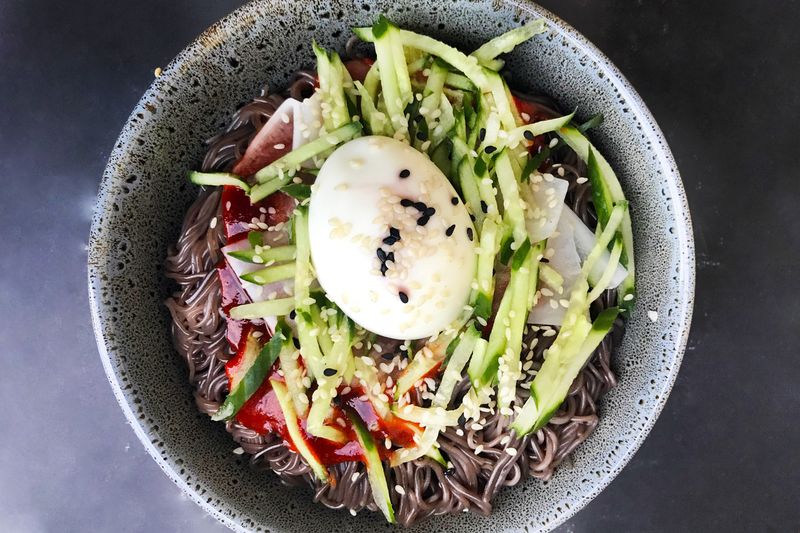
Some like it cold, and some like it cold and spicy. Bibim naengmyeon skips the broth and coats chilled buckwheat noodles in a sweet, fiery red pepper sauce.
Mix everything with your chopsticks until each strand turns bright red. Restaurants usually bring a small cup of warm beef broth on the side, which helps calm your tongue between bites.
Fun fact: many diners order both styles to share, so nobody has to choose.
4. Jajangmyeon, the Black Bean Classic
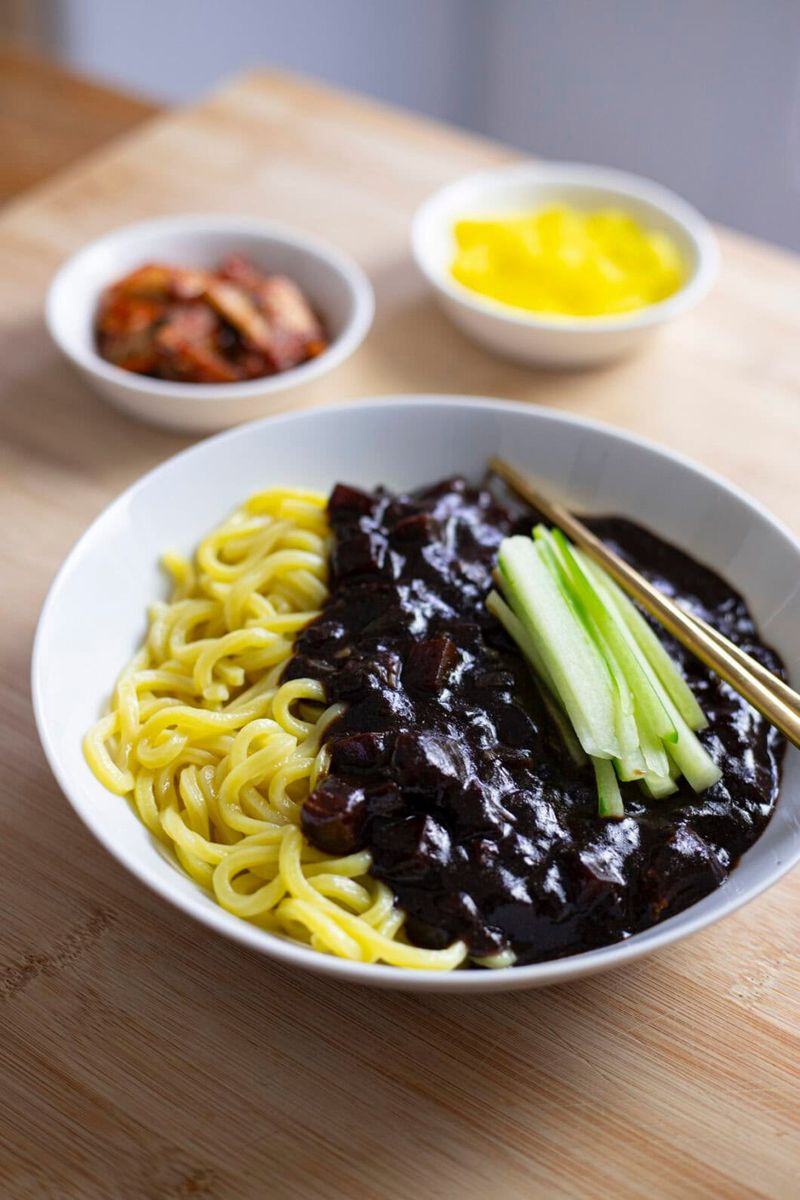
Moving day in Korea often ends with a delivery of jajangmyeon. Thick, hand-pulled wheat noodles get smothered in a dark, glossy sauce of fermented black beans, pork, and onions.
The dish came from Chinese immigrants in the port city of Incheon over a hundred years ago. Today, there is even a museum about it there.
Wear a dark shirt when you eat it. That sauce loves to splash.
5. Spicy Seafood Jjamppong
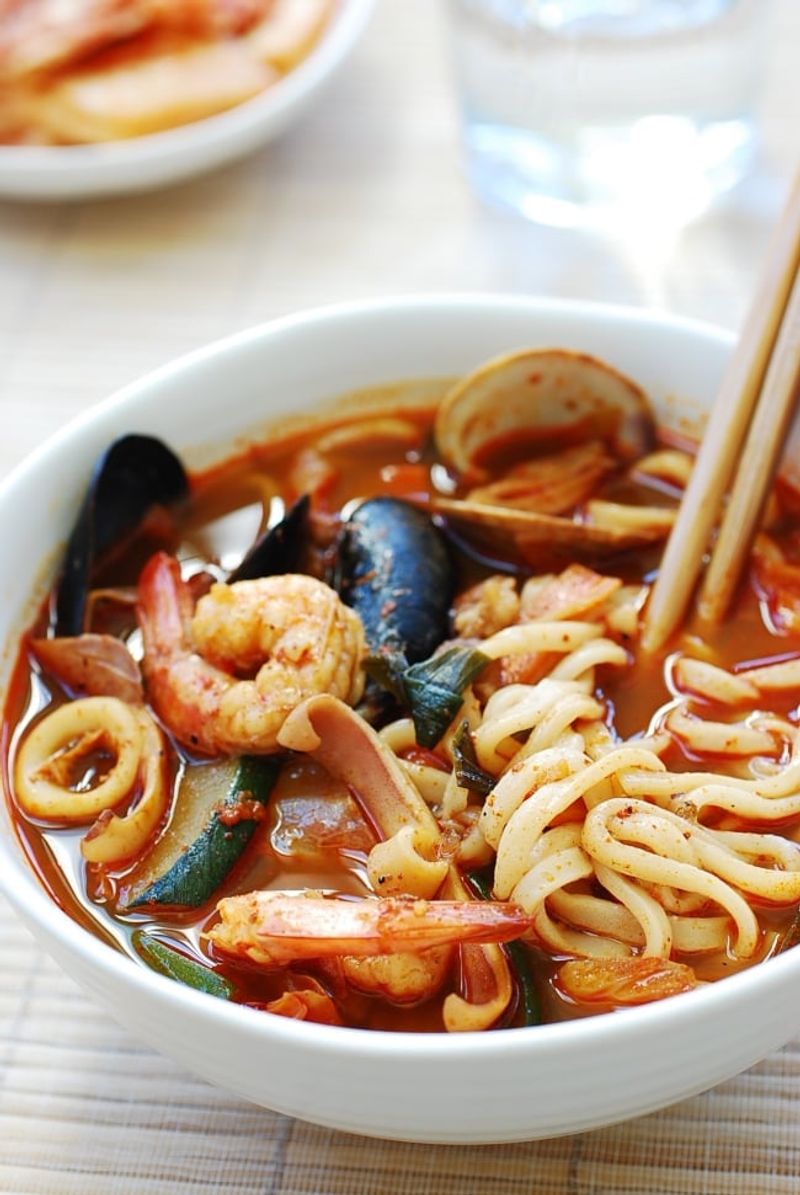
If jajangmyeon is the calm sibling, jjamppong is the wild one. This bright red soup bursts with mussels, squid, shrimp, and crunchy vegetables.
Chili powder and a quick stir-fry over high heat give the broth a smoky, bold flavor. Thick wheat noodles soak it all up.
Can’t decide between the two? Many Korean-Chinese restaurants sell a split bowl called jjamjjamyeon, with half jajangmyeon and half jjamppong side by side.
6. Kalguksu, Cut by Knife
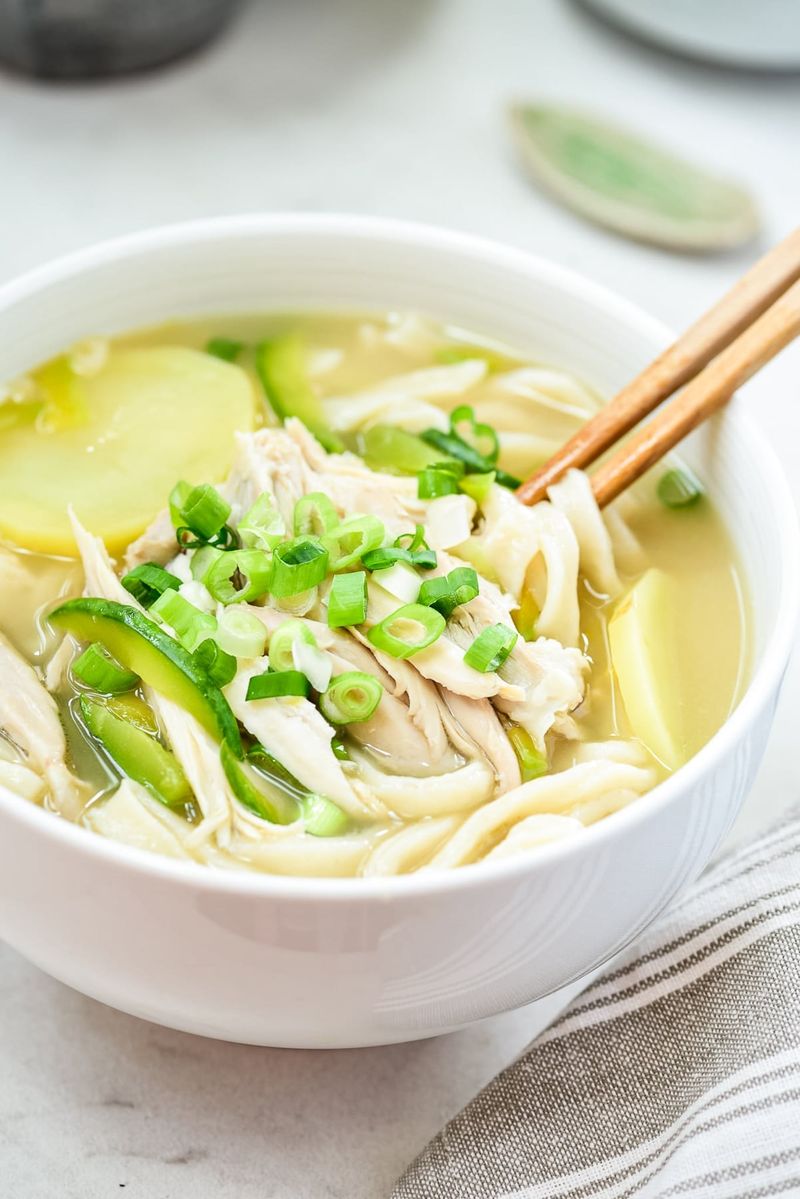
Kalguksu literally means knife noodles. Grandmothers roll out the dough with a long pin, fold it, and slice it into flat ribbons by hand.
The noodles simmer in broth made from anchovies, clams, or chicken, along with zucchini and potato. Because the noodles cook right in the soup, their starch makes the broth thick and cozy.
Koreans often crave a hot bowl on rainy days, paired with sharp, fresh kimchi.
7. Janchi Guksu at Celebrations
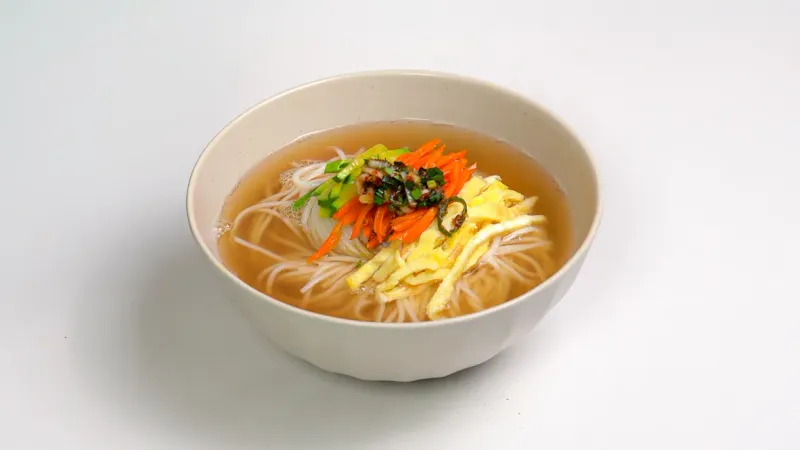
Long noodles mean a long life. That belief is why janchi guksu, or banquet noodles, shows up at Korean weddings and birthdays.
Thin wheat noodles sit in a light anchovy broth, topped with colorful strips of egg, zucchini, carrot, and seaweed. It looks simple, yet it tastes clean and comforting.
When someone asks a couple, when will you feed us noodles, they really mean, when is the wedding?
8. Bibim Guksu When You Need Zing
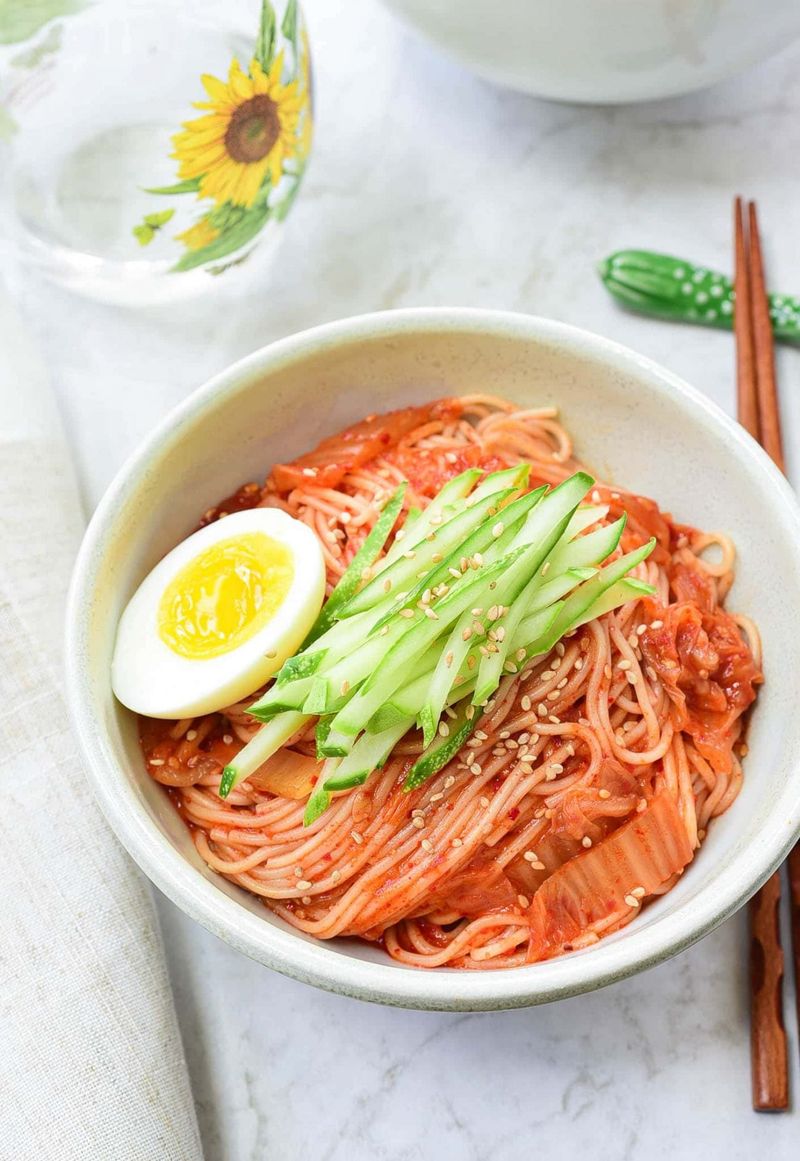
Ten minutes. That is about all it takes to make bibim guksu, which makes it a lifesaver on lazy days.
Boil thin wheat noodles, rinse them in cold water, then toss with gochujang, vinegar, sugar, sesame oil, and chopped kimchi. The result is sweet, sour, and spicy all at once.
Top it with cucumber and a boiled egg. Rinsing well matters, because it keeps the noodles springy instead of mushy.
9. Kongguksu’s Creamy Chill
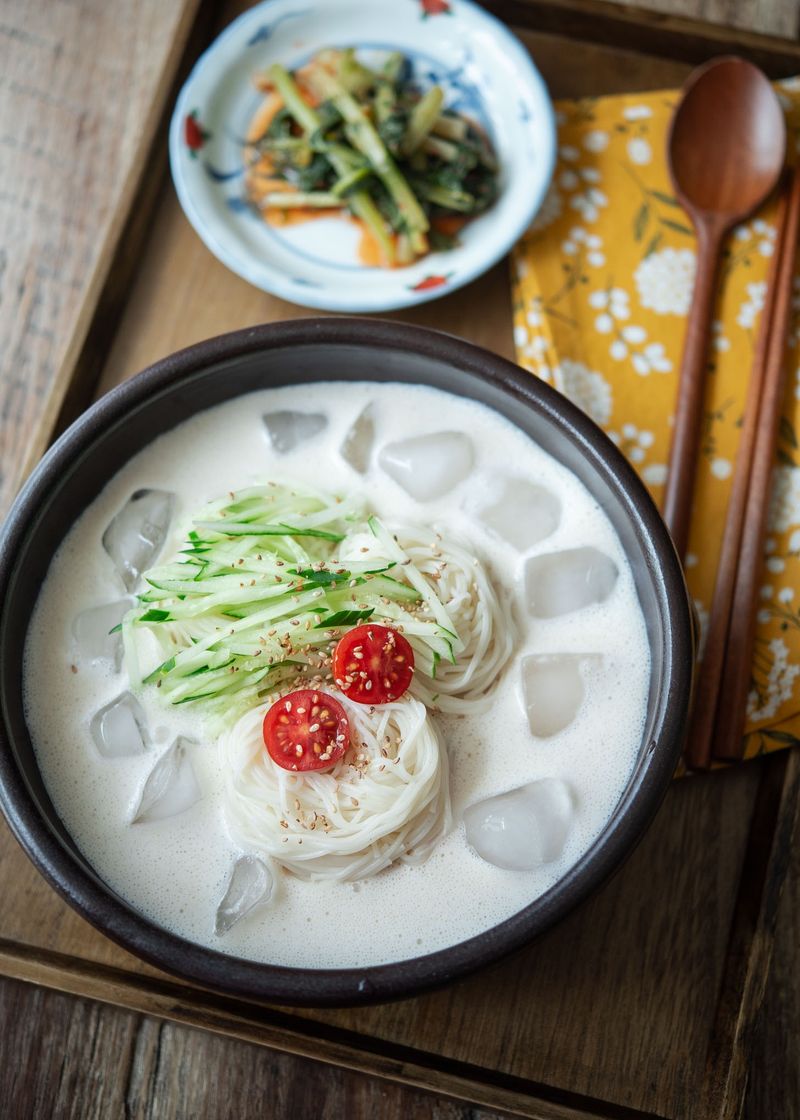
Here is a noodle soup that looks like a milkshake. Kongguksu uses a cold broth made by blending soaked soybeans until smooth and creamy.
It is nutty, filling, and packed with protein, which explains its summer popularity. Thin noodles and crunchy cucumber finish the bowl.
Here is a fun debate: people from Seoul add salt, while many in the southern Jeolla region stir in sugar. Try both and pick a side.
10. Jjolmyeon, Extra Chewy
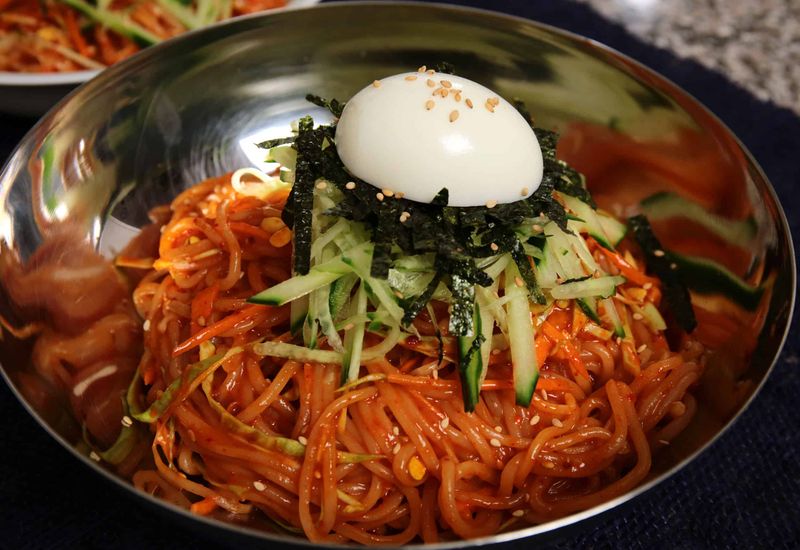
Born from a happy mistake, jjolmyeon came about in the 1970s when a noodle factory in Incheon set its machine to the wrong size. The thick, rubbery strands turned out to be a hit.
The name means chewy noodles, and they truly give your jaw a workout. Bean sprouts, cabbage, and a punchy red sauce come on top.
Look for it at Korean snack shops, often next to kimbap and tteokbokki.
11. Makguksu from Chuncheon
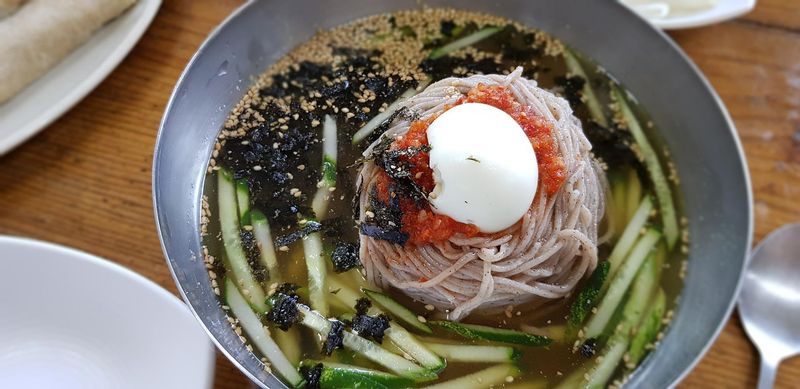
Head to the city of Chuncheon, and locals will point you to makguksu. These rough buckwheat noodles are earthy, nutty, and a little grayish in color.
Diners pour cold radish kimchi broth over the top and mix in sesame, seaweed, and a dab of spicy sauce. The flavor feels fresh and homemade.
Chuncheon even hosts a yearly makguksu festival, so foodies can taste many styles in one place.
12. Milmyeon, Busan’s Answer
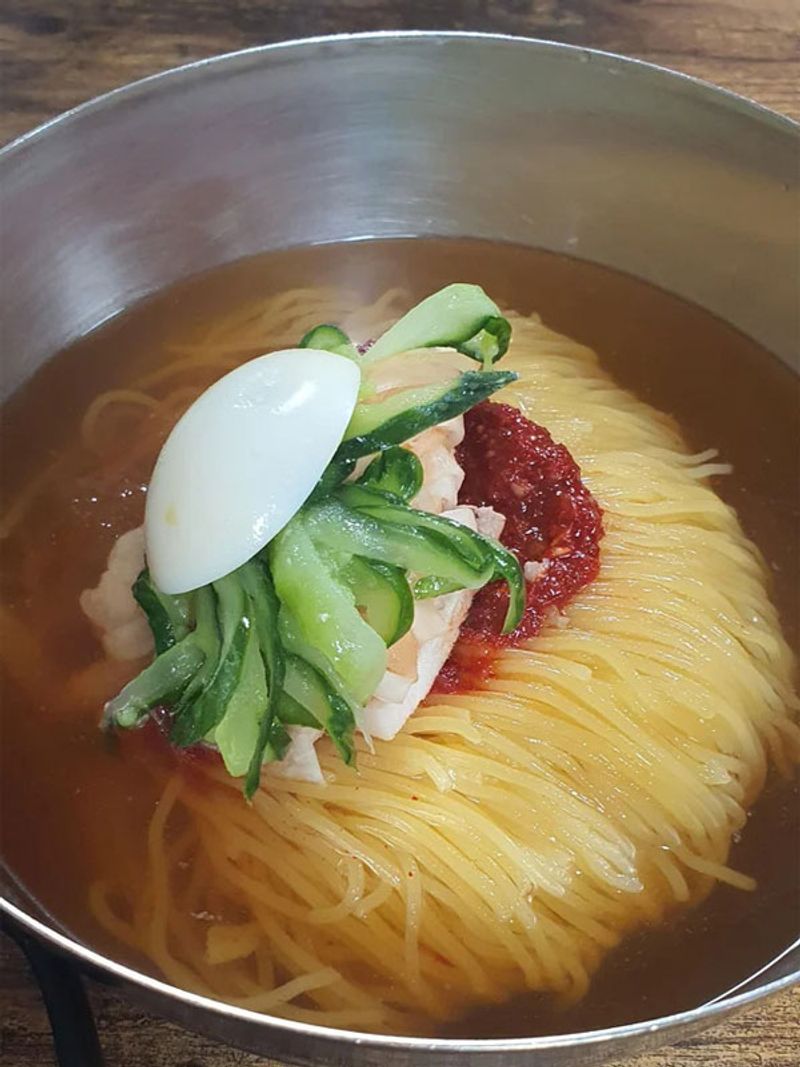
During the Korean War, many families from the North fled south to Busan. They missed their beloved buckwheat noodles, but buckwheat was hard to find.
So they used wheat flour from aid supplies instead, and milmyeon was born. The noodles are softer than naengmyeon and float in a cool, savory broth.
Today it is a proud Busan specialty. Visit the city in summer, and you will see shops packed with hungry locals.
13. Japchae Bap Over Rice
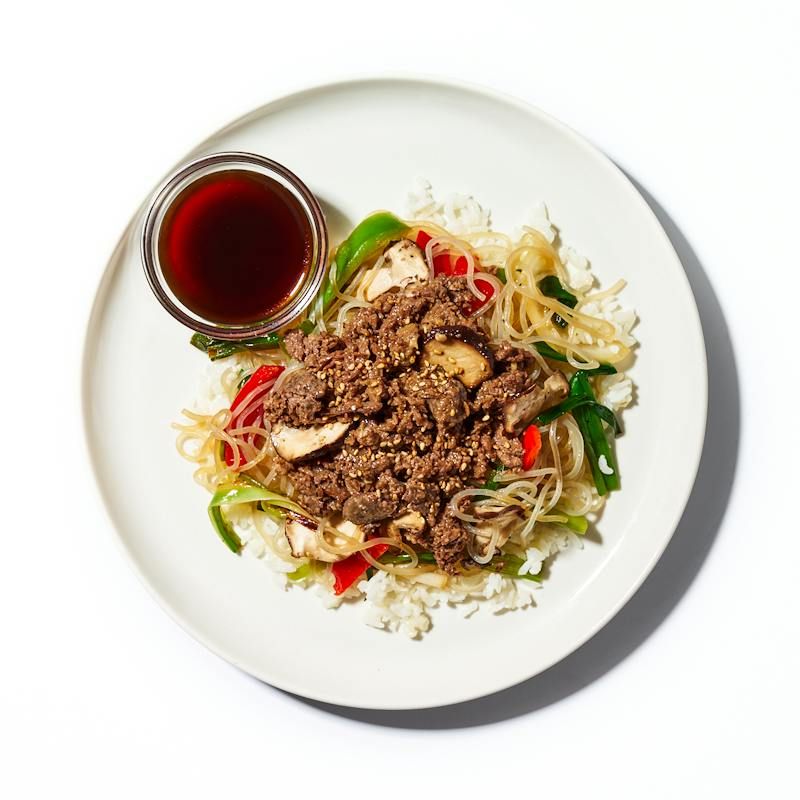
Noodles and rice together? Absolutely.
Japchae bap piles warm, saucy glass noodles right on top of steamed rice for one hearty plate.
Korean-Chinese restaurants often make a spicier version with peppers and extra sauce. The rice catches every drop, so nothing goes to waste.
Got leftover japchae from a party? Reheat it in a pan with a splash of soy sauce, and spoon it over rice for an easy lunch.
14. Rabokki, the Snack Mashup
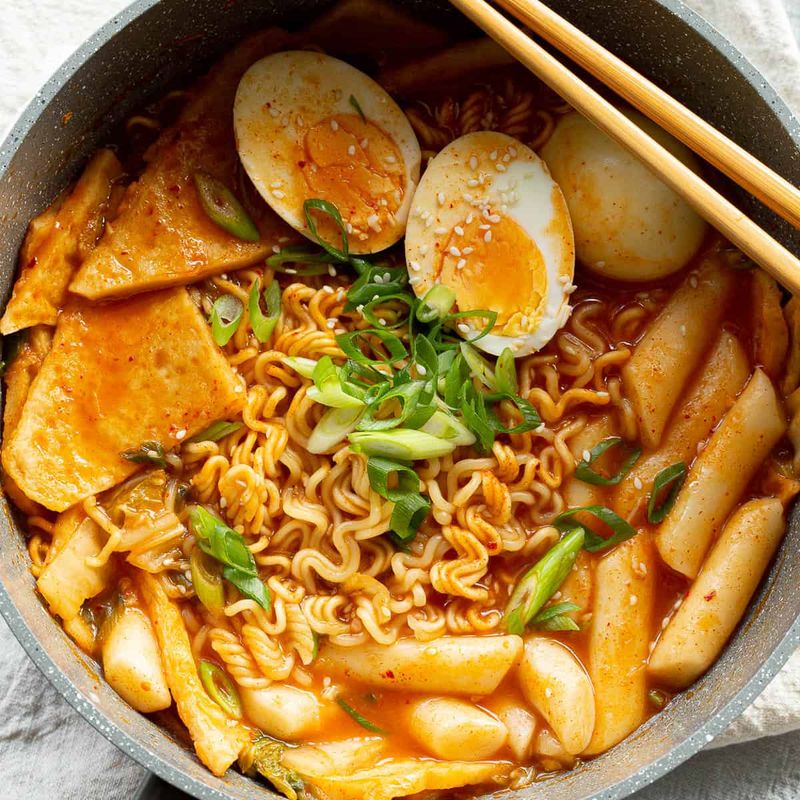
Okay, it does use ramen noodles, but rabokki takes them to a whole new level. Cooks toss them into tteokbokki, the famous spicy rice cake stew.
Chewy rice cakes, fish cakes, boiled eggs, and noodles all swim in a sticky red sauce. Students love sharing a big pan after school.
Pro move: add the noodles last, so they stay springy and don’t drink up all the sauce.
15. Sujebi, the Torn Cousin
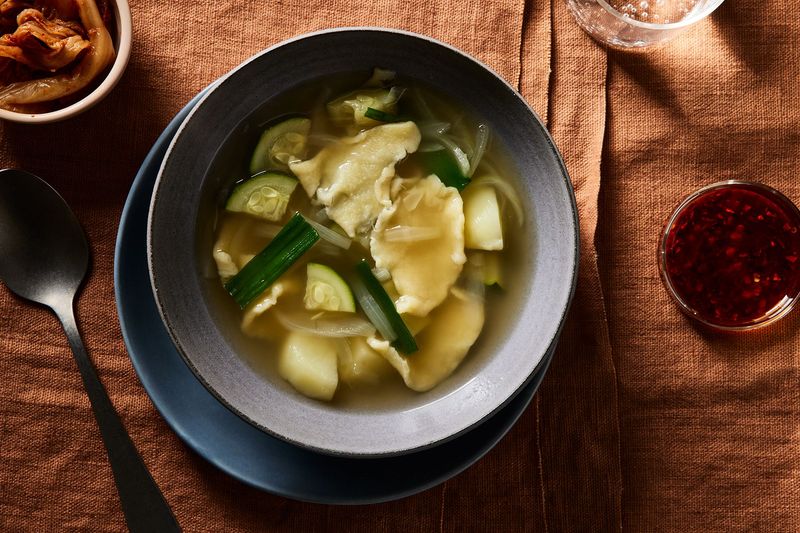
Not every Korean noodle is long and thin. Sujebi is made by tearing dough into rough, flat pieces and dropping them into boiling broth.
Kids often help in the kitchen, since there is no wrong shape. The soup usually includes potato, zucchini, and onions in a light anchovy base.
After the war, sujebi kept many families fed when rice was scarce. Now people eat it for comfort and nostalgia.
16. Dak Kalguksu for Cozy Nights
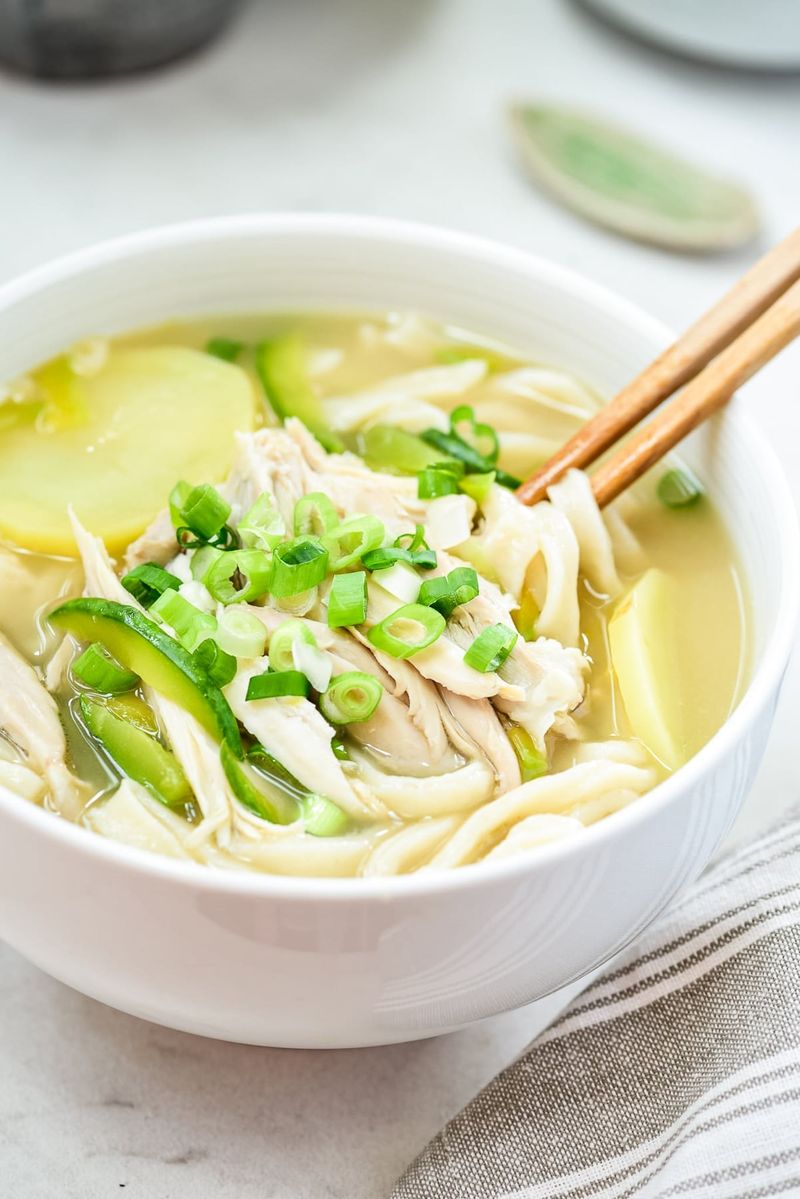
Feeling under the weather? Dak kalguksu works a lot like chicken noodle soup, only with a Korean twist.
A whole chicken simmers with garlic and onion for hours, creating a rich golden broth. Then thick knife-cut noodles go in, along with shredded meat.
Some restaurants serve it in a giant pot for the whole table. Finish with a spoonful of spicy pepper paste or a pinch of black pepper for extra warmth.
17. Bajirak Kalguksu by the Sea
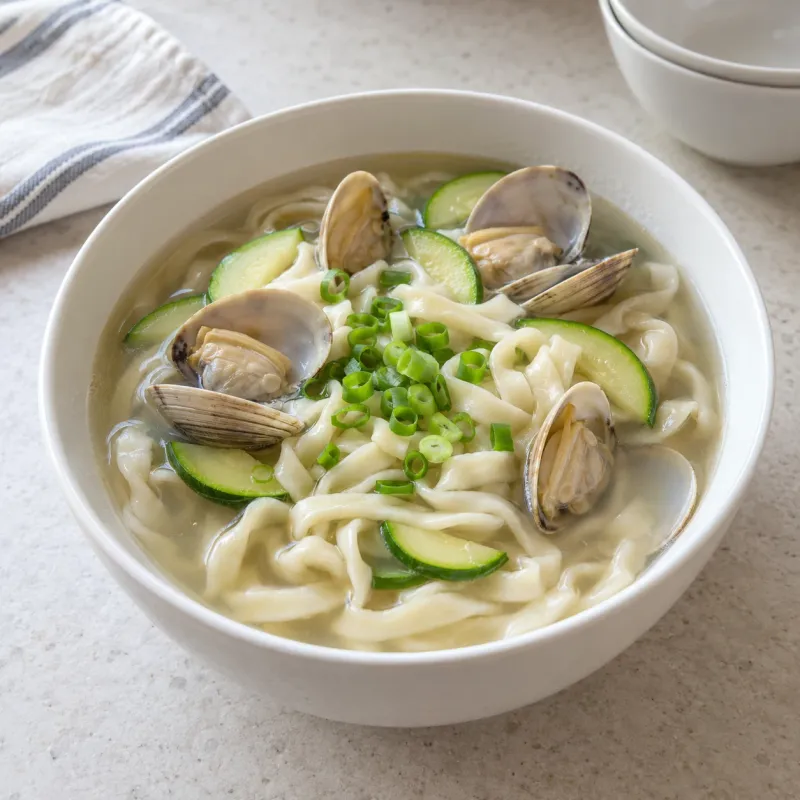
Along Korea’s west coast, the tide pulls back to reveal muddy flats full of clams. That is where bajirak kalguksu shines.
Fresh clams pop open in the hot broth, releasing a briny, oceanlike flavor. Flat noodles and zucchini round out the bowl.
Visitors to islands like Daebudo often stop for a steaming bowl after a day at the beach. Soak clams in salty water first to remove any sand.
18. Ramyeon Sari in Budae Jjigae
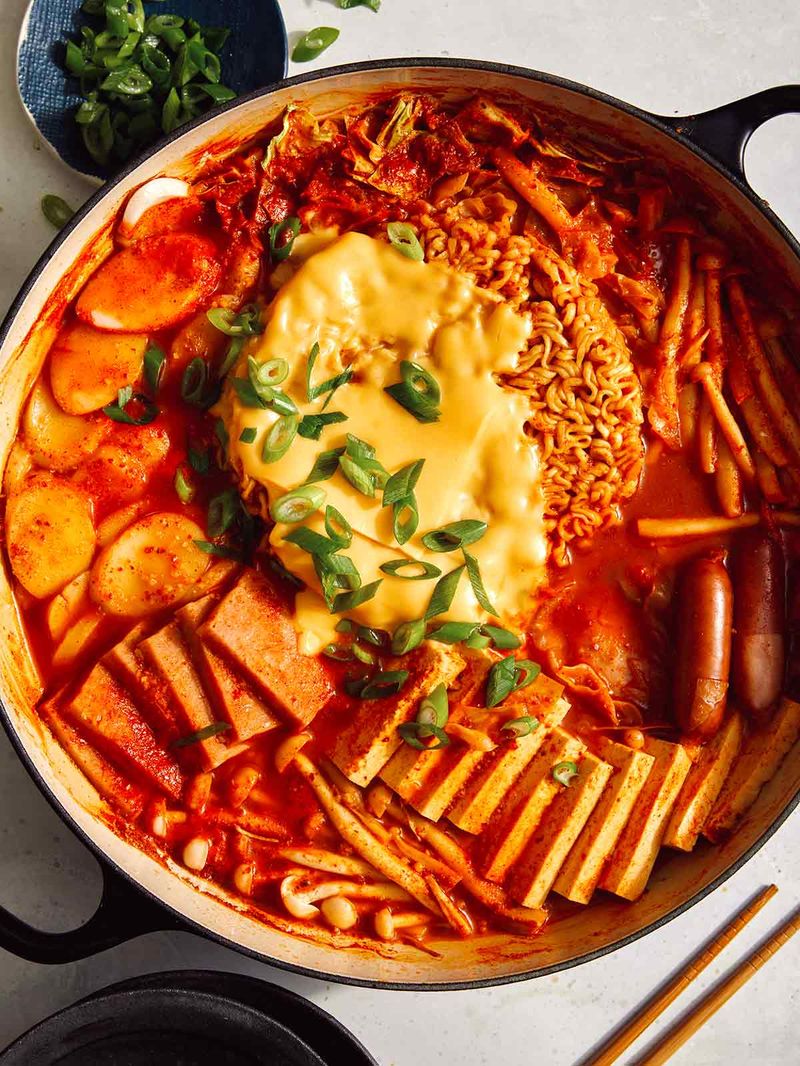
Budae jjigae, or army stew, began after the Korean War, when people mixed leftover American hot dogs and canned meat with kimchi and chili.
The stew bubbles on a tabletop burner, and noodles are added near the end. Sliced cheese melts on top, making it salty, spicy, and wildly satisfying.
Friends gather around one pot, adding more noodles as they go. It is a meal and a hangout at once.
19. Dongchimi Guksu’s Tangy Sip
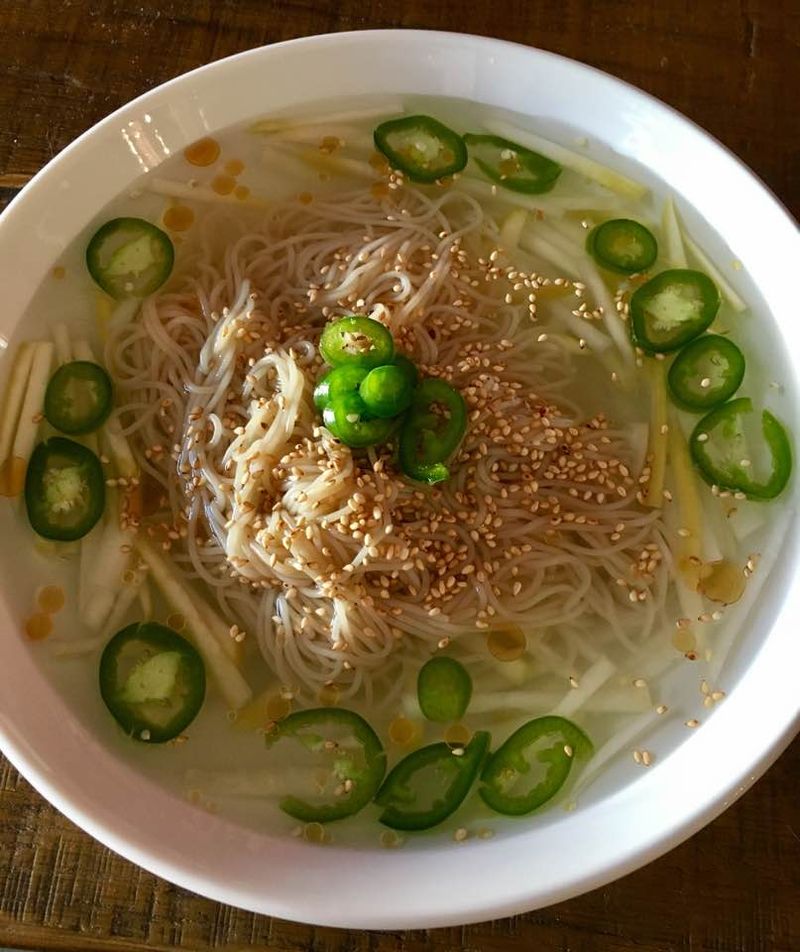
Winter kimchi makes a perfect summer noodle. Dongchimi is a mild radish kimchi soaked in clear, slightly fizzy brine.
Pour that cold, tangy liquid over thin noodles, and you get dongchimi guksu. Slices of radish, pear, and green chili float on top.
The broth is refreshing, almost like a savory lemonade. Many families make dongchimi in late fall, so it is ready to enjoy for months afterward.
20. Gogi Guksu from Jeju Island
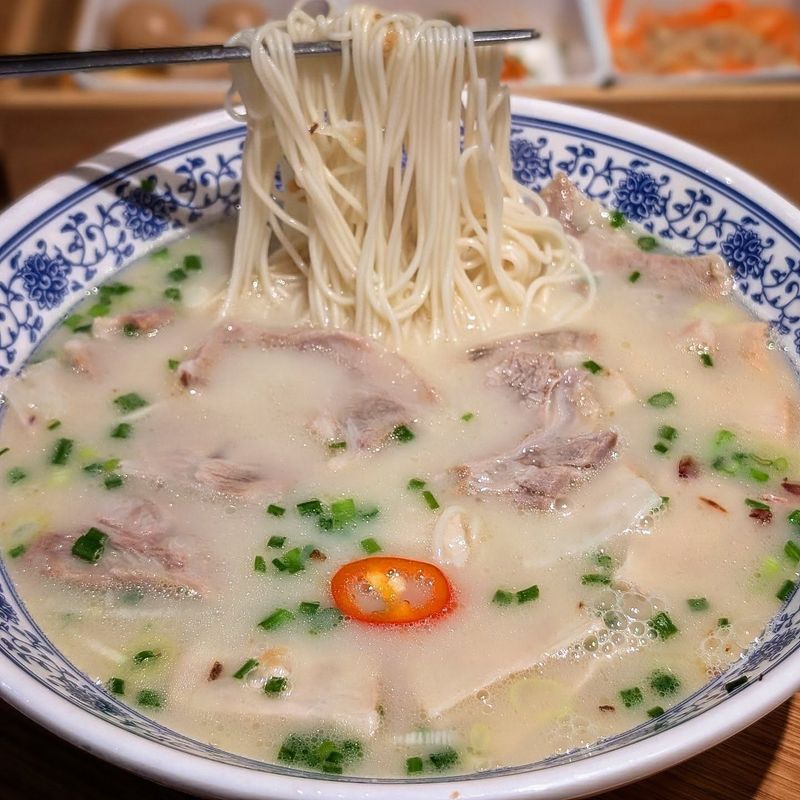
Jeju Island is famous for its black pigs, and gogi guksu puts that pork front and center. Thick noodles sit in a milky broth made from simmered pork bones.
Tender slices of boiled pork rest on top, with green onions and a sprinkle of chili. It feels rich but not heavy.
Traditionally, families served it at Jeju weddings and festivals. Now there is a whole noodle street in Jeju City devoted to it.
21. Jjajang Ramyeon’s Homemade Cousin: Ganjjajang
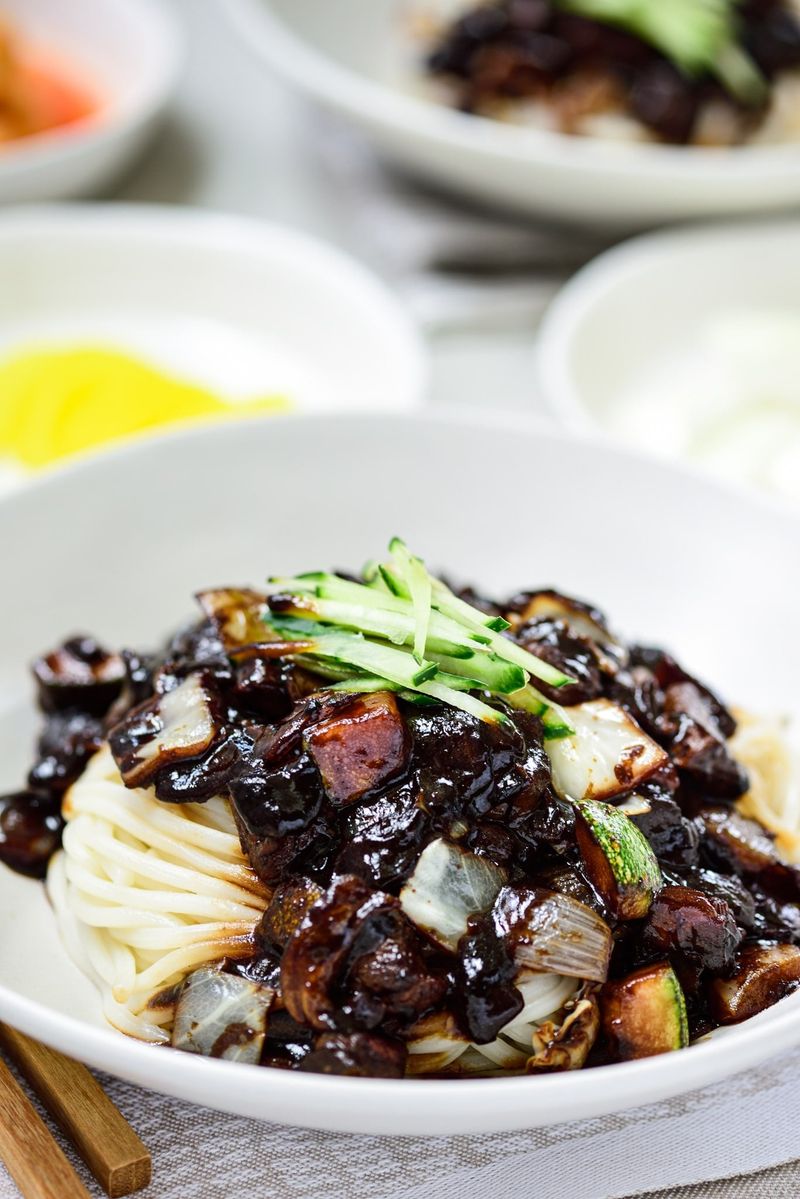
Ganjjajang is jajangmyeon’s drier, more intense relative. Instead of mixing sauce with water and starch, cooks stir-fry the black bean paste with pork and onions until thick and smoky.
The sauce arrives in its own bowl, so you pour it over the noodles yourself. A fried egg on top is common in some regions.
Fans say the flavor is deeper because the vegetables keep their crunch and sweetness.
22. Jaengban Guksu to Share
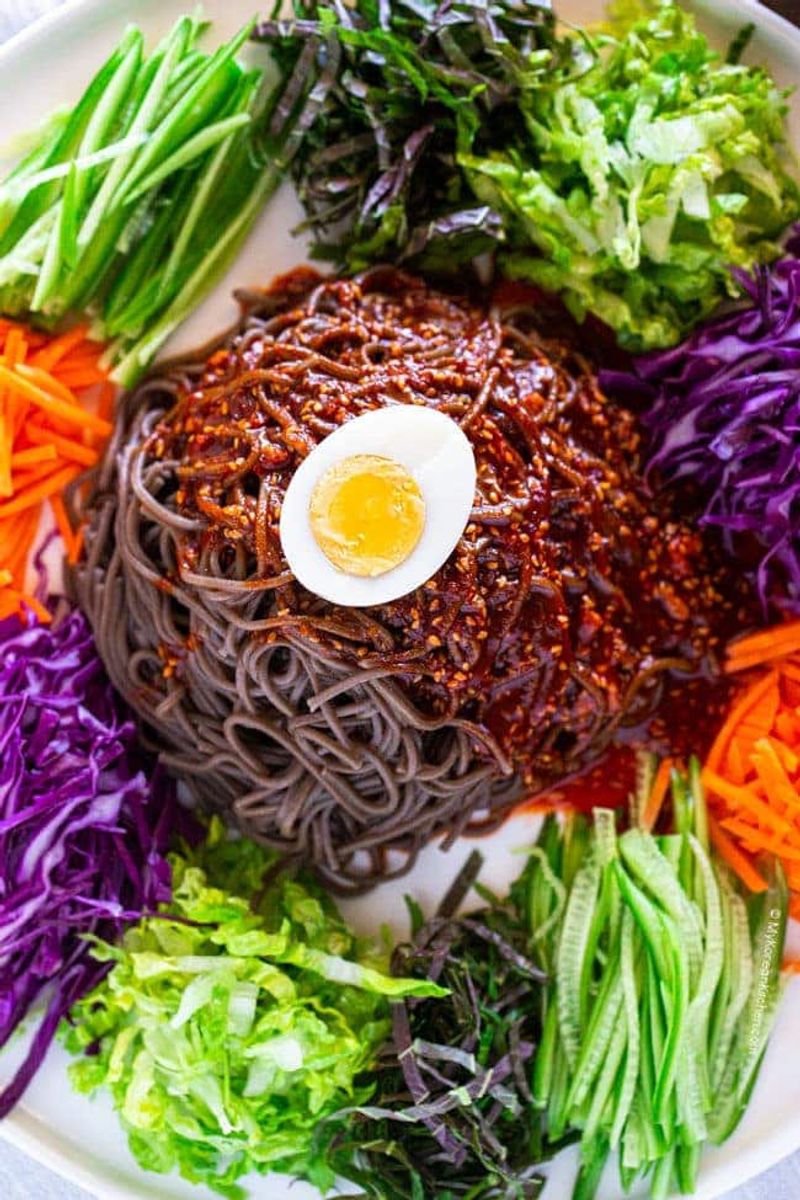
Jaengban means big platter, and that is exactly how this dish arrives. Buckwheat noodles sit in the center, circled by bright piles of cabbage, carrot, cucumber, sprouts, and beef.
Everyone grabs chopsticks and mixes it all with sweet chili sauce. The colors swirl into one big, delicious mess.
It is a favorite side at Korean barbecue spots. Order it when you come with friends, since it is meant for sharing.
23. Ojingeo Bokkeum Noodles
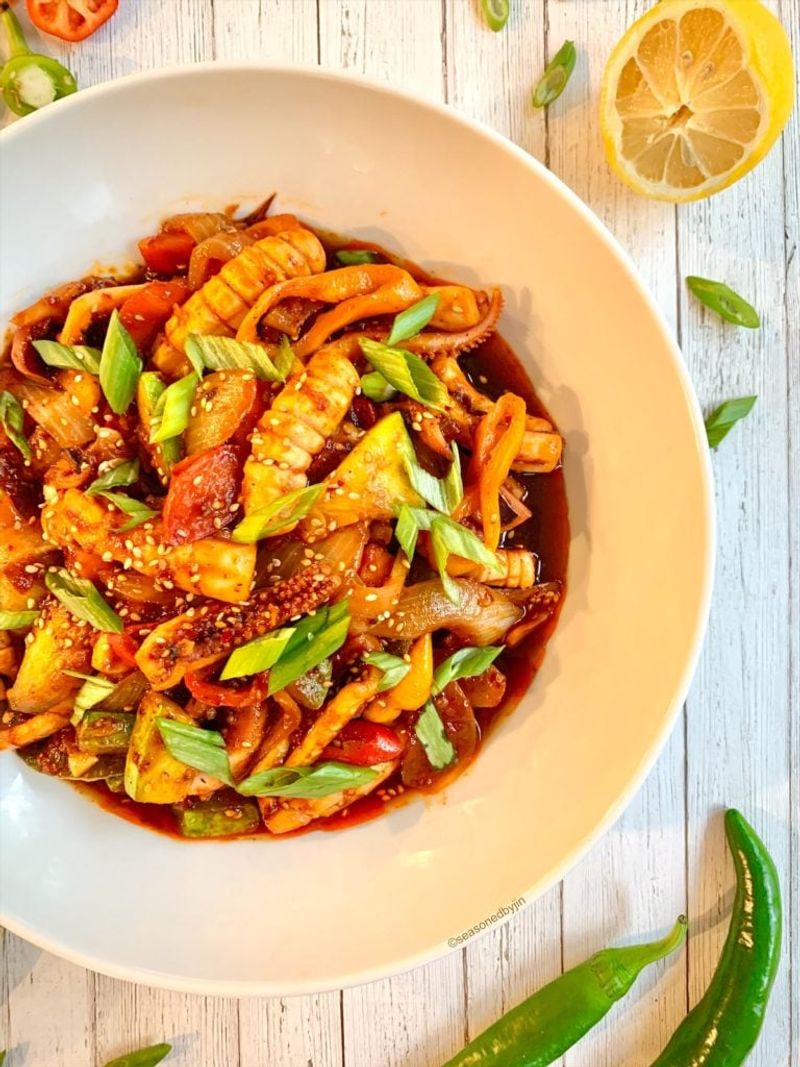
Spicy squid lovers, listen up. Ojingeo bokkeum is a fiery stir-fry of squid, onions, carrots, and cabbage in a garlicky chili sauce.
Restaurants often serve it with a nest of thin noodles called somyeon. You dip or mix the noodles into the sauce, and they cool the heat just a little.
Quick tip: cook squid fast over high heat. Leave it too long, and it turns tough and rubbery.