
Marriage is supposed to be a love story, but for millions of couples, the romantic feelings fade long before the relationship ends. Many spouses quietly choose to stay together for reasons they rarely talk about out loud.
Understanding these hidden motivations can help us see marriage in a more honest and human way. Here are 18 real reasons couples stay married even when love has slipped away.
1. Staying Together for the Kids

Ask almost any parent, and they will tell you their children come first, no matter what. Many couples quietly agree to stay married because they fear divorce will hurt their kids emotionally or disrupt their school life and daily routine.
Splitting into two households also means less money and less time together as a family. For a lot of parents, that trade-off simply does not feel worth it, so they keep the family unit intact even when the romance is long gone.
2. The High Cost of Divorce

Divorce is expensive, and that surprises a lot of people who have never been through one. Legal fees, splitting shared assets, and suddenly running two separate households can drain savings faster than most couples expect.
Staying married often means keeping a shared mortgage, combined health insurance, and a stable income under one roof. For many couples, the financial math simply does not add up in favor of splitting, so they stay put and manage life side by side.
3. Fear of Being Alone
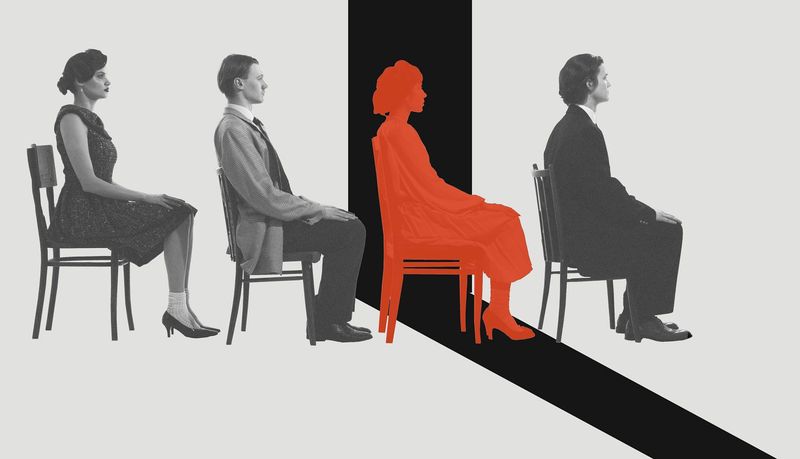
Loneliness is one of the most powerful fears a person can carry, and it keeps more marriages together than most people admit. After years of sharing a bed, a home, and daily life with someone, the idea of coming home to silence can feel unbearable.
Even a loveless marriage offers a kind of company that is hard to replace. Many people quietly decide that staying with a familiar face is far less frightening than facing an empty apartment and starting completely over on their own.
4. Not Ready to Start Over

Starting over sounds exciting in movies, but in real life it can feel completely overwhelming. The idea of re-entering the dating world, meeting new people, and rebuilding a social life from scratch is enough to make many people stay right where they are.
Some spouses feel too old, too tired, or too unsure of themselves to try again. A familiar marriage, even one that has lost its spark, can feel like the safer and less exhausting path compared to the unknown world waiting outside the front door.
5. Honoring Wedding Vows
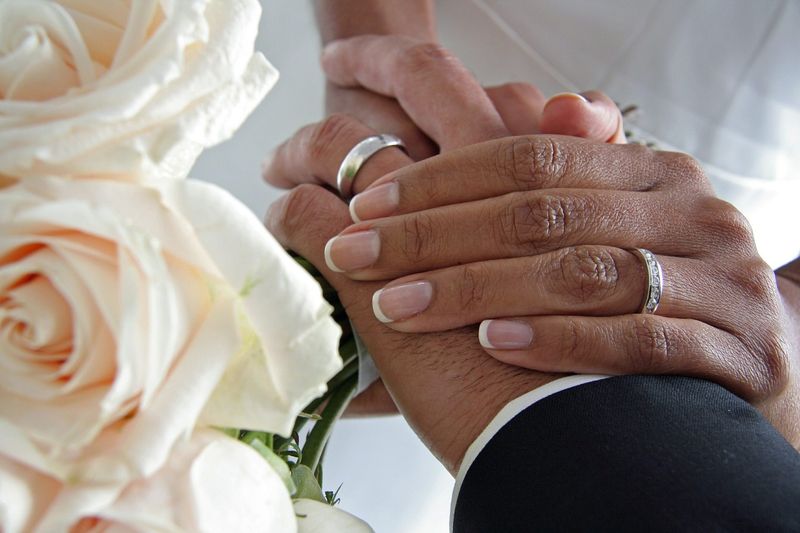
“For better or for worse” is not just a pretty phrase for some people. Certain individuals take their wedding vows as a deeply serious promise, one they believe should never be broken regardless of how their feelings change over the years.
Walking away from a marriage can feel like a personal or even spiritual failure for those with strong religious or moral beliefs. Staying married becomes a matter of honor and integrity, a quiet commitment to keeping a promise even when it is no longer easy or joyful.
6. Comfort in Familiarity
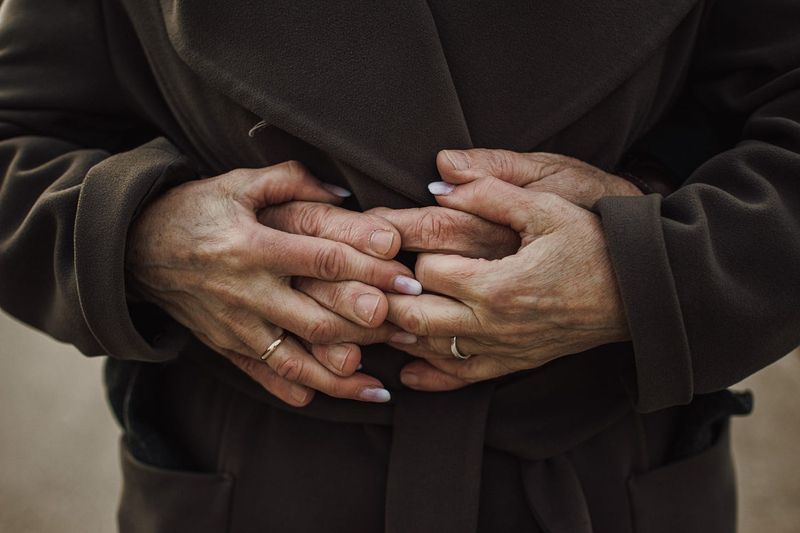
There is something deeply calming about knowing exactly what to expect each day. Shared routines, inside jokes, favorite restaurants, and years of memories create a comfortable rhythm that is genuinely hard to leave behind, even when the love has faded.
Familiarity acts like a warm blanket that couples wrap around themselves without even realizing it. Letting go of that comfort means stepping into an unfamiliar world, and for many people, the predictability of staying married simply feels safer than the uncertainty of what comes next.
7. A Deep and Lasting Friendship

Romantic love can fade, but a real friendship built over years is surprisingly hard to walk away from. Many couples who no longer feel romantic sparks still genuinely enjoy each other’s company, share humor, and talk openly like best friends do.
That friendship becomes the backbone of the marriage, holding things together long after the butterflies have gone. Some couples quietly realize they would rather keep their best friend close than risk losing that bond entirely by going through a painful and complicated divorce.
8. Social and Cultural Pressure
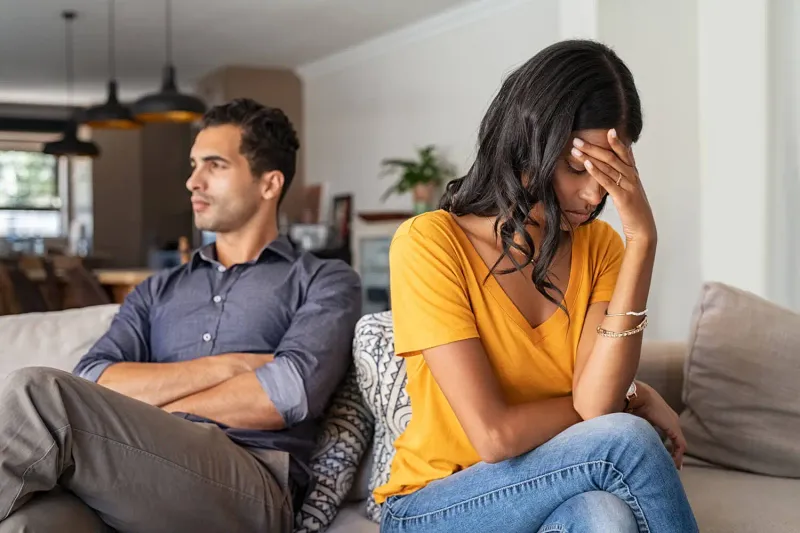
Not every reason to stay married comes from inside the relationship. Family expectations, cultural traditions, community opinions, and even social media can put enormous pressure on couples to keep up appearances and avoid the stigma of divorce.
In many cultures and communities, divorce is still seen as a failure or even a source of shame. Couples sometimes stay together simply because they are not ready to face the questions, the judgment, and the whispered conversations that come with announcing a separation to everyone they know.
9. Holding Onto Hope

Hope is a quiet but powerful force that keeps many struggling marriages alive. Some spouses genuinely believe that if they just give it more time, go to counseling, or try a little harder, the love they once felt will somehow find its way back.
That belief is not always unrealistic. Relationships do go through seasons, and some couples do rediscover connection after a rough patch.
The hope that things could improve tomorrow is often enough to make someone stay married today, even when today feels pretty empty.
10. Too Much Invested to Walk Away
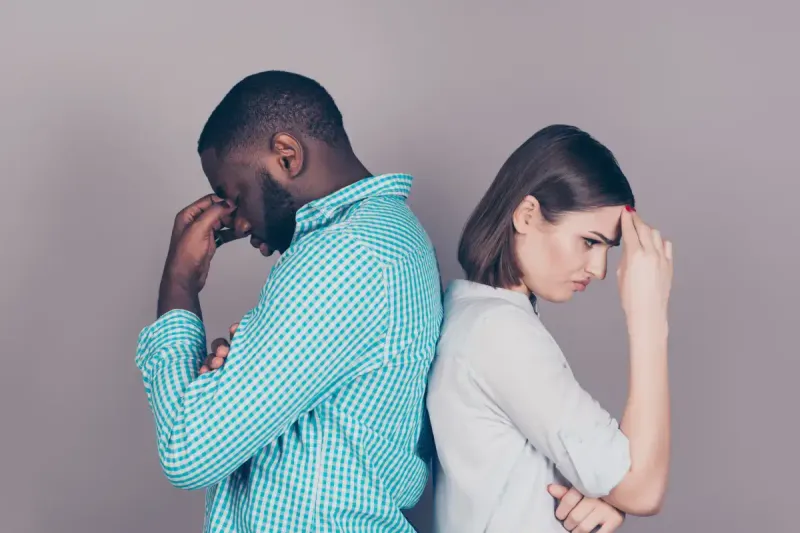
Years of shared sacrifice have a way of making people feel stuck. One spouse may have given up a career opportunity, relocated to a new city, or spent years building a home and a life together, all in the name of the marriage.
Leaving all of that behind can feel like admitting those sacrifices meant nothing. Psychologists call this the sunk cost effect, the tendency to keep investing in something simply because you have already put so much into it.
Many couples stay married because walking away feels like throwing everything away.
11. Low Self-Confidence or Emotional Readiness

Leaving a marriage takes courage, and not everyone feels ready to take that step. Some individuals genuinely doubt whether they are capable of surviving on their own, managing finances, or rebuilding their emotional health after such a major life change.
Low self-confidence can quietly trap a person in a loveless marriage for years. When someone does not fully believe in their own strength, staying feels like the only realistic option.
Rebuilding that confidence often takes time, support, and sometimes professional help before a person feels ready to make a move.
12. Dependence on a Spouse

When one partner handles the finances, manages the household, or provides emotional support for everything, leaving becomes incredibly complicated. Dependence on a spouse, whether financial, emotional, or practical, can make divorce feel less like a choice and more like an impossible risk.
Some spouses have never paid a bill alone, driven to a doctor’s appointment independently, or handled a home repair without help. Breaking free from that kind of dependence requires planning, outside support, and sometimes a complete reinvention of daily life, which many people simply are not prepared to face.
13. Avoiding Conflict and Legal Drama

Divorce is rarely quiet or clean. Court battles, disagreements over custody, arguments about money, and months of legal paperwork can turn a painful situation into an exhausting nightmare that drains both people emotionally and financially.
Many couples choose to avoid all of that by simply staying married and keeping the peace at home. Even if the relationship is far from happy, it can still feel less painful than the open conflict a divorce brings.
For some, an imperfect marriage is genuinely easier to manage than a messy legal separation.
14. The Convenience of Shared Life
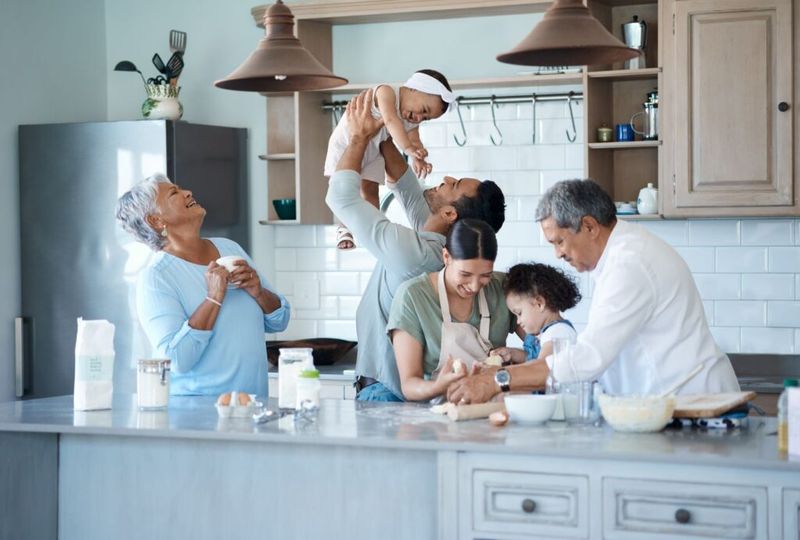
Running a household is a lot of work, and two people doing it together is simply more efficient than one person doing it alone. Shared grocery runs, split utility bills, divided chores, and coordinated schedules make daily life run much more smoothly as a team.
Many couples who have lost romantic feelings still function really well as domestic partners. The practical convenience of married life, having someone to split the load with, can be reason enough to stay.
Comfort, efficiency, and ease of living together are underrated but very real motivators.
15. Shared Hobbies and Common Interests

Sometimes two people simply enjoy the same things, even if the romance has quietly disappeared. A shared love of hiking, cooking, travel, or movies can keep two people happily spending time together long after the butterflies have gone away for good.
Getting along well and having real fun together is not something couples take lightly. When a marriage works well on a friendship and activity level, it is easy to rationalize staying.
A partner who laughs at your jokes and loves your favorite weekend activities can be hard to replace, even without the romance.
16. Believing Love Changes Over Time

Not everyone believes that fading romance is a reason to leave. Many long-married couples see love as something that naturally shifts from exciting and passionate to quiet, steady, and deeply comfortable over the years.
Researchers call this companionate love, a bond built on shared history, mutual respect, and everyday care rather than butterflies and grand gestures. Some couples stay married because they genuinely believe what they have now, even without fireworks, is a more mature and meaningful version of the love they started with.
17. Health Benefits of Staying Married
Research consistently shows that married people tend to live longer, recover from illness faster, and report better overall mental health than their single peers. Those are not small perks, and some couples are quietly aware of them.
Even in a loveless marriage, having a partner who notices when you seem off, reminds you to take your medication, or drives you to a doctor’s appointment adds real value to daily life. The health benefits of partnership, even a non-romantic one, can be a surprisingly strong reason to stay married and keep things steady.
18. Not Wanting to Hurt Their Partner
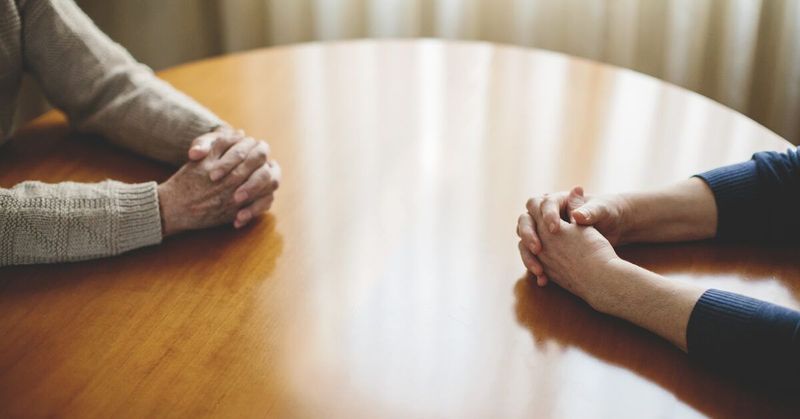
Sometimes the person who has stopped feeling love still deeply cares about their partner’s wellbeing. Watching someone you have spent years with fall apart over a breakup is a painful thought, and many spouses simply cannot bring themselves to cause that kind of hurt.
Staying becomes an act of quiet protection. It is not always about fear or convenience.
Sometimes it is about genuine kindness and not wanting to shatter someone who still believes in the relationship. That kind of emotional consideration, while complicated, is one of the most human reasons people stay.