
Cheese is one of the oldest foods people make, and almost every country has its own special kind. Some cheeses are soft and creamy, while others are hard, salty, or even a little stinky.
Trying cheeses from different places is like taking a trip around the world without leaving your kitchen. Grab a cracker and get ready to meet some of the tastiest cheeses on the planet.
1. Parmigiano-Reggiano, Italy’s Crumbly King
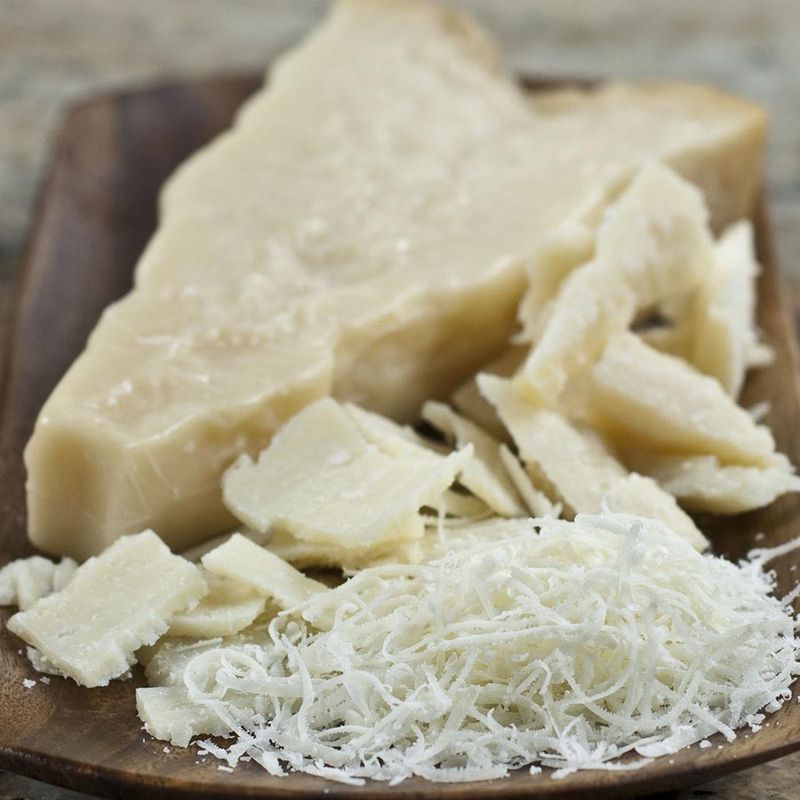
Some wheels of Parmigiano-Reggiano weigh as much as an eight-year-old kid! Made in northern Italy, this hard cheese ages for at least one year, and often much longer.
Its flavor is nutty and salty, with tiny crunchy crystals that pop on your tongue. Grate it over pasta, soup, or salad for an instant upgrade.
Save the hard rind, too. Tossing it into a pot of soup adds rich, deep flavor.
2. Brie, the Soft Star of France
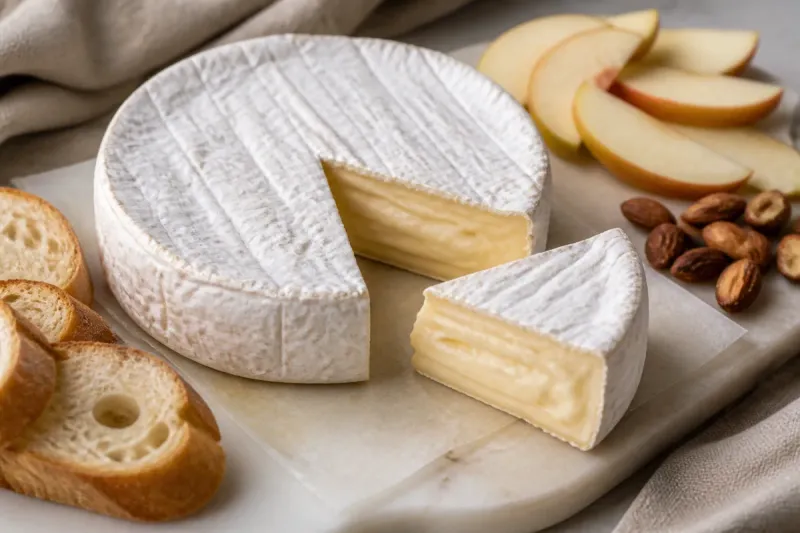
Picture a picnic in a French meadow. Chances are, a wedge of Brie is sitting right next to the bread.
Brie has a soft white rind you can eat and a buttery inside that gets gooey at room temperature. Take it out of the fridge about an hour before serving for the best taste.
Fun fact: people once called Brie the King of Cheeses at a fancy European contest back in 1815.
3. Cheddar, an English Classic
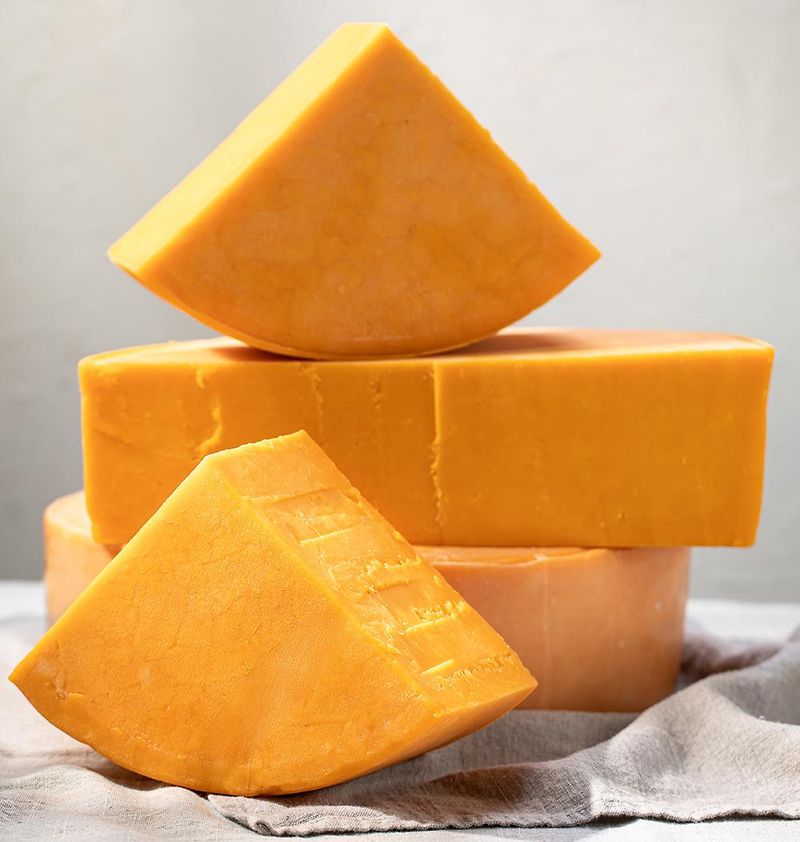
Long ago, cheesemakers in the village of Cheddar, England, stored their cheese in cool caves. That clever trick helped create one of the most popular cheeses on Earth.
Young cheddar tastes mild and smooth. Aged cheddar gets sharp, tangy, and a bit crumbly.
Try both side by side and see which one you like more. Cheddar melts beautifully, so it shines in grilled cheese sandwiches, mac and cheese, and juicy burgers.
4. Gouda From the Dutch Countryside
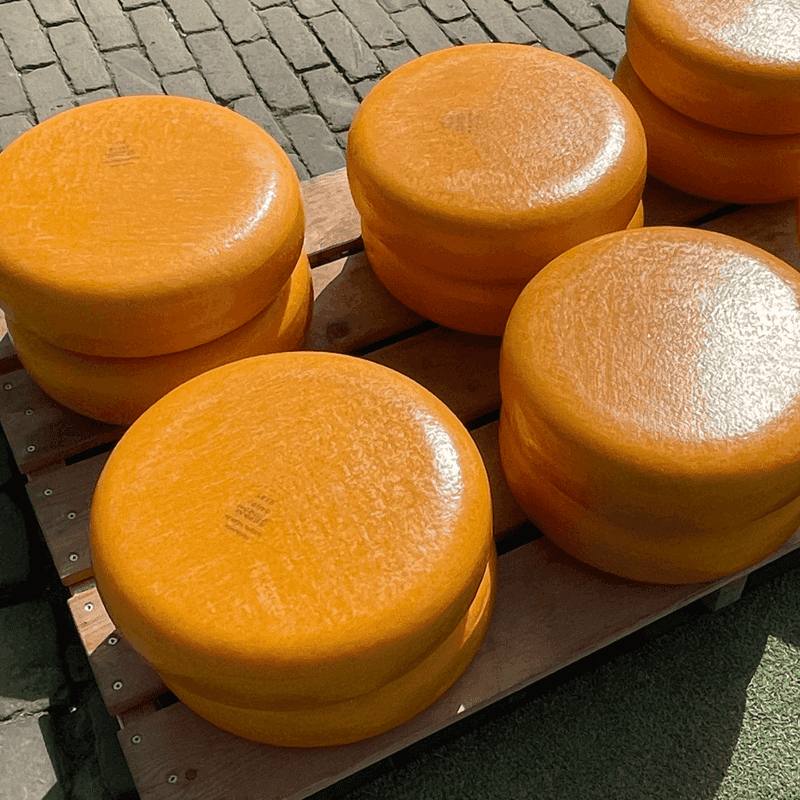
Ever seen big yellow cheese wheels carried on wooden stretchers? That happens at Dutch cheese markets, and the star is usually Gouda.
Named after a town in the Netherlands, Gouda can be young and creamy or aged until it tastes like caramel. Old Gouda even has little crunchy bits, just like Parmesan.
Slice young Gouda for sandwiches. Nibble aged Gouda with apple slices for a sweet and salty snack.
5. Swiss Emmental and Its Famous Holes
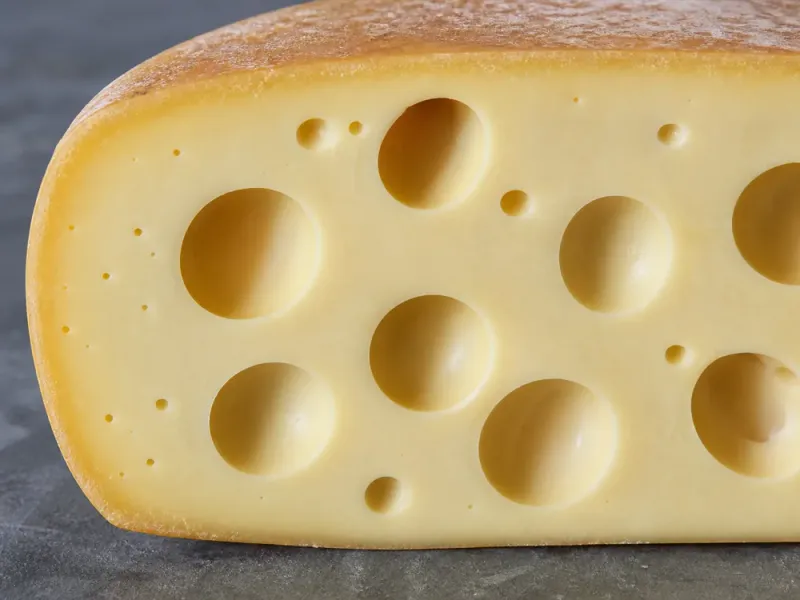
Those big holes are not from hungry mice, I promise. Tiny bubbles of gas form while Emmental ages, leaving round pockets behind.
This mild, slightly sweet cheese comes from the Emme valley in Switzerland. Many people simply call it Swiss cheese.
Emmental melts smoothly, which makes it a top pick for fondue. Layer it into a ham sandwich, or melt it over toast for a cozy afternoon treat.
6. Roquefort, Blue and Bold
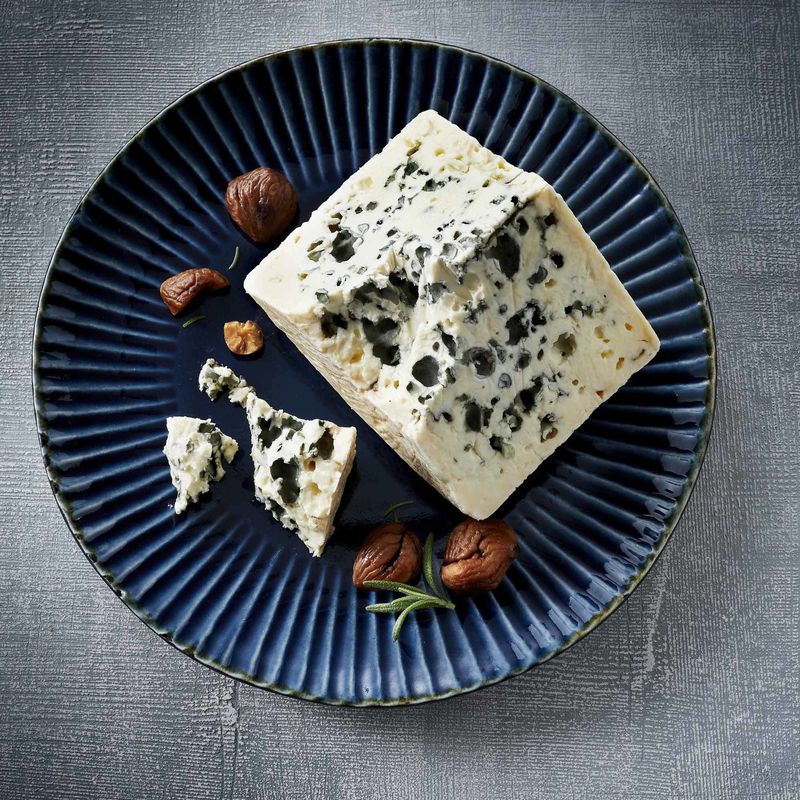
Legend says a shepherd left his lunch in a cave, came back weeks later, and found moldy blue cheese. Brave guy, he tasted it and loved it.
Roquefort is made from sheep’s milk and aged in natural caves in southern France. Its blue veins give it a strong, salty, tangy bite.
Start small if you’re new to blue cheese. Crumble a little over a salad with pears and walnuts.
7. Fresh Mozzarella, Pizza’s Best Friend
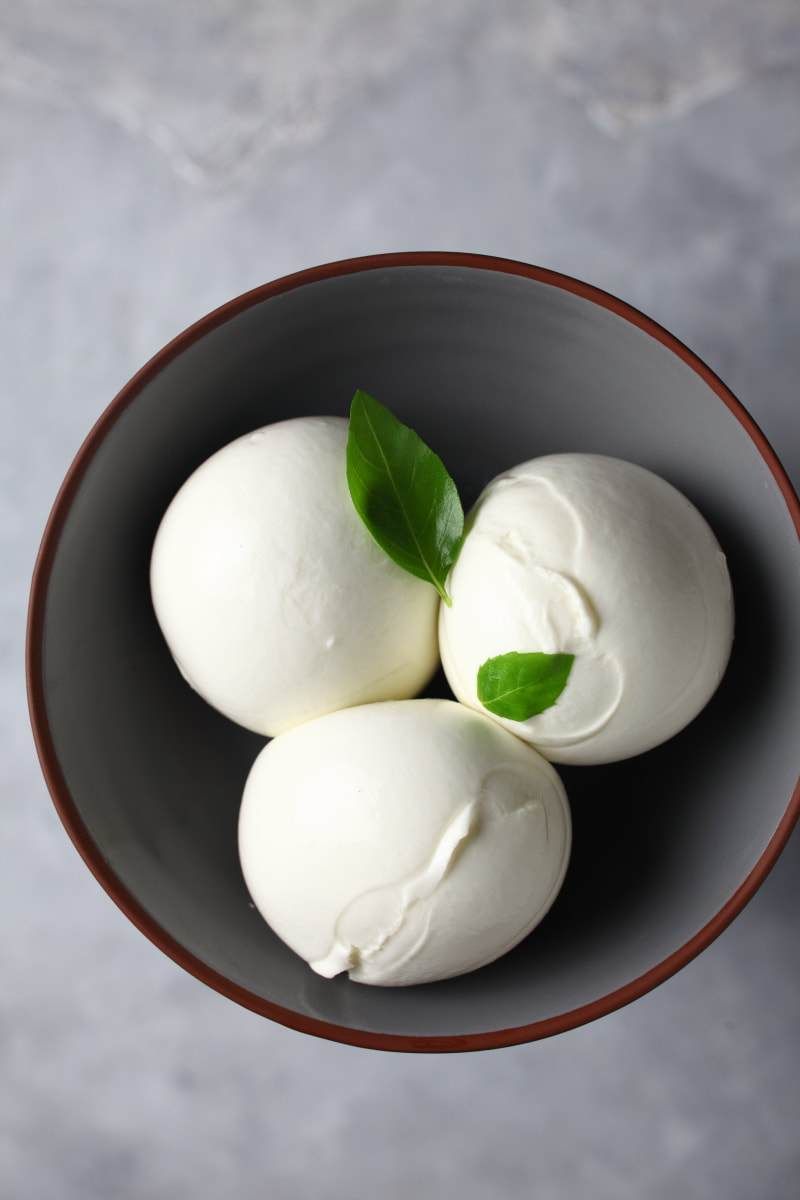
Without mozzarella, pizza just wouldn’t be the same. This soft, stretchy cheese comes from southern Italy, where some is made with water buffalo milk.
Fresh mozzarella tastes milky and mild. It doesn’t age at all, so eat it within a few days.
Here’s an easy idea: slice it with tomatoes, add basil leaves, and drizzle with olive oil. That simple dish is called Caprese salad, and it matches Italy’s flag colors.
8. Feta, Greece’s Salty Treasure
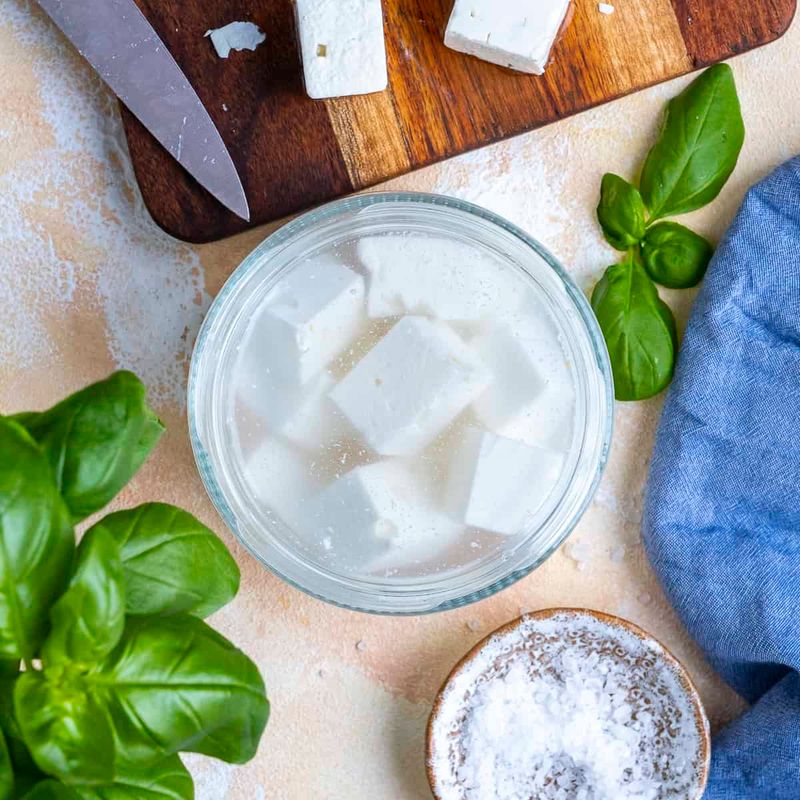
Greek families have been making feta for thousands of years. Some say even ancient poets wrote about it!
Feta is a white, crumbly cheese made mostly from sheep’s milk. It’s stored in salty water called brine, which keeps it fresh and gives it a tangy kick.
Toss feta into a Greek salad with cucumbers, tomatoes, and olives. Too salty for you?
Rinse it quickly in cold water before eating.
9. Camembert From Normandy
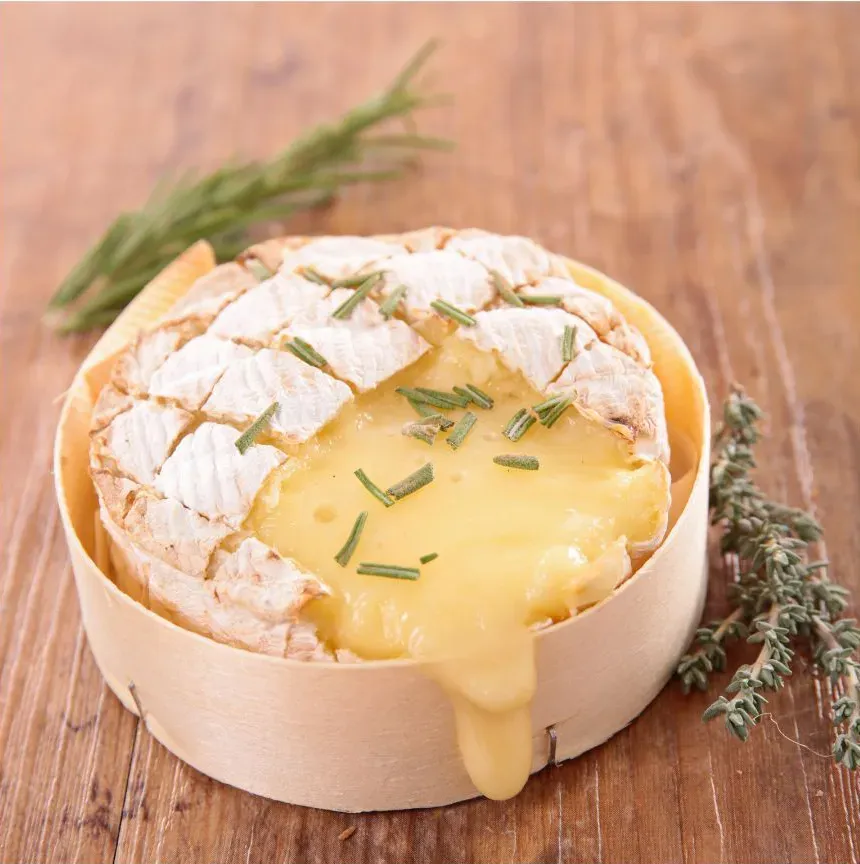
Camembert often comes packed in a cute little wooden box. Keep that box, because you can bake the cheese right inside it!
From the Normandy region of France, Camembert looks a lot like Brie but tastes earthier and stronger. Its creamy center gets runny when ripe.
For a fun party snack, bake it in the oven for about 15 minutes. Then dip crusty bread into the warm, melty middle.
10. Manchego, a Taste of Spain
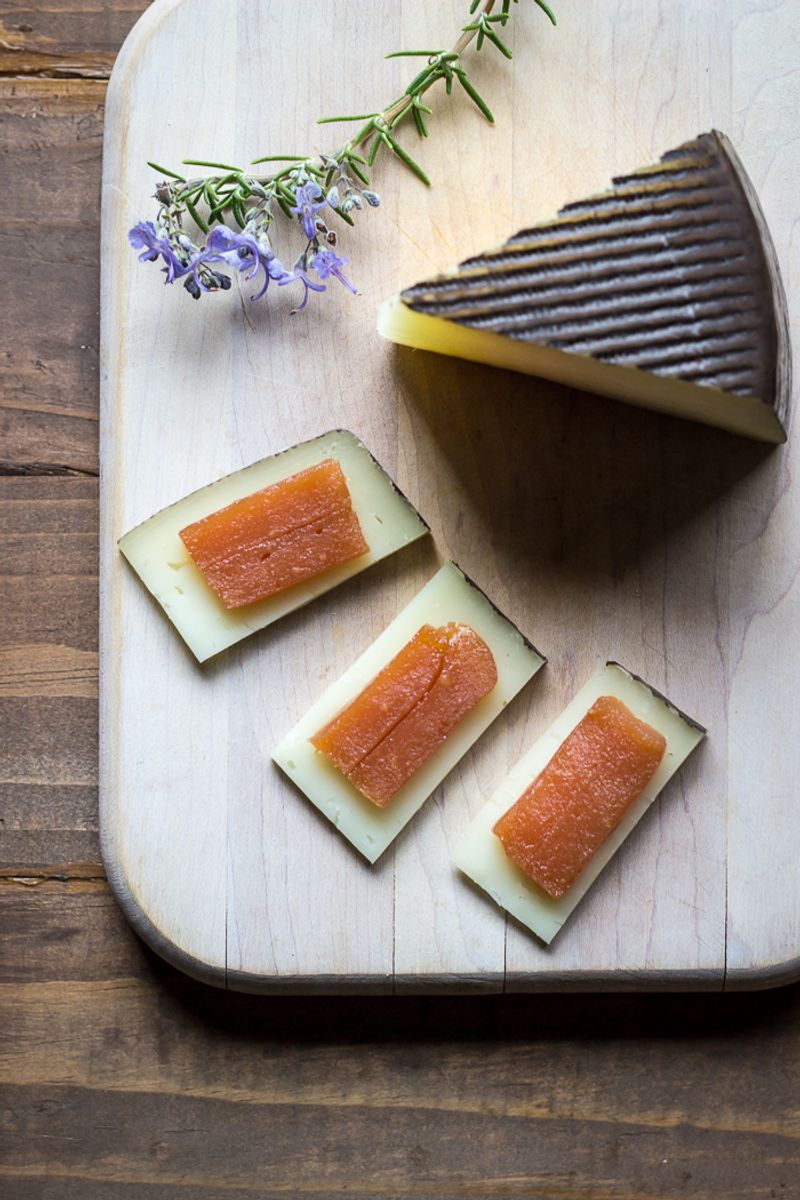
Look closely at a Manchego rind and you’ll spot a zigzag pattern. Long ago, it came from the grass baskets used to shape the cheese.
Made from the milk of Manchega sheep in Spain’s La Mancha region, this firm cheese tastes nutty and a little buttery.
Spaniards love it with membrillo, a sweet quince paste. The pairing is simple, tasty, and perfect for a tapas night with family.
11. Gruyère, the Melting Champion
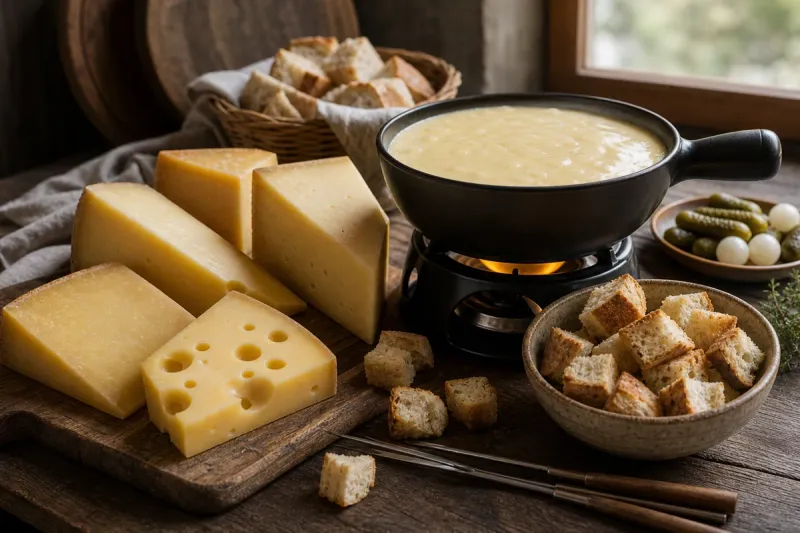
Ask a chef to name the ultimate melting cheese, and many will shout Gruyère. Made in Switzerland, it’s firm, smooth, and wonderfully nutty.
Younger Gruyère tastes creamy, while older wheels get earthy and complex. It’s the secret behind French onion soup’s golden, bubbly top.
Want to impress someone? Make a grilled cheese with Gruyère instead of regular slices.
One bite, and you might never go back.
12. Stilton, England’s Blue Beauty
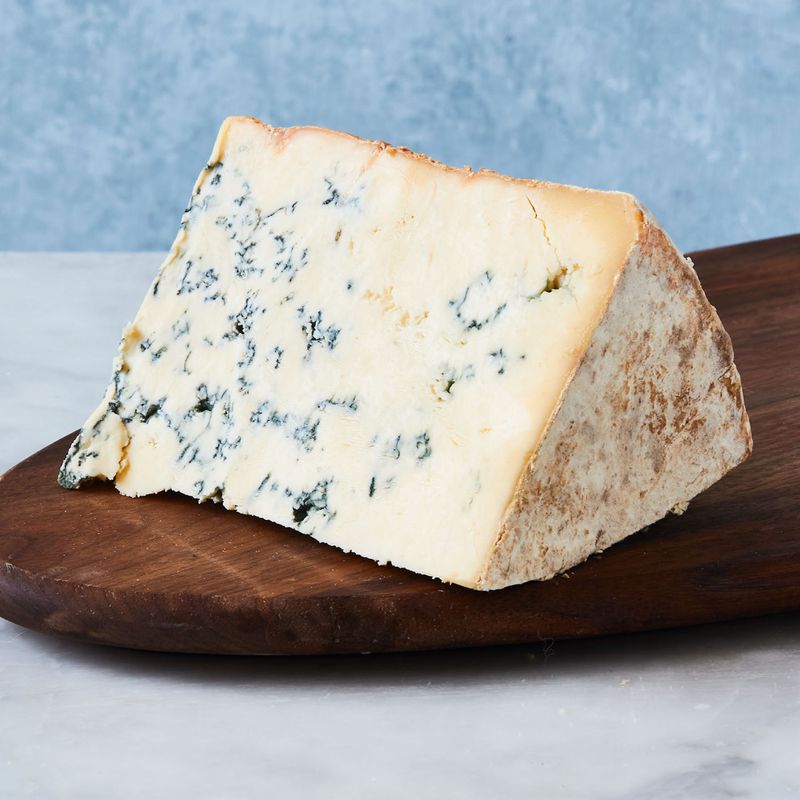
In England, Stilton is a holiday tradition, especially around Christmas. Only six dairies in three counties are allowed to make the real thing.
This blue cheese is creamier and milder than many others. Its veins bring a rich, tangy flavor without being too harsh.
Spread it on crackers or crumble it into a warm soup. Did you know?
Oddly, Stilton cheese can’t legally be made in the village of Stilton itself.
13. Halloumi, the Grillable Wonder
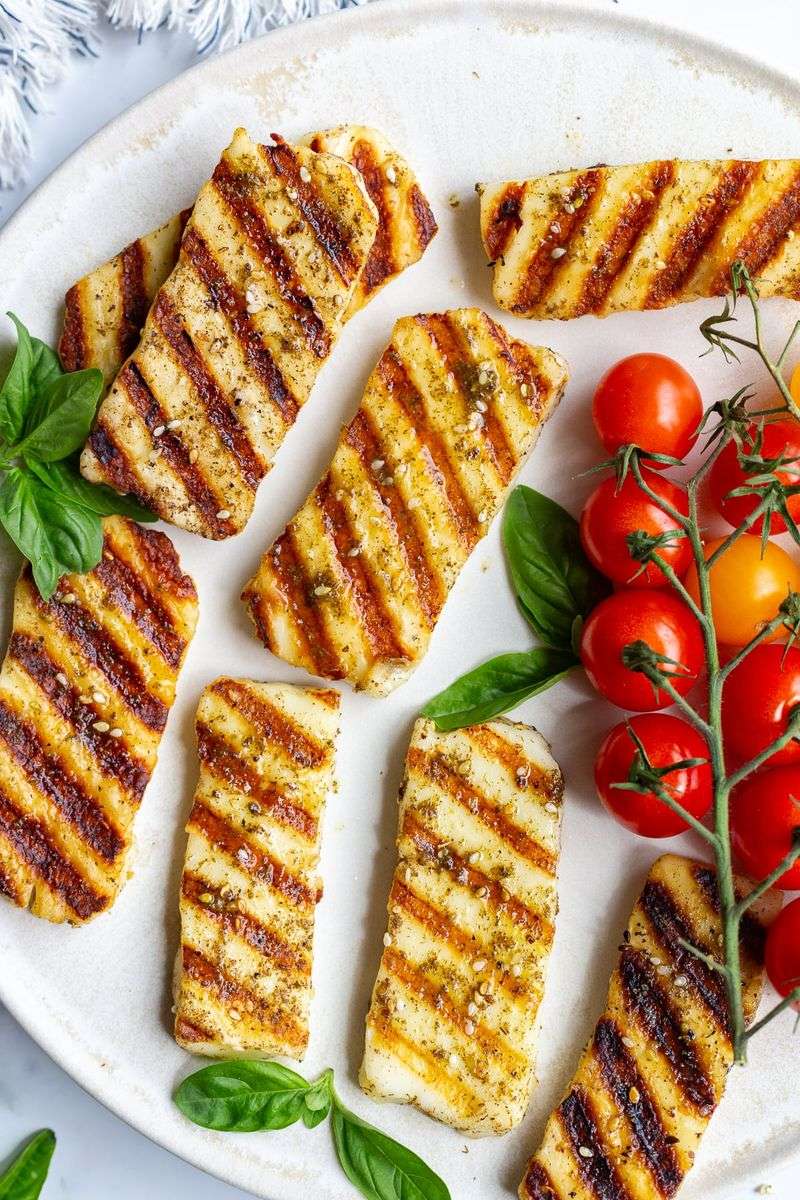
Most cheeses melt into a puddle on the grill. Not halloumi!
This squeaky cheese from Cyprus holds its shape even over high heat.
When grilled or fried, it turns golden and crispy outside while staying soft inside. It tastes salty and a little milky.
Throw slices on the barbecue next time your family cooks out. Add a squeeze of lemon, and vegetarians at the party will cheer.
14. Gorgonzola, Italy’s Creamy Blue
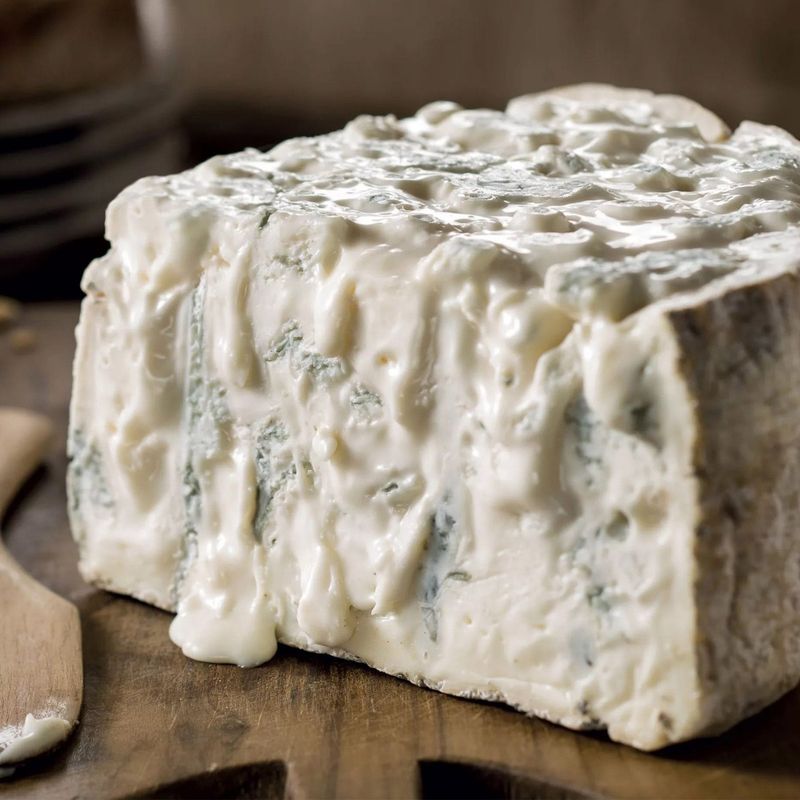
Here’s a cheese with two personalities. Gorgonzola dolce is soft and sweet, while Gorgonzola piccante is firm and much stronger.
It’s been made near Milan, Italy, for over a thousand years. The blue-green veins give it a bold, earthy flavor.
For a cozy dinner, melt dolce into a creamy pasta sauce. It also tastes amazing on pizza with pears, which sounds strange but really works.
15. Pecorino Romano, Ancient and Tangy
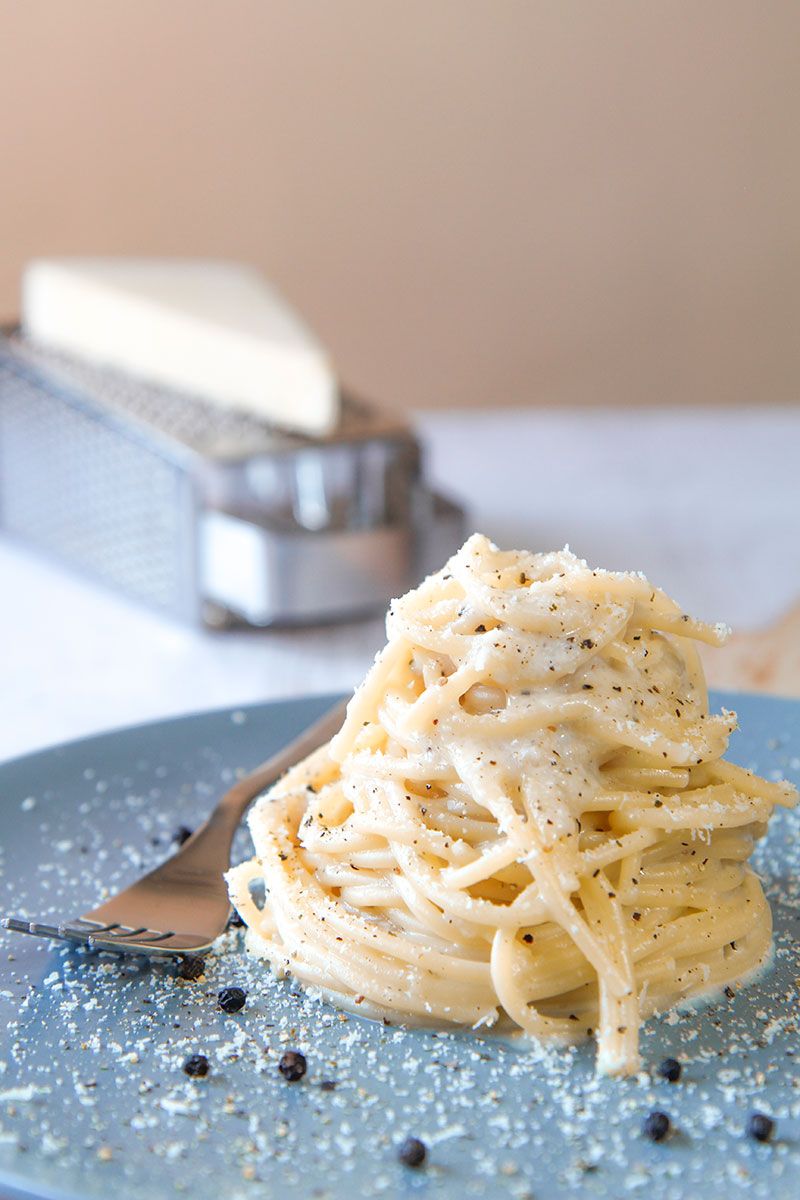
Roman soldiers carried this cheese on long marches about 2,000 years ago. It was tough, tasty, and lasted a long time.
Pecorino Romano is made from sheep’s milk and tastes saltier and sharper than Parmesan. A little goes a long way.
Grate it over cacio e pepe, a Roman pasta made with just cheese, pepper, and noodles. Three ingredients, endless flavor, and a real taste of history.
16. Paneer From Indian Kitchens
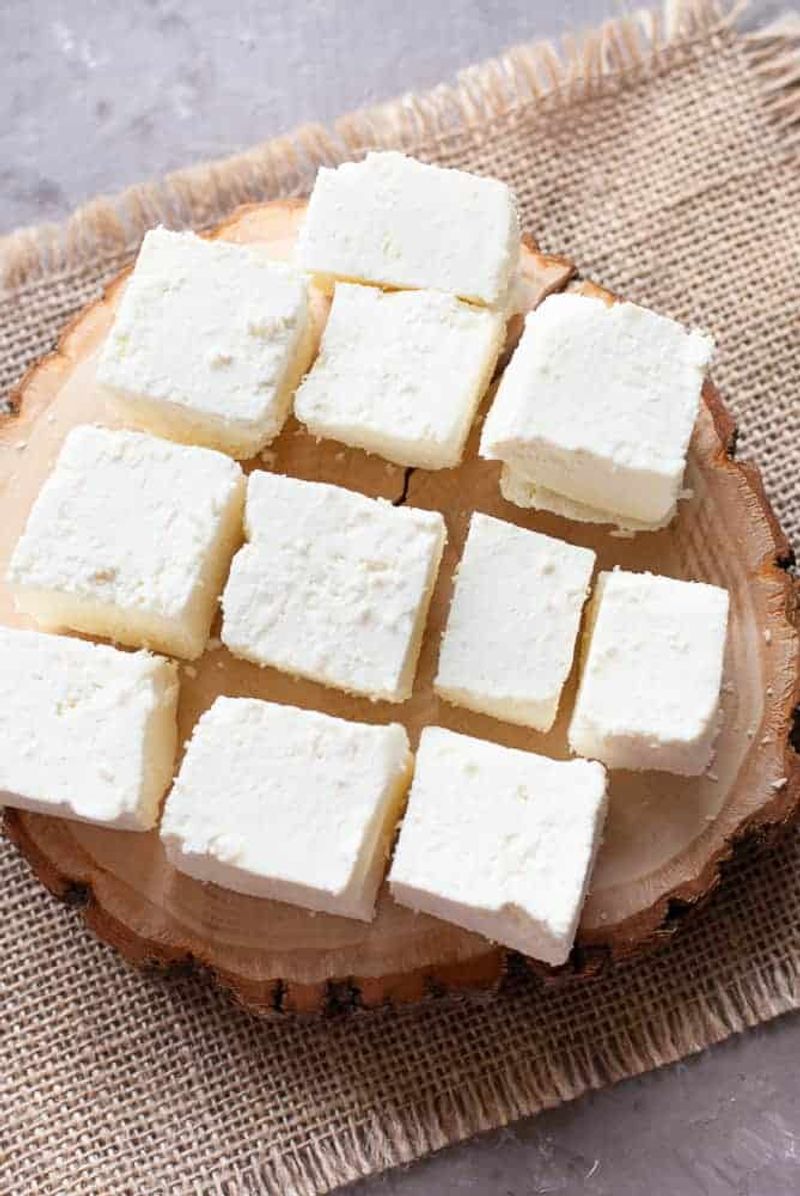
Walk into any Indian kitchen and you’ll likely find paneer. It’s a fresh cheese made by curdling hot milk with lemon juice or vinegar.
Paneer doesn’t melt, so it keeps its cube shape in spicy curries. On its own, the flavor is mild, letting it soak up spices like a sponge.
You can even make it at home in under an hour. Try it in palak paneer with spinach.
17. Comté, France’s Mountain Favorite
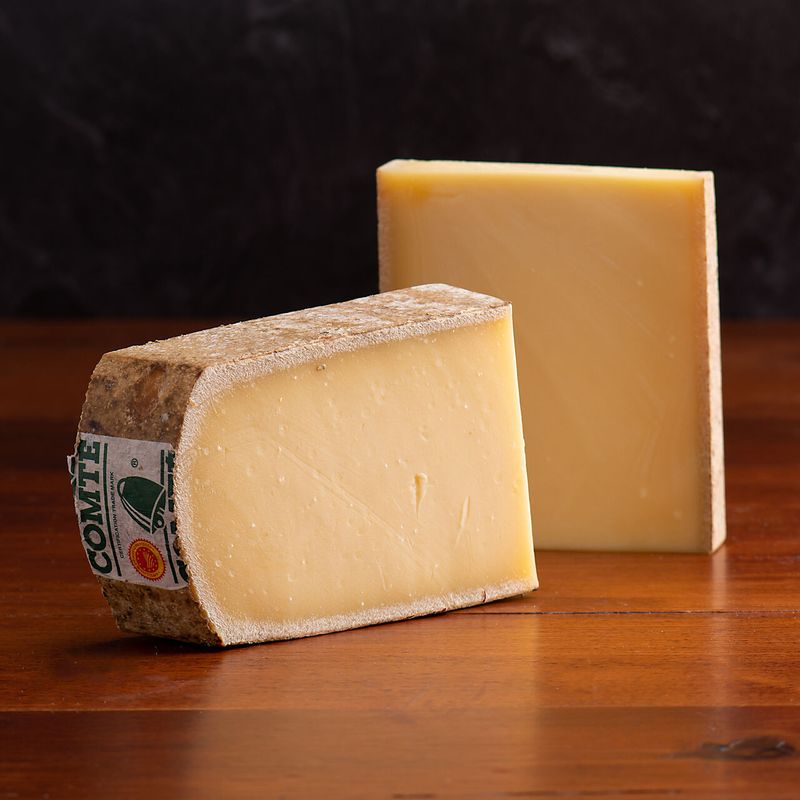
In France, Comté is the best-selling cheese of all. Made in the Jura mountains, it comes from cows that graze on wildflower-filled pastures.
Every wheel tastes a little different, depending on the season and the grass. You might notice hints of hazelnut, butter, or even fruit.
Cube it for a snack plate or melt it into a quiche. Try two wheels of different ages and compare the flavors.
18. Queso Fresco, Mexico’s Everyday Delight
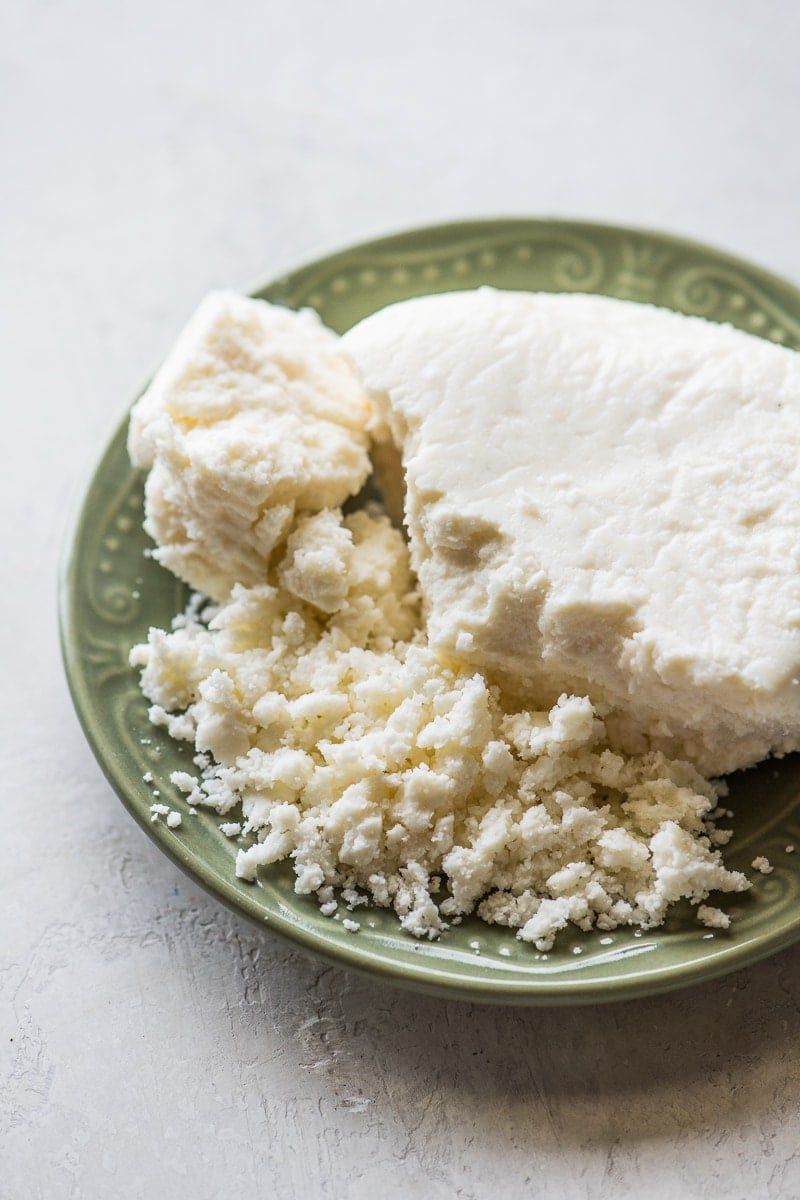
Tacos, enchiladas, and street corn all get better with a sprinkle of queso fresco. The name simply means fresh cheese in Spanish.
It’s soft, white, and crumbly, with a light salty, milky taste. Because it isn’t aged, it feels cool and refreshing next to spicy foods.
Crumble it over black beans or scrambled eggs for breakfast. Keep it in the fridge and enjoy it within a week.
19. Jarlsberg, Norway’s Sweet Slice
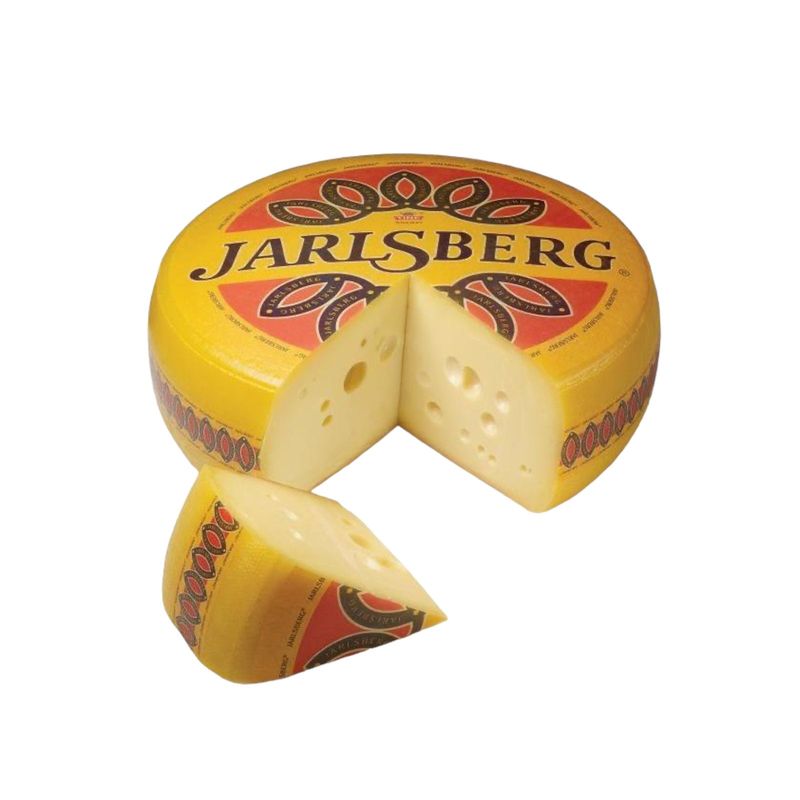
Kids often love Jarlsberg on the very first bite. This Norwegian cheese tastes mild, nutty, and slightly sweet.
It looks a lot like Swiss Emmental, with round holes scattered inside. Scientists at a Norwegian university helped develop the modern recipe in the 1950s.
Jarlsberg is great for lunchboxes because it slices so easily. Pile it on rye bread with ham, or melt it over a warm baked potato.
20. Taleggio, Stinky but Sweet
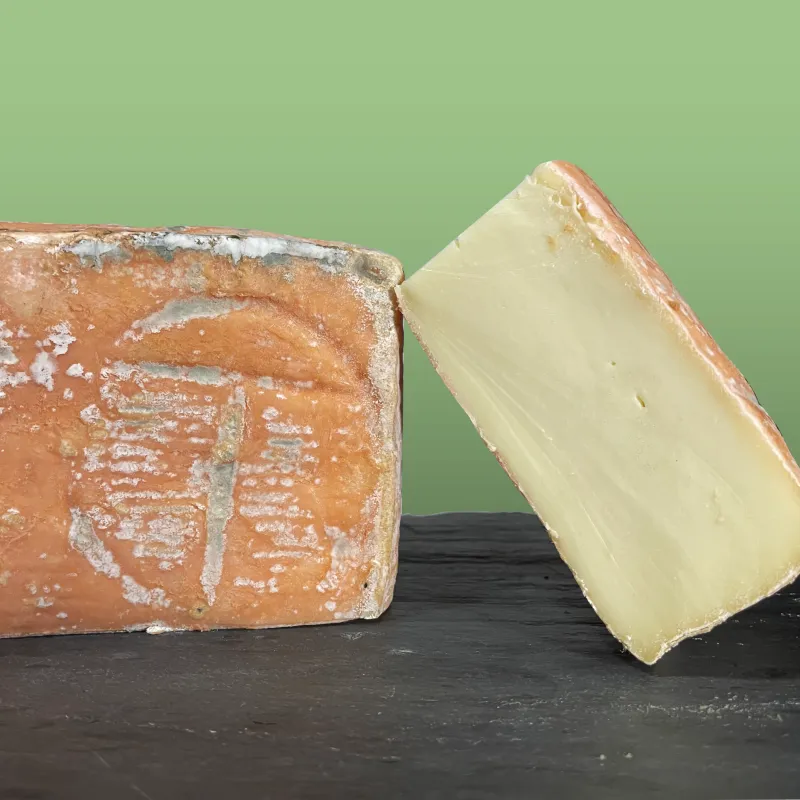
Don’t let the smell scare you away. Taleggio has a strong aroma, but its taste is surprisingly mild, fruity, and buttery.
This square cheese comes from caves in northern Italy’s Lombardy region. Its thin orange rind is washed with salty water while it ages.
Melt it into risotto or a panini for an ultra-creamy result. Think of it as proof that you should never judge a cheese by its scent.
21. Ricotta, Light and Fluffy
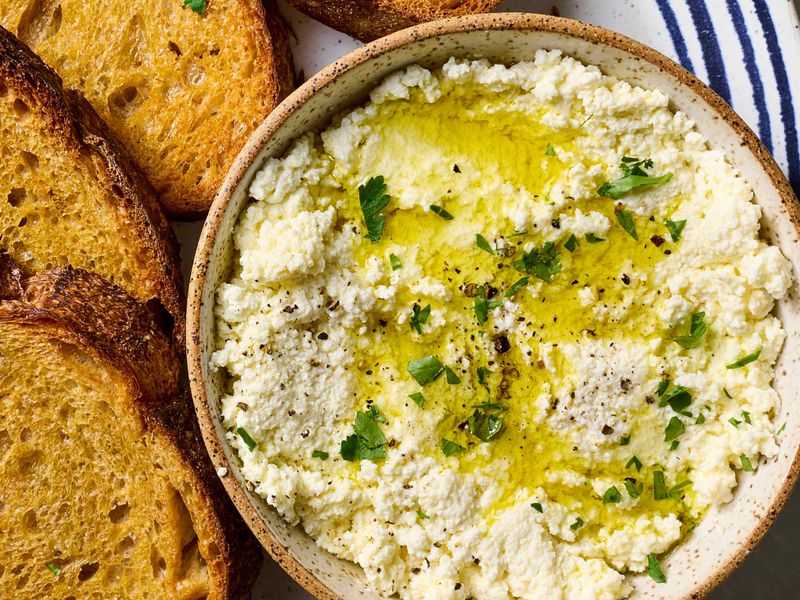
Ricotta means recooked in Italian. Cheesemakers create it by heating leftover whey from making other cheeses, so nothing goes to waste.
Soft, fluffy, and lightly sweet, ricotta works in both savory and dessert recipes. It’s the creamy layer inside lasagna and the filling in crunchy cannoli.
For a quick treat, spread ricotta on toast, drizzle with honey, and top with berries. Breakfast just became way more exciting.