
James Bond movies are packed with thrilling action, cool gadgets, and globe-trotting adventures that keep fans coming back for decades. But even the most exciting spy films have moments that make you scratch your head and ask, “Wait, how did that happen?” From villains who forget they met Bond to cars that defy the laws of physics, these movies have some pretty wild story gaps.
Here are 15 of the most puzzling inconsistencies in the Bond franchise that fans still talk about today.
1. The Tarantula That Should Not Have Been Deadly in Dr. No
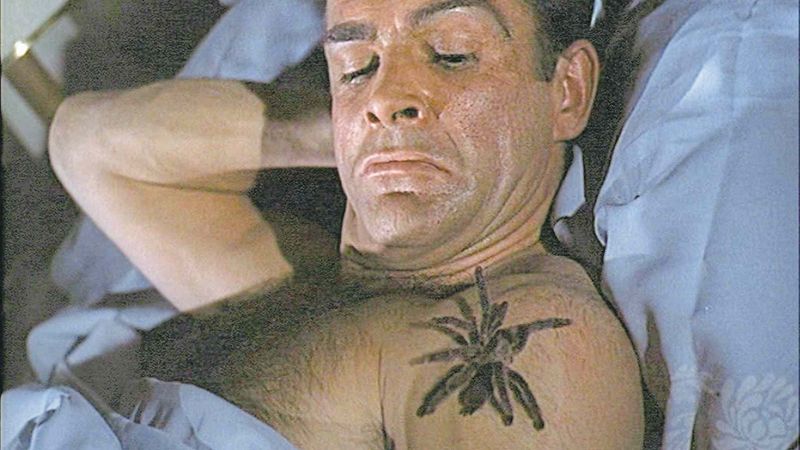
Few scenes in Bond history are as creepy as the tarantula crawling across a sleeping 007 in Dr. No. The problem? Tarantula bites are not actually lethal to healthy adults.
Real tarantulas are mostly harmless, making this assassination attempt a scientific stretch.
Screenwriters likely chose the spider for its visual horror factor rather than accuracy. Still, it gave audiences a serious fright and became one of the franchise’s most iconic scenes, even if biology did not cooperate with the script.
2. Blofeld Forgetting He Already Met Bond in On Her Majesty’s Secret Service
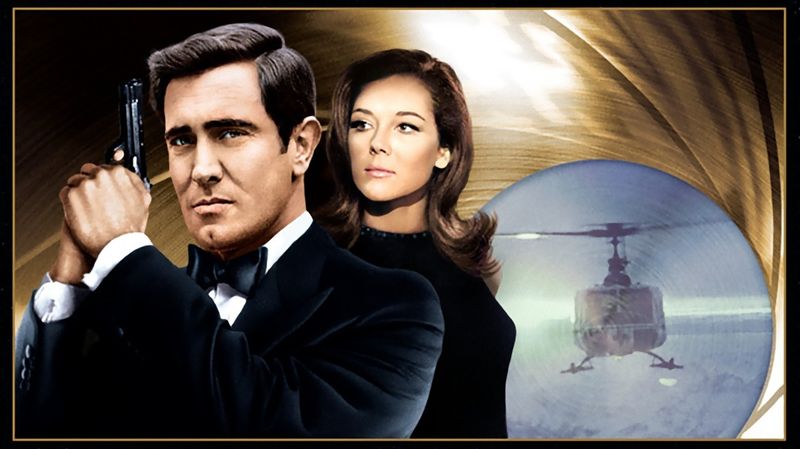
Arguably the franchise’s biggest continuity blunder, this one has baffled fans for over 50 years. In You Only Live Twice, Bond and Blofeld meet face-to-face.
Yet in the very next film, On Her Majesty’s Secret Service, Blofeld shows zero recognition of Bond, treating him like a total stranger.
No explanation is ever offered. Some fans joke that Blofeld simply has a terrible memory for faces.
For a criminal mastermind who plans world domination, forgetting the spy who foiled him seems like a major oversight.
3. Bond’s Japanese Disguise That Quietly Disappears in You Only Live Twice
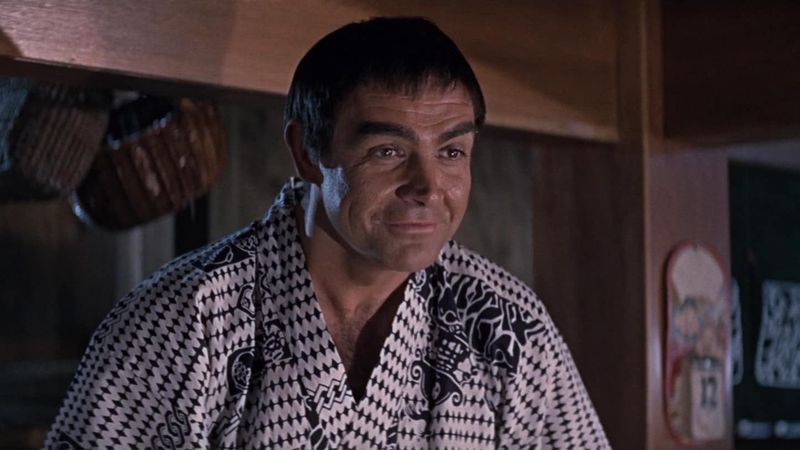
You Only Live Twice tried something bold: disguising the very British James Bond as a Japanese man. The transformation involved a wig, makeup, and a whole new identity.
It was shaky from the start, but at least the film committed to it for a while.
Then Bond storms Blofeld’s volcano lair, and the disguise is just gone. His hair and look are back to normal with no explanation.
Did he stop to fix himself up between firefights? The film simply moves on and hopes nobody notices.
4. The Flooding Tunnel That Conveniently Stops Chasing Bond in Dr. No
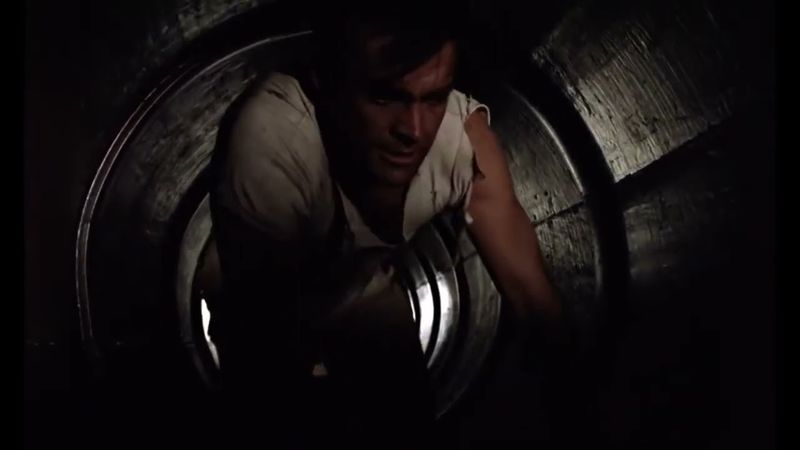
During Bond’s escape through the ventilation system in Dr. No, a section of the tunnel suddenly floods with water. It is a tense, claustrophobic scene that ratchets up the danger.
But then something strange happens: the water does not follow Bond into the next passageway.
Physics would suggest the water should keep flowing, but the film just lets it stop. It is a small detail, but once you notice it, the scene loses some of its suspense.
Convenient editing saved Bond more than his own skills here.
5. Plenty O’Toole’s Baffling Appearance in Tiffany Case’s Pool in Diamonds Are Forever

Poor Plenty O’Toole gets a shocking send-off in Diamonds Are Forever, found drowned in Tiffany Case’s pool. The trouble is, the film never clearly explains how she ended up there or why the villains targeted her at that moment.
The scene only makes sense if you track down deleted footage that was cut from the final release. Without that context, viewers are left completely puzzled.
Relying on deleted scenes to explain a key plot point is a storytelling gamble that this film clearly lost.
6. Hip Abandoning Bond Mid-Escape in The Man With the Golden Gun
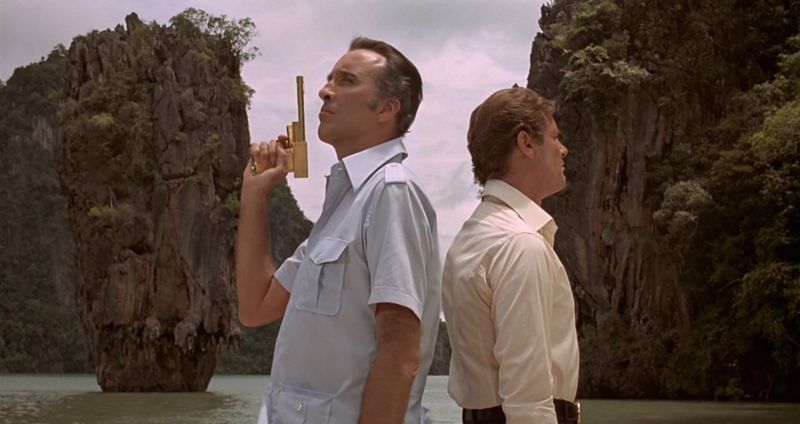
Hip is introduced as Bond’s capable local contact in The Man With the Golden Gun. He shows up at just the right moment to assist with an escape, which makes his next move all the more confusing.
Without any warning or explanation, Hip simply drives away and leaves Bond stranded.
No reason is given for this abandonment. Bond has to fend for himself through a chaotic chase sequence that follows.
Hip disappears from the story almost as quickly as he arrived, making fans wonder why he was written this way at all.
7. Bond’s Live Fish Souvenir From an Airtight Submarine Car in The Spy Who Loved Me
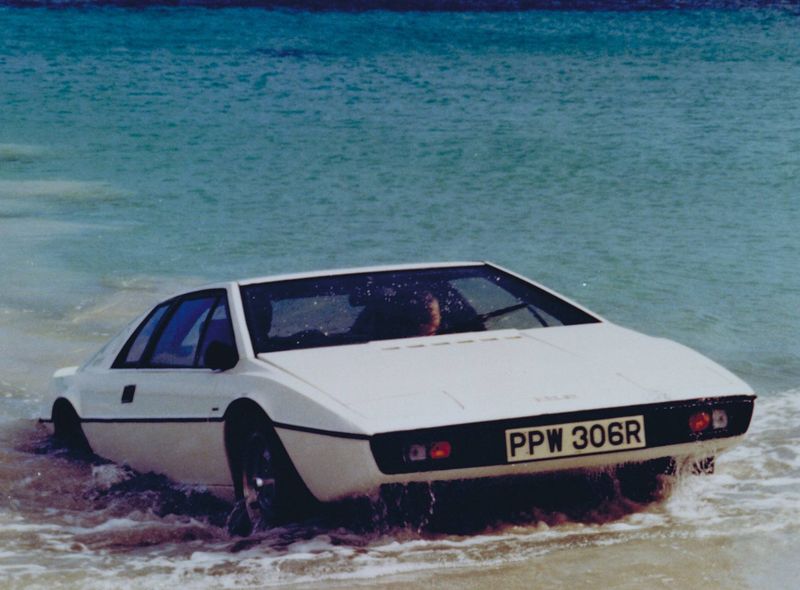
The Lotus Esprit transforming into a submarine is one of the coolest gadgets in Bond history. But when Bond steps out of the car on the beach, he is casually holding a live fish.
The joke lands well, but the logic does not hold up.
For a fish to get inside the car, there would need to be a gap large enough for water to enter. And if water was getting in, Bond would have had a very different kind of problem on his hands during that underwater chase.
8. The Hovering Shark That Defies Physics in Licence to Kill
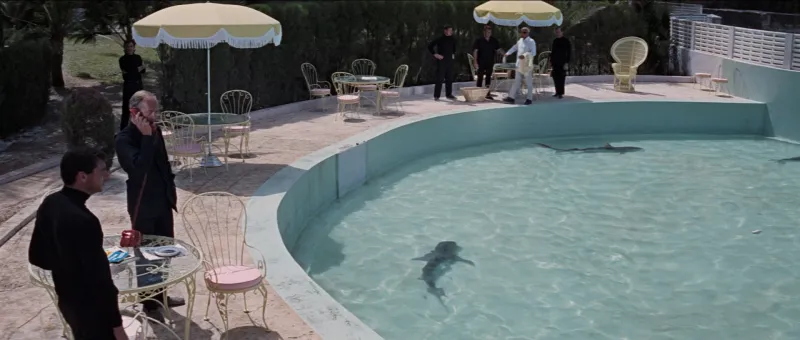
Sharks need to keep moving to breathe, which makes one scene in Licence to Kill stand out for all the wrong reasons. A shark in the villain’s lab appears to hover completely still for several seconds, which is not how sharks work in real life.
It is a small but noticeable slip that pulls you right out of the scene. The moment was likely a practical effects challenge that the production team could not fully solve.
For sharp-eyed viewers, it is one of those little things that is hard to unsee once spotted.
9. Alec Trevelyan’s Death Staging That Raises Too Many Questions in GoldenEye
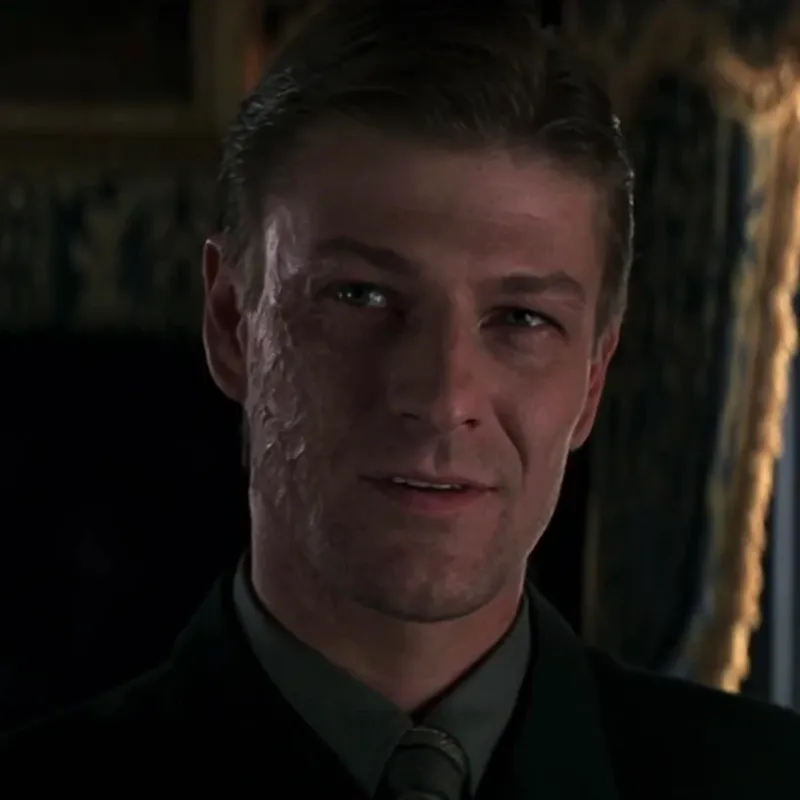
GoldenEye opens with one of the franchise’s most memorable sequences: the apparent execution of 006, Alec Trevelyan. But the more you think about it, the more the plan falls apart.
Ourumov was in on the fake death, yet the whole point of the scheme was supposedly to get rid of Bond.
If Trevelyan wanted Bond dead, why not just shoot him then and there? The elaborate staging seems designed more for dramatic effect than logical plotting.
Great cinema, sure, but the internal logic has some real gaps worth questioning.
10. Wai Lin’s Mysteriously Vanishing Handcuffs in Tomorrow Never Dies
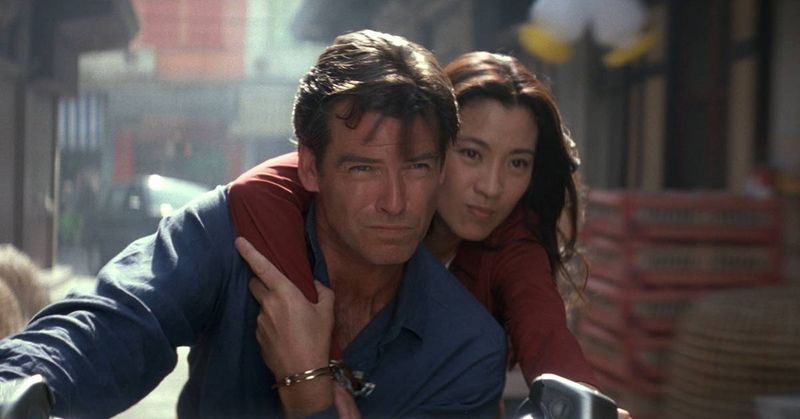
Tomorrow Never Dies features a thrilling motorcycle chase through the streets of Saigon with Bond and Wai Lin handcuffed together. It is exciting and inventive.
But at some point during the sequence, Wai Lin is shown without the handcuffs, with no explanation of how she got them off.
For a character presented as a highly skilled spy, maybe we are supposed to assume she had a trick up her sleeve. But the film never shows it, which leaves a clear gap in the storytelling that even fast editing cannot fully disguise.
11. Renard’s Confused Reaction to Elektra’s Death in The World Is Not Enough
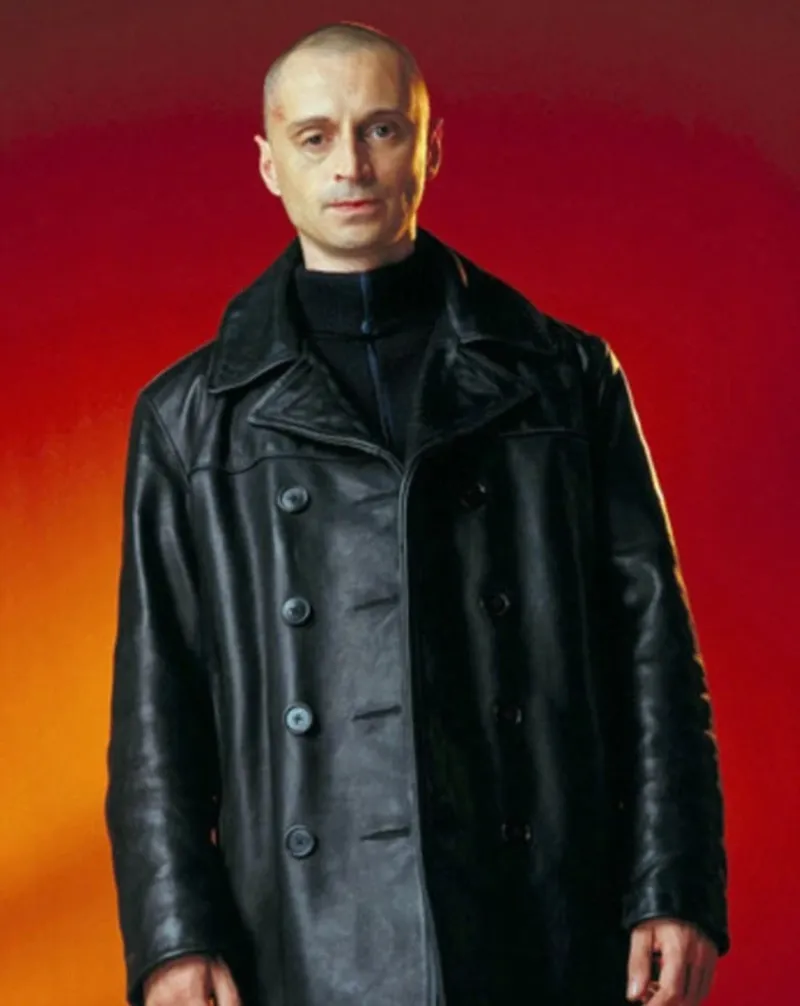
Renard and Elektra are in constant radio contact throughout the climax of The World Is Not Enough. So when Bond shoots Elektra, Renard should have heard everything, including the gunshot, which is far louder than any voice.
Yet Renard reacts with what appears to be genuine shock and surprise.
That reaction simply does not make sense given what he should have heard through the radio. It reads as a dramatic choice that ignores the logical reality of the scene, leaving viewers scratching their heads at a key emotional moment in the film.
12. The Invisible Car That Stretched Credibility Too Far in Die Another Day
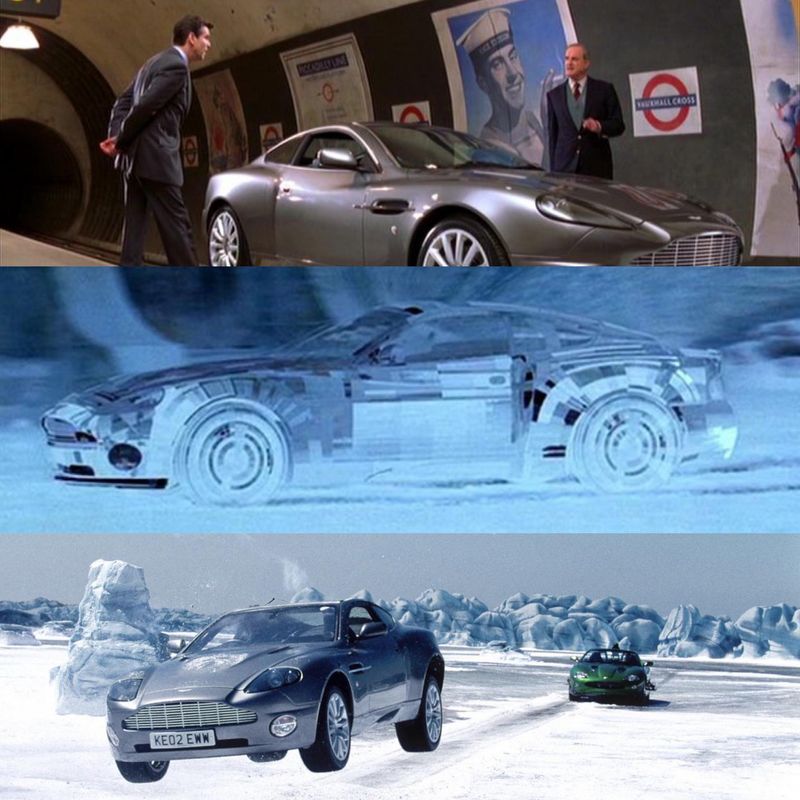
Die Another Day is often cited as the most over-the-top Bond film, and the invisible Aston Martin is the clearest example of why. The concept of adaptive camouflage is real in research labs, but the film presents it as a fully functional, battle-ready feature on a car, which is a significant leap.
Even loyal Bond fans found it hard to accept. The franchise has always played with fantastical gadgets, but this one crossed a line for many viewers.
It became a symbol of the film’s tendency to prioritize spectacle over believability.
13. Bond Surviving Multiple Gunshot Wounds With Barely a Scratch in Skyfall

Skyfall opens with Bond being shot twice, once in the shoulder and once in the chest. He falls from a great height into a river and is presumed dead.
When he resurfaces, he is clearly not in peak condition, which the film acknowledges. But within a relatively short time, he is back to full fighting capacity.
Real bullet wounds, especially chest wounds, cause long-term damage. The film hints at his struggles but quickly moves past them.
Fans appreciated the attempt at realism, but the recovery still felt faster than biology would realistically allow.
14. Silva’s Escape Plan Relying on an Impossible Chain of Coincidences in Skyfall
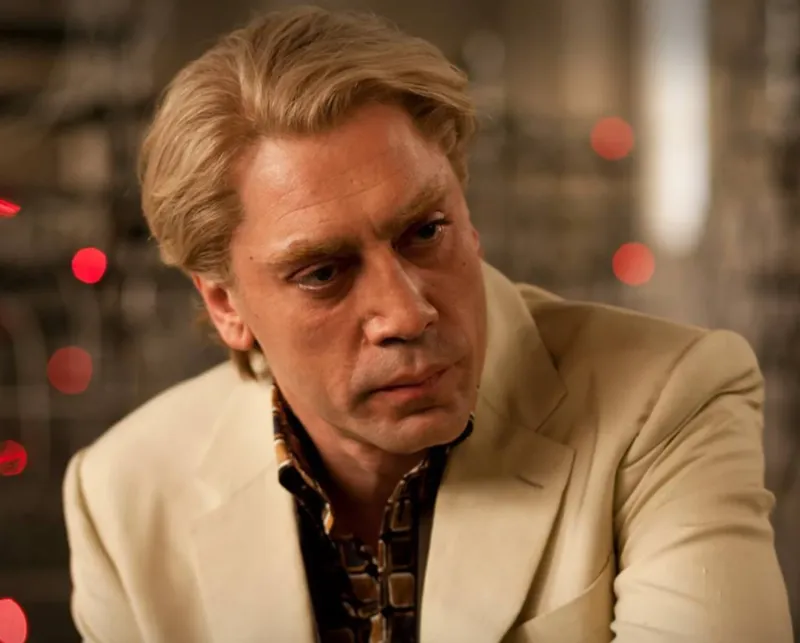
Silva is presented as a genius-level villain in Skyfall, and his plan to infiltrate MI6 from the inside is genuinely clever on the surface. But the deeper you look, the more it unravels.
His escape from captivity hinges on a series of events that had to happen in a very specific order at very specific times.
One wrong move and the whole scheme collapses. Real masterminds build in backup plans.
Silva’s plot requires near-perfect timing and luck at every stage, which makes his “genius” feel more like screenwriting convenience than actual strategic brilliance.
15. Fort Knox’s Deadly Gas Switch That Nobody Could Have Pulled Off in Goldfinger
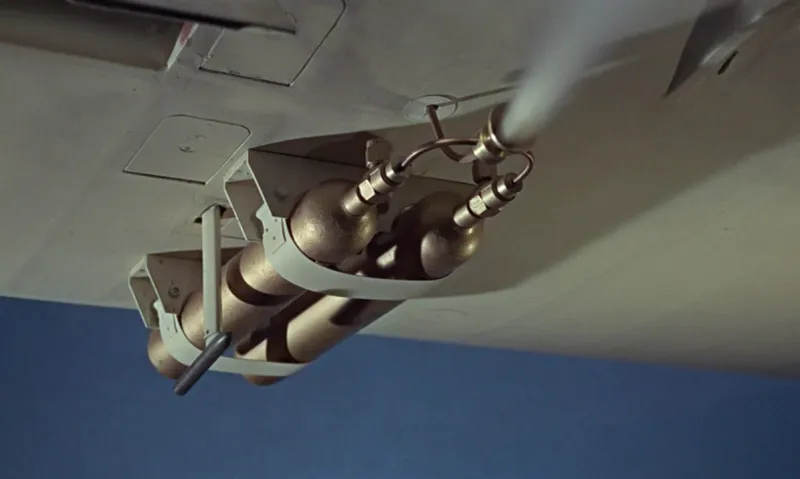
Goldfinger is widely considered one of the best Bond films ever made, but it has one scene that stretches logic to its limits. Bond and Pussy Galore supposedly replace the deadly nerve gas canisters with a harmless substitute before the Fort Knox operation begins.
Then, when the gas is released, every single soldier inside the vault falls over and plays dead convincingly. Coordinating that many people to fake unconsciousness simultaneously, without any of them breaking, is wildly improbable.
It is a fun movie moment that collapses under any real scrutiny.