
Growing up can feel like joining a game without knowing all the rules. Some young adults question everyday struggles that older people learned to expect, though Gen Z does not share one single view.
Many challenges call for patience and practice, while others involve real problems worth changing. Knowing the difference helps us handle life’s rough spots without accepting harmful treatment.
1. Starting Pay Does Not Stretch Far

Your first paycheck can look exciting until rent takes its share. Starting jobs often pay less because workers are still building skills, but that does not make every wage fair or enough to live on.
Compare local pay ranges before accepting an offer. Ask about training, benefits, and scheduled raises.
Sharing housing or cutting costs may help temporarily, while searching for better opportunities keeps a tight budget from becoming your permanent plan for adult life.
2. Buying a Home Takes Longer Than Expected

A house key is not a prize everyone receives by a certain birthday. Buying property usually requires savings, steady income, and time, and high prices can make those steps much harder.
Renting is not proof that you have failed. Learn about borrowing costs, maintenance, and local assistance before chasing a purchase.
Set a savings target that fits your income rather than measuring your progress against your parents’ timeline or someone else’s carefully edited online celebration.
3. Student Loans Follow You After Graduation

The graduation cap comes off, but the loan bill may stick around. Borrowing means repaying money under agreed terms, although confusing rules and high education costs deserve serious scrutiny.
List your balances, interest rates, and payment dates in one place. For federal loans, check official government resources for current repayment options.
Before taking on more debt, compare grants, community college, apprenticeships, and employer support. A degree can help without guaranteeing a salary that solves everything.
4. Work and Personal Time Need Balancing

Closing your laptop should not feel like breaking a promise. Most jobs require effort and occasional busy periods, but constant availability is not a healthy standard.
Balance rarely happens without planning. Ask which tasks matter most, discuss deadlines early, and learn the team’s rules for messages after hours.
Protect sleep and regular breaks wherever possible. Meeting reasonable duties is part of employment; accepting endless unpaid work or unsafe pressure is not a requirement of adulthood.
5. Some Jobs Still Need Set Hours

A hospital cannot let every nurse choose the same afternoon off. Many workplaces need shared hours so customers receive service and teams can work together.
That does not mean every rigid schedule makes sense. Before accepting a role, ask about shifts, remote days, and how schedule changes happen.
Explain any limits clearly and suggest workable options. Flexibility is worth requesting, but the right arrangement must also fit the actual duties of the job you accepted.
6. Promotions Usually Need More Than Enthusiasm

Six strong weeks can feel like enough time to earn a bigger title. Promotions, however, often depend on steady results, judgment, available openings, and the ability to handle wider duties.
Ask your manager what readiness looks like in clear terms. Keep examples of projects, improvements, and positive feedback.
Set a date to review progress instead of guessing. Waiting can build useful experience, but repeated vague promises are a reason to explore other paths for growth.
7. Loyalty Does Not Guarantee Bigger Raises

Staying late and staying loyal do not automatically change a company’s pay budget. Some workers find better offers elsewhere, while others gain more through internal moves or added skills.
Check pay ranges and ask for a raise using specific results. Before changing jobs, compare benefits, commute costs, stability, and learning opportunities, not just salary.
You do not owe an employer endless loyalty, but switching without a clear plan can trade one problem for another headache.
8. Employers Cannot Share Every Detail

A cheerful careers page cannot tell you everything about a workplace. Employers may keep private business plans or employee details confidential, but they should explain your duties, pay terms, and basic policies clearly.
During interviews, ask how feedback works and why the position is open. Request important promises in writing.
Some uncertainty is normal when joining a team; misleading claims, hidden conditions, or changing explanations deserve closer attention before you sign or leave another job.
9. Boundaries Can Bring Awkward Conversations

Saying no can make your stomach flip, even when your request is reasonable. Setting limits often involves explaining needs, hearing another person’s concerns, and finding a workable agreement.
Be specific rather than apologizing endlessly. You might explain when you can finish a task or which hours you are available.
Labels such as entitled are not useful feedback. Still, a boundary does not remove agreed responsibilities, and other people may have limits that deserve consideration too.
10. Hard Work Does Not Promise Financial Safety

Two jobs can leave someone exhausted without leaving much money behind. Effort matters, but earnings also depend on wages, hours, health, family needs, and local costs.
Start by tracking essential spending without blaming yourself for every shortfall. Check benefits and community support you may qualify for.
When possible, focus on moves that improve hourly pay rather than simply adding hours. Financial security takes planning, but it also depends on conditions outside any one person’s control.
11. Everyday Tasks Keep Coming Back
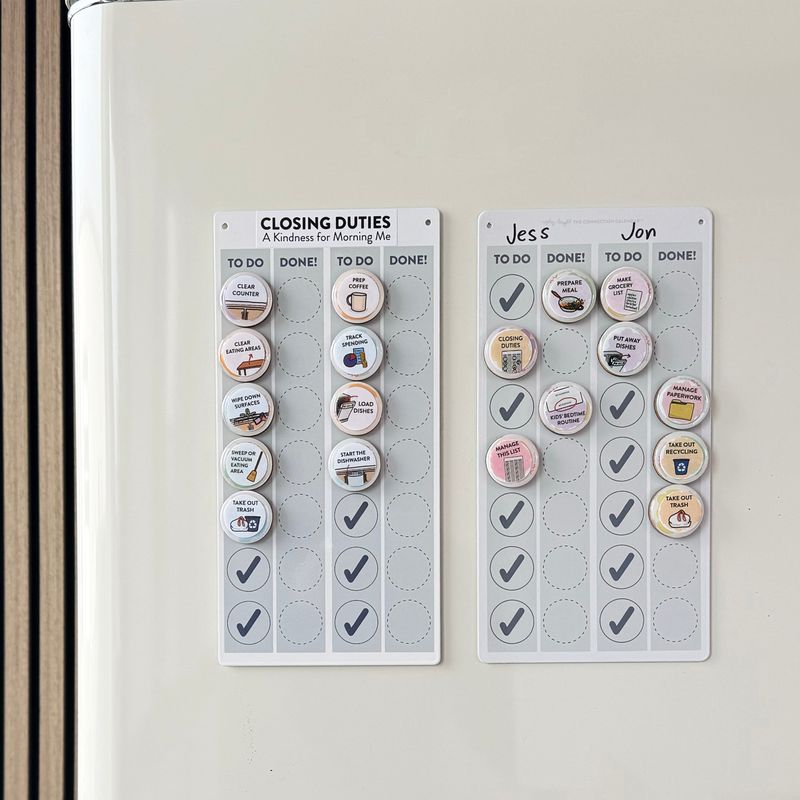
Laundry has a sneaky habit of returning right after you finish it. Bills, appointments, meals, and cleaning are recurring duties, not problems you solve once and leave behind.
Build simple systems instead of relying on memory. Use calendar reminders, keep a short weekly checklist, and handle small tasks before they pile up.
Ask someone to teach you unfamiliar steps. Feeling overwhelmed does not mean you are incapable; persistent distress may call for extra support too.
12. Adult Friendships Need Regular Effort

School once put familiar faces in the same room every day. Adult life often removes that easy routine, so friendships need more planning and repeated contact.
Try a weekly class, volunteer shift, walking group, or game night. Invite someone to a simple activity instead of waiting for a perfect connection.
A declined invitation may reflect a busy schedule, not dislike. Give new friendships time, and seek support if loneliness or anxiety starts shrinking your world.
13. Someone Online Will Always Seem Richer

One scroll can make an ordinary lunch feel embarrassingly plain. Social feeds display selected moments, not full bank statements, unpaid balances, or help from family.
Set spending limits before opening shopping apps, and mute accounts that leave you feeling behind. Suggest affordable plans when friends want expensive outings.
Comparing yourself with others is a common human habit, but buying a lifestyle for an audience can create bills that last much longer than the attention does.
14. Nobody Gets a Certain Future

Even a carefully drawn life plan cannot predict every turn. Job changes, family needs, economic shifts, and health issues can interrupt goals at any age.
Plan in layers: choose something useful for this month, this year, and the longer term. Build transferable skills and a small emergency fund when possible.
Limit news checking if it fuels worry without helping action. Uncertainty is normal, but you can still prepare, adjust, and make choices that matter today.
15. Passion Alone Does Not Pay Every Bill

Loving music does not automatically create a steady music paycheck. Interests can guide a career, but employers and customers also pay for useful skills, reliable work, and services they need.
Research typical pay and entry routes before choosing costly training. Test an interest through small projects, volunteering, or part time work.
A practical job can support a creative life outside work. Changing direction is not betrayal; sometimes it is how a dream becomes more sustainable.
16. Workplace Conflict Is Not Always Mistreatment

Hearing that your report needs another draft can sting. Fair feedback, shared rules, and ordinary disagreements are part of working with others, even when they feel uncomfortable.
Ask for examples and clear next steps before assuming bad intent. However, discrimination, harassment, wage theft, and threats are not normal duties to endure.
Keep records of serious concerns and seek suitable help. Learning to separate discomfort from harm protects both your growth and your rights at work.
17. Mental Health Support May Require Asking

A difficult week does not always show on your face. Other people may not recognize what you need unless you explain it, and even caring workplaces have limits.
Consider speaking with a qualified professional when symptoms affect daily life. Ask about available support or workplace adjustments without sharing more personal detail than necessary.
Stress is common, but serious symptoms deserve care. Stigma and poor access are problems worth challenging, not lessons people should quietly accept.
18. Courtesy Does Not Require Blind Agreement

Your uncle’s career advice may come from a very different job market. Age can bring experience, but it does not make every opinion accurate or every demand reasonable.
Listen for useful lessons, ask questions, and disagree without personal insults. Basic courtesy helps conversations across generations, while trust and deeper respect grow through behavior.
You can reject outdated advice or set firm limits without treating someone as worthless. The same standard should apply to younger people.
19. Useful Advice Still Needs Fact Checking

A confident video can make bad advice sound wonderfully simple. Social media offers helpful starting points, but popularity does not prove that a money tip is safe or accurate.
Check claims against official sources and look for hidden sales pitches. Be especially careful with promises of quick profits or guaranteed results.
Learning to judge information is a normal life skill. Schools and institutions should teach it better, but checking before acting can protect your savings.
20. Meaning Often Grows Through Ordinary Days

Not every Tuesday will feel like the opening scene of your dream life. Work includes routine tasks, and a sense of purpose often develops through steady effort rather than instant excitement.
Look for small sources of meaning in relationships, learning, service, and hobbies. Choose one activity that matters and give it regular time.
A job can fund a meaningful life without providing all its meaning. Lasting emptiness, however, deserves attention rather than a dismissive shrug.