
Growing up, some of your parents’ rules probably felt unfair or even a little ridiculous. But looking back, many of those boundaries were quietly shaping who you are today.
From bedtime curfews to mandatory chores, strict parenting often laid the groundwork for responsibility, respect, and resilience. Here are 20 rules that felt tough at the time but ended up making you a genuinely better person.
1. Homework Before Anything Else

Before cartoons, before video games, before anything fun — the homework had to be done first. It felt like torture at the time, but this rule quietly built one of life’s most powerful skills: prioritization.
Learning to tackle responsibilities before rewards trains your brain to stay focused and disciplined. Studies consistently show that students who complete schoolwork before leisure time develop stronger academic habits and better time management skills that follow them well into adulthood.
2. A Strict Bedtime Every Single Night

No negotiations, no “just five more minutes” — when the clock hit a certain hour, it was lights out. That non-negotiable bedtime felt like your parents’ cruelest invention.
But consistent sleep schedules do far more than rest your body. They regulate mood, sharpen focus, and build the kind of self-discipline that helps you stick to routines as an adult.
Research links regular childhood bedtimes to better emotional regulation, improved school performance, and healthier long-term sleep patterns.
3. Chores Were Non-Negotiable

Every Saturday morning had the same soundtrack: the vacuum, the mop bucket, and your own quiet grumbling. Chores were assigned, not optional, and skipping them had real consequences.
What felt like free labor was actually one of the best lessons your parents ever gave you. Research from the University of Minnesota found that kids who do chores from an early age develop a stronger work ethic, better cooperation skills, and a greater sense of responsibility that carries directly into adult life.
4. No Hitting, Name-Calling, or Physical Aggression

“Use your words” might have sounded silly when you were furious, but the rule against hitting or name-calling forced you to find a better way to express anger and frustration.
That early boundary shaped emotional intelligence in a very real way. Children who learn to manage conflict without aggression grow into adults who communicate more effectively, resolve disagreements more peacefully, and build stronger, healthier relationships — both personally and professionally.
It turns out words really are more powerful.
5. Always Say Please and Thank You

Few rules were drilled into kids more consistently than basic manners. “What do you say?” was practically a household catchphrase, repeated at every meal, every store visit, every interaction with adults.
Politeness is far more than social decoration. Using “please” and “thank you” regularly wires gratitude into your everyday thinking, which research links to higher levels of happiness and stronger social bonds.
Manners also signal respect — a quality that opens more doors than most people realize throughout life.
6. Clean Up Your Own Mess

Leaving your room a disaster zone was never an option. Whether it was toys on the floor, dishes on the counter, or clothes on the chair — your parents made sure you cleaned up after yourself.
That simple expectation quietly taught ownership. When you are responsible for your own messes, you begin to understand that your choices affect the people around you.
This accountability mindset is something employers, roommates, and partners all deeply appreciate — and it all started with picking up your socks.
7. No Devices at the Dinner Table

Dinner time meant real conversation — no phones, no tablets, no TV in the background. It felt old-fashioned, but those meals together were quietly doing something important.
Family dinners without screens create space for actual communication, active listening, and emotional connection. Children who regularly eat and talk with their families develop stronger language skills, better social awareness, and a deeper sense of belonging.
That nightly phone-free ritual was building your communication muscles one conversation at a time.
8. Limited Screen Time Every Day

One hour of TV. Maybe two on weekends.
When that timer went off, the screen went dark — end of discussion. At the time, it felt like the ultimate punishment.
Screen time limits pushed kids toward reading, outdoor play, creative activities, and real-world socializing. Those alternatives built imagination, physical health, and genuine friendships.
Adults who grew up with structured screen boundaries tend to have healthier relationships with technology and a wider range of interests and skills they developed during those “boring” offline hours.
9. Always Tell the Truth, Even When It Is Hard
Honesty was not just encouraged — it was expected, even when the truth was uncomfortable. Getting caught in a lie often carried heavier consequences than whatever you were trying to hide.
That strict honesty policy built something invaluable: integrity. People who grow up in households where truthfulness is non-negotiable tend to be more trustworthy, more self-aware, and more respected in their relationships and careers.
Knowing how to be honest — even when it costs something — is a rare and powerful character trait.
10. Knock Before Entering a Closed Door

It seemed like such a small rule — knock before you open a closed door. But this tiny habit carried a big lesson about respecting personal space and privacy.
Understanding that other people have boundaries, even inside your own home, is foundational to healthy relationships. Adults who grew up knocking first tend to be more considerate, more aware of personal limits, and better at reading social cues.
Respecting space is something workplaces, friendships, and partnerships all depend on daily.
11. Apologize When You Are Wrong

“Say you are sorry — and mean it.” That distinction mattered in most households. A forced, mumbled apology did not count.
A real one required eye contact and sincerity.
Learning to genuinely apologize builds empathy, accountability, and emotional maturity. It teaches you that maintaining your ego is less important than maintaining your relationships.
Adults who can apologize gracefully are better partners, colleagues, and friends. That childhood requirement to own your mistakes is one of the most socially intelligent habits you were ever taught.
12. Keep Track of Your Own Belongings

Lost your jacket? Forgot your lunchbox again?
In many households, that was your problem to solve — not your parents’. They were not going to track down your things for you.
Being responsible for your own belongings from an early age prevents what psychologists call “learned helplessness” — the habit of waiting for someone else to fix your problems. Kids who manage their own stuff grow into organized, self-reliant adults who do not need constant reminders to stay on top of their responsibilities.
13. Respect Adults and Authority Figures

Talking back was not tolerated. Addressing adults disrespectfully — whether teachers, neighbors, or relatives — had clear consequences.
Your parents made sure you understood that respect was not optional.
This rule taught more than just politeness toward elders. It built an understanding of social structure, authority, and how to function within systems — skills that translate directly into the workplace and community life.
People who know how to show respect, even when they disagree, consistently navigate professional and social environments far more successfully.
14. Ask Before Borrowing Someone Else’s Things
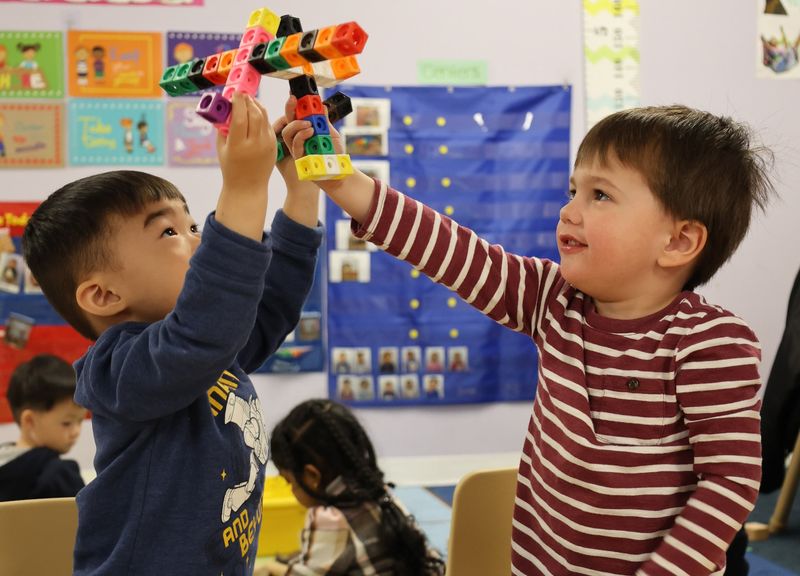
Taking something without asking — even from a sibling — was treated as a serious offense in many homes. “Did you ask first?” was a question that came up constantly.
This rule built deep respect for other people’s property and personal boundaries. It also taught children to communicate their needs rather than just acting on impulse.
As adults, those who grew up with this expectation tend to be more considerate colleagues, better roommates, and more trustworthy friends who genuinely honor what belongs to others.
15. Eat What Is on Your Plate

Picky eating had limits in many households. You did not have to love every meal, but you were expected to try it — and sometimes finish it before leaving the table.
Beyond nutrition, this rule quietly built resilience and adaptability. Learning to tolerate things that are not your first choice is a life skill that shows up everywhere: in workplaces, in relationships, and in situations where comfort is not guaranteed.
Flexibility with discomfort, practiced one broccoli spear at a time, pays off more than you might think.
16. Accept the Consequences of Your Actions

When you broke a rule, there was no escaping the outcome. Grounded, no allowance, extra chores — whatever the consequence was, your parents made sure it happened consistently.
Facing real consequences as a child is one of the most powerful character-building experiences available. It teaches cause and effect in a deeply personal way, building accountability and resilience.
Adults who learned early that choices carry outcomes are far better equipped to make thoughtful decisions, own their mistakes, and bounce back from setbacks without falling apart.
17. Wash Your Hands and Maintain Personal Hygiene

Before meals, after playing outside, after using the bathroom — handwashing was non-negotiable. Brushing teeth twice a day was not a suggestion.
Hygiene rules were firm and consistent.
Good hygiene habits formed in childhood stick for life. Beyond physical health, personal cleanliness plays a real role in self-confidence, social acceptance, and professional presentation.
Kids who grew up with structured hygiene routines rarely have to think twice about these habits as adults — they are simply part of who they are.
18. Treat Others the Way You Want to Be Treated

The Golden Rule was not just a phrase — in many homes, it was the foundation of every other rule. How you treated classmates, siblings, and strangers reflected directly on your character.
Empathy is not something you are simply born with; it is practiced. Growing up in a household where kindness was expected rather than optional builds emotional awareness that shapes every relationship you will ever have.
That simple childhood standard — treat others well — is still one of the most powerful social principles in existence.
19. No Going Out Without Saying Where You Are Going

“Where are you going? Who will you be with?
When will you be back?” These questions greeted you every time you reached for the door handle, without fail.
Annoying as it felt, this rule taught transparency, communication, and accountability. Checking in with people who care about you is a habit that builds trust over time.
Adults who grew up with this expectation tend to communicate more openly in relationships and workplaces, understanding that keeping others informed is a sign of maturity — not a loss of independence.
20. Understand the Reason Behind Every Rule

Some parents did not just hand down rules — they explained them. “We do this because…” made all the difference between blind obedience and genuine understanding.
When children understand the reasoning behind boundaries, they are far more likely to internalize values rather than simply avoid punishment. Research shows that this authoritative parenting style produces children with stronger moral compasses, better self-regulation, and greater emotional intelligence.
Growing up knowing the “why” behind the rules gave you a framework for making good decisions entirely on your own.