
Throughout history, the Catholic Church has used excommunication as one of its most powerful tools, cutting individuals off from the sacraments and the Church community. Some of the most famous rulers, reformers, and thinkers in history found themselves on the wrong side of this punishment.
From kings and emperors to priests and revolutionaries, the reasons ranged from religious rebellion to political power struggles. These stories reveal just how deeply the Church once shaped the fate of entire nations and individuals alike.
1. Martin Luther
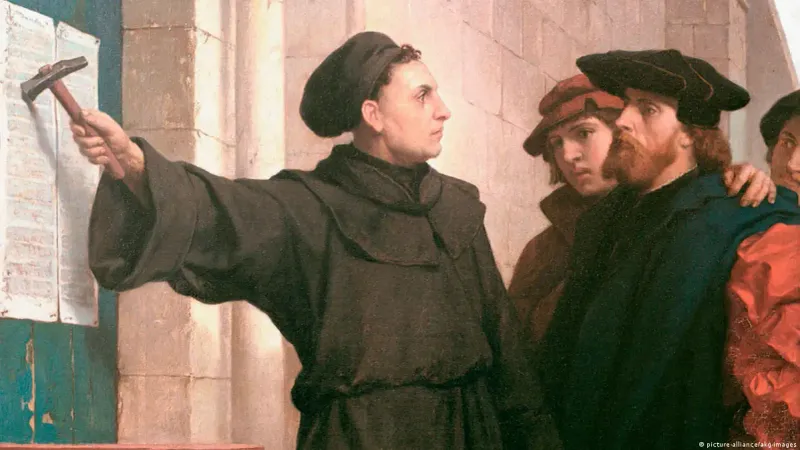
Few moments in religious history shook the world quite like Martin Luther nailing his 95 Theses to a church door in 1517. Pope Leo X excommunicated him in 1521 after Luther flatly refused to take back his writings challenging Church authority.
Rather than silence him, the punishment backfired spectacularly. Luther went on to spark the Protestant Reformation, permanently splitting Western Christianity into two major branches that still exist today.
2. Henry VIII of England
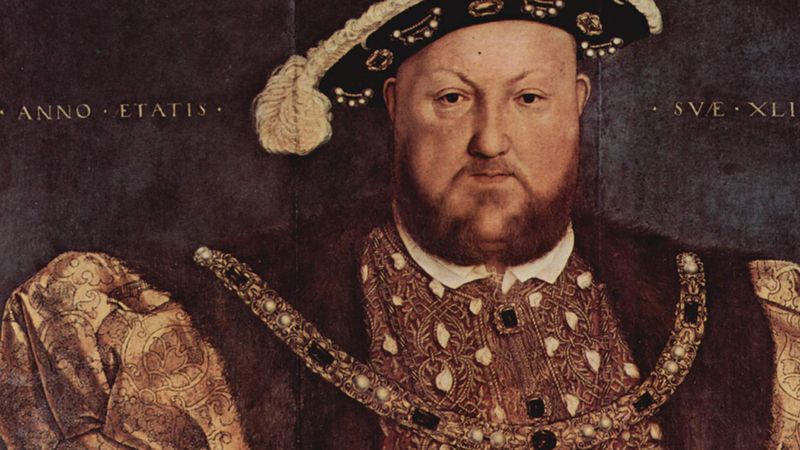
Henry VIII wanted a divorce, and when the Pope said no, he simply rewrote the rules. Pope Paul III excommunicated him in 1538 after Henry broke from Rome, dissolved monasteries, and declared himself Supreme Head of the Church of England.
His split with Catholicism was less about theology and more about personal and political power. The consequences reshaped religion across an entire nation and sparked centuries of conflict between Catholics and Protestants in England.
3. Elizabeth I of England
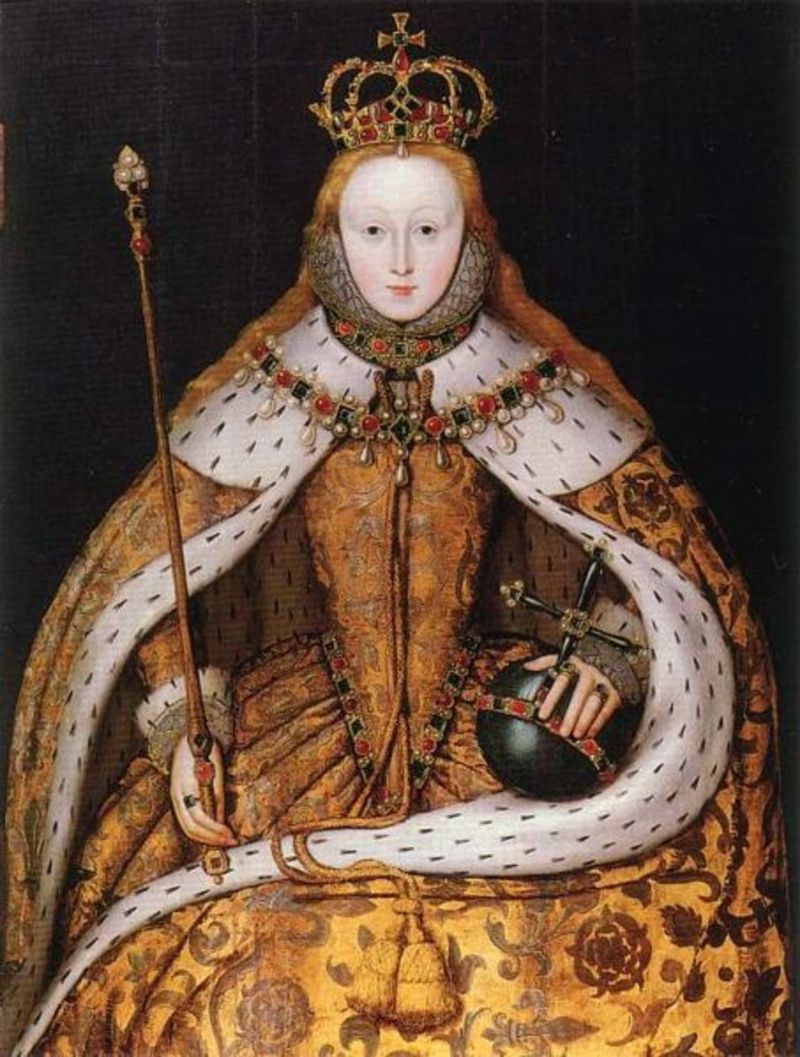
Being the daughter of Henry VIII already put Elizabeth I on shaky ground with Rome. Pope Pius V formally excommunicated her in 1570 through a papal bull called Regnans in Excelsis, declaring she was no longer a legitimate ruler.
The document even encouraged her Catholic subjects to disobey her, which made life more dangerous for English Catholics caught between loyalty to their queen and their faith. Elizabeth responded by tightening restrictions on Catholic practice throughout her kingdom.
4. Napoleon Bonaparte
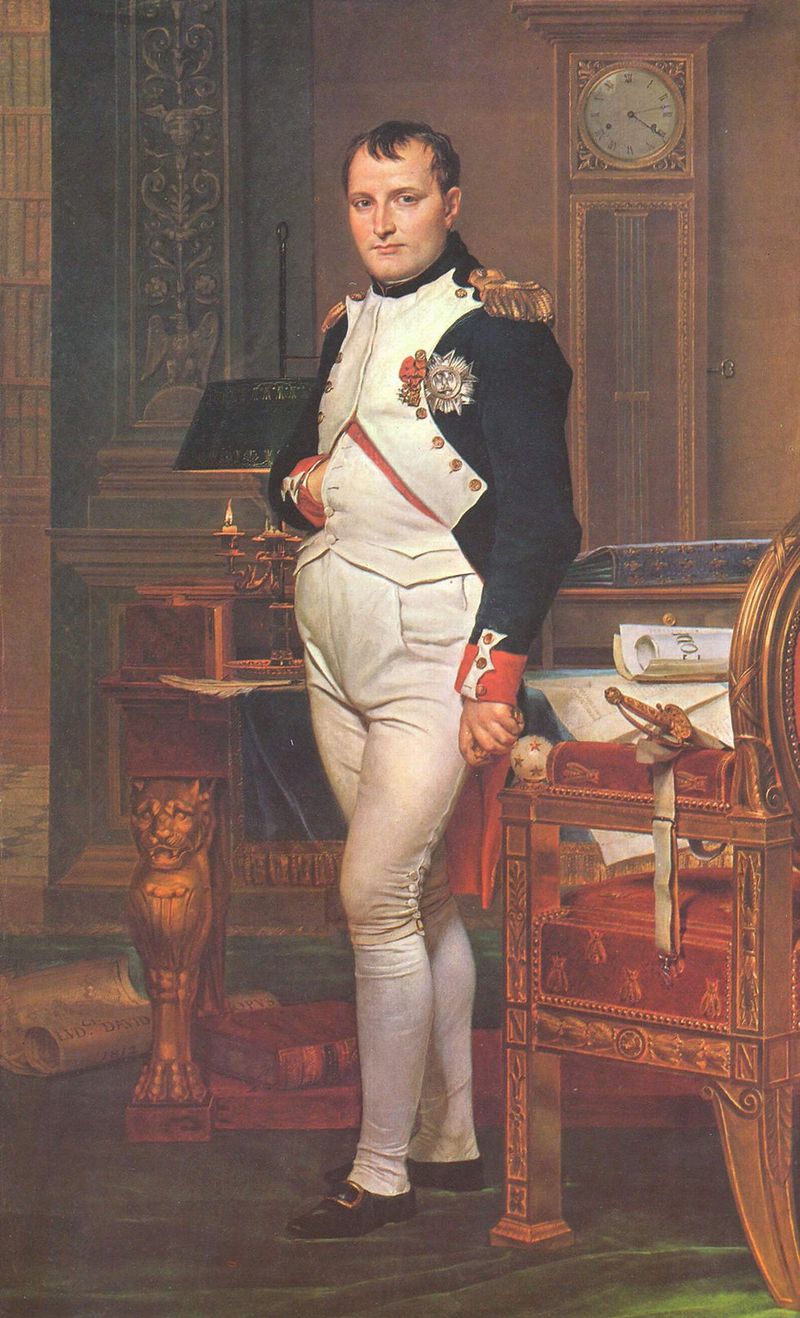
Napoleon Bonaparte was never a man who respected boundaries, and that included the authority of the Pope. After he occupied Rome and had Pope Pius VII taken prisoner, the Pope struck back in 1809 with excommunication.
Napoleon reportedly laughed it off, calling the move politically useless. But the act damaged his image across Catholic Europe and added fuel to growing opposition against his rule.
Even emperors, it turned out, were not immune to the Church’s ultimate censure.
5. Fidel Castro
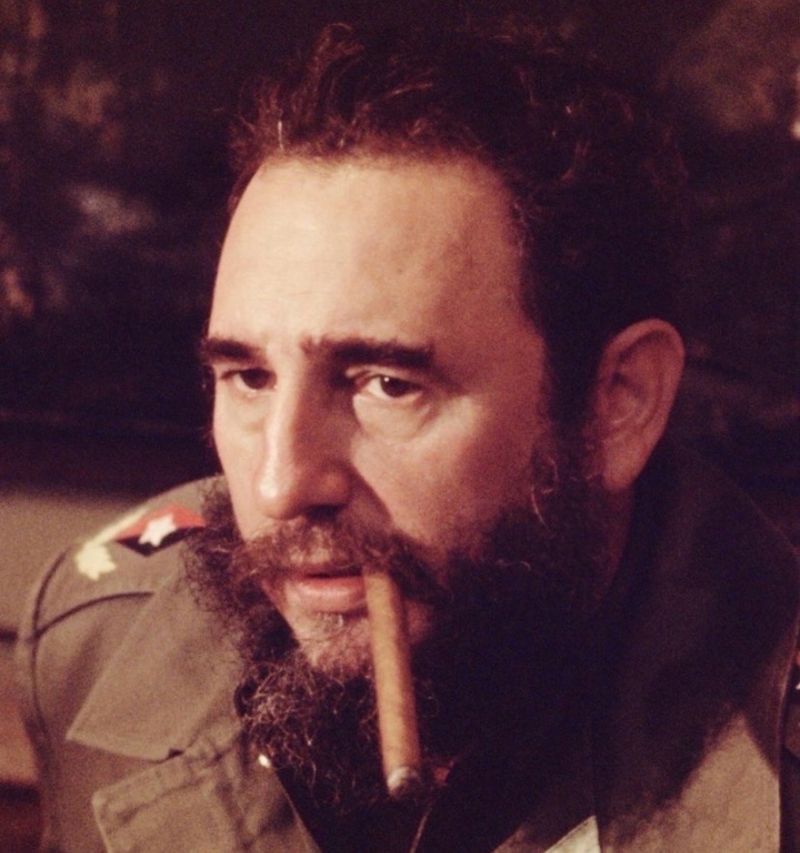
When Fidel Castro brought communist rule to Cuba, the Catholic Church pushed back hard. Pope John XXIII excommunicated him in 1962, citing his suppression of Church activities, expulsion of clergy, and support for communist ideology deemed incompatible with Catholic teaching.
Churches were shut down, priests were expelled, and religious education was banned under his government. The excommunication stood as a symbolic statement, even as Castro remained firmly in power for decades with little sign of changing course.
6. Juan Peron
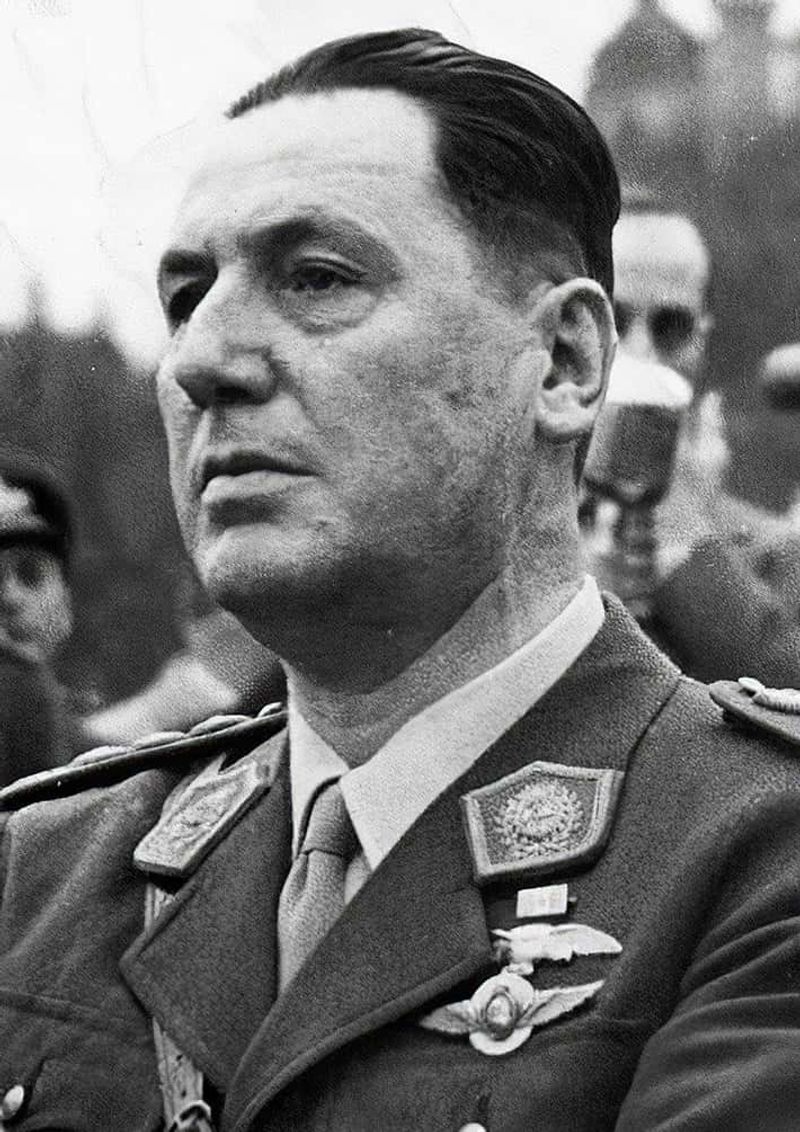
Argentina’s powerful president Juan Peron picked one fight too many when he took on the Catholic Church. Pope Pius XII excommunicated him in 1955 after Peron expelled bishops, tried to legalize divorce, and worked to strip the Church of its influence in Argentine public life.
The conflict escalated dramatically when crowds burned several churches in Buenos Aires. Peron was overthrown just months after his excommunication, and many historians see the Church’s opposition as a key factor in his downfall.
7. Jan Hus
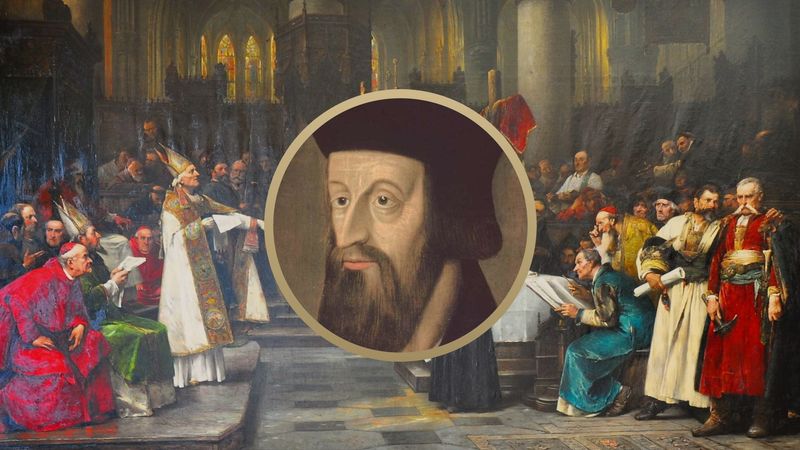
A century before Martin Luther, Jan Hus was already challenging the Church from his pulpit in Prague. The Council of Constance excommunicated him in 1415 for teachings that questioned papal authority and called for ordinary people to receive both bread and wine during communion.
He was lured to the council under a promise of safe conduct, then arrested and burned at the stake. His death ignited the Hussite Wars and made him a martyr for religious reform movements across Europe.
8. Joan of Arc
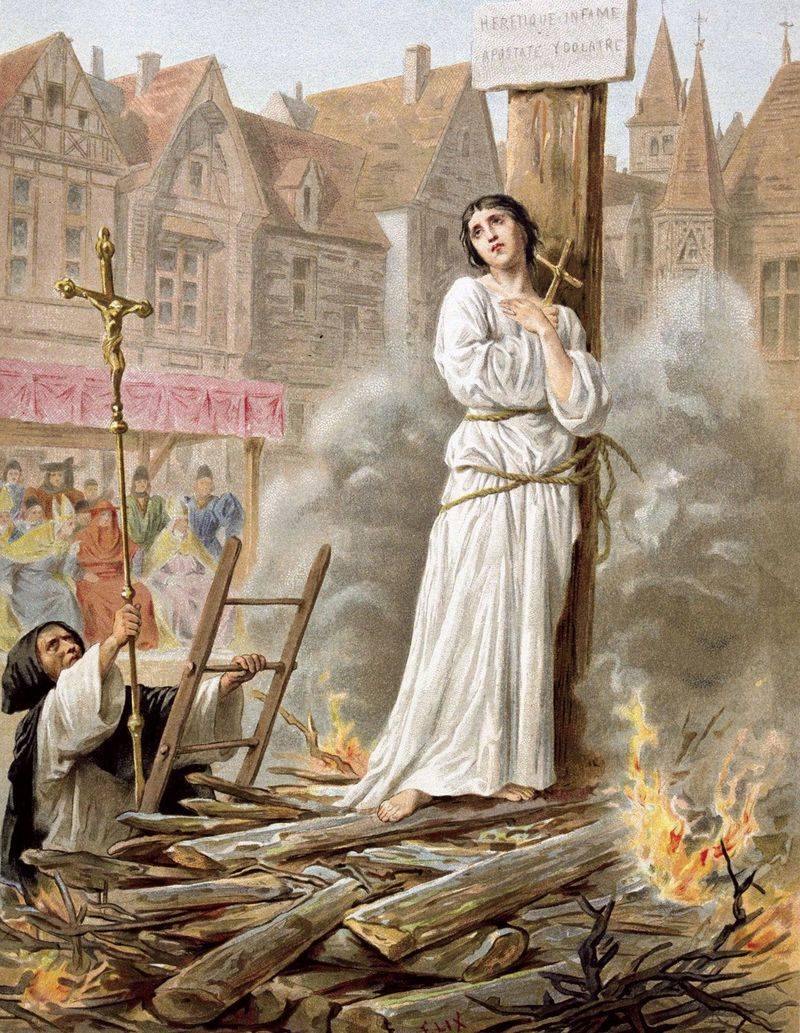
Joan of Arc heard voices she believed came from God, but her enemies used those claims against her. Bishop Pierre Cauchon excommunicated and condemned her for heresy and cross-dressing on May 30, 1431, leading to her being burned at the stake at just 19 years old.
The trial was politically motivated, driven by English and Burgundian enemies who wanted her silenced. History eventually vindicated her entirely.
She was retried, declared innocent in 1456, and later canonized as a saint in 1920.
9. Henry IV, Holy Roman Emperor
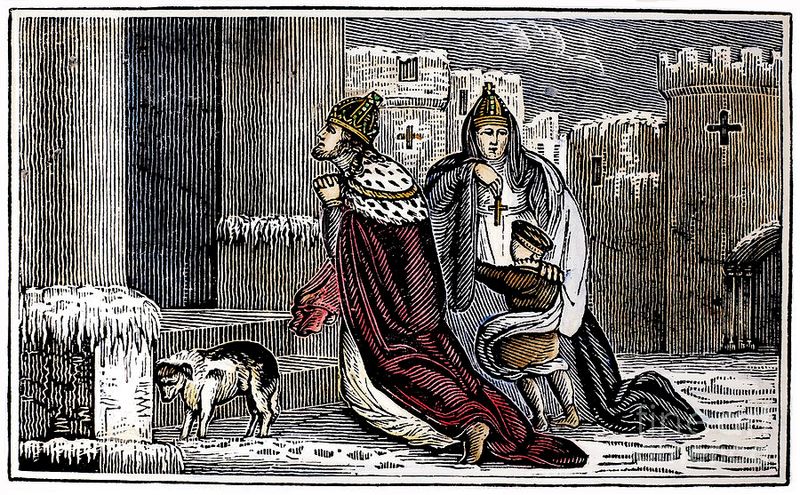
Emperor Henry IV holds one of history’s most memorable moments of humiliation: standing barefoot in the snow for three days outside a castle, begging Pope Gregory VII to lift his excommunication. His 1076 censure came after he defiantly continued appointing his own bishops, clashing with the Pope’s reforms.
The image of a powerful emperor groveling for forgiveness showed just how far papal authority could reach. The conflict, known as the Investiture Controversy, reshaped the balance of power between Church and state for generations.
10. Archbishop Marcel Lefebvre
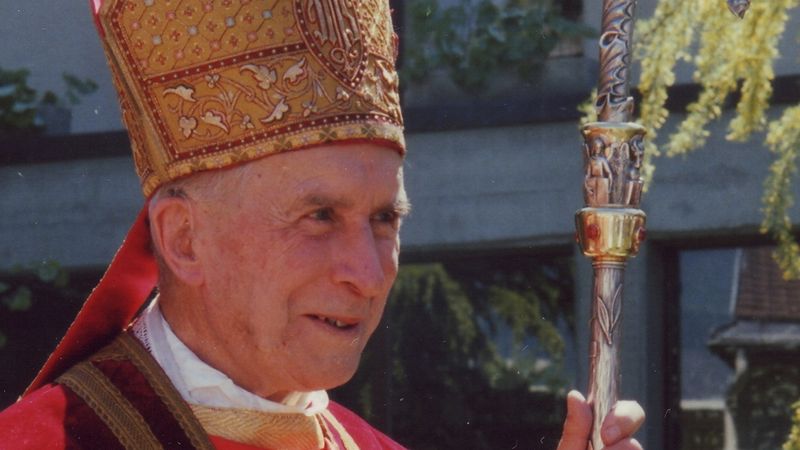
Archbishop Marcel Lefebvre was a man who refused to let the modern Church leave tradition behind. On July 1, 1988, the Vatican formally excommunicated him after he ordained four bishops without papal approval, an act considered a direct challenge to Church authority.
Lefebvre believed the reforms of the Second Vatican Council had gone too far, abandoning sacred traditions. His followers formed the Society of Saint Pius X, which still operates today, creating one of the most significant conservative splits in modern Catholic history.
11. Arius
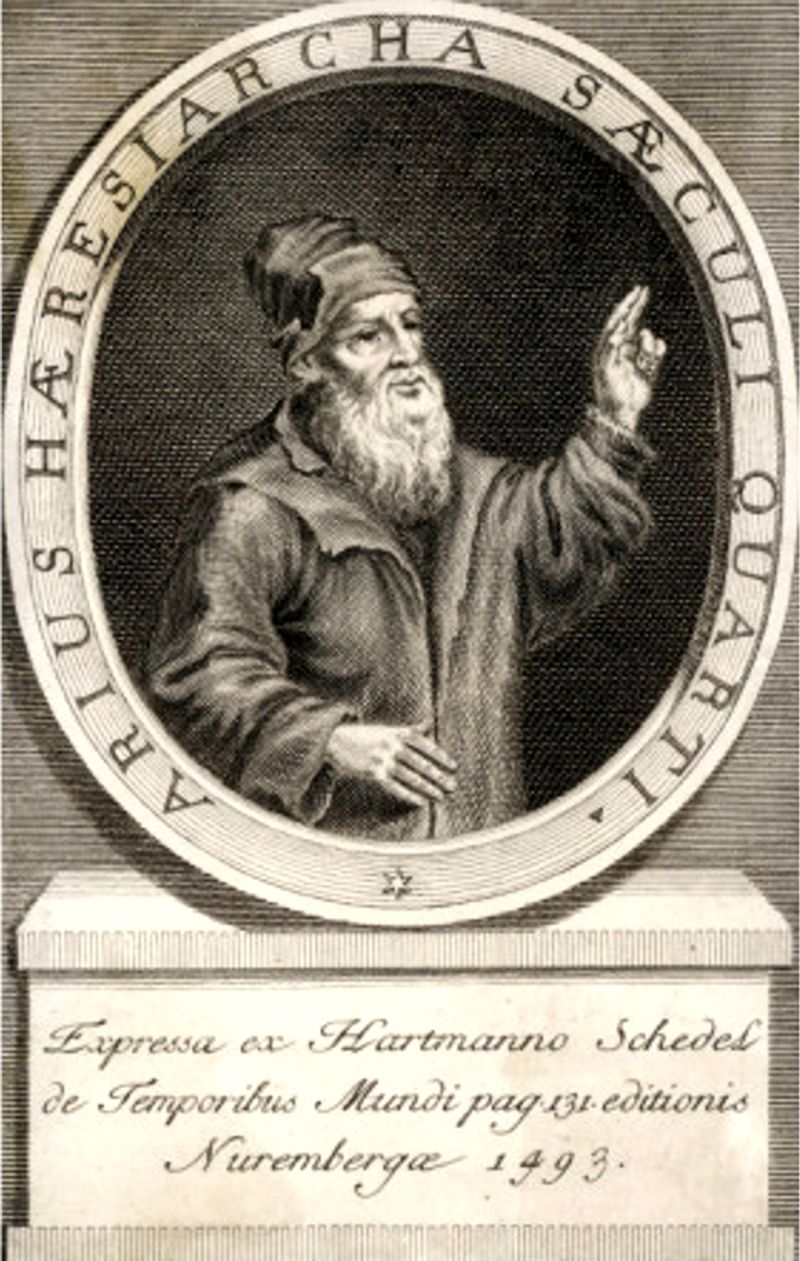
Long before popes had the power to excommunicate kings, a 4th-century priest named Arius nearly tore the early Christian Church apart. His teachings, known as Arianism, argued that Jesus was a created being and not fully divine, equal to God the Father.
The Council of Nicaea in 325 AD condemned his views and he was excommunicated. Yet Arianism spread rapidly across the Roman Empire and beyond, lasting for centuries.
It remains one of the most influential heresies in all of Christian history.
12. Nestorius
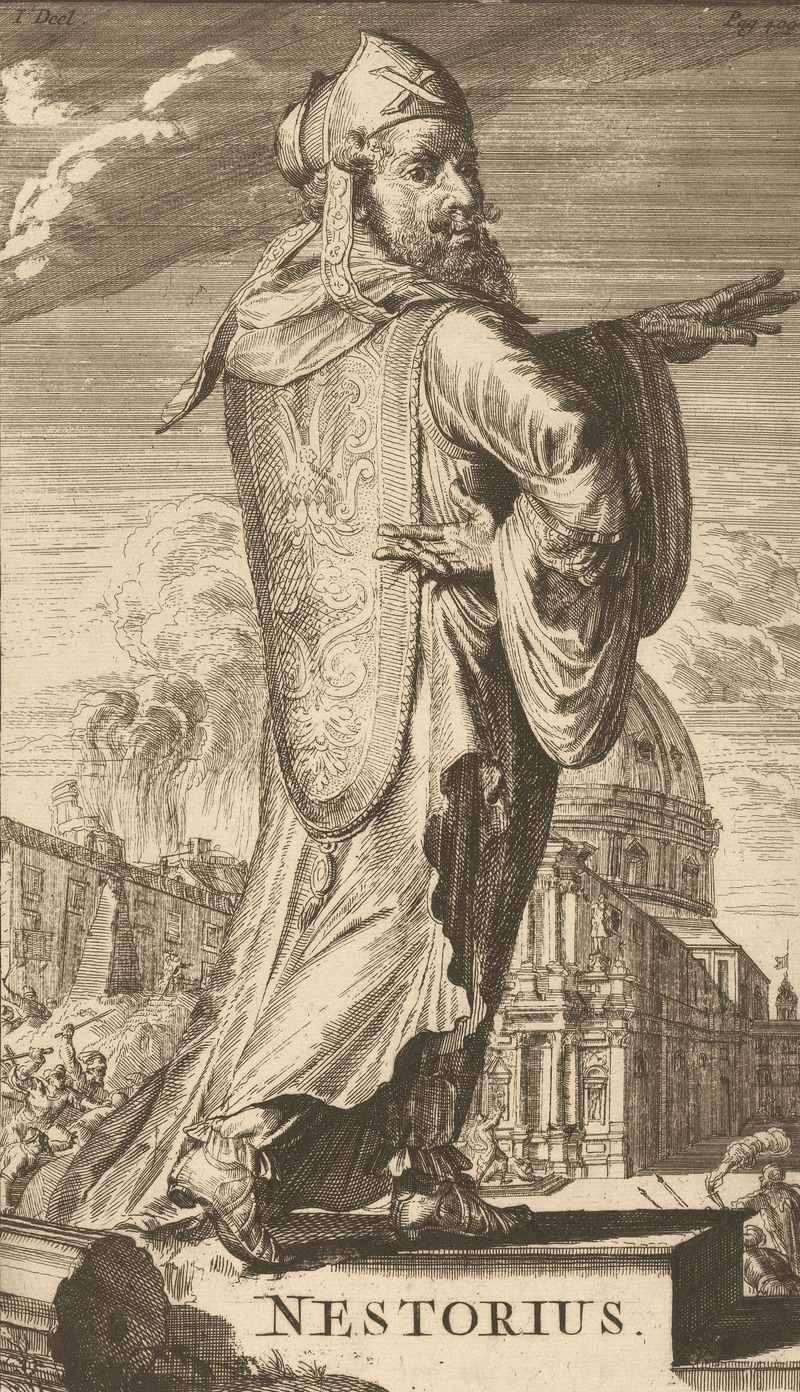
As Archbishop of Constantinople, Nestorius had one of the most powerful positions in the Christian world, yet his theology cost him everything. His teachings on the nature of Christ, suggesting that the human and divine natures were separate, horrified many Church leaders.
The Council of Ephesus excommunicated him in 431 AD. Despite his removal, Nestorianism spread eastward into Persia, India, and even China.
His followers built thriving Christian communities along the Silk Road, leaving a legacy far beyond his condemnation.
13. Robert the Bruce
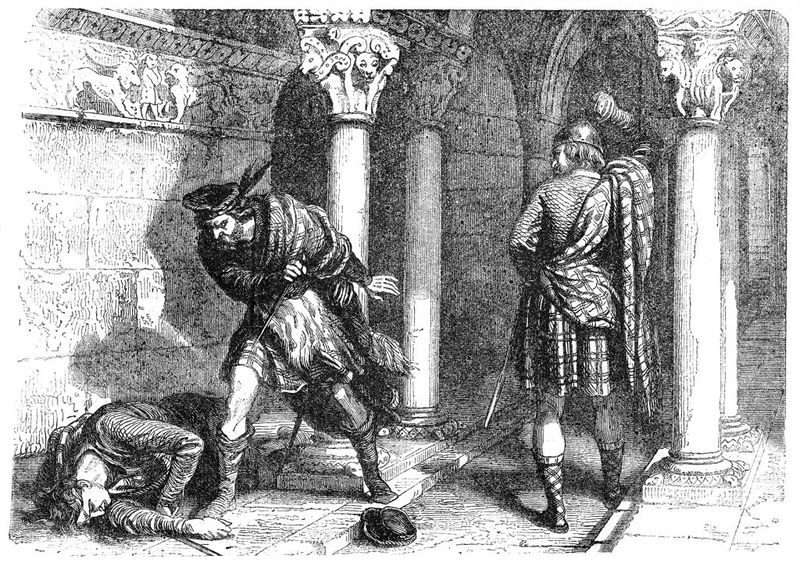
Robert the Bruce committed an act so shocking it earned him immediate excommunication: he murdered a rival, John Comyn, right inside a church in 1306. Killing someone in sacred ground was considered one of the gravest offenses imaginable in medieval Christian society.
Despite being cut off from the Church, Bruce pressed on with his fight for Scottish independence, eventually winning the Battle of Bannockburn in 1314. Pope John XXII later lifted his excommunication, and today Bruce is celebrated as one of Scotland’s greatest national heroes.
14. Emperor Theodosius I
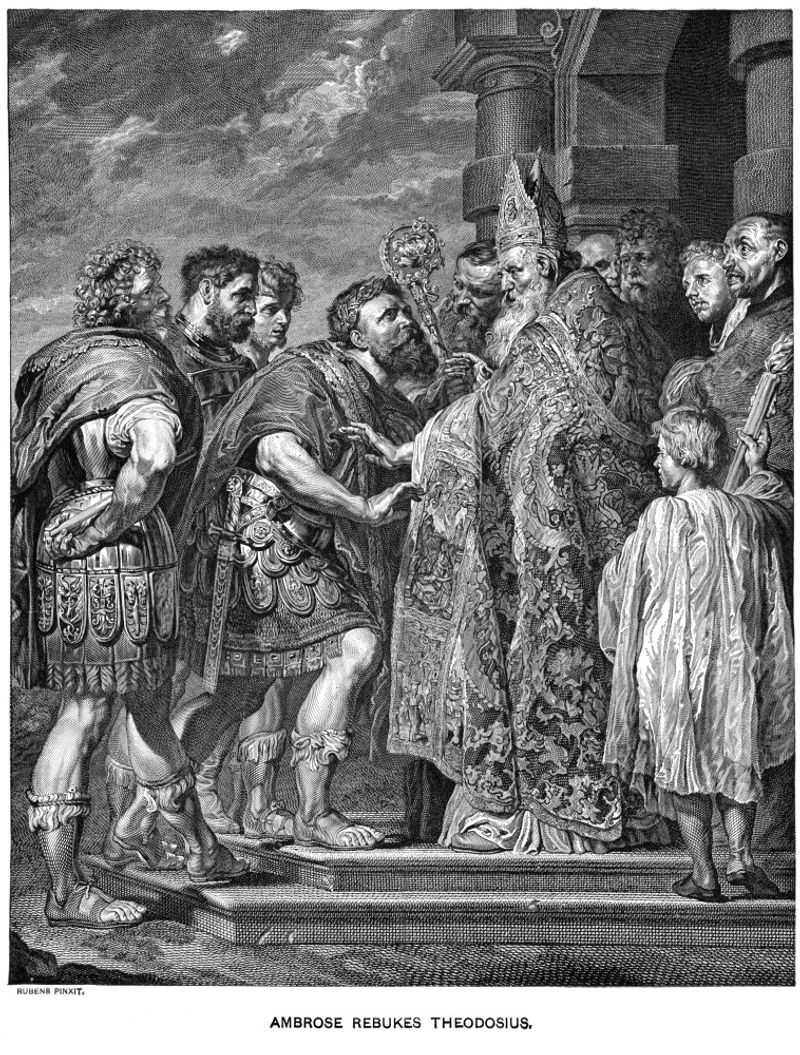
Emperor Theodosius I was one of the most powerful rulers in the Roman world, but Bishop Ambrose of Milan refused to be intimidated by him. After Theodosius ordered the massacre of thousands of civilians in Thessalonica in 390 AD, Ambrose excommunicated him without hesitation.
What happened next stunned the ancient world. Theodosius publicly humbled himself, performed months of penance, and was eventually welcomed back into the Church.
His submission set a powerful precedent showing that even Roman emperors answered to moral authority beyond their throne.
15. Pope Honorius I
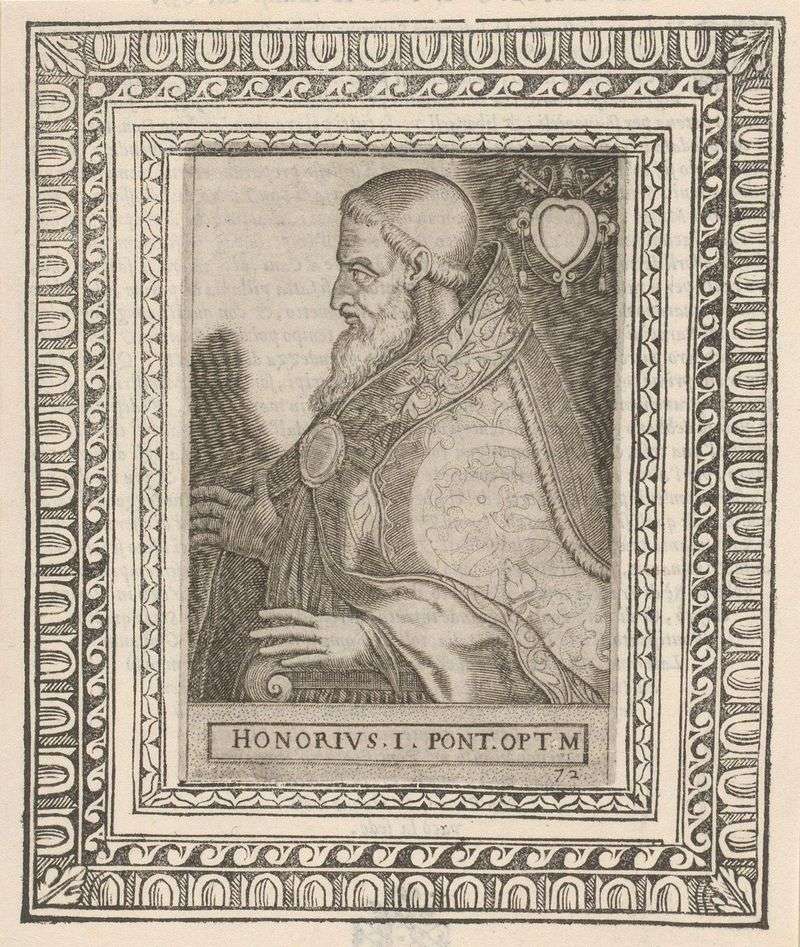
Here is a truly strange twist in Church history: a pope being condemned by the Church itself. Pope Honorius I served from 625 to 638 AD, but decades after his death, the Third Council of Constantinople declared him a heretic in 681 AD.
His crime was failing to clearly oppose Monothelitism, a teaching that Christ had only one will. Pope Leo II confirmed the condemnation in 682 AD.
It remains one of the most unusual and debated episodes in all of papal history.
16. Alfred Loisy
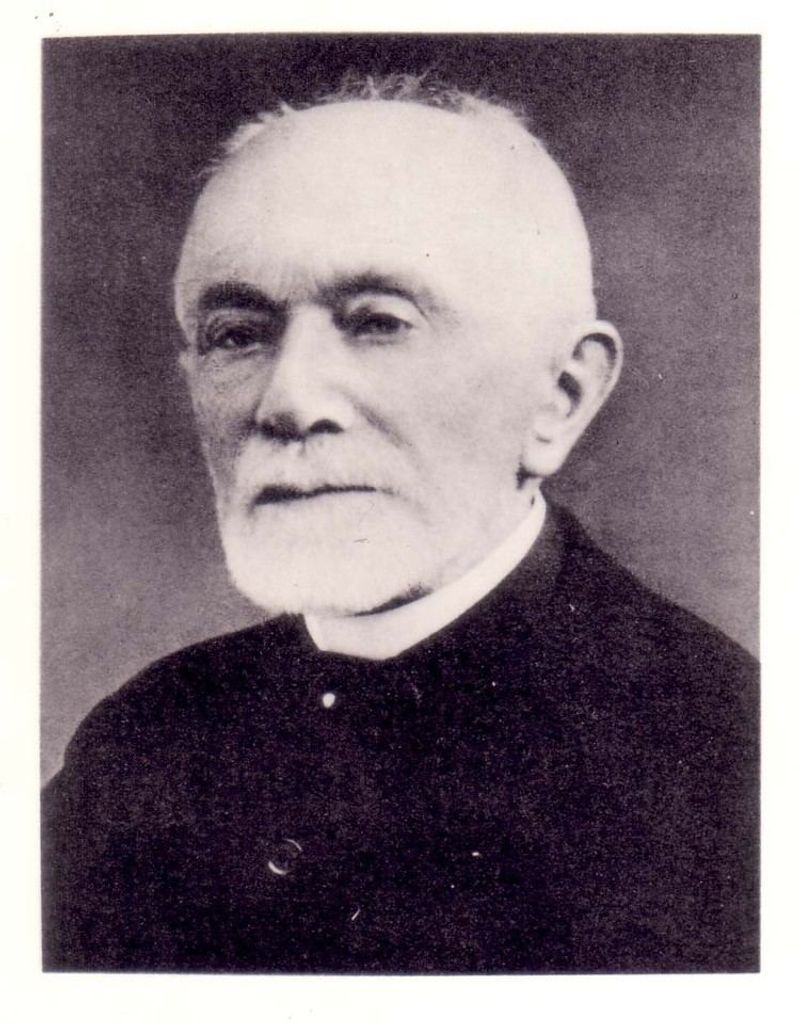
Alfred Loisy was a brilliant French biblical scholar whose ideas made Church officials deeply uncomfortable. His work applied modern historical methods to Scripture, questioning traditional interpretations of Jesus and early Christianity in ways the Vatican found threatening to the faith.
Pope Pius X excommunicated him in 1908, labeling his approach part of the broader Modernist heresy. Far from disappearing, Loisy continued writing and teaching as a secular professor.
His work influenced generations of scholars and helped shape how biblical studies developed in the 20th century.
17. Frederick II, Holy Roman Emperor
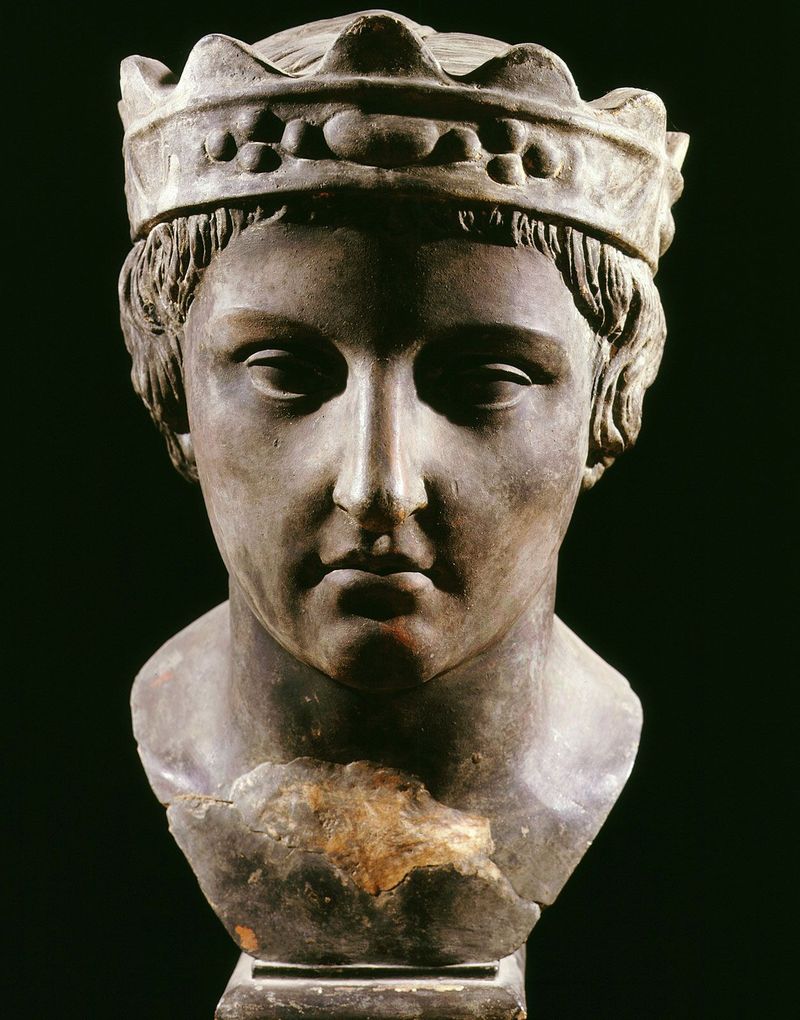
Frederick II was called Stupor Mundi, meaning Wonder of the World, and he certainly kept the papacy wondering what he would do next. He was excommunicated not once but three times during the 13th century, largely for repeatedly delaying his promised Crusade to the Holy Land.
Pope Gregory IX excommunicated him in 1227, yet Frederick still led a crusade and diplomatically negotiated control of Jerusalem without shedding a drop of blood. The Pope was furious.
Frederick seemed to enjoy outwitting the Church at every turn.
18. Henry IV of France and Navarre
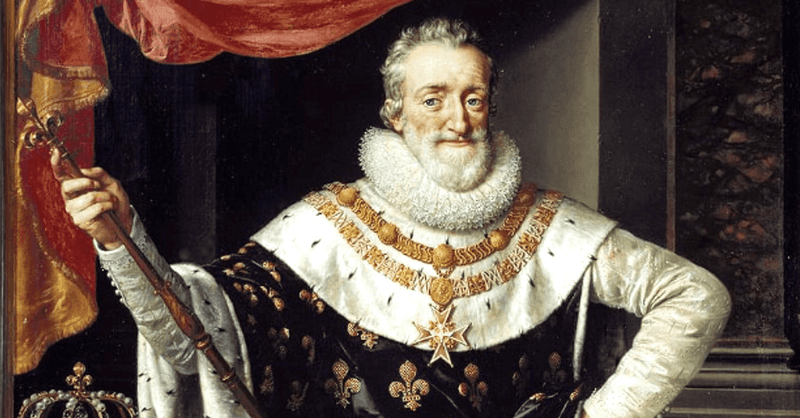
Henry IV of France proved that excommunication could sometimes be a stepping stone rather than a dead end. Pope Sixtus V excommunicated him in 1585 for being a Protestant leader, which legally blocked him from inheriting the French throne.
Henry’s solution was pragmatic and famous: he converted to Catholicism in 1593, reportedly saying Paris is well worth a Mass. His excommunication was lifted in 1595, and he went on to issue the Edict of Nantes, granting religious tolerance to French Protestants.