
Some of the biggest names in music history started their careers standing quietly behind the main act, singing harmonies that nobody noticed. Before they sold out arenas and topped the charts, these artists were earning their stripes as backup vocalists for other stars.
Their journeys from the background to the spotlight prove that talent always finds a way to shine. Get ready to discover the incredible stories behind 19 singers who turned their supporting roles into legendary solo careers.
1. Mariah Carey
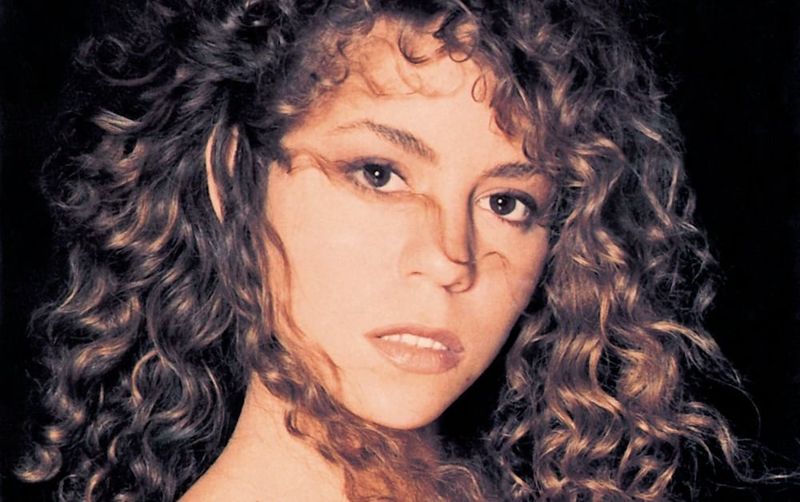
Before five-octave runs and Christmas classics, Mariah Carey was quietly singing backup for pop singer Brenda K. Starr in the late 1980s.
Starr believed so strongly in Carey’s talent that she handed her demo tape directly to a Sony Music executive at a party.
That bold move changed everything. Carey walked away with a record deal and released her self-titled debut album in 1990, launching one of the best-selling music careers of all time.
2. Whitney Houston
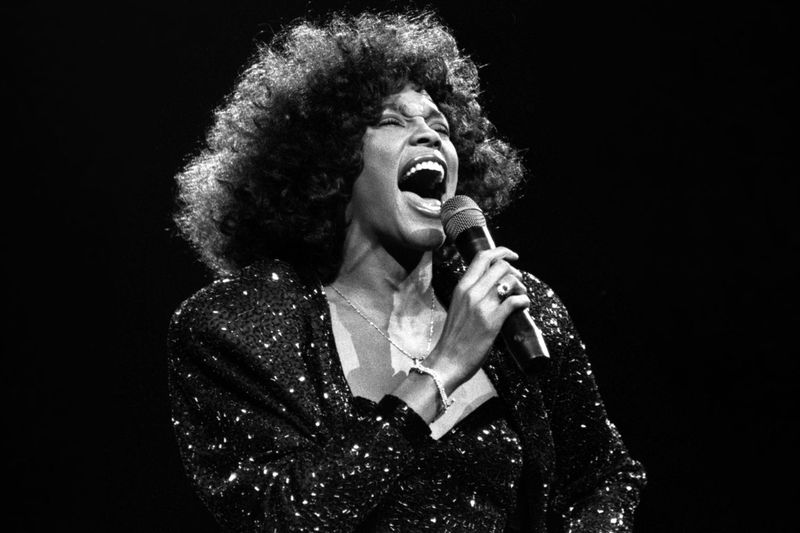
At just 14 years old, Whitney Houston was already singing backup for her mother, gospel legend Cissy Houston. She later lent her voice to sessions for Jermaine Jackson, Chaka Khan, and Lou Rawls before anyone knew her name.
Those early years of blending into the background actually sharpened her incredible technique. By 1985, her debut album had exploded onto the charts, and the world finally heard that powerhouse voice front and center.
3. Luther Vandross
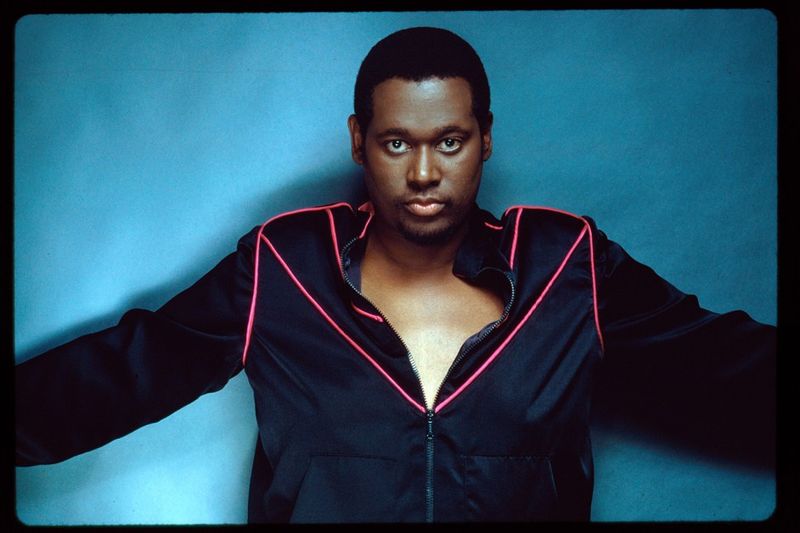
Few backup singers worked harder or with more variety than Luther Vandross in the 1970s. He lent his silky voice to sessions for David Bowie, Bette Midler, Diana Ross, Barbra Streisand, Donna Summer, and Chic, among many others.
Studio producers adored his reliability and range. When he finally stepped out on his own in 1981 with “Never Too Much,” audiences immediately understood what those artists had known all along: this man was born to be a star.
4. Sheryl Crow
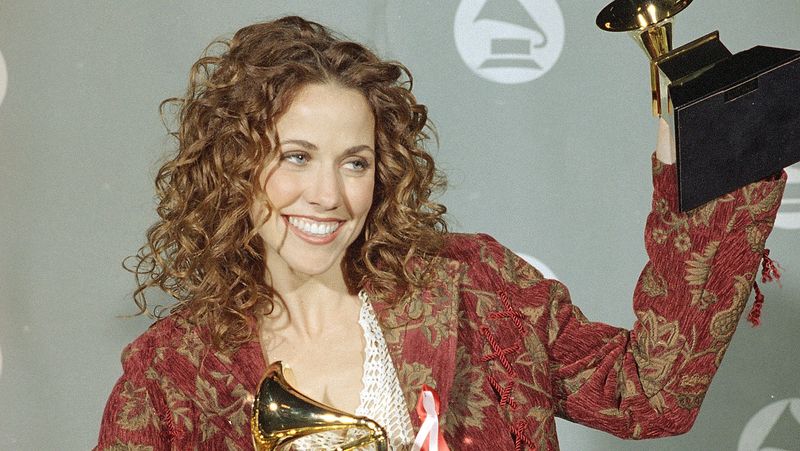
Sheryl Crow spent years blending into the background before anyone paid attention to her own songwriting. She sang backup for Michael Jackson during his Bad World Tour, Don Henley, and Stevie Wonder, even appearing in Jackson’s “Dirty Diana” music video.
All that road experience gave her a deep understanding of what makes a great performance. Her 1993 debut album “Tuesday Night Music Club” broke through in a major way, earning her multiple Grammy Awards and genuine rock credibility.
5. Mary J. Blige
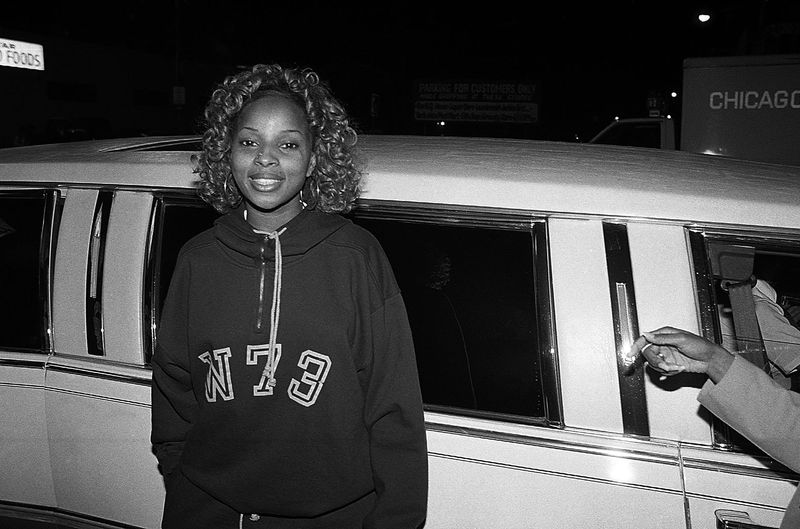
Long before she became the Queen of Hip-Hop Soul, Mary J. Blige was a background vocalist grinding at Uptown Records.
Her first recorded credit came on Father MC’s track “I’ll Do 4 U,” where her voice added an undeniable emotional punch.
Label executives quickly realized they had something special on their hands. Her 1992 debut album “What’s the 411?” merged hip-hop beats with raw R&B emotion, creating a brand-new sound that defined an entire generation of music.
6. John Legend
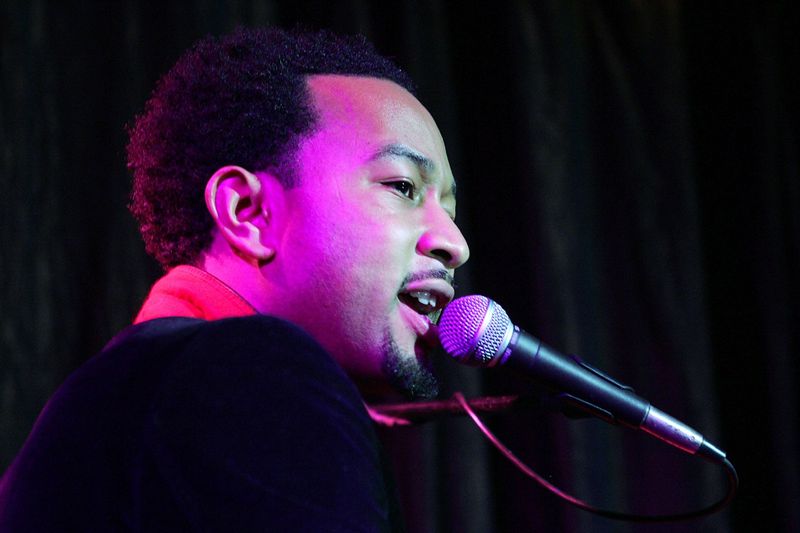
Before he won an EGOT and filled concert halls worldwide, John Legend was the guy Kanye West called when he needed background vocals and piano. He contributed to Kanye’s groundbreaking debut album “The College Dropout” and worked sessions for Jay-Z and Alicia Keys.
His smooth, soulful style stood out even in a supporting role. In 2004, his own debut album “Get Lifted” arrived, earning him three Grammy Awards and cementing his status as one of R&B’s most gifted performers.
7. Cher
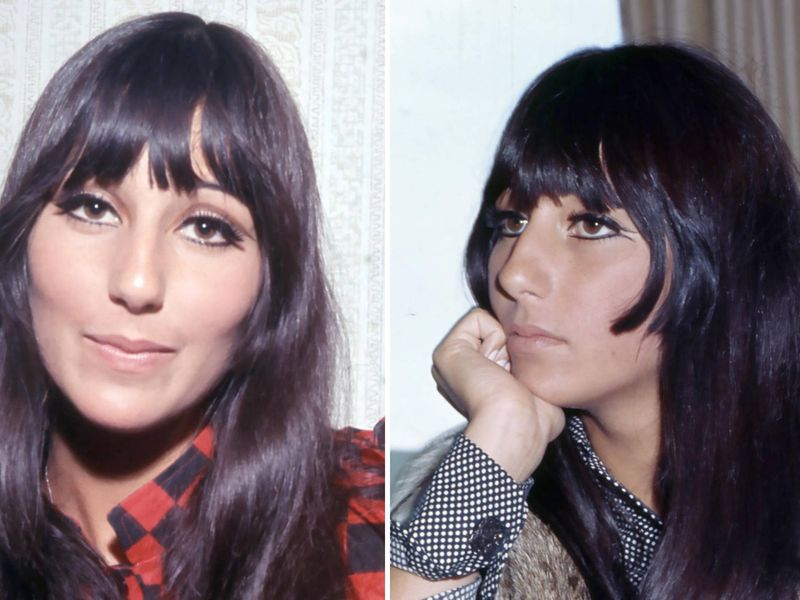
Way before the wigs, the comeback tours, and the movie roles, Cher was a teenage girl singing anonymous backup vocals for legendary producer Phil Spector. She contributed to recordings for The Crystals, The Ronettes, and The Righteous Brothers, including the iconic “You’ve Lost That Lovin’ Feeling.”
Spector’s Wall of Sound sessions gave her an education in pop perfection. That experience helped shape her ear for massive, dramatic music, which she eventually channeled into her own extraordinary solo career.
8. Phil Collins
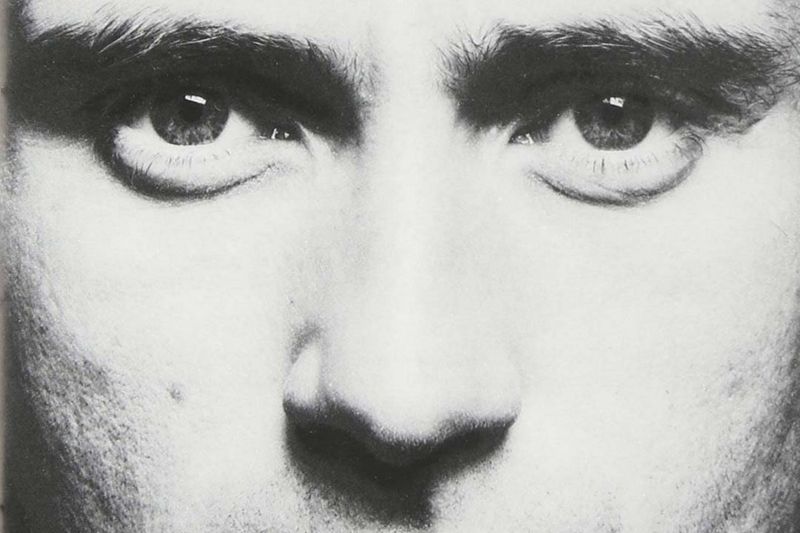
Phil Collins joined Genesis as a drummer and backup vocalist, content to sit behind the kit while Peter Gabriel commanded the stage. When Gabriel left in 1975, nobody expected the drummer to step up to the microphone and completely reinvent the band.
But Collins proved everyone wrong in spectacular fashion. Not only did Genesis thrive under his leadership, but his solo debut “Face Value” in 1981 spawned massive hits and showed the world he was a frontman all along.
9. Gwen Stefani
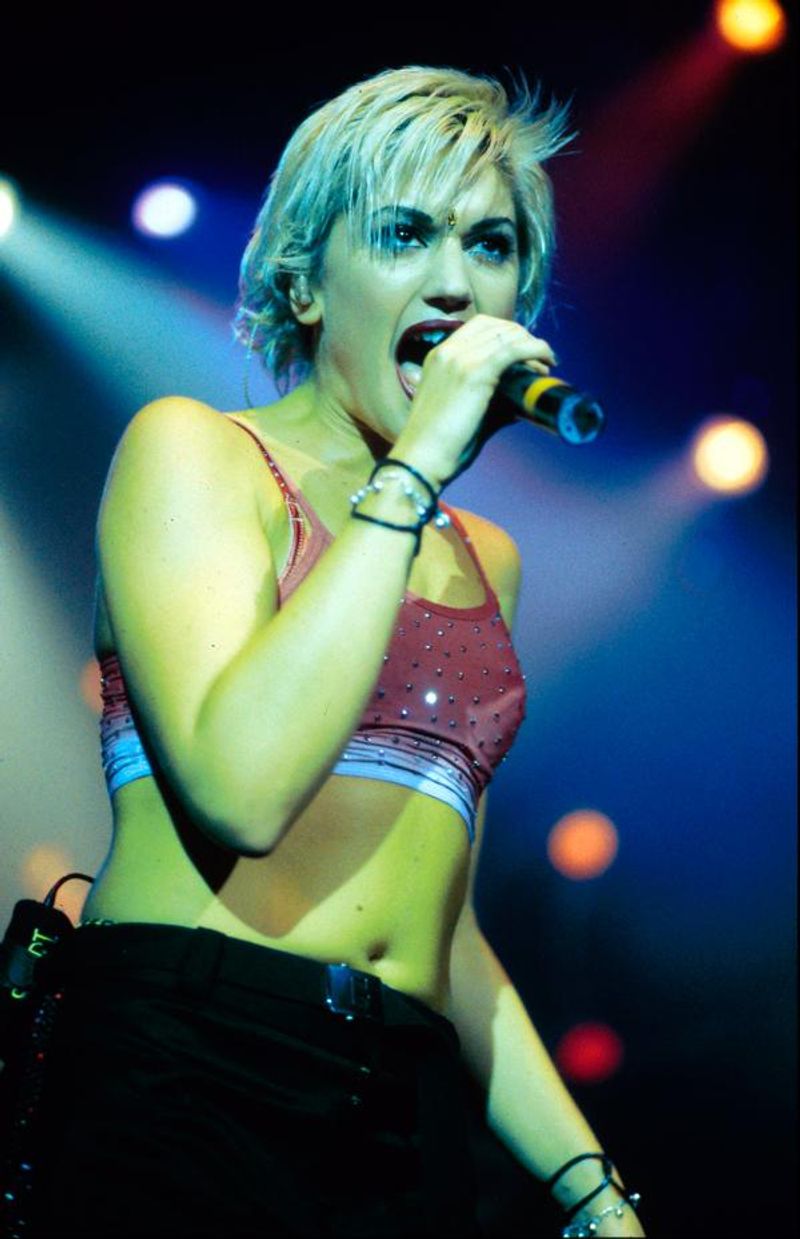
Gwen Stefani did not start No Doubt as the lead singer. She joined the band as a backup vocalist, with Eric Stefani’s friend John Spence originally handling lead duties.
When Spence tragically passed away in 1987, Gwen stepped forward and never looked back.
Her fearless, genre-blending energy transformed No Doubt into a global phenomenon. By the time “Tragic Kingdom” dropped in 1995, she had become one of rock’s most electrifying frontwomen, paving the way for her massive solo success.
10. Katy Perry
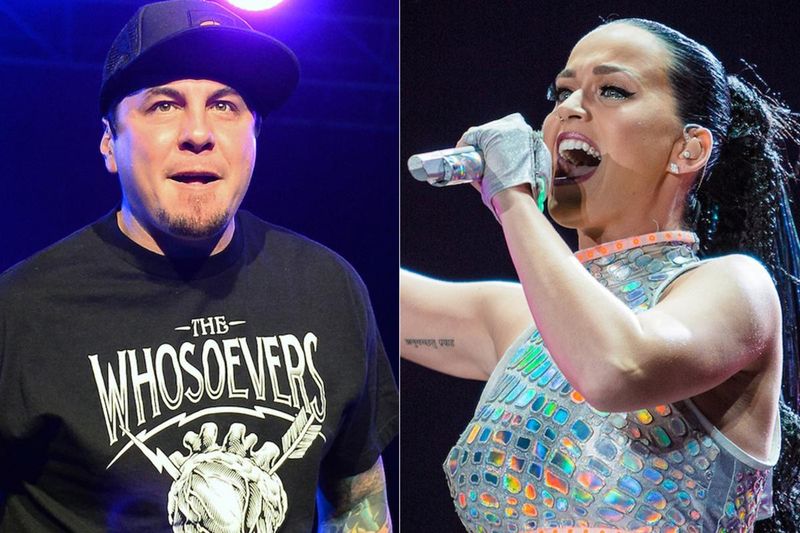
Before the candy-colored wigs and number-one pop anthems, Katy Perry was singing backup for the Christian metal band P.O.D. She even appeared in the music video for their song “Goodbye For Now,” blending quietly into the background of a rock scene.
That early exposure to live performance and studio work helped her develop serious stage instincts. When her pop career ignited in 2008 with “I Kissed a Girl,” the world discovered an entertainer who clearly knew exactly how to own a moment.
11. Michael McDonald
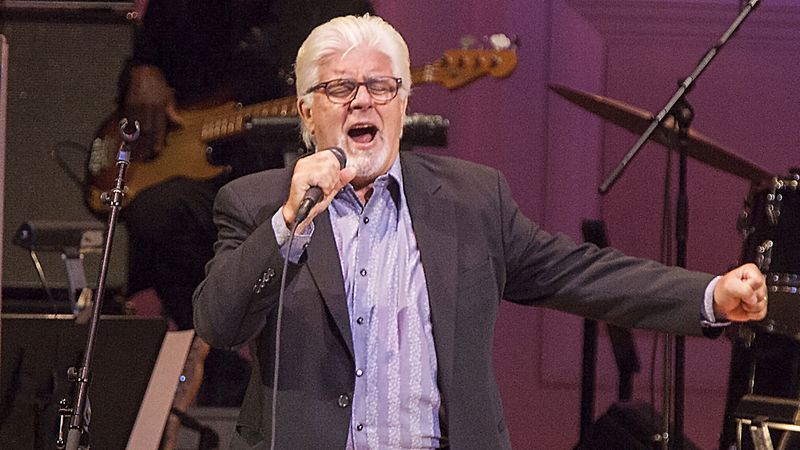
Michael McDonald’s buttery baritone was one of the most recognizable session voices of the 1970s before most people knew his name. He sang backup for Steely Dan, whose famously perfectionist studio sessions were among the most demanding in the industry.
That experience sharpened his craft considerably. When he joined the Doobie Brothers as lead vocalist in 1975, the band’s entire sound shifted, and his soulful style drove them to new commercial heights before he launched a successful solo career.
12. Rita Coolidge
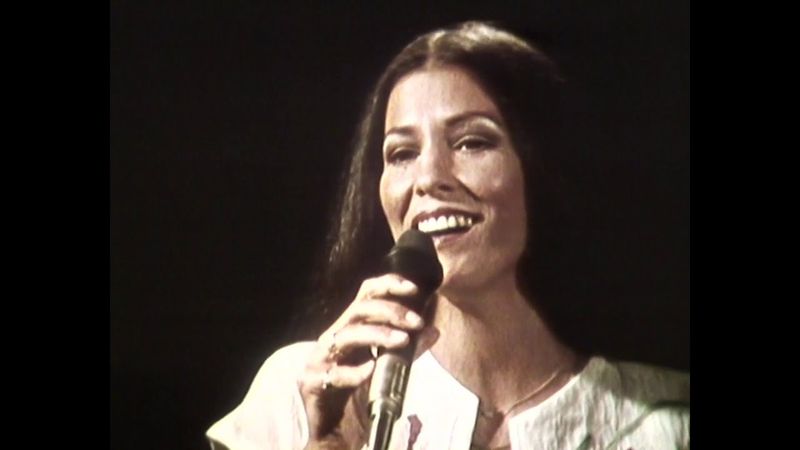
Rita Coolidge earned her stripes on the road with some of rock’s hardest-working acts. She sang backup for Eric Clapton, Joe Cocker, Leon Russell, and even Bob Dylan, absorbing a masterclass in live performance from all of them.
Her warm, expressive voice was impossible to ignore for long. By the mid-1970s, she had carved out a solo career of her own, scoring hits like “Higher and Higher” and “We’re All Alone,” which earned her two Grammy Awards.
13. Faith Evans
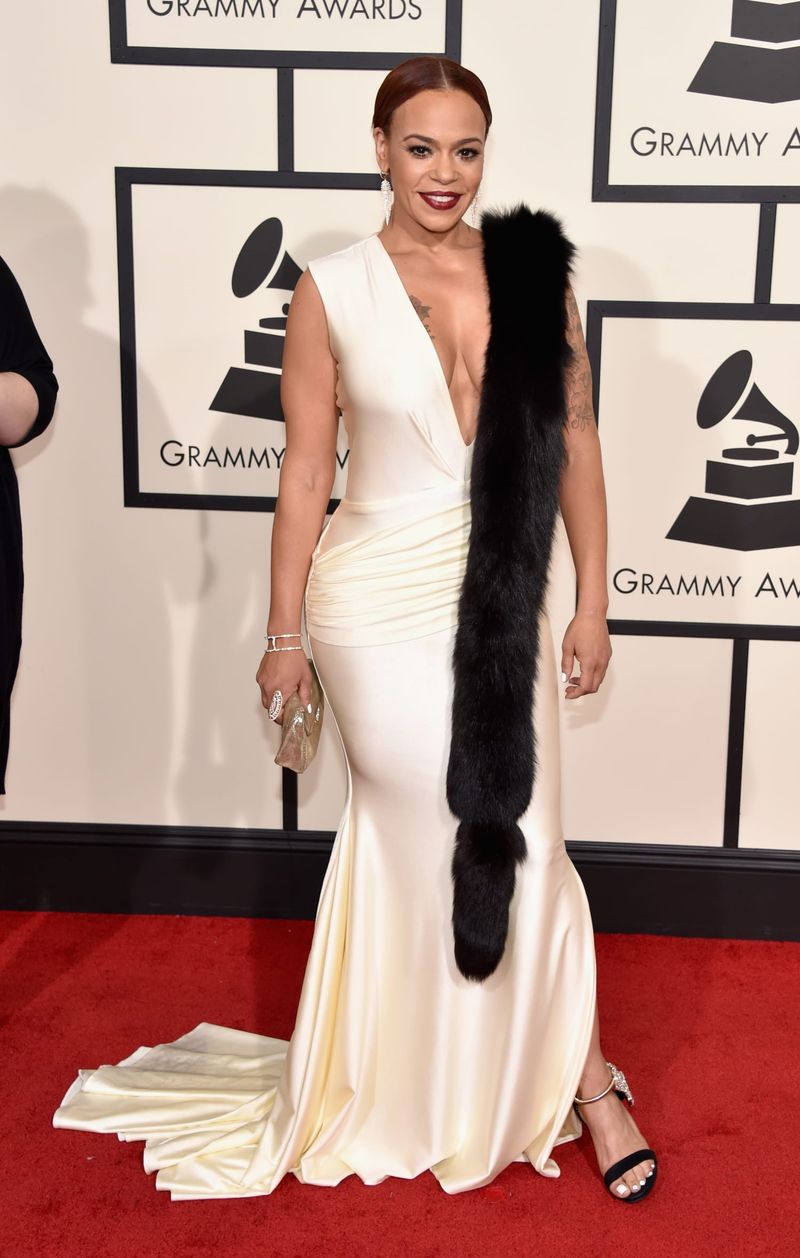
Faith Evans was quietly building her reputation as a go-to background vocalist at Bad Boy Records before she ever released her own music. She provided backup vocals for Mary J.
Blige and Usher, earning trust and experience inside one of hip-hop’s most powerful labels.
Her soulful, gospel-rooted voice eventually demanded its own spotlight. Her 1995 self-titled debut album proved she was far more than a supporting act, and her emotional depth as an artist has kept her relevant for decades.
14. Kelly Price
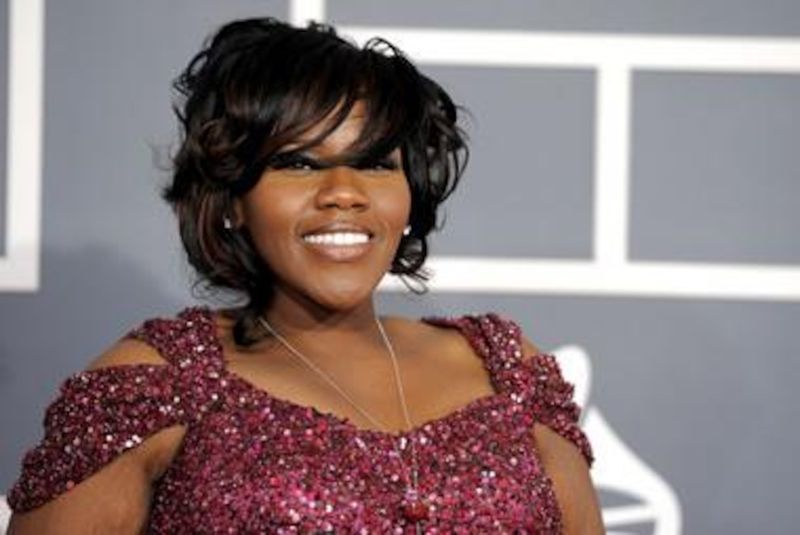
Kelly Price’s voice helped make some of the biggest songs of the 1990s sound even bigger. She sang backup for Mariah Carey on the massive hit “Fantasy” and appeared on The Notorious B.I.G.’s “Mo Money Mo Problems,” two of the decade’s most recognizable tracks.
Working alongside legends at that level gave her a front-row seat to greatness. Her 1998 debut album “Soul of a Woman” showcased her powerhouse vocals and earned her a Grammy nomination, announcing her arrival as a serious solo force.
15. Keri Hilson
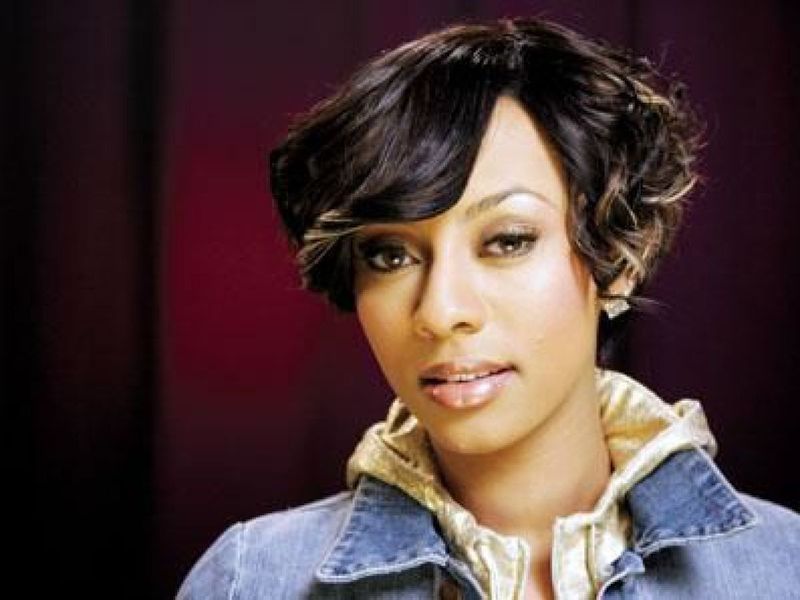
Keri Hilson wore two hats before her solo career launched: she sang backup and wrote songs for artists including Usher, Ludacris, Kelly Rowland, and Ciara. Her pen and her voice were equally valuable in the studio, making her one of R&B’s most sought-after collaborators.
That creative double role gave her a unique advantage when crafting her own music. Her 2009 debut album “In a Perfect World” delivered the hit “Knock You Down” featuring Kanye West, proving she had always been ready for center stage.
16. Tamar Braxton
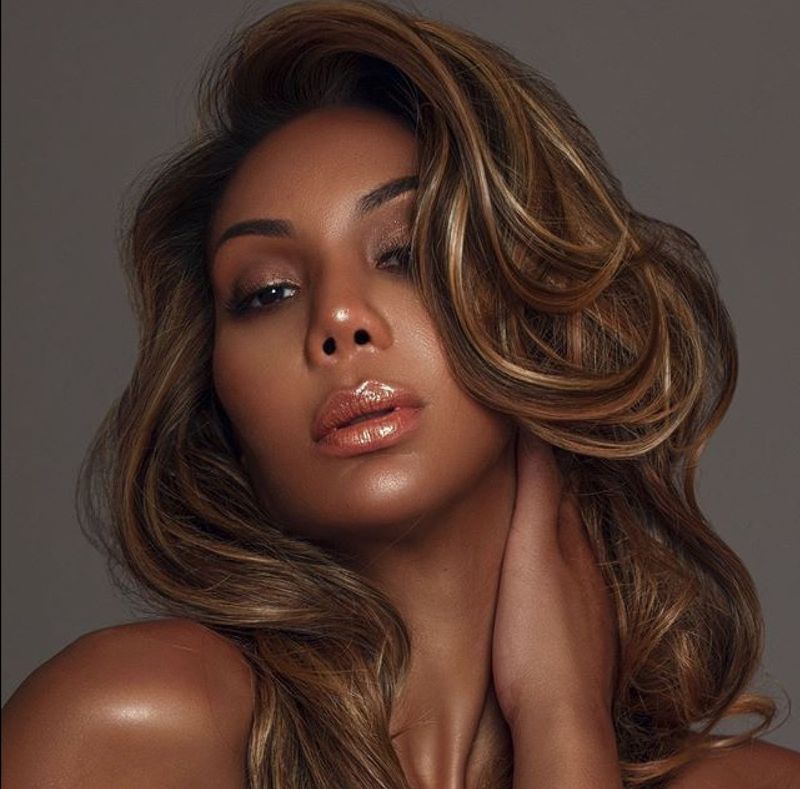
Growing up in the Braxton household meant talent was everywhere, but it also meant Tamar spent years in her older sister Toni’s considerable shadow. She started her professional career singing backup for Toni, learning the business from the inside of one of the 1990s’ biggest R&B acts.
Rather than settling for a supporting role forever, Tamar channeled that experience into her own artistic identity. Her 2013 album “Love and War” debuted at number two on the Billboard 200, finally giving her the solo spotlight she had always deserved.
17. Angie Stone
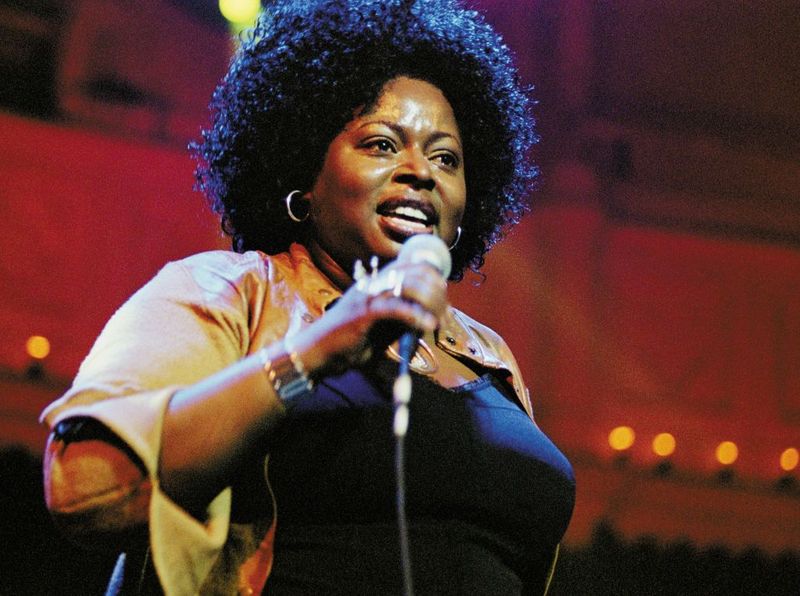
Angie Stone’s path to solo success wound through some impressive company. She sang backup for D’Angelo and Lenny Kravitz, two of neo-soul’s most influential figures, and also had roots in the early-80s hip-hop duo Sequence, making her a true musical pioneer across multiple eras.
All those experiences layered into a rich, textured artistic voice. Her 1999 debut album “Black Diamond” earned widespread critical praise, and her hit “No More Rain” became a neo-soul anthem that showcased exactly how far she had traveled from the background.
18. Dido

Before Dido became the quietly haunting voice behind some of the early 2000s’ most atmospheric pop albums, she spent time as a backup singer learning the craft from the inside out. Her understated style made her a natural fit for supporting roles, but it also masked a deeply personal songwriting gift.
Her 1999 debut album “No Angel” eventually sold over 21 million copies worldwide. Songs like “Thank You” and “Here With Me” revealed an artist whose soft-spoken power had always been hiding in plain sight.
19. Elton John
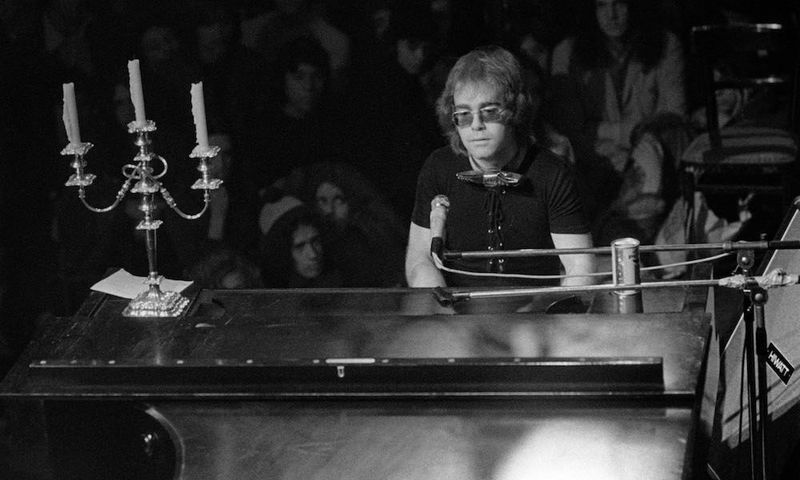
Hard to believe, but even Elton John paid his dues in the background before rhinestones and rocket ships. Early in his career, he performed backing vocals and session piano work for other artists in the bustling London music scene of the late 1960s.
Those anonymous sessions helped him develop the musicianship that would later fuel one of pop history’s most flamboyant careers. By 1970, “Your Song” had introduced the world to a performer whose charisma simply refused to stay in the background any longer.