
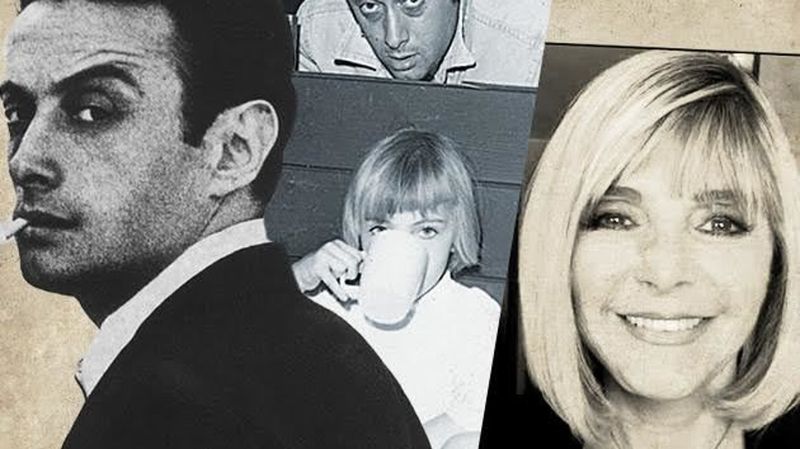
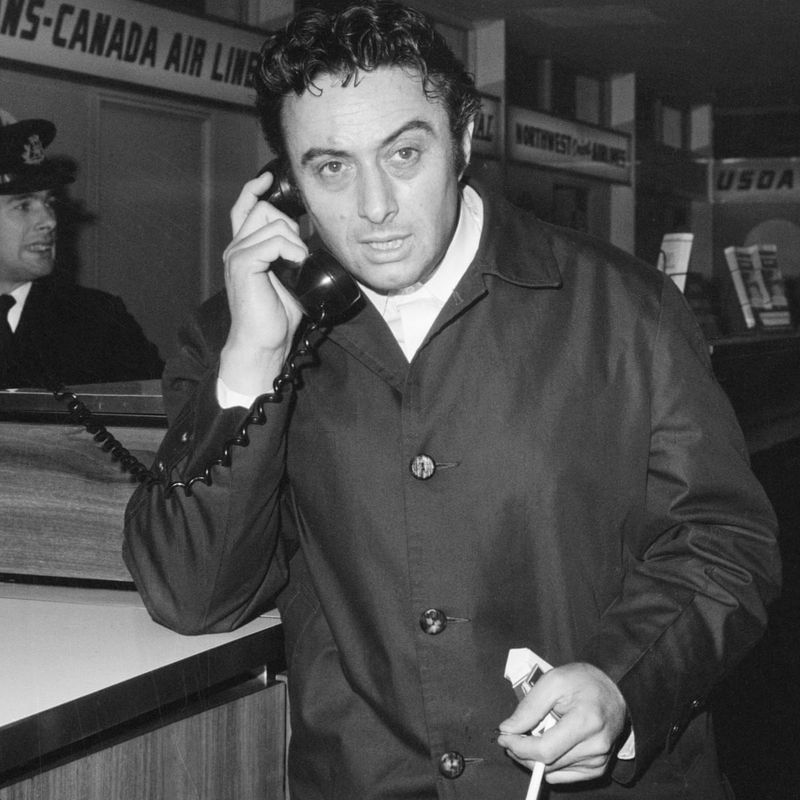
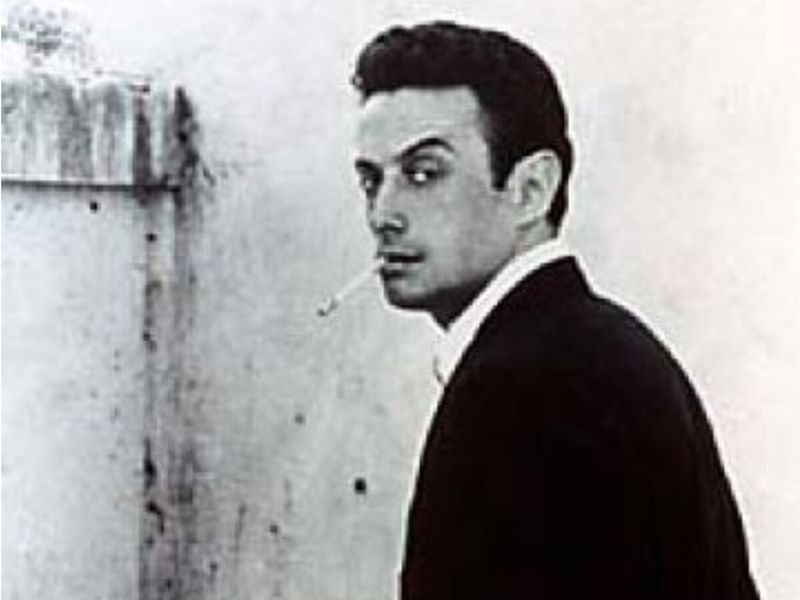
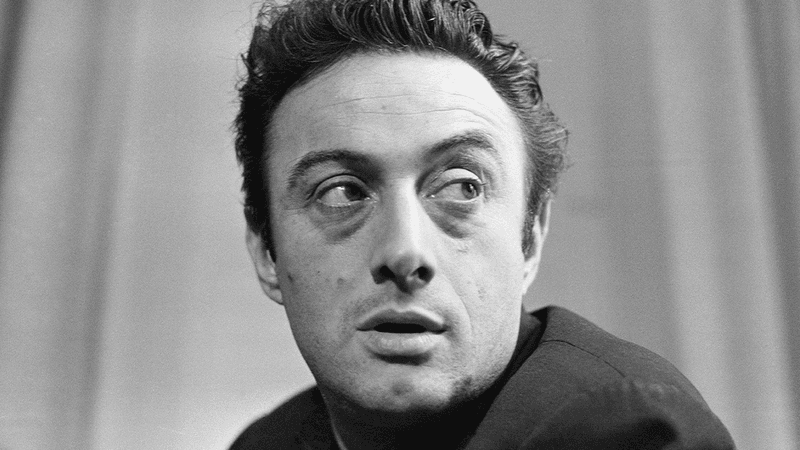
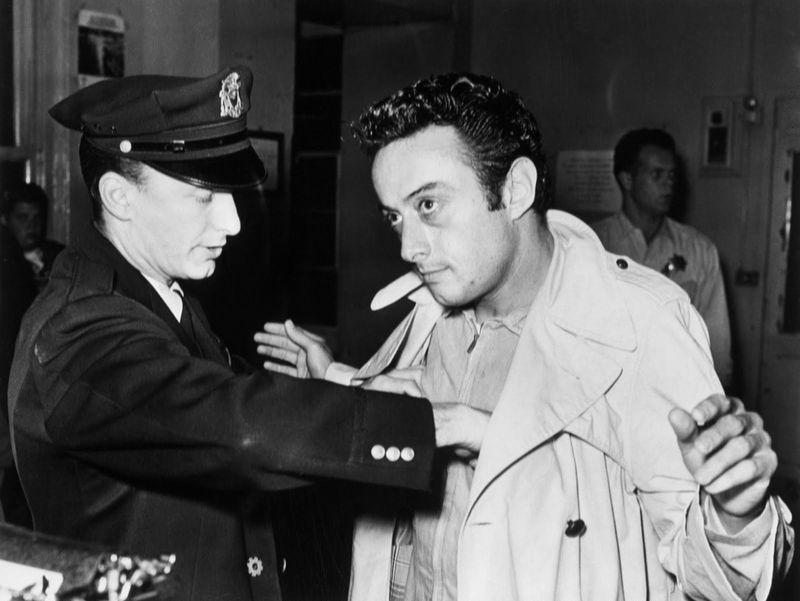
Lenny Bruce was a comedian who changed the way people thought about free speech, religion, and politics in the 1950s and 60s. He used sharp humor and raw honesty to challenge what society considered acceptable to say out loud.
Even though he died in 1966, his words still feel surprisingly relevant in today’s world. Here are 17 of his most memorable lines and why they still matter.
1. “There are no dirty words, only dirty minds.”
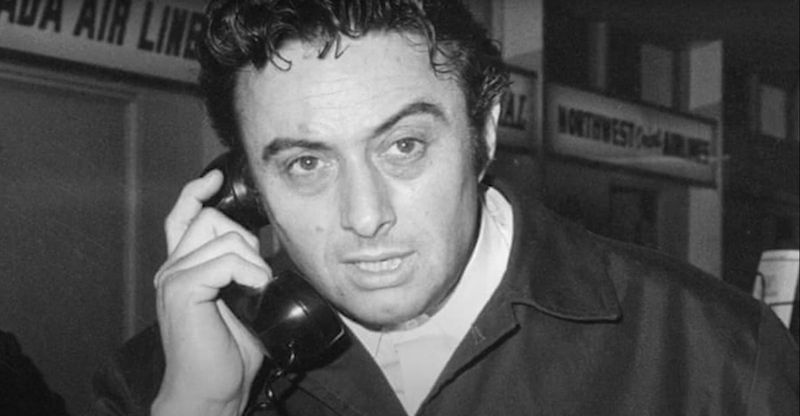
Few one-liners pack this much punch. Lenny Bruce flipped the script by arguing that language itself is neutral — it’s the person hearing it who adds the shock value.
This idea still sparks debate today, especially when platforms ban certain words or schools argue over reading lists. Bruce believed censorship says more about the censor than the speaker.
That idea hasn’t aged a day.
2. “It’s the suppression of the word that gives it the power.”
Banning a word doesn’t erase it — it makes it stronger. Bruce understood something that linguists and psychologists now back up with research: forbidden things become more attractive, not less.
Think about how certain slurs carry enormous weight today. That weight comes partly from how hard people have tried to control them.
Bruce was decades ahead of his time with this observation.
3. “Freedom of speech is a two-way street, man.”
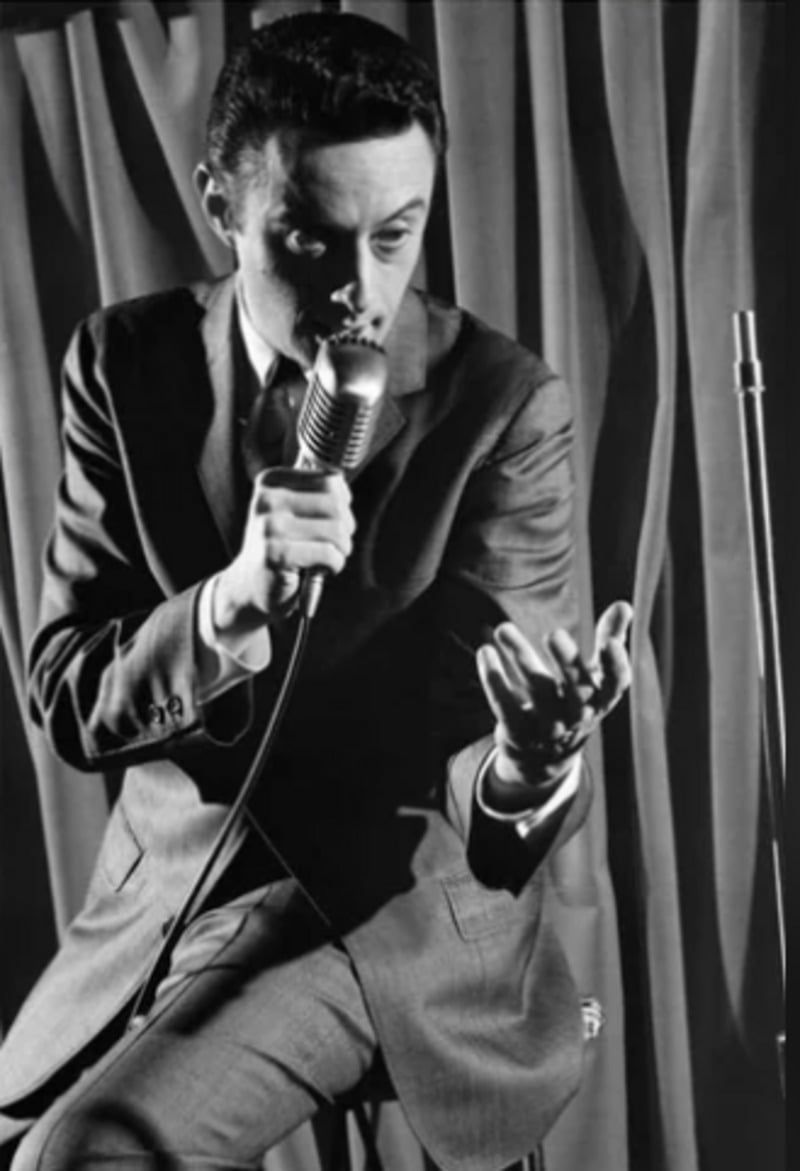
Bruce had a darkly funny way of pointing out that rights on paper don’t always match reality. Sure, you can say what you want — and the people in power can respond however they choose too.
This line feels almost prophetic in the age of social media bans, government surveillance, and canceled speakers. Freedom of expression has always come with unwritten consequences, and Bruce knew it well.
4. “If you can’t say ‘Fuck,’ you can’t say ‘Fuck the government.'”
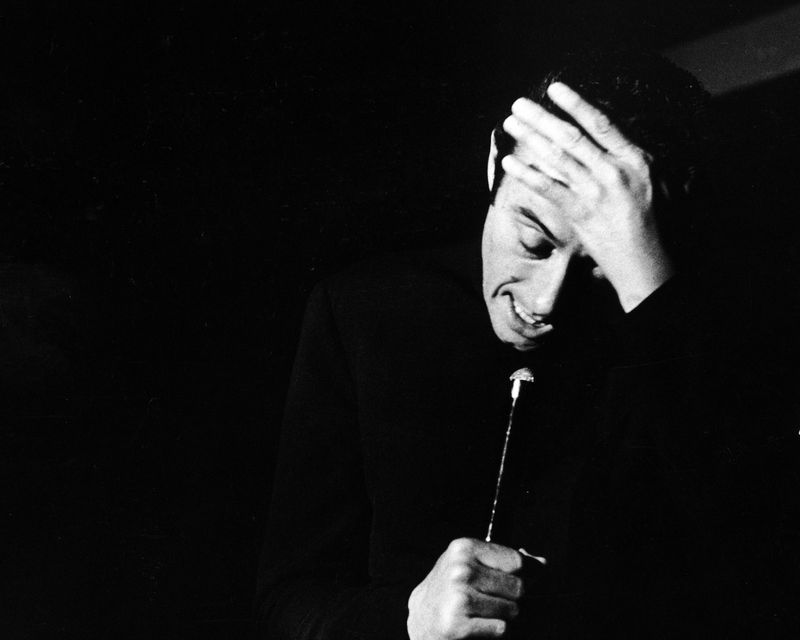
This might be Bruce’s most politically charged line, and it still hits hard. He argued that restricting language restricts political power — that sanitizing speech is a tool of control.
When governments or platforms decide which words are acceptable, they indirectly shape which ideas get heard. Bruce connected everyday language to political freedom in a way most people hadn’t considered before.
5. “The only honest art form is laughter, comedy. You can’t fake it.”

You can fake a painting. You can fake a poem.
But laughter? That’s involuntary.
Bruce believed comedy was the most truthful art because the audience’s reaction couldn’t be faked or forced.
Modern comedy still lives by this rule. A joke either lands or it doesn’t.
No amount of production value or hype can make something genuinely funny. Bruce respected the audience enough to be brutally honest.
6. “If I’m not offending someone, then I’m not doing my job.”
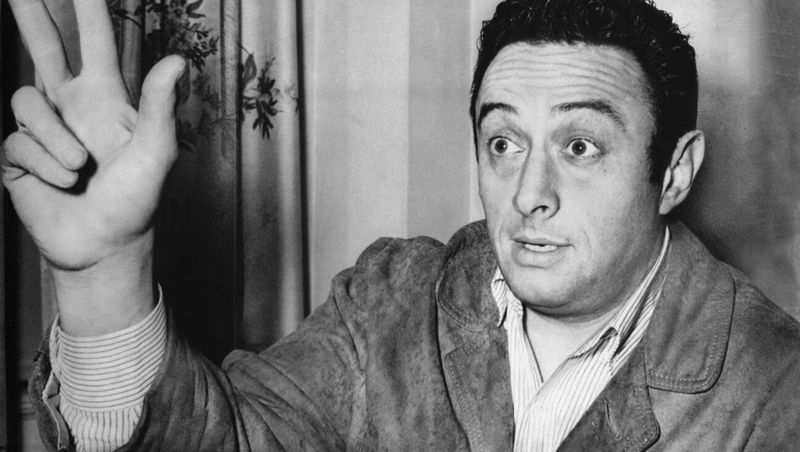
Comfort is the enemy of truth — at least according to Bruce. He believed a comedian’s job wasn’t to make everyone feel warm and fuzzy, but to shake people out of their assumptions.
Plenty of today’s comedians still live by this rule. Dave Chappelle, Hannah Gadsby, and others have all faced backlash for material that made audiences uncomfortable.
Bruce would probably say that’s exactly the point.
7. “The truth is what is. What should be is a terrible lie.”
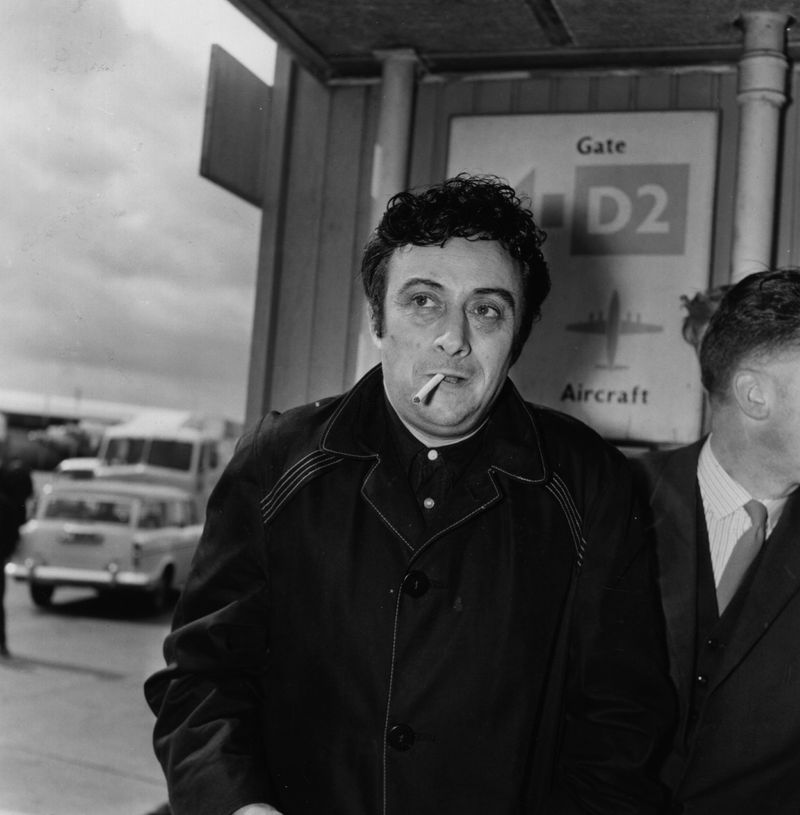
Bruce had zero patience for wishful thinking dressed up as wisdom. He argued that clinging to how things “should be” blinds people to how things actually are — and that’s dangerous.
This idea connects to everything from political propaganda to self-help culture. People are often sold a vision of a perfect world that keeps them passive.
Bruce wanted people to face reality head-on, not hide from it.
8. “There is only what is, and that’s it. What should be is a dirty lie.”

This is the blunter version of the same idea, and somehow even more striking. Bruce stripped away all the poetry and said it plain: reality is all we’ve got, and pretending otherwise is a form of deception.
Politicians, advertisers, and motivational speakers have built entire careers on “what should be.” Bruce would have called all of it out. There’s something almost liberating about his refusal to sugarcoat anything.
9. “What is truth today may be a damn lie next week.”
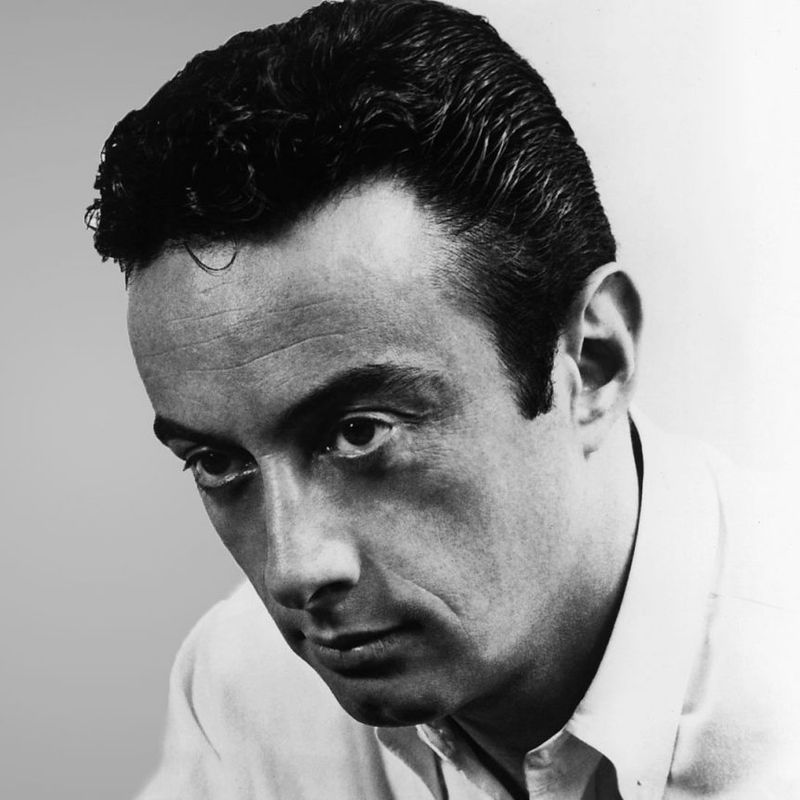
Long before “fake news” became a buzzword, Bruce was questioning the shelf life of truth. He understood that facts get rewritten, stories get spun, and yesterday’s certainty becomes tomorrow’s embarrassment.
In a world of 24-hour news cycles and social media corrections, this line feels almost too timely. Truth is fragile and context-dependent.
Bruce wasn’t being cynical — he was being clear-eyed about how information actually works.
10. “Catholic children would wear electric chairs instead of crosses.”
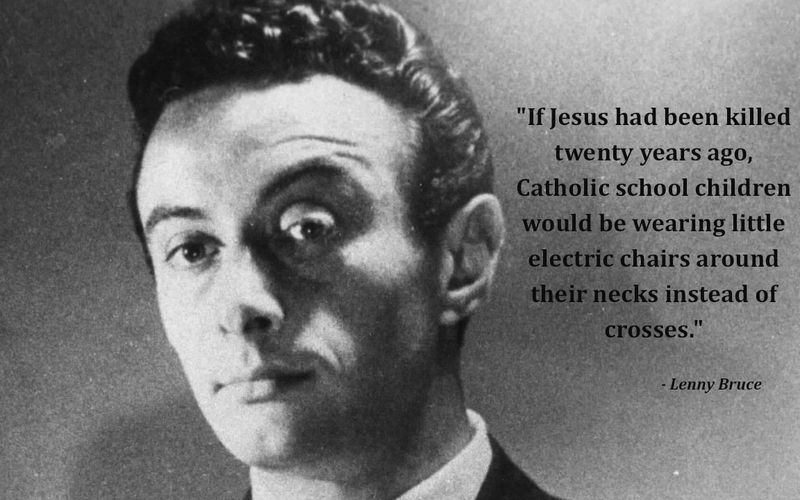
Dark, weird, and impossible to forget — that was Bruce at his best. This bit forced people to think about how symbols become normalized over time, regardless of what they originally represented.
It’s a genuinely clever observation about religion, memory, and marketing. The cross is a symbol of execution, yet it’s worn as jewelry worldwide.
Bruce just pointed out the absurdity that most people were too polite to mention.
11. “Every day people are straying from the church and going back to God.”
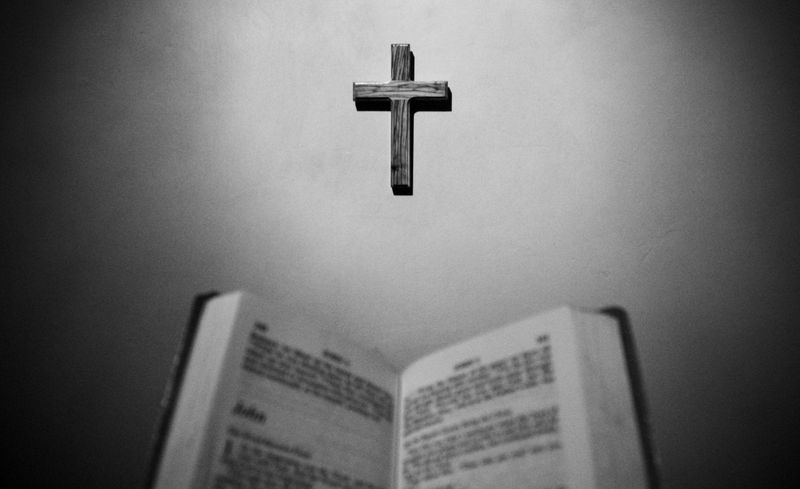
Quietly, this might be Bruce’s most profound line. There’s a real difference between organized religion and personal spirituality, and he captured it in one sentence.
Surveys today show that more people identify as “spiritual but not religious” than ever before. Churches are emptying while meditation apps are booming.
Bruce noticed this drift decades ago and framed it not as a loss of faith, but as a return to something more genuine.
12. “If something about the human body disgusts you, the fault lies with the manufacturer.”
Bruce had a gift for turning shame on its head. If nudity or bodily functions gross you out, he argued, that’s a design flaw in your programming — not in the body itself.
Body shame is a massive issue today, fueled by social media filters and unrealistic beauty standards. Bruce’s line reminds us that the human body is just a body.
Any disgust we feel was taught to us, not built in.
13. “The Constitution was written to protect the government from becoming criminals.”
Most people learn the Constitution protects citizens from criminals. Bruce flipped it: the document exists to keep the government itself from turning criminal.
That’s a whole different reading.
Given recent debates about surveillance, civil liberties, and police power, this line hits differently today. Bruce trusted the document more than the institutions built around it.
He saw the gap between constitutional ideals and everyday government behavior with remarkable clarity.
14. “There’s a lot of money in wars, except the war on poverty.”
Sharp, cynical, and completely accurate. Bruce noticed that wars involving weapons contracts and military spending always seemed to get funded, while fighting poverty stayed chronically underfunded.
Defense budgets in the U.S. routinely dwarf social spending. Bruce made this observation in the 1960s, during the Vietnam War, but it applies just as well today.
Follow the money, and you’ll understand which problems actually get solved and which ones just get speeches.
15. “In the Halls of Justice the only justice is in the halls.”
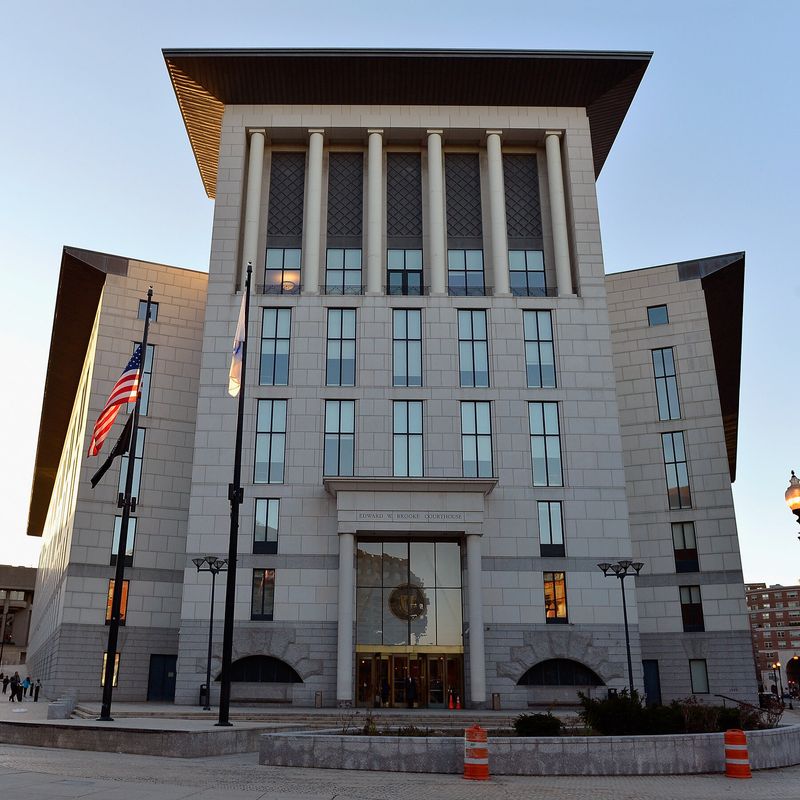
Wordplay with a dark punch. Bruce suggested that real justice happens in back-room deals and hallway conversations — not in the courtroom itself, where it’s supposed to occur.
Anyone who has watched a wealthy defendant walk free while a poor one gets maximum sentencing knows exactly what Bruce meant. The legal system has always had a gap between its ideals and its outcomes.
This line describes that gap perfectly, in just one sentence.
16. “The liberals can understand everything but people who don’t understand them.”
Bruce wasn’t sparing anyone, including the political left. This line pokes fun at progressive self-righteousness — the irony of preaching tolerance while being completely intolerant of those who disagree.
Sound familiar? Today’s culture wars are full of this exact dynamic, on both sides of the aisle.
Bruce wasn’t attacking liberalism; he was calling out the hypocrisy that sneaks into any belief system when it stops listening. That’s a lesson nobody has fully learned yet.
17. “Satire is tragedy plus time.”
Five words that explain an entire art form. Bruce believed you could laugh at almost anything — but only after enough time had passed to create distance from the pain.
Every great satirist from Jonathan Swift to Saturday Night Live has worked from this formula. Tragedy becomes comedy when the wound is no longer fresh.
It’s Bruce’s most quoted line for good reason — it’s basically a complete theory of humor packed into a single sentence.