
Some people walk around with the brightest smiles, yet carry the heaviest hearts. Hidden pain is more common than most of us realize, and it often hides behind laughter, busyness, and cheerful conversations.
Recognizing the signs in yourself or someone you care about can make a real difference. Here are 20 telling signs that someone may be hurting on the inside while smiling on the outside.
1. Always Wearing a Cheerful Face

Ever meet someone who seems permanently happy, always smiling, always laughing at every joke? That relentless cheerfulness can sometimes be a carefully built wall.
Behind the bright exterior, they may be battling feelings of despair they never let others see.
Keeping up a happy image takes real effort. For some, it becomes exhausting armor they wear every single day, protecting a much more painful truth hidden underneath.
2. Excelling at Everything While Struggling Inside

High achievers are often the last people anyone worries about. They show up on time, crush deadlines, maintain friendships, and seem to have it all together.
But functioning well on the outside does not mean everything is okay on the inside.
Many people use productivity as a distraction from emotional pain. Staying busy keeps the difficult feelings at bay, at least temporarily, which is why high-functioning individuals often go unnoticed when they are hurting.
3. Feelings of Worthlessness They Never Mention

On the surface, they seem confident and capable. But internally, a quiet storm of worthlessness and hopelessness rages constantly.
These are feelings they rarely share because admitting them feels too vulnerable or too scary.
People who battle inner worthlessness often become skilled at pretending. They smile through compliments, laugh off praise, and deflect genuine concern.
Recognizing this pattern in someone you love is a powerful reason to check in more deeply.
4. Constant Underlying Anxiety

Anxiety does not always look like panic attacks or visible nervousness. For many, it is a quiet, constant hum running beneath every conversation, every task, and every smile.
They seem calm to the world, but inside their mind rarely stops racing.
Hidden anxiety is sneaky because it blends so well with everyday behavior. Someone might laugh and chat easily at a party while their stomach is in knots.
That invisible tension is a real and heavy burden.
5. Snapping Easily or Getting Frustrated Often
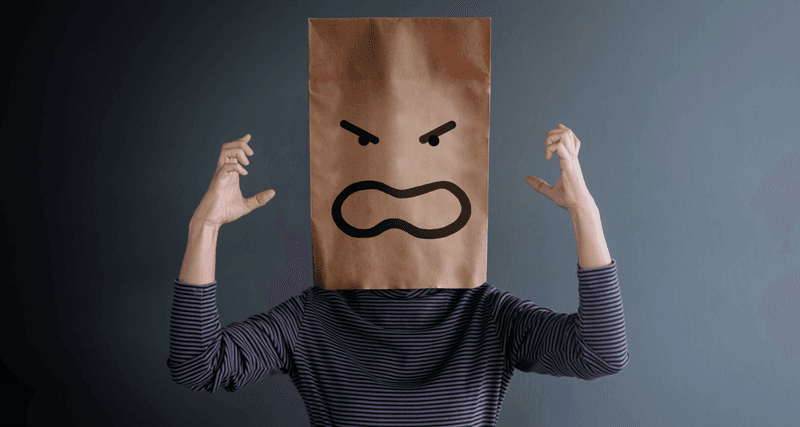
Irritability is one of those sneaky signs that often gets misread as a bad mood or a rough day. But when someone is regularly short-tempered, snapping over small things, or visibly frustrated beneath the surface, it often points to something deeper going on emotionally.
Pain that has no outlet tends to leak out sideways. Frustration becomes the pressure valve for feelings that have nowhere else to go, making irritability a surprisingly honest window into hidden inner struggle.
6. No Longer Enjoying Things They Once Loved

Remember how excited they used to get about their favorite hobby or weekend plans? When that enthusiasm quietly disappears, it is worth paying attention.
Loss of interest in activities once loved is a classic sign of internal emotional struggle.
They might still show up to events or go through the motions, but the spark is gone. Joy feels distant, even in moments that should feel good.
That quiet emptiness is one of the clearest signals that something deeper needs attention.
7. Sleep Patterns That Have Completely Changed

Sleep problems are one of the body’s loudest ways of saying something is emotionally off. Whether it is lying awake for hours, waking up too early, or sleeping far more than usual, disrupted sleep patterns often signal that the mind is overwhelmed.
What makes this sign tricky is that tired people can still function and smile through their day. But chronic sleep disruption wears the body and the spirit down over time, quietly making everything harder to manage and endure.
8. Unexplained Changes in Appetite or Weight

Did you know the gut and brain are deeply connected? Emotional pain can literally change how the body responds to food.
Some people stop eating when they are hurting; others eat far more than usual as a way to cope with difficult feelings.
Unexplained weight changes that happen without any diet or lifestyle shift can be an important clue. When someone’s relationship with food shifts dramatically and quietly, it often reflects an inner emotional battle they are not yet ready to talk about.
9. Mysterious Physical Aches With No Clear Cause

The body keeps score. Emotional pain that goes unaddressed has a habit of showing up physically, through persistent headaches, stomach issues, muscle tension, or backaches that doctors cannot easily explain.
The connection between emotional and physical health is very real.
People carrying hidden pain often visit doctors frequently for physical symptoms but rarely mention how they are feeling emotionally. If someone you know constantly complains of vague physical ailments, it may be worth gently asking how they are really doing inside.
10. Trouble Focusing, Remembering, or Deciding

Brain fog is a real side effect of emotional pain. When someone is constantly managing inner turmoil, their mental bandwidth gets used up fast, leaving little room for concentration, memory, or clear decision-making.
Things that once came easily start to feel overwhelming.
You might notice them forgetting simple things, zoning out mid-conversation, or struggling to choose between basic options. Rather than laziness or carelessness, this mental cloudiness is often a quiet signal that their emotional load has quietly become too heavy to carry alone.
11. Pulling Away From Social Situations Quietly

Canceling plans, making excuses, or simply going quiet on group chats, social withdrawal can be so gradual that friends barely notice until the person has already disappeared into their own world. It feels safer to be alone when the pain inside is too much to hide in company.
What makes this sign hard to catch is that the person often seems fine when they do show up. They smile, engage, and then disappear again.
That push and pull between connection and isolation is a telling pattern worth watching closely.
12. A Motivation That Has Gone Completely Quiet

Motivation does not just disappear because someone is lazy. When a naturally driven, goal-oriented person suddenly struggles to get started on anything, it often means their emotional energy has run dry.
Hidden pain quietly drains the fuel that keeps people moving forward.
They may still talk about plans or ideas to keep up appearances, but taking action feels almost impossible. That gap between what they say they want to do and what they actually manage to do speaks volumes about the weight they are carrying inside.
13. Blaming Themselves for Everything Around Them

Self-blame and guilt are heavy companions for people hiding emotional pain. They replay past mistakes on a loop, apologize for things that are not their fault, and quietly absorb responsibility for problems they did not create.
It is an exhausting and painful way to live.
From the outside, this might look like conscientiousness or humility. But the constant internal narrative of “it is my fault” chips away at self-worth over time.
Noticing when someone always takes the blame is an important moment to offer genuine kindness and support.
14. Holding Themselves to Impossibly High Standards

Perfectionism and hidden pain are frequent roommates. When someone sets impossibly high standards for themselves and panics at the thought of appearing weak or out of control, it is often because their self-worth feels fragile underneath that polished surface.
Every mistake feels catastrophic to them, even when others see it as minor. The relentless drive to be flawless is sometimes a coping strategy, a way to feel valuable in a world where they secretly wonder if they are enough.
That pressure is exhausting and isolating.
15. Using Humor to Keep Everyone From Looking Closer

“Always the funny one” is a role many people wear like a costume to keep the world laughing and looking elsewhere. Humor is a brilliant deflection tool.
Keep everyone entertained, and nobody asks the harder questions about how you are really doing.
Forced positivity works the same way. Phrases like “everything happens for a reason” or “I am always grateful” can sometimes be a script used to avoid sitting with real pain.
When laughter never takes a break, it might be doing more protecting than celebrating.
16. Feeling Empty or Numb on the Inside
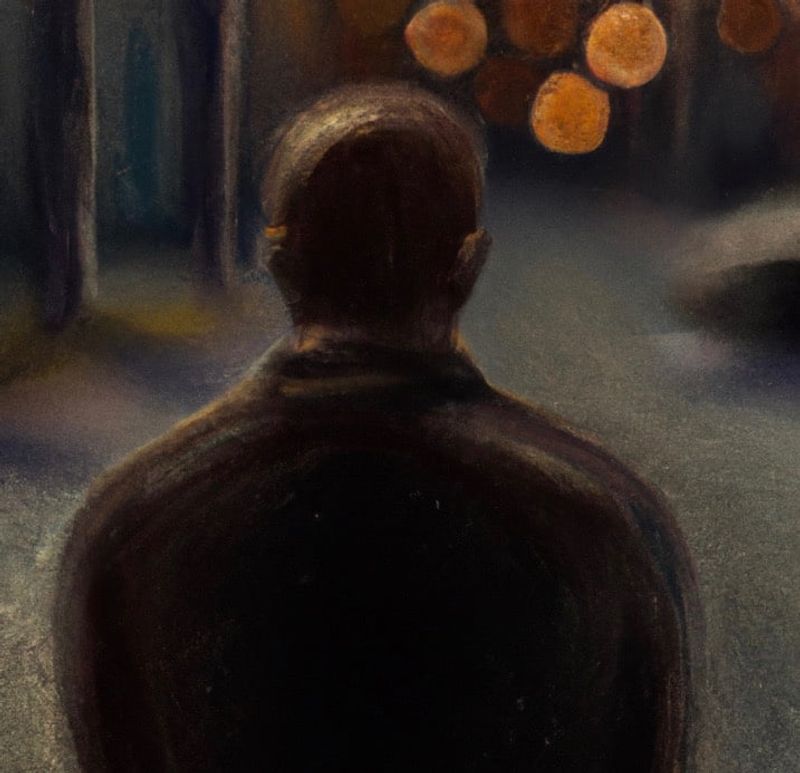
Numbness is not the absence of feeling. It is what happens when emotions have been suppressed for so long that the inner landscape goes flat and hollow.
Someone can laugh at a joke, enjoy a meal, and still feel absolutely nothing meaningful beneath the surface.
People who feel internally empty often describe it as going through the motions of life. They look present, but they feel far away.
That quiet disconnection from genuine feeling is one of the most painful, and least visible, forms of emotional suffering a person can experience.
17. Letting Self-Care Quietly Slip Away

When someone stops taking care of themselves, it is rarely about laziness. Skipping meals, neglecting hygiene, or letting their living space fall apart are quiet signals that the emotional energy needed to care for oneself has been depleted by something much harder going on inside.
Friends might chalk it up to being too busy. But when self-care consistently takes a back seat over time, it is worth pausing to ask a gentle question.
Sometimes the most powerful thing you can offer someone struggling silently is a simple, sincere, “Are you okay?”
18. Taking Rejection or Criticism Especially Hard

Most people dislike criticism, but for someone carrying hidden emotional pain, even a small comment can feel like a devastating blow. Their sensitivity to rejection runs deep because their inner sense of self-worth is already shaky and fragile beneath the surface.
A throwaway remark that others brush off can linger in their mind for days. Relationships may become strained as they pull back after perceived slights.
Understanding that this heightened sensitivity is often rooted in pain rather than drama helps create more compassionate and supportive connections with them.
19. Struggling to Identify or Express Their Own Feelings

Some people have spent so many years pushing their feelings down that they genuinely lose touch with what they are feeling. Ask them how they are doing emotionally, and they stare back blankly, not because they do not care, but because the connection to their inner world has been buried under layers of suppression.
Learning to recognize and name emotions is a skill, and it can be unlearned through years of emotional avoidance. Encouraging gentle self-reflection, journaling, or professional support can help someone begin to reconnect with the feelings they have long kept locked away.
20. Defaulting to “I’m Fine” Every Single Time
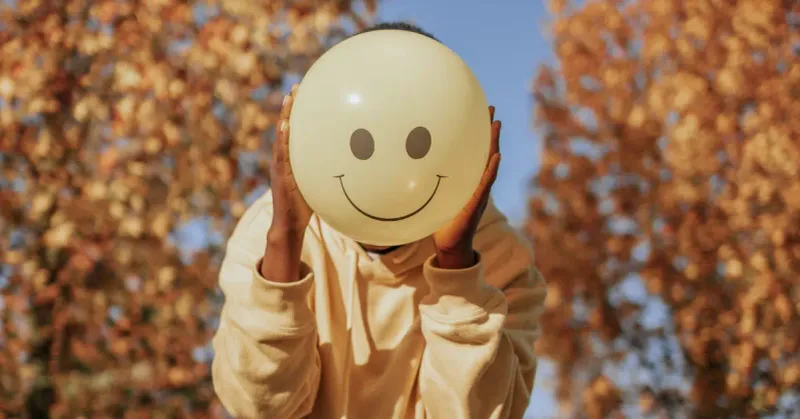
“I am fine” is one of the most commonly used phrases in the emotional avoidance playbook. For people hiding inner pain, it is the fastest way to end a conversation before it gets too real.
They have rehearsed it so well it comes out automatically, even when nothing about them is fine.
Interestingly, many people who use this phrase regularly will open up slightly if asked a second time with genuine warmth. That second ask signals that you actually care, and sometimes, that small extra nudge is exactly what someone needs to finally let their guard down.