
Making your own salad dressing at home is one of the easiest ways to take your meals from boring to brilliant. The secret is knowing which everyday ingredients can completely change the flavor of a simple mix of oil and vinegar.
You probably already have most of these items sitting in your kitchen right now. Get ready to transform your salads, grain bowls, and roasted veggies with some seriously tasty combinations.
1. Dijon Mustard
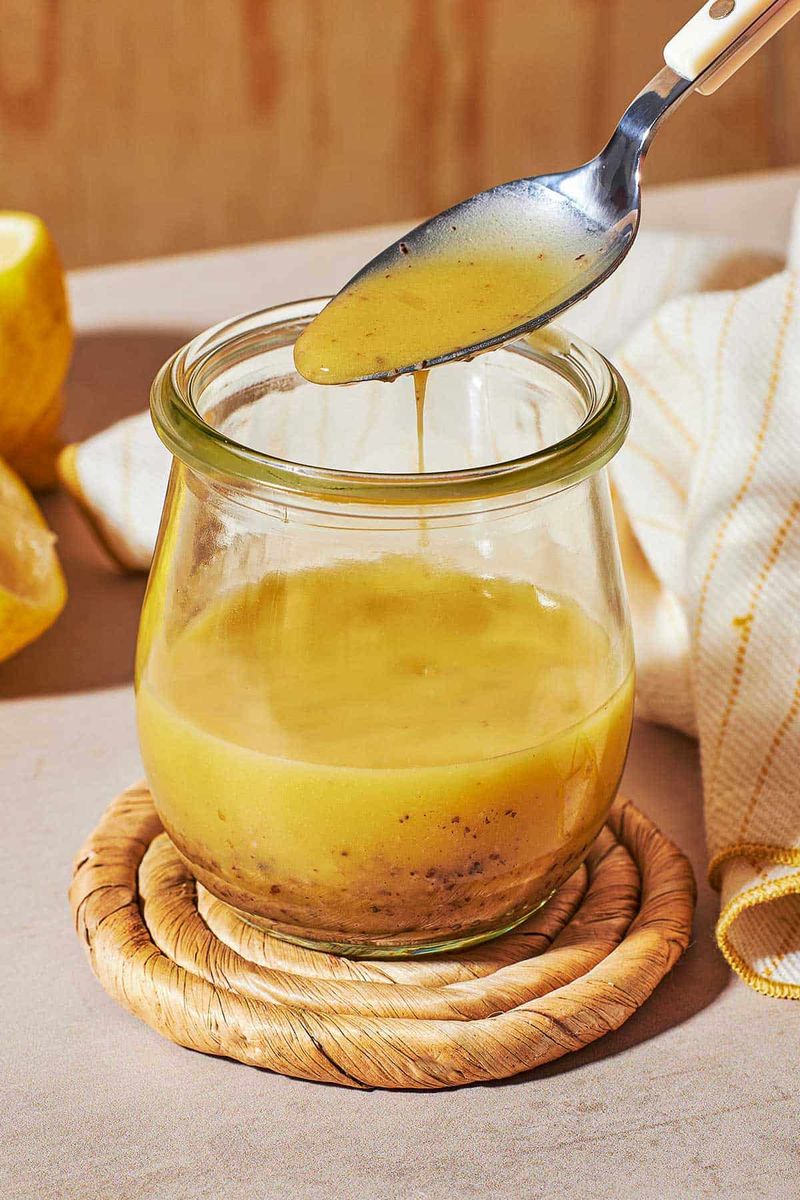
Dijon mustard does something almost magical in a dressing: it acts as an emulsifier, helping oil and vinegar blend together smoothly instead of separating. That means your dressing stays creamy and coats every leaf evenly.
Beyond texture, it adds a sharp, tangy kick that wakes up even the plainest salad. Start with just one teaspoon and adjust from there.
A little goes a long way, and the results are noticeably better every single time.
2. Honey
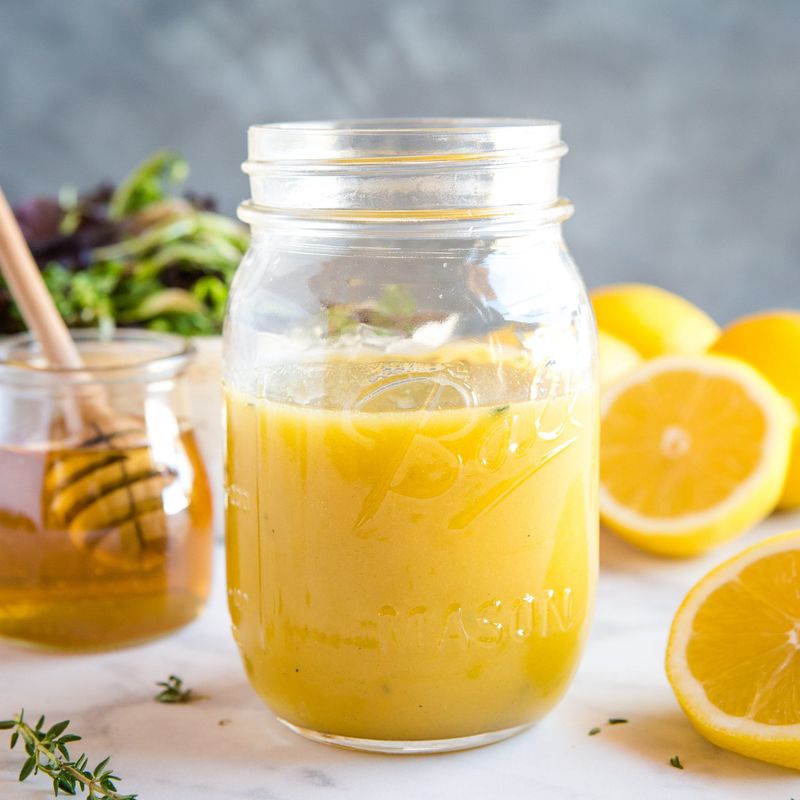
Honey is the quiet balancer that every good dressing secretly needs. When a vinaigrette tastes too sharp or acidic, a small drizzle of honey softens the edges and brings everything into harmony.
Raw honey also carries subtle floral notes that vary depending on where the bees gathered nectar, making each batch slightly unique. Try pairing it with apple cider vinegar and a pinch of garlic for a dressing that tastes like it came from a fancy restaurant.
3. Tahini
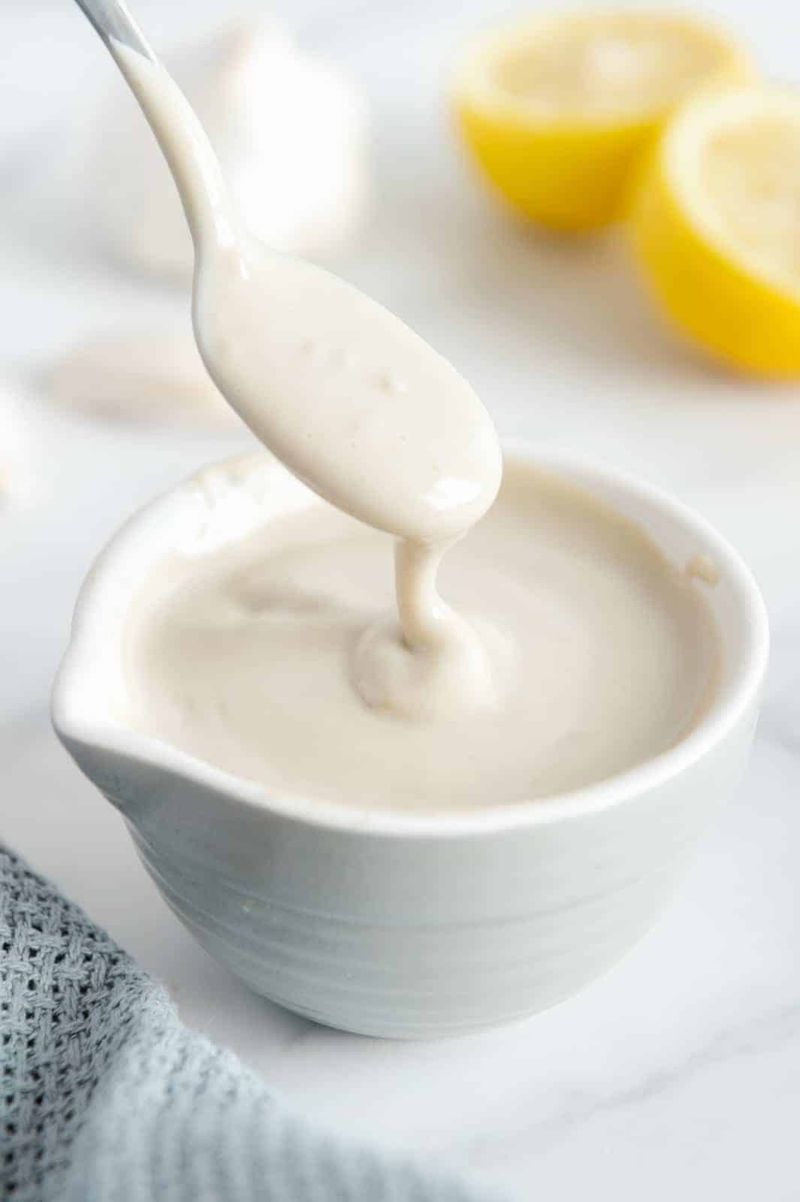
Tahini is basically sesame seeds ground into a smooth, nutty paste, and it turns an ordinary dressing into something genuinely crave-worthy. It creates a thick, creamy base without needing any dairy at all.
Mix it with lemon juice, garlic, and a splash of water to loosen it up, and you have a dressing that works beautifully on roasted vegetables, falafel wraps, or hearty grain bowls. It is a staple in Middle Eastern cooking for good reason.
4. Miso Paste
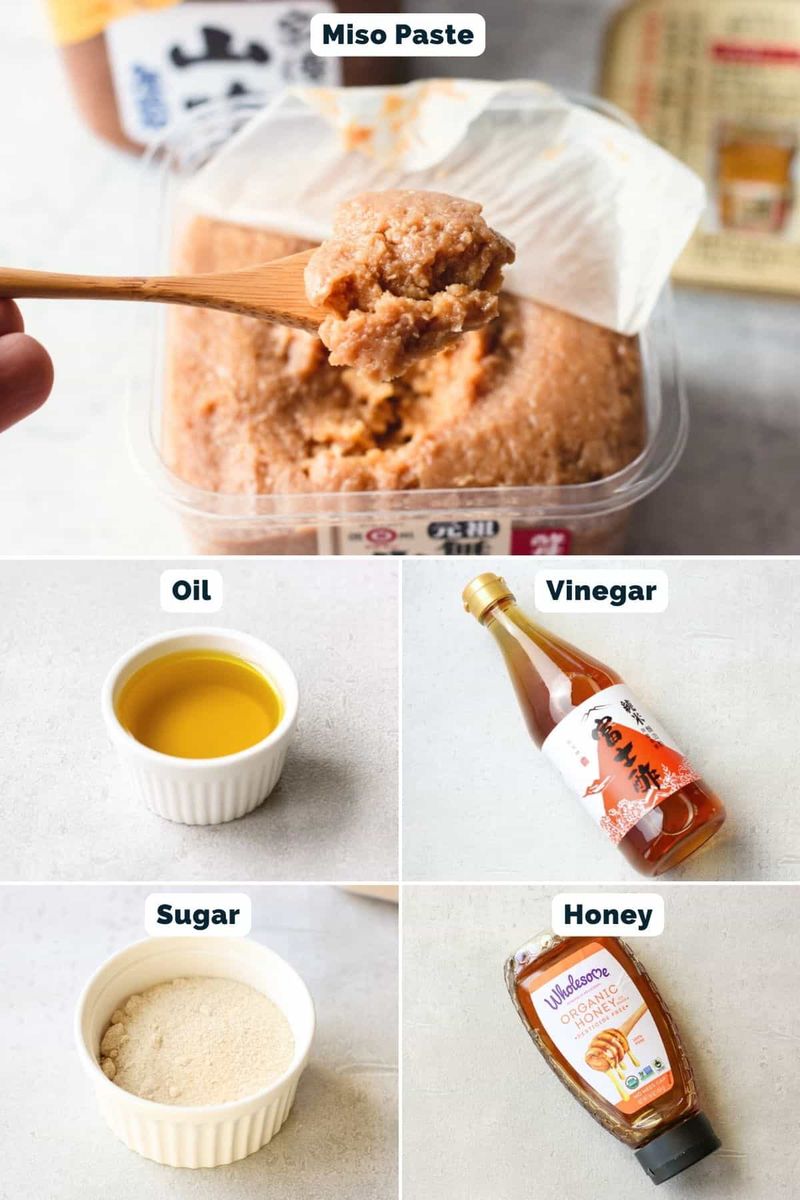
Miso paste might be the most underrated ingredient in your fridge right now. Fermented from soybeans, it brings a deep, savory umami flavor that makes dressings taste rich and complex with almost no effort.
White miso is the mildest and sweetest variety, making it the best starting point for beginners. Whisk a tablespoon into a simple sesame-ginger dressing and prepare to be genuinely surprised by how much depth one small spoonful can add to a bowl of greens.
5. Apple Cider Vinegar
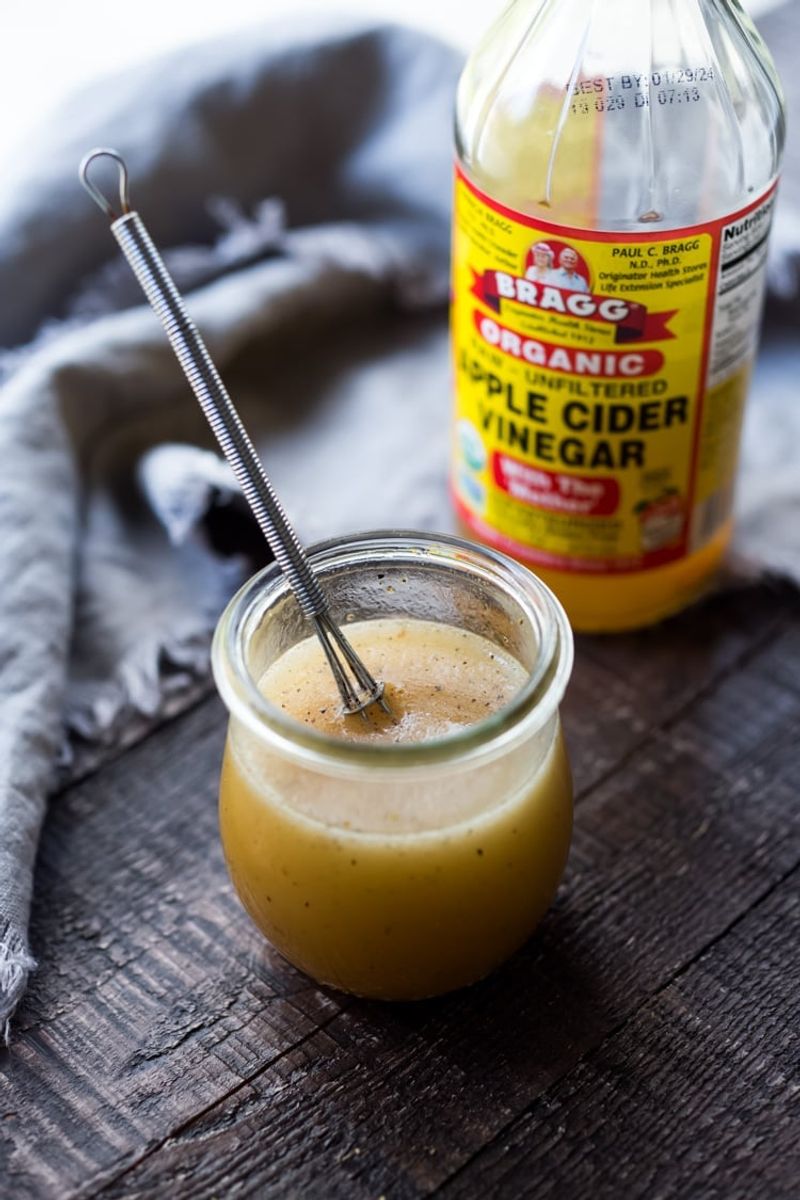
Apple cider vinegar has a softer, fruitier tang compared to regular white vinegar, making it a friendlier choice for homemade dressings. It still provides that essential acidity without overwhelming the other flavors in the mix.
Some people swear by its health benefits too, though the real reason to use it is simply that it tastes fantastic. Pair it with olive oil, Dijon, and a touch of maple syrup for a classic vinaigrette that works on almost any salad you can imagine.
6. Garlic
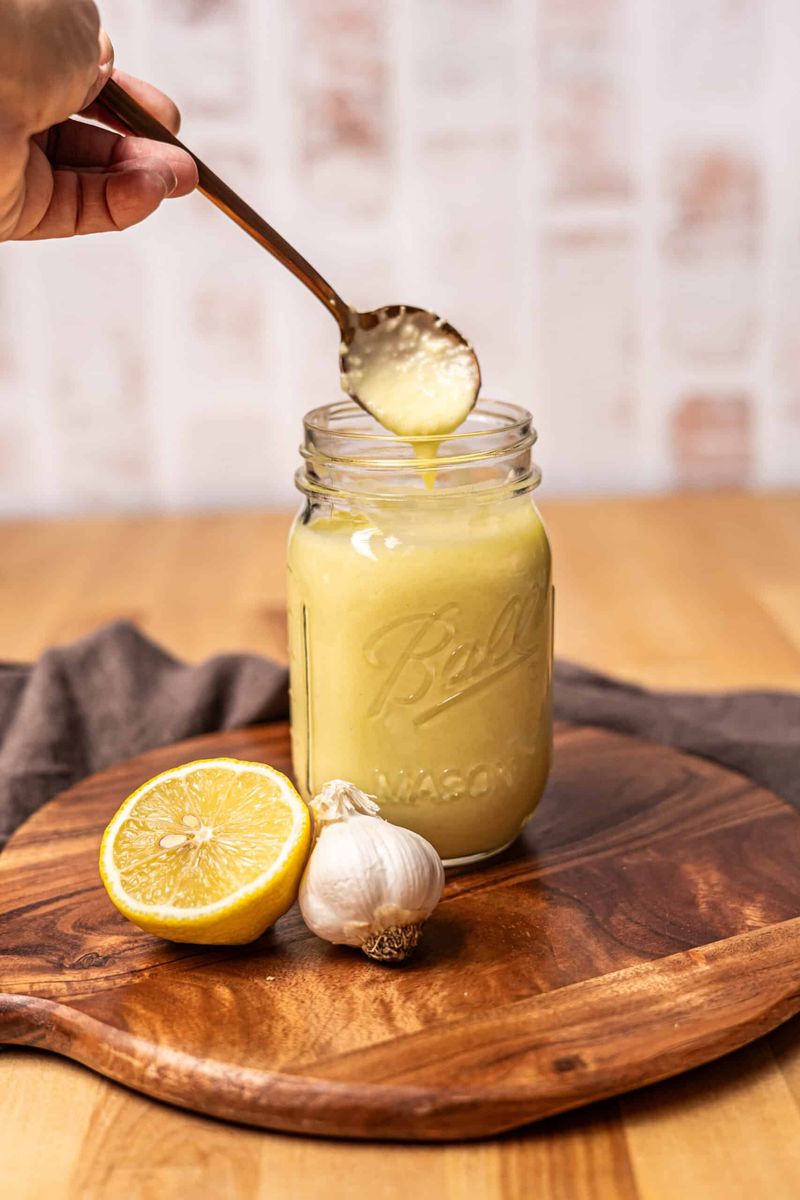
Few ingredients punch above their weight quite like garlic does in a homemade dressing. Even a single minced clove can transform a flat, one-dimensional vinaigrette into something bold and aromatic.
For a milder flavor, try rubbing a cut clove around the inside of your mixing bowl before adding the other ingredients. If you love a stronger hit, freshly minced or grated garlic stirred right into the dressing is the way to go.
Either method delivers serious flavor with minimal effort.
7. Fresh Lemon Juice
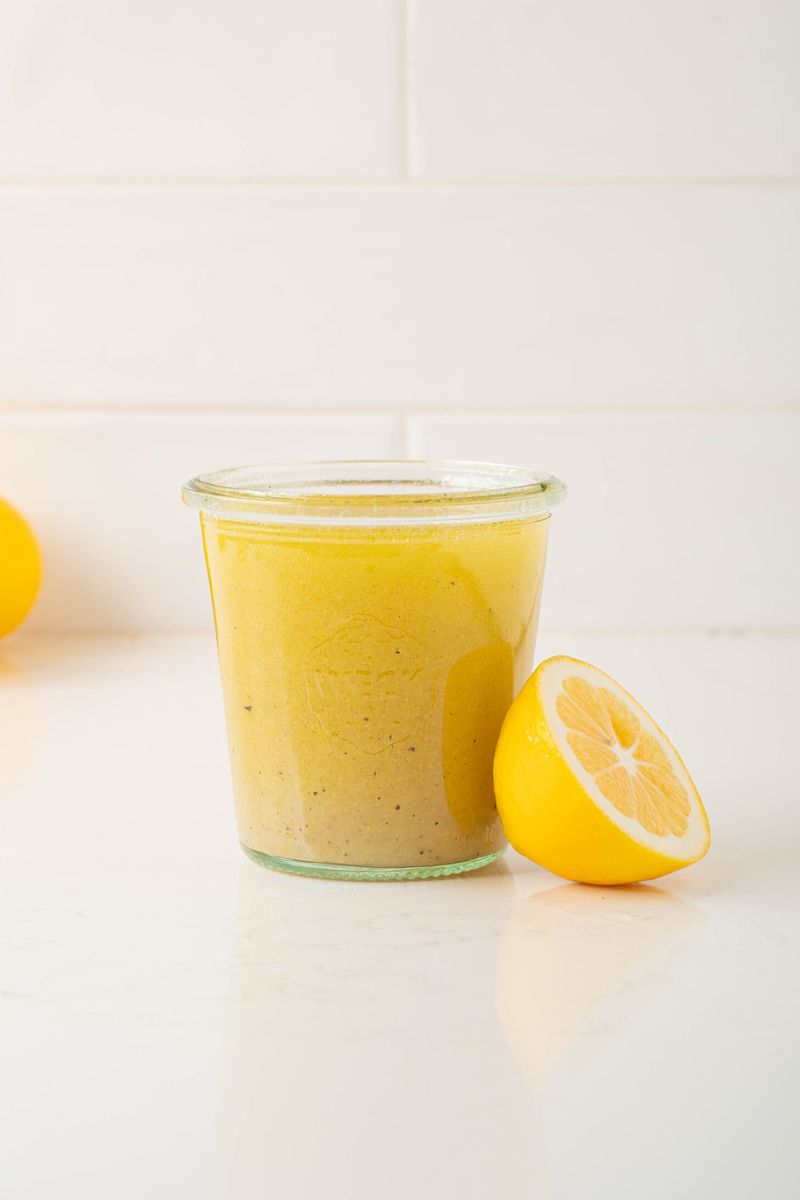
Bottled lemon juice simply cannot compete with the bright, zippy flavor of squeezing a fresh lemon right over your dressing bowl. Fresh juice brings a clean citrus note that makes every other ingredient taste more alive.
Lemon juice also acts as a natural preservative, helping your homemade dressing stay fresh a little longer in the fridge. Zest a bit of the peel into the mix too, since that outer layer holds intensely fragrant oils that add another delicious layer of citrus flavor.
8. Smoked Paprika
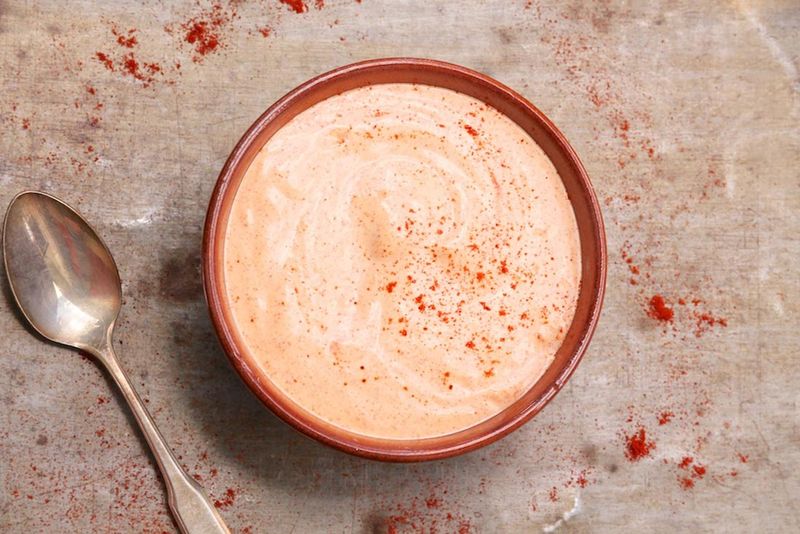
Smoked paprika carries the warm, woody flavor of slow-dried peppers, and just half a teaspoon is enough to give a dressing a completely different personality. It adds color too, turning a plain vinaigrette a gorgeous reddish hue.
This spice pairs exceptionally well with lime juice, cumin, and olive oil for a smoky Southwest-style dressing. Drizzle it over black bean salads, grilled corn, or roasted sweet potatoes for a combination that feels both hearty and exciting every single time.
9. Greek Yogurt
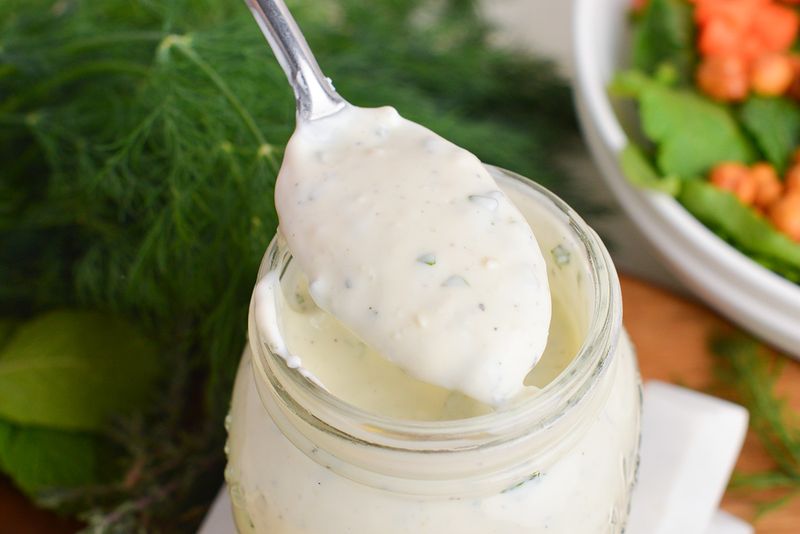
Greek yogurt swaps in beautifully wherever a recipe calls for mayonnaise or sour cream, creating a creamy dressing with far more protein and a pleasantly tangy edge. The texture is thick and luxurious without feeling heavy.
Blend it with garlic, dill, lemon juice, and a pinch of salt for a quick homemade ranch that beats anything from a bottle. It also works as a base for tzatziki-inspired dressings that pair wonderfully with cucumber salads and grilled chicken wraps.
10. Soy Sauce
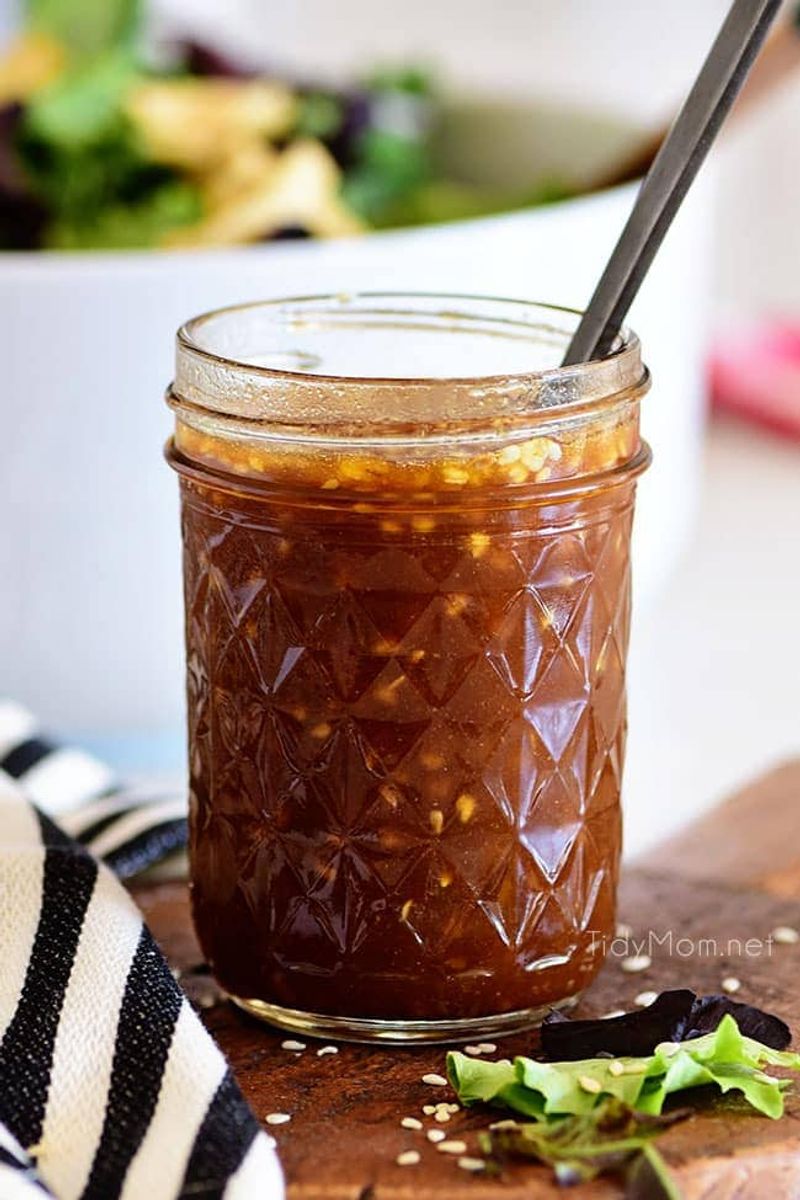
Soy sauce is a brilliant shortcut to adding salty, savory depth to a dressing without reaching for extra salt. It blends seamlessly into Asian-inspired combinations and adds a glossy, rich color that looks as good as it tastes.
Try whisking it with sesame oil, rice vinegar, ginger, and a touch of honey for a dressing that transforms a simple noodle salad into something spectacular. Low-sodium soy sauce is a smart option if you want to control the saltiness more carefully.
11. Maple Syrup
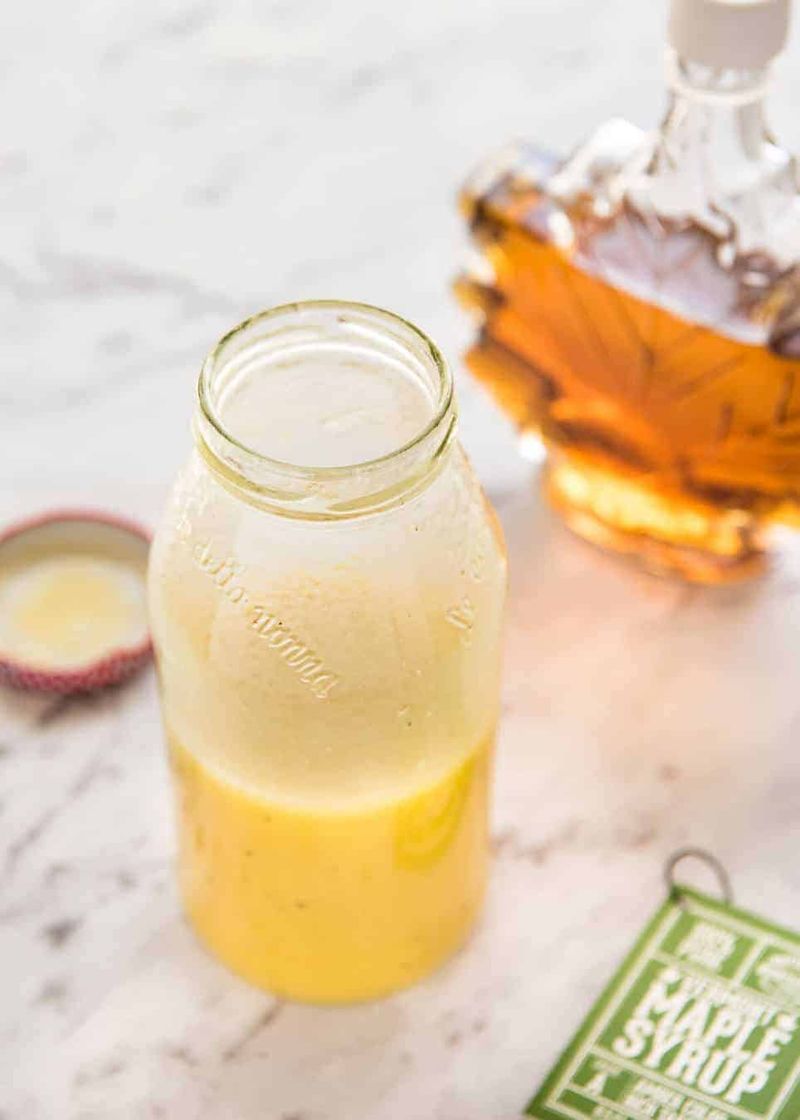
Pure maple syrup brings a warm, caramel-like sweetness to dressings that honey cannot quite replicate. It dissolves easily in cold liquids, which makes it far more convenient to use than granulated sugar when whisking things together quickly.
A teaspoon stirred into a balsamic vinaigrette creates a beautifully balanced dressing with a slightly earthy sweetness. Maple syrup also pairs surprisingly well with Dijon mustard and apple cider vinegar, making a tangy-sweet combo that works brilliantly over spinach and roasted beet salads.
12. Ginger
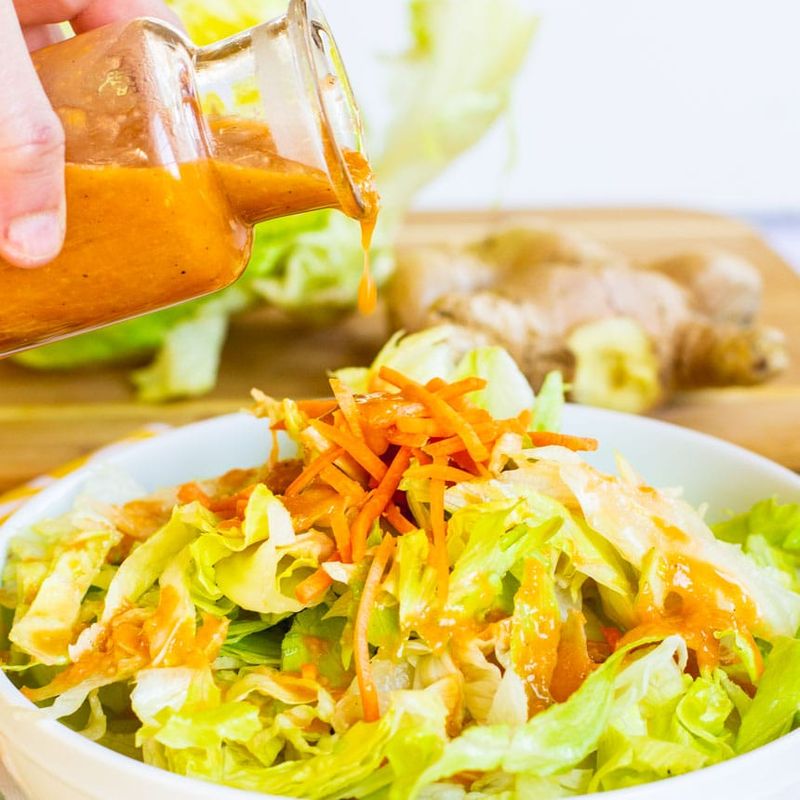
Fresh ginger has a spicy, slightly sweet warmth that feels completely different from any other ingredient you could add to a dressing. Grating it finely on a microplane releases the most flavor and blends it in invisibly.
Even a small half-inch piece grated into a sesame-soy dressing creates a bold, vibrant flavor that feels restaurant-worthy. Ginger also has well-known anti-inflammatory properties, so you can feel good about adding a little extra whenever the mood strikes.
13. Nutritional Yeast
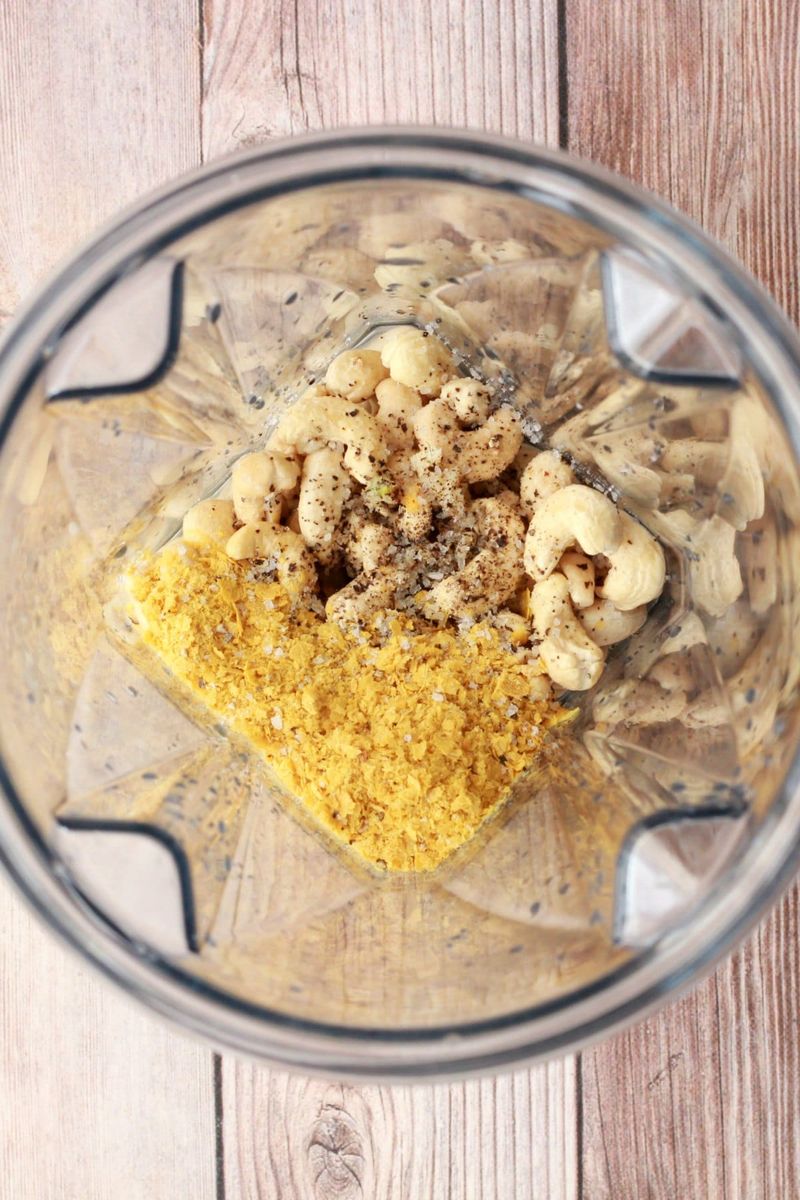
Nutritional yeast sounds unusual, but it is one of the best-kept secrets among people who love bold, cheesy flavors without using any dairy. It adds a savory, nutty taste that mimics the depth of Parmesan cheese remarkably well.
Stir a couple of tablespoons into a creamy cashew or tahini-based dressing, and the result is rich, satisfying, and completely plant-based. It is packed with B vitamins too, making it a genuinely nutritious addition to your homemade dressing routine.
14. Worcestershire Sauce
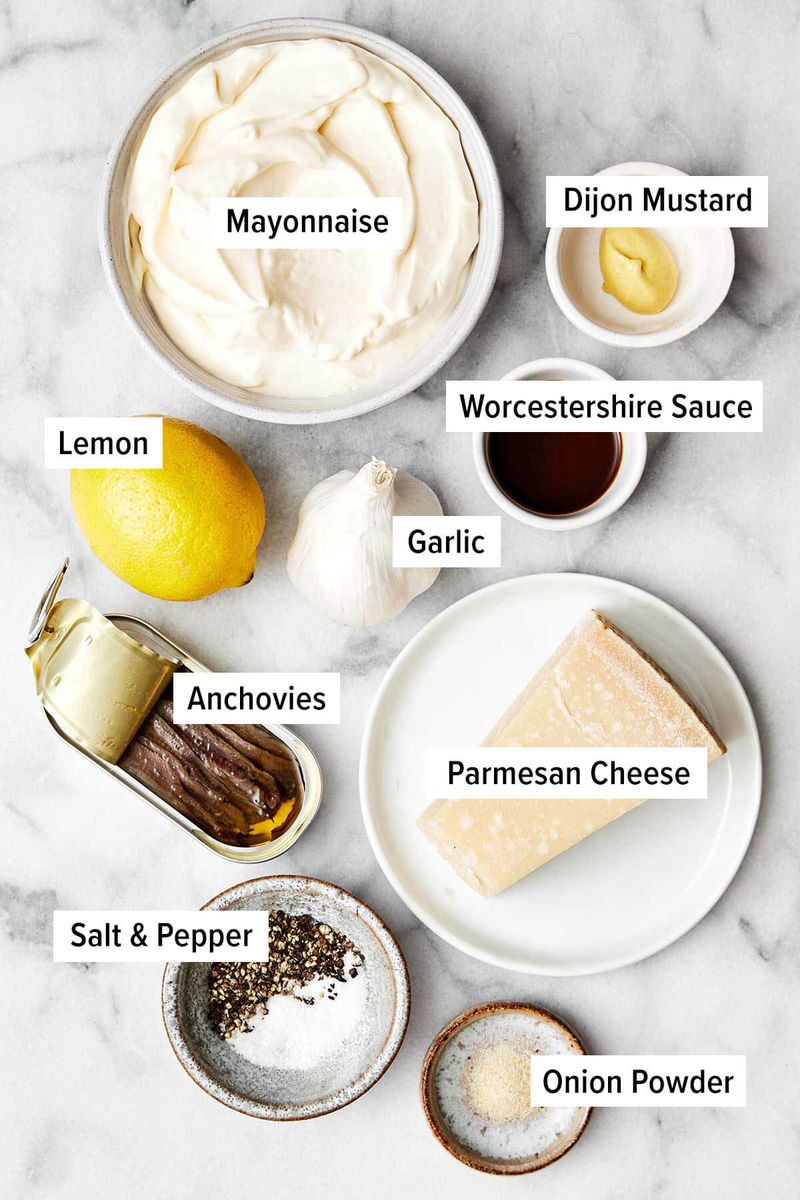
Worcestershire sauce has been adding mysterious depth to dishes since the 1830s, and it works just as brilliantly in homemade dressings as it does in marinades. A few drops carry notes of tamarind, vinegar, and molasses all at once.
Classic Caesar dressing relies on it heavily for that signature bold, savory backbone. Even a small splash stirred into a simple olive oil and lemon dressing adds a layer of complexity that makes people ask what your secret ingredient is.
15. Sesame Oil
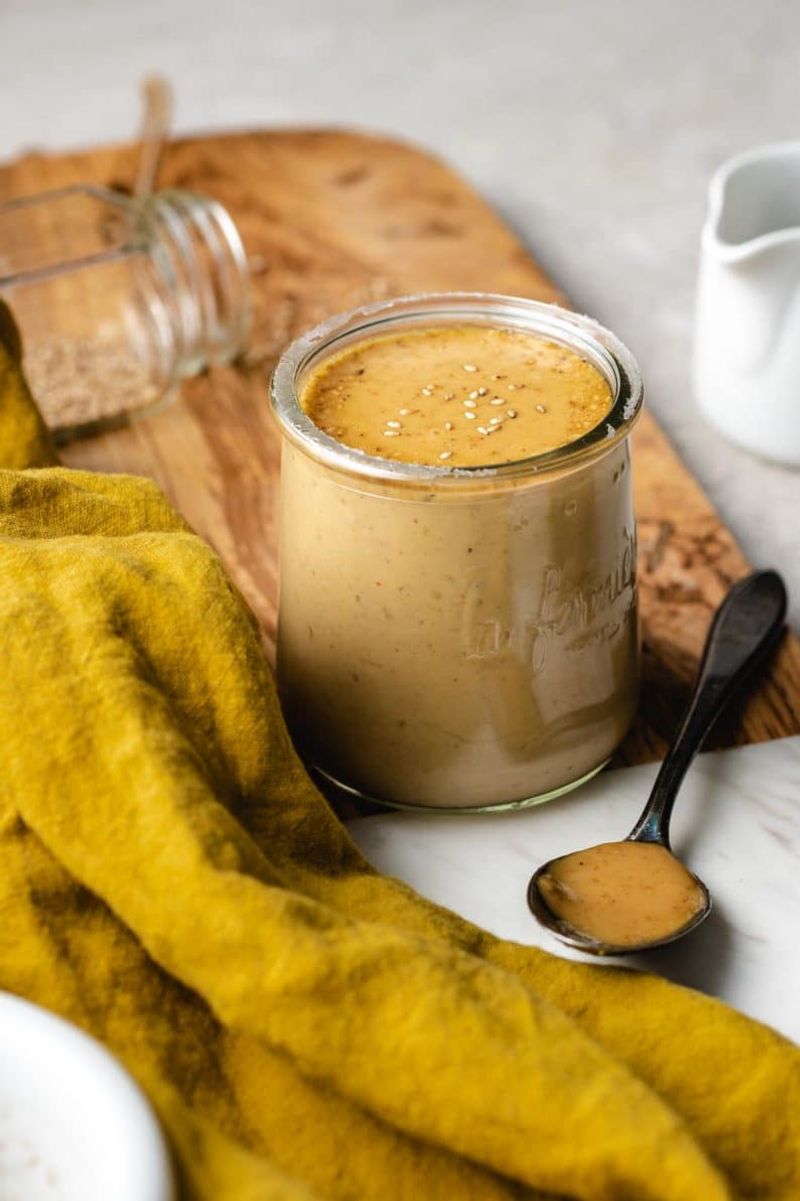
Toasted sesame oil smells incredible the moment you open the bottle, with a nutty, roasted aroma that instantly signals something delicious is coming. Just a teaspoon added to a dressing is enough to define the entire flavor profile.
Because the flavor is so concentrated, it works best as a finishing oil rather than a base. Blend it with rice vinegar, soy sauce, and a touch of honey, and you have a dressing that makes even a plain cabbage slaw taste genuinely exciting.
16. Sun-Dried Tomatoes
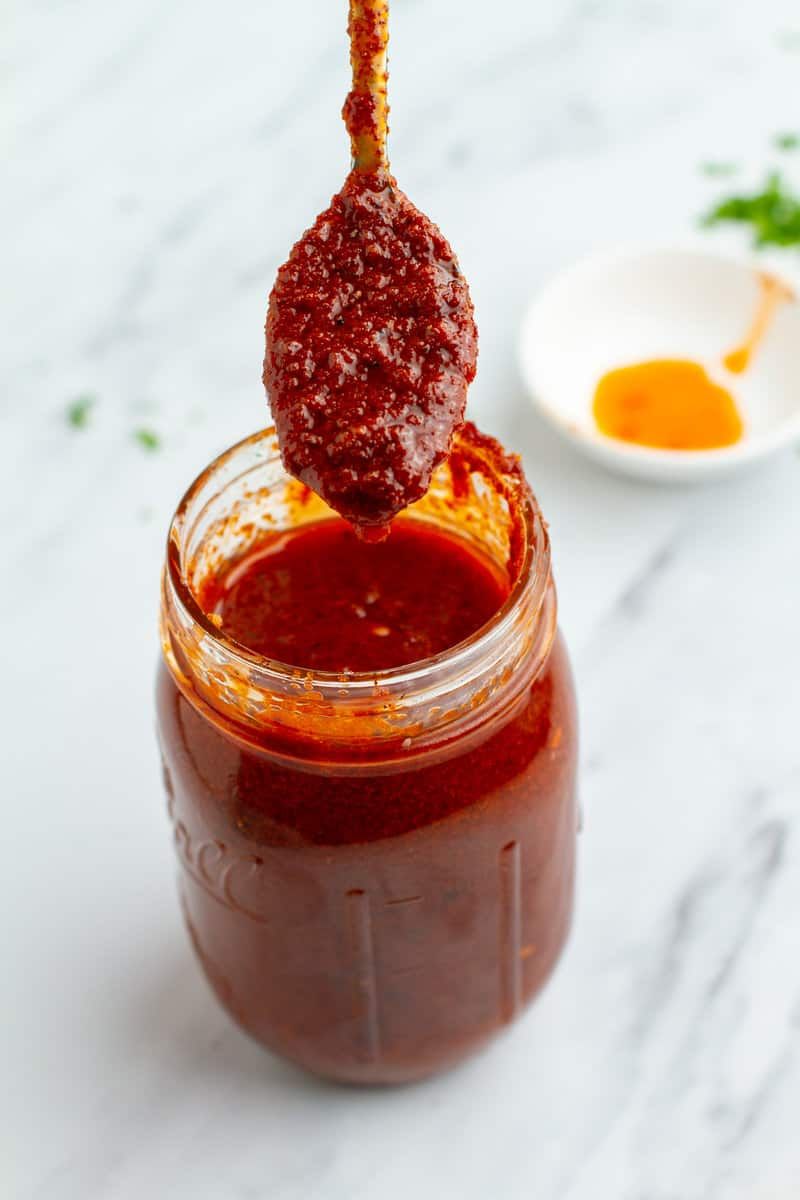
Blending oil-packed sun-dried tomatoes directly into a dressing creates an intensely rich, slightly sweet tomato flavor that no fresh tomato could ever achieve. The concentration of flavor that happens during the drying process is remarkable.
Toss a handful into a blender with olive oil, garlic, balsamic vinegar, and fresh basil for an Italian-inspired dressing that is thick, vibrant, and absolutely stunning over caprese salads or pasta dishes. It stores beautifully in the fridge for up to a week.
17. Anchovy Paste
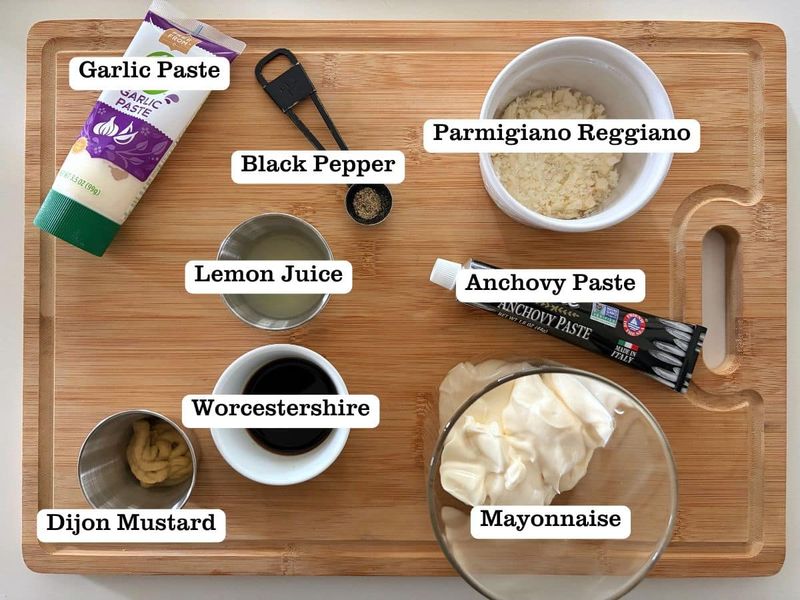
Before you wrinkle your nose, hear this out: anchovy paste does not make dressings taste fishy. What it does is add a deep, salty, savory richness that makes flavors pop in a way that is genuinely hard to explain until you try it.
It is the backbone of a true Caesar dressing, and a tiny squeeze goes a very long way. If you have ever wondered why restaurant Caesar dressings taste so much more complex than homemade versions, anchovy paste is almost certainly the missing piece.
18. Orange Zest
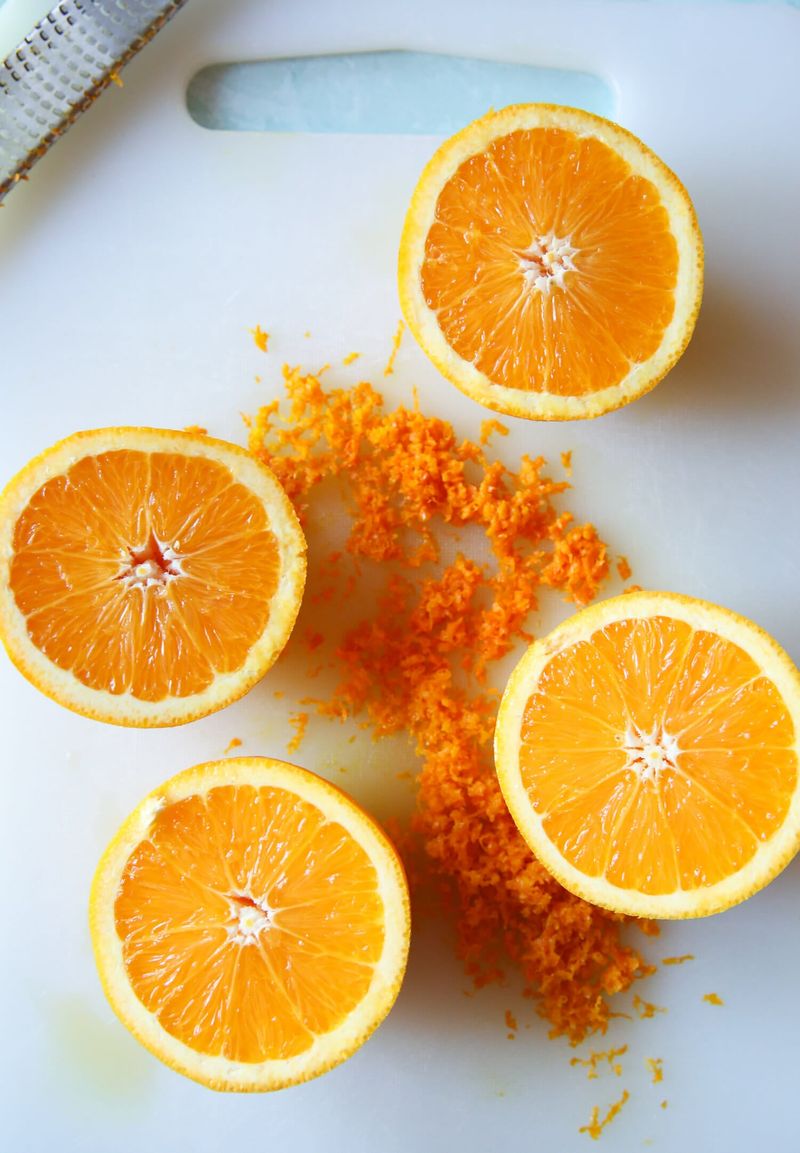
The zest of an orange holds aromatic oils that deliver an intense, fragrant citrus punch far beyond what the juice alone can provide. Grating just a teaspoon into a dressing immediately brightens the entire flavor profile.
Orange zest pairs beautifully with balsamic vinegar, olive oil, and a pinch of red pepper flakes for a dressing that feels both elegant and bold. It works especially well over arugula, fennel, and sliced almonds, creating a combination that feels fancy without requiring any extra effort.
19. Capers
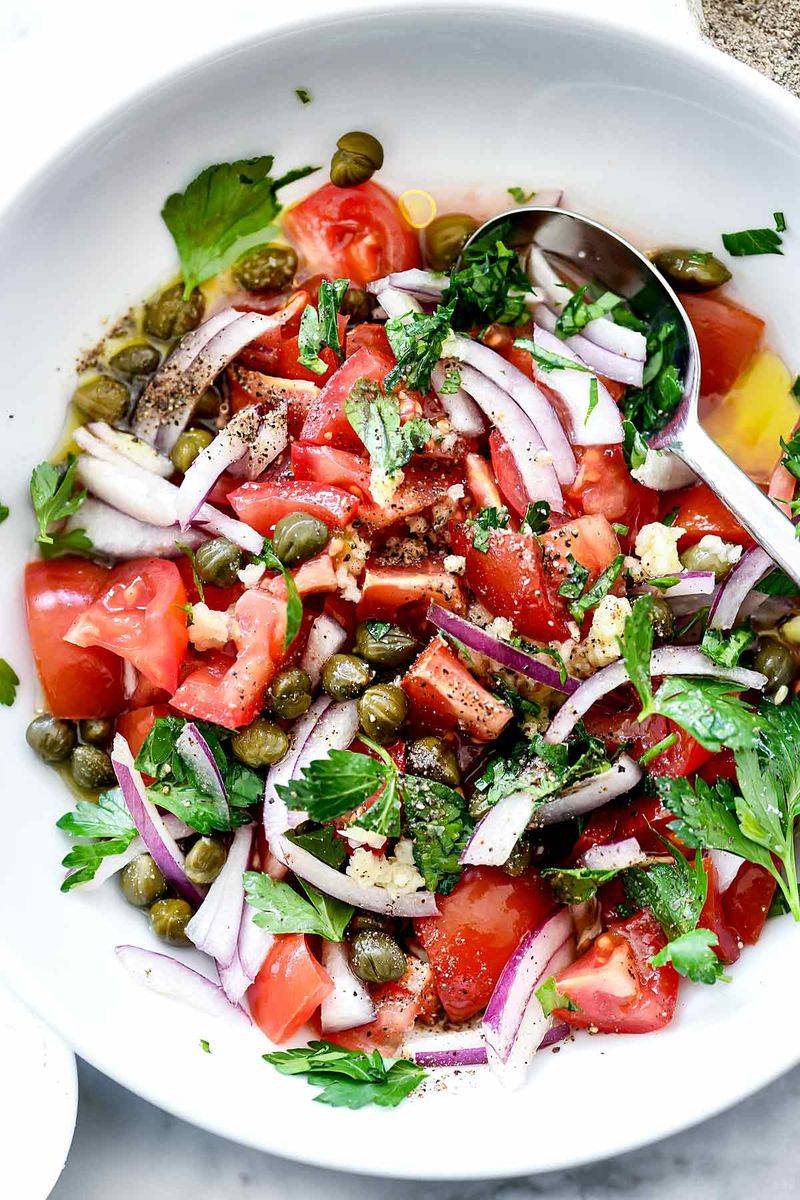
Capers are tiny, briny little flavor bombs that add a sharp, salty punch to dressings without needing extra salt or vinegar. They come from the flower buds of a Mediterranean shrub and have been used in cooking for centuries.
Chop them finely or blend them whole into a vinaigrette for a tangy, complex dressing that works brilliantly over smoked salmon salads, roasted cauliflower, or simple tomato and cucumber plates. Their bold personality makes even the simplest dressing feel thoughtfully crafted.
20. Avocado
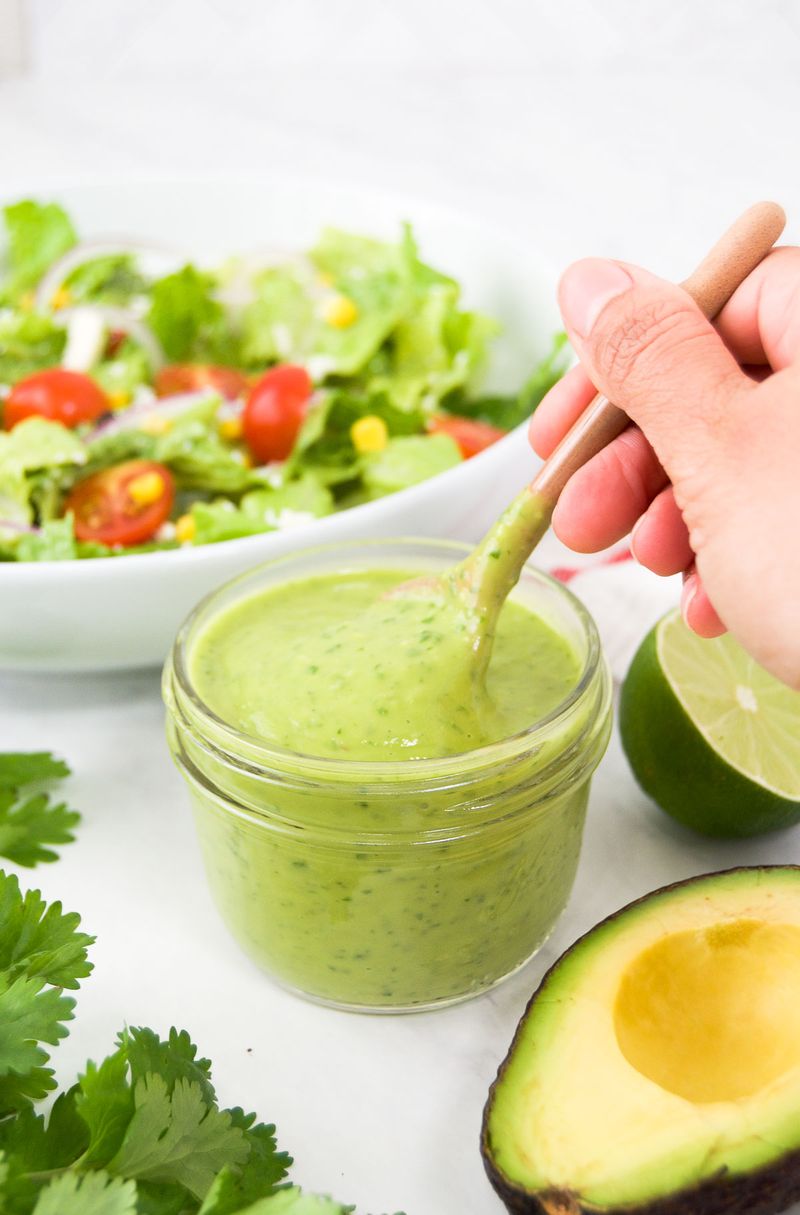
Mashing or blending a ripe avocado into a dressing creates a texture so creamy and luscious that it feels almost indulgent. Unlike cream-based dressings, avocado brings healthy fats, fiber, and a subtle buttery flavor all in one scoop.
Blend it with lime juice, garlic, cilantro, and a splash of water to reach a pourable consistency, and you have a vibrant green dressing that is perfect for taco salads, grain bowls, or anything that needs a cool, creamy finish. Freshness is key, so make it the same day.