
Have you noticed your grocery receipt getting longer even when your cart looks the same? Prices on many common foods have climbed a lot in recent years, and some of the biggest jumps are on items we buy without thinking.
Weather, shipping costs, disease, and global events all play a part. Knowing which products cost more can help you shop smarter and stretch your food budget further.
1. Eggs
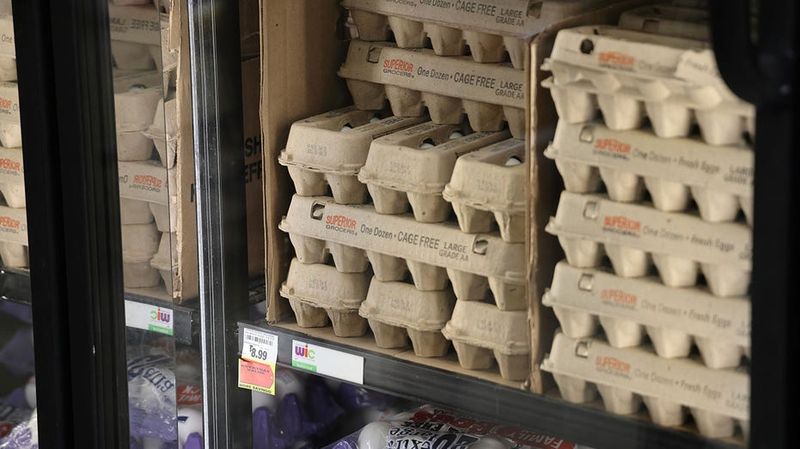
Remember when a dozen eggs cost less than a fancy coffee? Bird flu outbreaks wiped out millions of laying hens, and prices shot up fast in many stores.
Shortages can come and go, so prices bounce around. When they spike, try buying store brands or checking warehouse clubs.
Eggs also last several weeks in the fridge, so grabbing an extra carton during a sale is a smart move for busy families.
2. Coffee
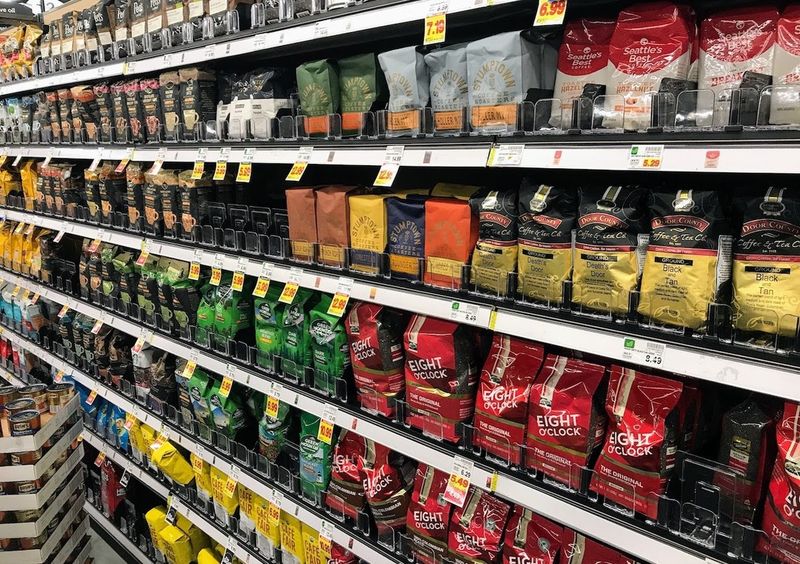
Morning cups now carry a heavier price tag. Droughts and frost in Brazil and Vietnam, two of the world’s biggest coffee growers, hurt harvests badly.
Shipping costs and tariffs added even more pressure. Some brands quietly shrank their bags while keeping prices the same.
To save, buy whole beans in larger bags and grind them at home. Brewing at home instead of visiting a cafe still saves serious cash every week.
3. Chocolate

Cocoa prices hit record highs recently, and candy lovers felt it. Bad weather and plant disease in West Africa, where most cocoa grows, slashed crops.
Candy makers responded by raising prices or making bars smaller. Some even used less cocoa in recipes.
Fun fact: Ghana and Ivory Coast grow over half the world’s cocoa. Holiday clearance sales are a sweet time to stock up on treats for less.
4. Beef
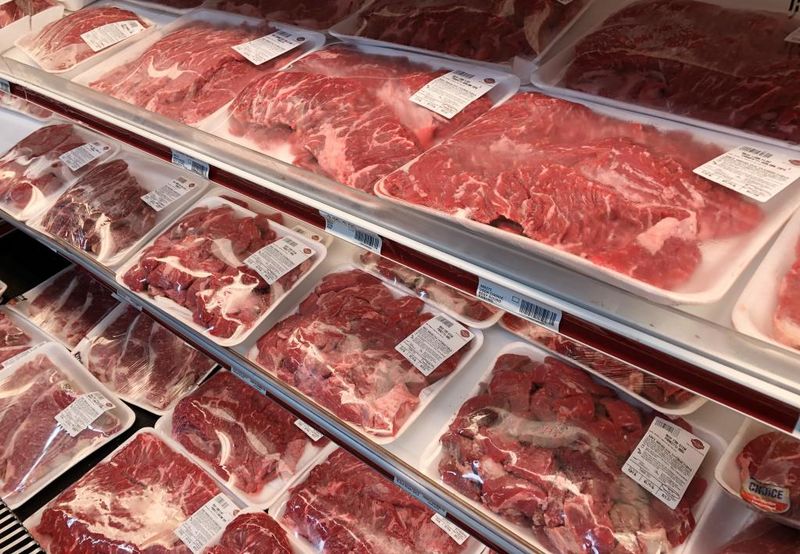
Burger night got pricier. American cattle herds have shrunk to their smallest size in decades after years of drought made feeding cows expensive.
Fewer cows means less beef, and ground beef and steaks both climbed in cost.
Try stretching ground beef with beans, lentils, or chopped mushrooms in tacos and chili. Cheaper cuts like chuck roast turn tender in a slow cooker and feed a crowd nicely.
5. Olive Oil
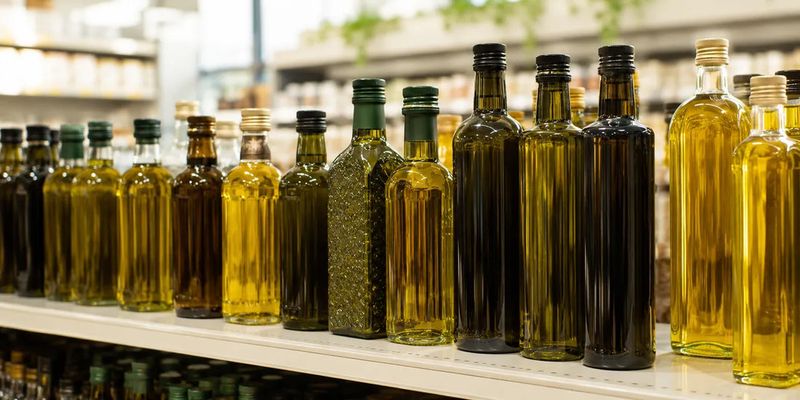
Spain makes nearly half the world’s olive oil, so when heat waves and drought hit there, kitchens everywhere noticed. Prices roughly doubled at one point.
Olive trees need years to recover from bad seasons, which kept costs high.
Save the fancy bottle for salads and dipping bread. For frying and baking, a cheaper oil like canola or sunflower works just fine and keeps more money in your wallet.
6. Orange Juice

Breakfast tables took a hit when orange juice prices soared. Florida groves were battered by hurricanes and a nasty disease called citrus greening.
Brazil, another major supplier, also had weak harvests. Together, these problems squeezed supply hard.
Frozen concentrate usually costs less per glass than ready-made cartons. Eating a whole orange is another option, and it gives you more fiber and keeps you fuller longer too.
7. Bread
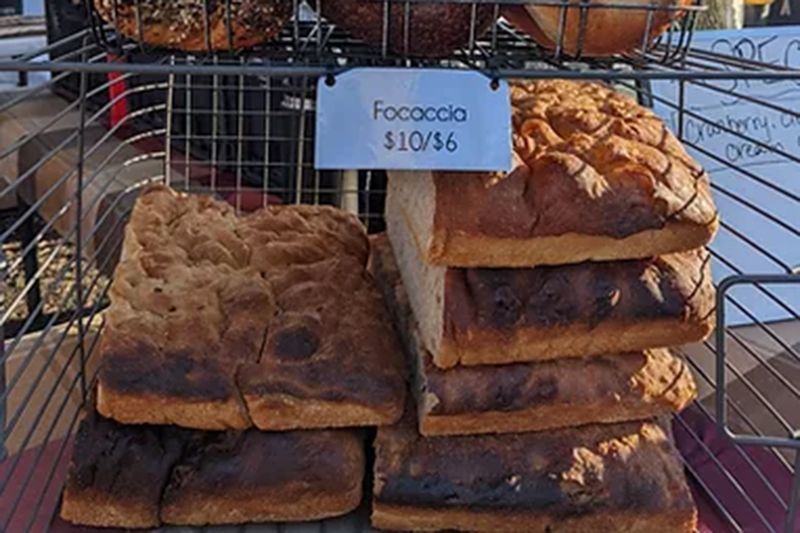
A simple loaf seems cheap until you compare it to a few years ago. Wheat, energy, packaging, and worker wages all rose, and bakeries passed those costs along.
Brand-name sandwich bread saw some of the steepest jumps.
Check the day-old bakery rack for big discounts. Bread freezes beautifully, so buy two loaves on sale and toss one in the freezer.
Toast it straight from frozen.
8. Butter
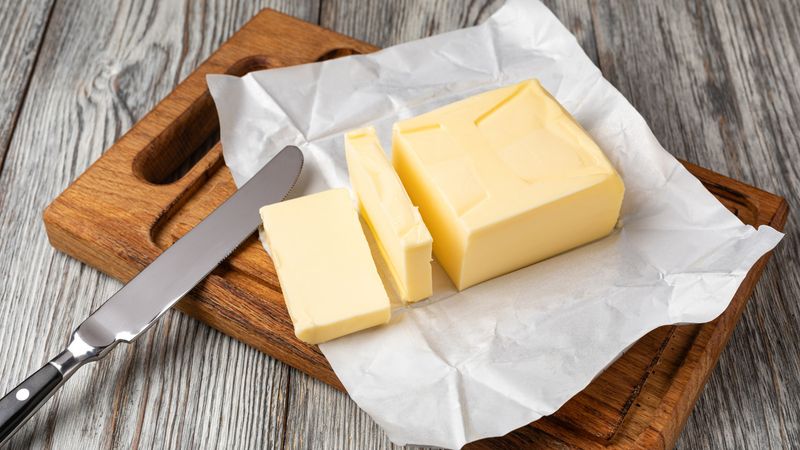
Bakers know the pain well. Butter prices climbed as feed costs for dairy cows rose and holiday baking pushed demand even higher.
Since butter is made from cream, any squeeze on milk supply shows up in that little yellow stick.
Good news: butter freezes for months. Watch for big sales in November and December, then stock up.
Your future cookies will thank you all year long.
9. Cereal
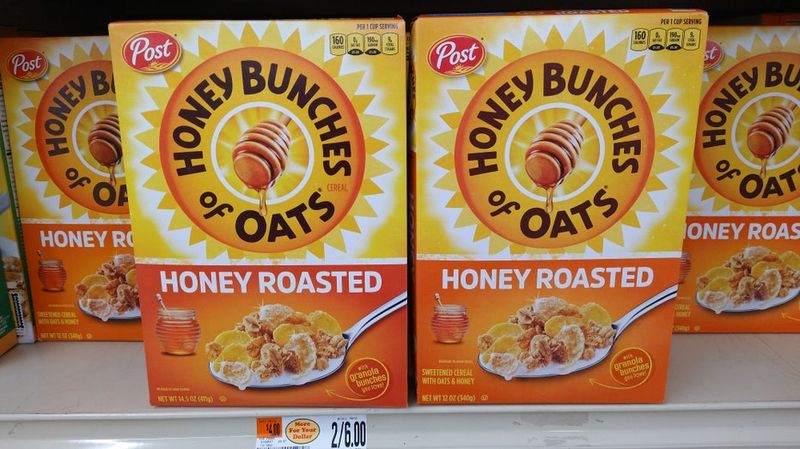
Ever notice cereal boxes getting thinner? That trick is called shrinkflation, where you pay the same or more for less food.
Grain, sugar, and cardboard costs all rose, pushing popular brands higher.
Look at the unit price on the shelf tag to compare cost per ounce. Store-brand versions often taste nearly identical.
Plain oatmeal is another budget winner, costing just pennies per bowl.
10. Bacon
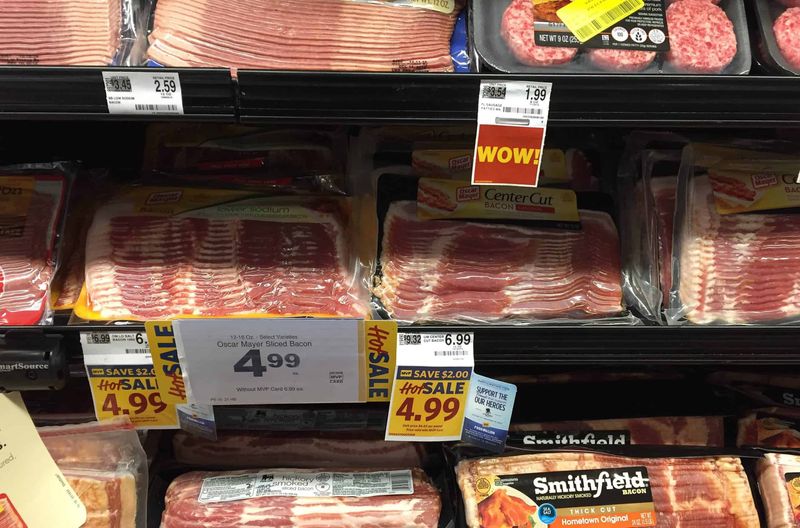
Sizzling bacon smells amazing, but the price can sting. Higher feed costs, new farm rules for pig housing, and strong demand all played a role.
Many packages also shrank from a full pound to twelve ounces.
Buying bacon ends or pieces saves money and works great in soups or pasta. Cook a full pack at once, freeze the strips, and reheat them for quick breakfasts.
11. Sugar
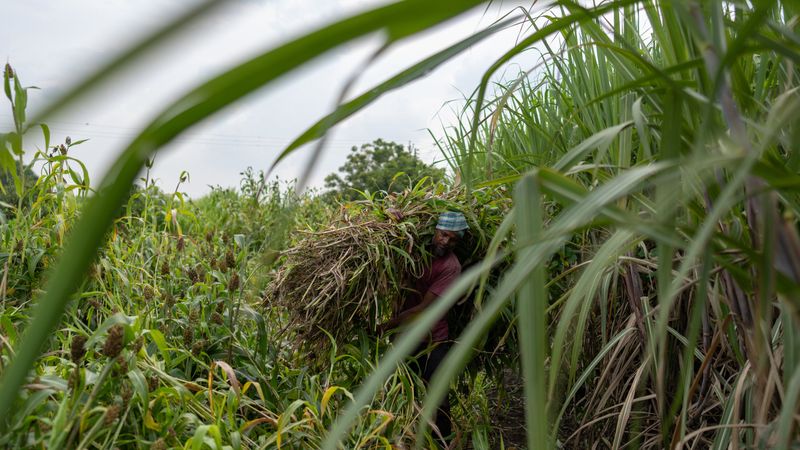
Here is a sweet surprise nobody wanted. Sugar prices reached their highest levels in over a decade as dry weather hurt crops in India and Thailand.
Since sugar goes into so many foods, the increase spread to sodas, snacks, and baked goods.
Plain sugar never spoils when stored dry, so buying big bags on sale is safe. Cutting back slightly in recipes rarely changes the taste much.
12. Potato Chips

Chip bags have always been full of air, but lately they feel even emptier. Snack prices jumped much faster than many other foods.
Potatoes, cooking oil, and shipping all got pricier, and brands raised prices several times.
Large family-size bags or store brands usually cost less per ounce. Want a fun project?
Slice potatoes thin, toss with a little oil, and bake your own crispy chips at home.
13. Baby Formula
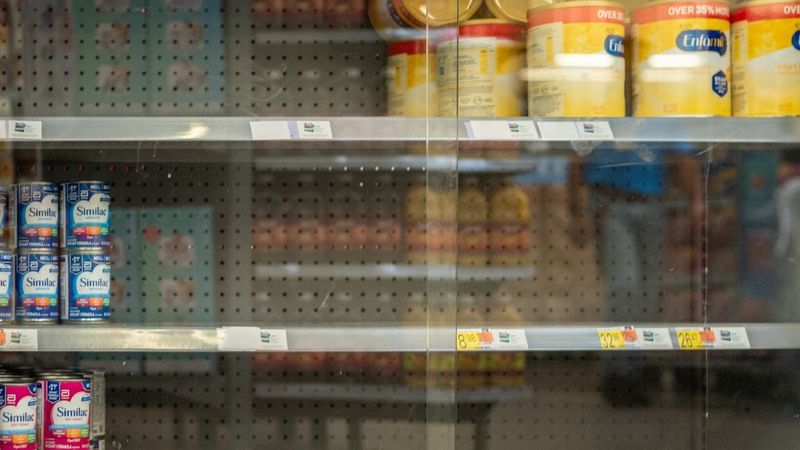
Parents faced real stress when a major factory shutdown caused empty shelves across the country. Prices rose as supply struggled to catch up.
Formula remains one of the costliest items for families with babies.
Store-brand formulas must meet the same nutrition rules as name brands and often cost much less. Ask your doctor before switching.
Signing up for manufacturer rewards programs can also bring helpful coupons.
14. Peanut Butter
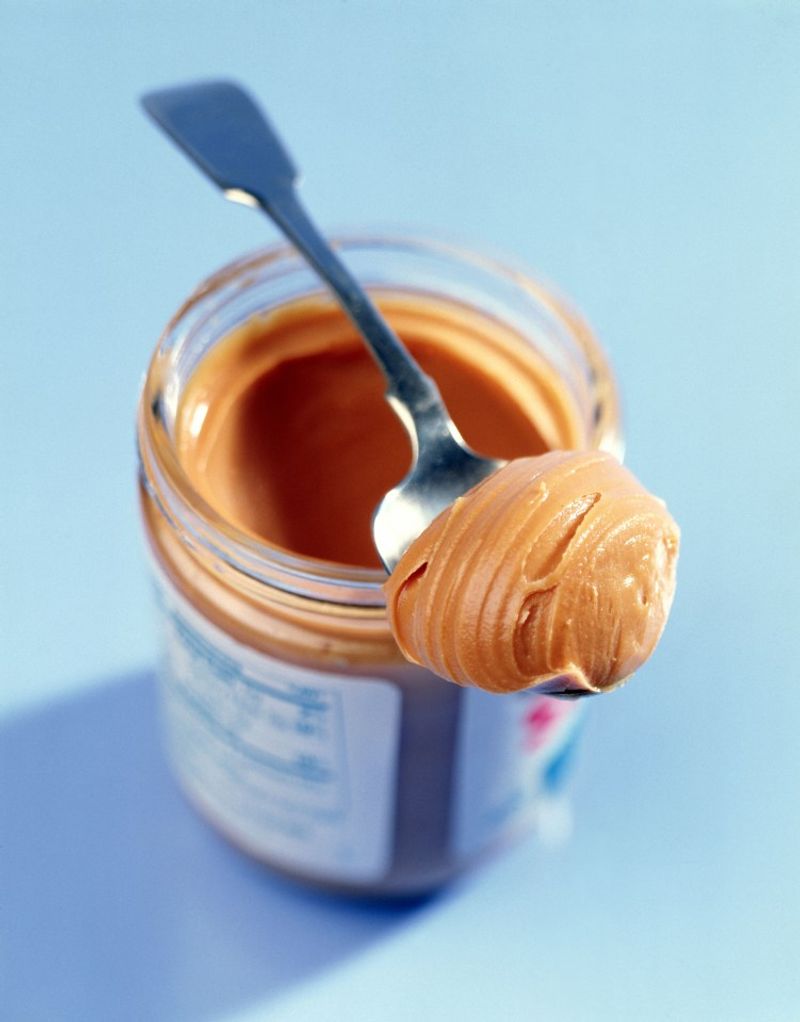
Lunchbox favorite alert! Peanut butter, long a cheap protein source, crept up in price after weaker peanut harvests and higher processing costs.
Jars also got a bit smaller in some brands.
Natural peanut butter with just peanuts and salt is often similar in price and has fewer added ingredients. Some stores even let you grind fresh peanut butter yourself, which is fun and tasty.
15. Rice
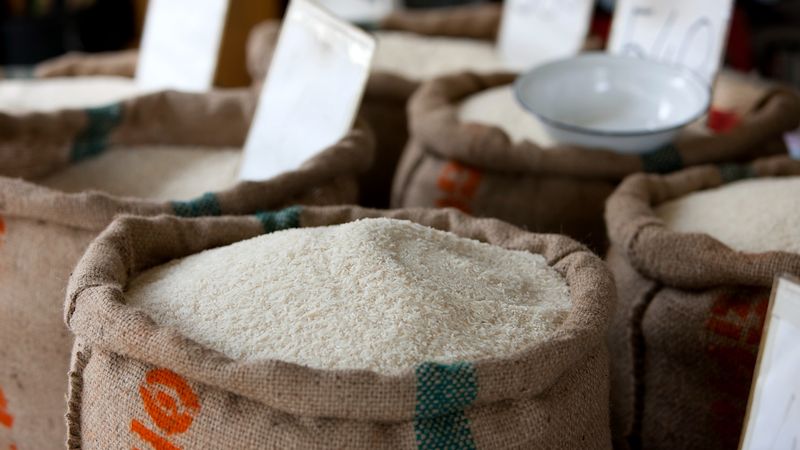
Billions of people eat rice daily, so even small changes matter. When India limited rice exports, global prices jumped quickly.
Shoppers in many countries noticed higher costs on their favorite varieties like jasmine and basmati.
Big bags from international markets or warehouse stores usually offer the best deal. Stored in an airtight container, white rice lasts for years, making it a fantastic pantry backup.
16. Cheese
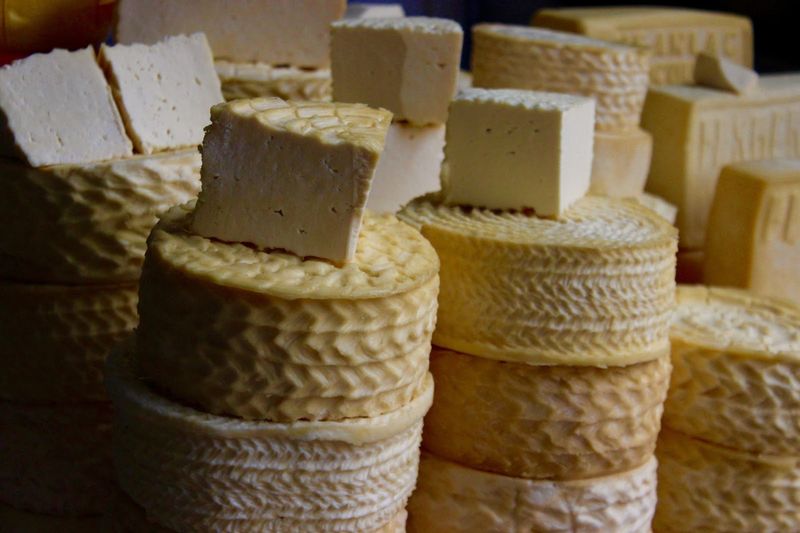
Mac and cheese fans, brace yourselves. Cheese prices rose along with milk, energy, and transportation costs.
Pre-shredded bags cost noticeably more than blocks, partly because you pay for the convenience.
Buying a block and grating it yourself saves money and melts better too, since shredded cheese contains anti-caking powder. Extra blocks can be frozen, though the texture works best for cooking afterward.
17. Bananas
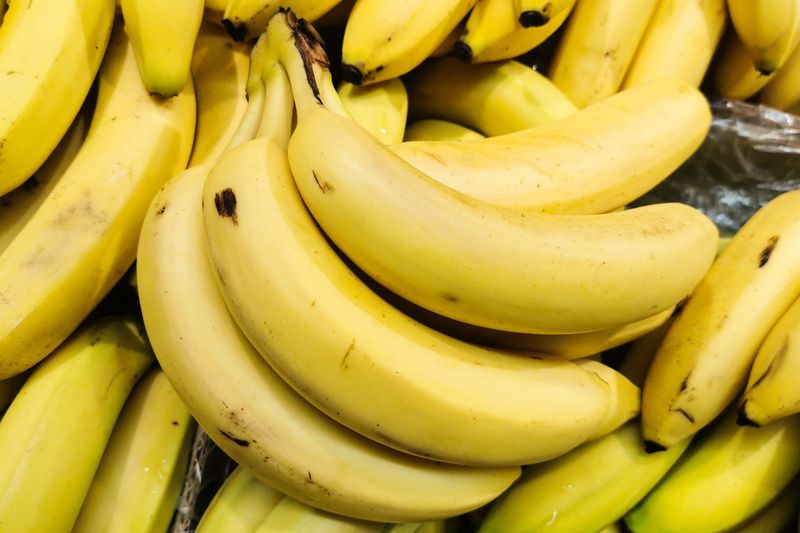
For years, bananas were the bargain of the produce aisle. Lately, though, even they have crept up.
Fertilizer, fuel, and shipping costs rose, and a fungus called Panama disease threatens banana farms worldwide.
Still, bananas remain one of the cheapest fruits around. Buy them slightly green so they last longer.
Overripe ones are perfect for banana bread or frozen for smoothies, so nothing goes to waste.
18. Canned Soup
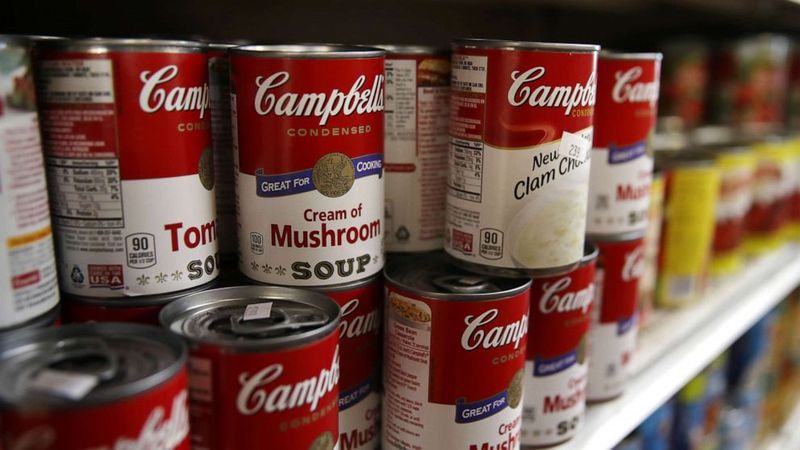
A warm bowl on a cold day now costs more than it used to. Steel for cans became more expensive, and tariffs pushed metal prices higher.
Ingredients and labor added to the jump.
Buy cans during fall sales, when soup season deals pop up. Even better, make a big pot from scratch using leftover veggies and broth.
Homemade soup freezes well and usually costs far less per serving.
19. Frozen Pizza
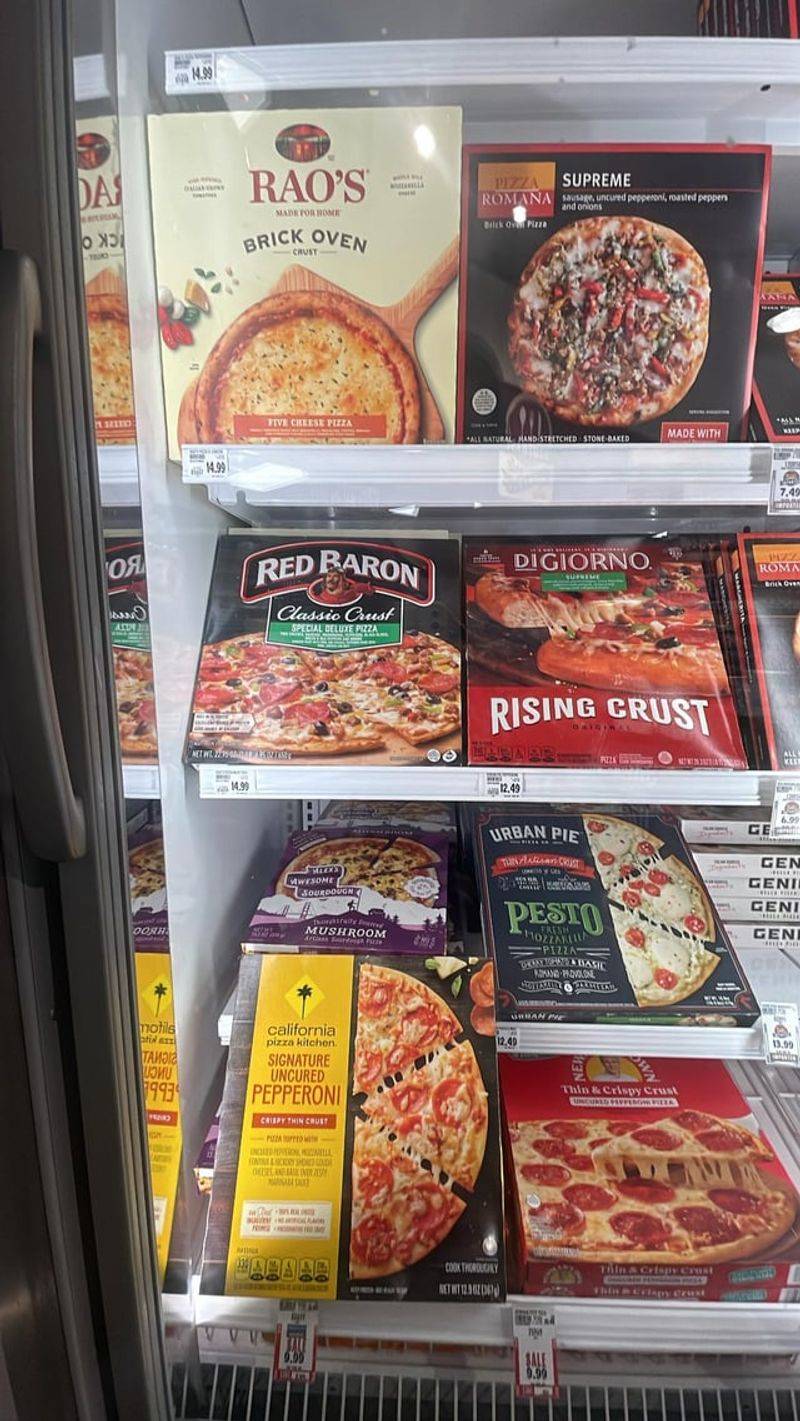
Friday pizza night just got a little pricier. Frozen pizzas combine cheese, flour, meat, and tomato sauce, so rising costs on each piled together.
Freezer storage and shipping also cost more because of higher energy bills.
A store-made dough ball plus jarred sauce and cheese lets you build a bigger pizza for similar money. Kids love adding their own toppings, which turns dinner into a fun family activity.
20. Chicken
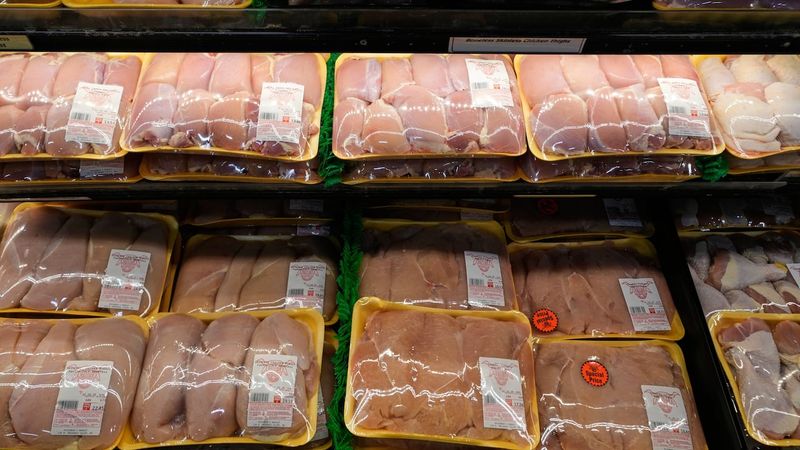
Chicken used to be the go-to budget meat. Then feed, labor, and bird flu concerns pushed prices higher, especially for boneless breasts.
Restaurants buying more chicken also tightened supply.
Whole chickens and bone-in thighs cost much less per pound. Roast a whole bird for dinner, use leftovers in sandwiches, and boil the bones for broth.
One chicken can easily stretch into three different meals.
21. Tomatoes

Salsa lovers felt the squeeze when tomato prices spiked. Extreme heat in growing areas and new trade fees on imports both played a part.
Fresh tomatoes are delicate and spoil fast, so any shipping delay raises costs.
Canned tomatoes stay cheaper and work great in sauces, soups, and chili. In summer, local farmers markets often sell tasty tomatoes for less.
Growing a pot on your porch is fun too.
22. Paper Towels
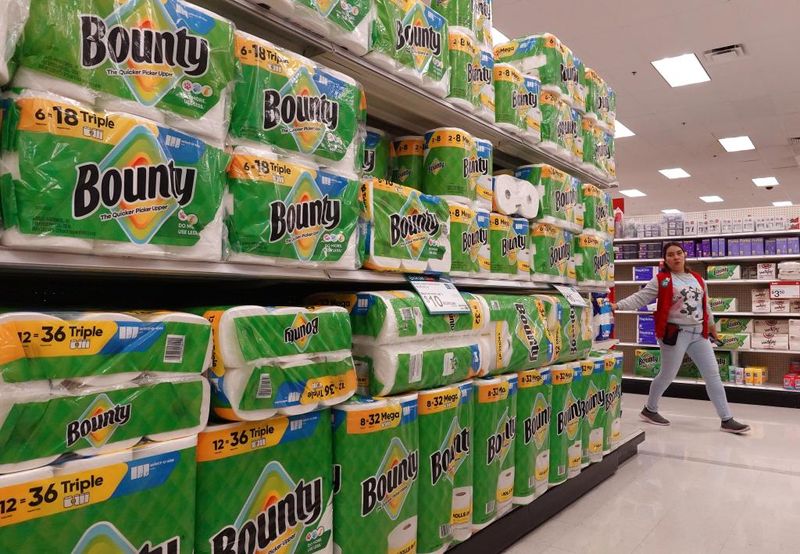
Not every pricey supermarket item is food. Paper towels climbed as wood pulp, energy, and shipping expenses rose.
Brands also trimmed sheets per roll, so packs run out sooner than before.
Compare price per sheet, not per roll, since roll sizes vary wildly. Reusable cloth towels handle many spills just as well.
Keep a basket of rags under the sink and save paper towels for truly messy jobs.