
Some of the best science fiction ever made aired decades ago, and a surprising number of people have never seen it. From paranoid government conspiracies to quirky space comedies, classic sci-fi shows tackled big ideas in ways that still feel fresh today.
Whether you grew up watching these or missed them the first time around, there has never been a better moment to revisit these gems. Grab some popcorn and get ready, because these 19 shows deserve a spot on your watchlist.
1. The X-Files (1993-2002)
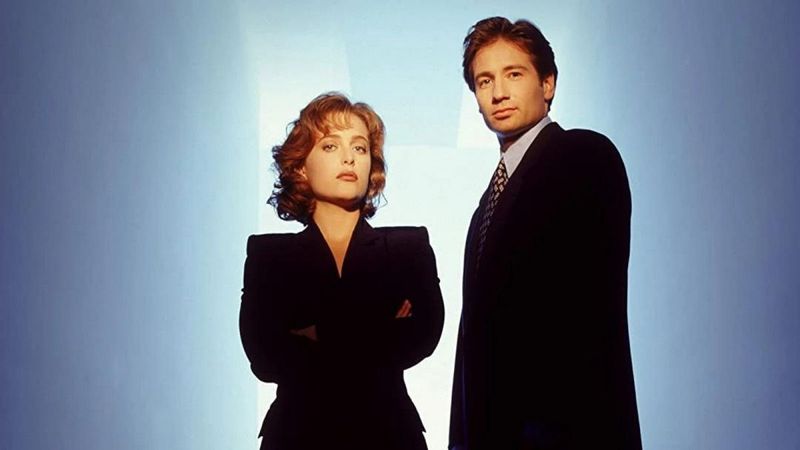
Few shows have ever nailed the feeling of not knowing who to trust quite like “The X-Files.” FBI agents Mulder and Scully made the perfect odd couple, one a true believer and one a skeptic, and their chemistry carried the whole series.
The blend of government conspiracy storylines and creepy standalone monster episodes kept viewers hooked season after season. Its early seasons especially are a masterclass in suspenseful, character-driven storytelling that still holds up remarkably well today.
2. The Outer Limits (1963 and 1995 Revival)
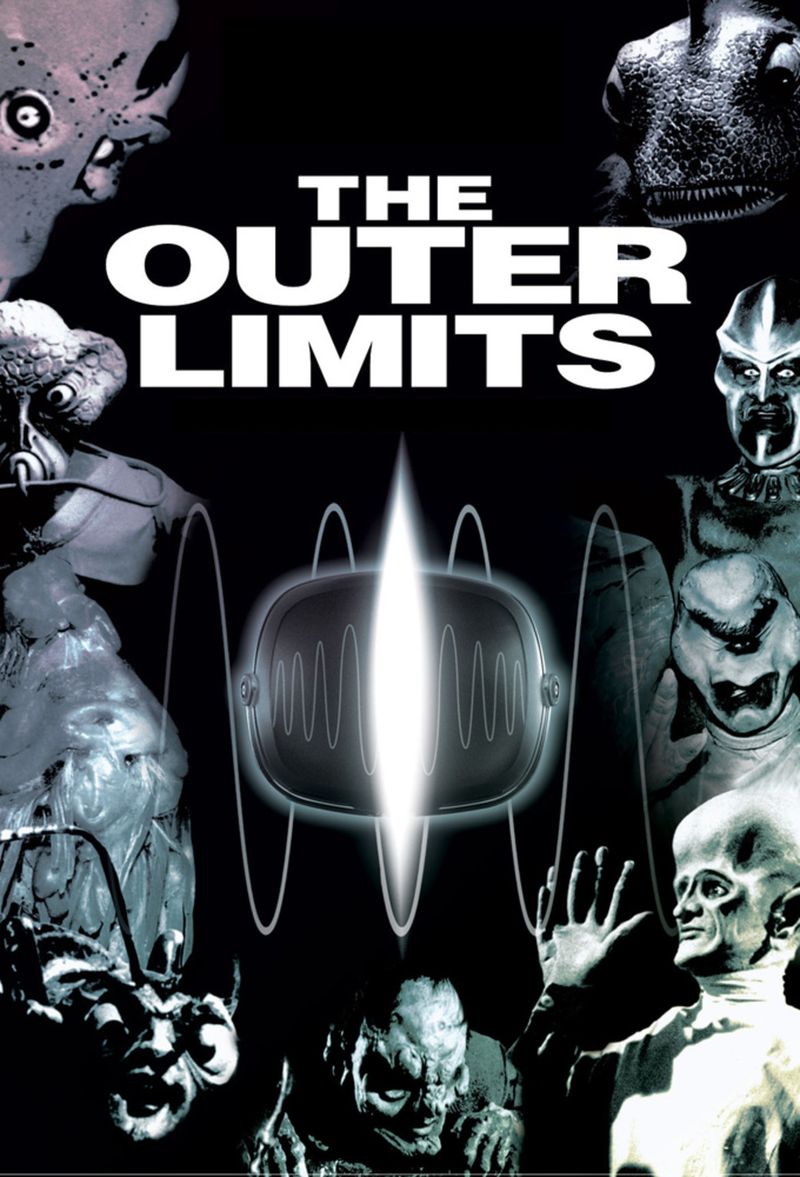
“Do not attempt to adjust your television.” That opening line alone gave an entire generation of viewers chills. “The Outer Limits” was an anthology series that pushed boundaries most TV shows of its era would not dare touch.
Both the original 1963 run and the 1995 revival explored moral dilemmas, strange science, and philosophical puzzles with a chilling edge. Each episode felt like a short story come to life, and the revival even benefited from much better visual effects.
3. Battlestar Galactica (1978-1979)
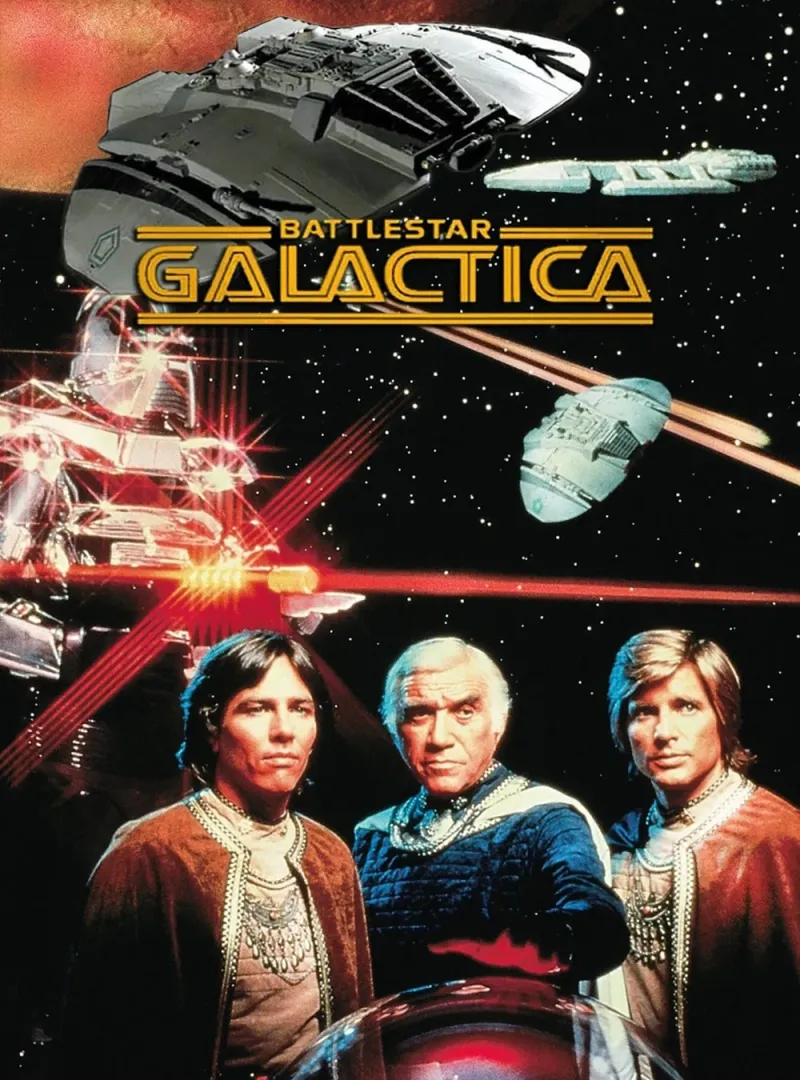
Before streaming blockbusters and prestige TV, there was “Battlestar Galactica,” the show that basically tried to bring “Star Wars” to your living room every week. For its time, the special effects were genuinely jaw-dropping, and the soundtrack was outstanding.
At its heart, the original series was about family, survival, and holding onto hope when everything seems lost. It offered pure, optimistic escapism that felt earned rather than cheap.
Fans of the 2004 reboot owe it to themselves to check out where it all began.
4. Quantum Leap (1989-1993)
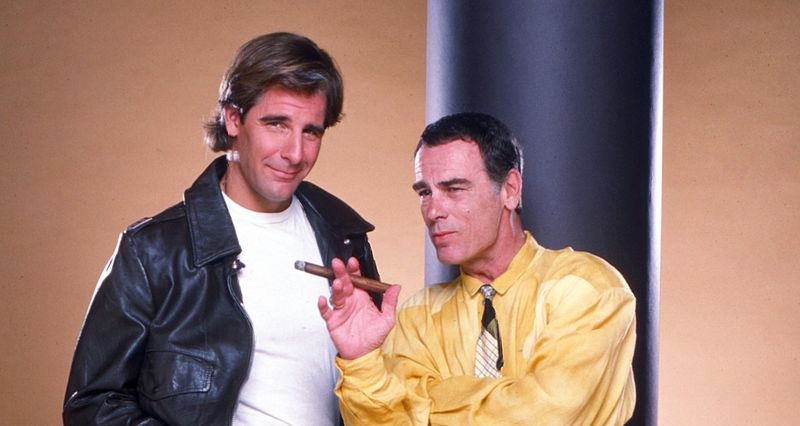
Every week, Dr. Sam Beckett woke up in a different body, a different decade, and a different crisis he had to fix before he could move on. Scott Bakula brought real warmth and heart to the role, and Dean Stockwell was magnetic as his holographic sidekick Al.
“Quantum Leap” tackled racial discrimination, gender inequality, and historical injustice in ways that felt genuinely brave for network television. It mixed humor, drama, and emotional gut-punches with rare skill.
Honestly, it still makes grown adults cry.
5. Babylon 5 (1993-1998)
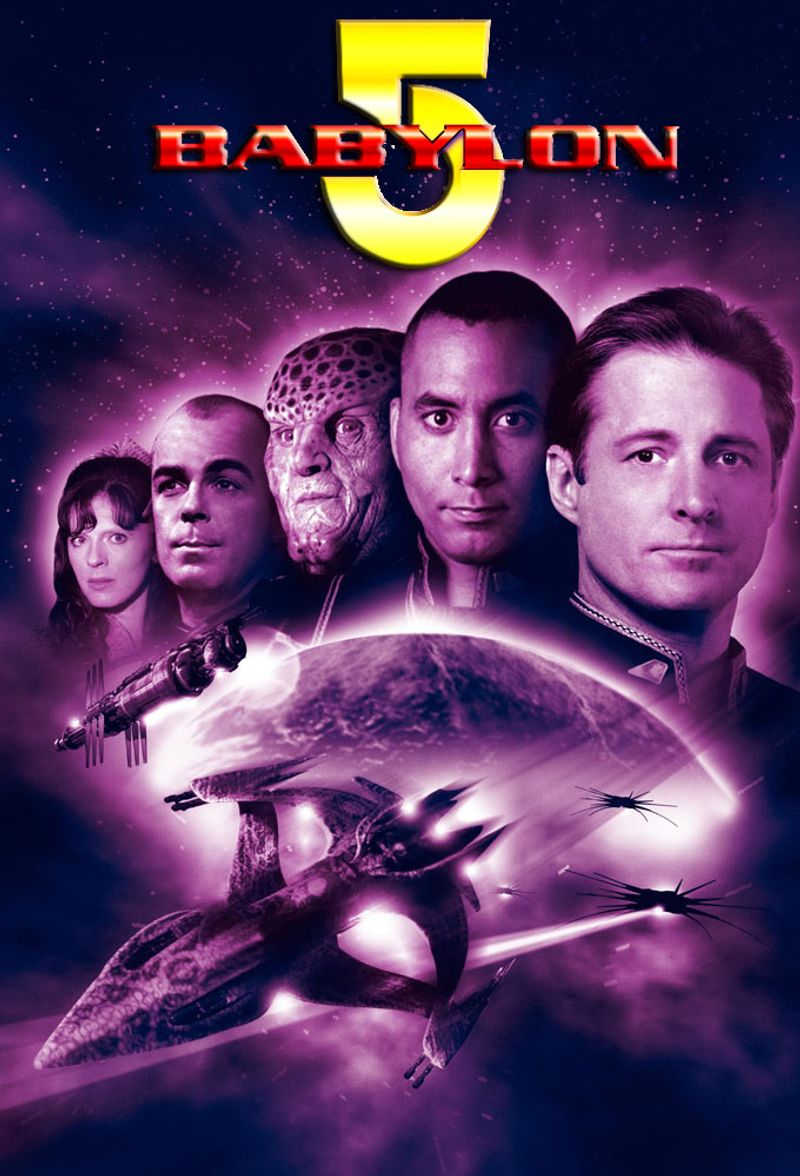
Creator J. Michael Straczynski planned “Babylon 5” like a five-year novel before a single episode aired, and that level of ambition shows in every season.
The character arcs are rich, the political intrigue is layered, and the payoffs are genuinely earned.
Fans of shows like “Game of Thrones” who love long-form storytelling will feel right at home here. The space battle physics were praised for being unusually realistic, and the series handles themes of war, diplomacy, and sacrifice with real depth and intelligence.
6. Buffy the Vampire Slayer (1997-2003)
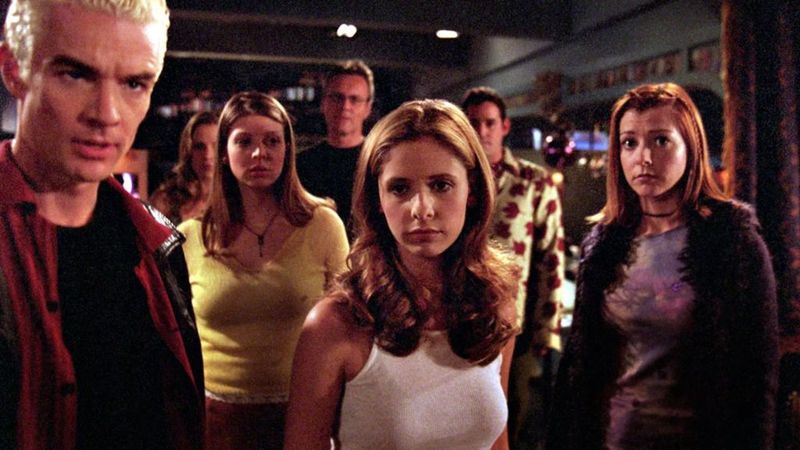
On the surface, “Buffy the Vampire Slayer” is about a high school girl fighting monsters. Look a little closer, though, and you will find one of the sharpest, most emotionally honest shows ever made about growing up.
Every supernatural threat was really a metaphor for something painfully real.
The dialogue is witty and razor-sharp, and the characters grow and change in ways that feel authentic. It was also well ahead of its time in LGBTQ+ representation.
If you wrote it off as a teen show, give it another shot.
7. Farscape (1999-2003)
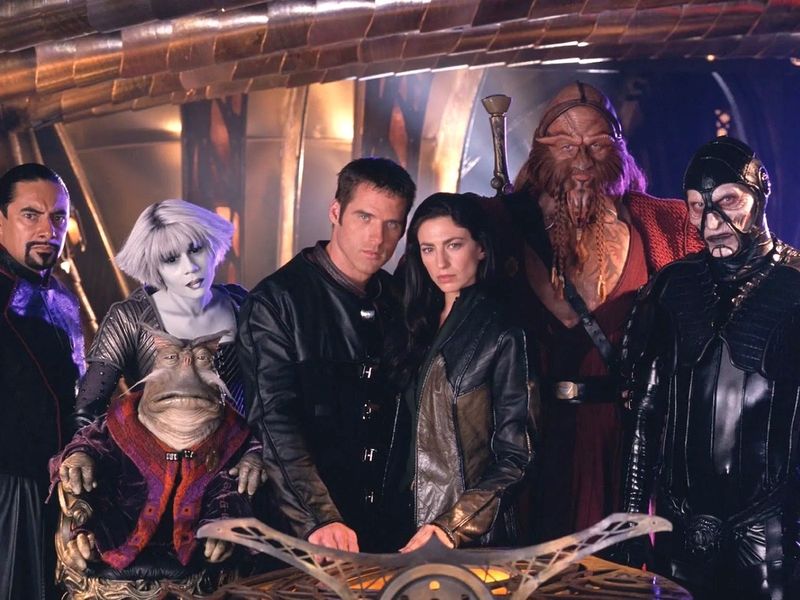
“Farscape” had something most sci-fi shows only dream about: genuine weirdness that actually worked. Produced with help from the Jim Henson Company, the alien creatures were built using practical puppetry that looked and felt more real than most CGI of the era.
The storytelling grew increasingly bold as the seasons progressed, moving from standalone adventures into complex, multi-episode arcs. The chemistry between the leads was electric and unpredictable.
For anyone who loves imaginative, character-driven sci-fi with a rebellious streak, this show is an absolute treasure.
8. The Twilight Zone (1959-1964)
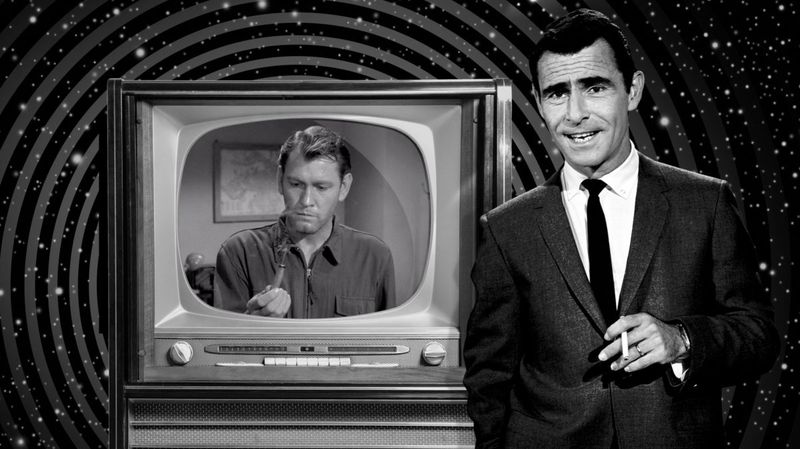
Rod Serling was basically a genius who happened to have his own TV show. “The Twilight Zone” wrapped sharp social commentary inside unforgettable twist endings, using ordinary people in extraordinary situations to say things mainstream entertainment would never dare say outright.
Decades later, episodes like “Time Enough at Last” and “It’s a Good Life” are still taught in schools and referenced in pop culture constantly. The storytelling is tight, the ideas are big, and the emotional impact hits harder than most modern prestige dramas.
A true landmark.
9. Red Dwarf (1988-Present)
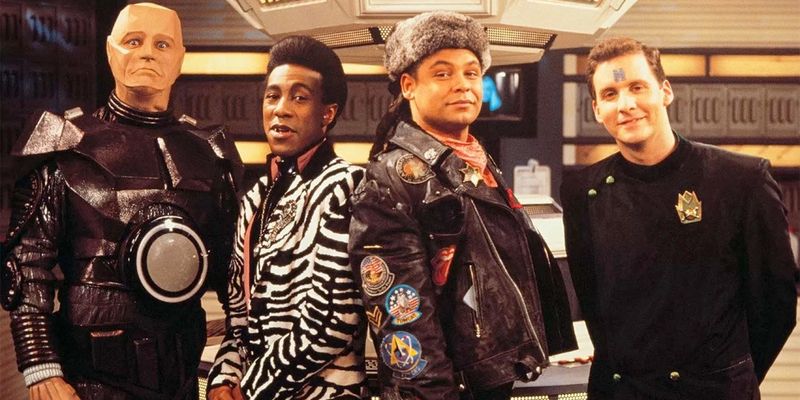
Imagine being the last human alive, stranded three million years from Earth on a battered mining spaceship, with only a hologram, a human-evolved cat, and a neurotic robot for company. That is the delightfully absurd premise of “Red Dwarf,” and it never gets old.
British sci-fi comedy does not get sharper than this. The show ran on a famously small budget, but the clever writing and outstanding character chemistry more than made up for any production limitations.
It is genuinely, consistently hilarious across nearly four decades on air.
10. Star Trek: The Original Series (1966-1969)
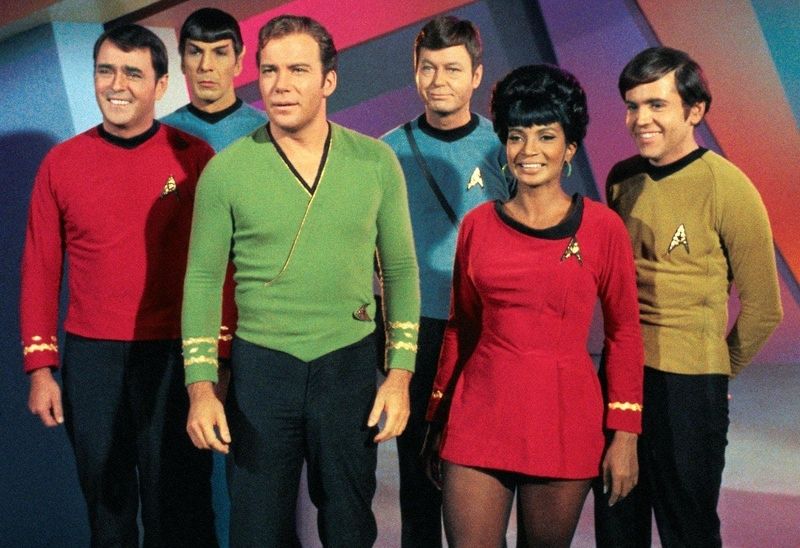
Without “Star Trek: The Original Series,” almost none of the science fiction on this list would exist in the same form. Captain Kirk, Mr. Spock, and Dr. McCoy set a template for ensemble storytelling and optimistic futurism that influenced generations of creators.
The show tackled racism, war, and inequality at a time when most TV simply would not go there. Yes, some episodes look dated by today’s standards, but the core ideas remain genuinely powerful.
Starting here makes everything that came after feel richer and more meaningful.
11. V: The Original Miniseries (1983)
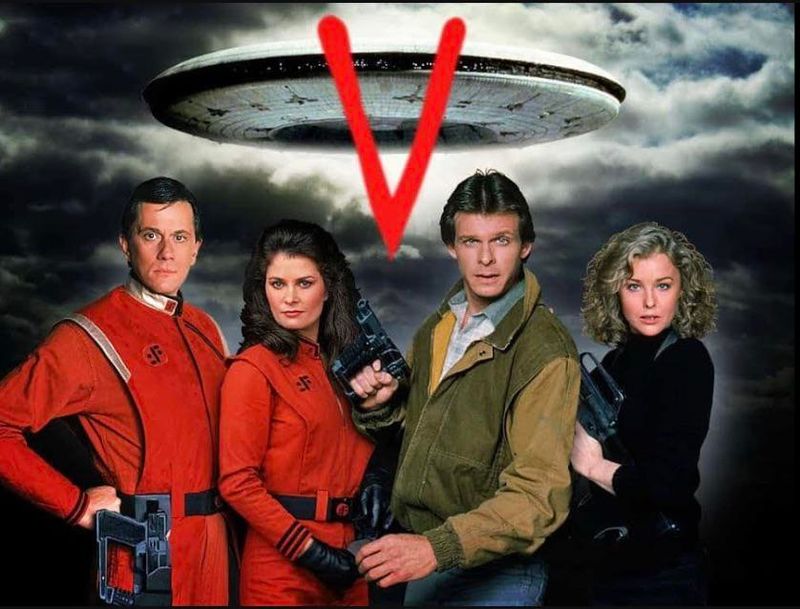
When “V” first aired in 1983, millions of Americans sat glued to their televisions watching a story about friendly-looking aliens who were very much not friendly. As an allegory for fascism, propaganda, and the slow erosion of civil resistance, it was chillingly effective.
The visual effects were impressive for their era, and the characters were written with genuine depth. Marc Singer and Faye Grant made compelling heroes fighting a quietly terrifying occupation.
If you want a sci-fi story with real political bite, this miniseries delivers it without pulling any punches.
12. Max Headroom (1987-1988)
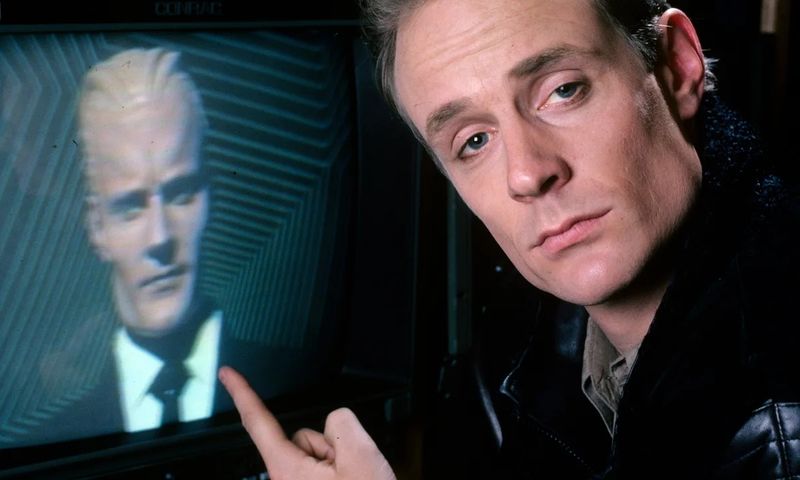
Long before social media influencers and 24-hour news cycles, “Max Headroom” was already satirizing media manipulation and corporate greed with unsettling accuracy. The show was set in a dystopian near-future where television networks had all the power and ratings mattered more than truth.
Max Headroom himself, a digitally created AI character with a glitchy stutter, felt prophetic in ways the creators could not have fully anticipated. It was bold, strange, and brilliantly funny.
Watching it now, the commentary on consumer culture feels more relevant than ever.
13. Star Trek: The Next Generation (1987-1994)
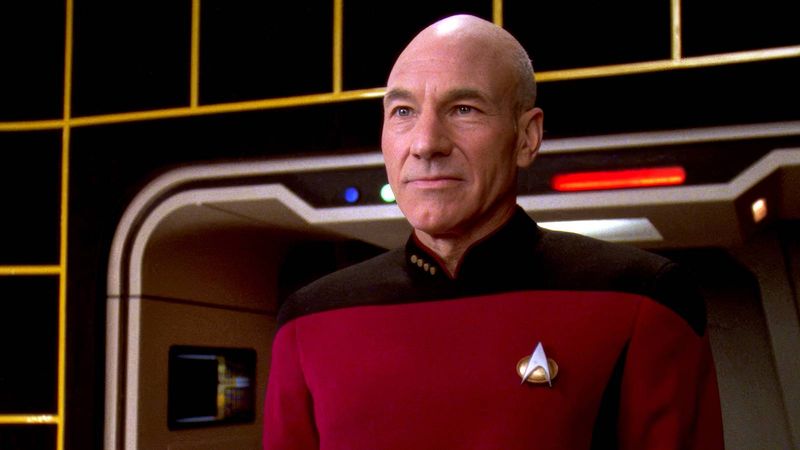
Captain Picard sipping Earl Grey tea while delivering a philosophical monologue is peak television, and “Star Trek: The Next Generation” gave audiences that gift for seven glorious seasons. Building on what the original series started, TNG brought greater nuance, diplomacy, and moral complexity to the franchise.
Episodes like “The Inner Light” and “Chain of Command” are widely considered some of the finest hours in all of television history, not just sci-fi. Patrick Stewart’s performance anchors everything beautifully.
For newcomers to Trek, many fans actually recommend starting right here.
14. Lexx (1997-2002)
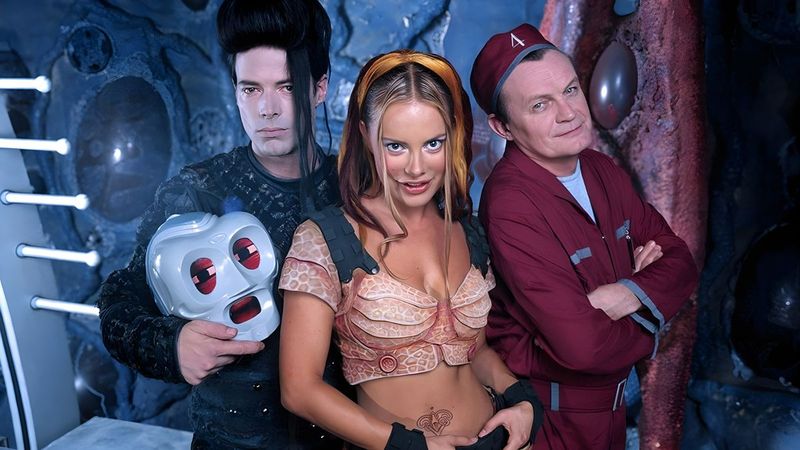
“Lexx” is not for everyone, and honestly, that is part of its charm. The show followed a mismatched crew aboard a massive sentient starship capable of destroying entire planets, and it leaned fully into its own bizarre, darkly comedic identity from day one.
Nothing else on television looked or felt quite like it. The series blended horror, absurdist humor, and genuinely unsettling ideas about power and mortality in ways that were completely unpredictable.
It was gloriously weird, unapologetically strange, and unlike anything else in the sci-fi landscape of its era.
15. Stargate SG-1 (1997-2007)
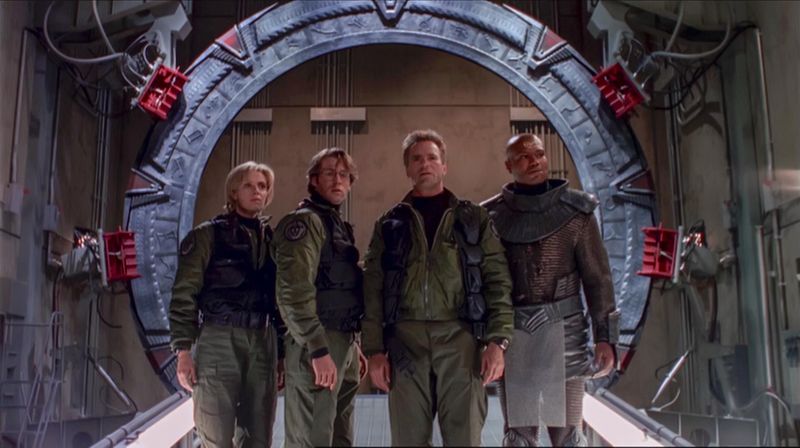
Ten seasons. “Stargate SG-1” ran for ten seasons, making it one of the longest-running sci-fi series in television history, and it earned every single one of them. The central concept, using ancient alien technology to travel between worlds, was clever enough to sustain years of storytelling.
What made it special was the humor and camaraderie between the team members, who genuinely felt like people you wanted to spend time with every week. It wove real historical mythology into its sci-fi framework in fascinating ways.
Funny, adventurous, and surprisingly heartfelt throughout its entire run.
16. Firefly (2002)
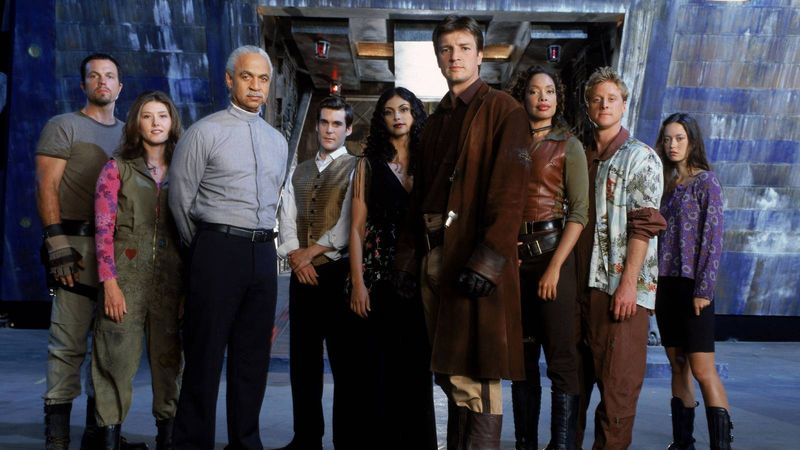
Canceled after one season. That fact still stings for millions of fans who discovered “Firefly” and fell completely in love with its crew of scrappy space outlaws.
Creator Joss Whedon blended the Western frontier spirit with science fiction in a way nobody had quite managed before.
The cast chemistry was electric, the dialogue was sharp and funny, and the world felt genuinely lived-in rather than polished and artificial. Every character had real depth and a compelling backstory.
Watching it knowing it ends too soon is bittersweet, but absolutely worth every minute.
17. The Invaders (1967-1968)
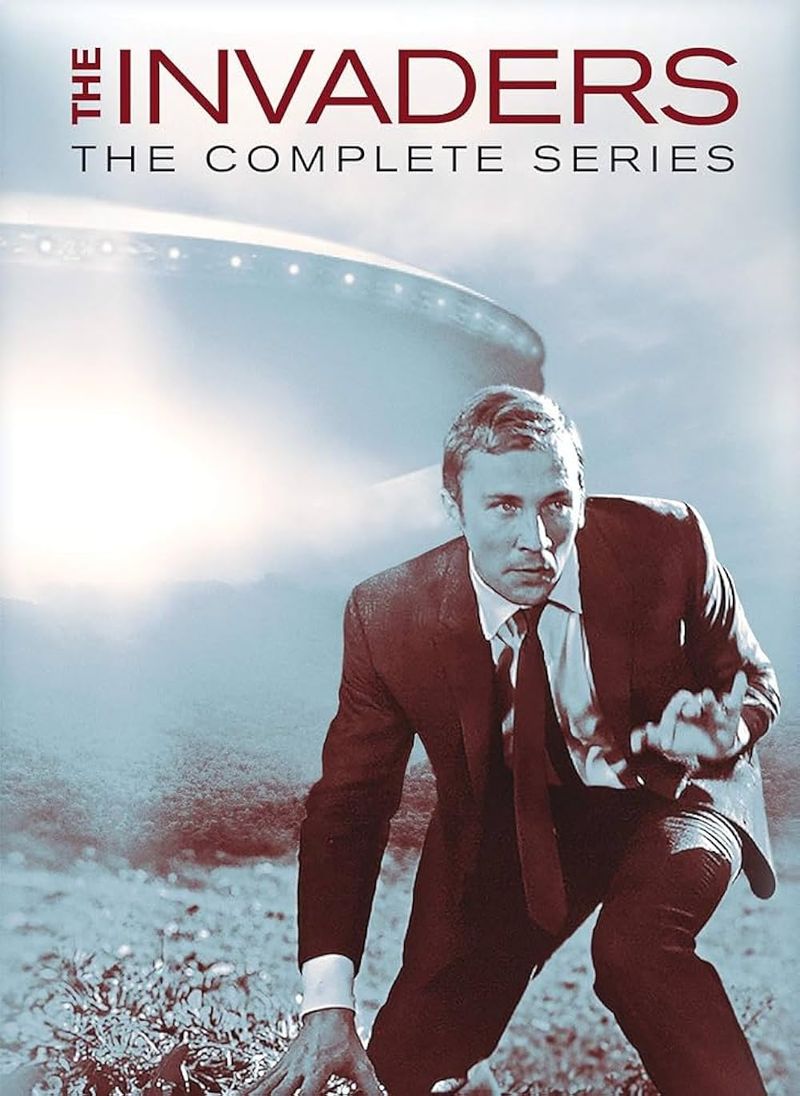
Years before Mulder and Scully were chasing aliens through shadowy corridors, David Vincent was doing it alone and nobody believed him. “The Invaders” built its entire premise around one ordinary man who witnessed something he should not have seen and spent two seasons trying to convince a skeptical world.
The show relied on atmosphere and psychological dread rather than flashy effects, which makes it feel surprisingly modern. It is a paranoid thriller through and through, and the slow-burn tension is genuinely effective.
Consider it essential viewing for any fan of conspiracy-driven sci-fi storytelling.
18. Space: 1999 (1975-1977)
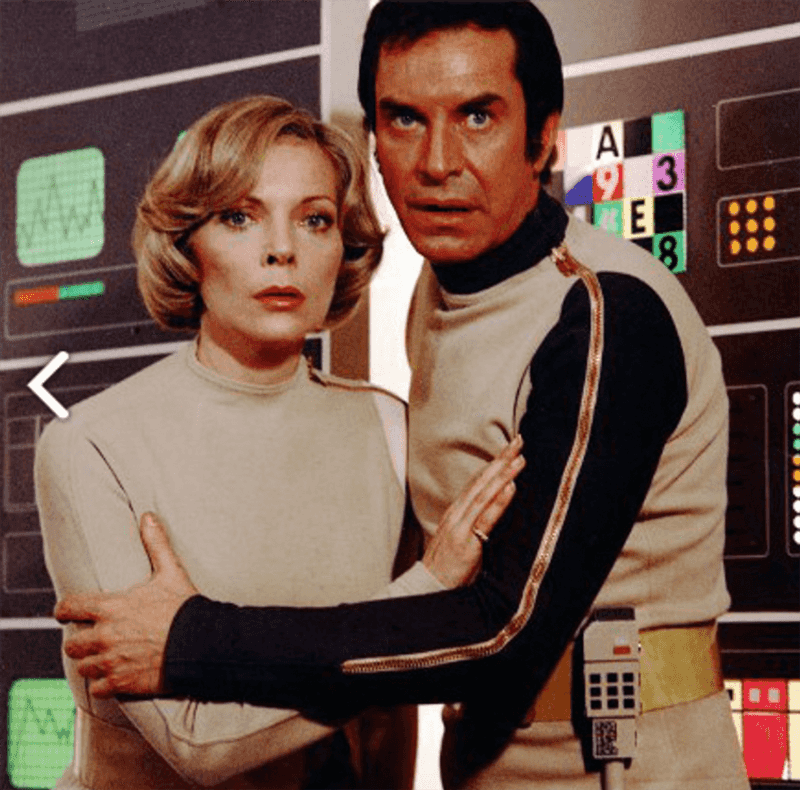
Created by Gerry and Sylvia Anderson, “Space: 1999” took a darker and more psychologically serious approach to space exploration than most sci-fi of its era. The premise, Earth’s moon gets blasted out of orbit and drifts through deep space, sounds wild but the show treated it with genuine solemnity.
The production design was stunning for the mid-1970s, and the storytelling often leaned into themes of isolation, survival, and existential uncertainty. It was slower and more cerebral than action-heavy competitors.
Fans of thoughtful, atmospheric sci-fi will find a lot to appreciate here.
19. The Prisoner (1967-1968)
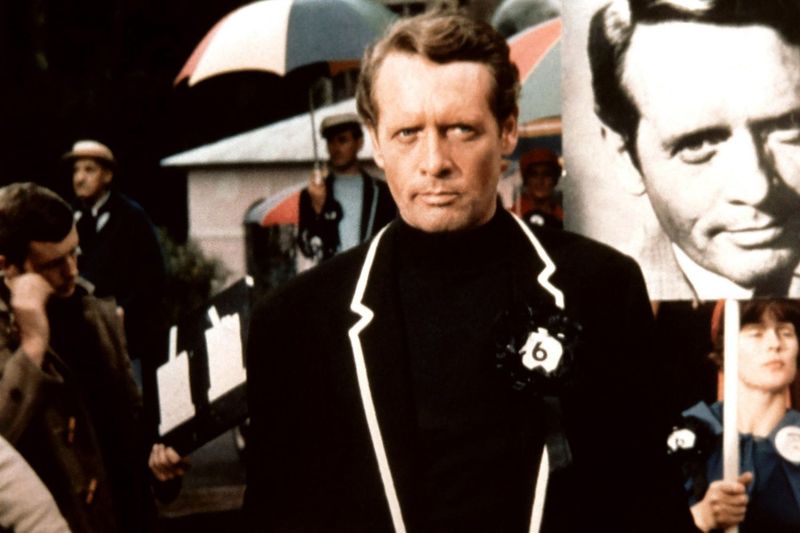
“I am not a number, I am a free man!” Patrick McGoohan’s furious declaration in “The Prisoner” became one of television’s most iconic lines, and the show behind it remains one of the strangest and most thought-provoking things ever broadcast. A spy resigns, gets abducted, and wakes up in a mysterious village with no name, only a number.
Every episode is a puzzle about identity, freedom, and the nature of control. The surreal imagery and allegorical storytelling feel genuinely ahead of their time.
Watching it feels less like TV and more like experiencing a fever dream that actually means something.