
Some dishes look simple on a menu but hide a lot of tricky work behind the kitchen doors. Even chefs with years of training can burn, break, or flop these recipes on a busy night.
Knowing which foods are hard to make helps you appreciate a great meal and maybe even try one at home. Get ready to meet the plates that keep cooks up at night.
1. Beef Wellington
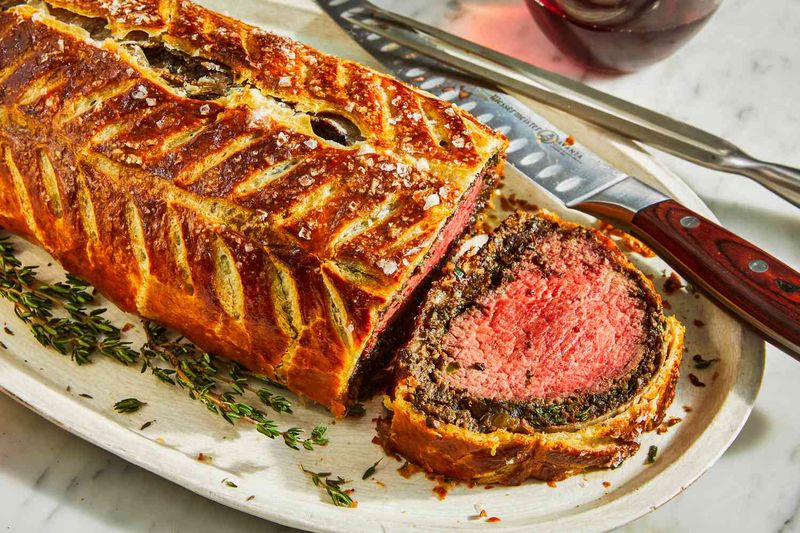
Gordon Ramsay made this dish famous on TV, often yelling when it came out wrong. Wrapping a beef tenderloin in mushrooms, ham, and puff pastry sounds fancy, and it is.
The hard part is timing. The pastry must turn golden and crisp while the beef stays pink inside.
Soggy bottoms are a common disaster.
Chefs chill the wrapped meat before baking to help everything cook evenly.
2. Chocolate Souffle
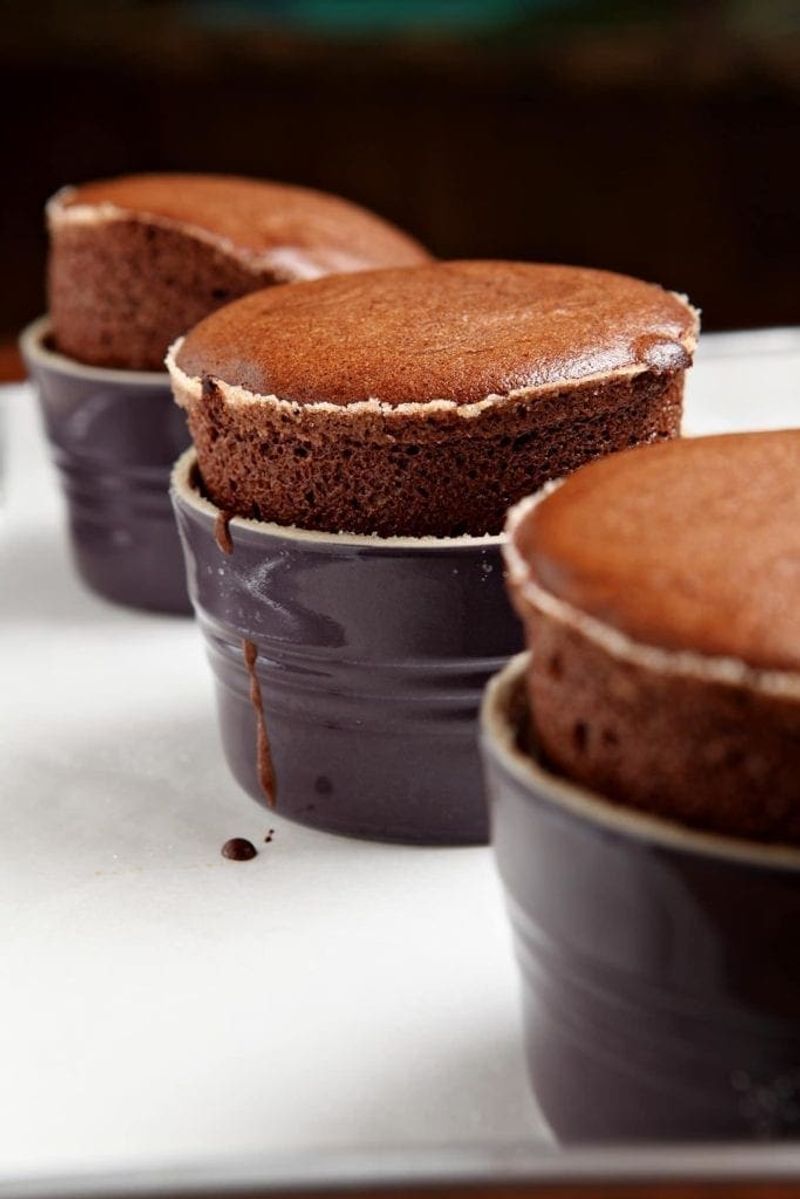
Open the oven door too early and poof, your dessert sinks like a sad balloon. Souffles rely on whipped egg whites to puff up tall and airy.
Every step matters. The eggs need the right stiffness, the folding must be gentle, and the oven temperature has to stay steady.
Restaurants often serve them right away because a souffle starts falling within minutes of leaving the heat.
3. French Omelette
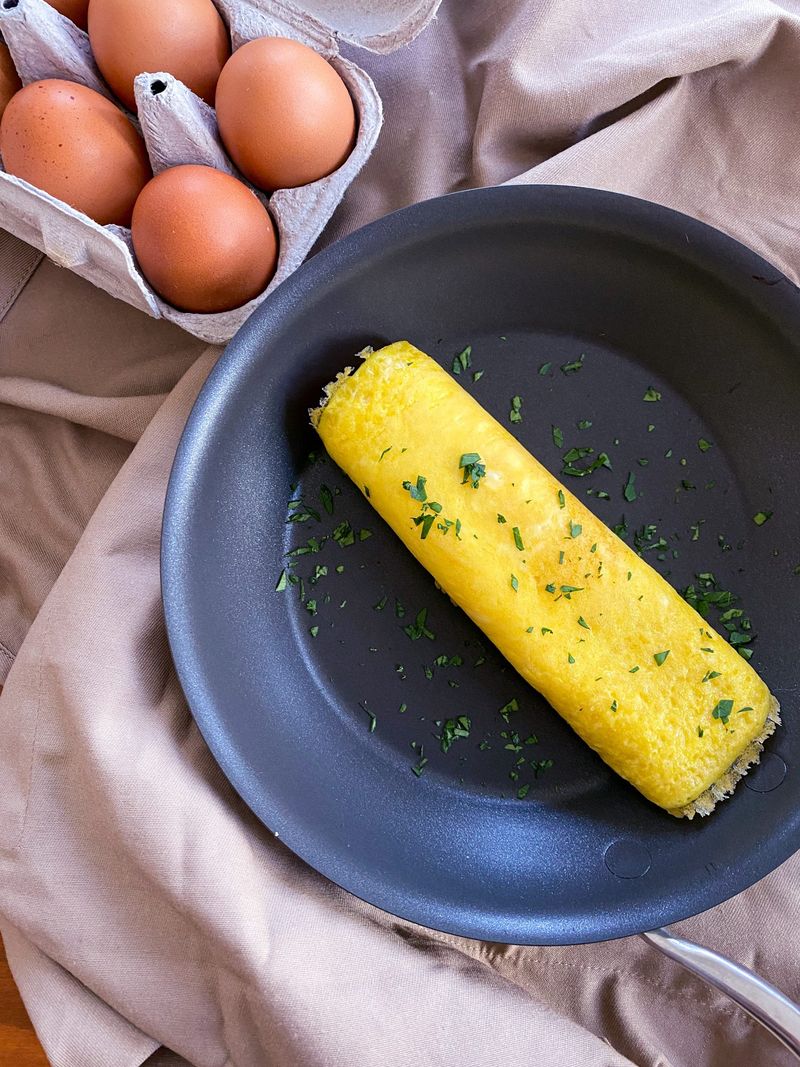
Many famous chefs test new cooks by asking for just one thing: an omelette. It seems silly until you try it.
A true French version has no brown spots and stays soft and creamy inside. Cooks shake the pan and stir quickly over gentle heat, then roll it neatly.
Thirty seconds too long, and it turns rubbery. Practice really is the only secret here.
4. Risotto
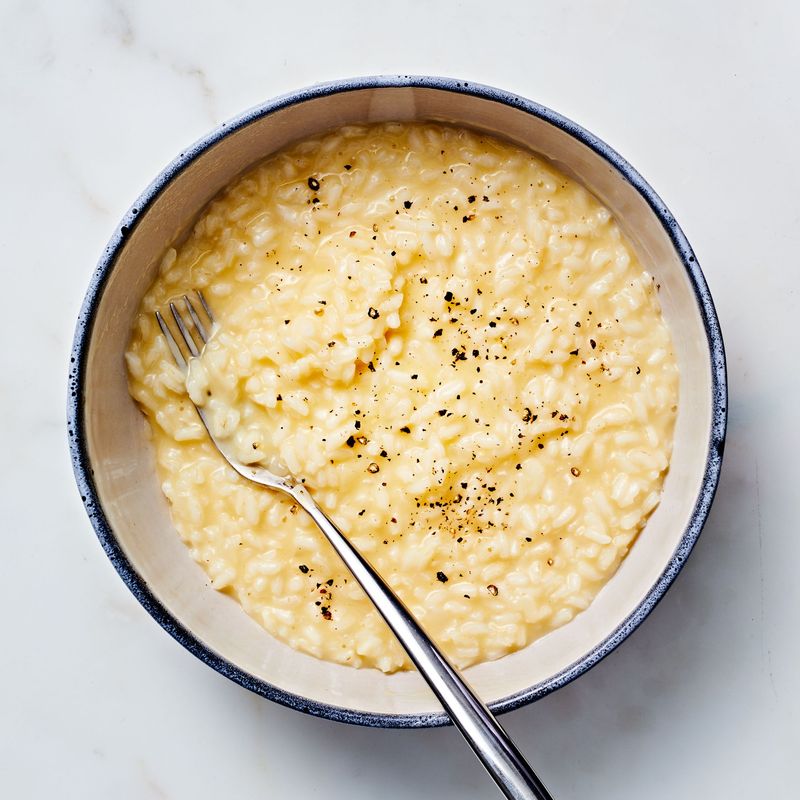
Picture standing over a hot stove, stirring rice for nearly twenty minutes straight. That is risotto life.
Broth gets added a little at a time so the rice releases starch and becomes creamy. Too much liquid makes soup, while too little leaves crunchy grains.
Italians say good risotto should flow gently across the plate like a slow wave. Chefs call that texture all’onda.
5. Macarons
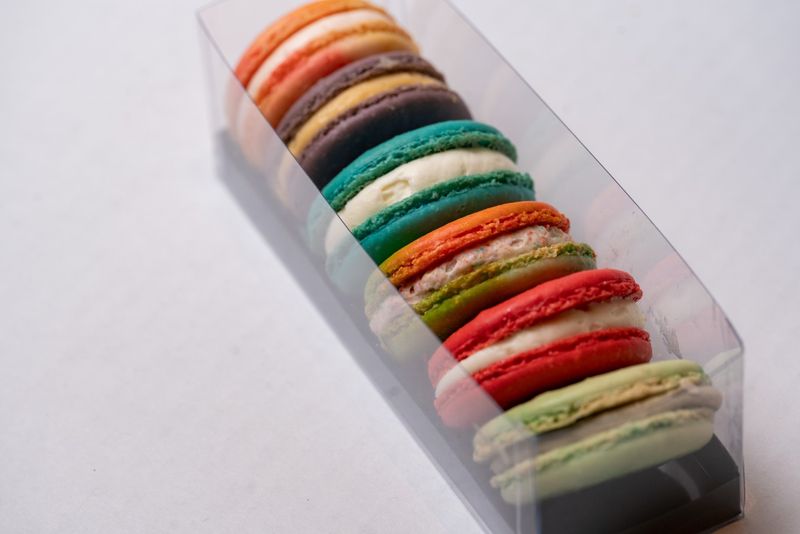
Fun fact: macaron bakers obsess over the tiny ruffled edge called the feet. Without it, the cookie is considered a failure.
These almond treats are picky. Humidity, oven hot spots, and overmixed batter can cause cracks or hollow shells.
Pastry chefs often age their egg whites and weigh ingredients down to the gram. Even then, a whole tray can flop for no clear reason.
6. Hollandaise Sauce
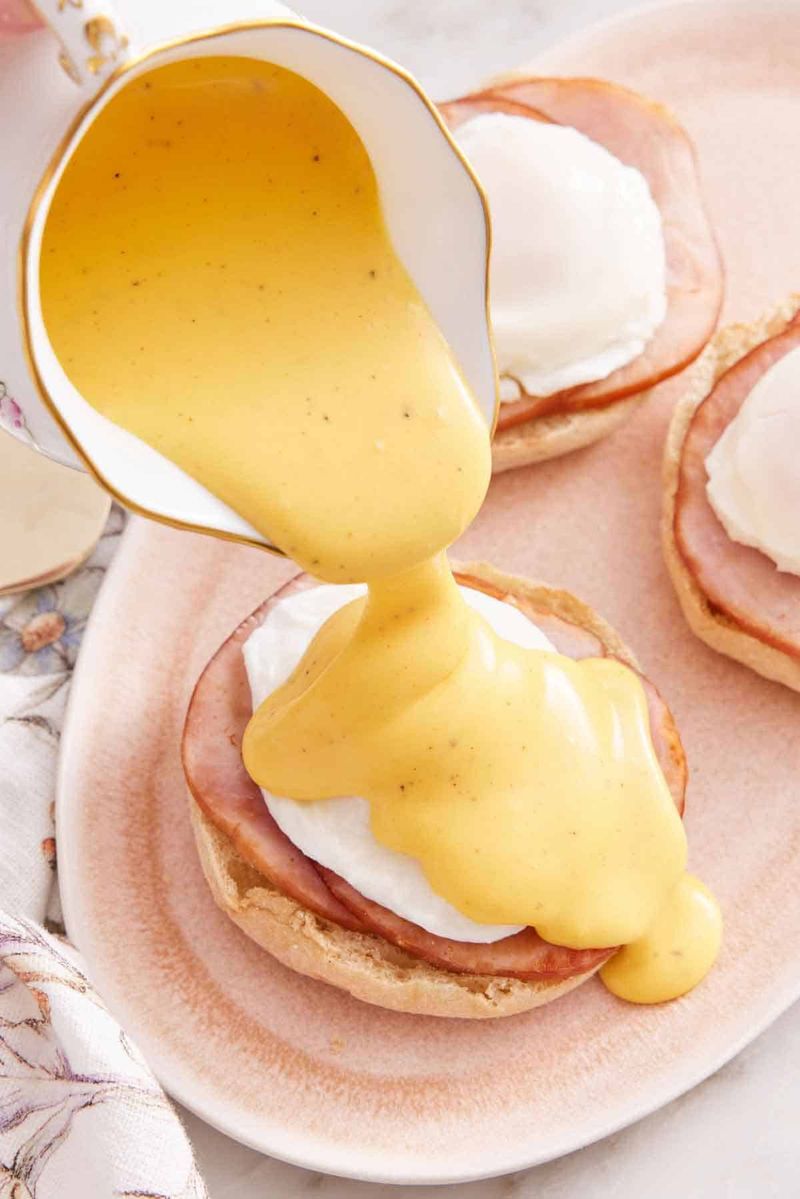
Brunch cooks have a love and hate relationship with this buttery sauce. It turns plain eggs Benedict into something special.
Egg yolks and melted butter must blend smoothly over gentle heat. Get it too hot, and the eggs scramble.
Add butter too fast, and the sauce breaks into a greasy mess.
A quick fix is whisking in a spoonful of warm water to bring it back.
7. Perfectly Seared Scallops
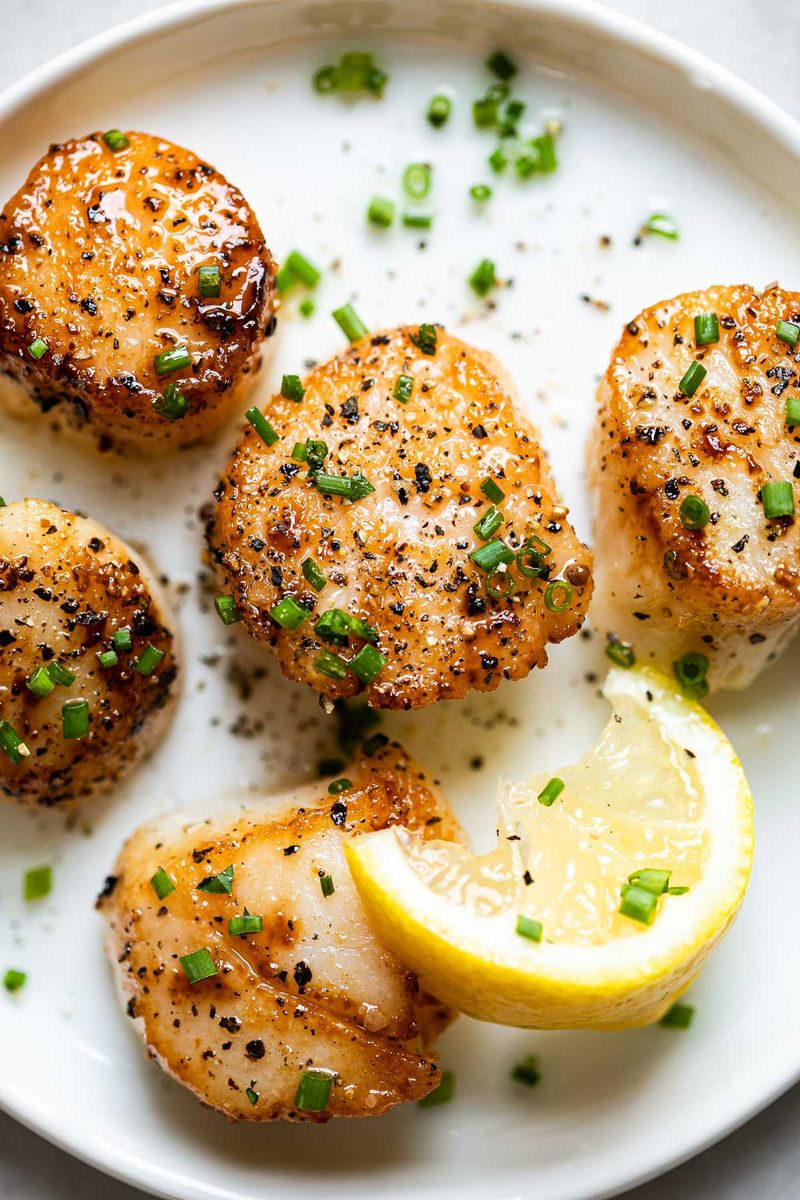
Ever ordered scallops that felt like chewing an eraser? You are not alone.
These sea treats cook in about two minutes per side. Chefs need a very hot pan and completely dry scallops to build a golden crust.
Wet ones just steam and turn pale.
The center should stay sweet and slightly see-through. Overcooking by even a minute ruins that soft, buttery bite.
8. Croissants
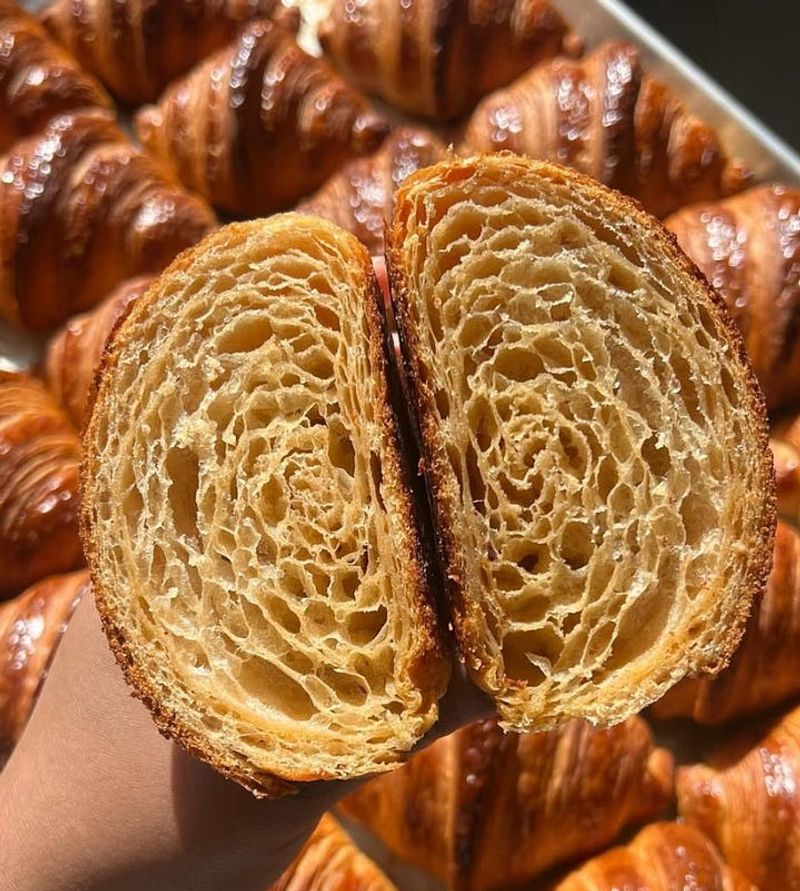
Behind every flaky croissant are dozens of thin butter layers folded by hand. Bakers call this lamination, and it takes days.
The butter must stay cold while the dough gets rolled and folded again and again. Warm butter melts in, leaving bread instead of flakes.
When cut open, a great croissant shows a honeycomb pattern. Many pro bakers spent years earning that look.
9. Fresh Pasta
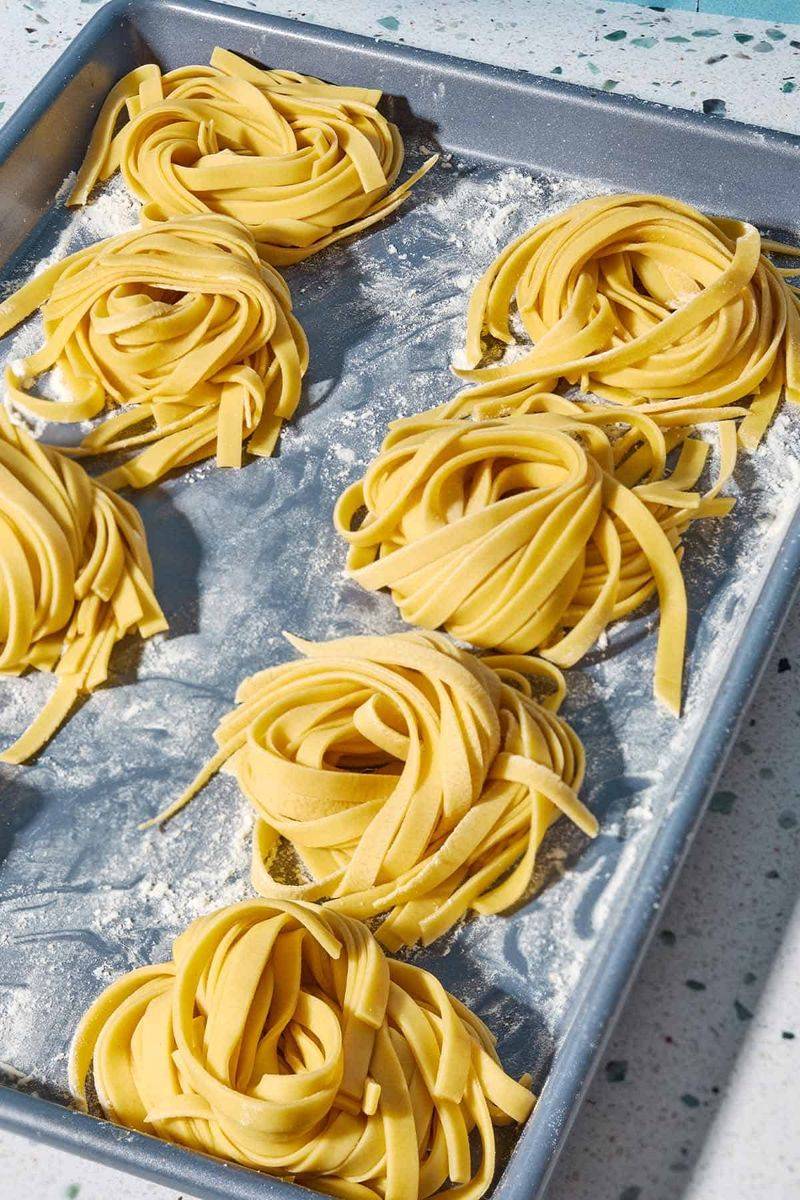
Grandmas in Italy make it look easy, rolling sheets thin enough to read through. Restaurant cooks often wish they had that skill.
Flour, eggs, and a little salt seem simple. Still, the dough needs the right moisture, proper kneading, and careful resting.
Roll too thick and it gets gummy. Cook too long and it falls apart.
Fresh pasta usually needs only two or three minutes in boiling water.
10. Sushi Rice
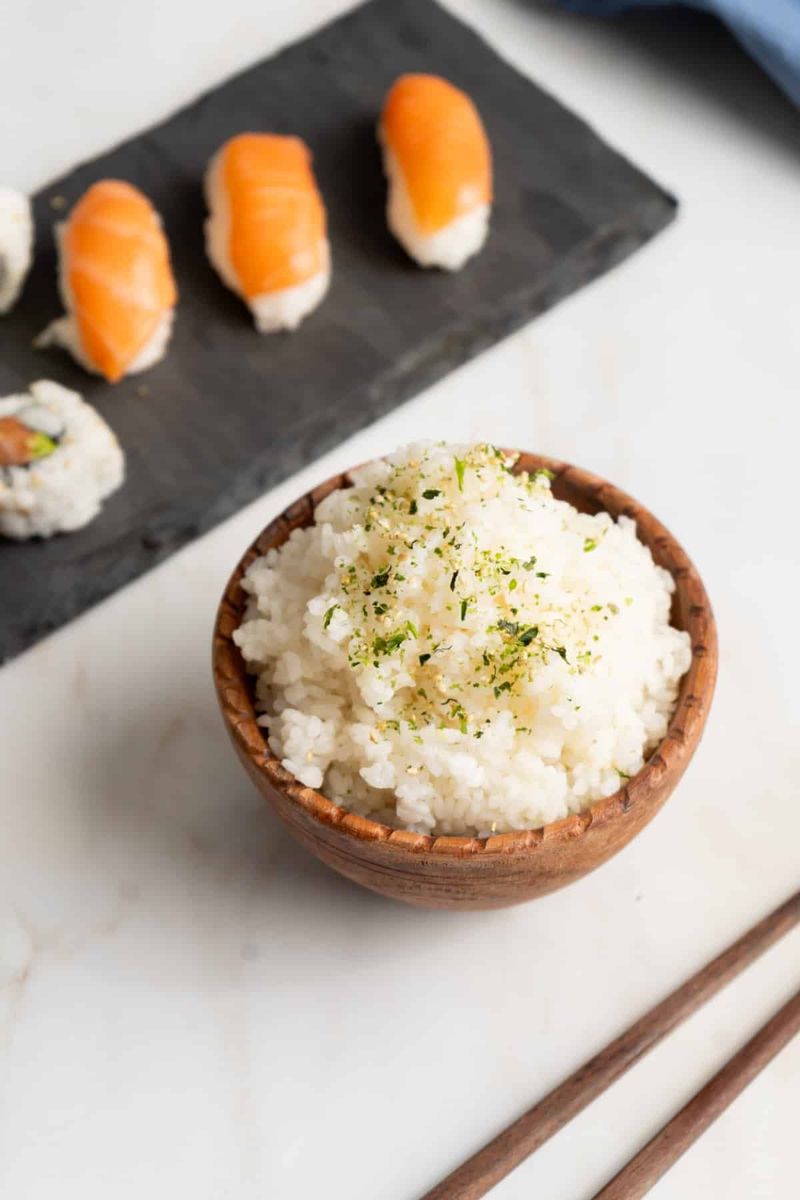
In Japan, some sushi apprentices spend years just learning rice before touching fish. That tells you how serious it is.
The grains must be rinsed, cooked, and seasoned with vinegar, sugar, and salt. Then they get fanned to a glossy finish.
Good sushi rice holds together but falls apart gently in your mouth. It should be served near body temperature, not cold from the fridge.
11. Duck Breast
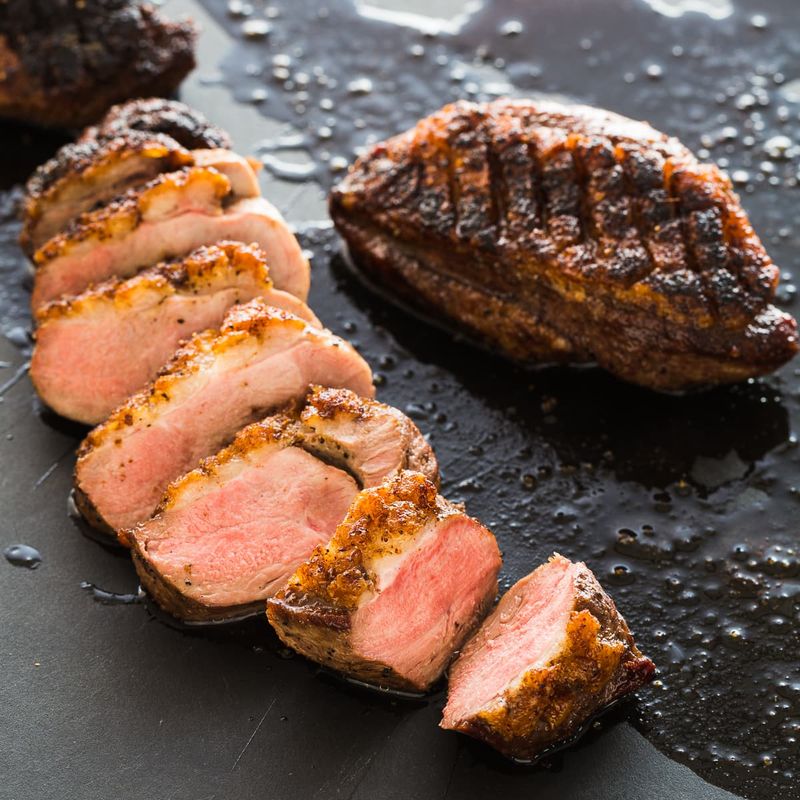
Crispy skin and juicy pink meat, all on one bird. Sounds dreamy, right?
Getting both is the real challenge.
Duck has a thick fat layer that needs slow melting. Chefs start it skin side down in a cold pan and let heat build gradually.
Rush the process, and you get rubbery fat on top of gray meat. Patience brings that crackly golden skin everyone wants.
12. Ramen Broth
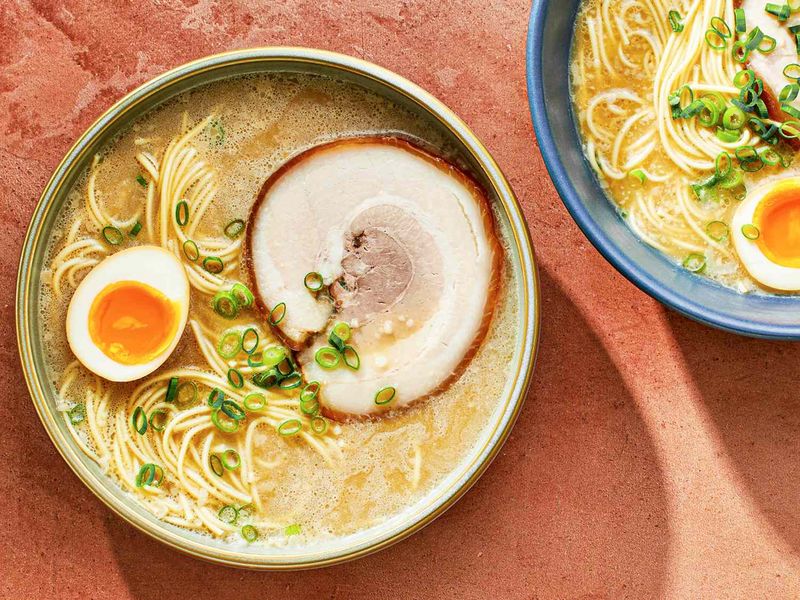
Some ramen shops simmer their broth for eighteen hours or more. Yes, almost a whole day for soup.
Tonkotsu ramen gets its milky look from pork bones boiled hard until collagen melts in. Balancing salt, fat, and flavor takes careful tasting.
Many famous ramen masters keep their recipes secret. Copying a great bowl at home is tough, but even a quick version can taste wonderful.
13. Creme Brulee
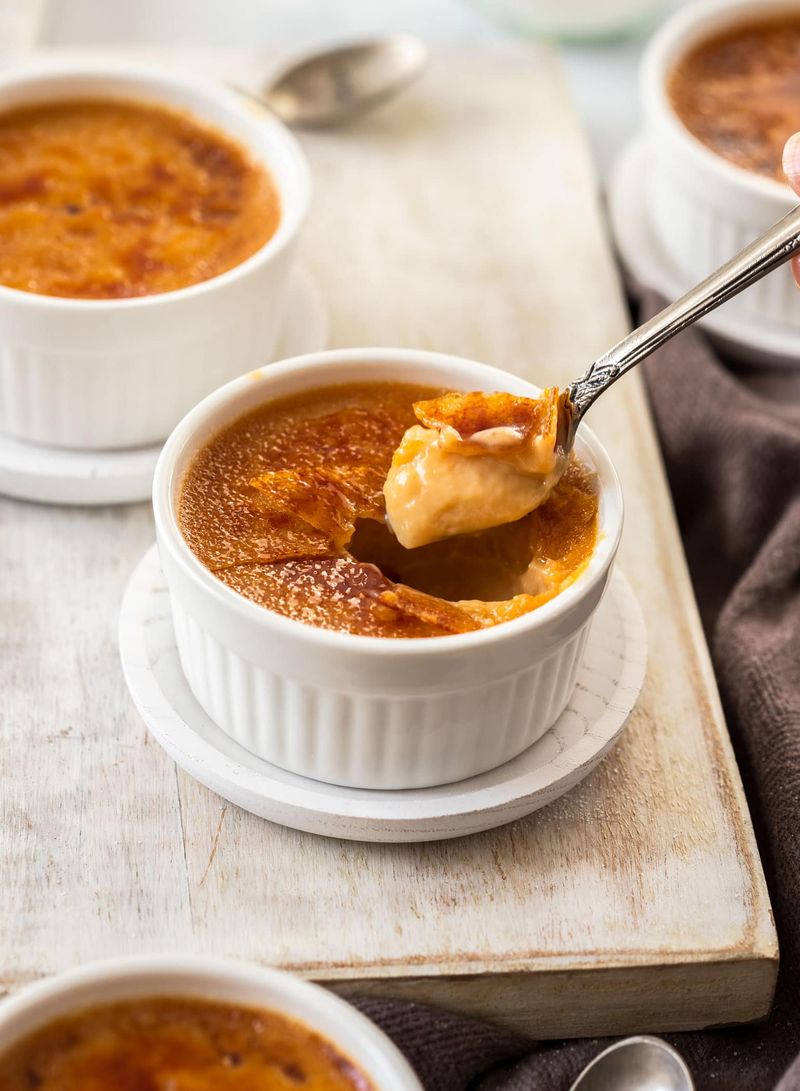
That satisfying crack of the sugar top? It hides a custard that can easily go wrong.
The cream and egg mix needs low, slow baking in a water bath. Too much heat leaves it lumpy or watery.
Next comes the torch. Sugar must melt into glassy caramel without burning or warming the custard underneath.
A cold, silky middle under a hot, crunchy top is the goal.
14. Neapolitan Pizza
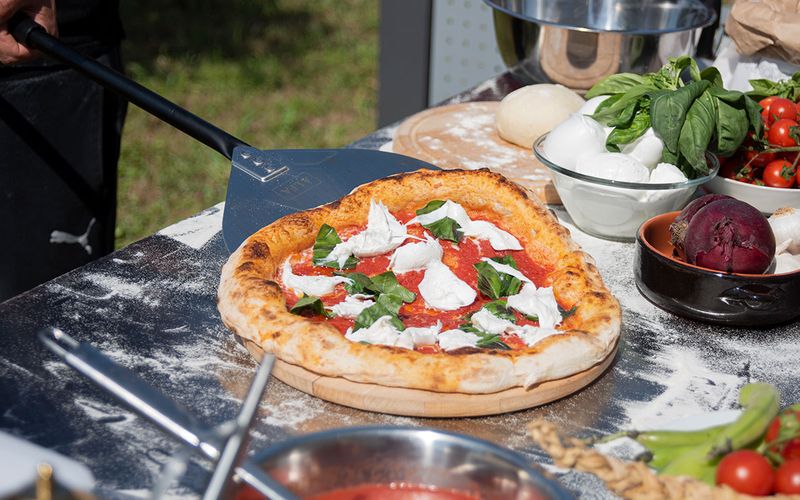
Naples takes pizza so seriously that its pizza making is protected by UNESCO. Pretty cool, huh?
Real Neapolitan pies bake in about ninety seconds in ovens near 900 degrees. Pizzaiolos must stretch dough by hand and turn the pizza constantly.
A few seconds too long, and the crust burns. Too short, and the middle stays soupy.
Those charred leopard spots take serious skill.
15. Steak Cooked to Order
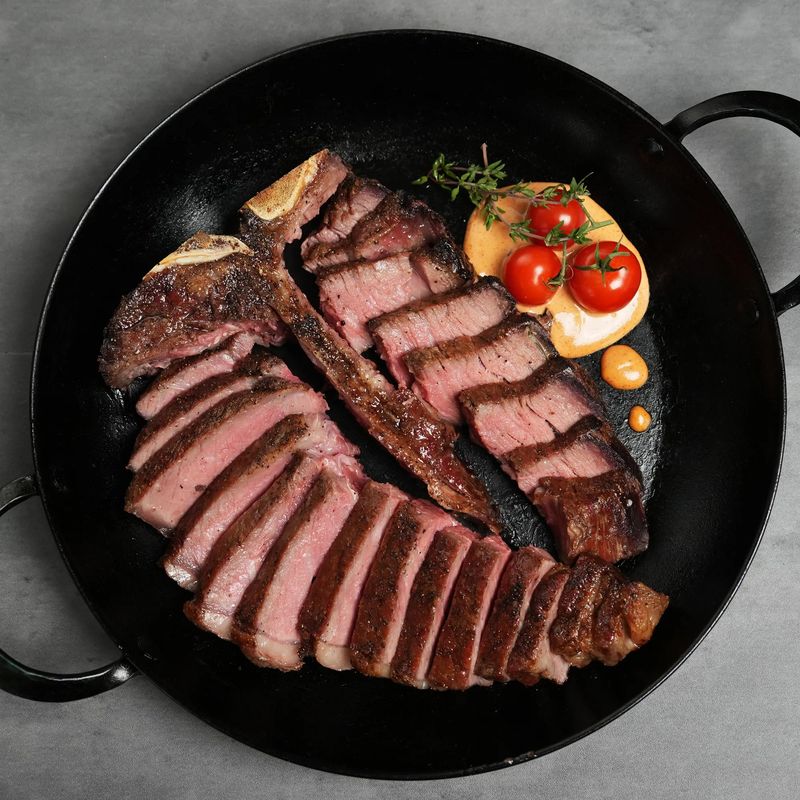
Medium-rare for table three, well-done for table five, rare for table six. Grill cooks juggle all of this at once.
Every cut has different thickness and fat, so no timer works perfectly. Pros press the meat with a finger or use a thermometer to check.
Resting matters too. Letting steak sit five minutes keeps the juices inside instead of spilling across your plate.
16. Soup Dumplings
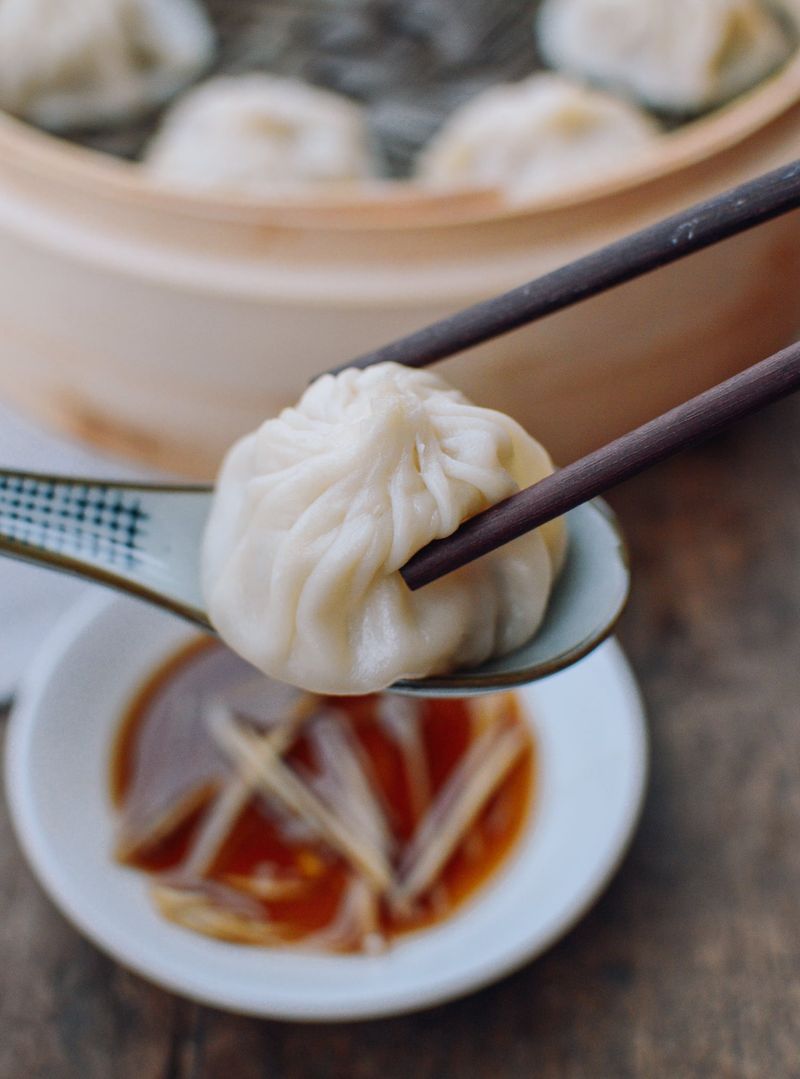
How does soup get inside a dumpling? The trick is jelly.
Cooks chill broth until it sets, then fold it into the filling.
Xiao long bao need super thin wrappers that still hold liquid. Famous shops aim for at least eighteen tiny pleats on each one.
One small tear, and the soup leaks out while steaming. Eat carefully, since the inside stays very hot.