
Some things from childhood have a magical way of sneaking back into your memory when you least expect it. Whether it was a snack you begged your parents to buy, a toy you carried everywhere, or a game you played until the streetlights came on, those moments shaped who you are.
This list is packed with classics that defined growing up for millions of kids. Get ready, because some of these are going to hit you right in the feels.
1. Dunkaroos
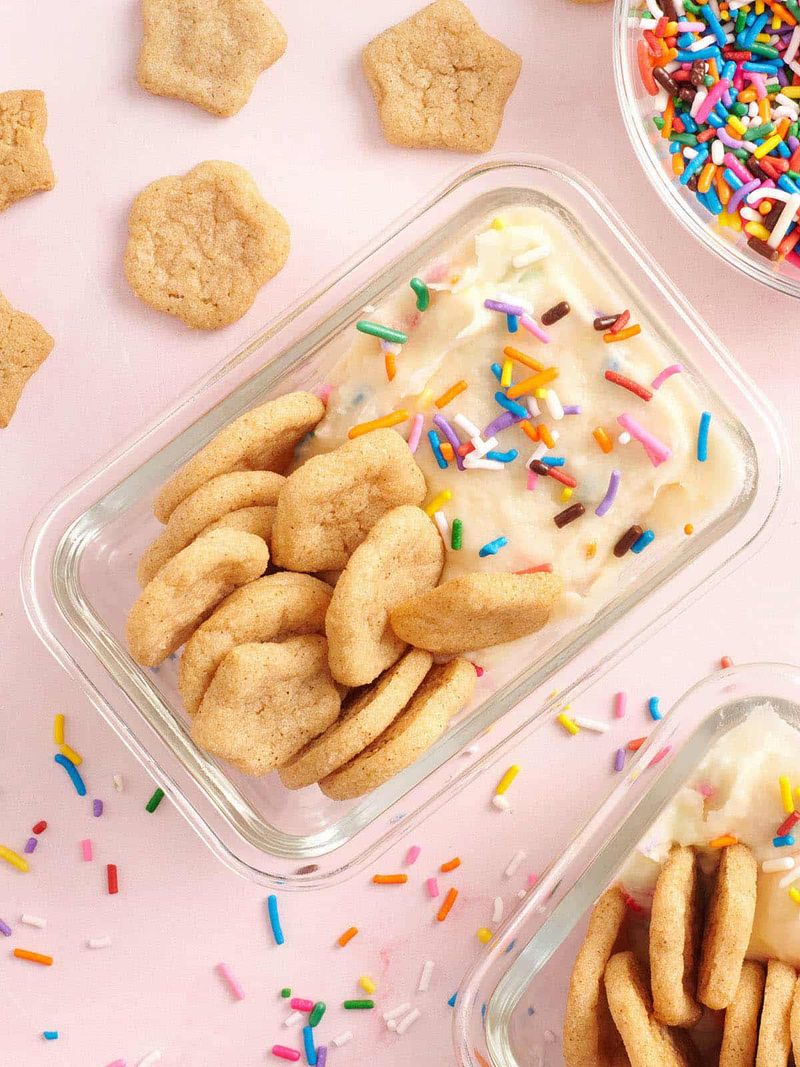
Nothing hit quite like cracking open a pack of Dunkaroos at lunch and carefully dipping each tiny cookie into that impossibly sweet frosting. Kids treated the frosting compartment like liquid gold, rationing every last bit to make it last.
Dunkaroos were made by Betty Crocker and became a lunchbox legend throughout the 90s. Fun fact: they were actually discontinued in the U.S. for years before a massive fan campaign helped bring them back in 2020.
2. Fruit Roll-Ups
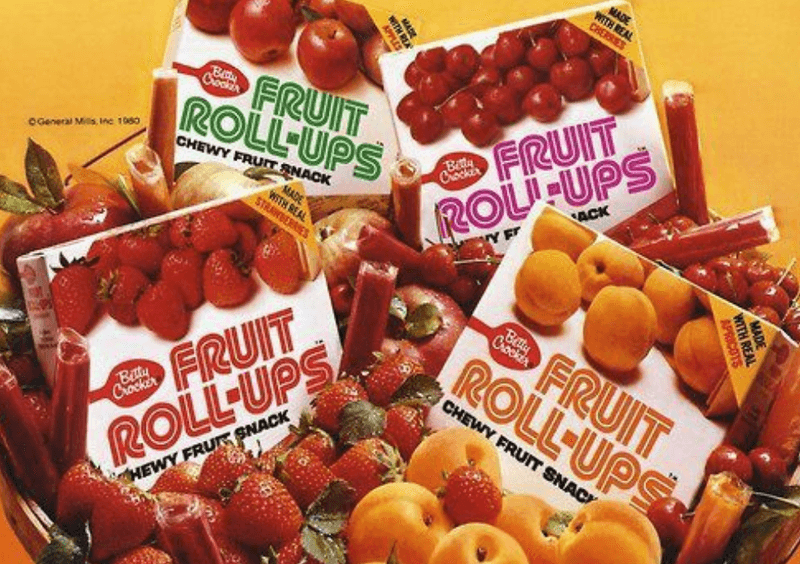
Peeling shapes off a Fruit Roll-Up before eating it was practically an art form. Every kid had their own strategy, whether they rolled the whole thing up and bit it like a burrito or carefully picked out every tiny punched-out shape first.
General Mills introduced these chewy, fruity sheets in 1983, and they never really went out of style. The tongue-staining colors were half the fun, turning your mouth into a rainbow after just a few bites.
3. Pop Rocks
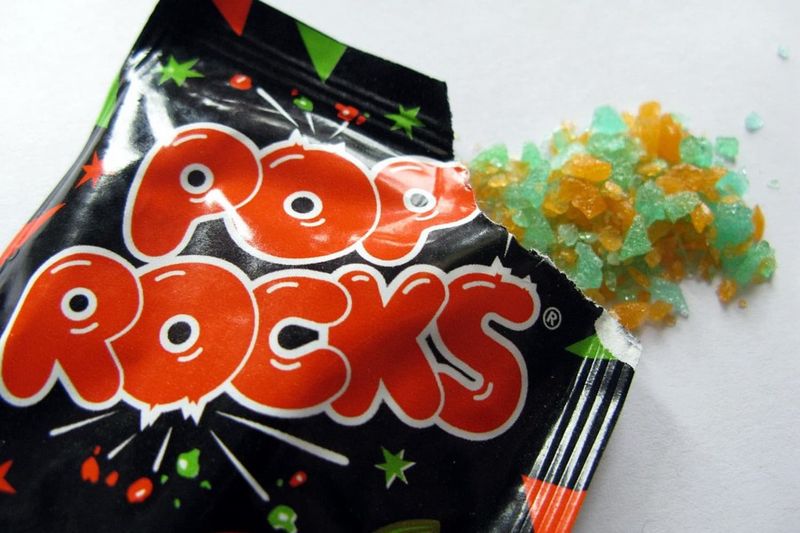
The first time Pop Rocks hit your tongue, you probably panicked a little and loved it at the same time. That crackling, fizzing sensation felt like something between a science experiment and a party in your mouth.
General Foods invented them back in 1956, though they didn’t reach store shelves until the 1970s. There was also that legendary urban myth that mixing Pop Rocks with soda would make your stomach explode, which absolutely was not true but terrified a whole generation anyway.
4. Warheads
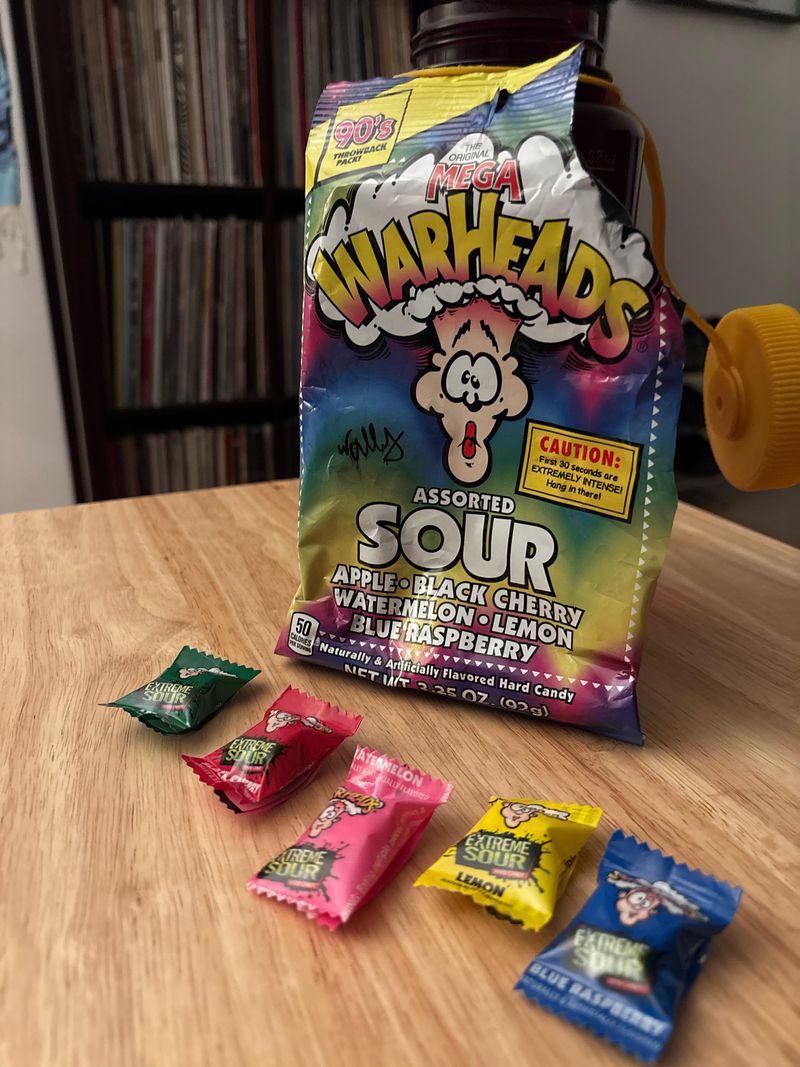
Daring your friend to eat five Warheads at once was basically a rite of passage. That initial wave of sour so intense it made your eyes water was somehow the whole point, and surviving it meant serious playground credibility.
Warheads launched in the U.S. in 1993 and became the go-to candy for kids who wanted to prove they were tough. The face-scrunching reaction was honestly the best part, and every class had that one kid who claimed they couldn’t feel the sourness anymore.
5. Cabbage Patch Kids
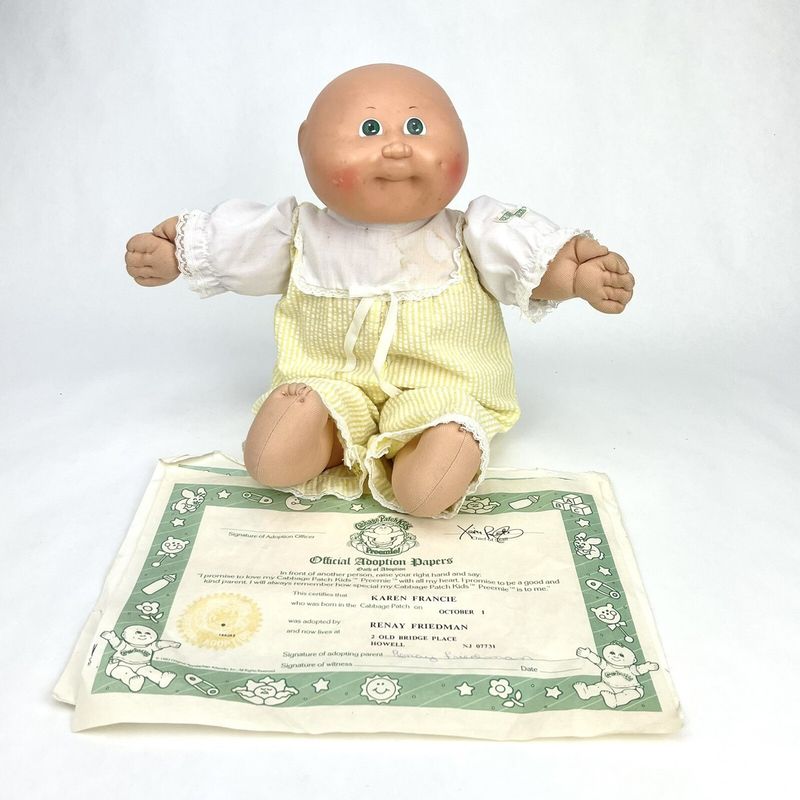
Each Cabbage Patch Kid came with its own name and an official adoption certificate, which made kids feel like they were taking home a real baby. That personal touch turned a simple doll into something that felt genuinely meaningful.
The craze hit a fever pitch during Christmas of 1983, when parents were literally fighting in store aisles to grab one. Creator Xavier Roberts originally hand-stitched the dolls and called them “Little People” before Coleco mass-produced them into a full-blown cultural phenomenon.
6. Rubik’s Cube
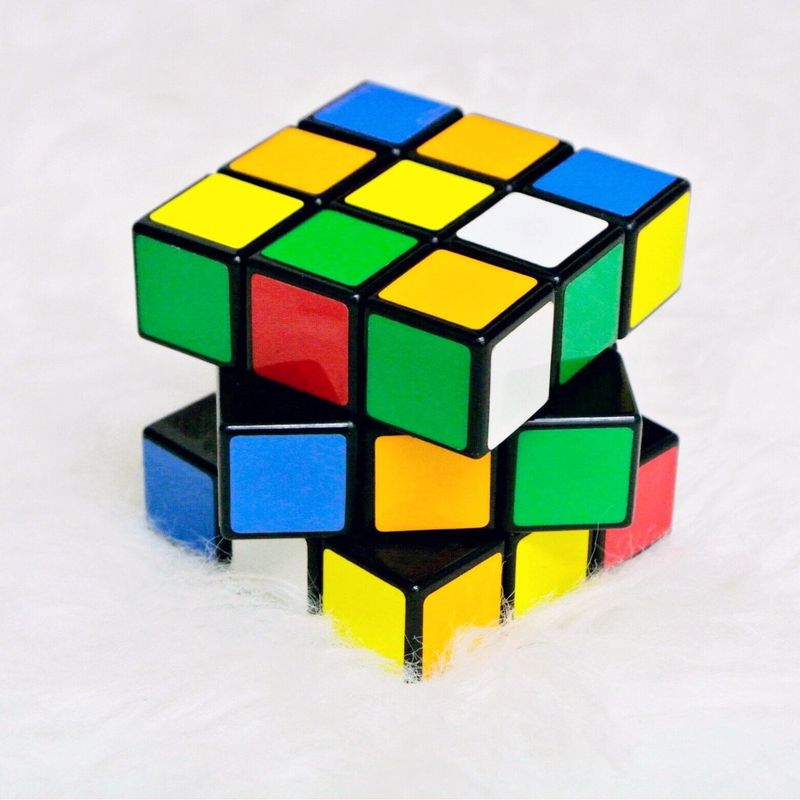
Few things caused more frustration and determination in a single afternoon than a scrambled Rubik’s Cube. You’d twist and turn it for hours, convinced you were one move away from solving it, only to somehow make it worse.
Hungarian professor Erno Rubik invented the cube in 1974 originally as a teaching tool, never expecting it to become one of the best-selling toys in history. Over 450 million have been sold worldwide, and speedcubers today can solve one in under five seconds.
7. Pogs
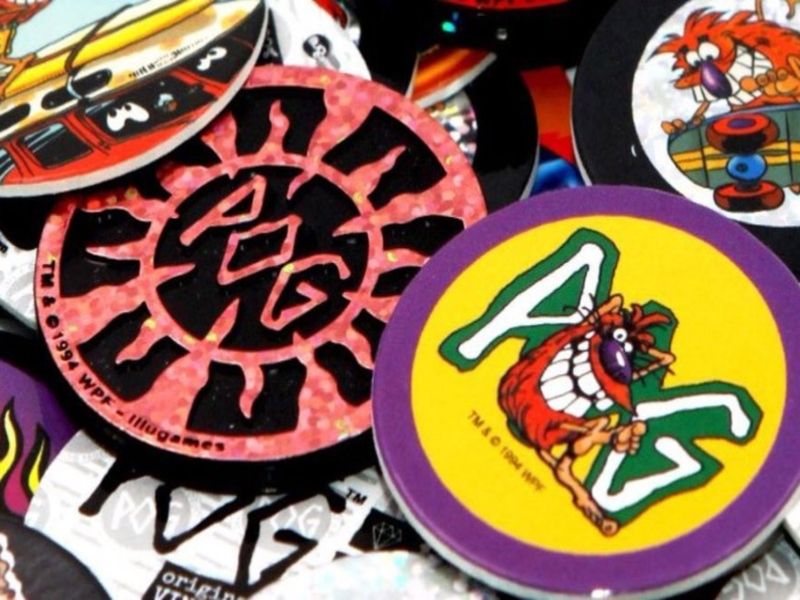
Before Pokémon cards took over the playground economy, Pogs were the ultimate trading currency. You’d stack them up, slam them with a heavy metal slammer, and keep whichever ones flipped over, turning recess into a full-on competition.
The game actually originated in Hawaii in the 1920s and used bottle caps from a juice drink called POG. By the mid-90s, the cardboard disc version had exploded across North America, and schools started banning them because things got way too competitive.
8. Tamagotchi
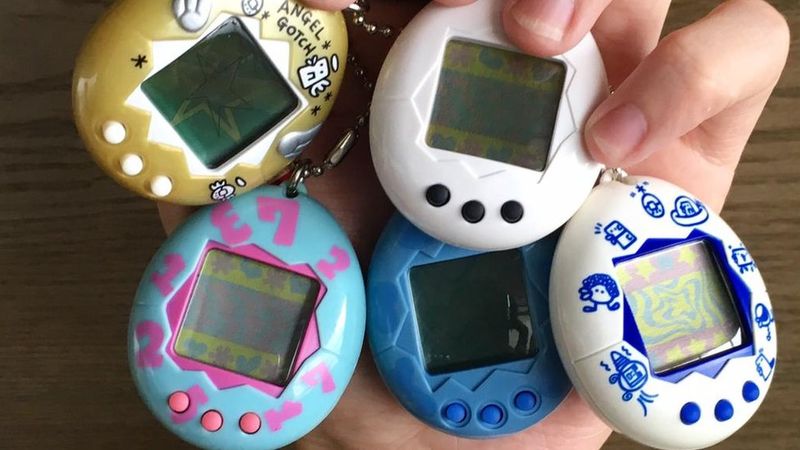
Keeping your Tamagotchi alive felt like a full-time job. You’d sneak it into class, feed it during lunch, and wake up in the middle of the night panicking that it might have gotten sick and died while you were sleeping.
Bandai released the Tamagotchi in Japan in 1996, and within two years, over 40 million had been sold worldwide. The emotional attachment kids formed with a pixelated blob on a tiny screen was surprisingly real, and the grief when it died was absolutely genuine.
9. Furby
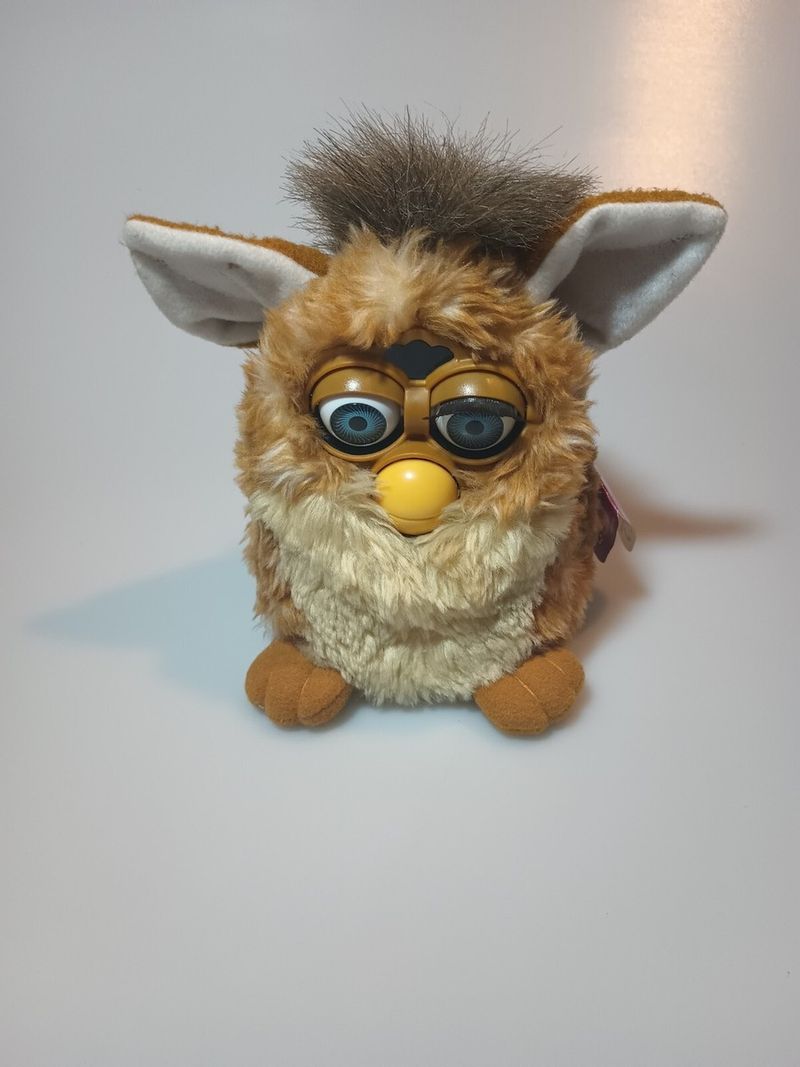
Furby was equal parts adorable and unsettling, and somehow that made kids love it even more. It would babble in its own made-up language called Furbish, blink those oversized mechanical eyes, and slowly learn to speak English the more you played with it.
Tiger Electronics released Furby in 1998, and it sold 1.8 million units in just its first year. Stores couldn’t keep them in stock, and parents were paying well above retail to find one before the holidays.
A true 90s must-have.
10. Polly Pocket
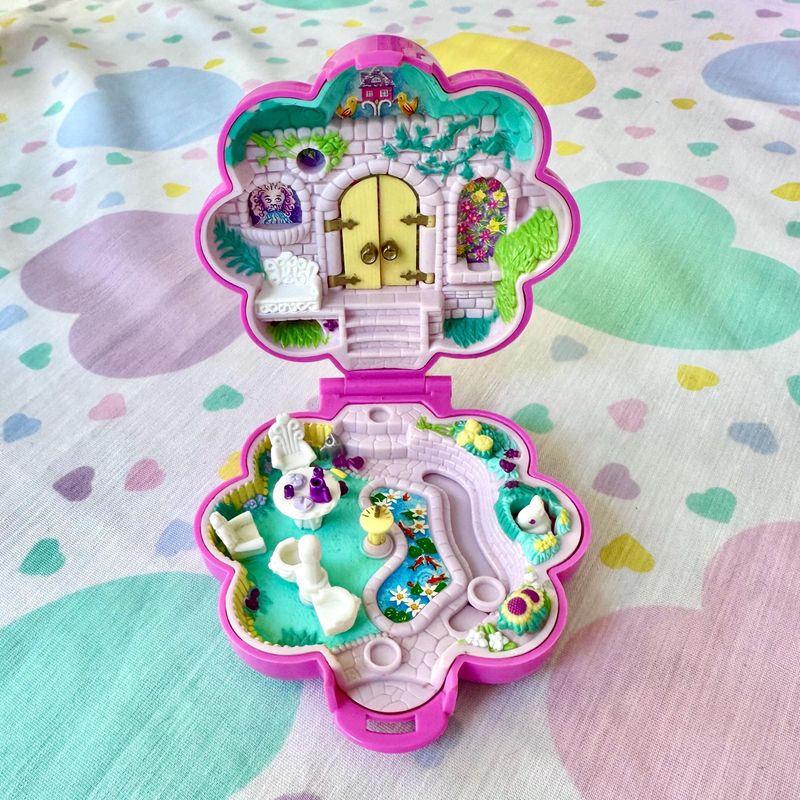
The original Polly Pocket sets were tiny enough to fit in your palm, which made them feel like a secret little world only you could access. Opening that plastic compact and finding a fully detailed miniature scene inside was genuinely magical every single time.
British inventor Chris Wiggs created the first Polly Pocket in 1983 as a gift for his daughter, building it inside a powder compact. Bluebird Toys later mass-produced them, and by the 90s, millions of kids were obsessed with collecting every set they could find.
11. Silly Bandz
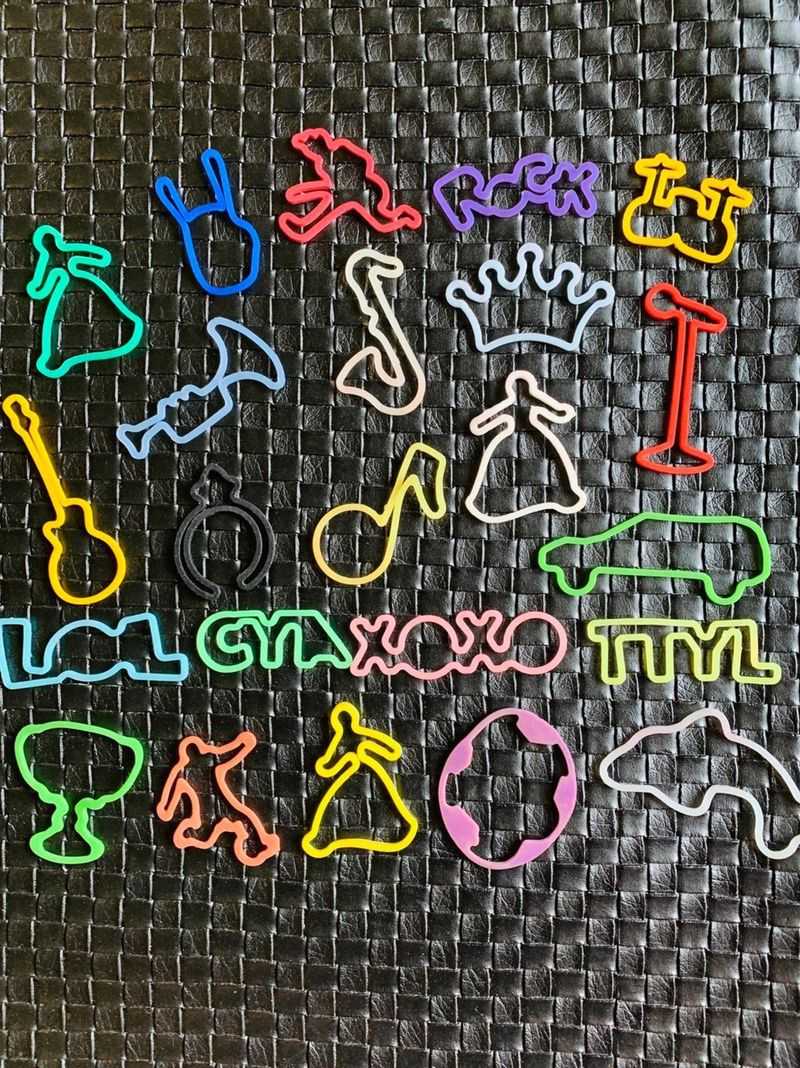
Stacking Silly Bandz up your entire arm was a status symbol in elementary school around 2008 and 2009. The more you had, the cooler you were, and trading them at recess was serious business with very specific rules about which shapes were rarest.
Robert Croak launched the brand after spotting shaped rubber bands in China, and the fad exploded so fast that schools across the country banned them for being too distracting. At their peak, Silly Bandz were selling 100 million packs per year.
12. Blockbuster Video Rentals
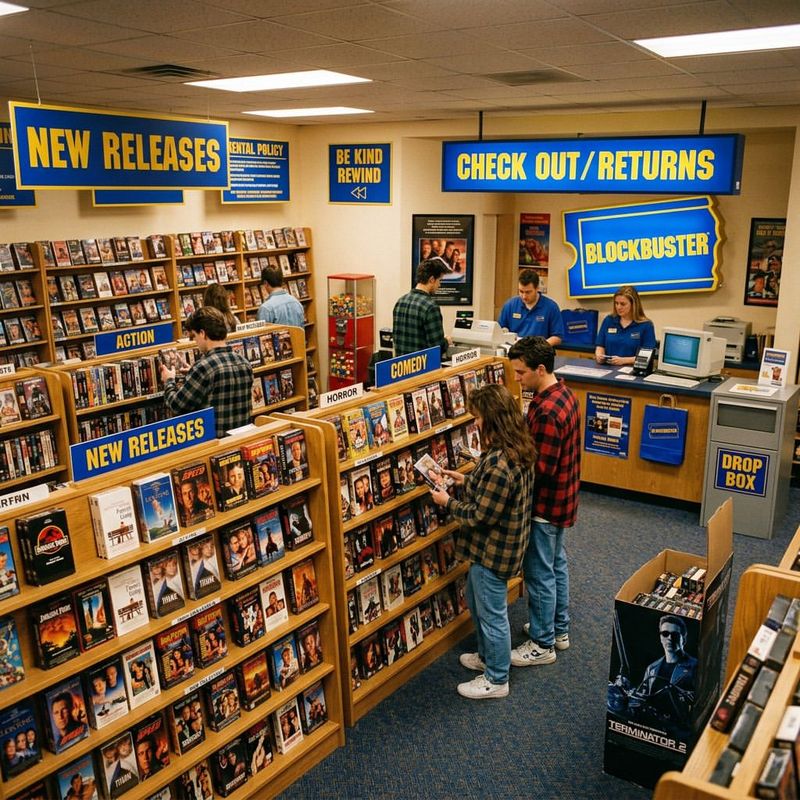
Walking into Blockbuster on a Friday night was a whole event. You’d wander the aisles for what felt like forever, debating between movies, and then someone would always grab the last copy of the one you actually wanted.
At its height in 2004, Blockbuster had over 9,000 stores worldwide and 60,000 employees. The late fees were legendary and universally dreaded.
When Netflix started mailing DVDs, Blockbuster famously passed on buying the company for $50 million, a decision that did not age well at all.
13. Dial-Up Internet Sounds

That screeching, beeping, static-filled noise a dial-up modem made while connecting was somehow both annoying and exciting. It meant the internet was coming, even if it was going to take another three minutes just to load a single webpage.
Dial-up worked by using your phone line to connect, which meant nobody could call the house while you were online. Parents were constantly yelling to get off the internet so they could make a call, a conflict that defined an entire generation of early internet users.
14. Making Mixtapes Off the Radio
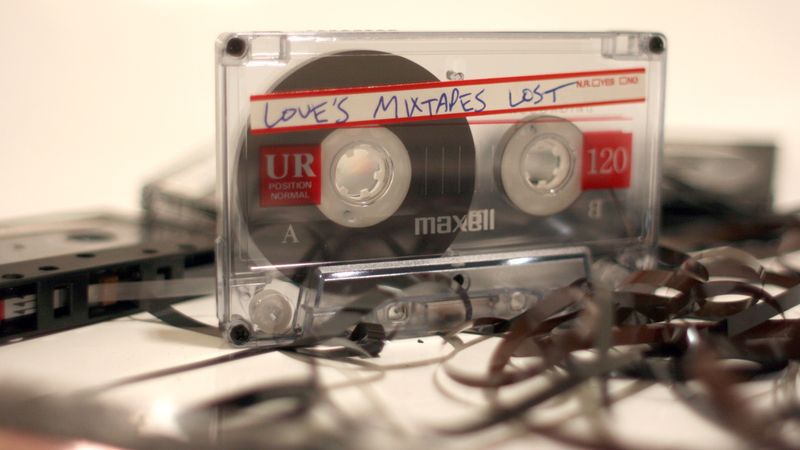
Sitting next to the radio with your finger hovering over the record button, waiting for your favorite song to start, required serious patience and focus. The goal was to hit record at the perfect moment, and the DJ talking over the intro was basically a personal attack.
Mixtapes were how you shared your personality before playlists existed. Making one for a friend or a crush was a massive deal that took real time and thought.
That crackly, imperfect recording somehow made the music feel even more personal and special.
15. Trapper Keepers
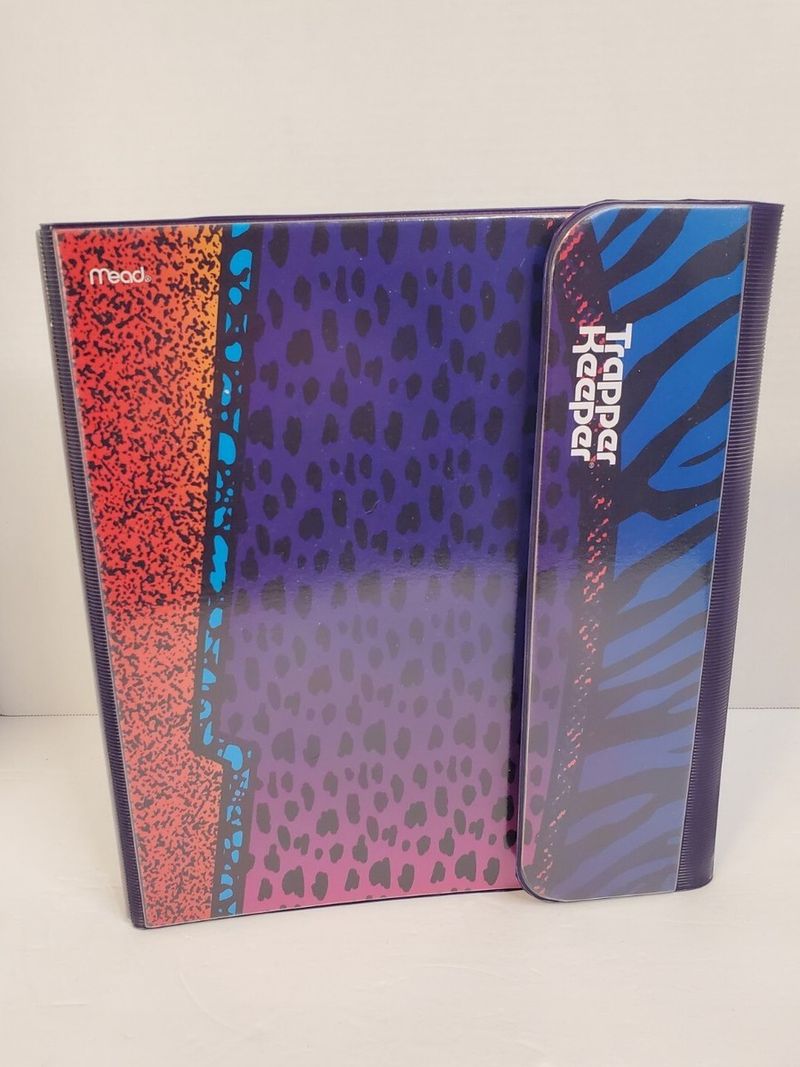
Choosing your Trapper Keeper design at the back-to-school supply aisle was one of the most important decisions of the entire year. Neon geometric patterns, majestic horses, outer space scenes, you had to pick wisely because that binder was going everywhere with you.
Mead introduced the Trapper Keeper in 1978, and it became a classroom essential through the 80s. The satisfying velcro rip when you opened it in class was iconic.
Some teachers actually banned them for being too bulky, which only made kids want them more.
16. Hopscotch
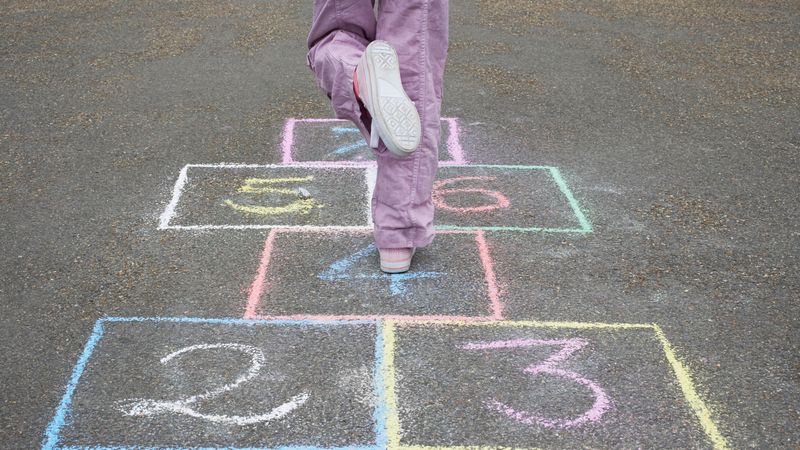
All you needed for hopscotch was a piece of chalk, a flat rock, and a patch of sidewalk. It was endlessly replayable, required zero equipment to buy, and somehow turned a simple numbered grid into a genuinely competitive game.
Hopscotch has roots going back to ancient Britain, where Roman soldiers reportedly used long courses to practice footwork training. Kids have been drawing their own versions for centuries, and the beauty of it is that the rules could always be tweaked to make it harder or sillier depending on the group.
17. Red Light, Green Light

Freezing mid-step during Red Light, Green Light without wobbling was way harder than it looked, especially when you were sprinting full speed and someone yelled “Red Light” right at the worst moment. The dramatic fall when you got caught was always half the fun.
This classic game required zero equipment and worked for any size group, which made it a recess staple for decades. Long before a certain popular streaming show made it globally famous again, generations of kids were already playing it in driveways, gyms, and backyards everywhere.
18. Book It! Program from Pizza Hut
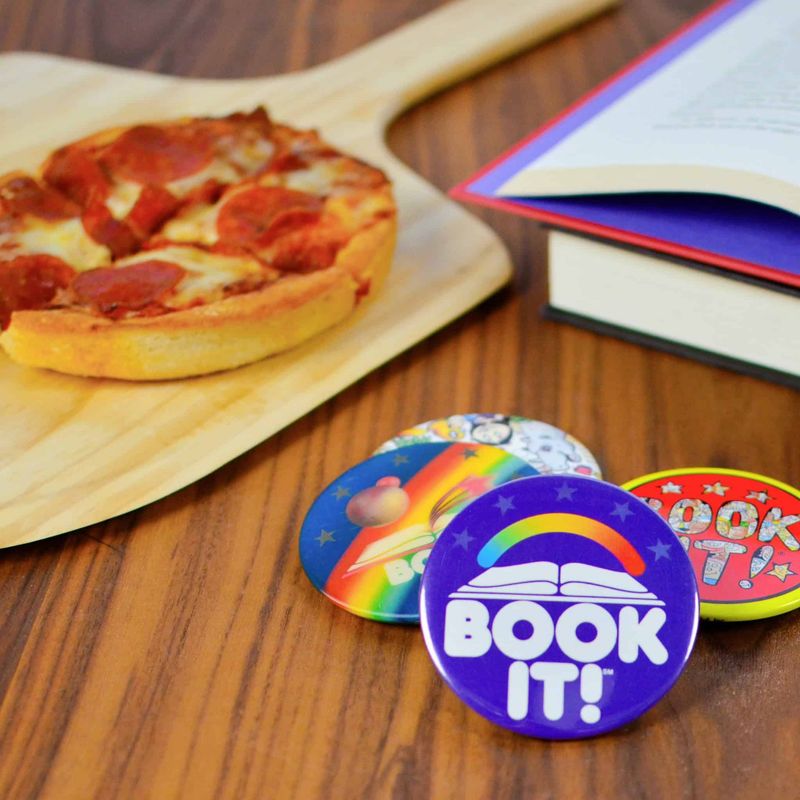
Getting that Book It! coupon for a free personal pan pizza felt like winning a small but very delicious trophy. You’d read your required books, get the button stamped, and then spend the whole car ride to Pizza Hut already deciding on toppings.
Pizza Hut launched the Book It! program in 1984, and it’s still running today, making it one of the longest-running corporate literacy initiatives in American history. Teachers loved it because it actually motivated reluctant readers, and kids loved it because the reward was pizza, which is basically a perfect system.
19. Light-Up Sneakers
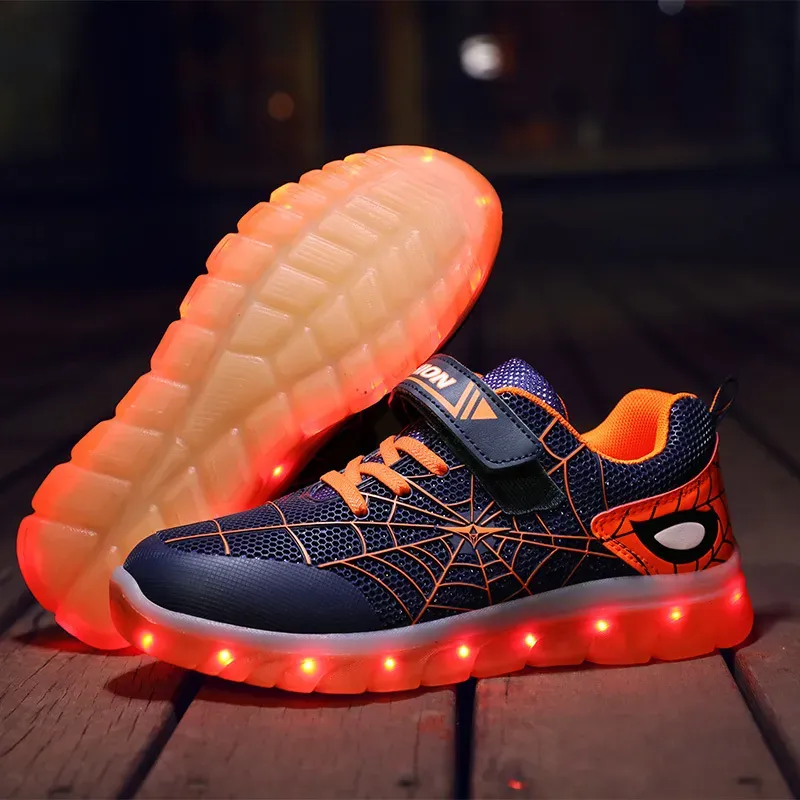
Every step you took in light-up sneakers felt like a performance. You’d stomp extra hard just to make the lights flash brighter, and walking through a dark hallway or a movie theater turned you into basically a walking disco show.
LA Gear popularized light-up sneakers in the early 90s, and kids everywhere begged their parents for a pair. The lights were powered by tiny batteries in the heel and activated by pressure with each step.
Scuffing your heels on purpose just to trigger the flash was an art form all its own.