
K-Pop idols might seem like they live glamorous, carefree lives, but behind the bright lights and catchy songs lies a world packed with incredibly strict rules. Entertainment agencies in South Korea control nearly every aspect of an idol’s life, from what they eat to who they can date.
These rules are designed to protect an idol’s image and keep fans engaged, but they can be surprisingly tough to follow. Read on to discover just how demanding life as a K-Pop idol really is.
1. Strict Dating Bans

Imagine not being allowed to date for years just because of your job. That is exactly what many K-Pop idols face.
Companies like JYP Entertainment have included “no dating” clauses in their contracts, sometimes banning relationships for up to three years after an idol’s debut.
The reason is pretty straightforward: agencies market idols as romantic fantasies for fans. A public relationship can upset that image and hurt album sales.
It sounds harsh, but it is standard practice in the industry.
2. Limited Interaction With the Opposite Sex

Some agencies go to extraordinary lengths to keep male and female idols apart. Schedules are deliberately arranged so that male and female trainees rarely, if ever, cross paths during the day.
Even casual hallway conversations can be off-limits.
This level of control might sound extreme, but agencies believe it helps prevent romantic distractions and potential scandals. For trainees spending years preparing for debut, every moment is considered precious practice time that should not be interrupted by socializing.
3. Company Monitoring of Personal Phones
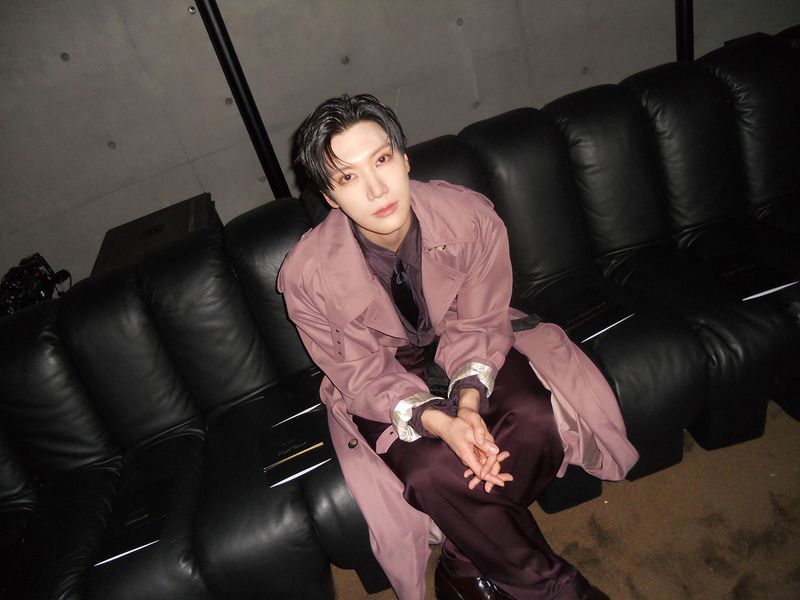
Privacy feels like a luxury when you are a K-Pop idol. Many agencies reserve the right to check an idol’s personal phone at any time, scanning messages, contacts, and apps to make sure no rules are being broken.
For most teenagers and young adults, having someone rifle through your phone would feel like a major violation. But for idols, signing that contract means agreeing to this level of oversight.
It is one of the more unsettling realities of chasing K-Pop stardom.
4. Rigorous Diet Plans and Weight Checks

Maintaining a specific body shape is practically part of the job description for K-Pop idols. Weekly or even daily weigh-ins are common, and some idols have shared stories of surviving on tiny portions or single-food diets for extended periods.
Nutritionists and trainers are often assigned by the agency, leaving idols with very little say over their own meals. While staying healthy is important, critics argue that many of these diet plans push idols to unhealthy extremes that can cause long-term physical damage.
5. Restricted Social Media Usage
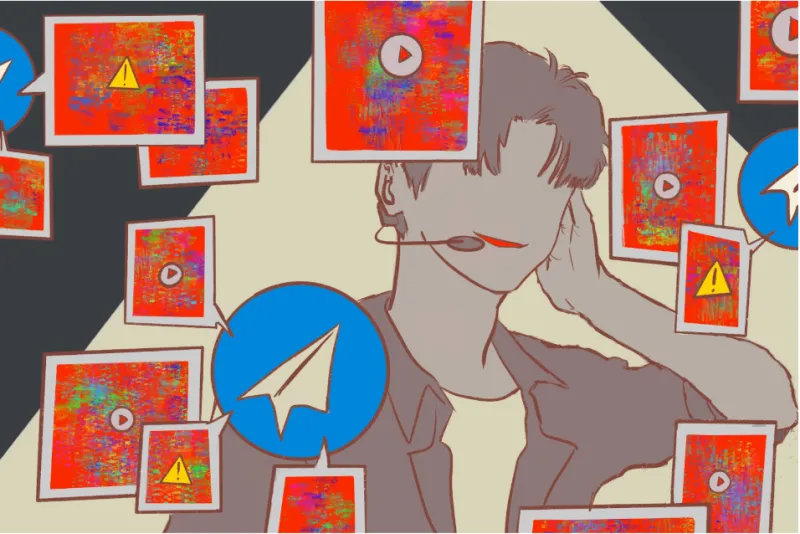
Scrolling through social media and posting selfies feels totally normal for most young people, but rookie K-Pop idols often have that freedom taken away. Many agencies either ban personal accounts entirely or carefully review every post before it goes live.
Captions, photos, and even emojis can be edited or rejected if they send the wrong message. The goal is to protect the idol’s carefully crafted public image.
One poorly worded post can spark a massive online controversy that takes months to recover from.
6. No Visible Tattoos Allowed
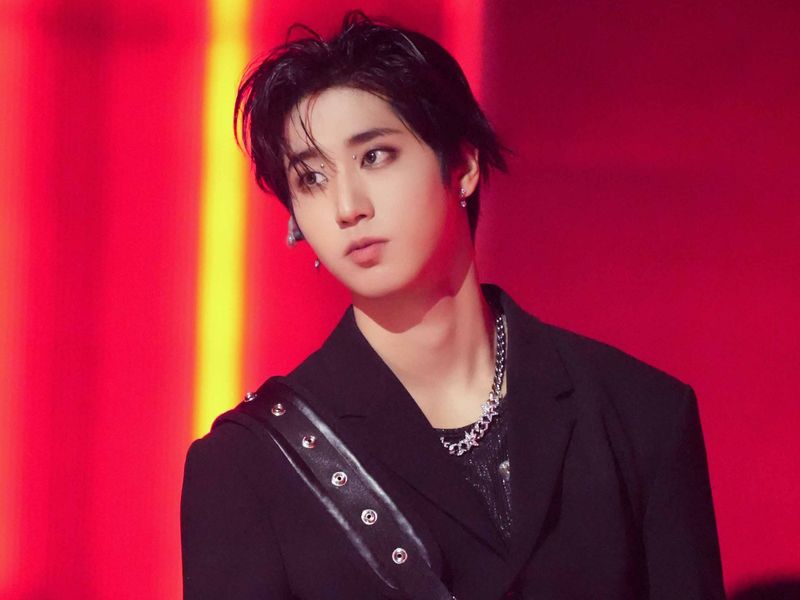
South Korea’s broadcasting laws have long been strict about showing tattoos on national television. Because of this, K-Pop idols with tattoos must cover them up with heavy makeup, bandages, or long sleeves before appearing on screen.
Culturally, tattoos in South Korea have historically been associated with criminal gangs, which makes agencies extra cautious about their idols displaying them publicly. Even as attitudes slowly shift among younger generations, most agencies still enforce a firm no-visible-tattoos policy to avoid any controversy with broadcasters or conservative fans.
7. Maintaining a Highly Respectful Public Image

Respect is not optional in Korean culture, and for K-Pop idols, it is non-negotiable. A proper 90-degree bow to elders, senior artists, and industry figures is expected every single time.
Even something as casual as standing with hands in pockets can be seen as disrespectful.
Agencies coach their idols on proper etiquette from the very beginning of training. A single moment of perceived rudeness caught on camera can trigger a fan backlash that damages an idol’s reputation for years.
Manners are truly part of the performance.
8. Meticulously Managed Appearance
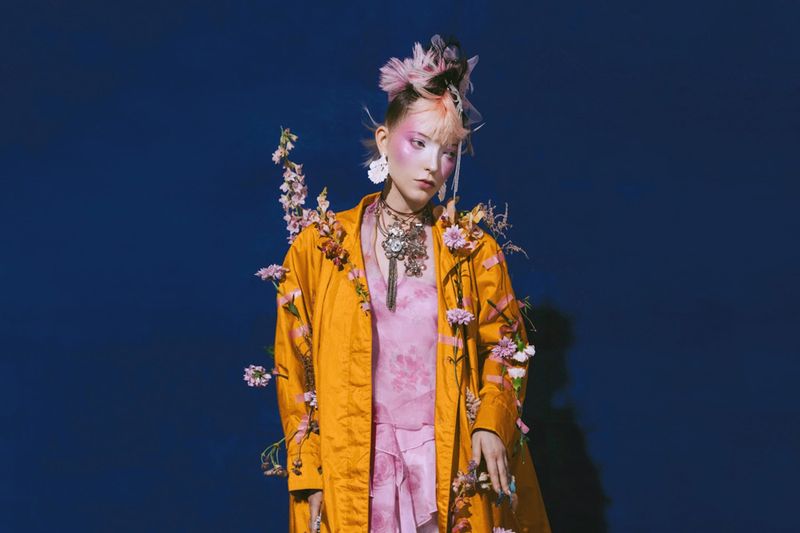
From their hairstyle down to whether they wear glasses or contact lenses, nearly every aspect of a K-Pop idol’s appearance is decided by the agency. Stylists, makeup artists, and image consultants work together to craft a look that fits the group’s concept.
In some cases, agencies have encouraged or even required cosmetic surgery to help idols better fit Korean beauty standards. It is a level of image control that most people outside the industry would find shocking, yet it is widely accepted within the K-Pop world.
9. Constant Availability to Managers
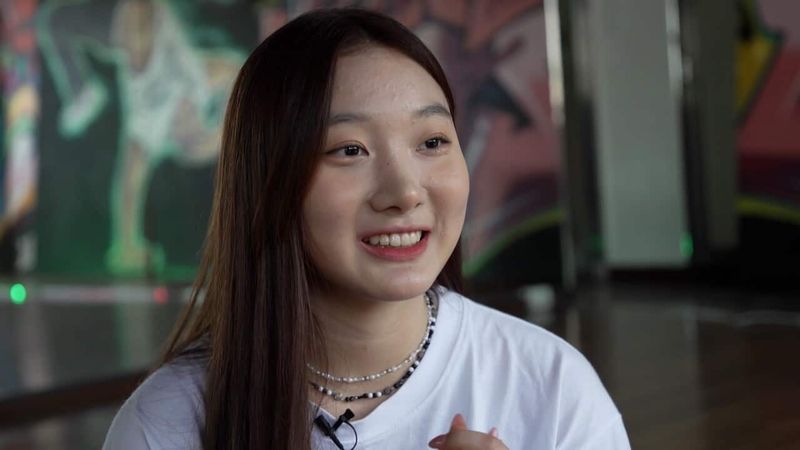
Being reachable around the clock sounds exhausting, but that is everyday life for a K-Pop idol. Managers can call at any hour to check on an idol’s whereabouts, confirm schedules, or make sure rules are being followed.
Missing a call is not really an option.
This constant connection to management leaves very little room for personal downtime. Idols rarely get to simply switch off and relax without someone from the company knowing exactly where they are and what they are doing.
Personal freedom becomes a rare privilege.
10. Strict Prohibition on Junk Food

Burgers, fries, and sugary snacks are basically off the menu for most K-Pop idols. Junk food bans are a common part of the diet management plans that agencies enforce to keep their artists looking camera-ready at all times.
Some idols have opened up about secretly craving fast food during intense pre-comeback diet periods. It sounds almost funny until you realize these restrictions can last for months at a time.
Staying in peak physical condition is treated as a professional responsibility, not just a personal choice.
11. Bans on Drinking Alcohol

Even when they are of legal drinking age, many K-Pop idols are contractually forbidden from consuming alcohol. Agencies want to protect their artists’ wholesome, clean-cut image, and a drunk idol photographed at a party could become a PR nightmare overnight.
The ban reflects just how seriously Korean entertainment companies take reputation management. One viral photo or video of an idol behaving badly after a few drinks could undo years of carefully built public goodwill.
For many idols, sobriety is not a lifestyle choice; it is a contract clause.
12. Prohibition of Smoking and Drug Use

Smoking and drug use are absolute deal-breakers in the K-Pop industry. Most contracts include zero-tolerance clauses, meaning an idol caught smoking publicly or using illegal substances faces immediate dismissal, regardless of how popular they are.
Drug scandals in particular have derailed entire careers overnight in South Korea, where public opinion on substance use is especially unforgiving. Agencies enforce these rules fiercely because a single drug-related incident can drag down not just the individual idol but the entire group and company brand along with them.
13. No Inappropriate Behavior or Swearing

K-Pop idols are held to a squeaky-clean behavioral standard both on and off camera. Swearing, making crude jokes, or acting in any way that could be considered inappropriate is strictly off-limits, even in casual settings where fans might be filming.
Fan culture in K-Pop is intense, and followers analyze every word and gesture an idol makes. A single slip of the tongue caught on a fan-uploaded video can explode into a full-blown controversy.
Idols learn very early that there is no such thing as an off-duty moment when cameras are around.
14. Avoiding Political Opinions
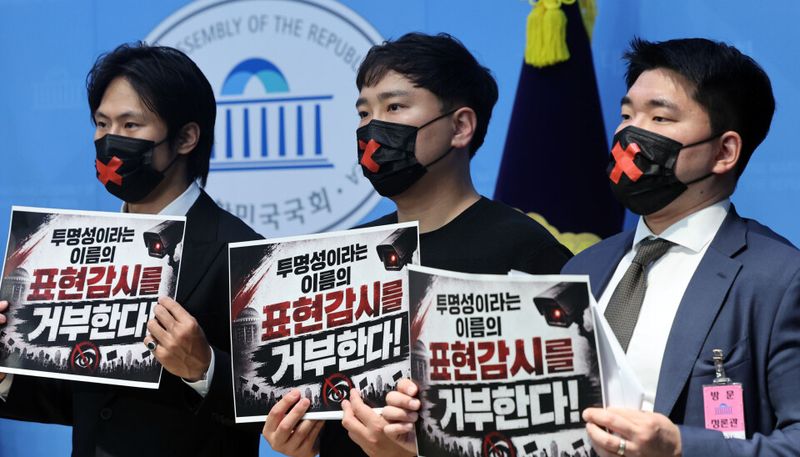
Staying silent on politics is practically an unwritten law for K-Pop idols. Publicly sharing opinions on controversial political topics, especially ones that clash with mainstream Korean views, can trigger massive fan backlash and media criticism almost instantly.
Agencies strongly discourage their artists from wading into political discussions because the risk far outweighs any potential reward. For groups with millions of fans across dozens of countries, one political comment can alienate huge portions of their audience.
Keeping things neutral is simply considered smart business in the K-Pop world.
15. Cannot Marry Without Company Permission
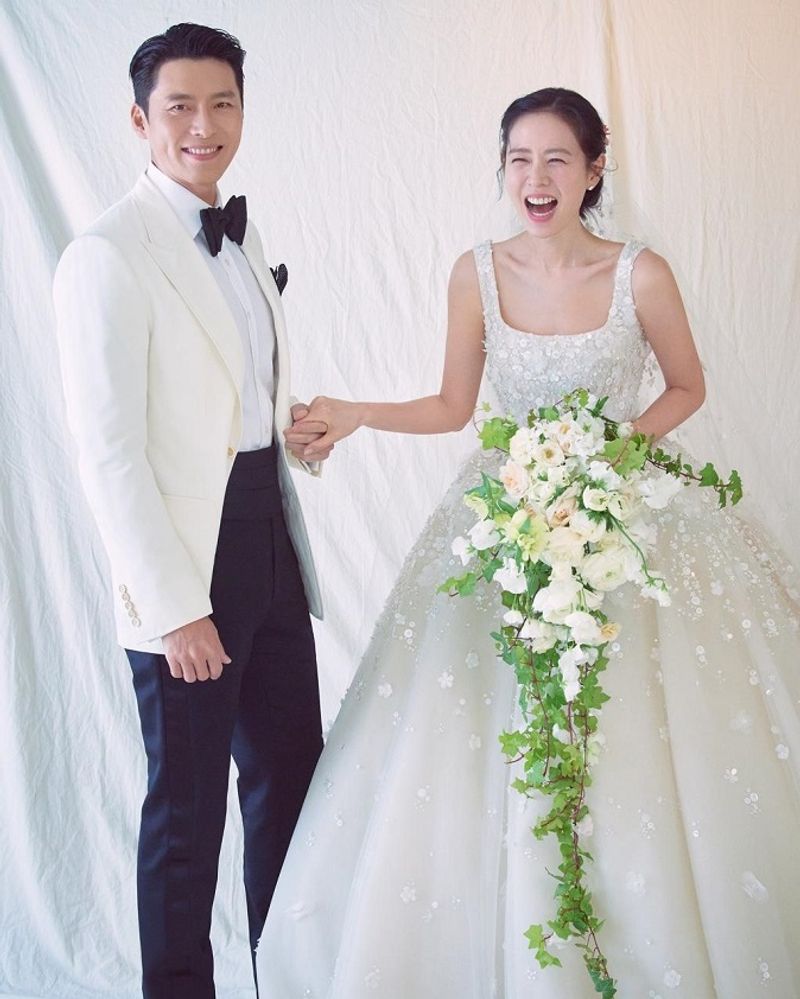
Getting married is usually one of the most personal decisions a person can make, but K-Pop idols often cannot do it without first getting a green light from their agency. Marriage clauses in contracts are surprisingly common, especially for idols in the prime of their careers.
Companies worry that a married idol loses the romantic appeal that drives fan loyalty and merchandise sales. It sounds incredibly intrusive, but many idols accept these terms as part of the trade-off for fame.
Love, it seems, comes with a permission slip in K-Pop.
16. No Frequenting Nightclubs or Questionable Venues
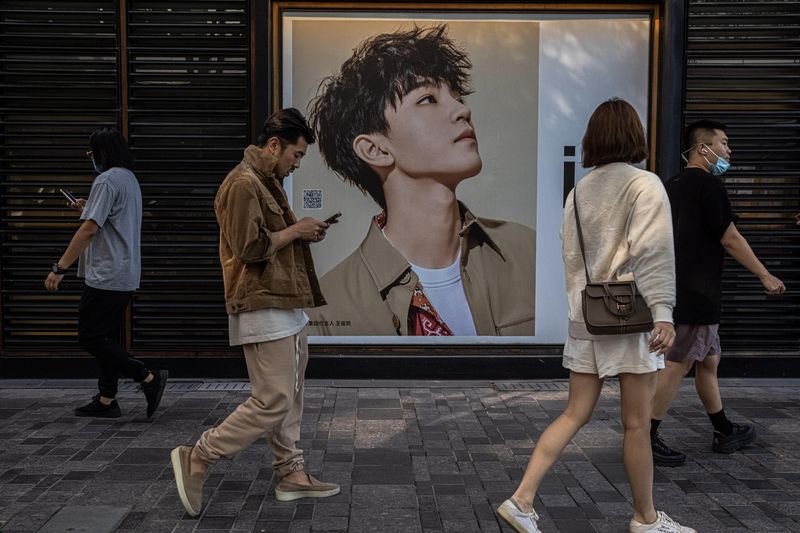
Nightclubs and bars might be popular hangout spots for young adults, but they are effectively off-limits for most K-Pop idols. Many contracts specifically name these types of venues as prohibited locations because being seen there could seriously damage an idol’s wholesome public image.
Paparazzi and fans with smartphones make it nearly impossible to visit such places without someone snapping a photo. Agencies would rather their artists avoid the risk entirely.
Being spotted in the wrong place at the wrong time has ended more than a few promising K-Pop careers before they really got started.
17. Demanding Training Schedules and Long Hours
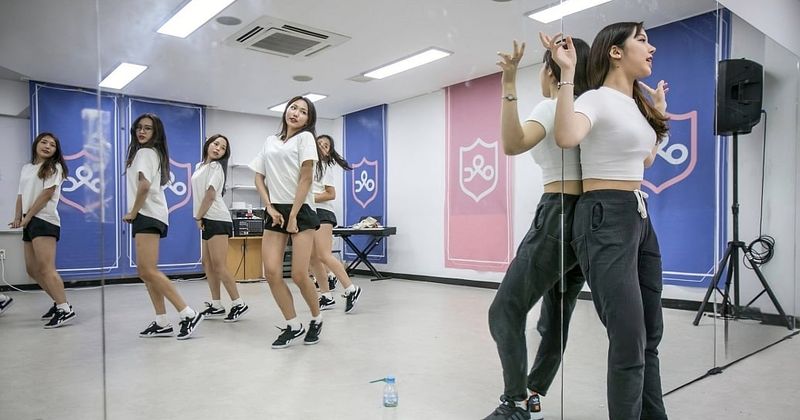
Before an idol ever steps onto a stage, they endure years of brutal training. Daily routines can stretch from 12 to 20 hours, packed with vocal lessons, dance practice, language classes, and media training.
Personal time is almost nonexistent during these preparation years.
Many trainees have described collapsing from exhaustion or pushing through injuries just to keep up with the schedule. The competition is fierce, as hundreds of hopefuls compete for just a handful of debut spots.
Only those who survive the grueling process ever get a shot at stardom.
18. Adherence to Specific Beauty Standards

Korean beauty standards are famously specific, and K-Pop idols are expected to embody them almost perfectly. Pale skin, a slim figure, double eyelids, and a small, symmetrical face are the ideals that agencies push their artists to achieve and maintain.
The pressure to look a certain way starts during the trainee period and never really lets up. Some idols have spoken openly about the emotional toll of constantly being judged on their appearance.
For many young hopefuls entering the industry, learning to navigate these beauty expectations is just as challenging as mastering any dance routine.